“No, Mom, it’s supposed to look like that.” I groaned into my phone. It was an uphill battle trying to describe why I spent a truly embarrassing percentage of my monthly budget on an exceedingly pricey sack dress. It was gigantic and boxy and made of a stiff Japanese cotton that completely and intentionally failed to highlight any of my body’s natural curves.
The hem fell asymmetrically at the shortest, least-flattering point on my calf. The neckline wasn’t sexy or modest, it just sort of hung there, doing nothing for my face or décolletage. But I loved it. “But you have such a great figure,” she said back, legitimately puzzled. “Why would you want to hide that?” It’s not an unfair question.
And it’s one that I couldn’t really answer without coming across as an absolute snob (spoiler alert: I kind of am). So how do you explain that sometimes clothing that makes you look “good” in the traditional sense isn’t actually the point?
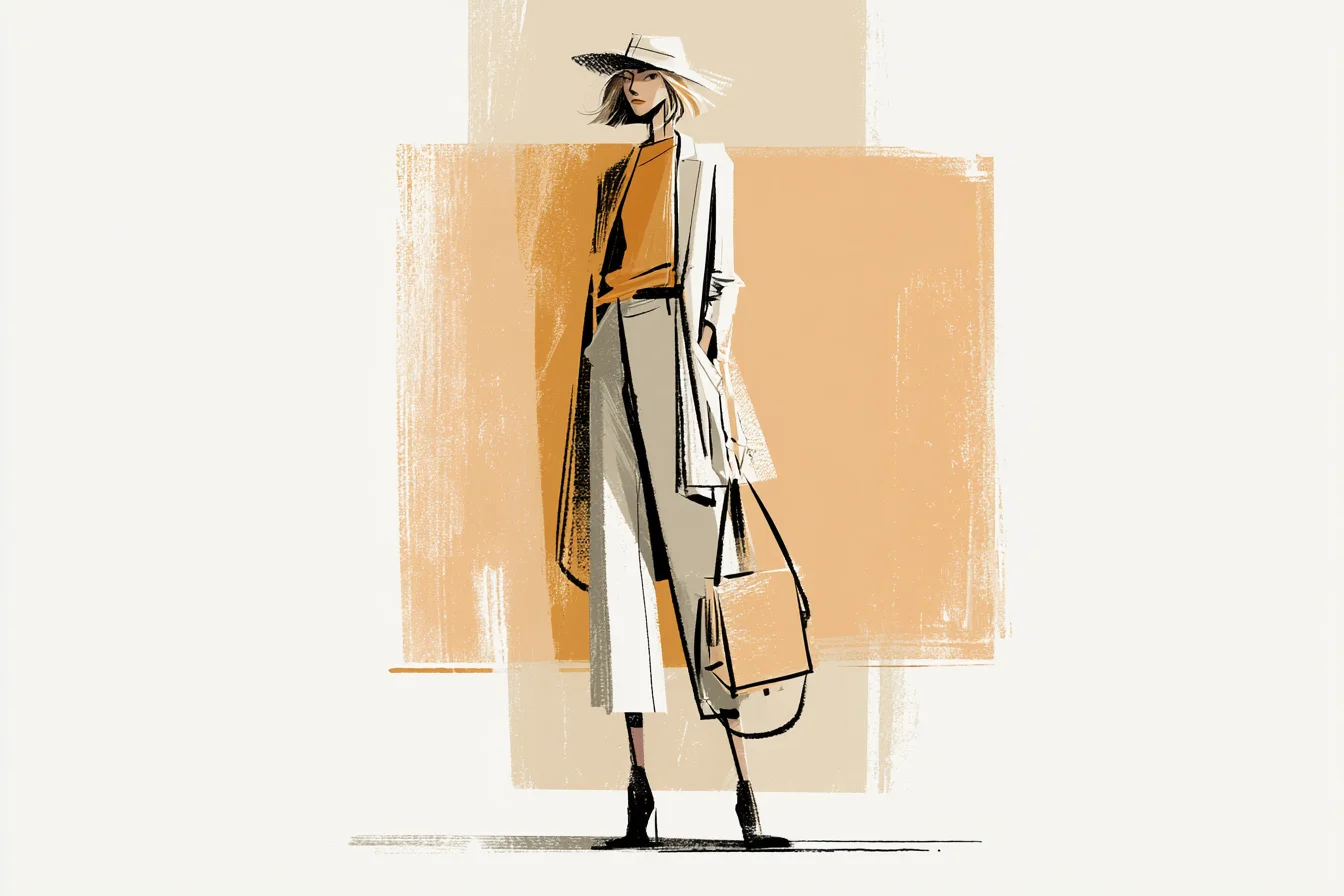
Sometimes you dress to be interesting, not attractive.
Fashion-forward, not flattering. Unexpected, not predictable. Here’s the thing.
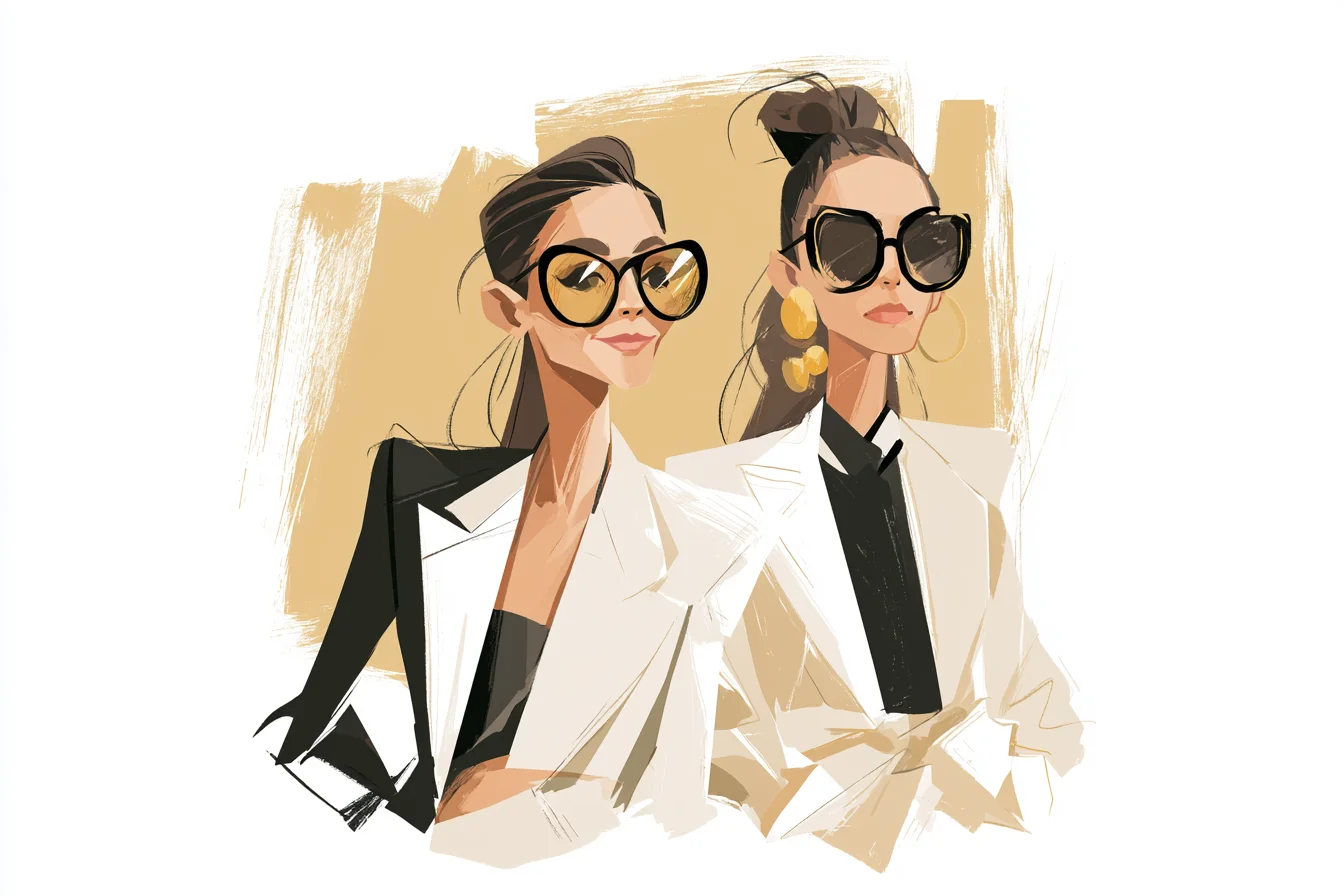
There’s a giant gap between what the fashion industry tells normal women to wear (fit-flattering A-line skirts that show off your waist, tee tops in V-necks that “elongate” your torso, wrap dresses that magically “suit everyone”) and what the people inside the fashion industry actually wear. Scroll through Instagram at any fashion industry group hang and you’ll see editors, stylists, and buyers wearing things that intentionally flout every rule they know about traditional women’s silhouettes. They wear clothes that deliberately don’t “accentuate” their curves, like our insanely stylish fashion director Simone’s black-gray-green plaid boiler suit that she showed up to our last creative meeting in.
She has a rail thin figure and could easily wear clothes that traditional stylists would say “show off her figure.” But instead she prefers to dress in giant silhouettes that create negative space around her waist and chest. When I asked her why she loved her utilitarian-looking outfit so much, she shrugged and said, “I like clothes that have their own shape, instead of trying to borrow mine.” See, THAT’S really what this fashion love of “unflattering” silhouettes is all about. The concept that clothes can be architectural and cool and interesting all on their own merits, without having to make your body look amazing as some sort of distraction technique.
A few years ago I first noticed this trend happening on the streets of Paris. After a decade of cinchers and waist-beautifying everything, women walking around Paris Fashion Week seemed proudly unconcerned with wearing something traditionally “flattering.” Instead they wore what my mom would refer to as sacks. Immensely oversized drop waists, asymmetric hems that fell at the widest part of the thigh, boxy jackets with wide shoulders worn with wide pants that were equally unapologetic about not “showing off” any waist at all.
They looked incredible. Not pretty or sexy or flattering in the typical sense. Cool as all fuck in that strange inversion of sexy that comes from feeling confident in your fashion instincts, rather than caring what strangers on the street think of how you look.
When I came back to New York I saw it everywhere. Fashion people—a group comprised of the same editors, stylists, and publicists feeding women this traditional style advice—were putting voluminous proportions over conventionally flattering ones all the damn time. But the style advice out there for regular consumers wasn’t changing.
If you weren’t a naturally thin person, you were still being told to fight tooth and nail to create an illusion of hourglass figure no matter what your actual body shape was. I was fascinated. If so many actual fashion people had rejected traditional “flattering” clothes, why were the magazines and websites and fashion guides still trying to sell them to the rest of us?
And, even more importantly, what would happen if more women rejected those rules, too? What would the world look like if we stopped pretending our goal each morning was to maximize how conventionally attractive our bodies appeared and tried dressing to be visually interesting instead? Now, for the record, I’m not suggesting we should all start going out in outfits we know will intentionally “make us look bad.” I’m talking about moving the goalposts of what we consider “good” clothing past “will this make me look thin?” and “does this highlight my waist?” and “does this show off my assets?» “What makes something flattering to me is whether it makes you look more interesting or not,” Simone told me when I interviewed her for this story. “Someone might look in the mirror and think, ‘Yeah I look great in that dress!’ But if that dress does nothing to shape your body in a traditional way, it’s not flattering in my book.
I’d rather wear something that speaks to a designer’s creativity than conforms to mine.” She couldn’t be more right. Fashion insiders are vastly more likely to wear something just because it’s cool vs. worrying about whether it’ll make them look skinny. It’s why drop waists are EVERYWHERE in the industry right now.
Dresses, skirts, and even pants with waistbands that fall right on your hips instead of at your natural waist. It’s the easiest possible way to look unflattering by traditional standards—after all, wearing something fitted at the narrowest possible part of your torso is universally understood to be the most universally “flattering” thing you can do with a garment. But within fashion circles, it’s a total obsession because it looks weird, slightly off in an intentional way, and immediately signals that the wearer is more interested in design than camouflage.
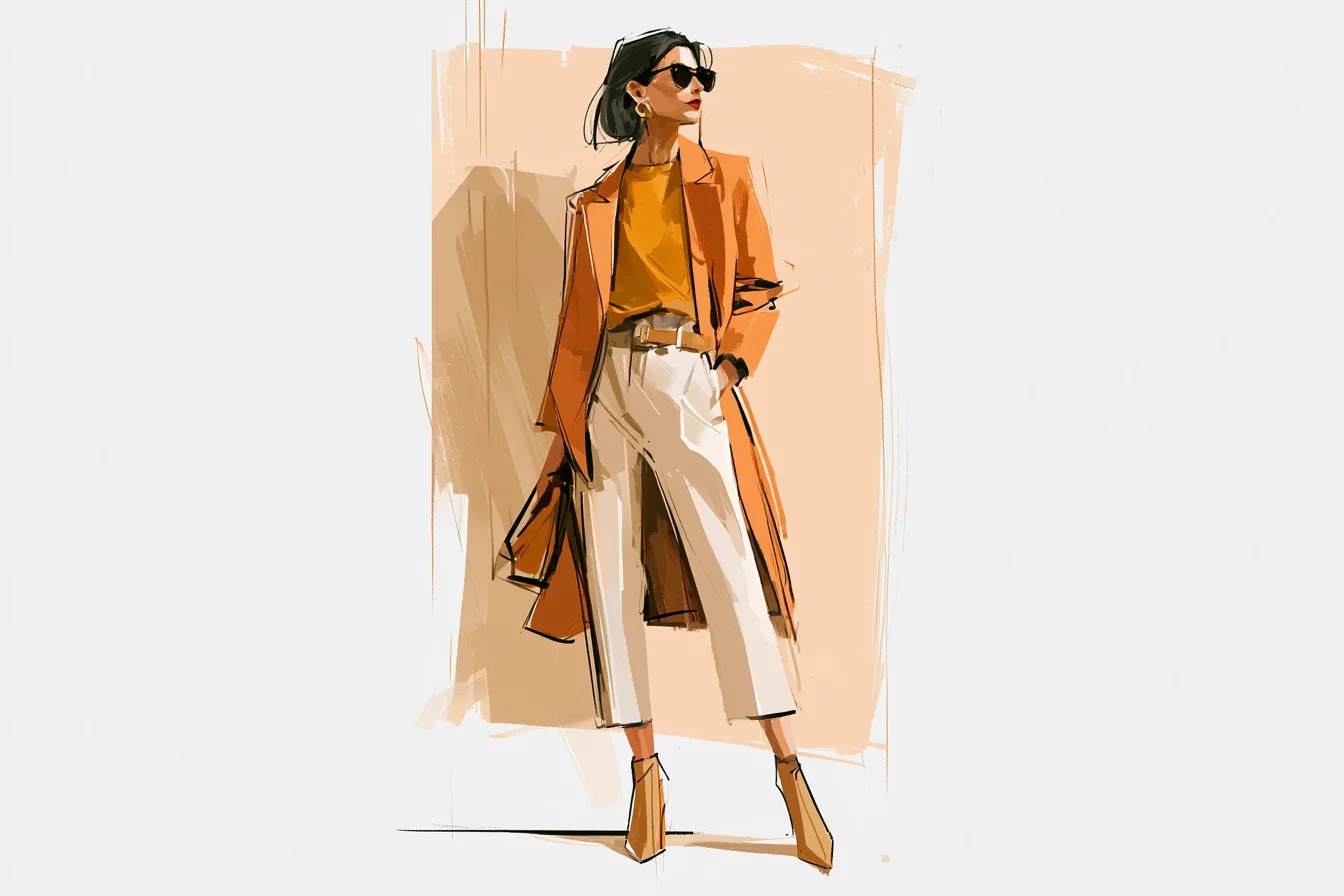
Another favourite inside fashion? The extra-large boxy blazer paired with big, barrel-leg jeans. Look at any“rules” of balancing proportions, highlighting your waist, or wearing something fitted if you’re going to wear something loose.
You Might Also Like
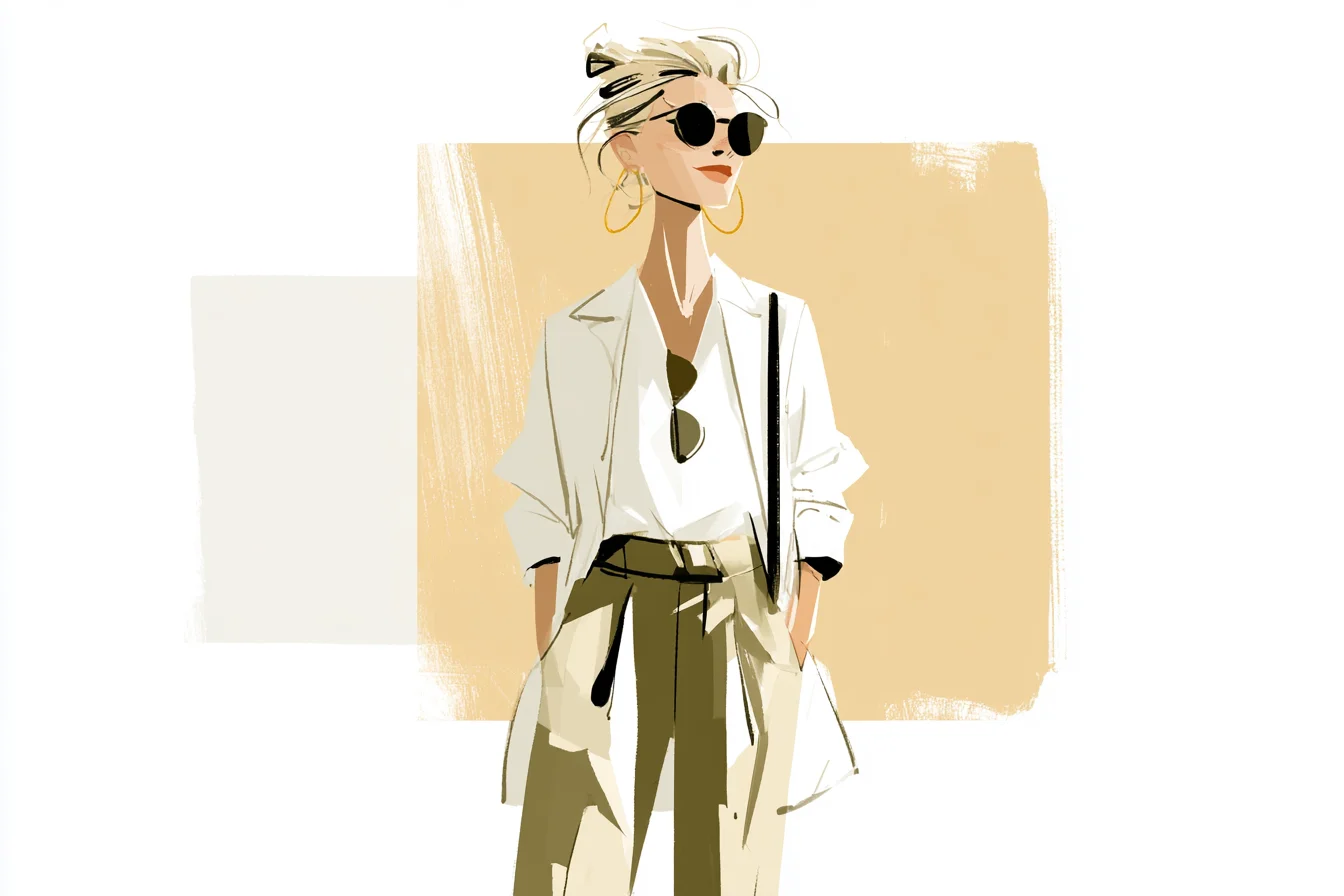
Instead it throws women into an oversize wrapper from rib cuff to hemline. By every expert’s advice, it should look awful. But it’s wildly popular in fashion because it flouts those old rules.
Last month I moderated a panel with three other fashion editors on rethinking how we think about our style with a room full of Love app subscribers in Soho. We had made a collective wardrobe effort to dress in what we were calling “challenge-yourself” silhouettes for the event: oversized tops, oversized bottoms, zero attempt at defining the waist. An audience member asked us during the Q&A if we ever wore these shapes outside of press functions like that or if it was just “for the blog.” “I pretty much never wear anything else,” said Katherine, Elle’s oh-so-stylish accessories director. “When you stop caring about wearing clothing that makes you look a certain way, everything else about getting dressed becomes way more fun.” (Plus, she added, you’ll stop agonizing over your body every.single.morning.
Psychological benefits, FTW!) Case in point: look at Instagram these days and you’ll find trending after trending of fashion folk wearing shapes that would send any old-school stylist into a tizzy: pants that end right at the fullest part of your calf, shirts that don’t come closed at the waist at all, skirts with bluntly dropped crotches, coats with oversized shoulders that look downright misshapen on a woman’s body. Dresses that would be objectively describing as “shapeless” by most moms. They don’t look sexy, probably.
But they look intentional. They look like you actually tried. And to a fashion trained eye, those are infinitely cooler (and therefore more fashionable) than looking “good” in the most boring way possible.
Look, wearing clothes that don’t “do something for your figure” takes practice. Especially when your romantic partner and your 85-year-old grandmother think you’re putting on weights when you rock up to brunch in a sack dress. I’ve had my Tinder date sexually disappointed by my avant garde outfit choices more times than I can count.
There’s a look men give you when you show up in clothes designed by Jeremy Scott vs. Tommy Hilfiger—and it involves both eyebrows raised in suspicion that you’ve maybe misunderstood the very concept of being date-ready. I love that look.
If dressing to look effortlessly hot was the point, I probably wouldn’t have spent my whole adult life around fashion people. But there’s nothing quite like turning heads in the deliberate wonkiness of your silhouette. It’s proof that you know enough about fashion to buck the rules and wear something because it interests you, not because it’ll get you laid.
Which, when you think about it, is the most empowering part of this whole move away from traditionally flattering clothes. Instead of dressing to get other people to approve of your body, you’re dressing to please yourself. Instead of trying to look good enough, you’re trying to look interesting enough.
Flattering clothing allows the body to do all the talking. Challenge-yourself silhouettes invite you to start a conversation. Side note: once you start thinking in these shapes, you will suddenly start noticing men wearing them all the damn time.
Loads of guys I work with wear interesting silhouettes with zero judgment about how “ flattering” it is for men. Jeans with crazy pleats that no human should be legally allowed to wear? Guys wear them and no one bats an eyelid.
Boxy shirts?
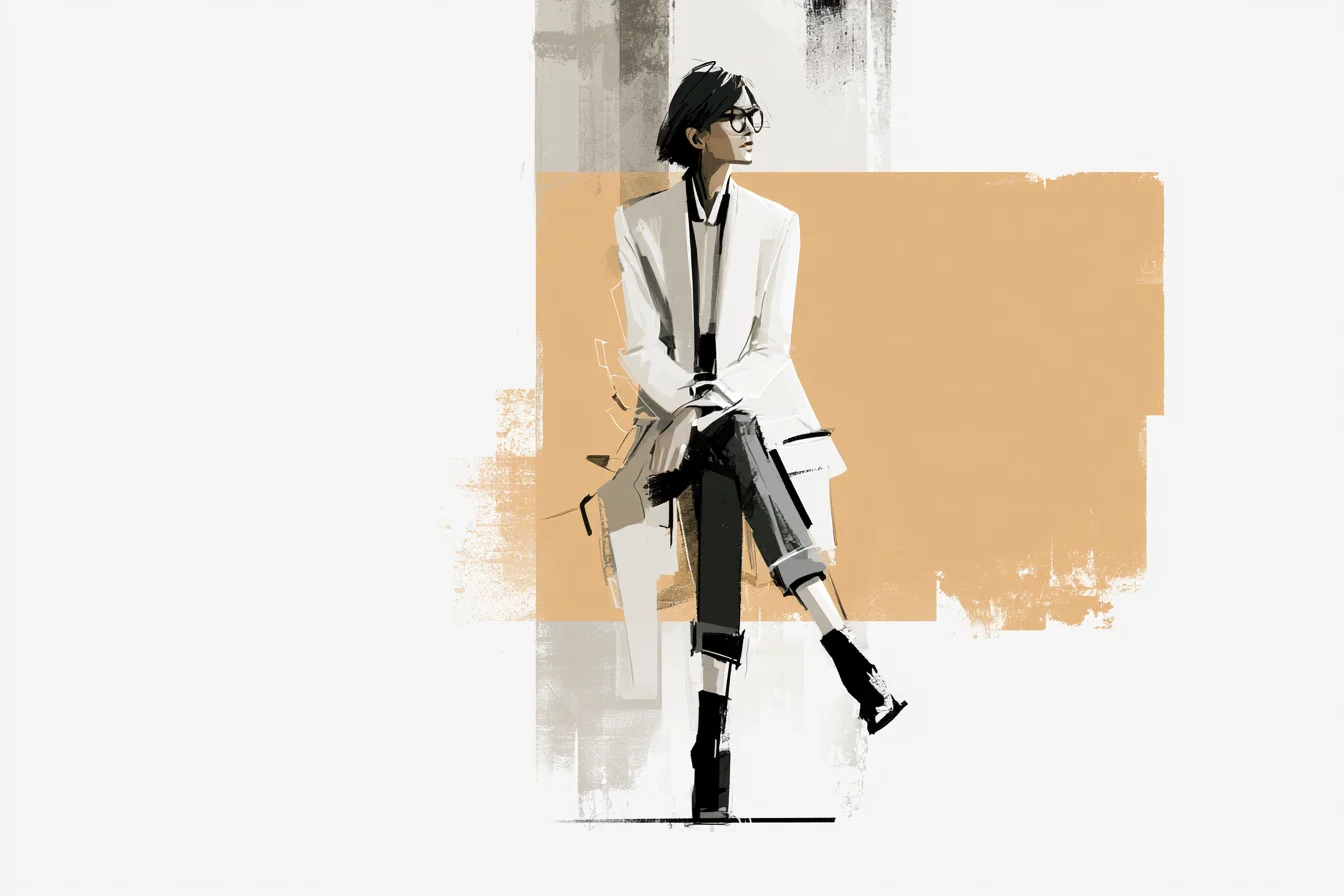
Oversized jackets? Wide-leg pants that look like they should be danced in, not walked?
News flash: your male counterparts get to wear all the clothing that challenges women’s proportions and no one questions whether those clothes make their junk look big enough. They’re just clothes. I’m not saying we should all toss out our beloved wrap dresses and old college jeans.
But I do think we should stop pretending that wearing traditionally “flattering” silhouettes is the ONLY way to get dressed. Like any sartorial rule, it works until it doesn’t. And I’ve reached a point in my fashion life where caring about flattering silhouettes doesn’t work for me most days.
But trusting my eye for cool silhouettes that have nothing to do with making my body look amazing? Sign me up. Buy the book Order robe from Adidas New Baseline x Rita launch on MR.Porter via the link in my bio.
Images via Getty