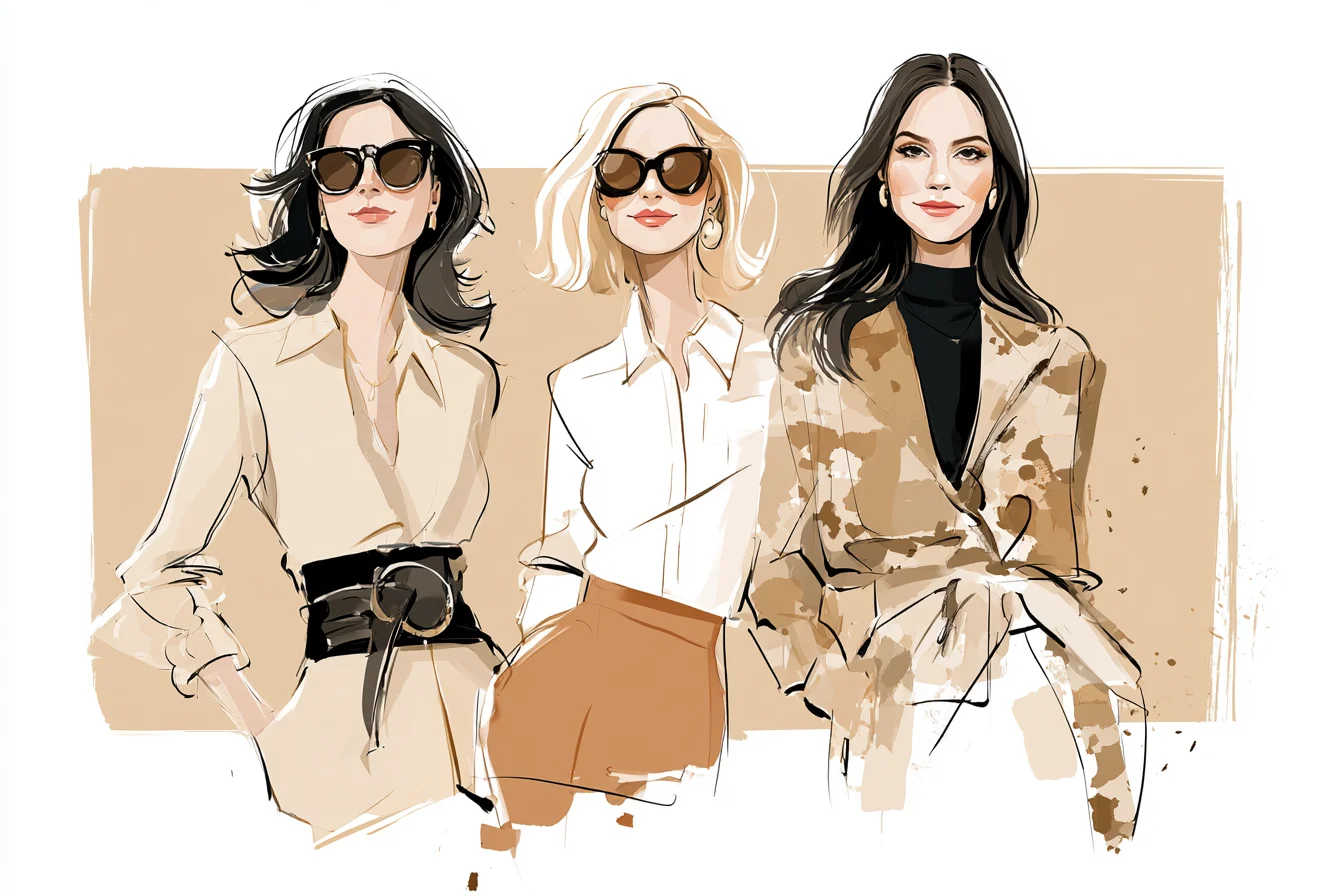
When I first watched a celebrity stylist put clothes on backwards on a celebrity, I thought she was losing her mind. It was 2018, and I was shadowing a celebrity stylist (name withheld to protect her reputation and my friendships with stylists) while she prepared a well-known actress for a series of awards-season press interviews for a movie that would later win her an Oscar nomination. . The stylist had packed her entire suitcase-full of clothes (literally 500 pounds of clothing options), shoe/boot options to dress both octopi and centipedes, and a jewelry stash big enough to require its own-bodyguard.
She’d struggled through a few outfits that just weren’t clicking, turned to me and said, “Okay, let’s reverse it,” and did one of the most preposterous things I’ve ever seen. . She had the actress literally put her entire outfit on backwards. . No exaggeration.
The silk blouse was buttoned up with the buttons at her back. The trousers were put on backwards, pulled up-and-zipped at the actress’s buttocks.
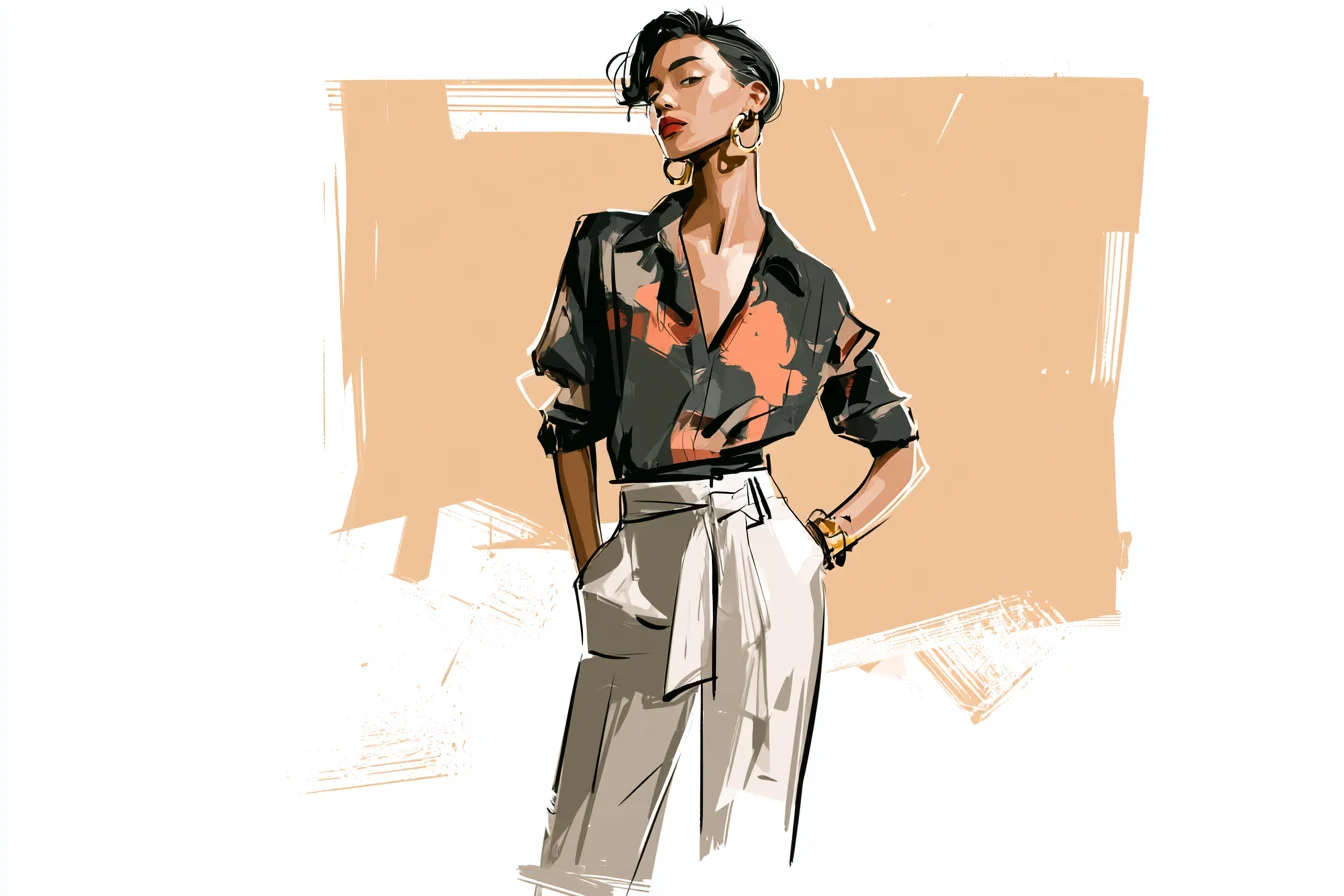
She even put the belt through the loops backwards. .
I assumed it was some sort of initiation prank for befuddled fashion writers like myself. But then the stylist stepped back to admire her work, tweaked a few things, and both she and her superstar client nodded happily. . “So much better,” the actress said, posing before their full-length mirror.
“It’s working now.” . At this point, I looked so befuddled the stylist raised an eyebrow in my direction for the first time that day. “It’s the shoulders,” she said, which helped a lot.
“Sometimes clothes just look better reversed on certain body types. Most American designers cut for athletic bodies, so when you flip it, it can make all the difference.”‘ . The actress added: “My shoulders are smaller than my hips, and most clothing is cut with the opposite in mind.
When we reverse them, it balances out.” . I left confused but intrigued. Was reversing an outfit some kind of Hollywood myth?
Dressing-room superstition? Or was there actually a scientific reason you could make your outfit work better by turning it literally upside down? . I spoke to seven years and dozens of stylists since that day, and it’s definitely the latter.
“Reverse dressing” is just one of many tricks professional stylists use to make clothes fit and look better on Hollywood’s finest but almost never publicly discuss. Call them hacks. Stylist secrets.
Clothing urban myths. They all fall somewhere between “this sounds ridiculous but actually kind of makes sense” and “weirder things have been done in the name of fashion.” . Here are six that will actually change how you dress, whether you’re wearing sneakers or sparklingheels.
Let’s start with the reverse-dressing trick, since that was my filthy lucre. Putting your entire outfit on backwards is obviously impractical for non-celebs-traipsing-around-Beverly-Hills lifestyles. You can’t very well run errands or, you know, sit down in a pair of pants that zip up the back of your thighs.
But reversing parts of your outfit can work really well if you’re willing to get a little creative. . “It all goes back to realizing that clothing is just a fabric-based building material,” says Jin Park, the stylist behind several famous K-pop stars and a master of repurposing “normal” clothing into unconventional silhouettes. “There’s no law that says a cardigan can’t be worn as a top backwards.
A skirt can become a tube top. A button-down shirt can be worn upside down and create an entirely new silhouette.” . Park showed me examples of clients he’d dressed using this method, including one where he’d had the client wear a traditional men’s dress shirt upside down, transforming the collar into a piece-making detail at the waist and the shirttail into a sort of architectural neckline.
It was run through with several discreet safety pins (hidden under flaps of fabric) but looked like a modern art dress rather than misuse of a Banana Republic shirt. . The more stylists I spoke to, the more I learned that this “rules? What rules?” attitude toward how clothes should look when worn is the norm in clothing land.
The Very Important Messages stylists want the public to see them sending when their clients walk down the street are neat and orderly. What happens backstage often has far less structure and far more leg hair. . Like cutting the legs off socks and wearing them as shapewear.
“Yes, the sock trick,” laughed Maria Chen, who styles multiple actresses you’ve certainly seen but can’t quite place. “Don’t google it. It will haunt you.” As if there was any chance of me not googling it after she said that. .
The sock trick involves cutting the toe off a thin dress sock (men’s socks are ideal) and pulling it up over your thigh, then rolling it down onto itself to form a sort of homemade compression shorts. Slide your pants or dress over that, and even the stretchiest, clingiest garment won’t cling or show any panty lines or bulges. It’s shapewear, but much more targeted. .
“Everyone on the red carpet is wearing some version of the sock trick under their dresses,” says Chen. “It’s obscene when you first do it and see yourself half-naked with socks on your thighs. But it works.” .
You Might Also Like

I even tried this DIY shapewear hack myself the night before this article was published while getting dressed for a wedding. I own pants that refuse to smoothly slide over my hips and thighs no matter what I do, so I was skeptical but game. Rolling those sucked-‘ya socks onto my thighs felt weirdly rude, but when I pulled my dress up after, something magical happened.
It fit perfectly, with zero visible panty lines, bulges, or other problems. Score one for sock garters. . Here’s another stylists-love-but-no-one-else-talks-about hack: rubbing moisturizer on new shoes.
Yep, that’s a thing. “We put moisturizer—plain ol’ face moisturizer—on new shoes that might rub against the skin or cause blisters,” says Tomas Rodriguez, who styles many musicians when they’re touring. “It basically melts the leather and stops that new shoe aggravation before it can start.” .
He demonstrated on a pair of shiny loafers, working a healthy amount of Cetaphil into the heel counter and across the toes before wiping off the excess. He handed them to me to try on, and it was instantly noticeable—the shoes felt softer and more broken in than they had just moments before I applied some generic drugstore moisturizer. To this day, that trick has saved my feet from at least two blisters when breaking in new boots. .
Then there’s the ol’ “stuff your purse with water bottles when you’re not using it” trick. Sure, it sounds made-up. But stylists swear by it.
“Unless your purse has that structured shape on its own,” says Park, “it’s been stuffed with water bottles when you’re not using it to maintain that shape.” Stylists traveling with clients often pack empty plastic water bottles solely for this purpose. (You can’t pop water balloons, people.) The bottles miraculously disappear when you need to use your bag and reappear when you don’t. It’s shaped-casing magic. . My favorite hack of all, though—and the one I’ve actually started using regularly outside of jeggings-is what stylists call “matching incorrectly on purpose.” Nope, we’re not talking about mixing prints or textures here.
We know they go together. This is about taking two things that “shouldn’t” work together in your wardrobe and forcing them to do so. Like wearing navy with black.
Or pink jackets with green pants. Or god forbid, mixing your metals. . “One of the first things I teach my clients is that nothing looks more outdated than being too matchy-matchy,” Rodriguez said.
“If they arrive wearing a color-coordinated suit with matching shoes and bag, I will immediately intervene. Pick one thing that ‘ clashes’ with the outfit and swap it out. Make that navy shirt silver instead of black.
That gold necklace bronze.” . He likens it to adding a pinch of salt to sugar. Or chili to chocolate.
It doesn’t make sense on paper, but my god does it work in real life. I started doing this little mind trick with my own wardrobe recently and was shocked by how many so-called “rules” I was freely breaking. My go-to all-black everything suddenly got a huge hit of fun when I swapped out black boots for burgundy ones on a whim.
That sweet, flowery dress I bought became unexpectedly edgy when I paired it with chunky loafers instead of the delicate ballet flats I “should’ve” worn with it. . But my favorite hack? One that I had to stop myself from laughing at too-hard-to-even-try?
Deliberately buying clothes wrong. Stylists almost never put their clients in their correct size. “Nope, we usually swap sizes up and down to sculpt the body in certain places,” confirmed Chen.
“We’re one size up here, two sizes down there. It really depends on the fabric and the cut.” .

Whoops, sorry, Miss Matching Jacket And Skinny Jeans.
You were told one of those had to be loose to balance the other? Newsflash: that’s not always true. “When in doubt, dress bigger,” several stylists echoed when I asked this question.
“I can dress someone down an size in fitted fabrics to make their body look totally different. But you can’t get pants that are too large back to being too small.” I recently found this advice eye-opening enough to actually try on an outfit I loved in my “wrong” size. I picked up a ribbed knit dress I’d previously sworn off because it was “too clingy” and tried it on in my actual size, even though the experts assured me that would look wrong.
It was then—the dress hugging my body in all the right places and skimming over the not-that I got it. There are no rules, guys except these ones: . “Don’t take fashion too seriously,” says Chen, who was still smiling as she helped me understanding why that shirt had been backwards in the first place.
“Fashion is just grown-up playing dress-up. Remember that, and you’ll never look bad—but throwing all the rules out the window can help.”