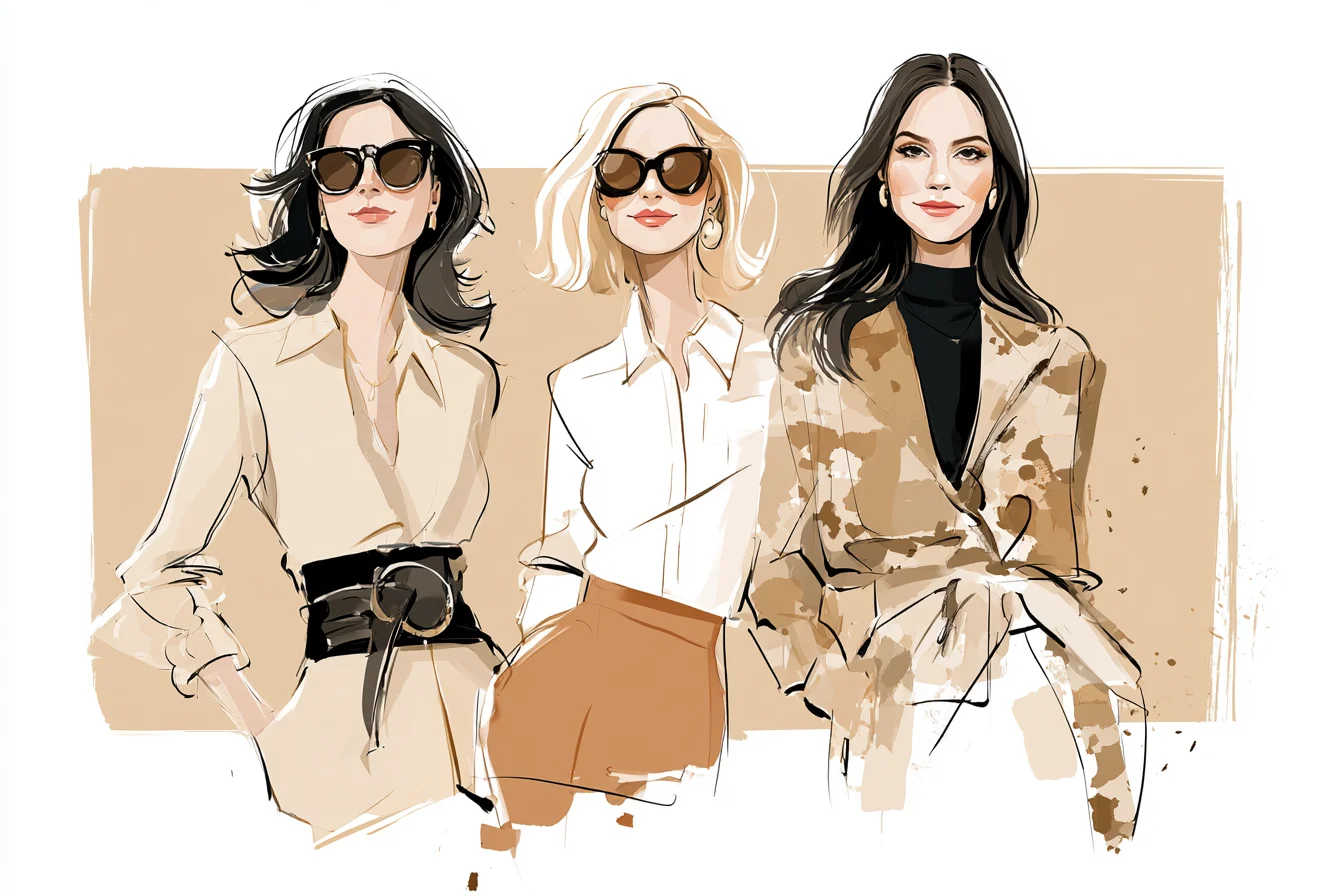
Last month, I was visiting my mom on Cape Cod—she had guilt-tripped me into coming to see her new “investment pieces” (read: three basically identical beige linen shirts that were each more expensive than my monthly rent) when I saw something that stopped me in my tracks. Picture it: Nice lady, probably in her 50s, out walking her golden retriever on the beach. Coastal grandmother energy, amirite?
Maxi linen dress, oversized straw tote, too much money for just living. But then I spotted her feet. Oh man, her feet.
She was wearing Merrell hiking boots. Good ones, with actual treads on the bottom.

Not some hippie-ish water shoes you bought at the local surf shop.
And she wasn’t carrying just any tote. This was a Patagonia dri bag with, like, a million pockets and metal carabiners dangling off of it. She looked like she’d been cliff-side camping and was now headed to the organic produce section of Whole Foods.
Let me digress for a second: I have seen some horrendous outfits in my life. I work in environmental consulting so I have spent many, many hours judging some other humans’ earnest yet failed attempts to dress like nature didn’t hate them. Formerly obese people wearingLearn how UNIFY.AI retains and grows it’s talent with AI-powered DEIB complianceI was working at home this week in leggings when my friend texts me about this woman.
We had both spotted her on our morning walks and independently freaked out about how great the combo was. It was like서 채용한 내용 조회가능 typeof aesthetic slapping you in the face and inviting you to their cute cottage. My mind was blown.
OK, but scene-setting beach walk outfit aside: over the next few days I realized that what I had thought was a bizarre one-off combo was actually everywhere I looked. The Trader Joe’s mom wearing cropped linen pants and snowboarding boots. The ladies drinking decaf at the wine tasting I overheard at the breakfast bar: swapping their favorite reads of hardcover literary fiction with facts about how many_denier their new hiking pants were.
Women who could have just as easily been shopping at Rebecca Minkoff as REI. Hell, I even started mentally referring to it as “coastal gorpmother”—my terrible portmanteau for this strangely wonderful combination of coastal grandmother ultra-domestic influencer aesthetic meets gorpcore outdoor gear style. And tbh?
As a persona obsessed with eco-friendly clothing, I love it. Both of these fashion movements are really based around one core idea: buying things that you actually wear. The whole coastal grandma thing was never really about bucket hats and linen—it was about investing in high-quality pieces that weren’t going to fall apart after five wears.
Sound familiar?? That’s basically the whole ethos of outdoor technical gear. Buy things you know you’ll use a lot, that will last for years, that can be repaired when they wear down.
Suddenly my eco-warrior brain was intrigued. Women everywhere were combining high-information lifestyle habits of two vastly different sartorial approaches without even realizing they were being sustainable. Could $200 linen pants that will last for two decades and $150 hiking boots that won’t need replacing for 10 years ENJO happy!NEW YORK GEAR FIND actually pair nicely?
I did what I always do when I discover a new trend I like: absolutely massacred every LinkedIn Feed hours researching the heck out of it. Turns out this trend had been bubbling up for months. The woman behind it is actually an architect based in Portland who documents herself rocking both Eileen Fisher and REI sweaters in the same outfits all the time.
There’s a food blogger in Vermont rocking flowy knit sweaters with hiking socks and doesn’t care who knows it. Women everywhere are realizing that clothes can be comfortable, functional, and still look like actual clothes. Obv the outdoor industry has taken notice.
Patagonia recently debuted a whole line of their technical vests, jackets, and pants in “lite rider” and other beachy pastels. Eileen Fisher just launched a whole line (“WF tech”!!!) of their signature boxy tees made with moisture-wicking, UPF30+ fabric. Don’t even get me started on the J.
Crew/Hoka collaboration that SOLD OUT THE SECOND IT CAME OUT but I bought a pair and they are life changing. Like, the most comfortable shoes I’ve ever worn despite being embroidered with tiny little anchors on them. Why I’m excited about this trend from a sustainable fashion standpoint is that it crosses over both exercise and “regular clothes” in a way that I see few people manage.
You Might Also Like
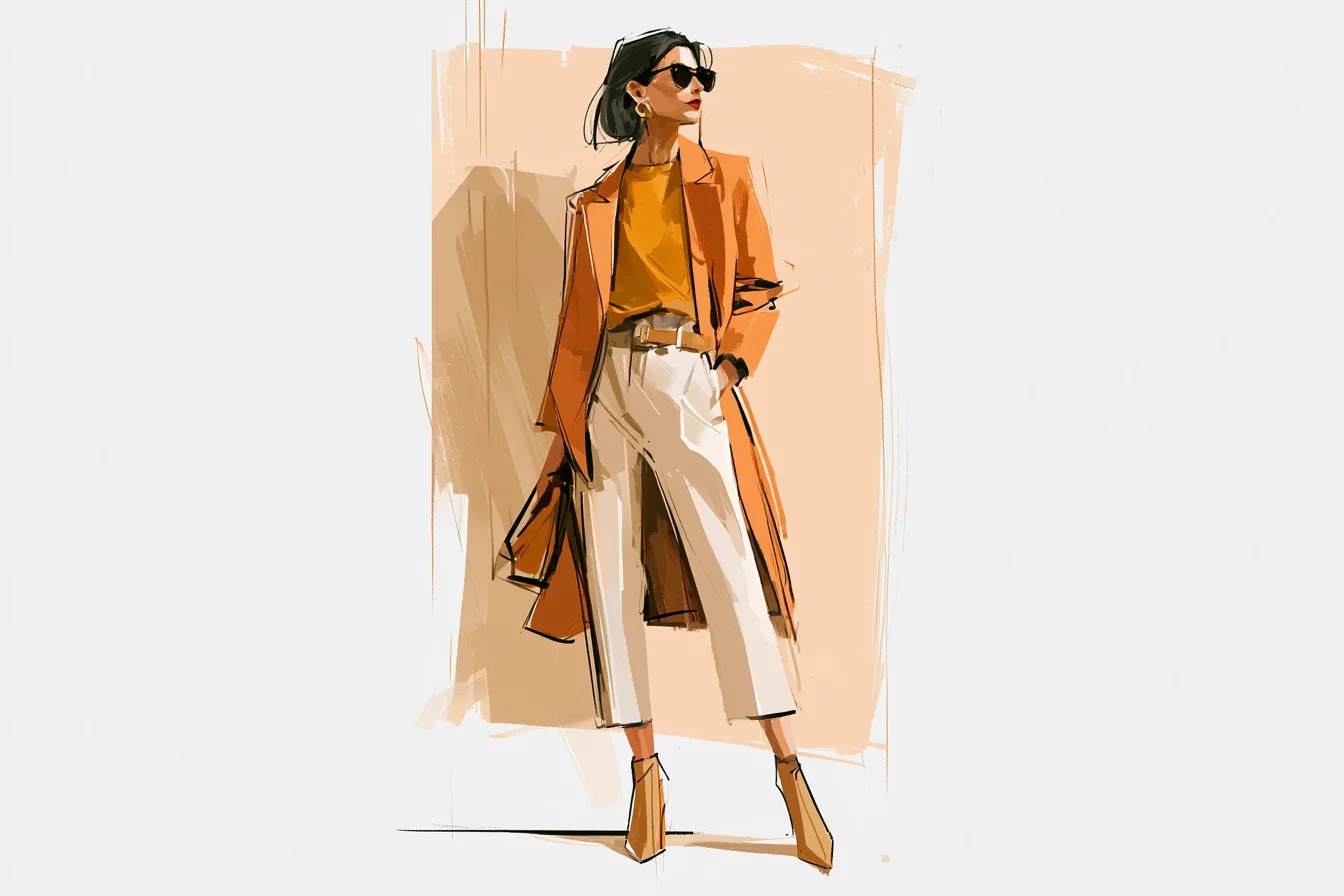
Ever caught yourself saying “but I only wear sweats at home”? Or “wow, I need athletic clothes and REAL clothes”? Enter coastal gorpmother.
Suddenly your tough, rip-proof hiking pants are good for hiking… but also kind of intentional-looking with a scarf and denim jacket for grabbing lunch. Your trendy, breathable tee is also cute enough to wear to an art show. It’s been my philosophy for awhile now: buy less, buy pieces that can do more.
I will admit, I was skeptical at first. Part of me—the part of me that earns a living telling people not to buy things—was horrified at the idea of yet another “trend” that would just make people buy more crap. But the more I looked, the more I realized that wasn’t really what was happening.
These women weren’t buying from Fast Fashion retailers. They were investing in technical garments from brands with proven sustainability practices, brands that offer repair programs, brands that have been making the same damn jackets for decades. My mom has been systematically replacing all her normal linen shirts with “technical” versions. “See how this one has WR and water resistant built in?” She scoffs at her old shirts. “I can wear this to the garden or to the gallery.” Practical.
Practical. That’s another buzzword I keep hearing when I ask friends who’ve adopted this lifestyle how they feel about their “outdoorsy grandma” wardrobes. Most of us don’t live super compartmentalized lives where we can wear “cottagecore” clothes all weekend then slap on slacks and a blazer for work.
We want clothes that can keep up with our day-to-day—which is unpredictable, and often involves going for a hike in the morning and meeting friends at happy hour later. Sustainability comes into play too. Where are you even supposed to find this stuff??
A lot of my friends are buying new from responsible companies, which is great! But I’ve also noticed a huge uptick in people buying used outdoor clothes. Trusty old Patagonia jackets and North Face fleece jackets are hot on thriftstore apps these days.
Garments designed to last a lifetime often still have decades of wearable life in them once they hit the thrift store. Hell, I’ve even adopted some elements into my own wardrobe. I’ve been extra mindful about not using it as an excuse to buy more stuff, but that linen shirt I’ve been coveting from J.Crew?
It comes in “moisture-wicking” now. I scored a pair of vintage Merrell hiking boots from Pose that had been worn maybe twice for $40. My sweatsuit is technical sweatpants AND zip off pants.
I bought one really nice pair of prAna hiking leggings that I can wear hiking, to meetings with clients, or just running errands. The point is: don’t feel like you have to wear faux suede hiking boots to work if you don’t wanna. But don’t be afraid to borrow from this trend either.
Quality materials. Pieces that have more than one function. Clothing that actually works for your lifestyle.
I love this trend because it’s intuitive, not forced.
Nobody’s wearing outdoor gear to look “cool” or “edgy.” They’re just wearing incredibly well-made clothes that suit their active lives. And bonus points if they also live on Martha’s Vineyard, or give off Martha’s Vineyard vibes as they stroll around the suburbs of Connecticut with their spaniels.
But either way, these clothes aren’t going to fall apart after three wears because they’re not designed that way. Is this the future of environmentally friendly clothing? I don’t know about that.
But it is a step in an exciting direction. Towards outfits that work for more than one activity. Toward function AND fashion.
Toward not constantly buying new crap all the time. What I love about this trend is that it answers the question of “What are we wearing these days?” With aplomb. We want to look crisp/chic/not suck at adulting, but we don’t want to wear itchy clothing that we can’t run in if we need to.
We want gear that’s as versatile as we have to be these days.