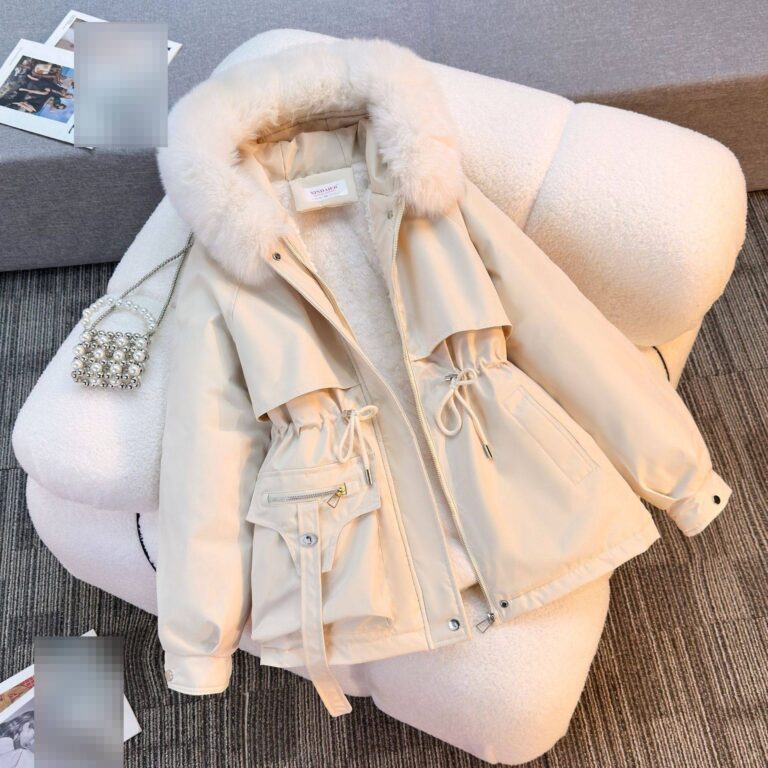
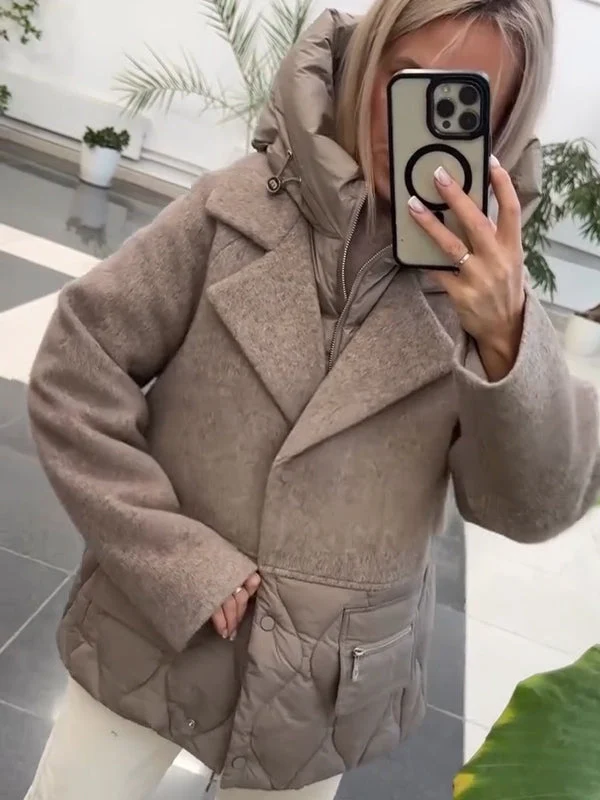
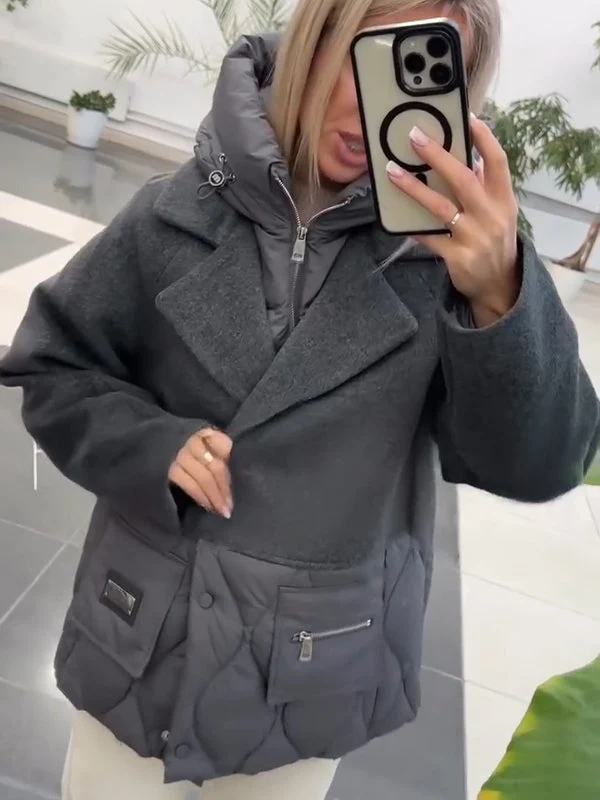
A proper puffer suits anyone who actually gets cold, which sounds obvious but I mean it: if you spend January stood at a bus stop or walking a dog at seven in the morning, this earns its spot over something slimmer and prettier. It's less kind to anyone who needs to look pulled together for work the second they walk in the door, because there's no version of a puffer that reads as smart, only varying degrees of casual. If you're after one coat that does everything from the school run to a dinner out, this isn't it, and I'd stop looking for that coat altogether, it doesn't exist.
The honest limit is shape. Most puffers add bulk somewhere you didn't ask for, usually the hips or the upper arms, and no amount of styling fixes that, you just have to find the cut that adds it somewhere you can live with. Check the fill by squeezing a section in the shop, if it springs back it'll keep its loft, if it stays flat you'll be looking at a flat coat within a month. Also check the zip, pull it right up and down twice, cheap puffers often have a zip that catches exactly where your chin is, which nobody mentions until you're stuck.
It clashes with anything already voluminous underneath, a big jumper under a puffer just makes two shapes fighting for the same space, so go slimmer on top than you think you need to. Skip it with anything tailored on the bottom too, wide leg trousers under a short puffer can look like you got dressed in two different decades. It also does nothing for an outfit you actually want remembered, there's no occasion where a puffer is the interesting part of what you're wearing, and that's fine, that's not its job.
Where it belongs is cold, practical, everyday life: the school gates, dog walks, standing at matches, any day where the forecast says single figures and you'll be outside longer than planned. Longer puffers earn their keep from November through to March properly, the cropped ones are more of an early autumn and late spring thing, when you want the look without the full commitment.
It changes with age in an honest way. The fill compresses a little each winter, so a coat that felt plush in year one goes slightly flatter and lighter by year three, still warm, just less dramatic. The fabric usually holds its colour fine, but watch the cuffs and the zip pull, they're the first things to look tired, long before the rest of the coat gives you any reason to replace it.
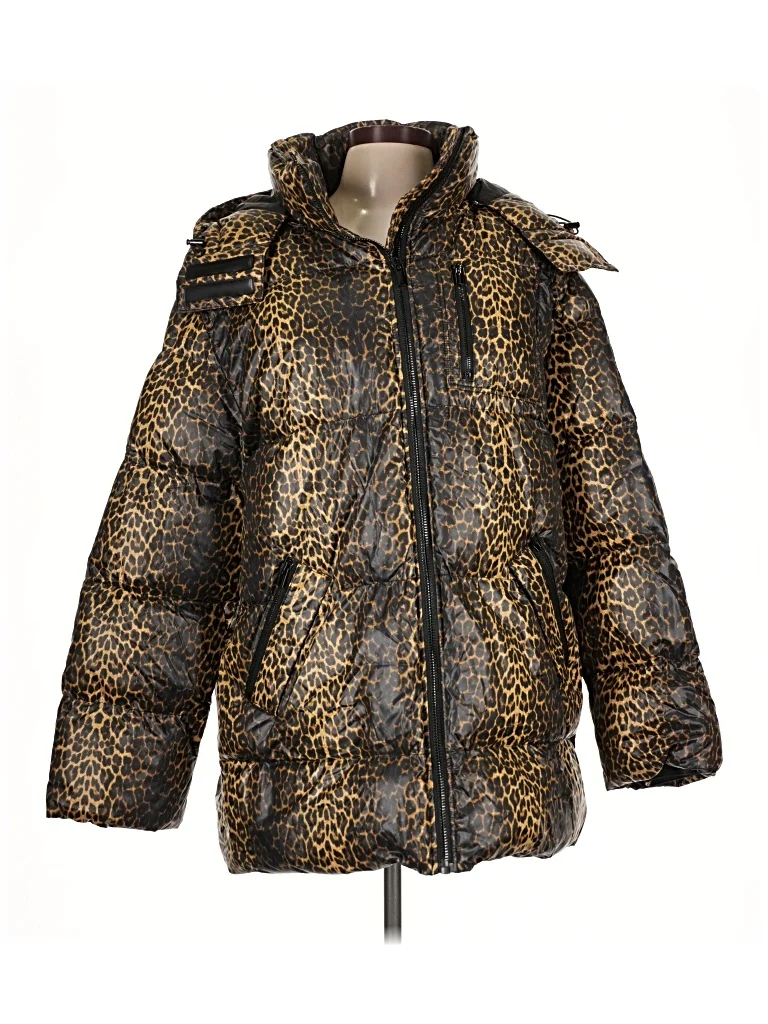 Shop the Edit: Gold Puffer Jackets
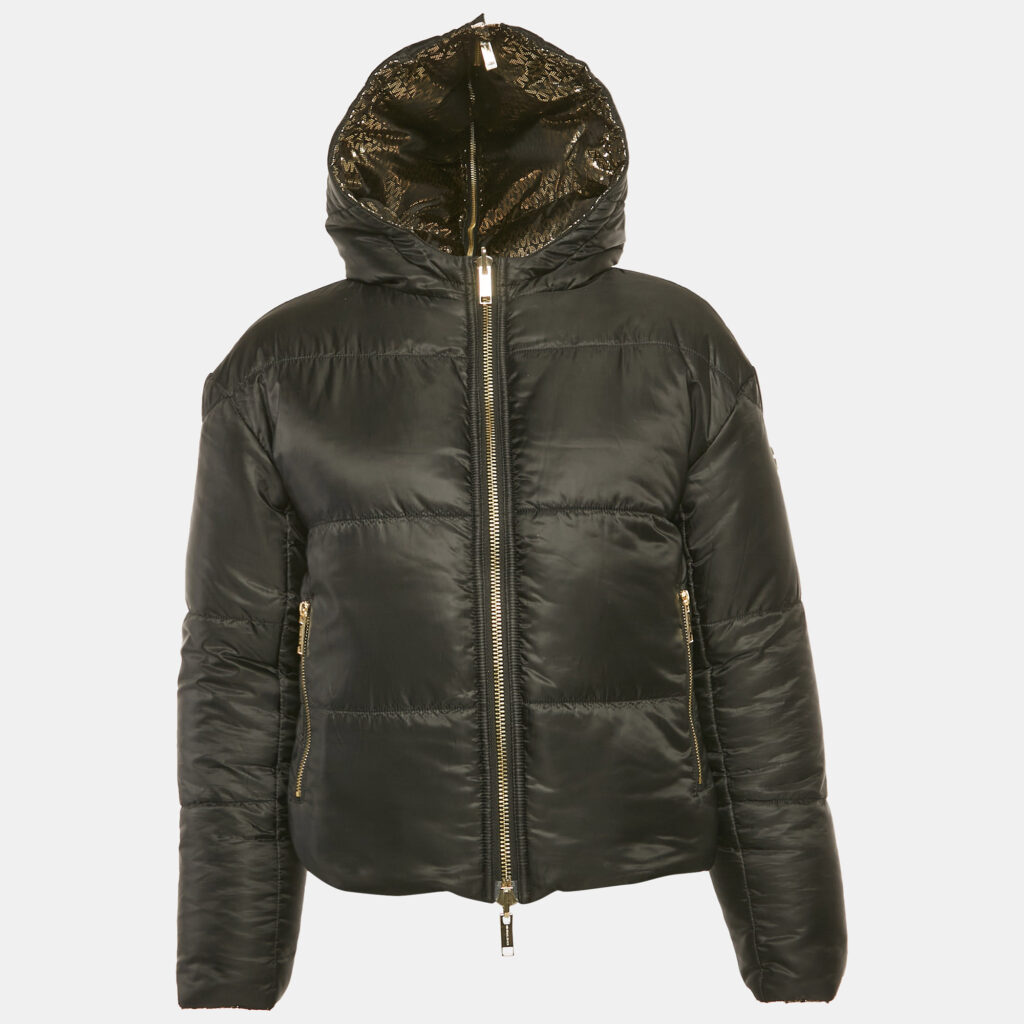
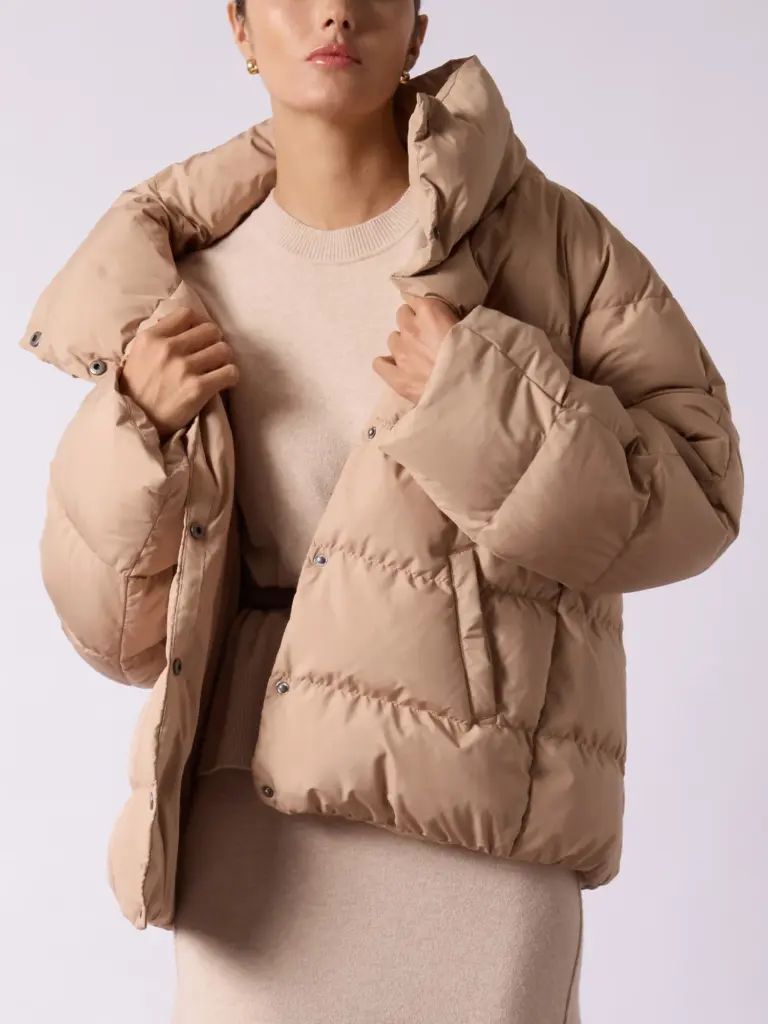 Funnel Neck Puffer Jackets to Throw On Over Everything
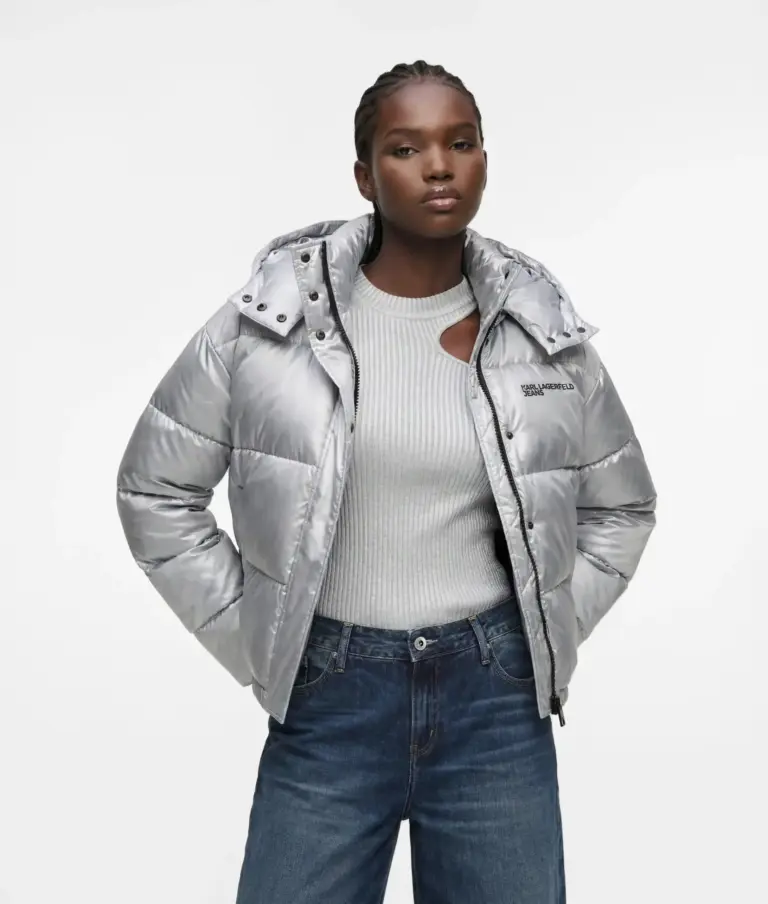
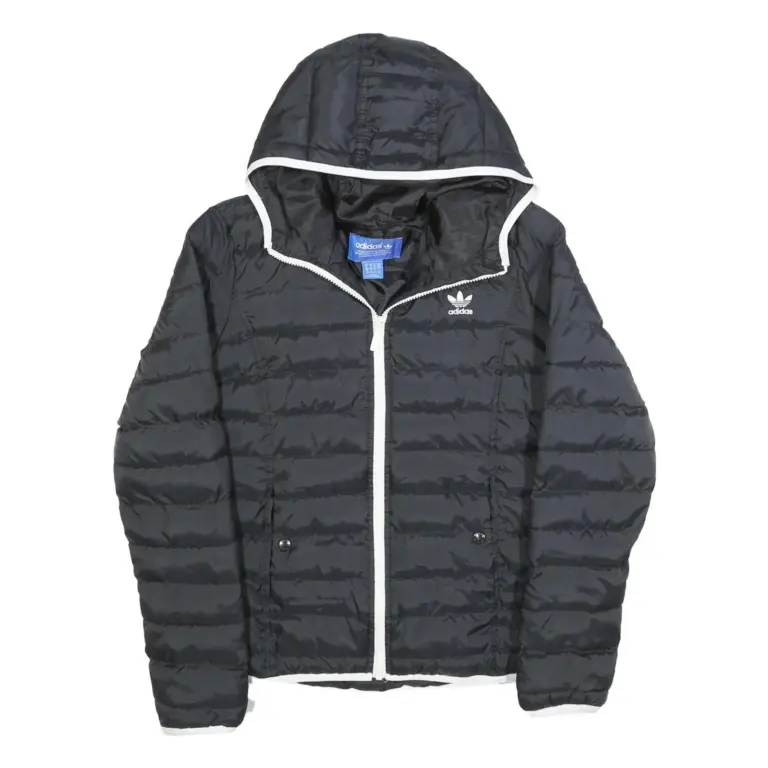 Fitted Puffer Jackets We’ve Been Saving
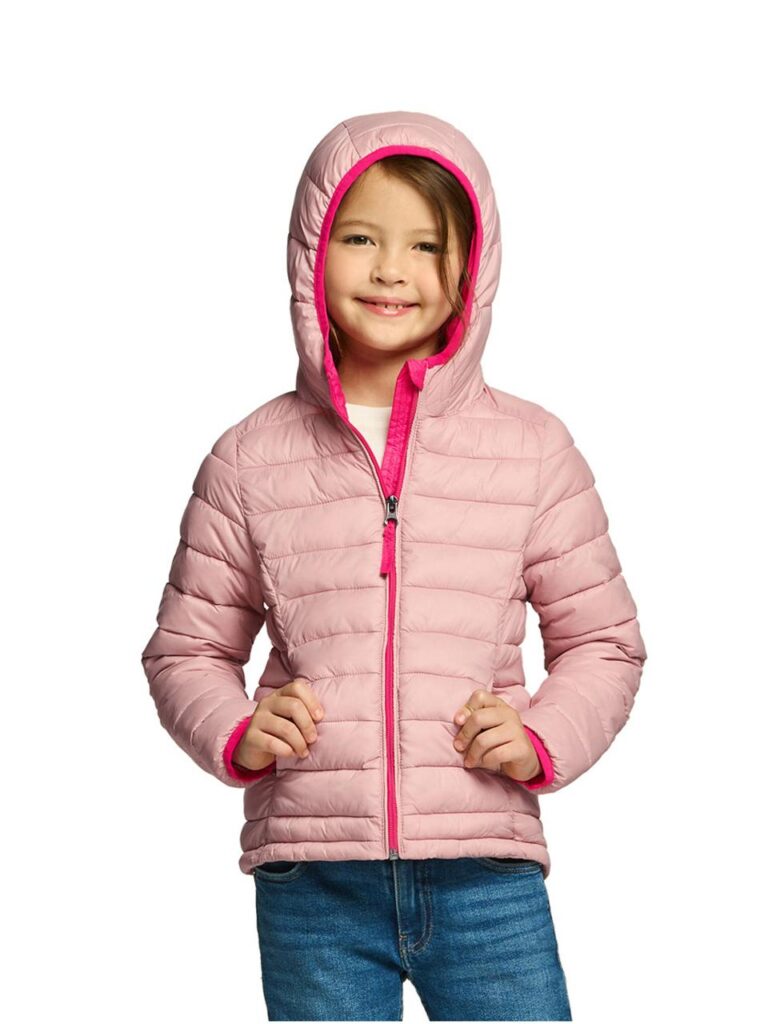
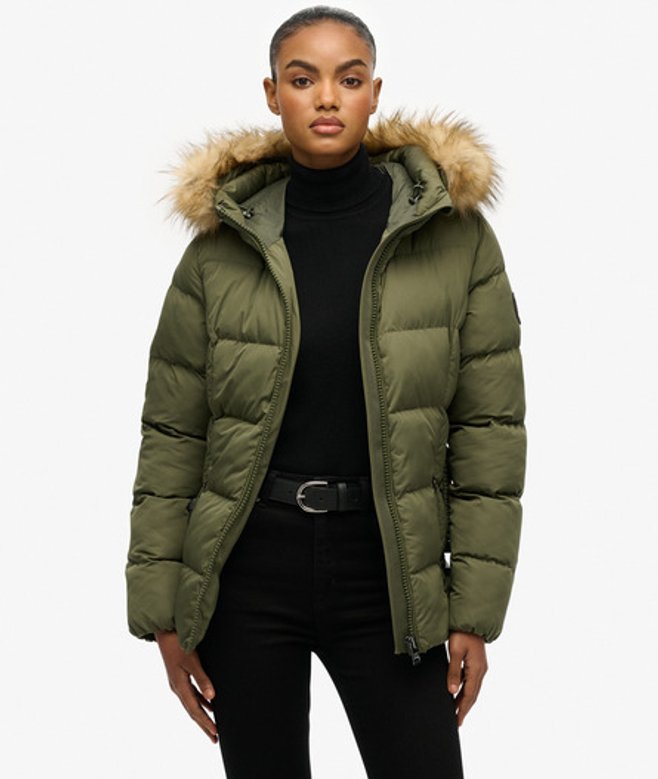
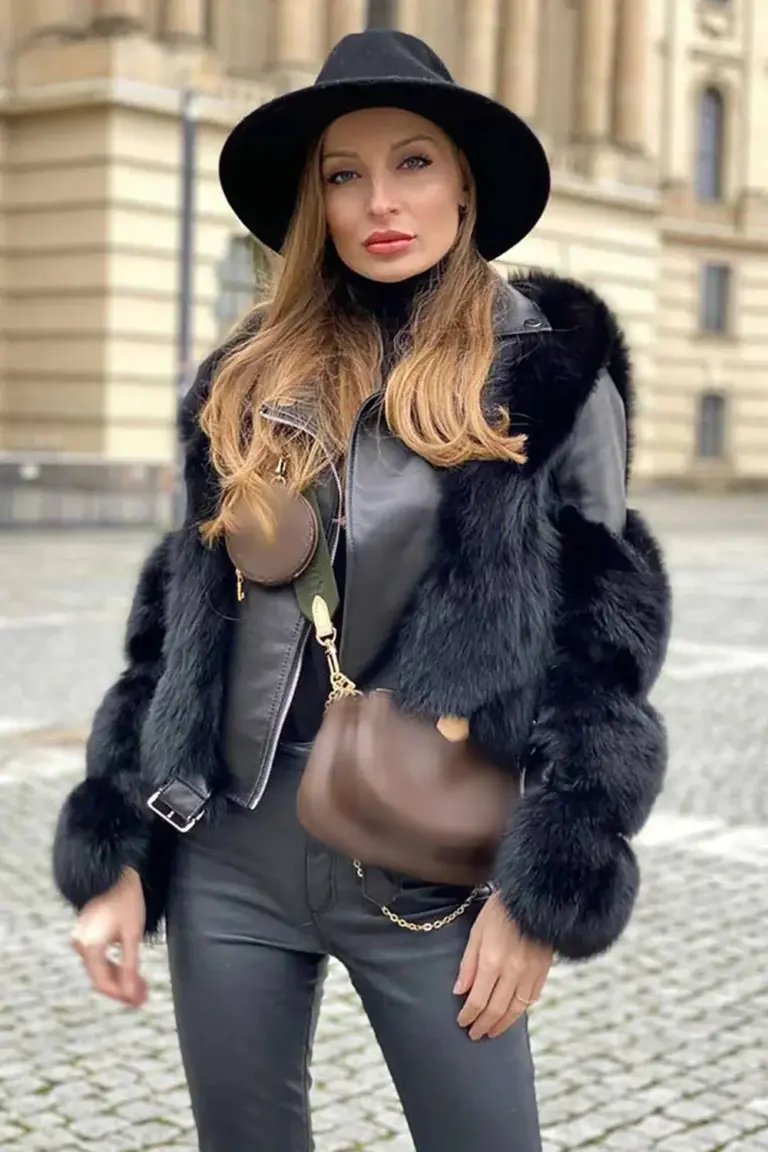
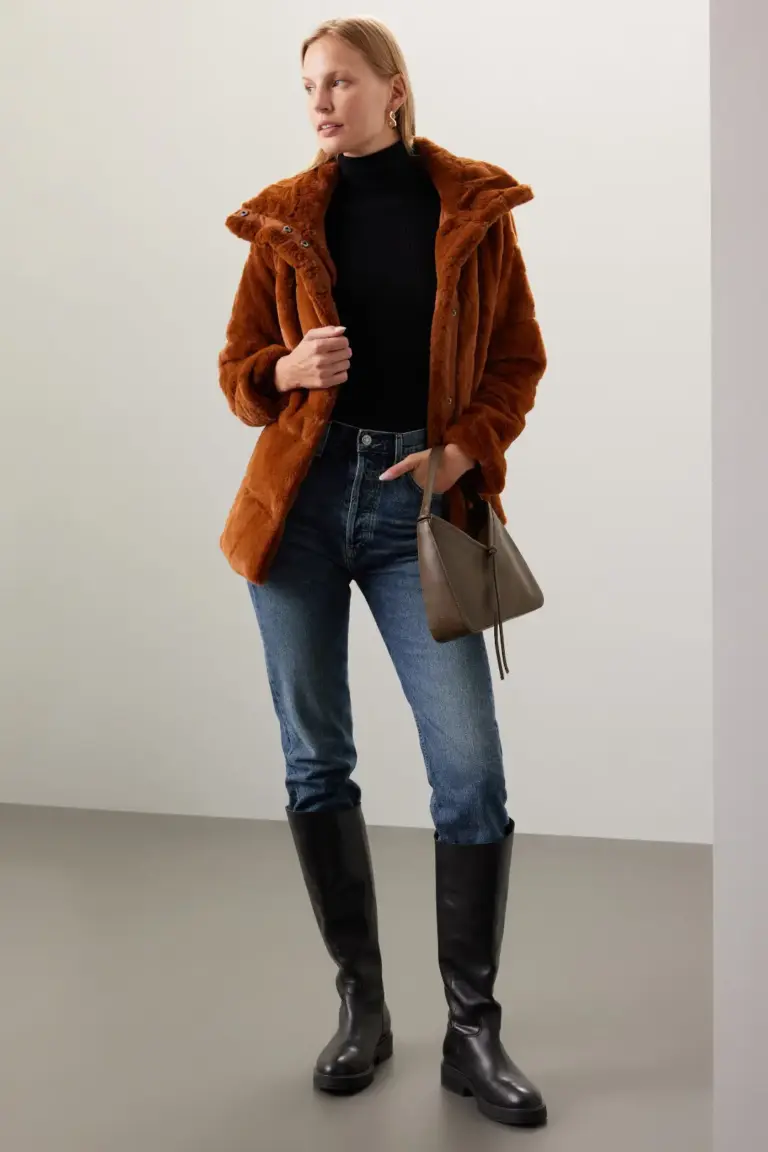 Faux Fur Puffer Jackets Edited Down to the Best
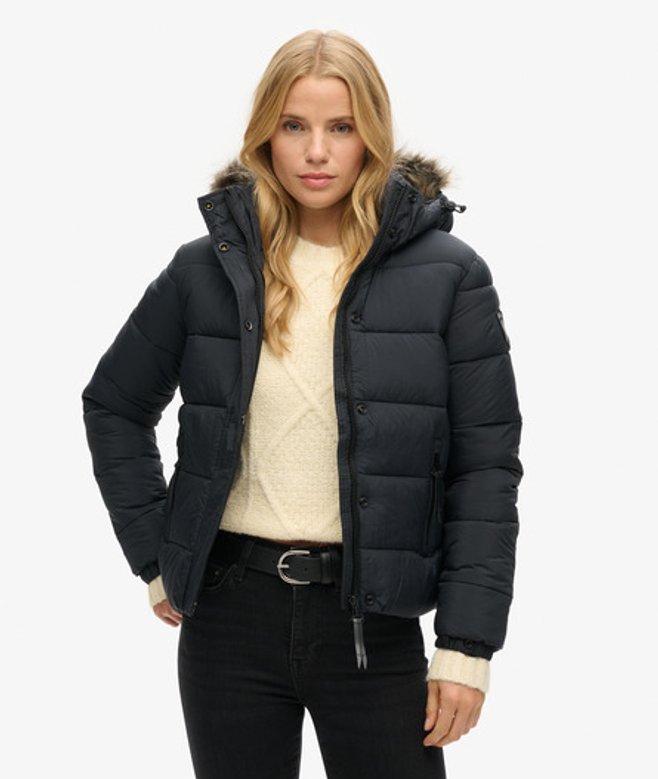
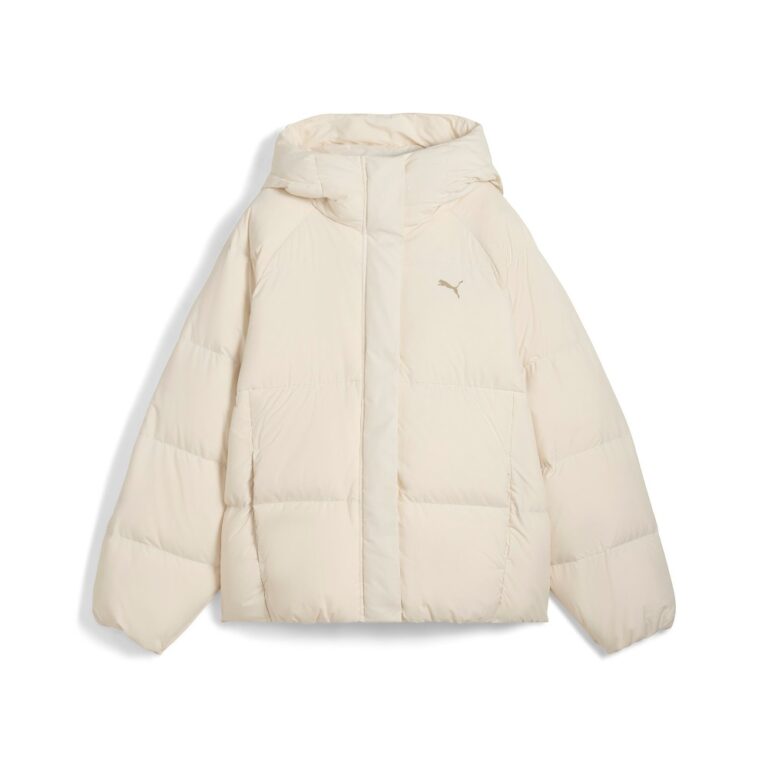 Evening Puffer Jackets: The Ones Worth Your Money
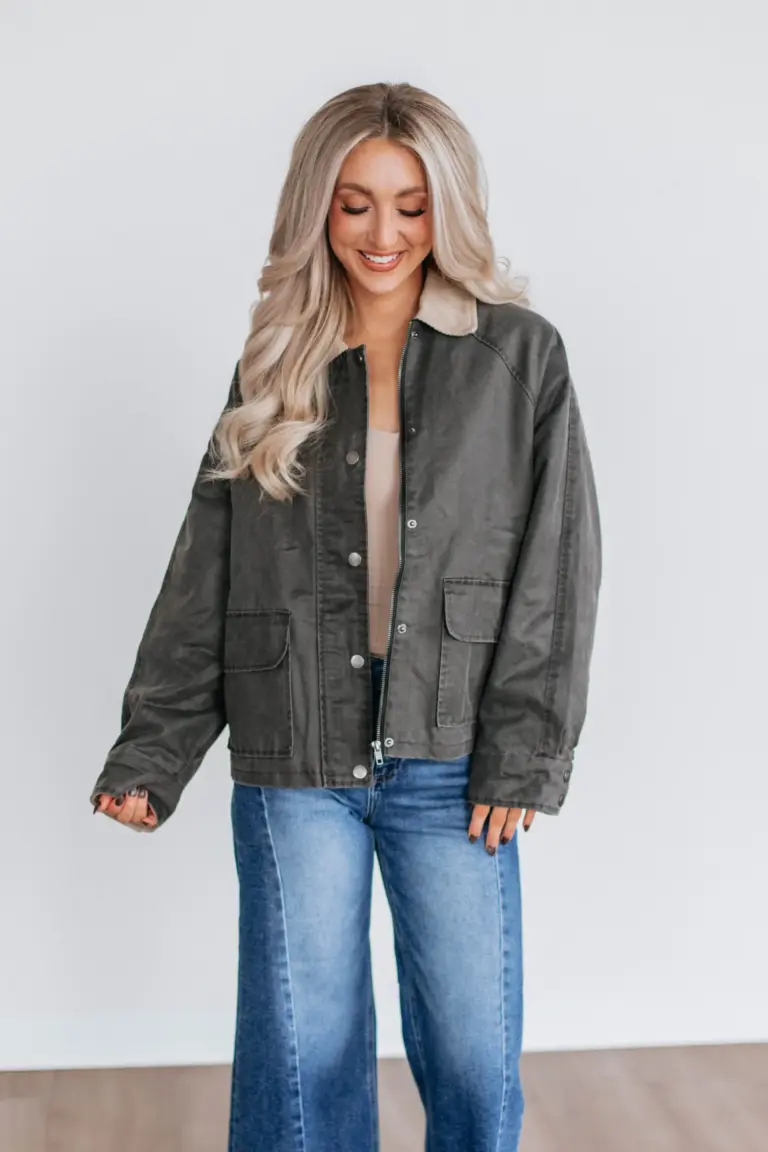 Denim JacketsSmart Denim Puffer Jackets to Top Off Your Look
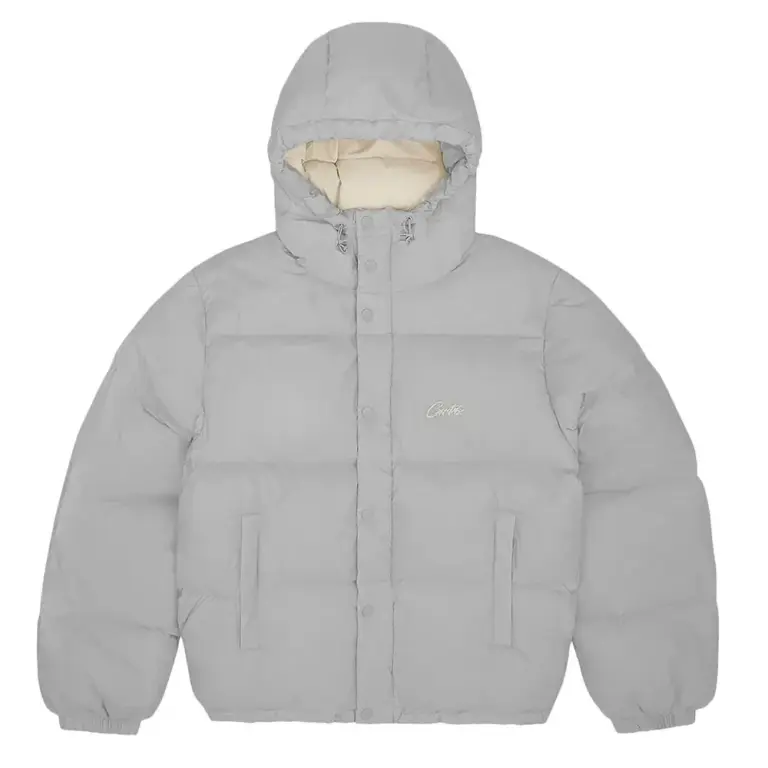
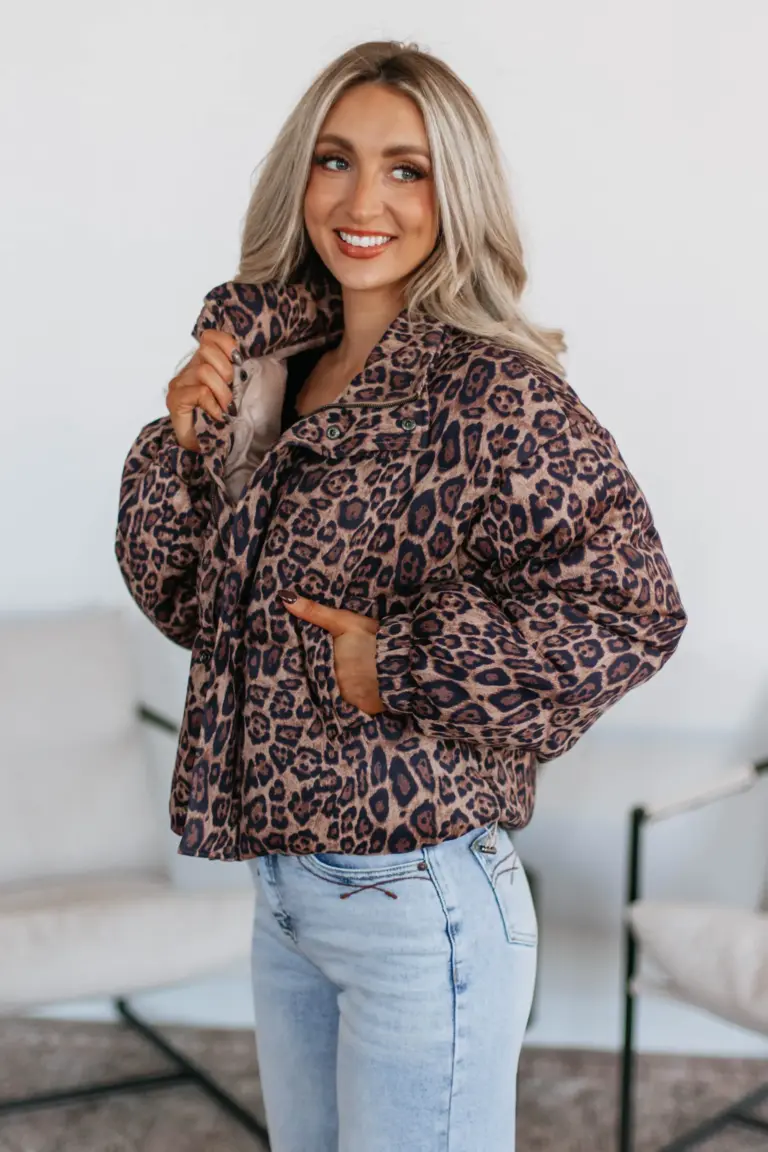 Cropped JacketsCropped Puffer Jackets Picked by Us
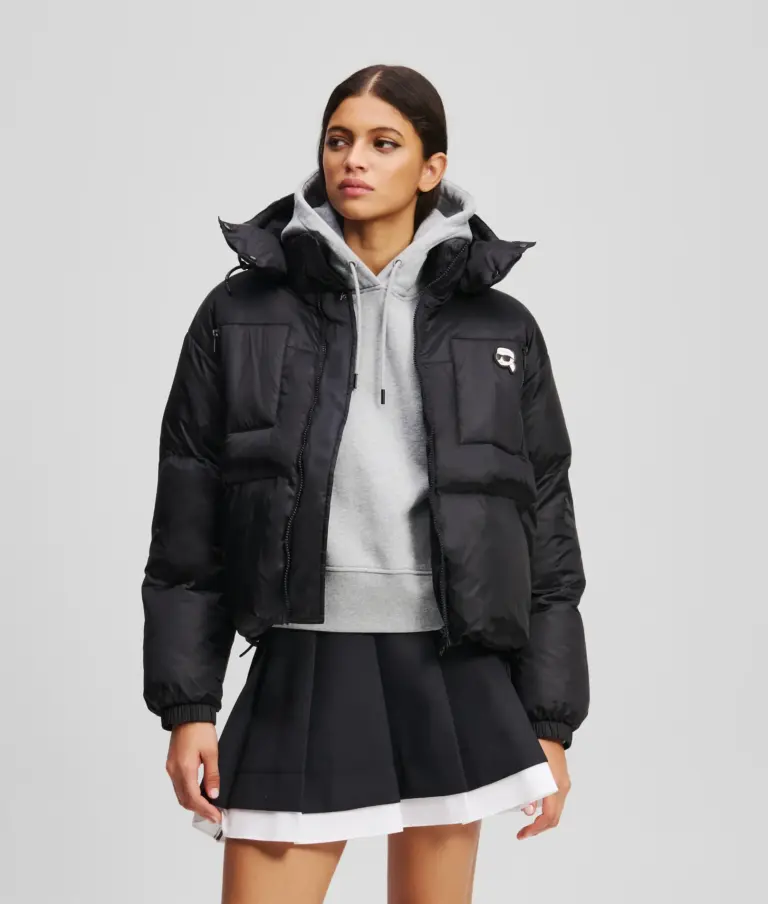
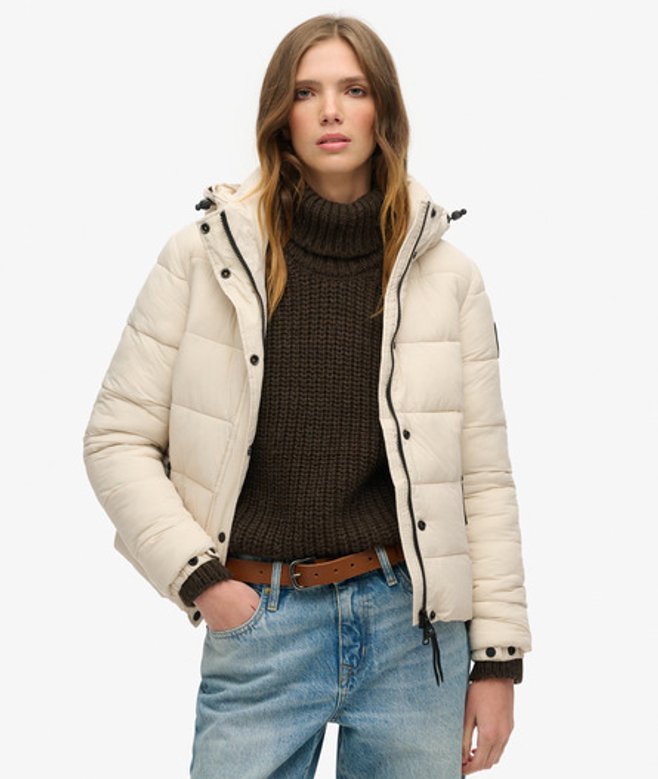
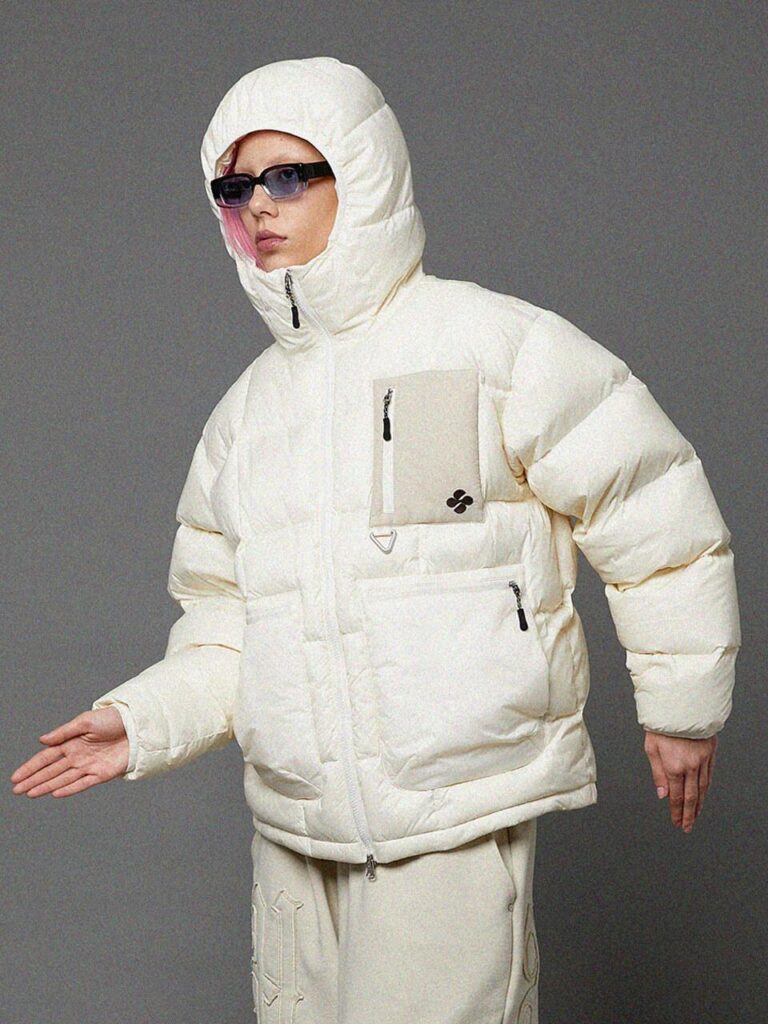 Cream Puffer Jackets on Our Radar
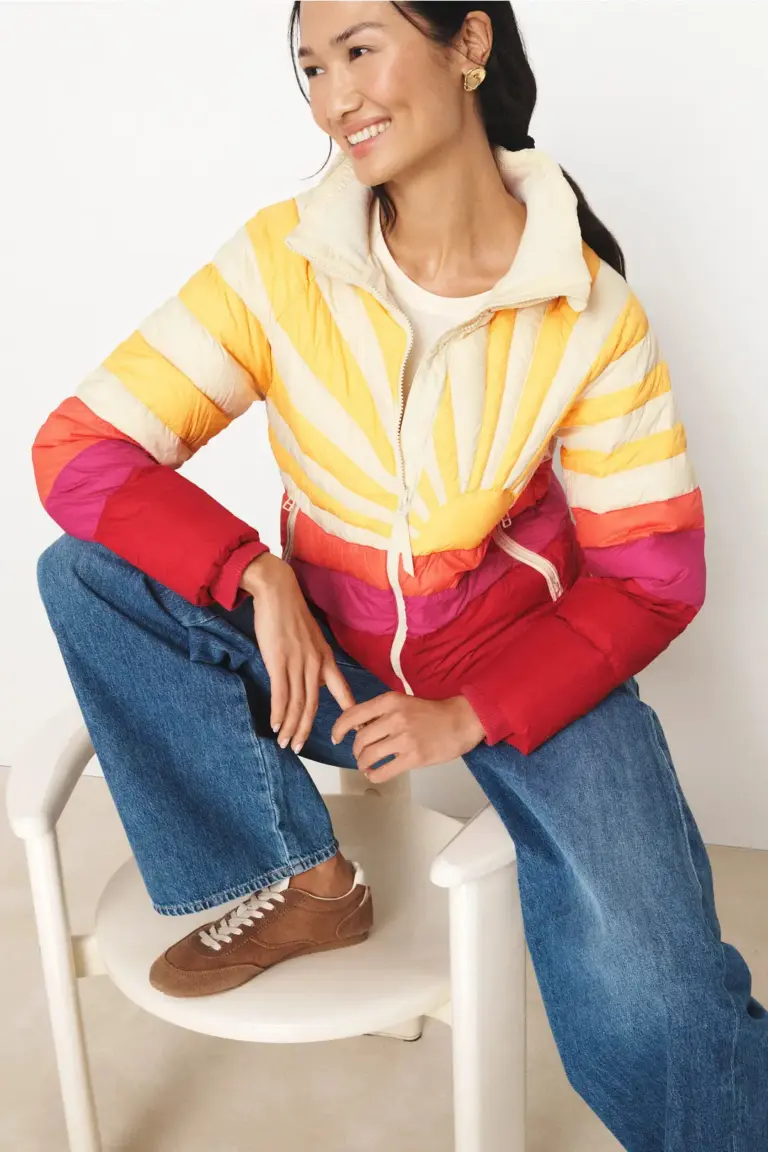
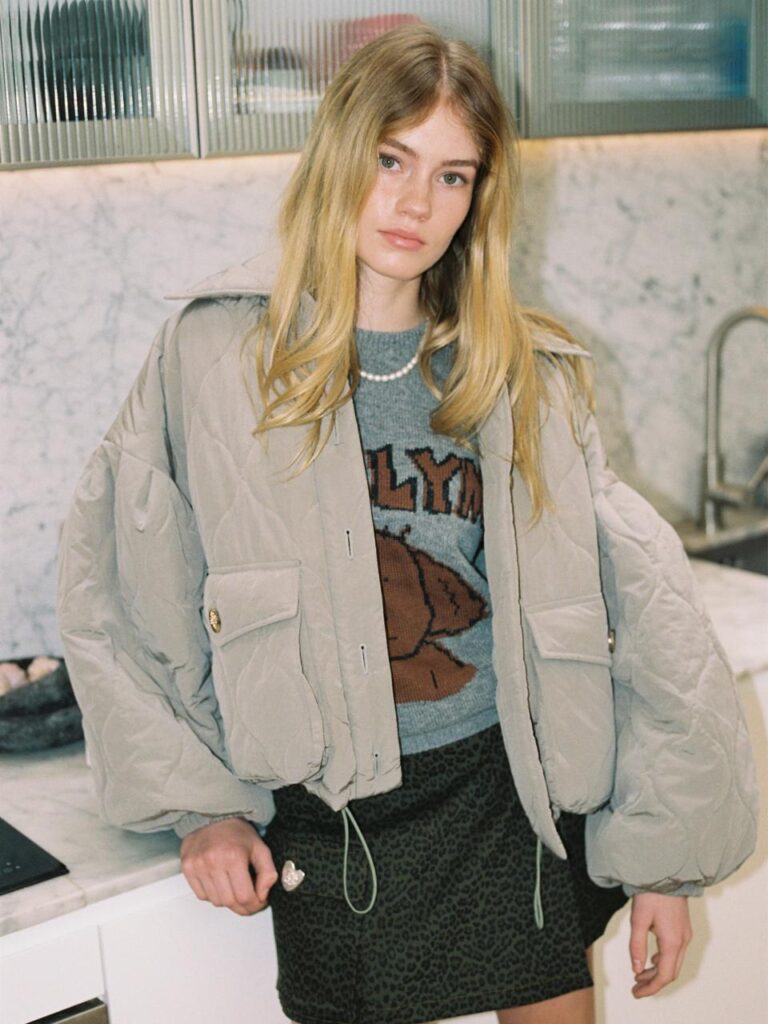 Cotton JacketsThe Edit: Cotton Puffer JacketsAlso worth a lookBlack JacketsBlack jackets get called boring more often than any other colour choice, and I understand why, but I…See the collections →
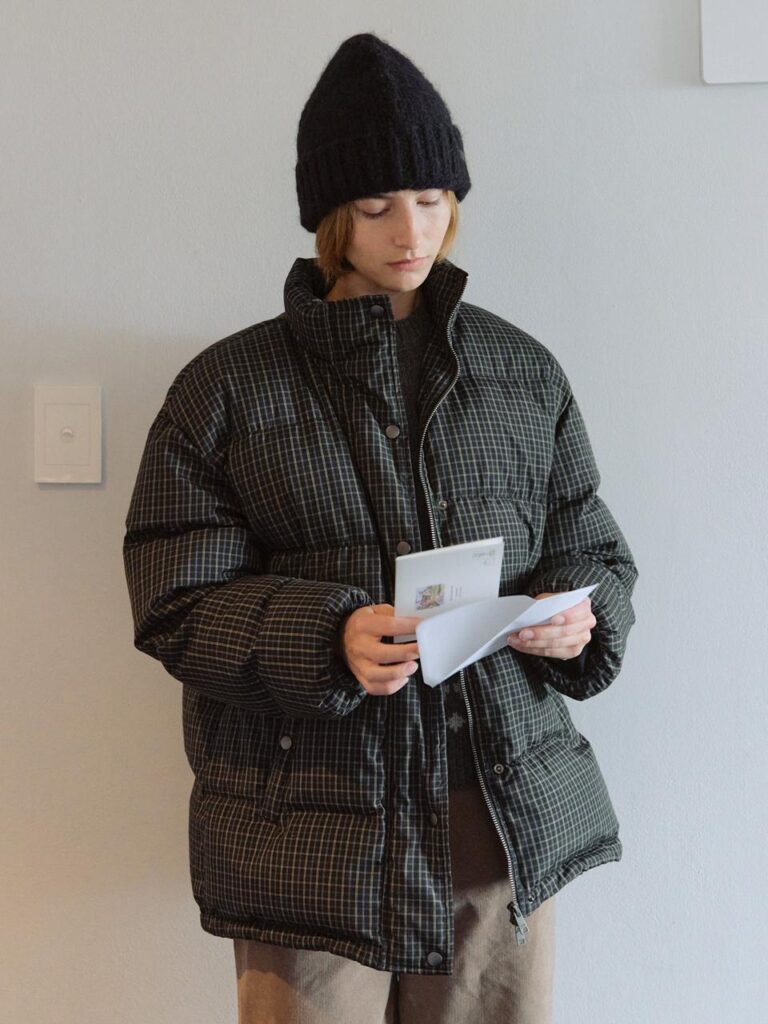
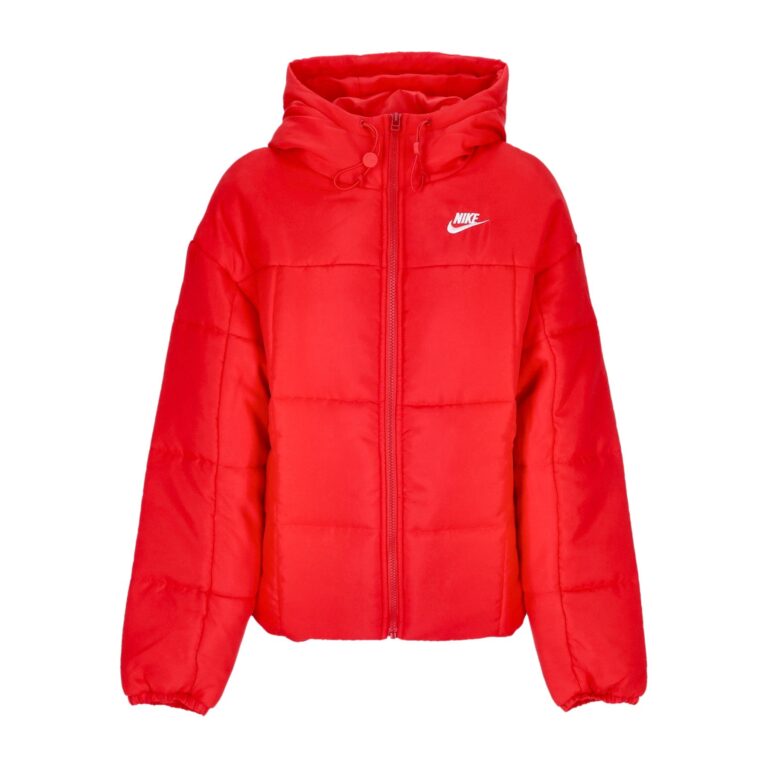 Cord Puffer Jackets: The Ones Worth Your Money
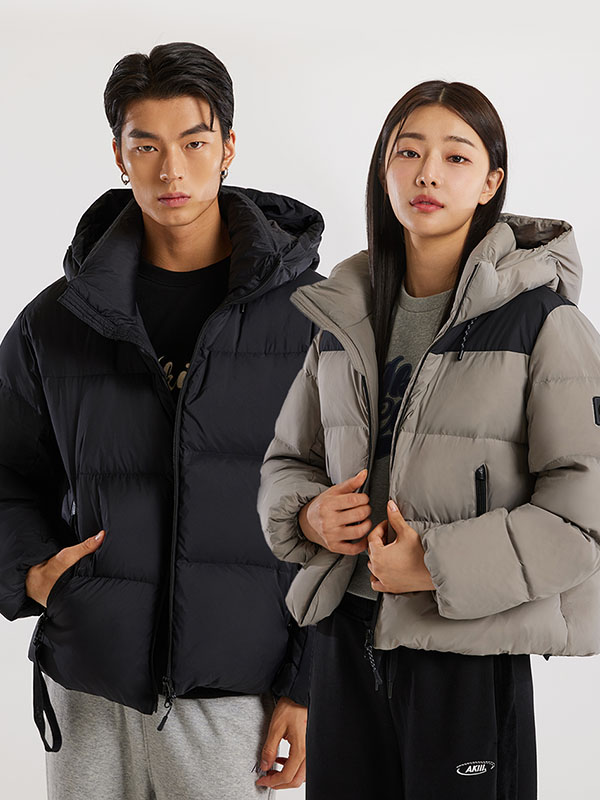 Check Puffer Jackets Edited Down to the Best
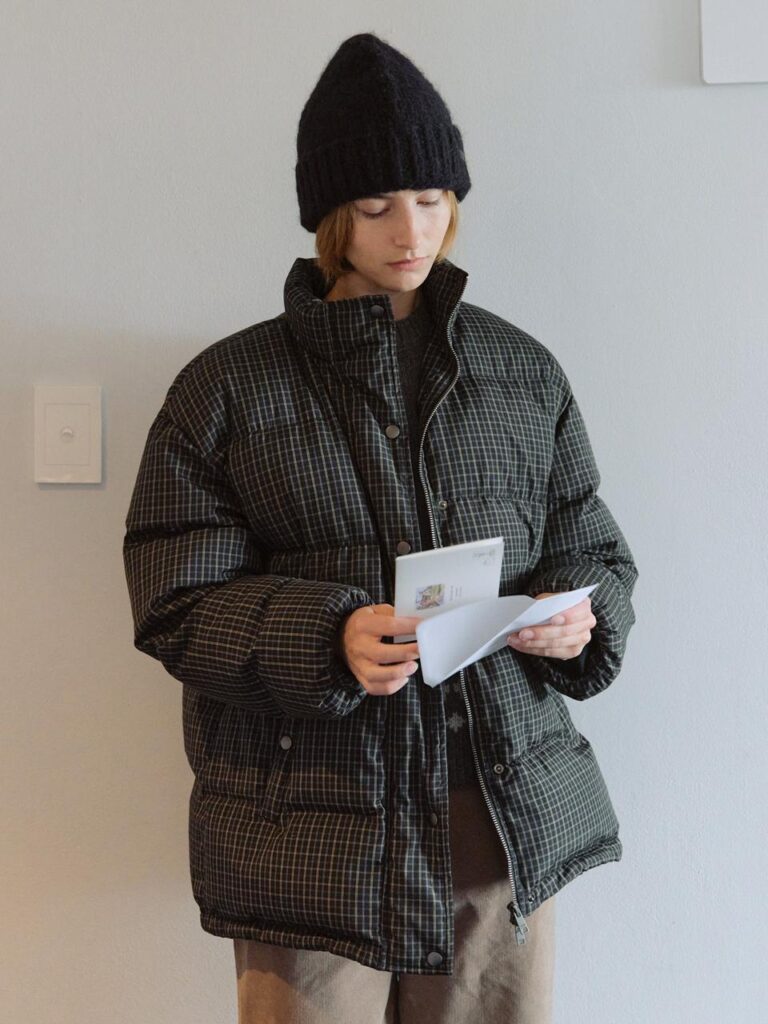
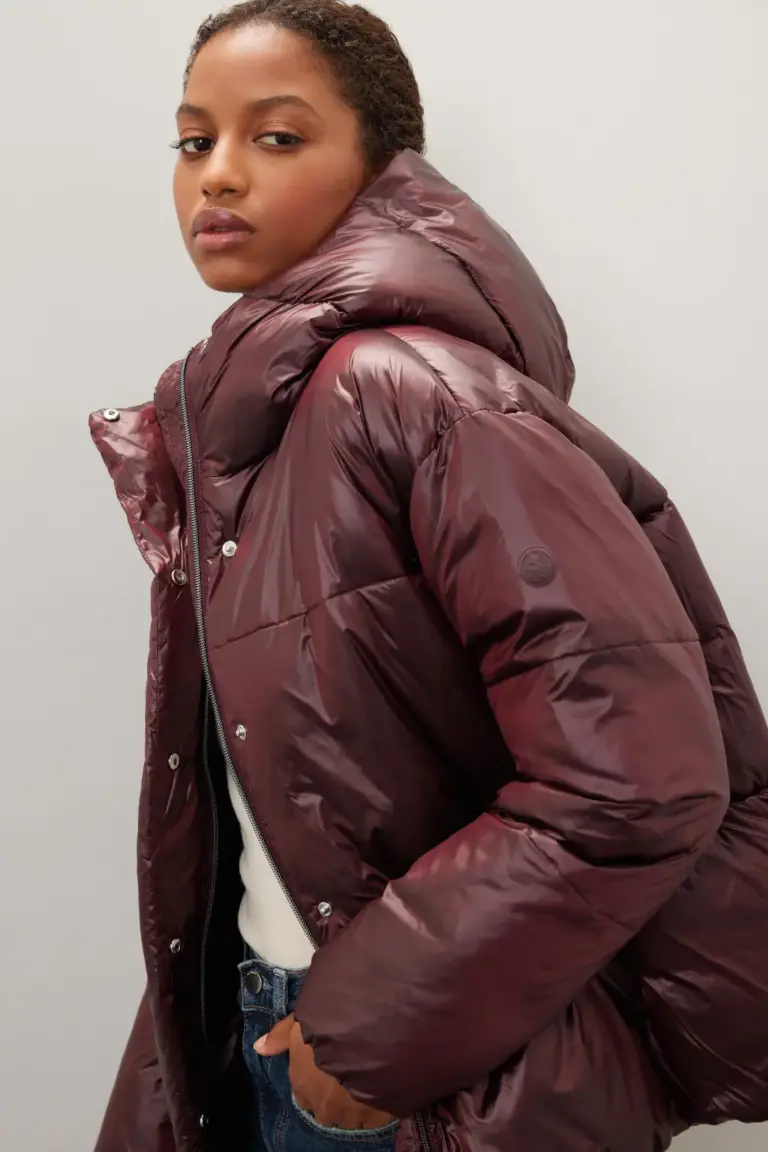 Burgundy Puffer Jackets That Have Caught Our Eye
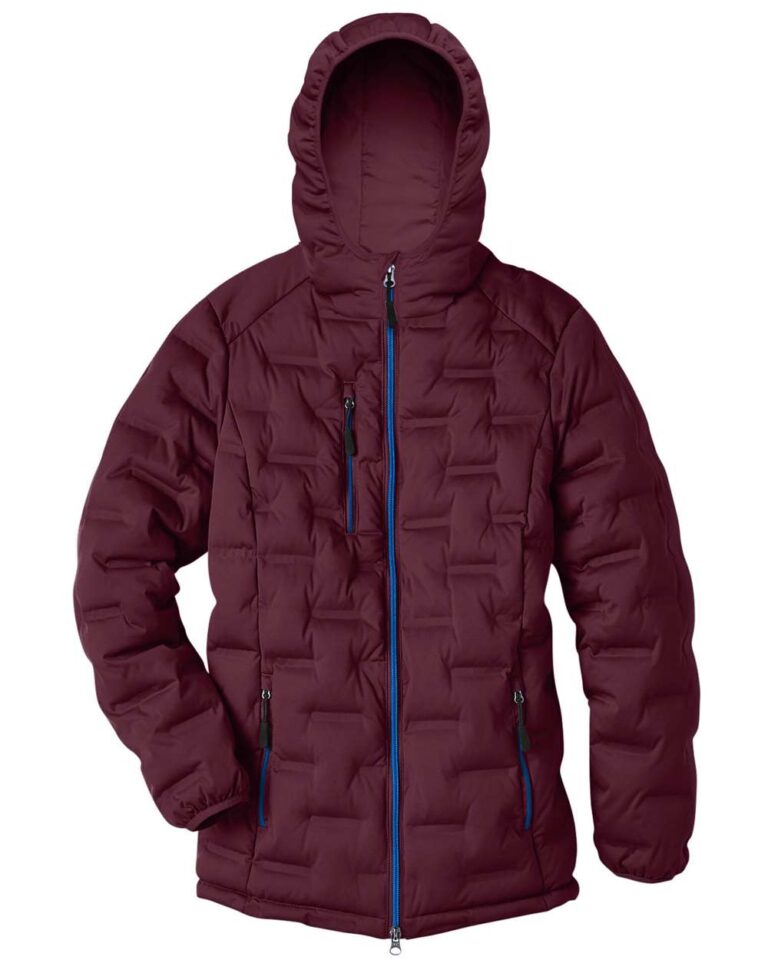
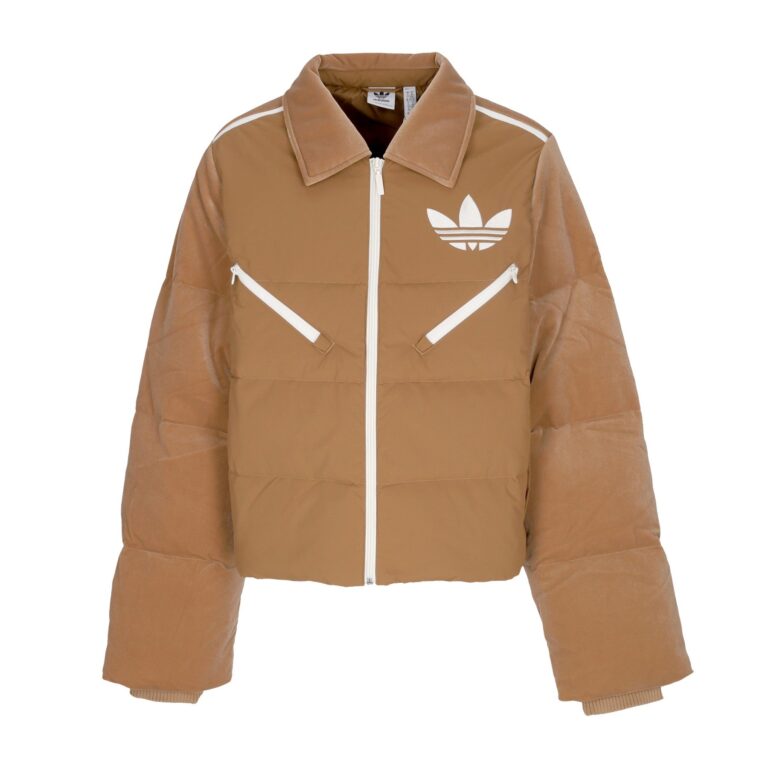 Where to Find the Best Brown Puffer Jackets

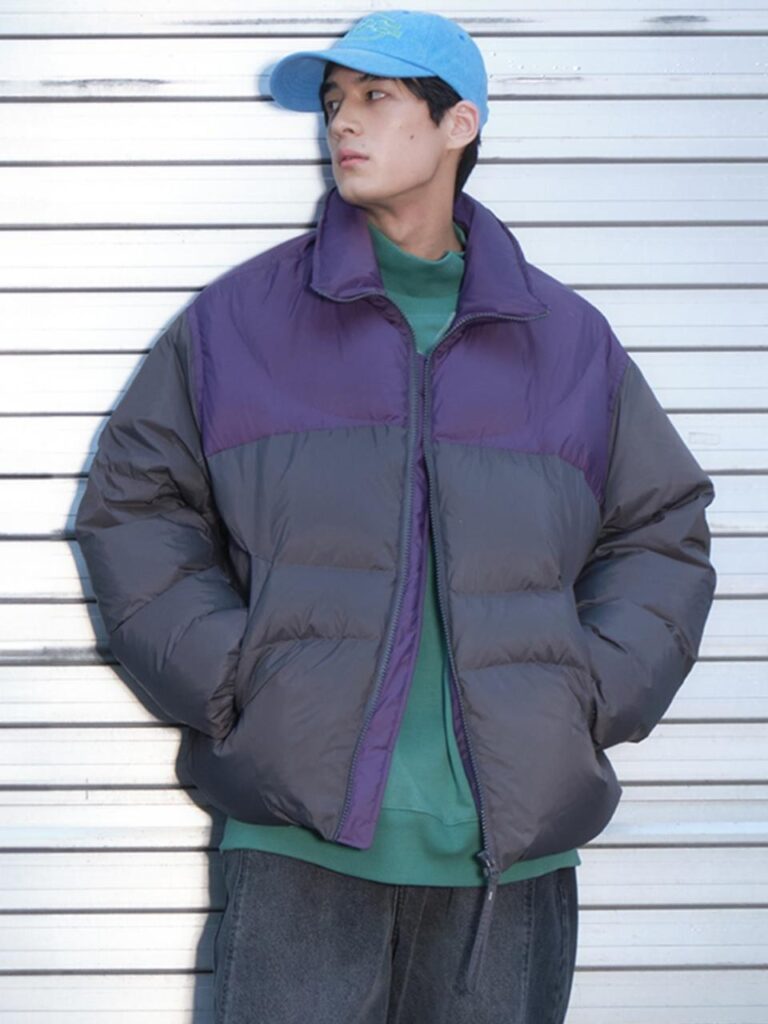 Boxy Puffer Jackets: Our Honest Shortlist
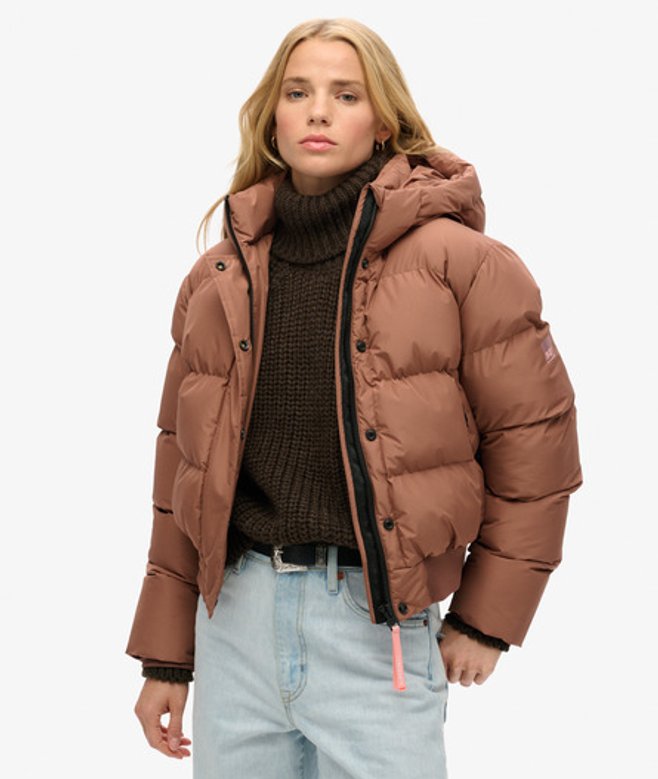
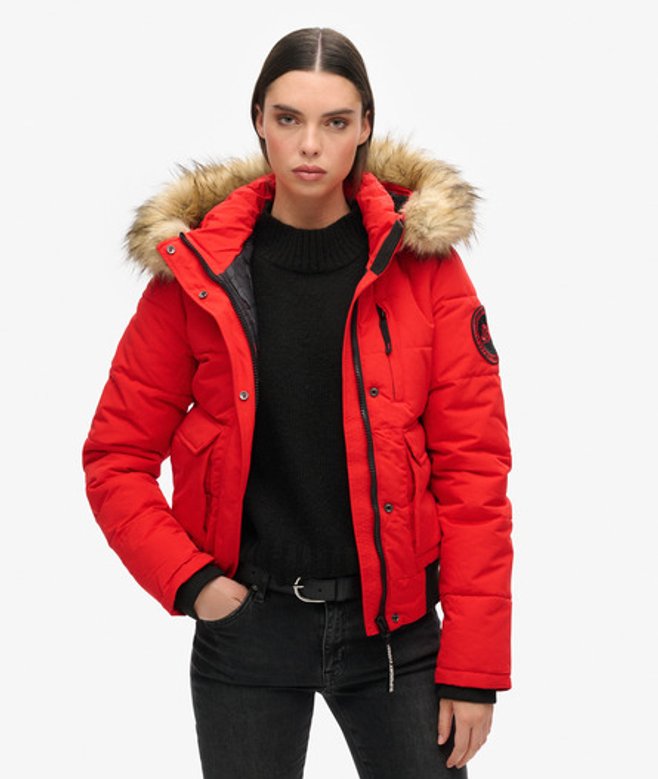 Borg Puffer Jackets for Colder Days
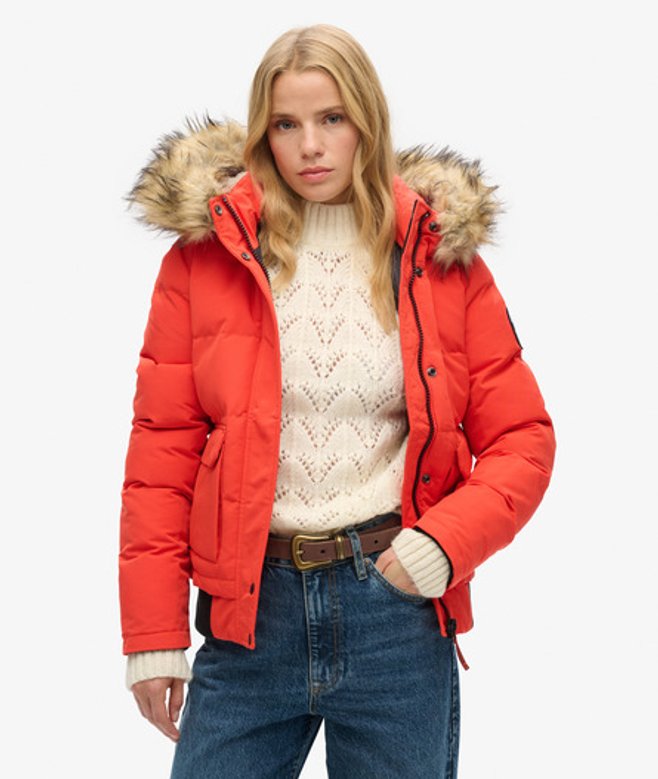
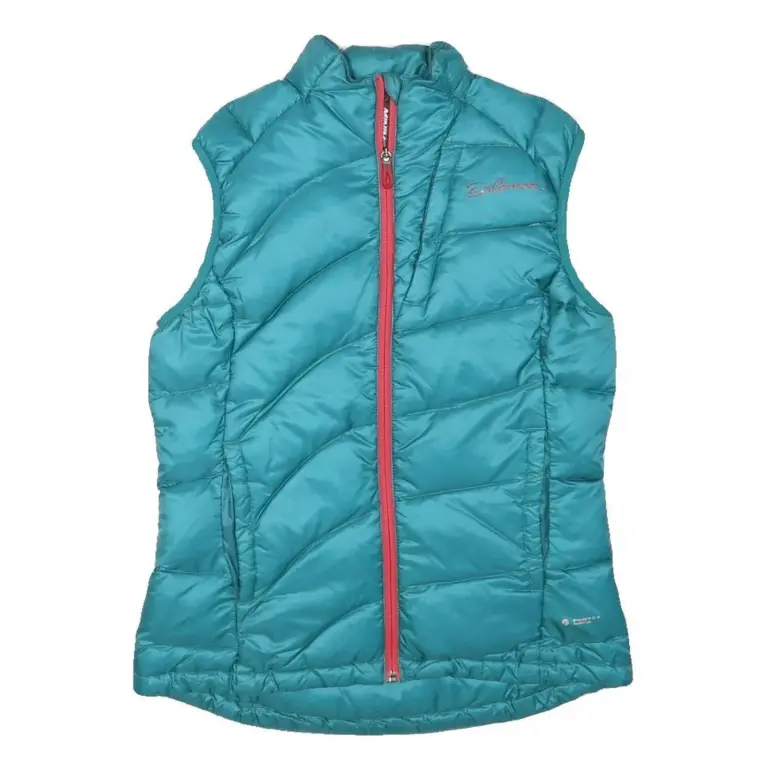 Blue JacketsThe Blue Puffer Jackets Worth Your Wardrobe Space
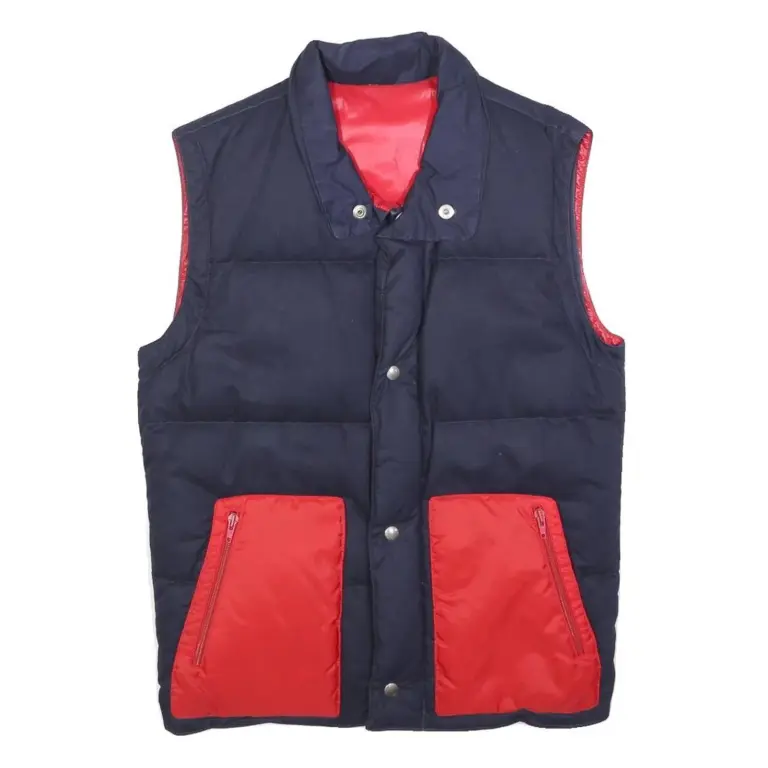 Blue JacketsBlue Quilted Puffer Jackets for Colder Days
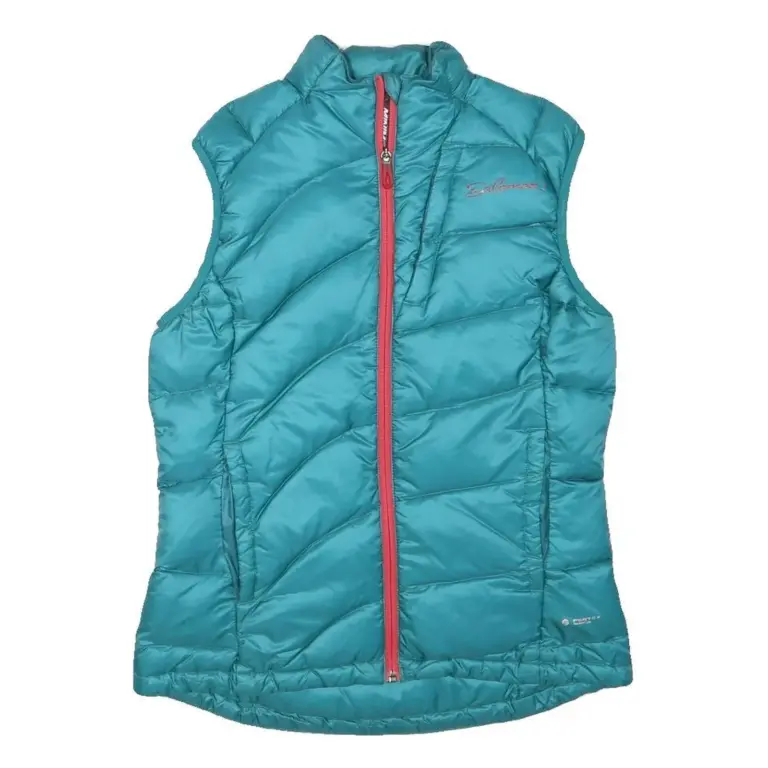
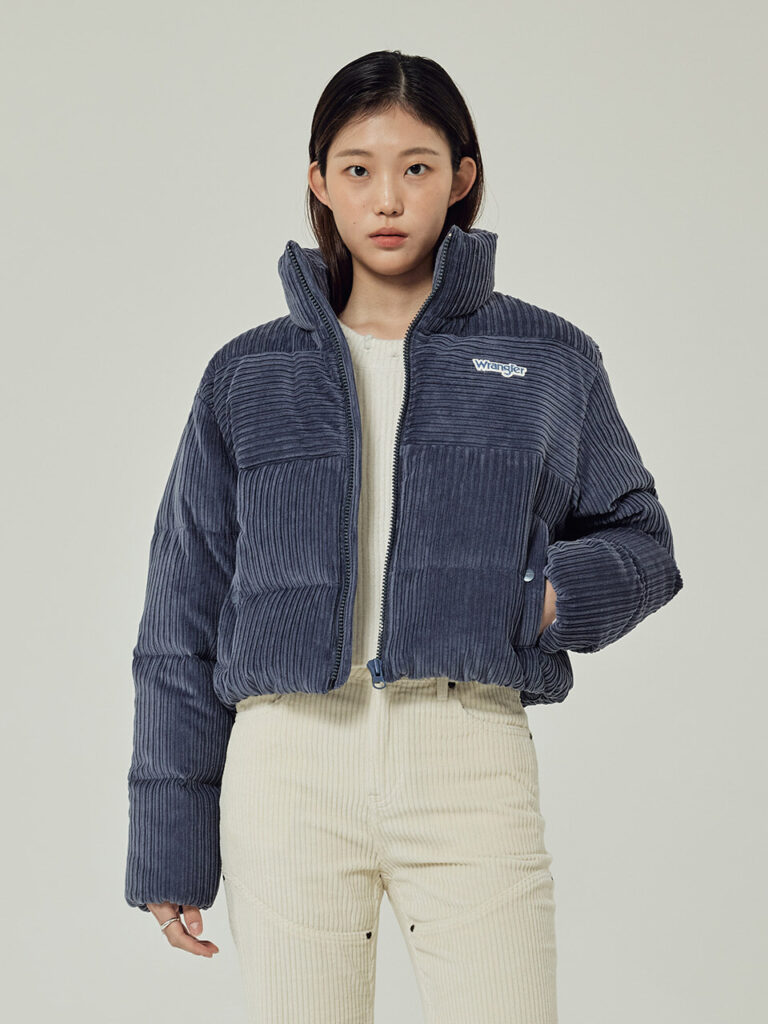 Blue JacketsCosy Blue Padded Puffer Jackets We LoveAlso worth a lookLeather JacketsA good leather jacket has weight to it before you've even got an arm in the sleeve, that's the first thing.See the collections →
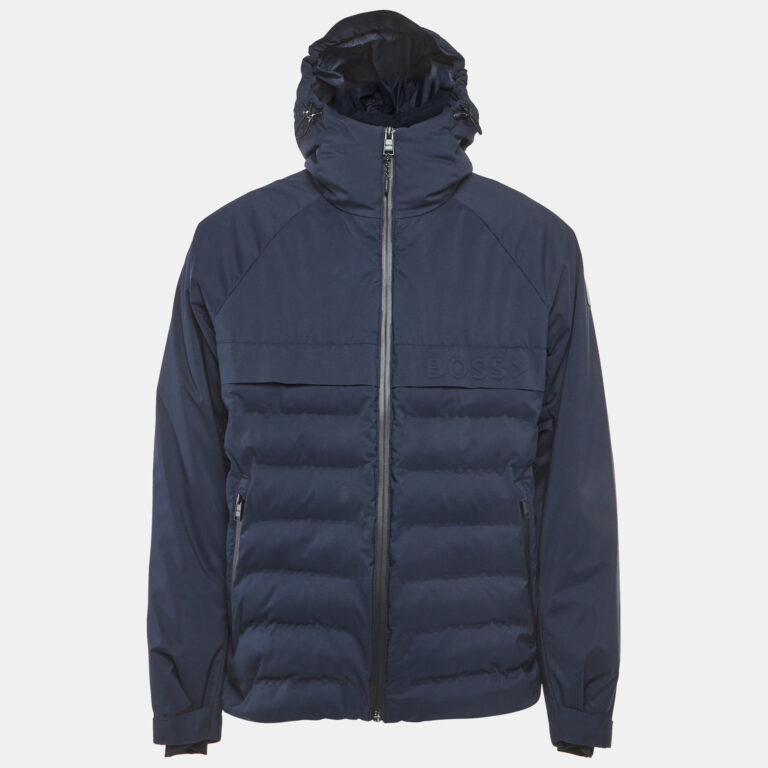
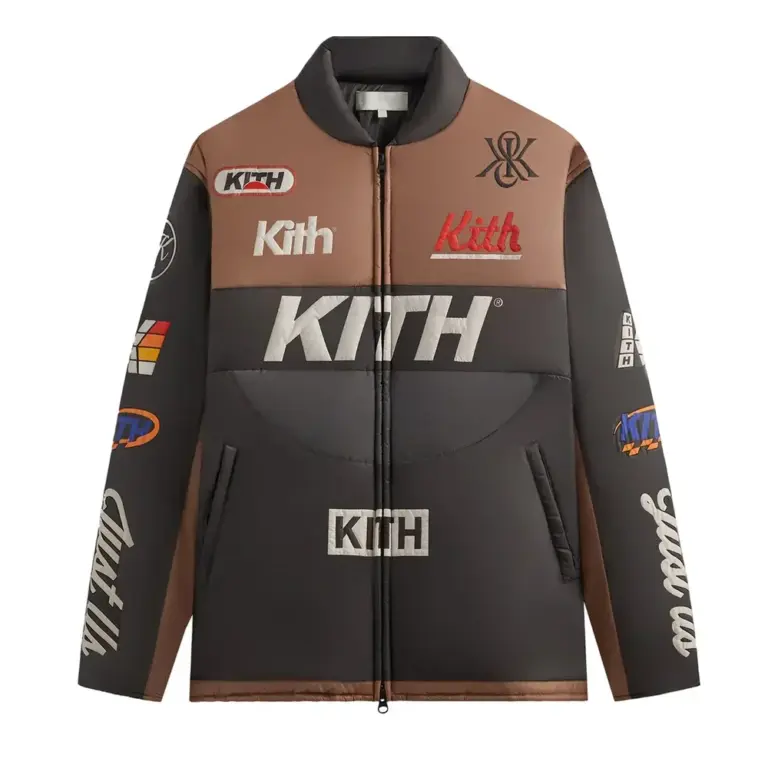 Black JacketsBlack Puffer Jackets to See You Through Winter
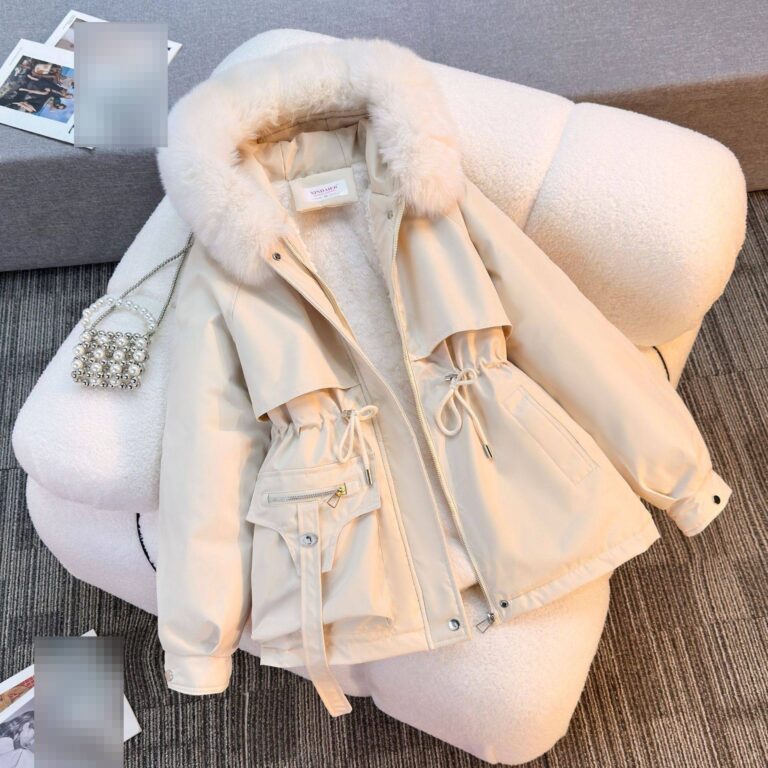
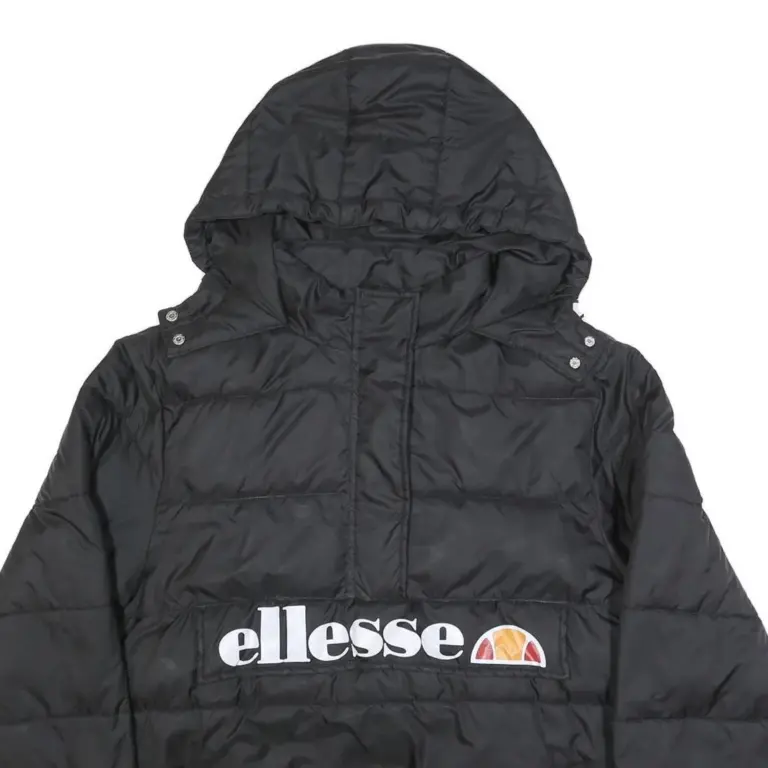 Quilted JacketsBlack Quilted Puffer Jackets That Earn Their Place
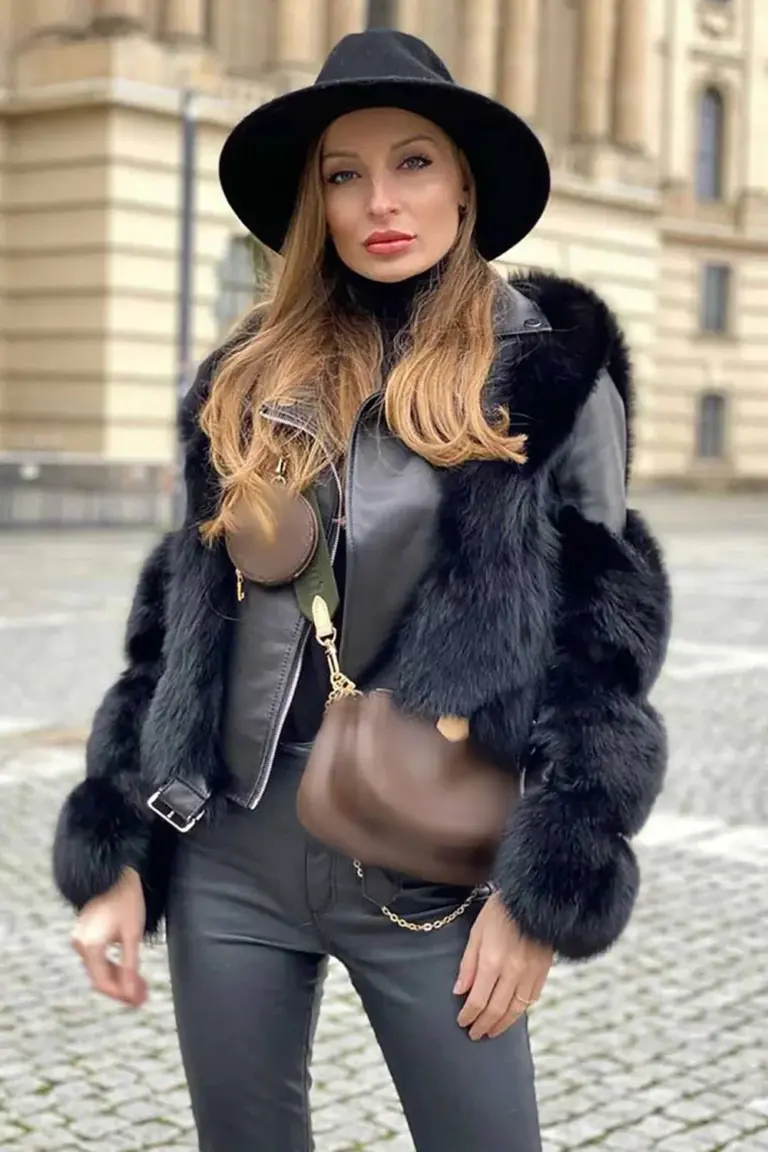
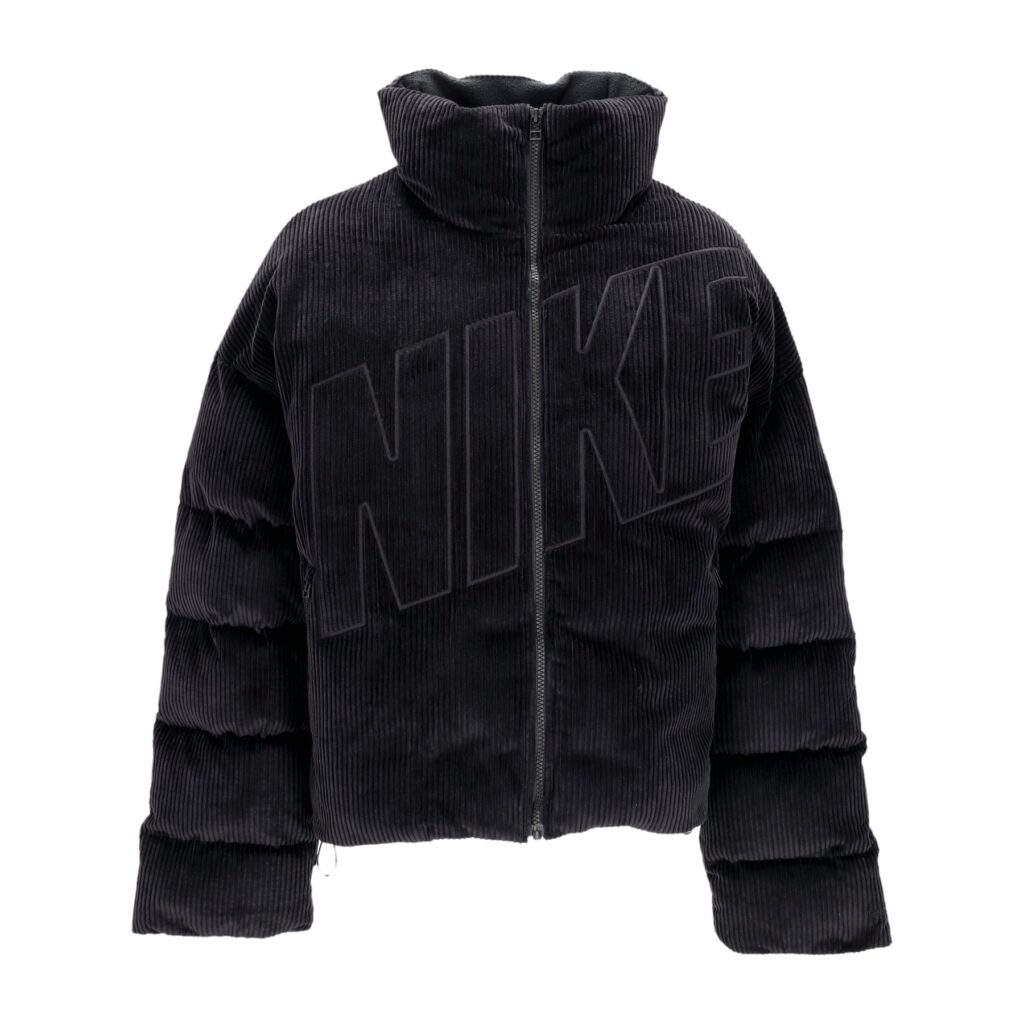 Black JacketsBlack Oversized Puffer Jackets on Our Radar
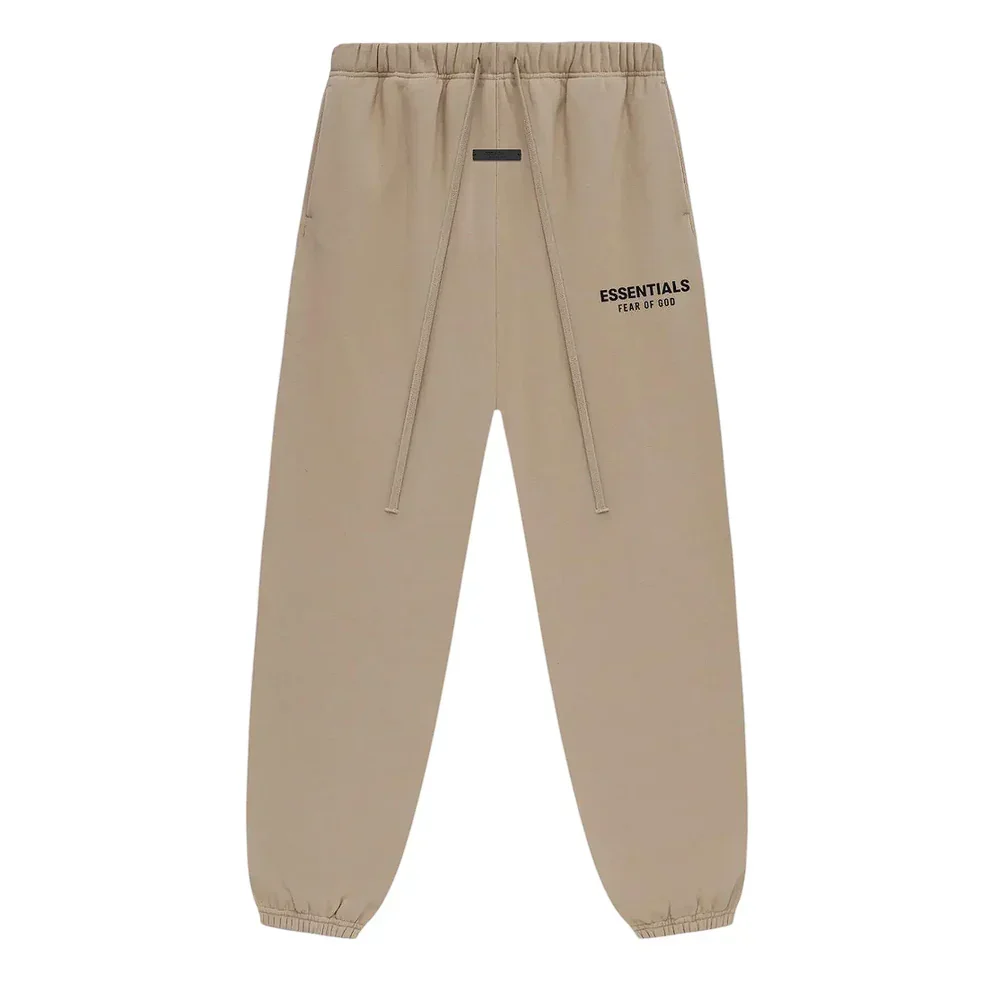
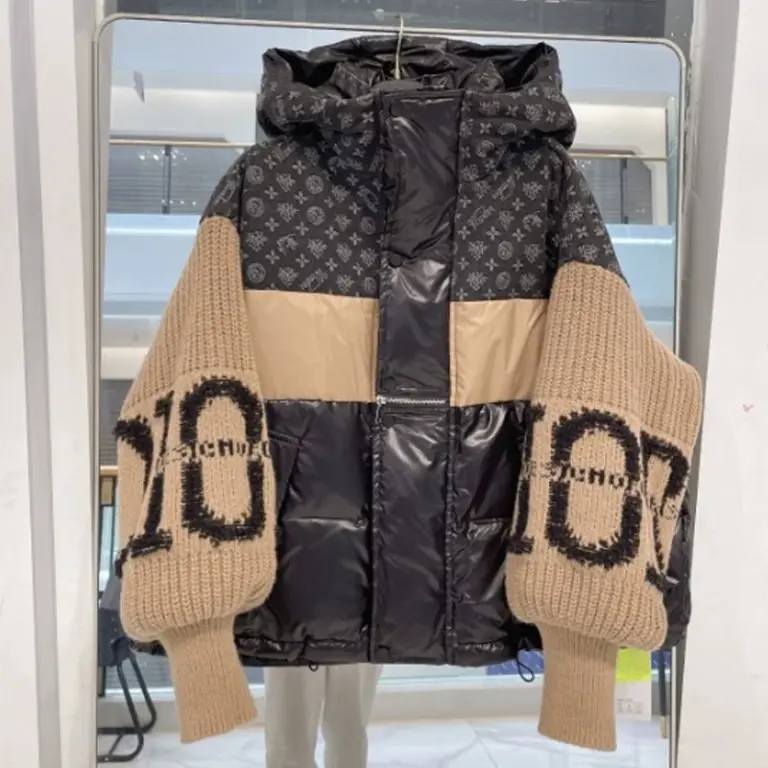 Black JacketsOur Pick of the Best Black Padded Puffer Jackets
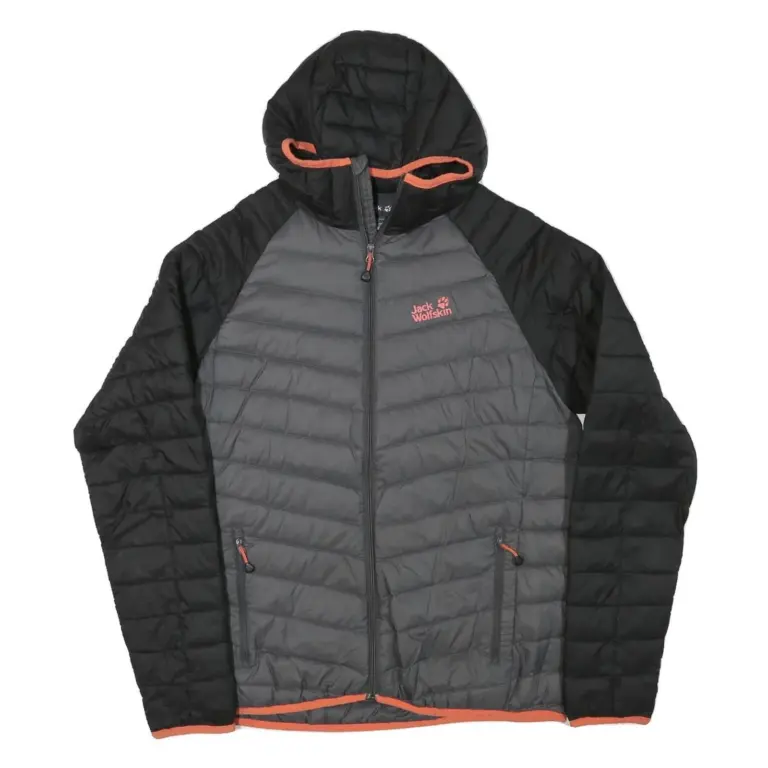
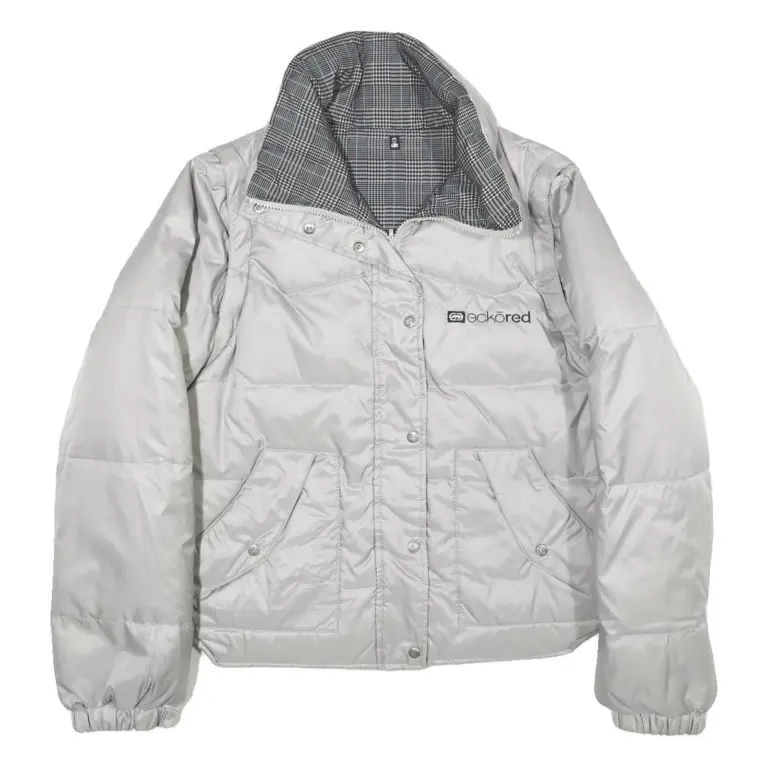 Black JacketsOur Edit of the Best Black Nylon Puffer Jackets
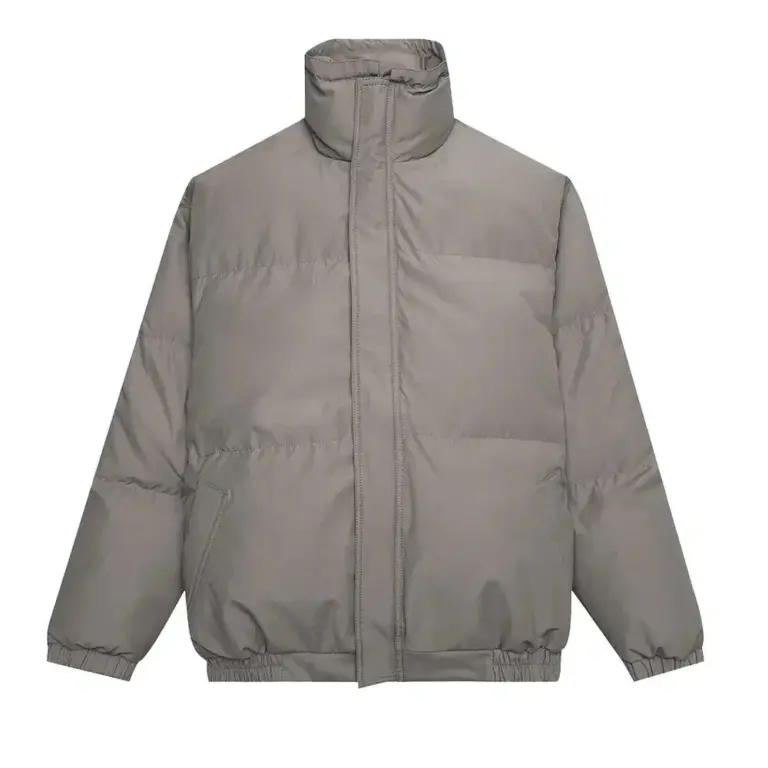
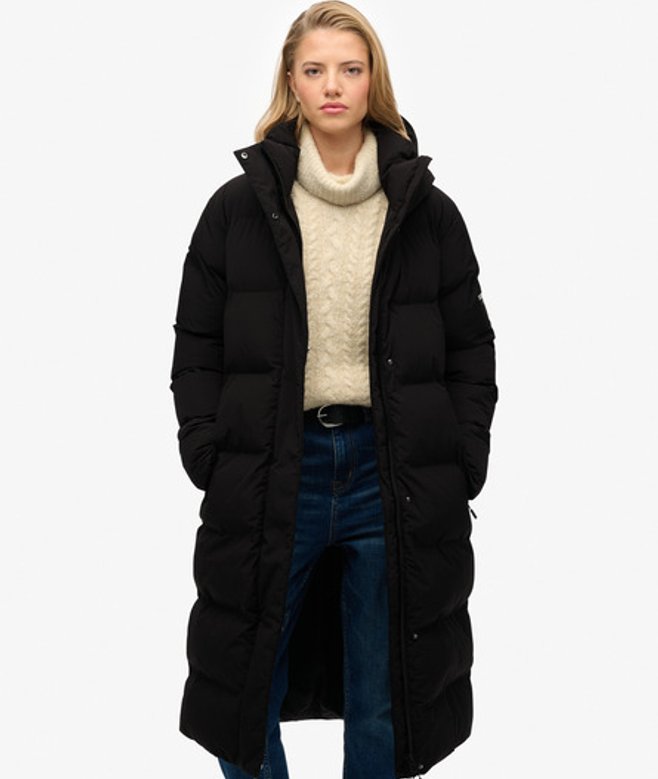 Black JacketsHandpicked Black Longline Puffer Jackets We Keep Coming Back To
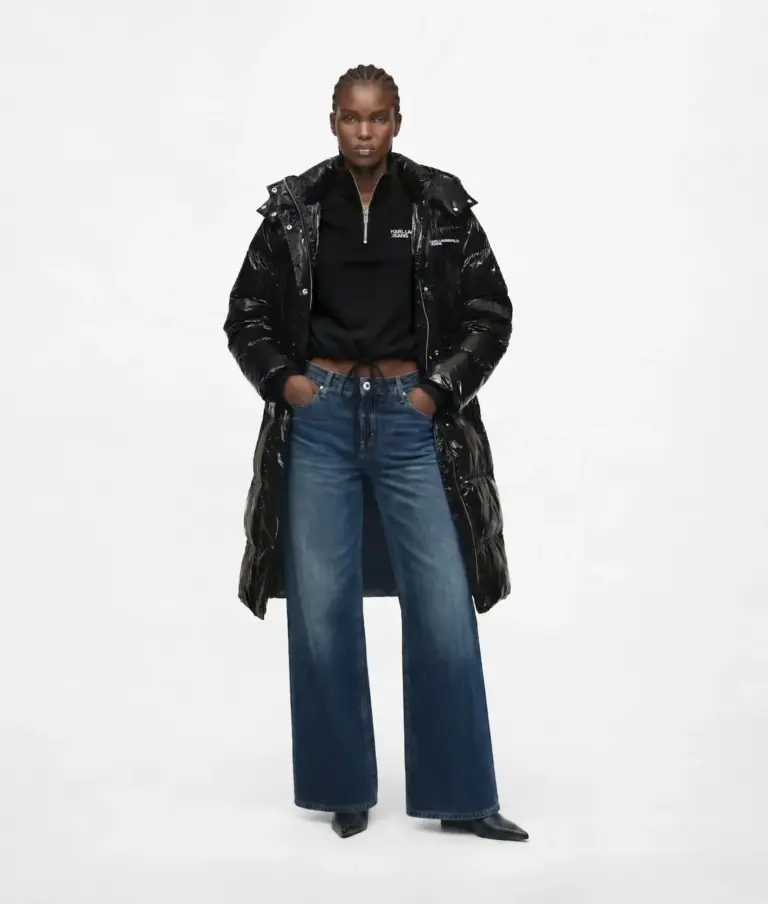
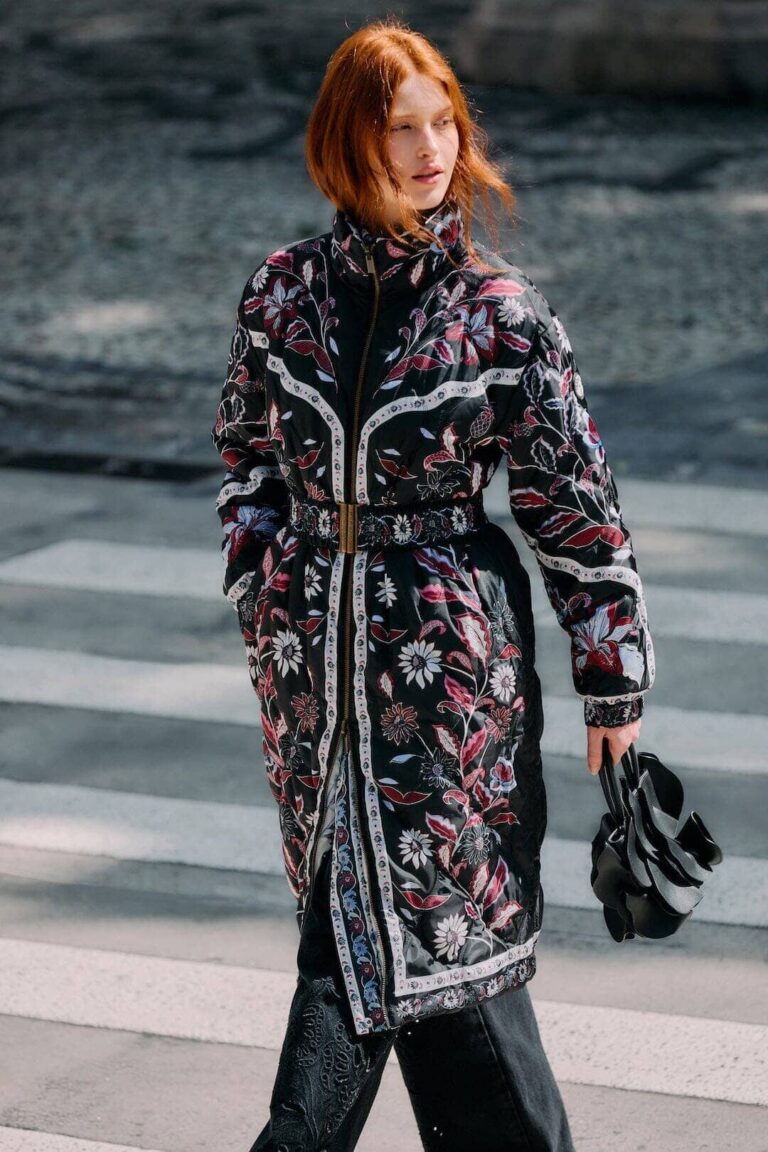 Black JacketsBlack Long Sleeve Puffer Jackets We’ve Been Saving
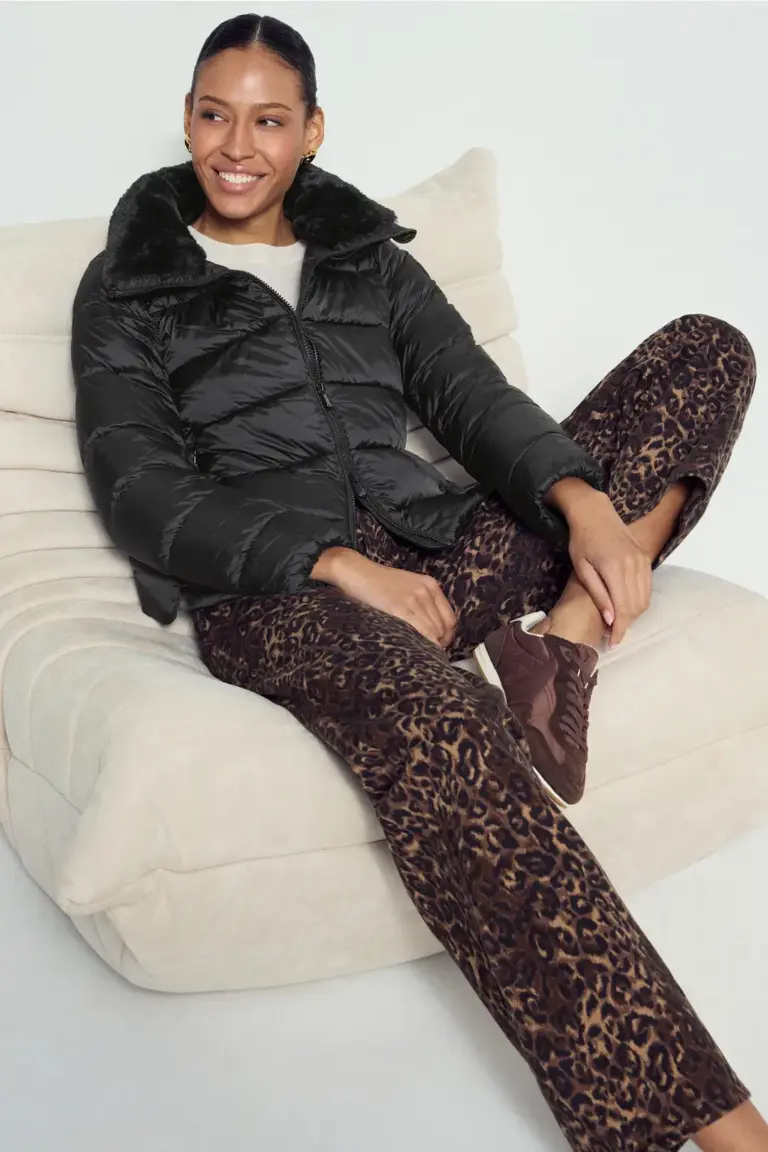
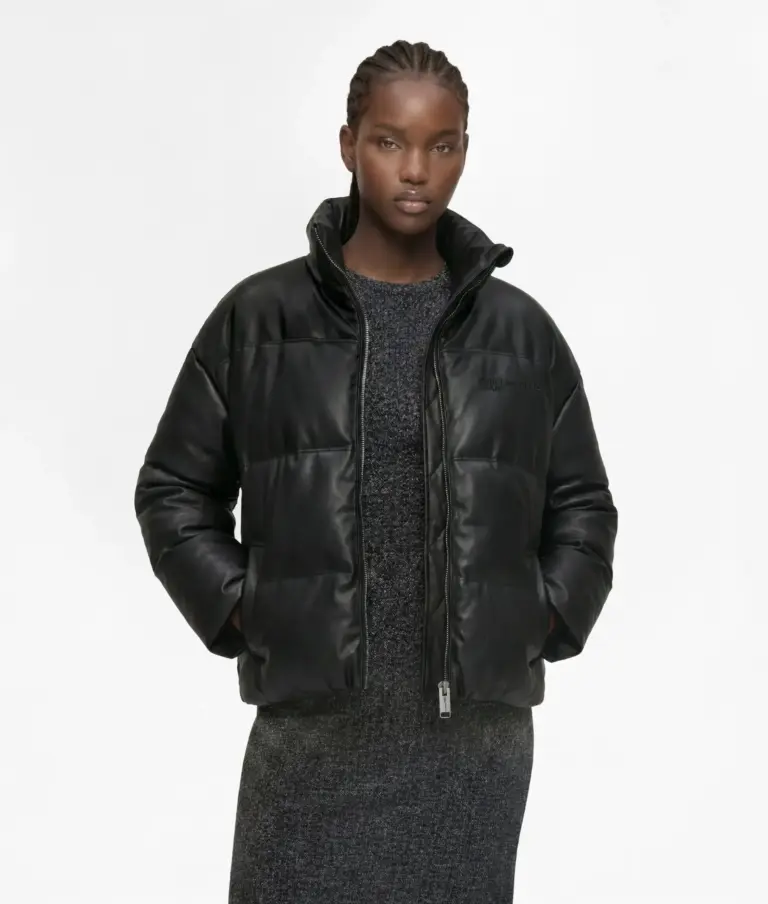
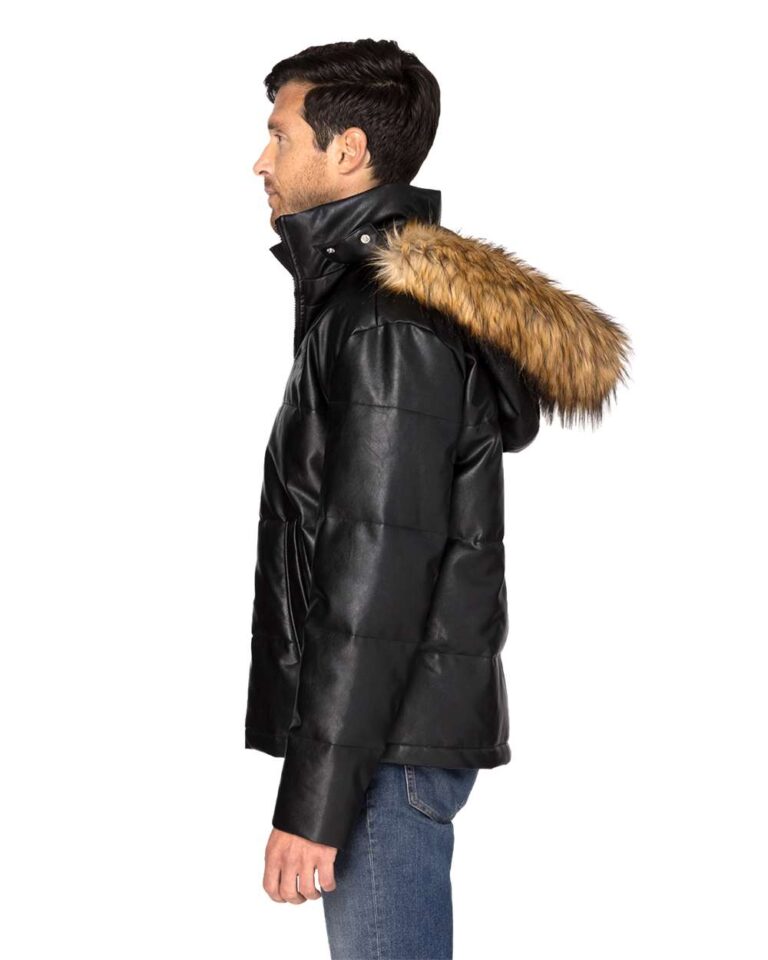 Leather JacketsBlack Leather Puffer Jackets: Our Honest Shortlist
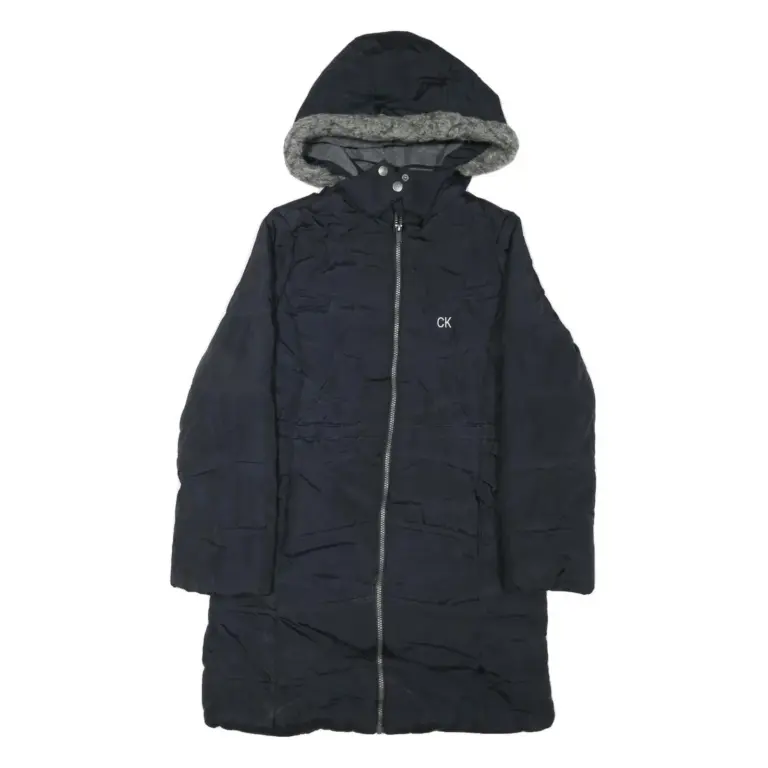 Black JacketsHandpicked Black Faux Fur Puffer Jackets We Keep Coming Back ToAlso worth a lookDenim JacketsThe thing nobody mentions about a denim jacket is that it gets better right around the point you think about giving up on it.See the collections →
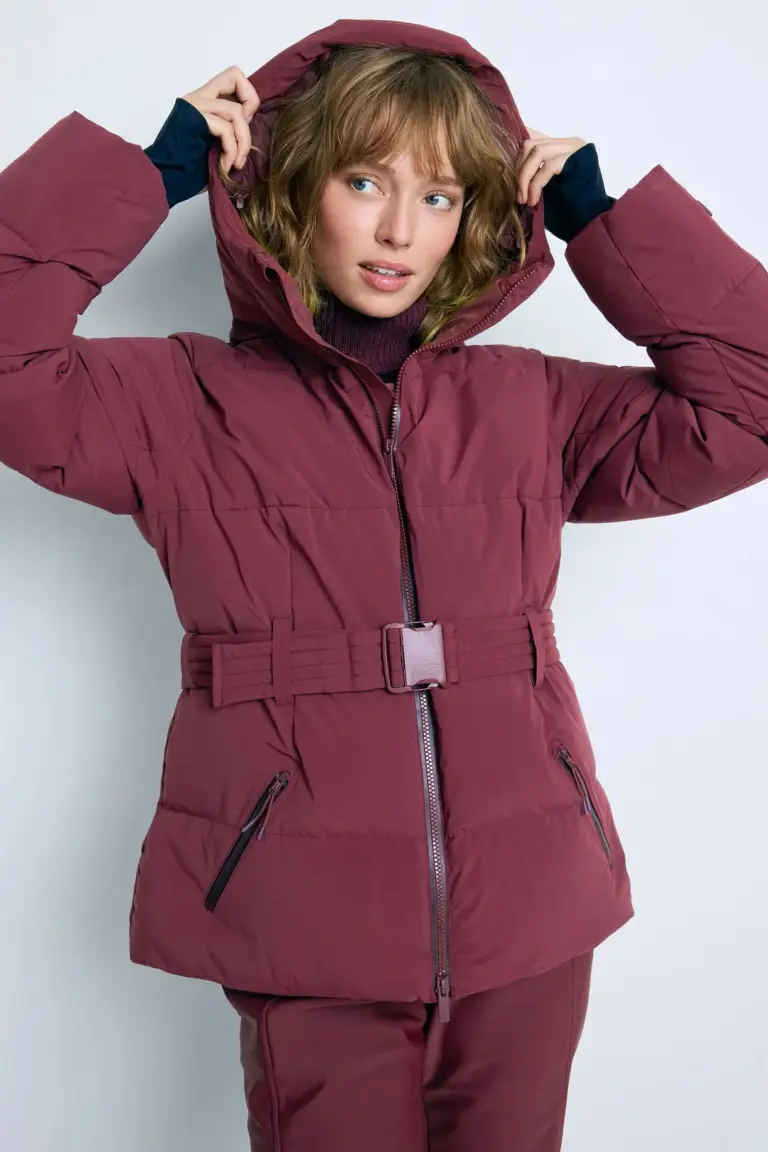 Belted Puffer Jackets: Our Honest Shortlist