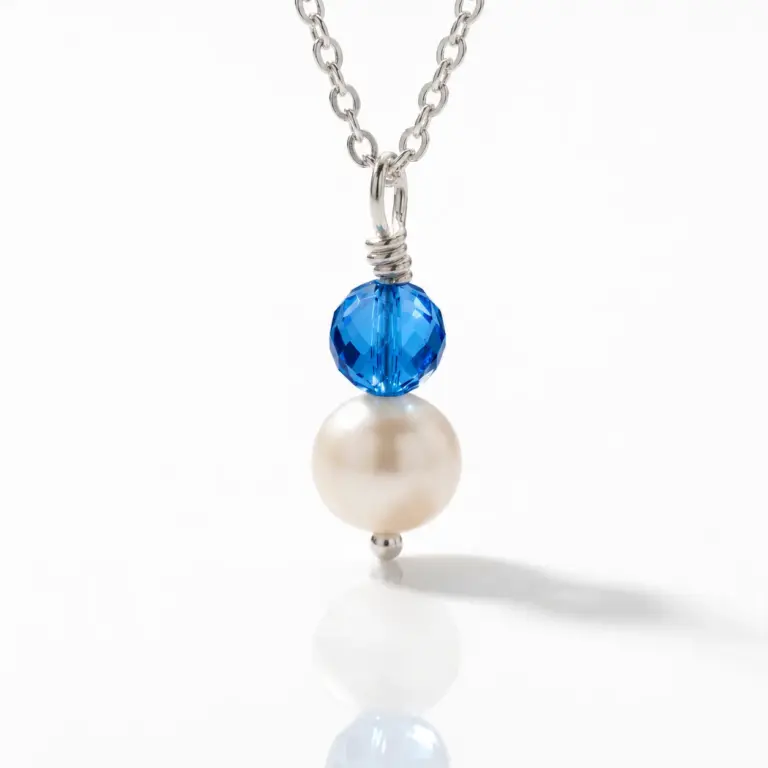
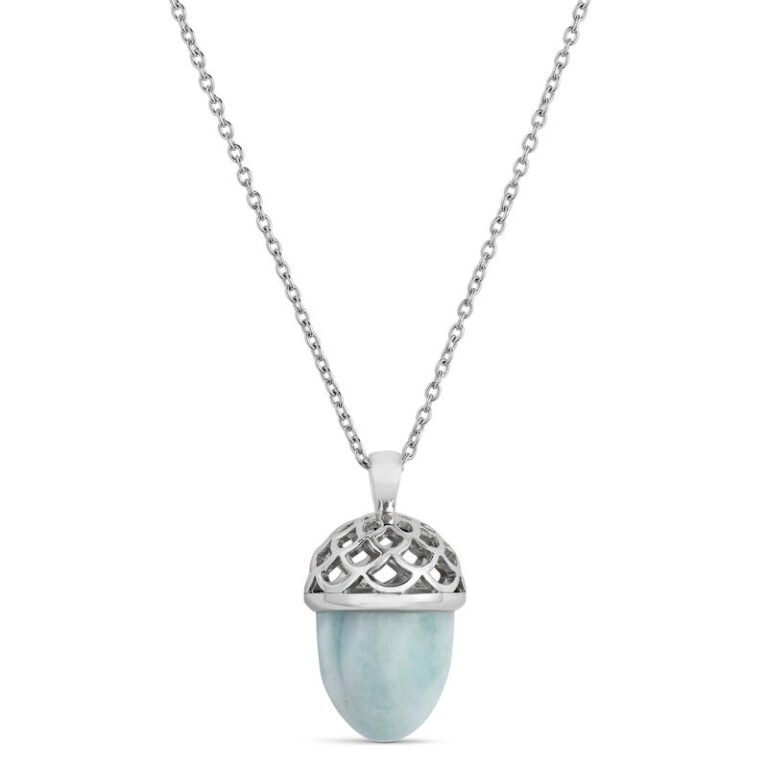
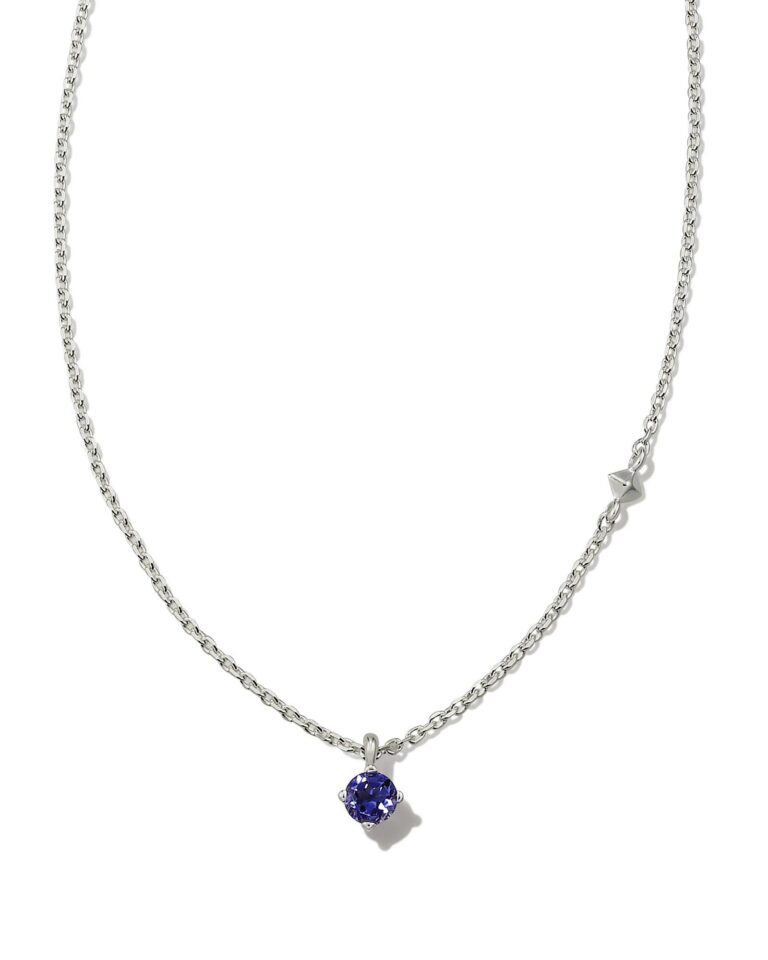
How many chains is too many? Usually three, sometimes four if two of them are fine and one is doing something interesting. Beyond that you're not layering, you're wearing a curtain, and it stops looking deliberate.
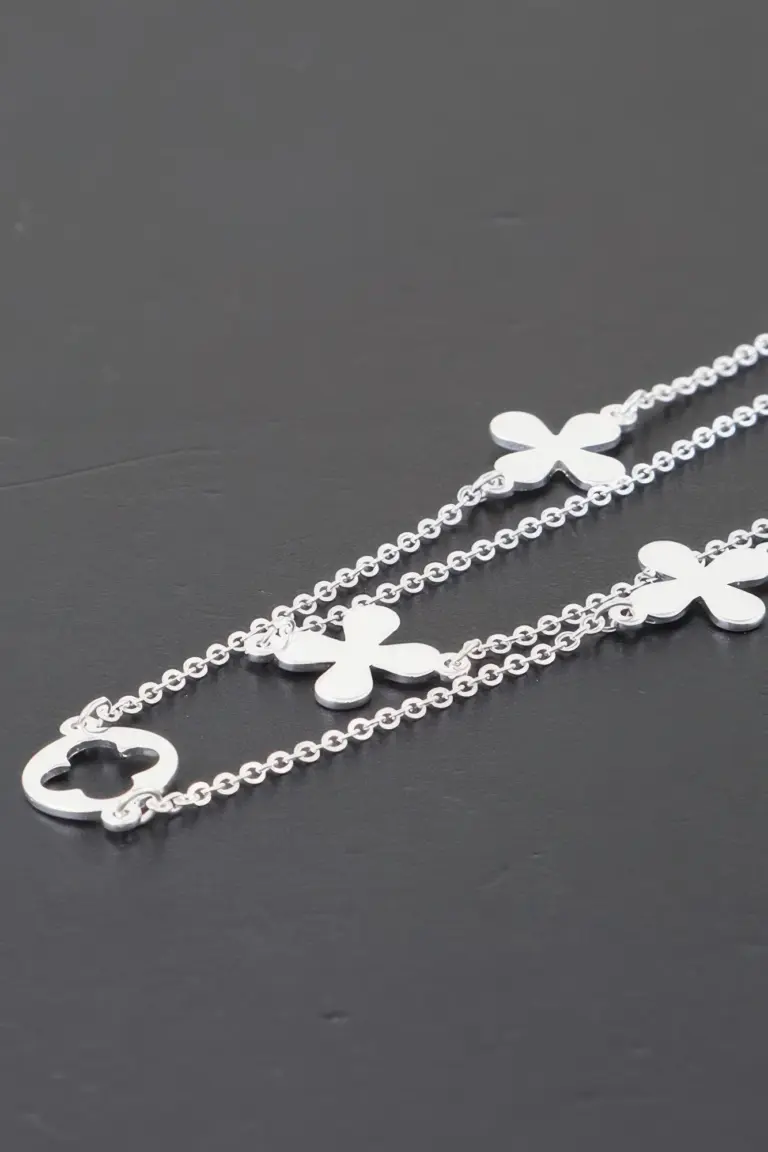
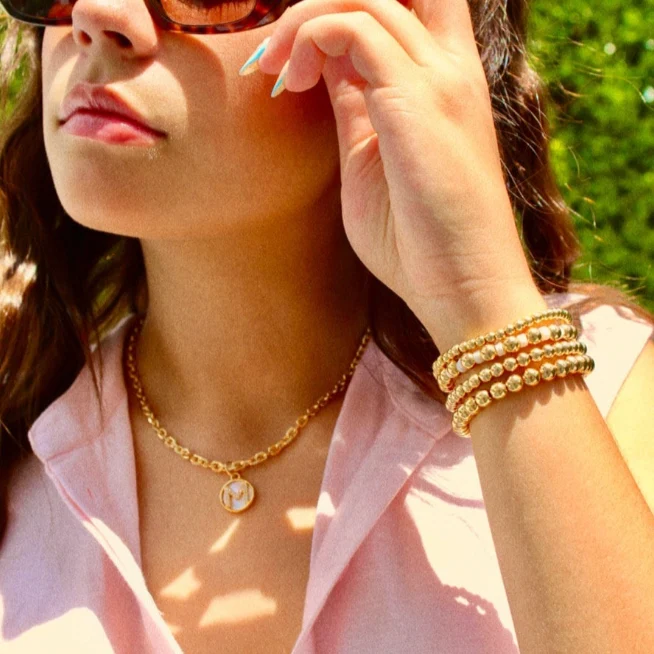
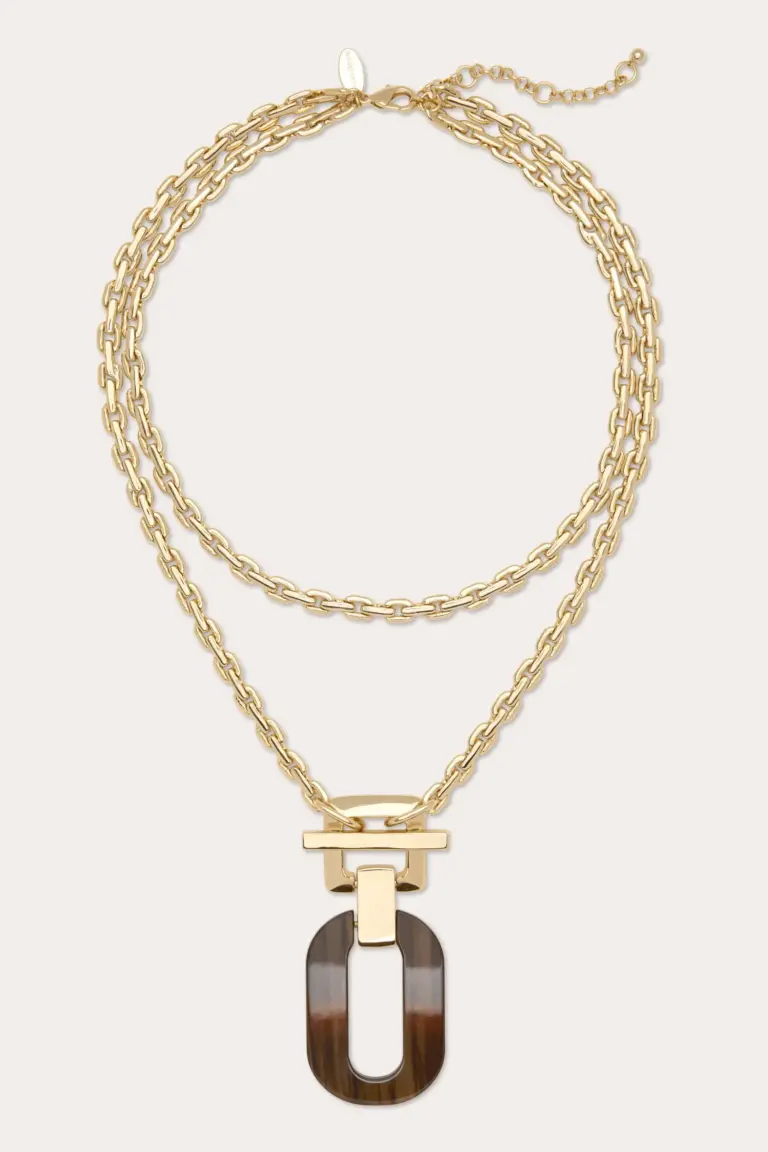
The difference between a layered set that looks put together and one that looks like a drawer emptied onto your neck comes down to chain weight and length spacing. Each strand needs its own job: a short one sitting close to the collarbone, a middle length that clears the neckline of most tops, and a longer one doing the dramatic bit lower down. If they're all bunched within a couple of centimetres of each other they'll tangle constantly and sit as one messy clump rather than three distinct lines. Good ones use slightly different chain styles too, a fine cable chain against a flatter curb link against something with a bit of texture like a bead or a disc, so your eye can actually separate the layers instead of seeing one blurred mass of gold. Cheap sets tend to use identical thin chains at similar lengths, which is why they knot themselves into a ball in your jewellery box within a week. Check the clasps as well. A lobster clasp that's actually easy to work one handed matters more than it sounds, because you will be doing this with wet hair and no mirror more often than you'd like. Plated finishes wear thin at the clasp and the parts that touch your skin first, so look for something stating the base metal, and be wary if there's no mention of it at all.
These work best doing the job a single pendant can't, which is filling out a neckline that would otherwise look bare without shouting about it. A plain crew neck jumper or a simple shirt with the top buttons open is the right stage, nothing with its own pattern or heavy collar detail competing for attention. They're a cold weather piece in some ways, since a jumper gives the shortest chain something to rest against rather than sliding around on bare skin, but they also do well over a slip dress in summer when you want something at the neck without the formality of one statement piece. Before buying, check how the chains attach if they come joined at one point, because a bad join twists itself into knots within a day, whereas separate chains worn together behave far better and let you drop one out whenever you fancy a simpler look.
The genuinely good ones sit so differently in weight that you can feel which chain is which with your eyes shut, and that's the whole point of buying layers rather than one necklace that tries to do three jobs badly.
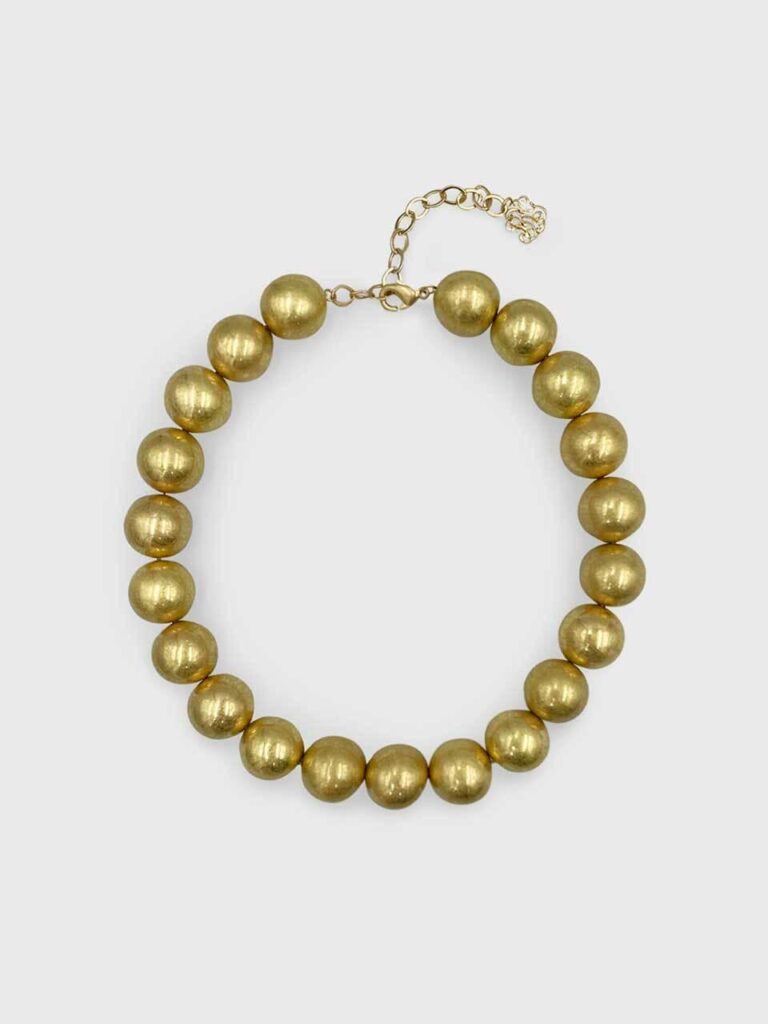 Gold NecklacesThe Gold Statement Layered Necklaces on Our Wishlist
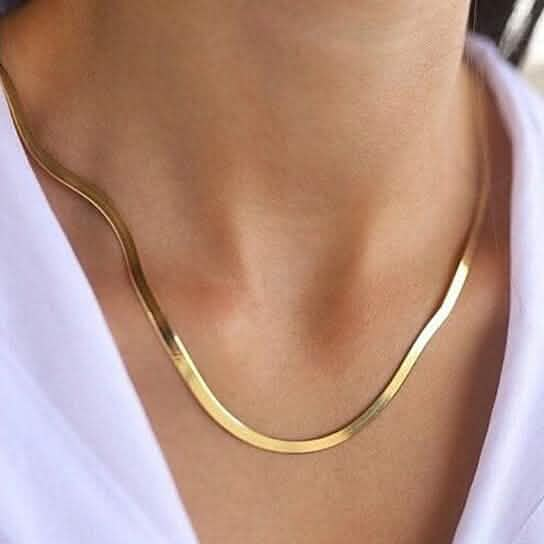
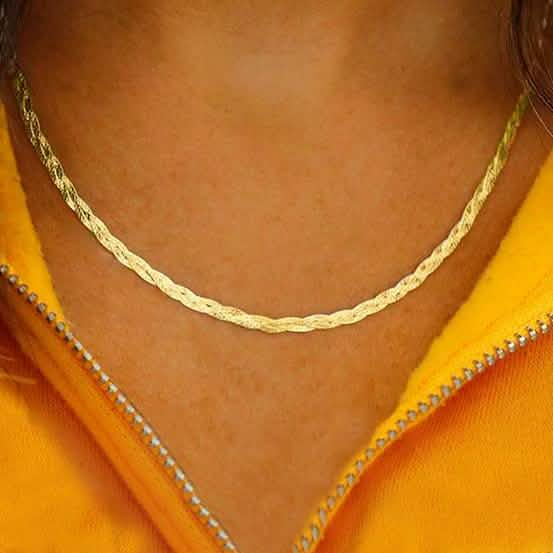 Sterling Silver NecklacesThe Gold Sterling Silver Layered Necklaces Shortlist
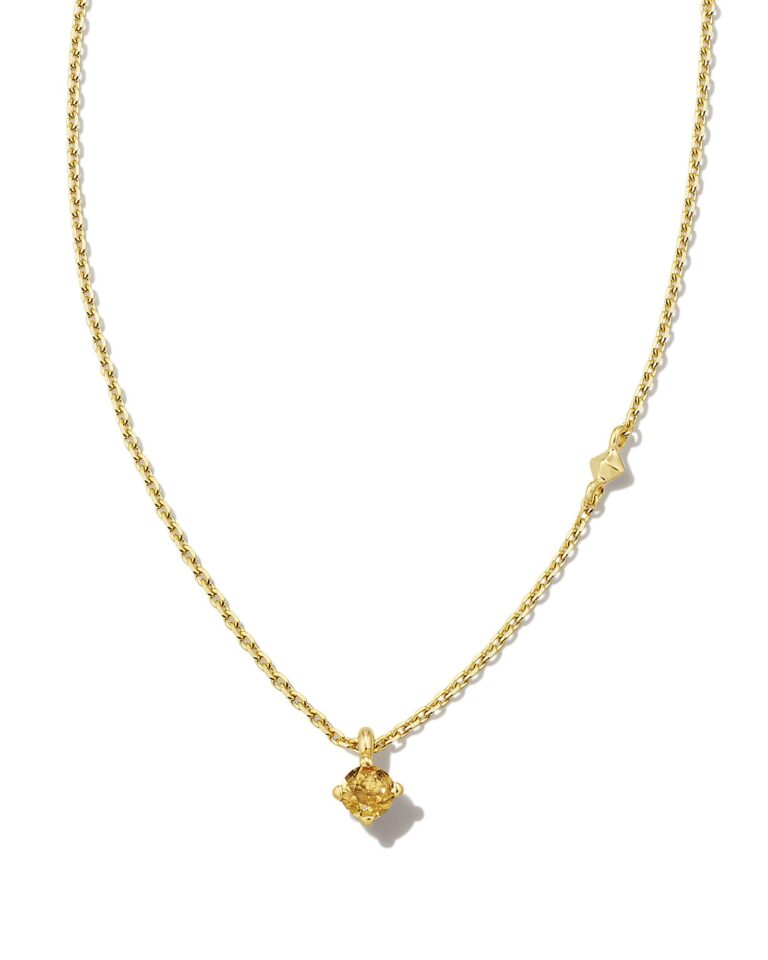
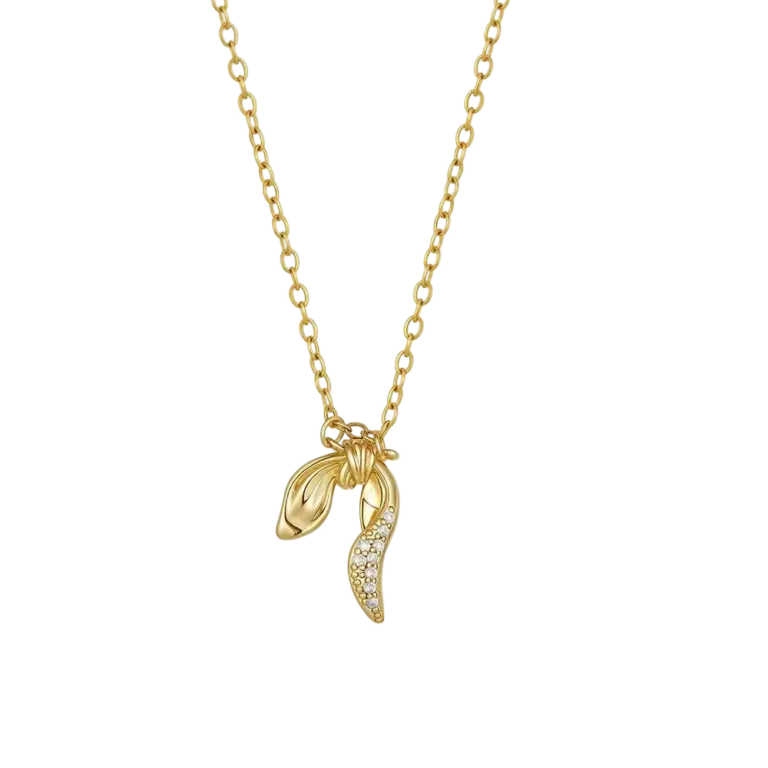 Gold Plated NecklacesOur Pick of the Best Gold Plated Dainty Layered Necklaces
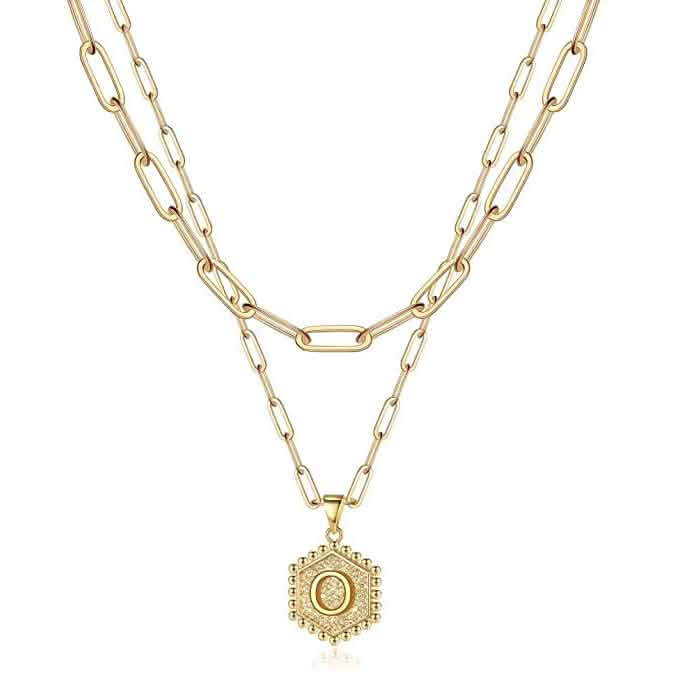
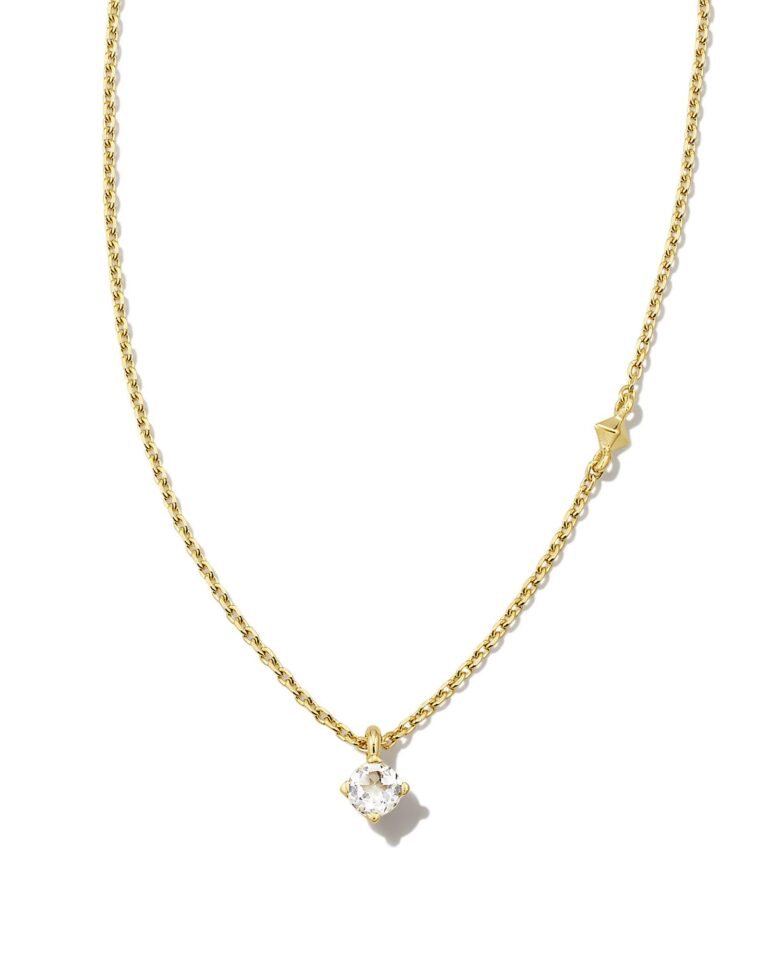 Gold Plated NecklacesFinding the Best Gold Plated Layered Chain Necklaces
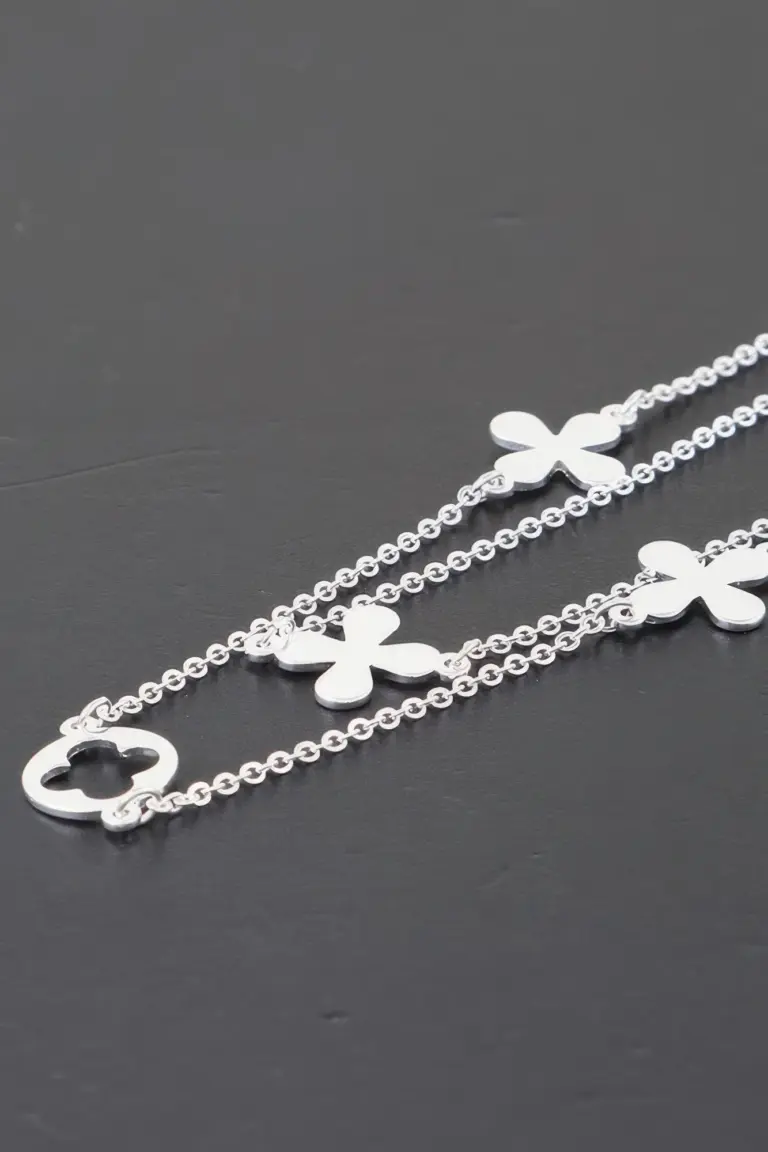
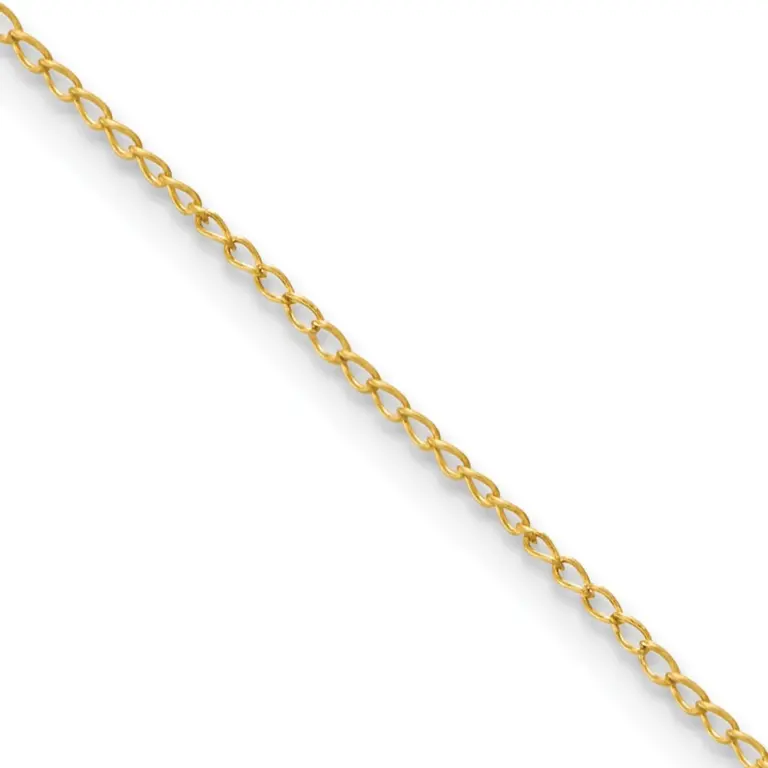 Gold Plated NecklacesGold Plated Layered Necklaces We’d Recommend to a Friend
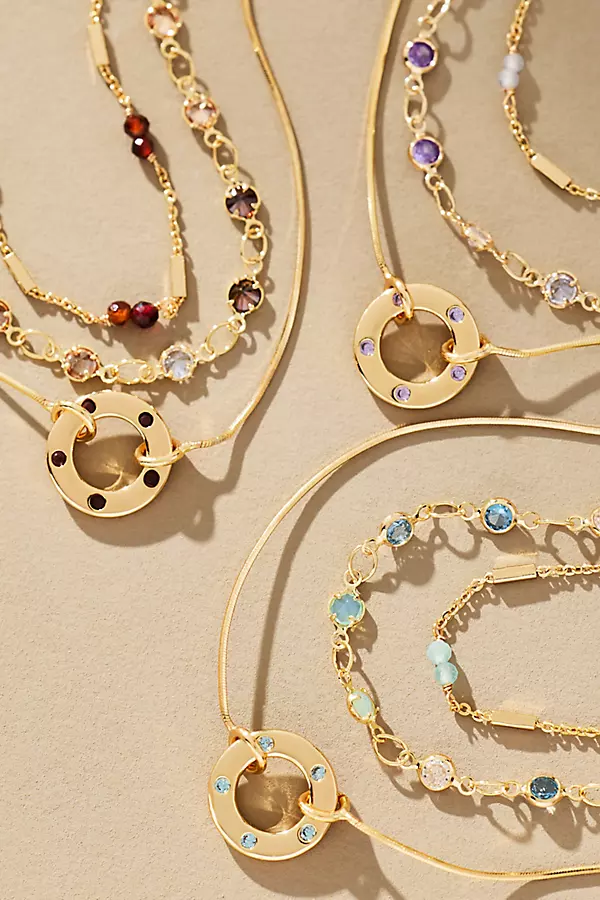
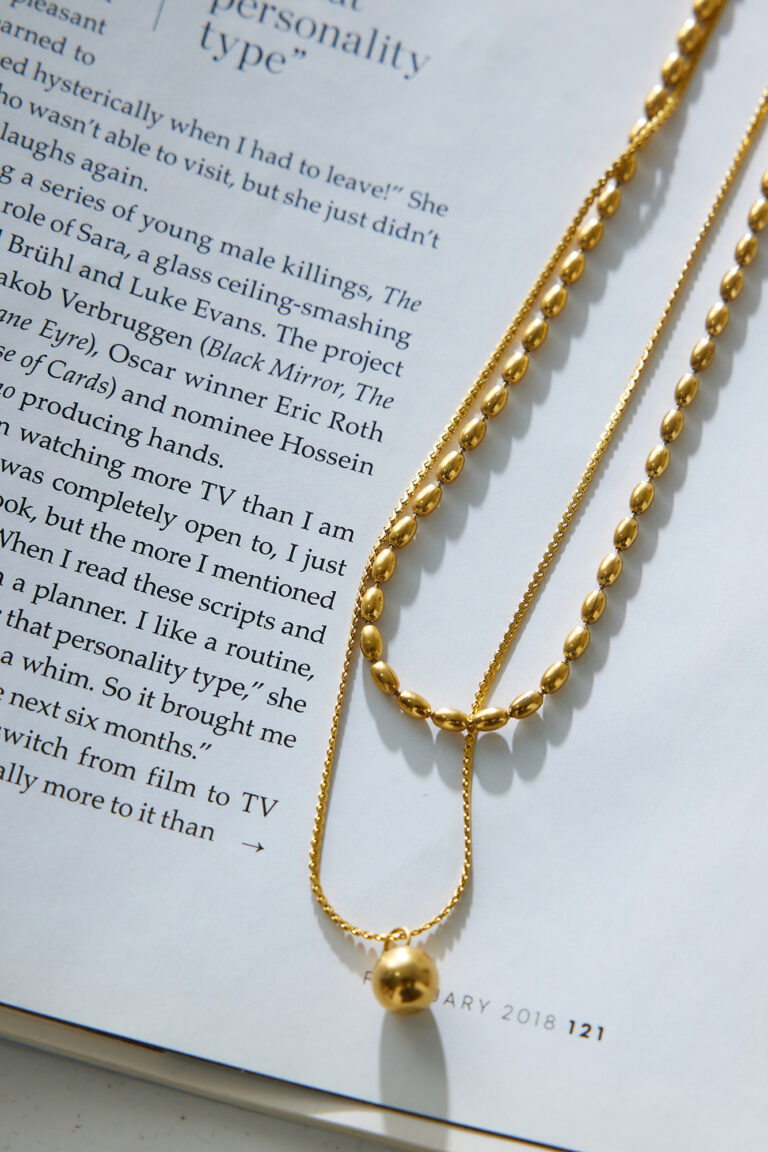 Gold Plated NecklacesGold Plated Chain Layered Necklaces Worth Treating Yourself To
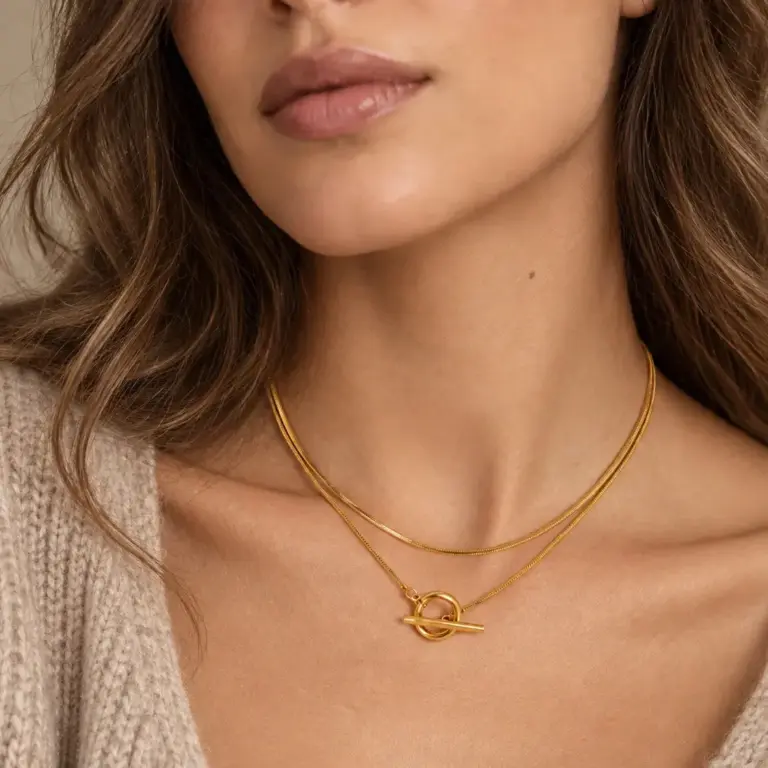
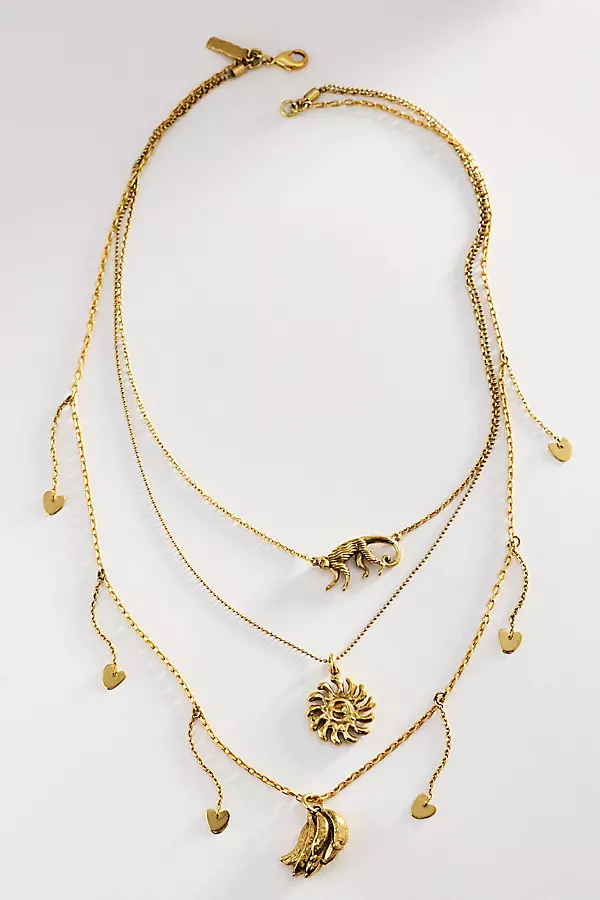 Charm NecklacesGold Plated Charm Layered Necklaces That Elevate Everything
 Pearl NecklacesGold Pearl Layered Necklaces: What We’d Buy Now
 Gold NecklacesThe Gold Pendant Layered Necklaces ShortlistAlso worth a lookChain NecklacesA chain necklace worn alone looks deliberate.See the collections →
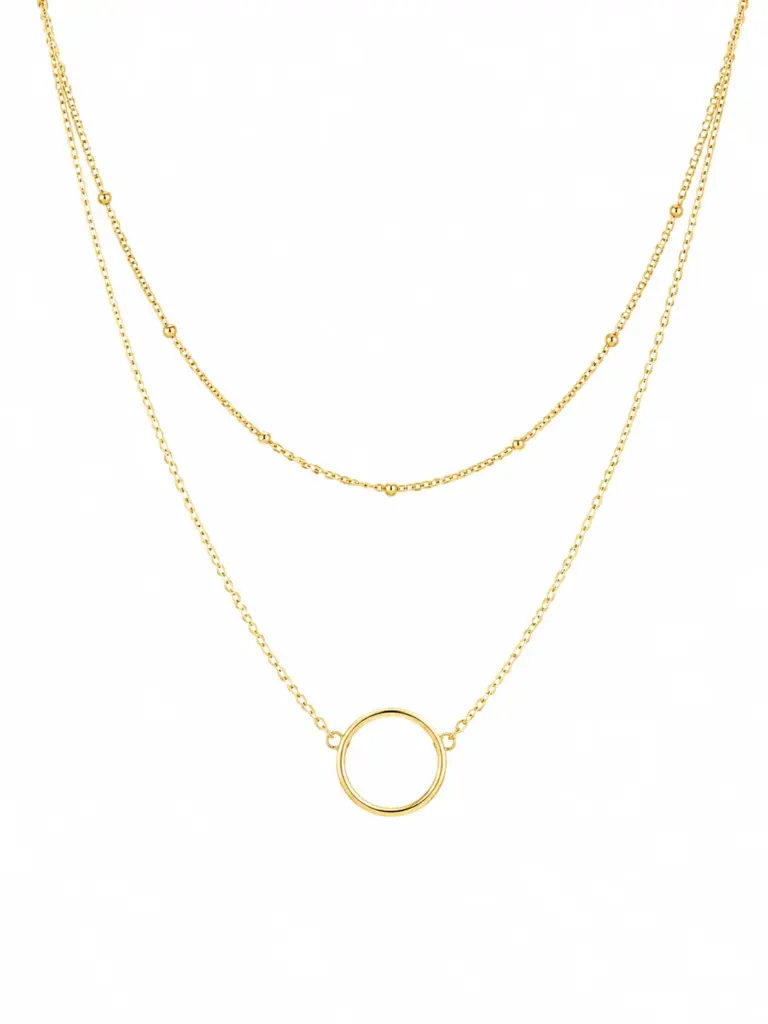 Heart NecklacesPretty Gold Heart Layered Necklaces We Love
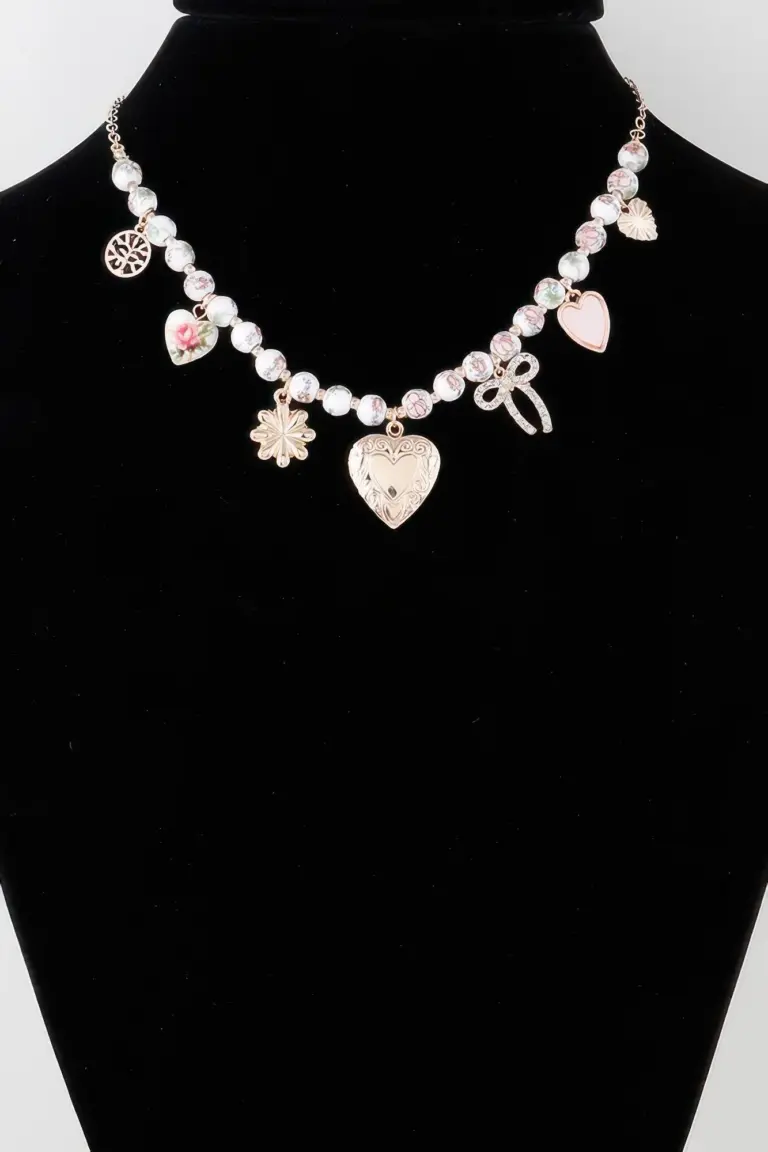
 Gold NecklacesGold Layered Chain Necklaces We’re Adding to Basket
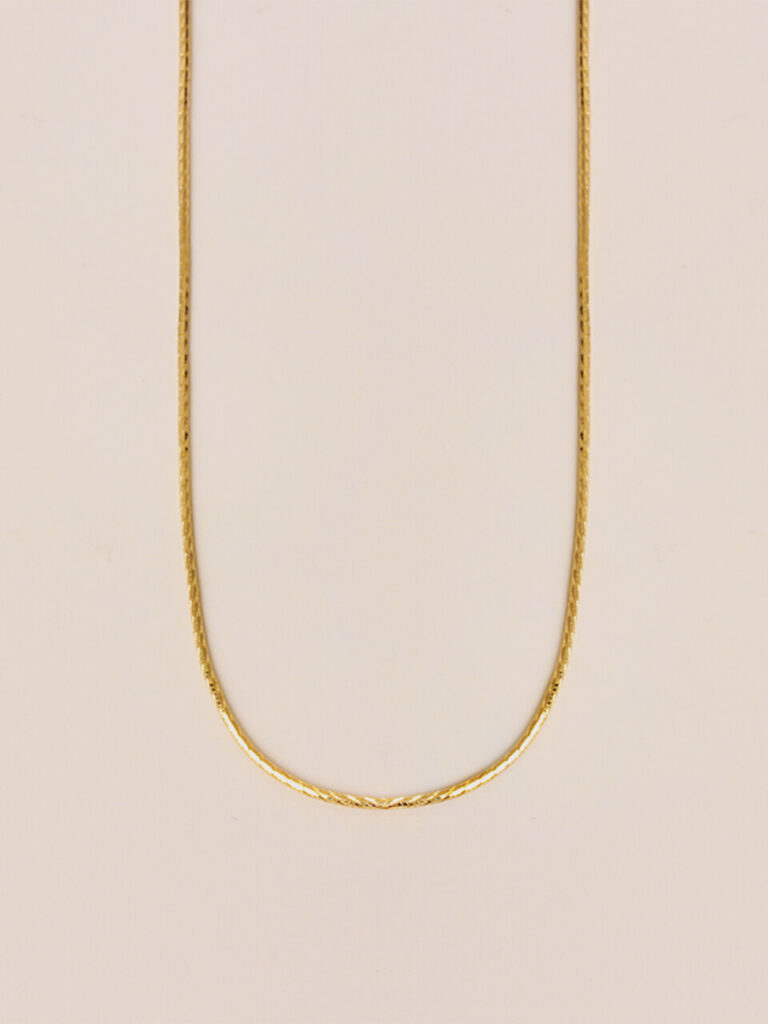
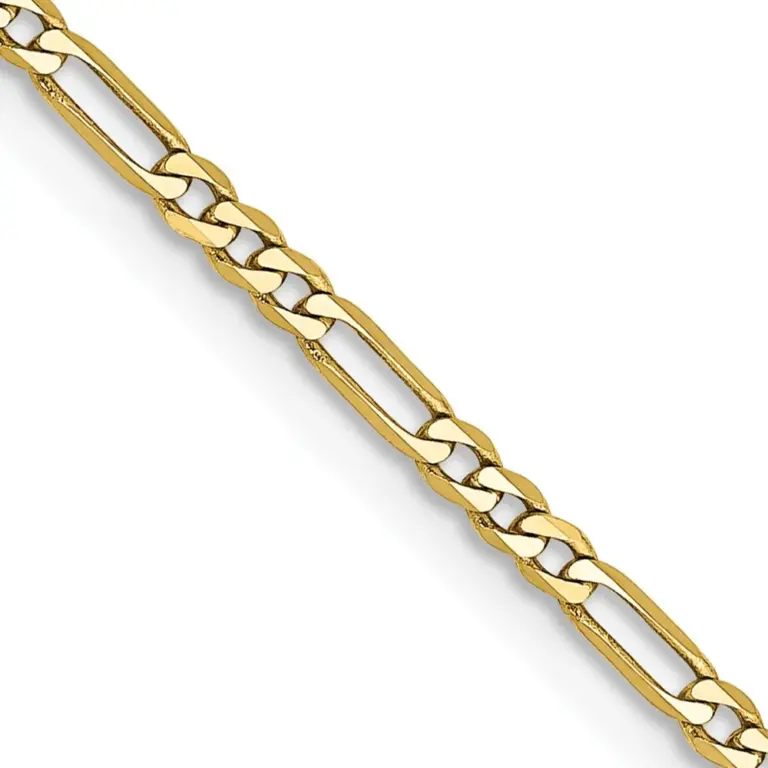 Gold NecklacesDelicate to Bold: Our Favorite Gold Layered Necklaces
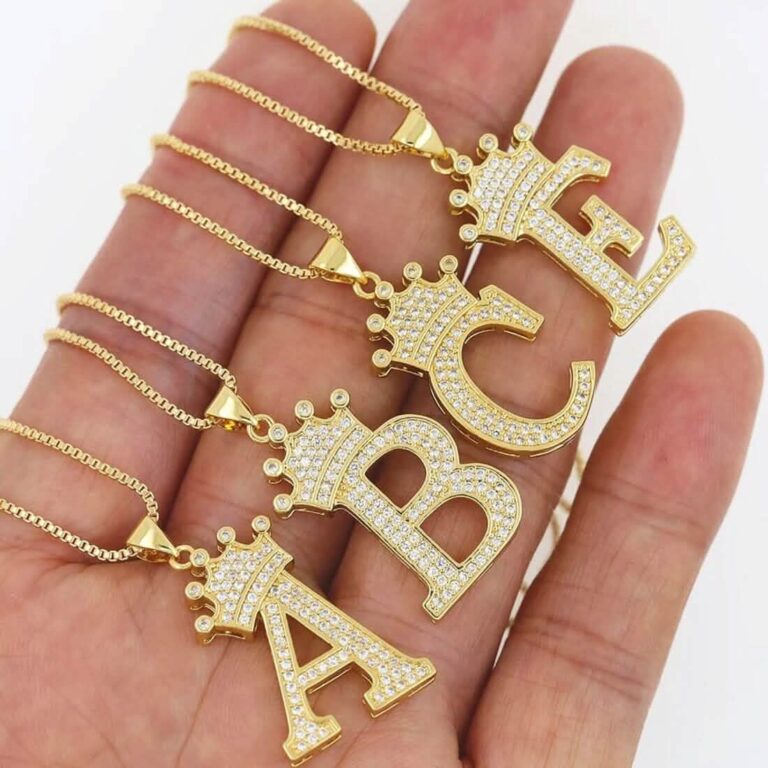
 Pearl NecklacesGold Layered Pearl Necklaces That Have Caught Our Eye
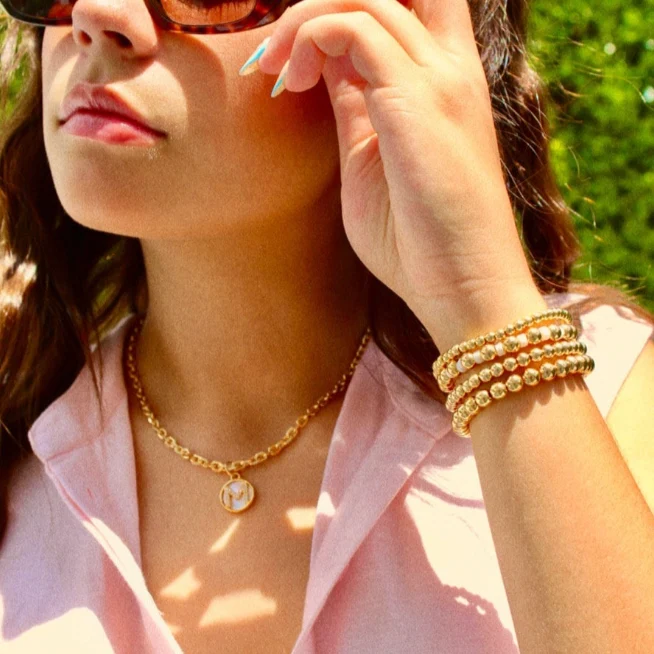
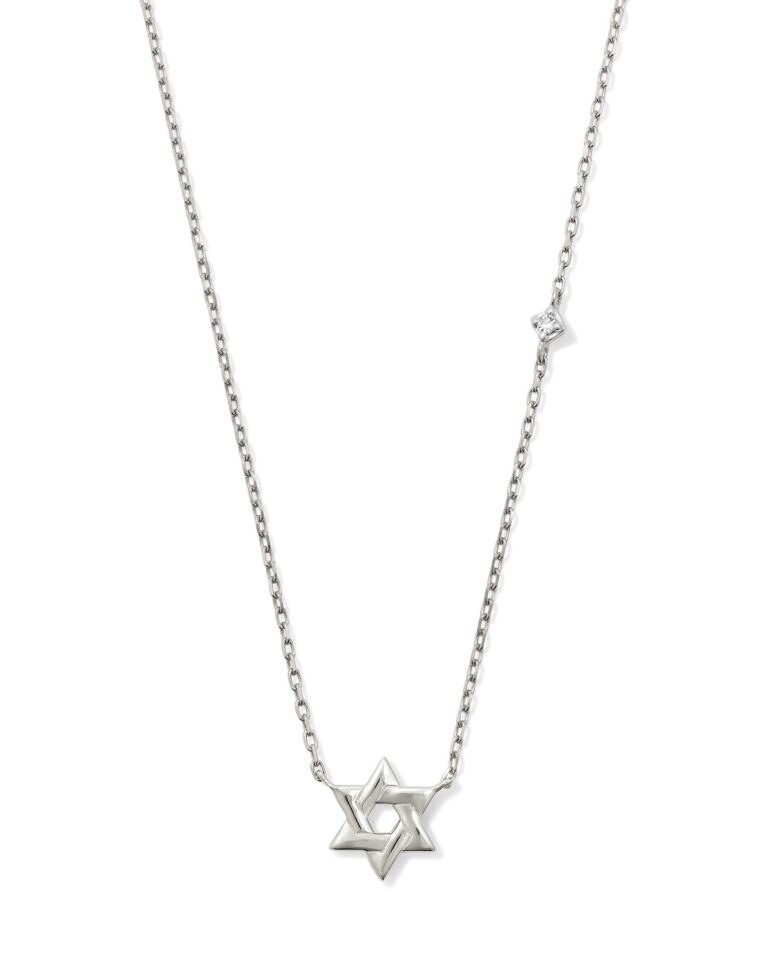 Gold NecklacesGold Layered Pendant Necklaces That Finish Any Look
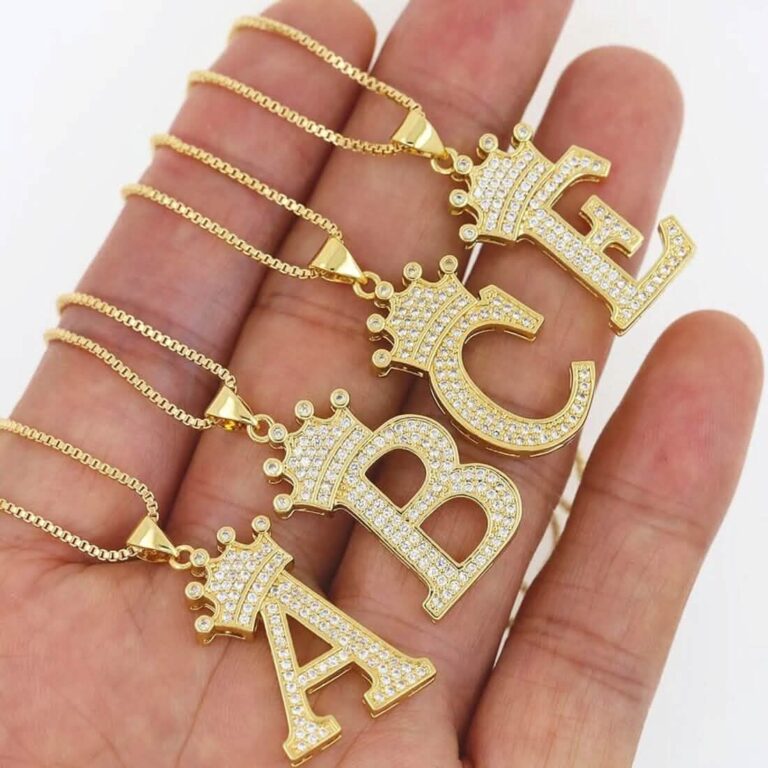
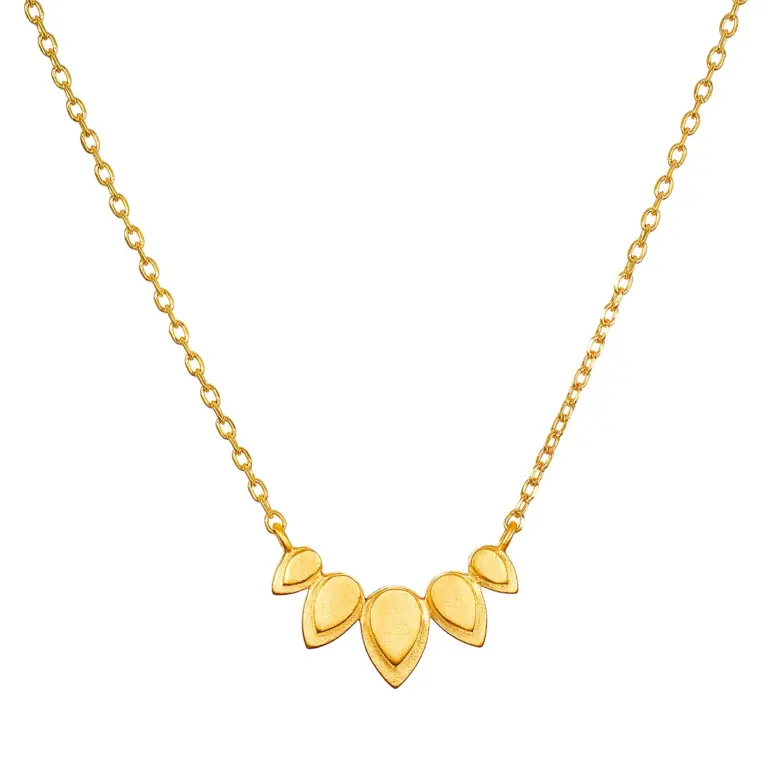 Gold NecklacesDelicate to Bold: Our Favorite Gold Flower Layered Necklaces
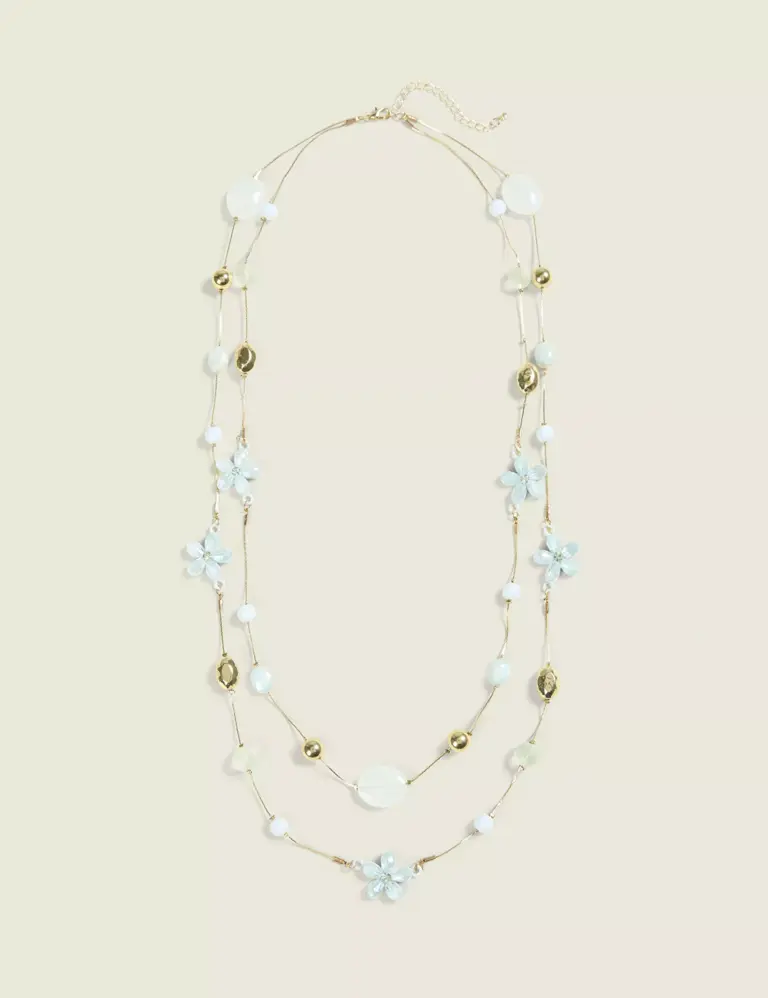
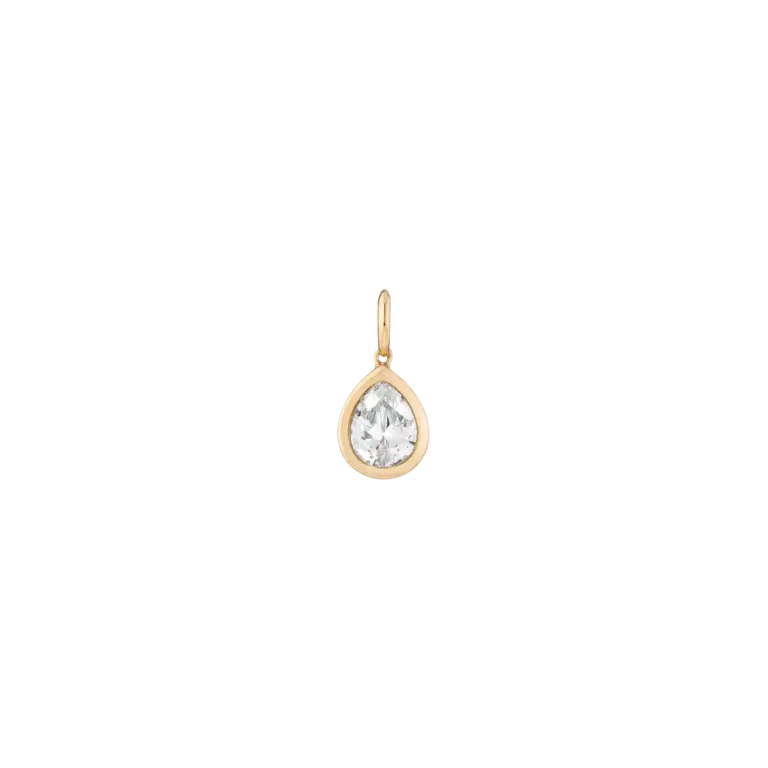 Gold NecklacesGold Diamond Layered Necklaces We’ve Been Saving
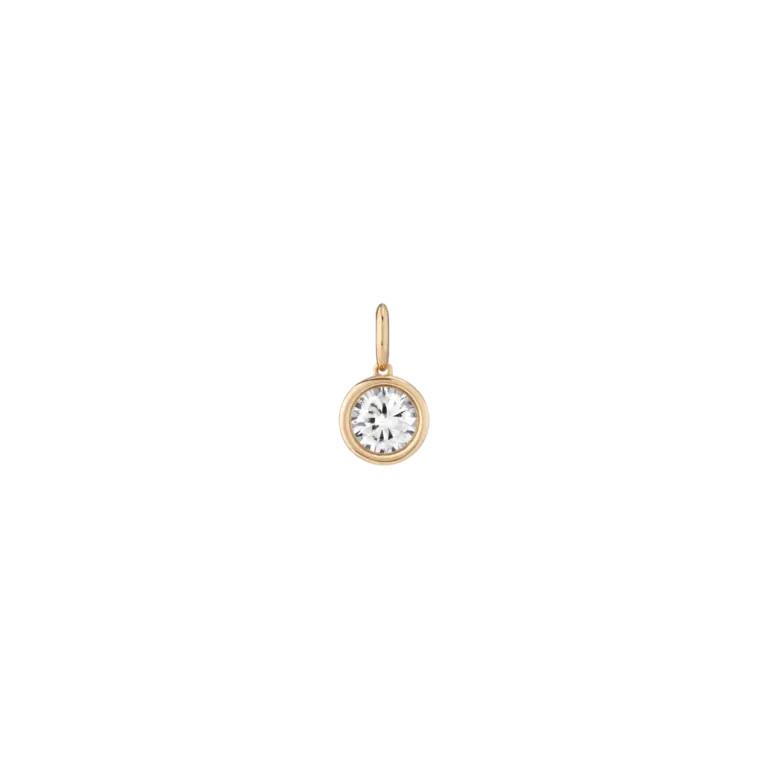
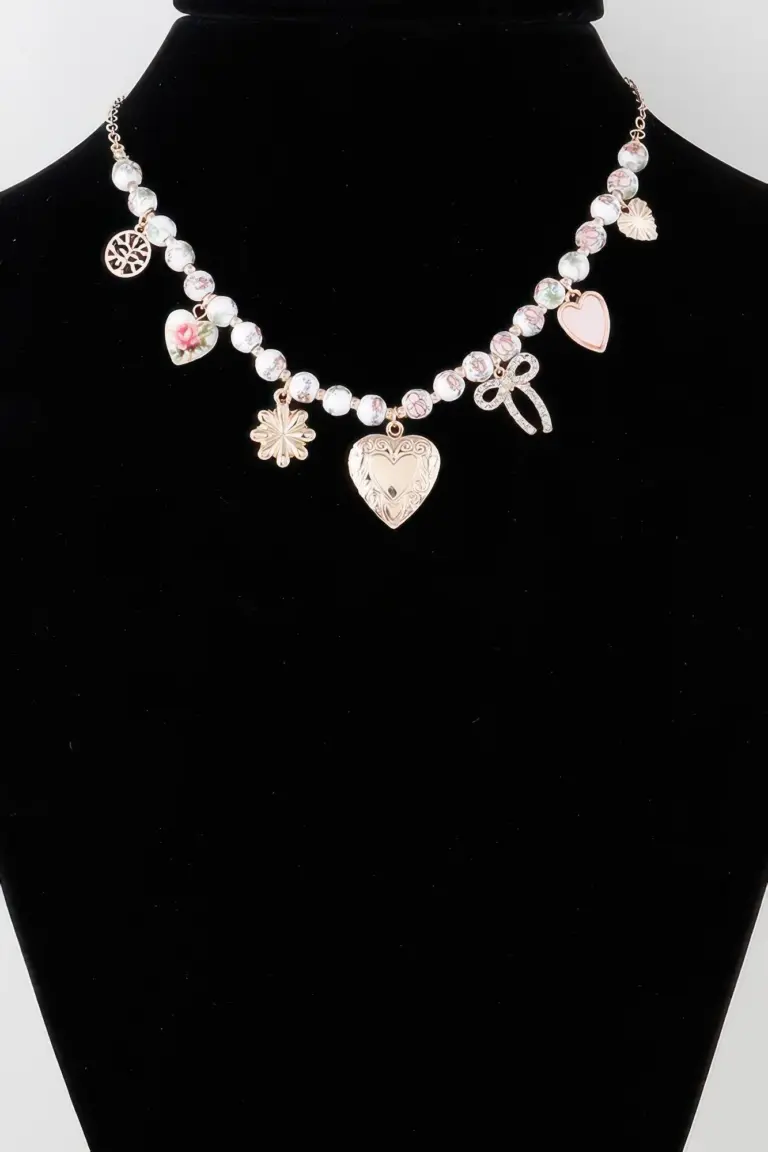 Gold NecklacesGold Dainty Layered Necklaces That Feel Special
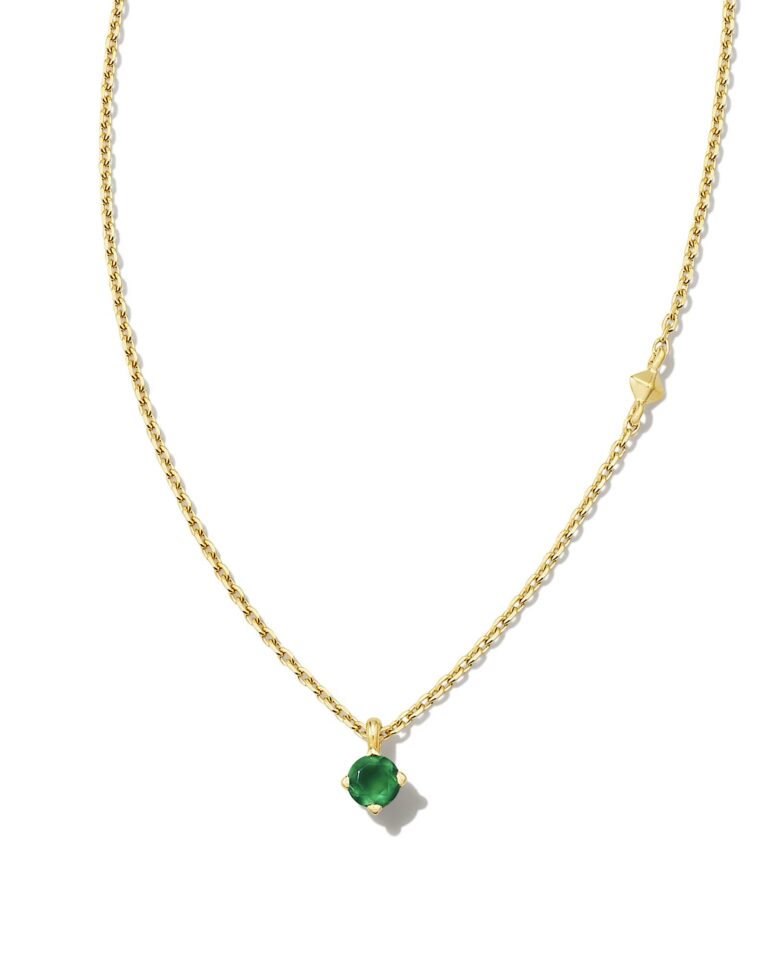
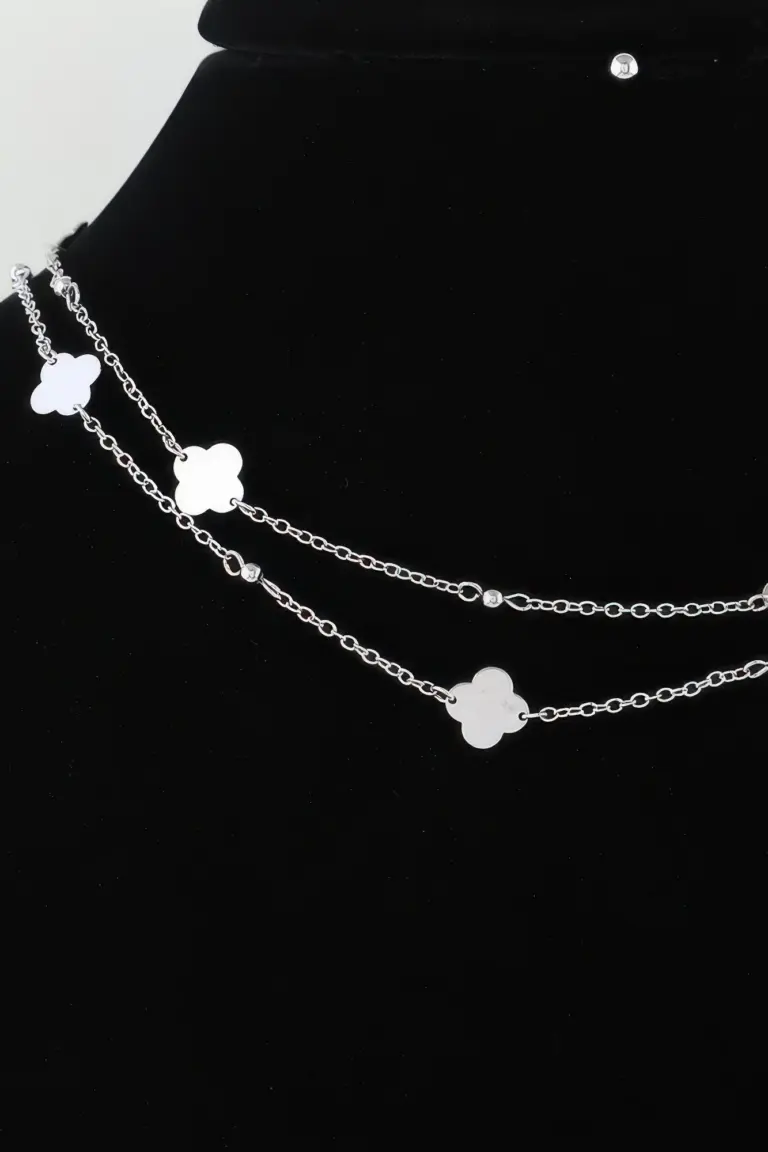 Gold NecklacesGold Chain Layered Necklaces on Our RadarAlso worth a lookPendant NecklacesA good pendant necklace sits still and catches light when you move, the kind of thing you notice…See the collections →
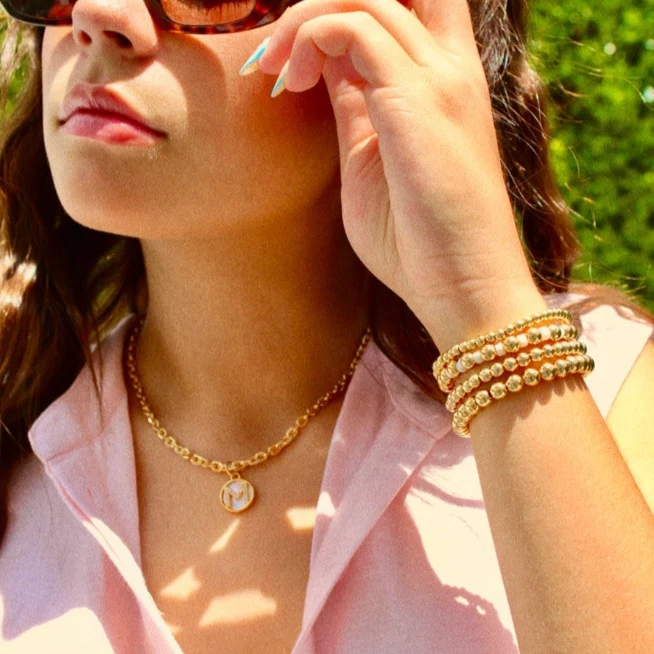
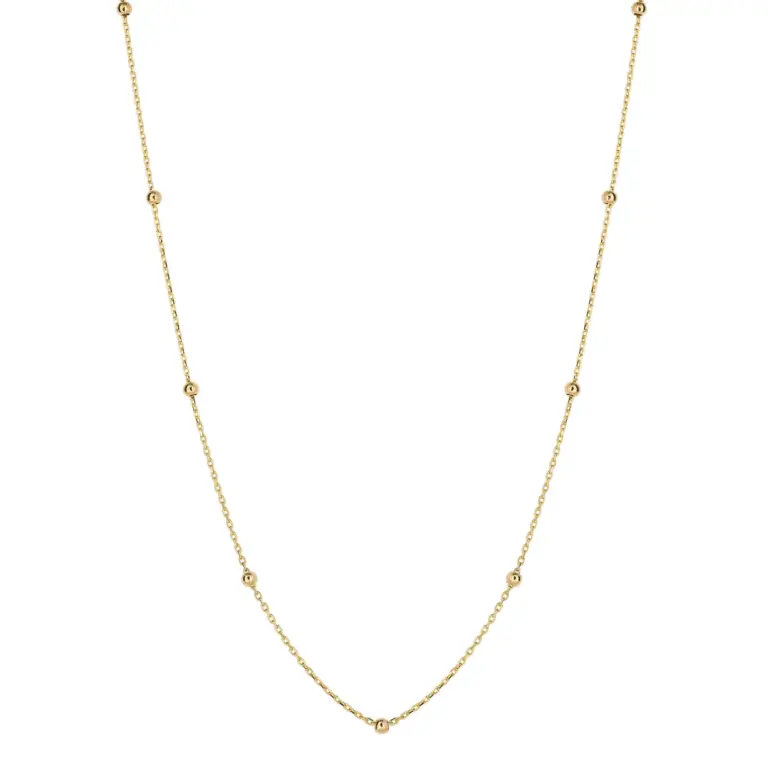 Charm NecklacesPretty Gold Charm Layered Necklaces We Love
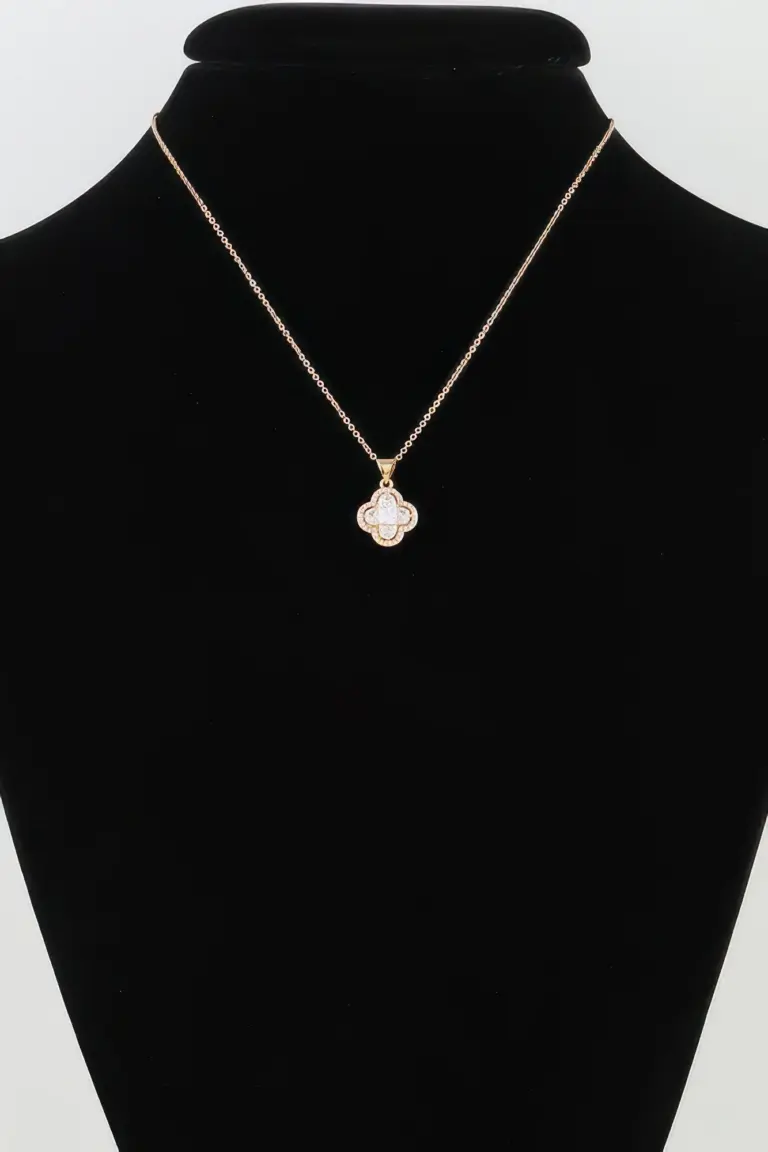
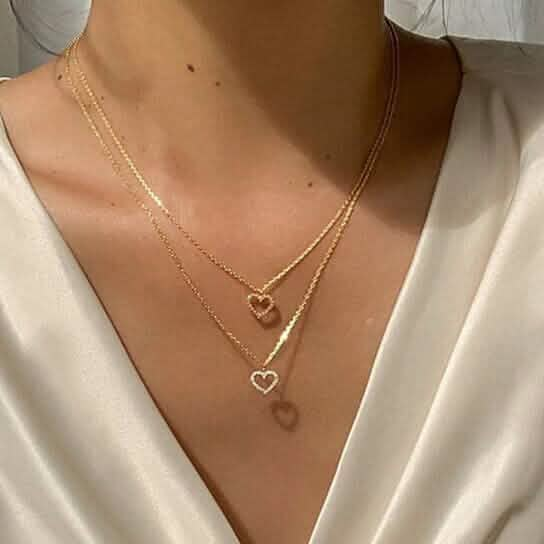 Gold NecklacesThe Gold Adjustable Layered Necklaces We’d Wear Daily
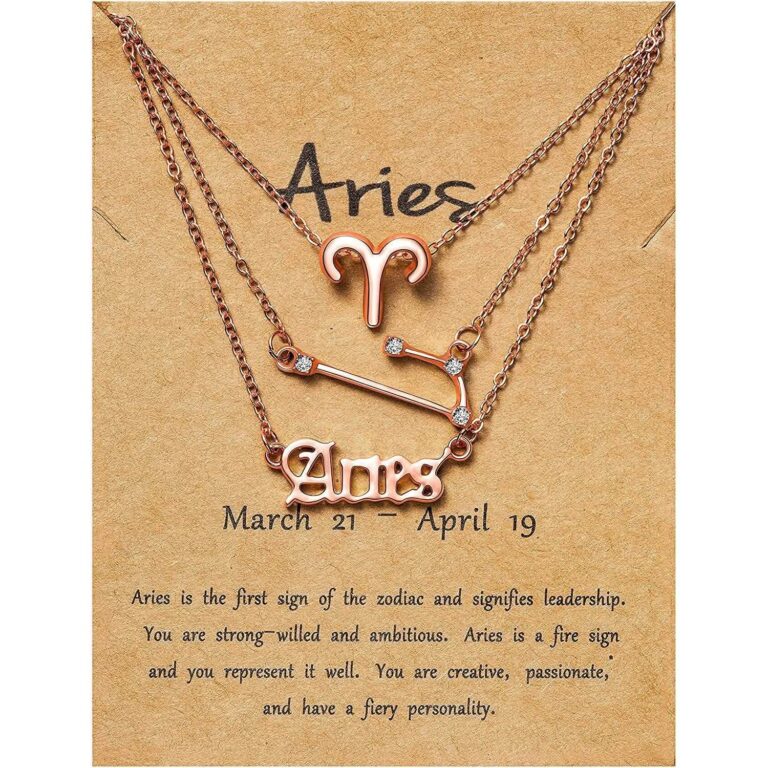
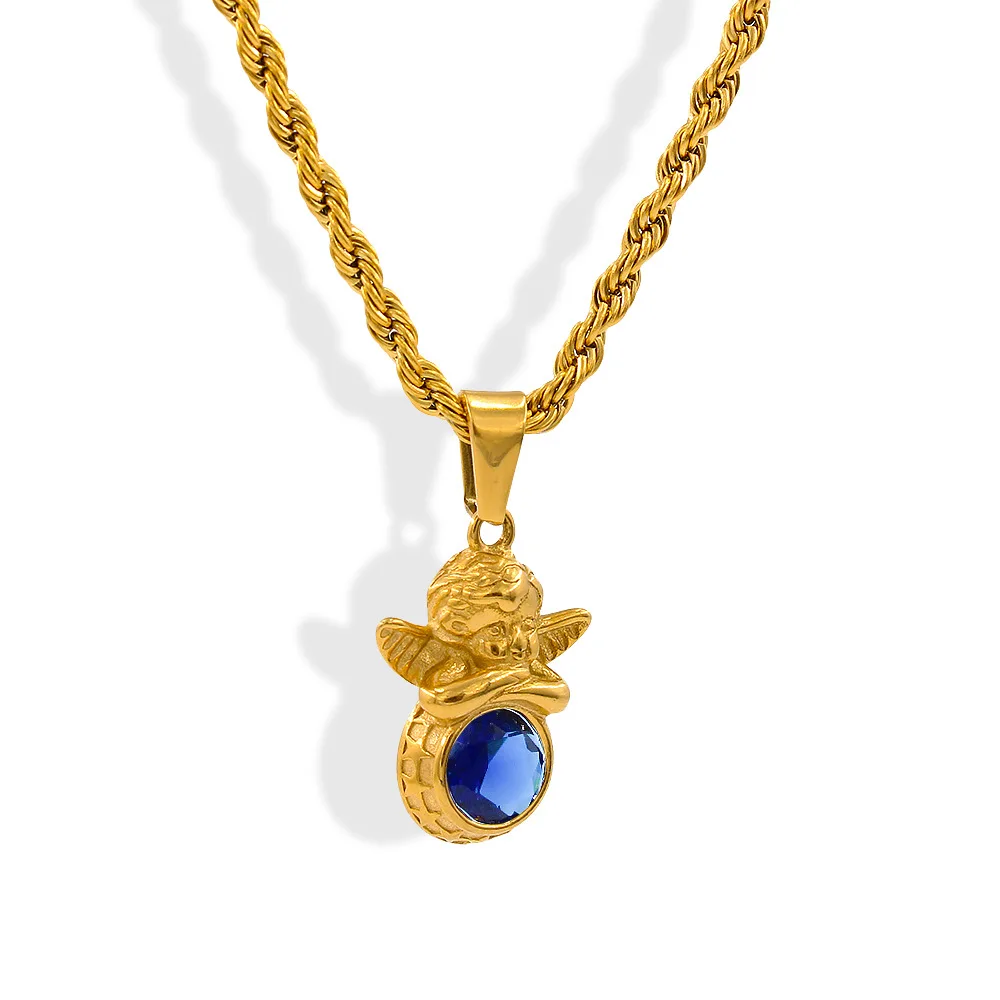 Gemstone Layered Necklaces Worth Adding to Your Wardrobe
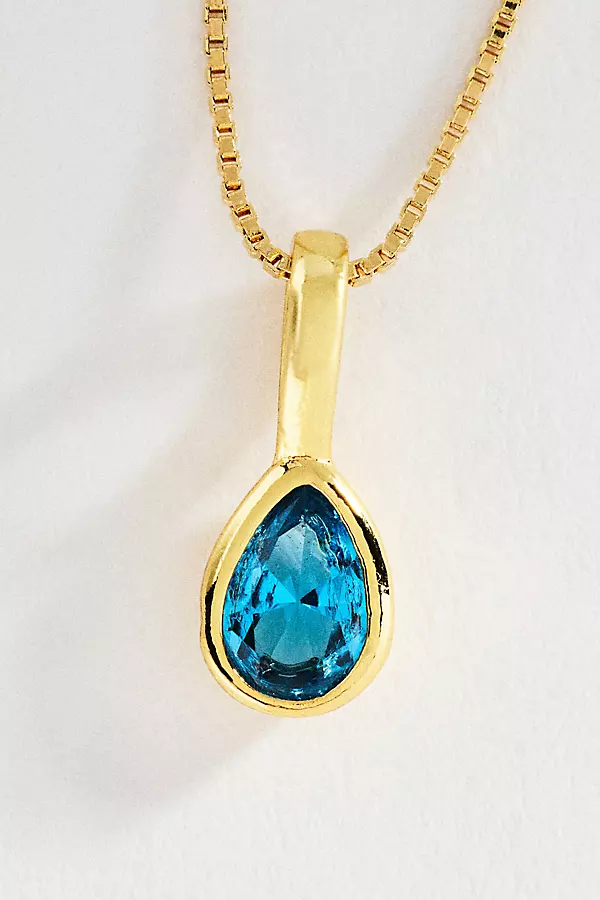
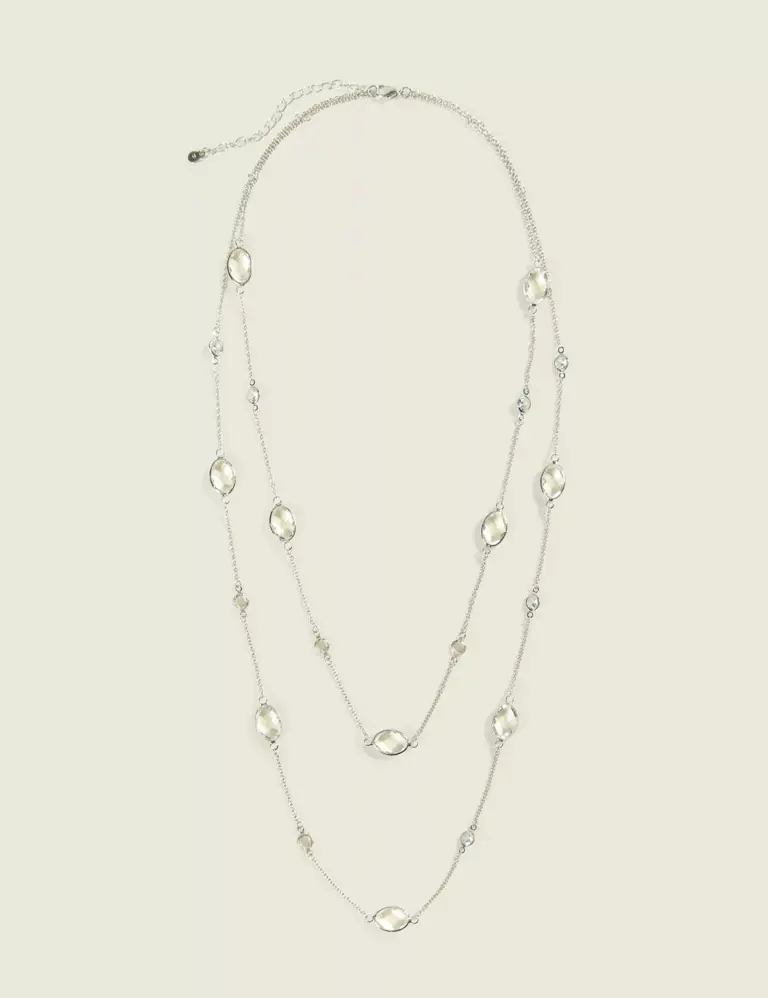 Glass Layered Necklaces That Make a Lovely Gift
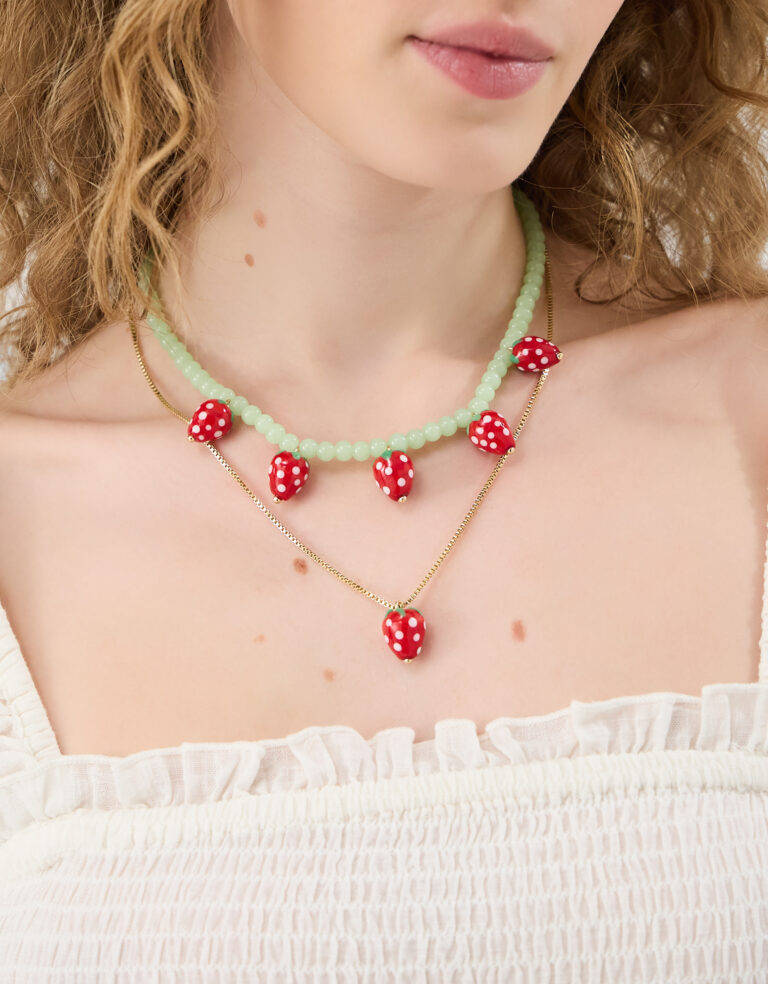
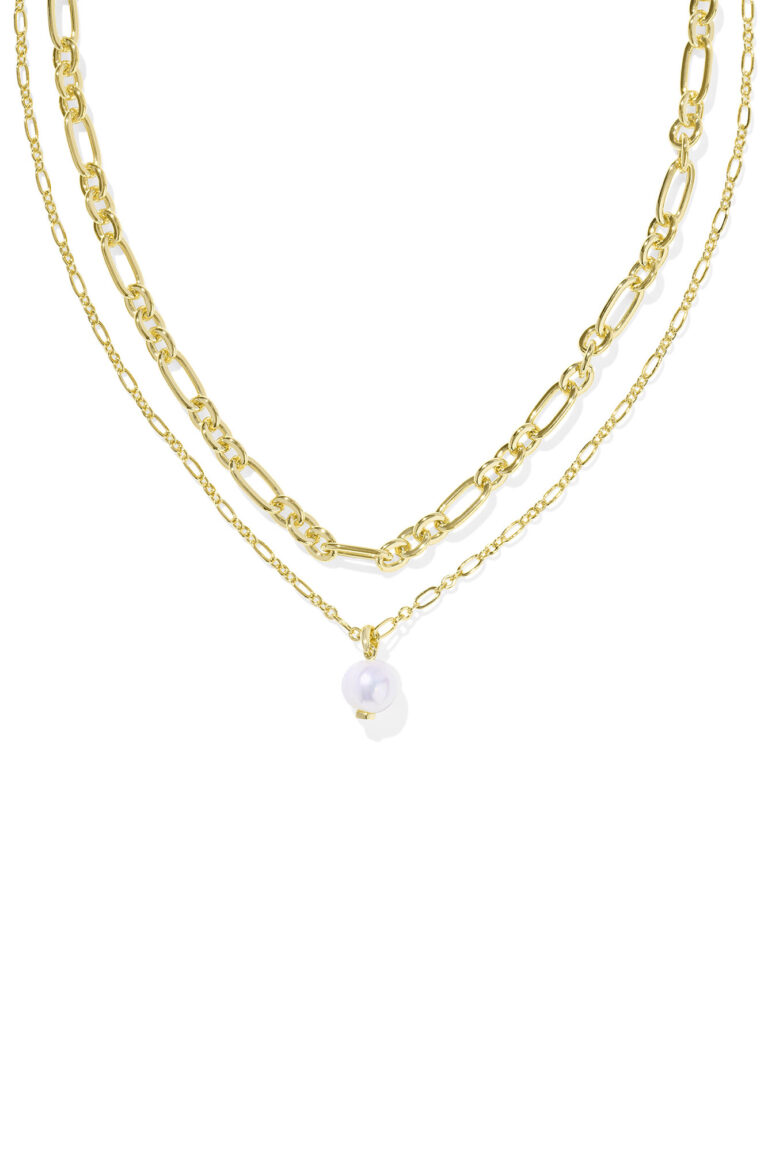 Pearl NecklacesThe Best Freshwater Pearl Layered Necklaces to Shop Now
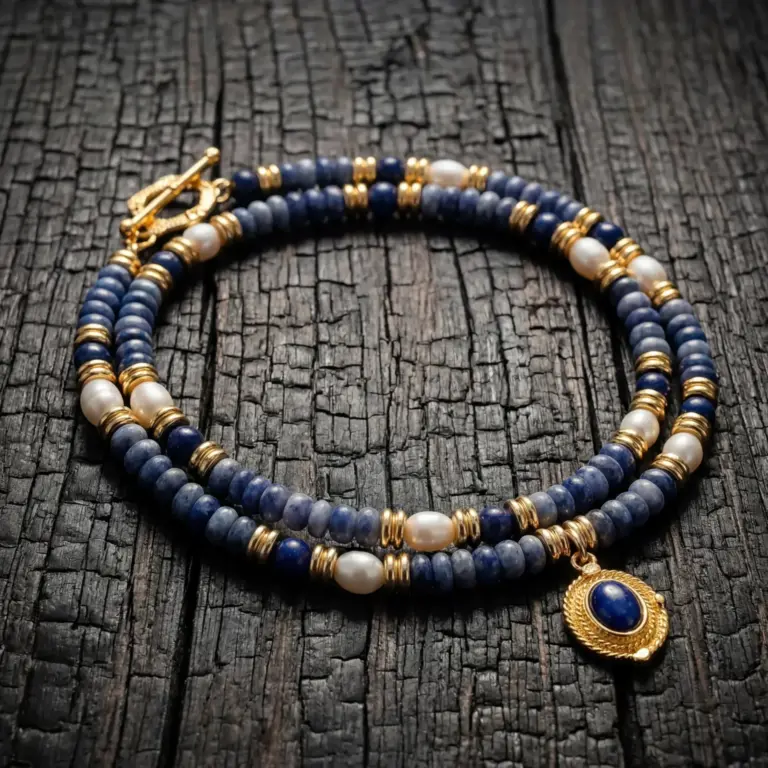
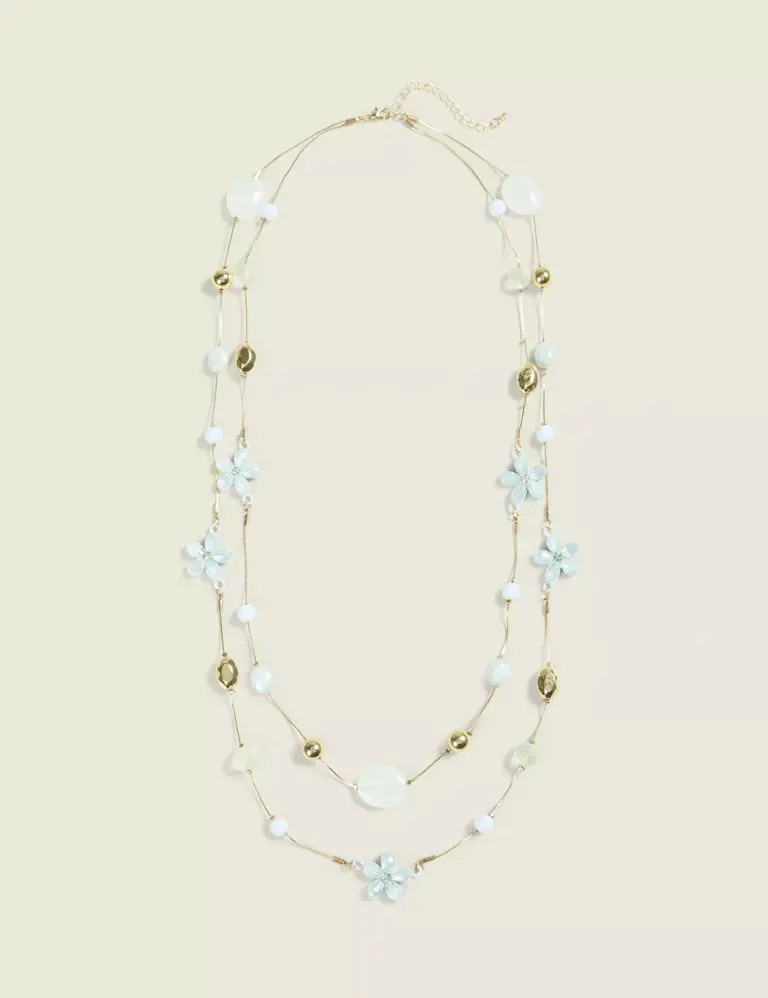 The Best Flower Layered Necklaces to Shop Now
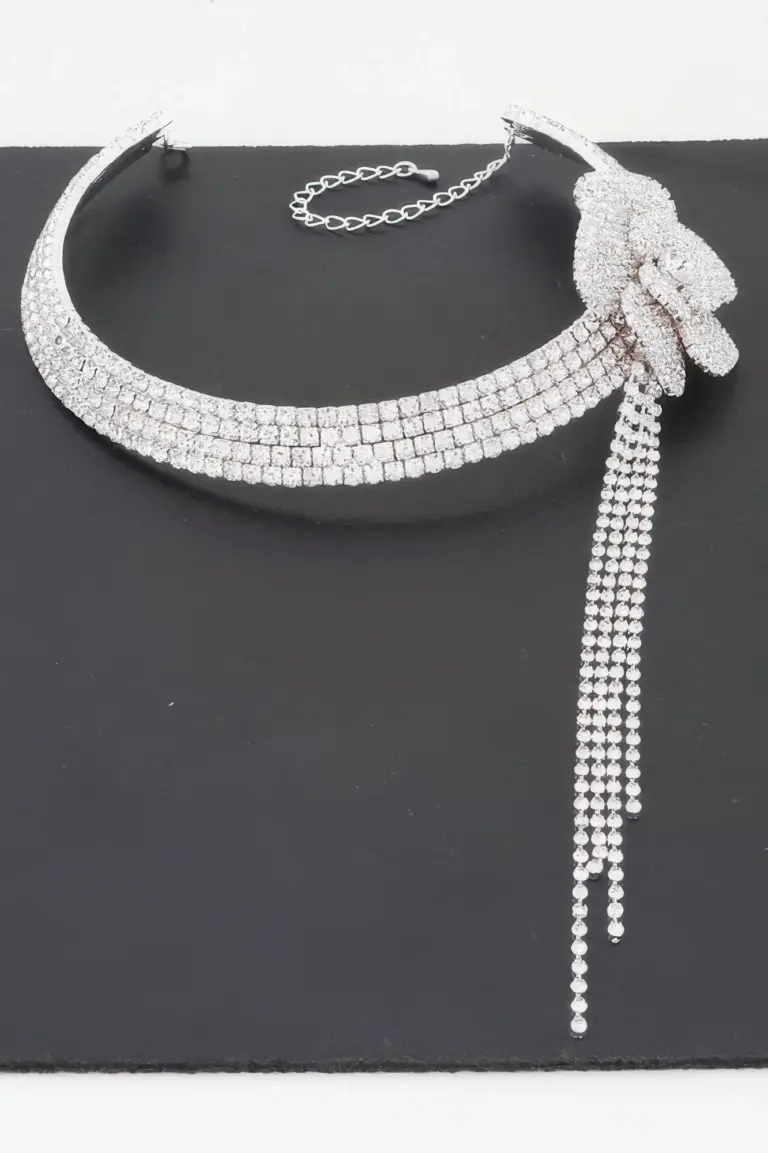
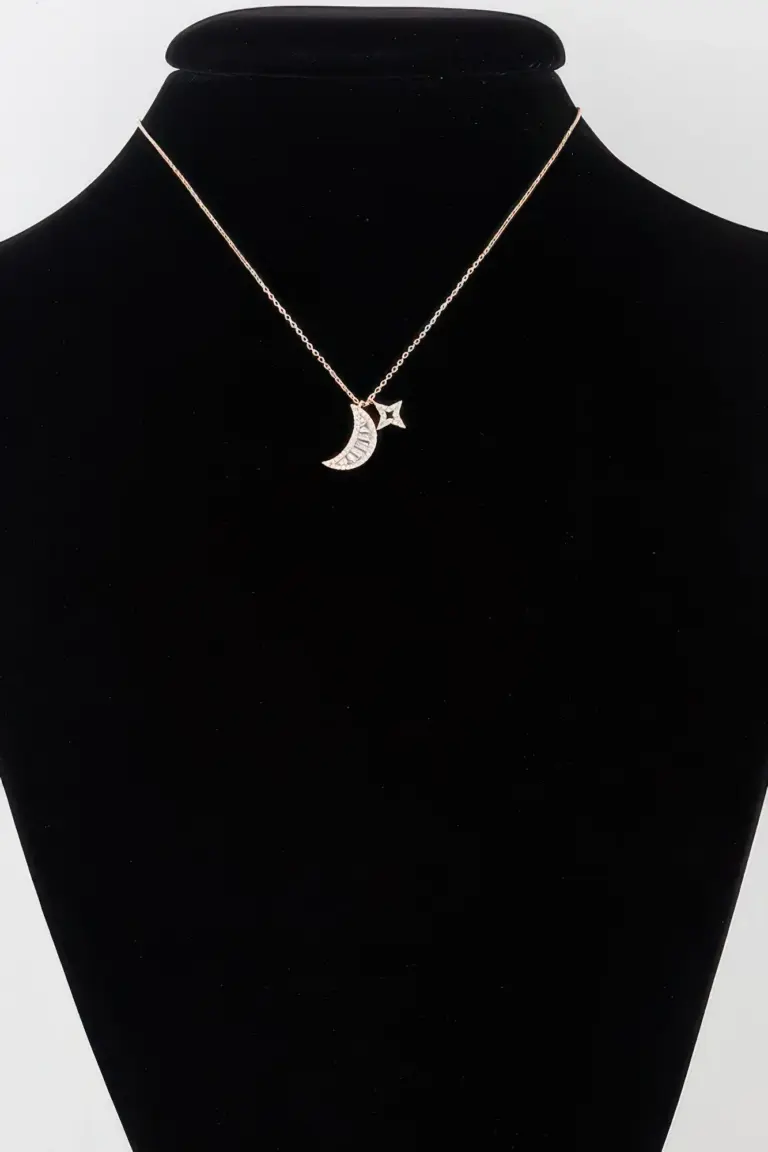 Everyday Layered Necklaces: What We’d Buy Now
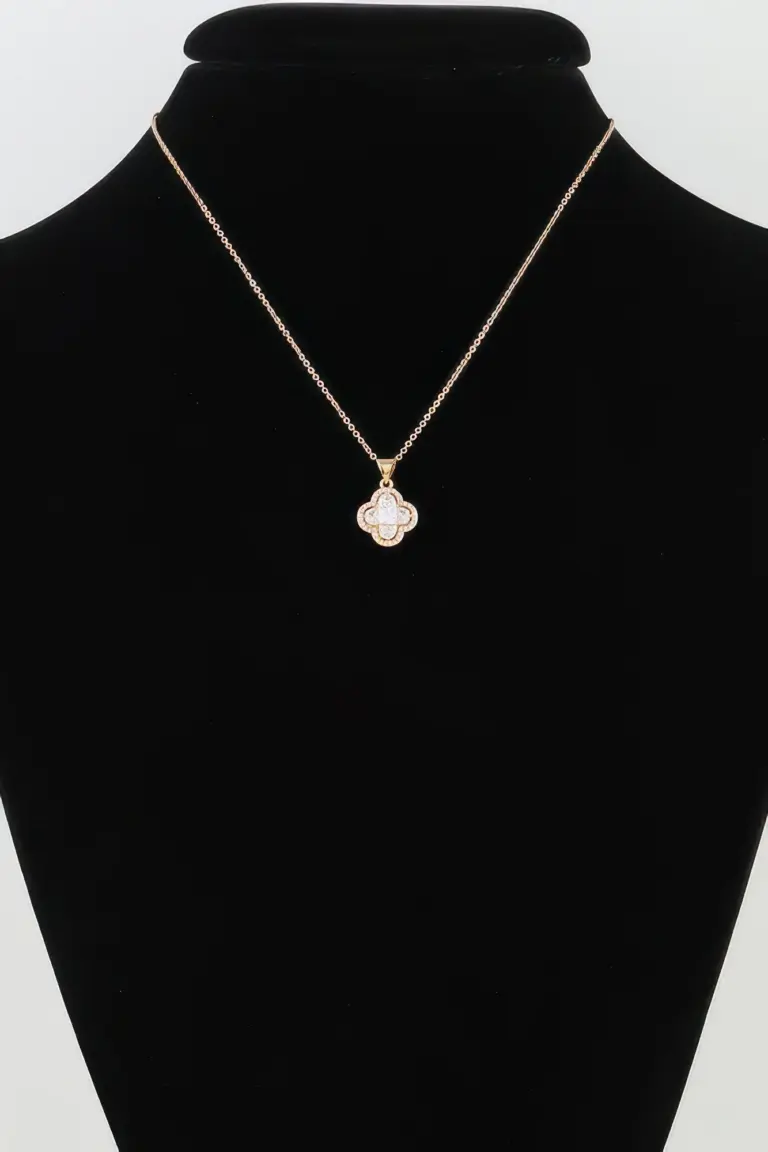
 Delicate to Bold: Our Favorite Drop Layered Necklaces
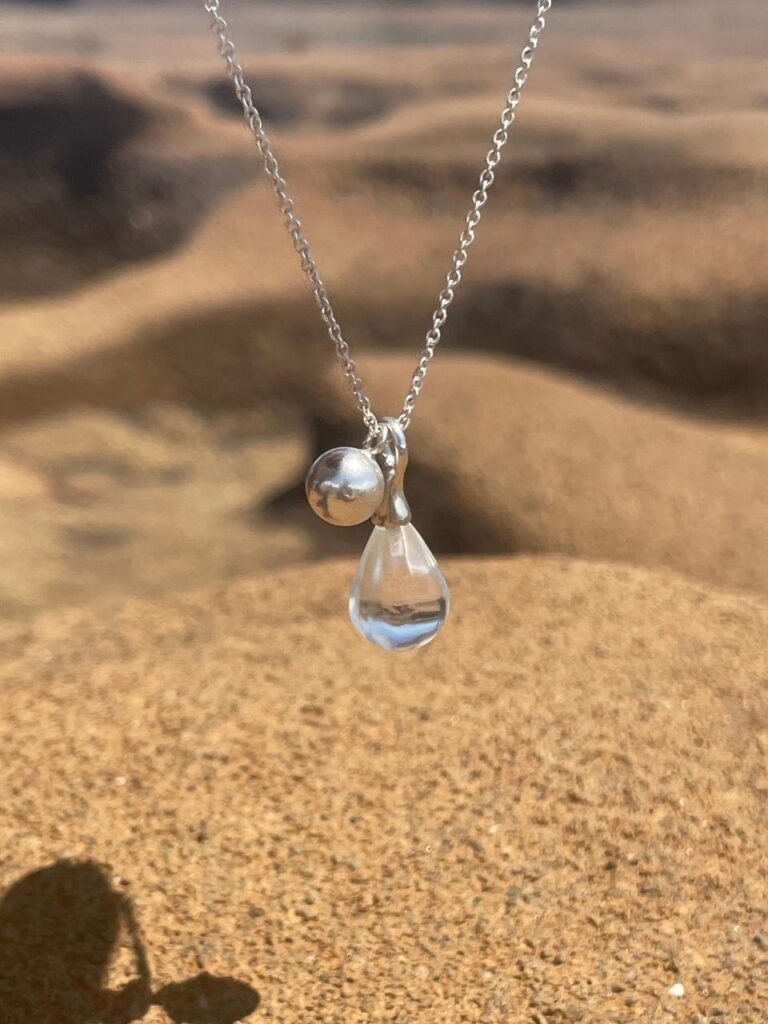
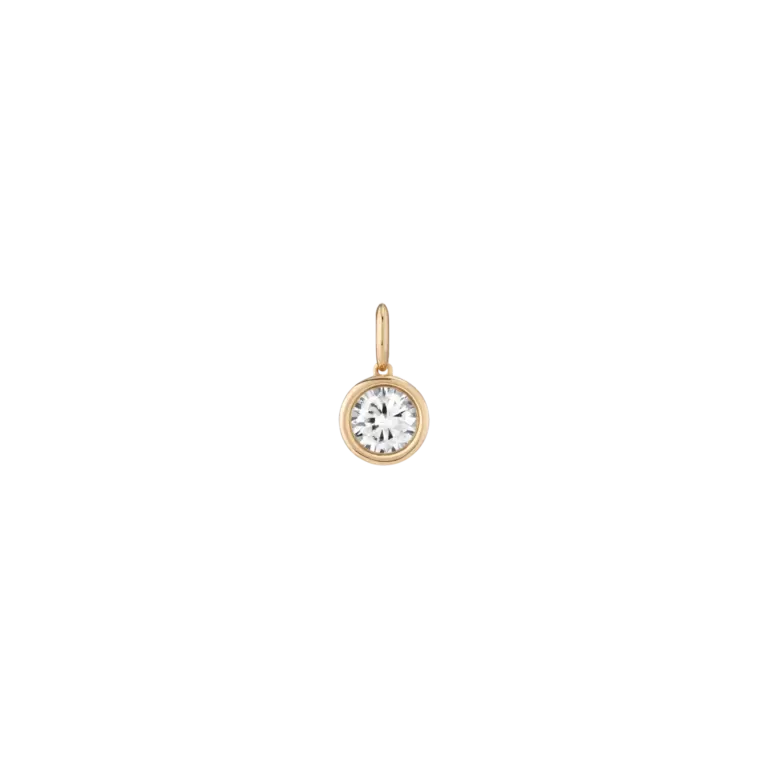 Diamond Layered Necklaces Worth Adding to Your WardrobeAlso worth a lookGold NecklacesThere's a particular morning scramble where everything else has gone wrong, the top you wanted is in the…See the collections →
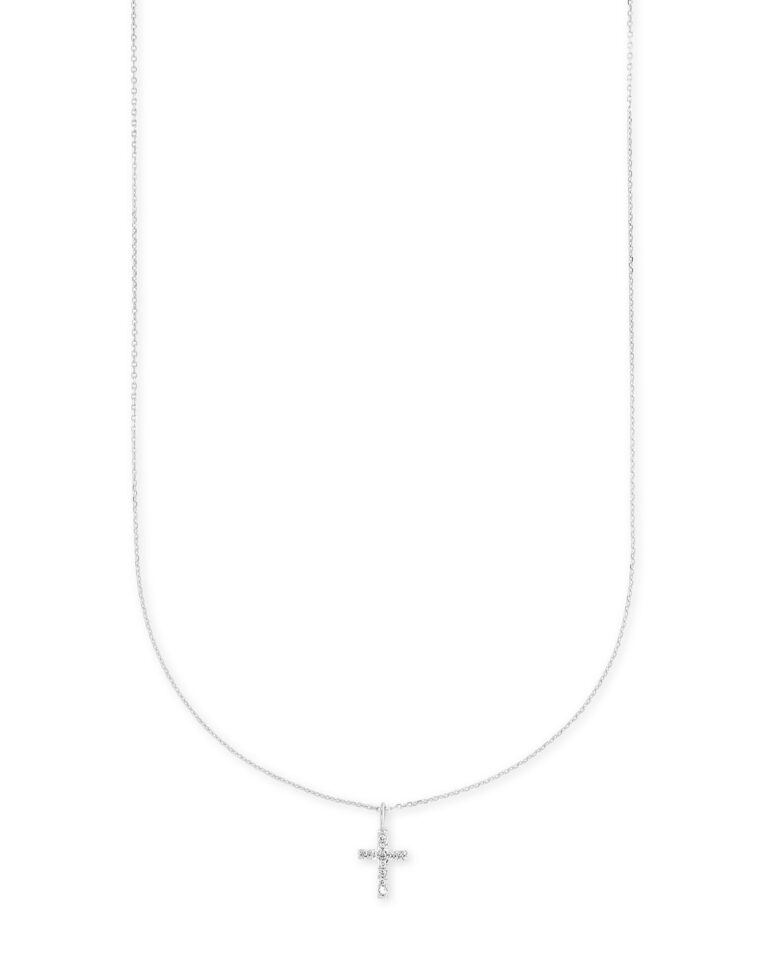
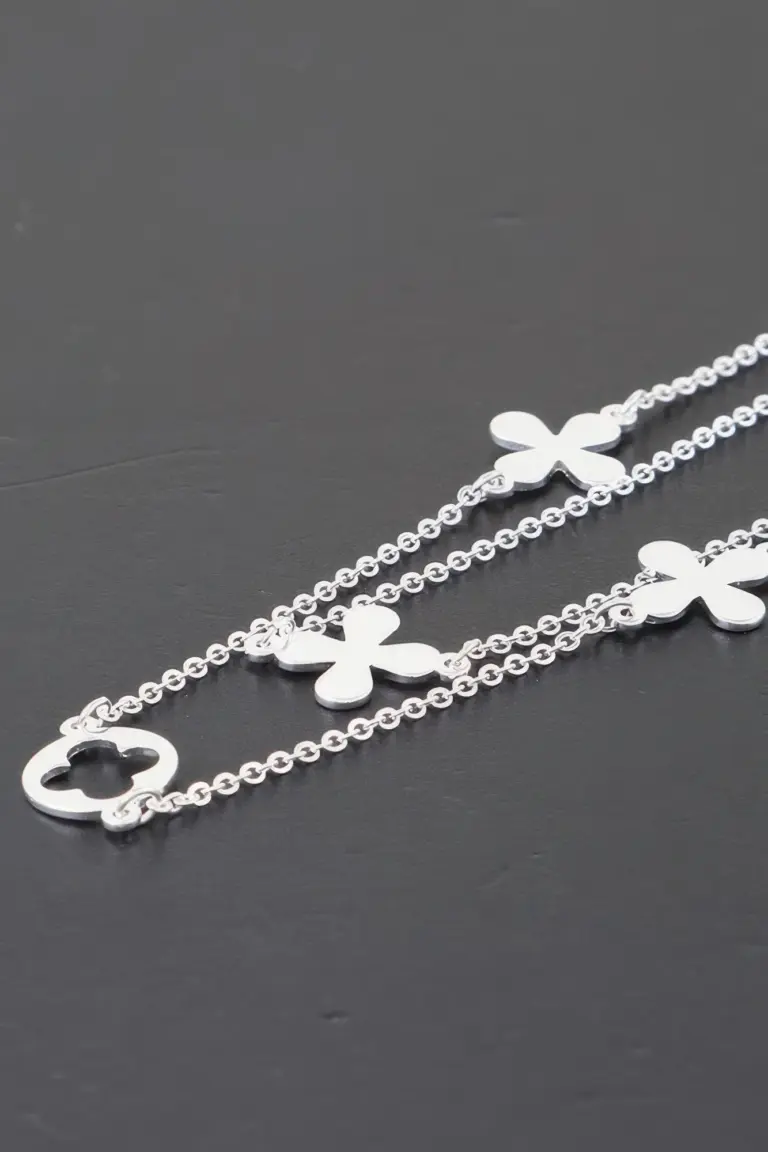 Where to Find the Best Dainty Layered Necklaces
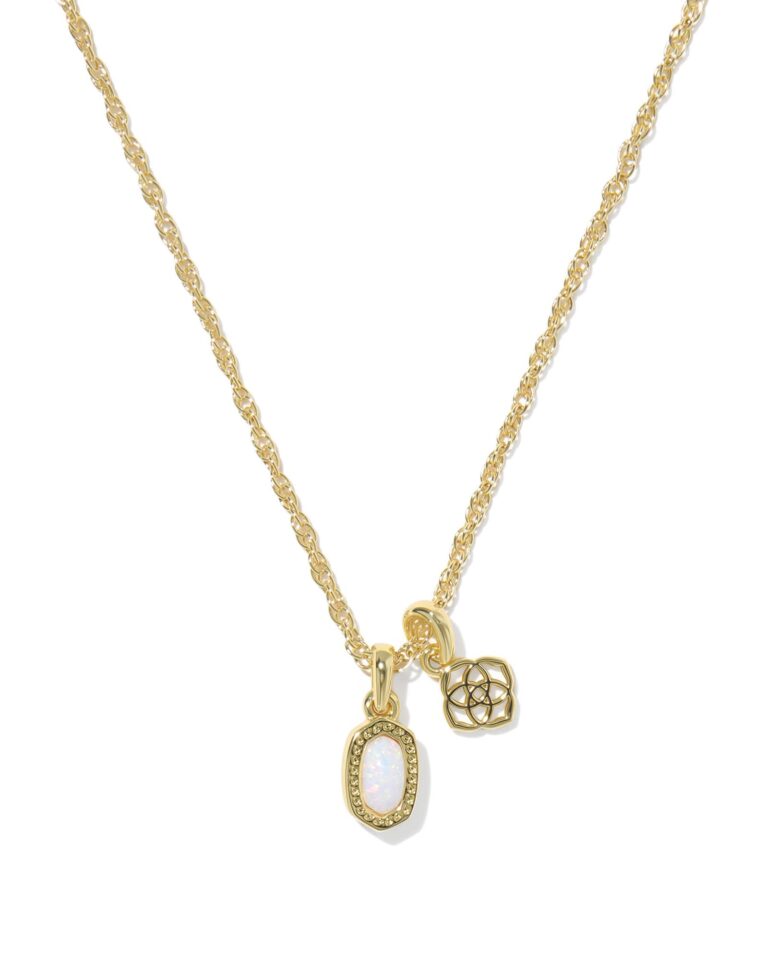
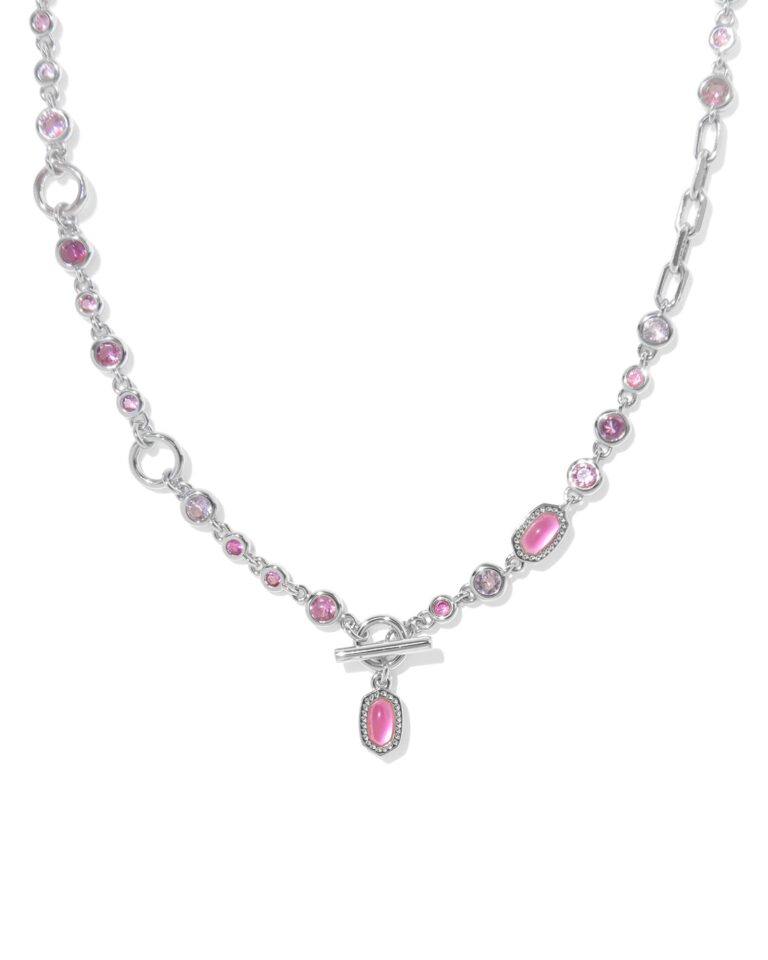 Crystal Layered Necklaces Worth Treating Yourself To
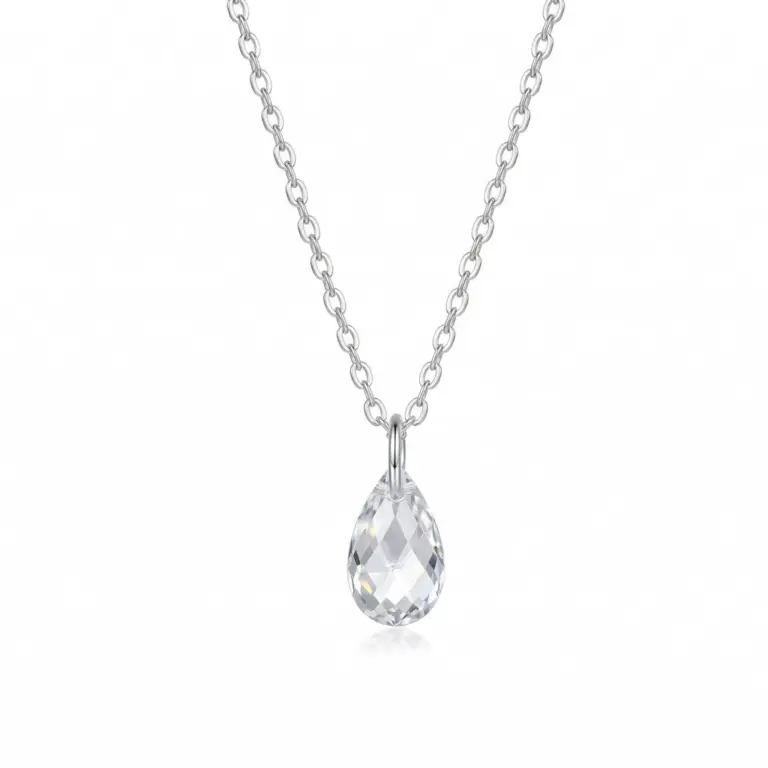
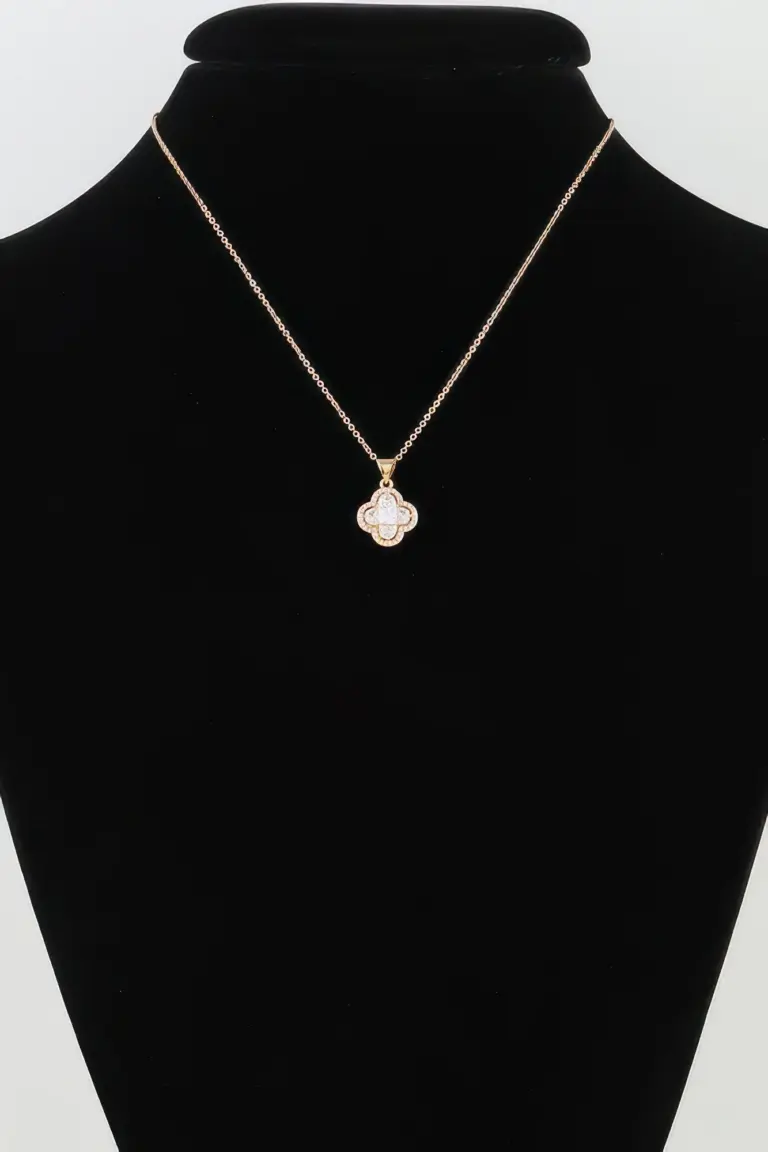 The Cubic Zirconia Layered Necklaces Worth Your Wardrobe Space
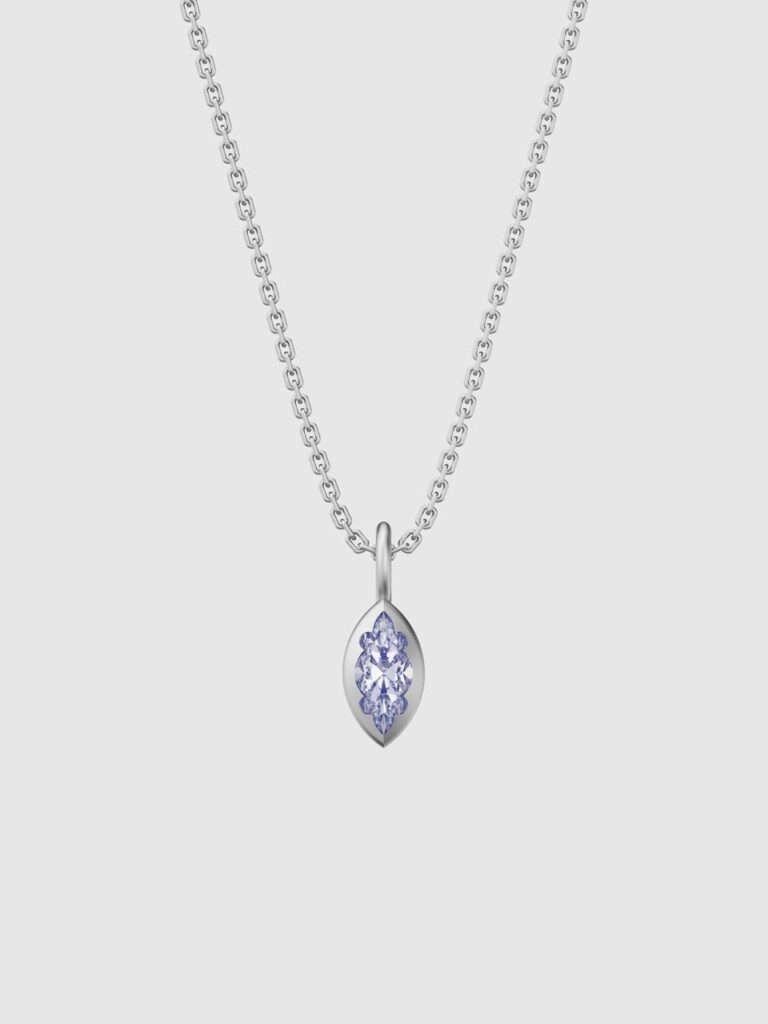
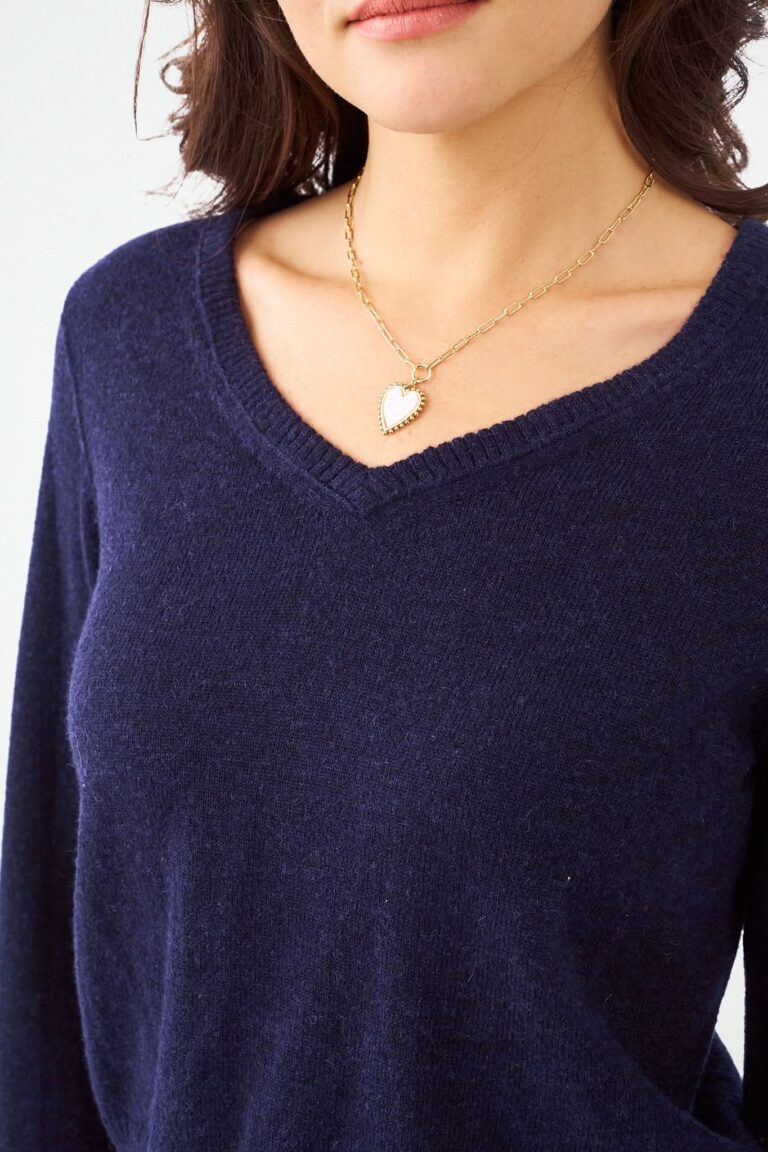 Delicate to Bold: Our Favorite Cross Layered Necklaces

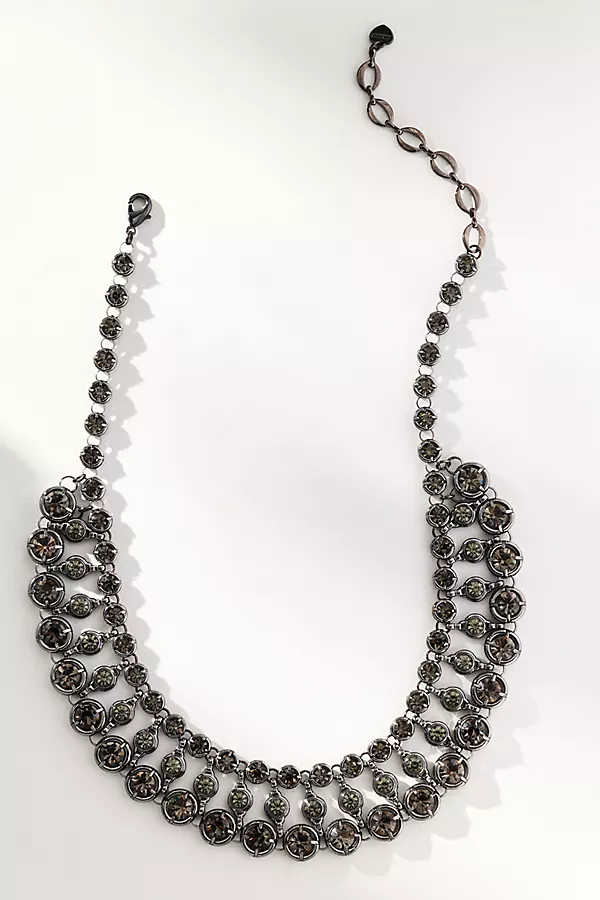 Handpicked Chunky Layered Necklaces We Keep Coming Back To
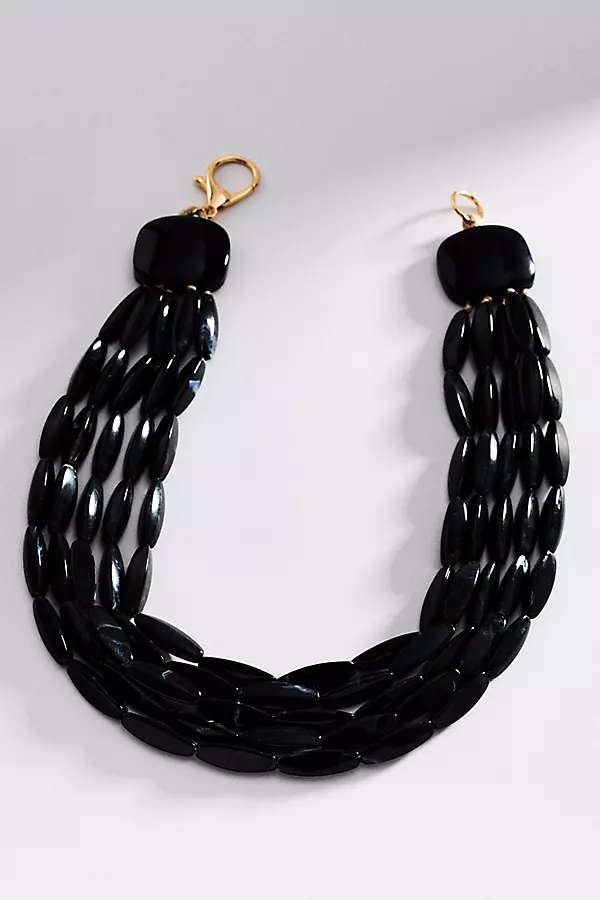
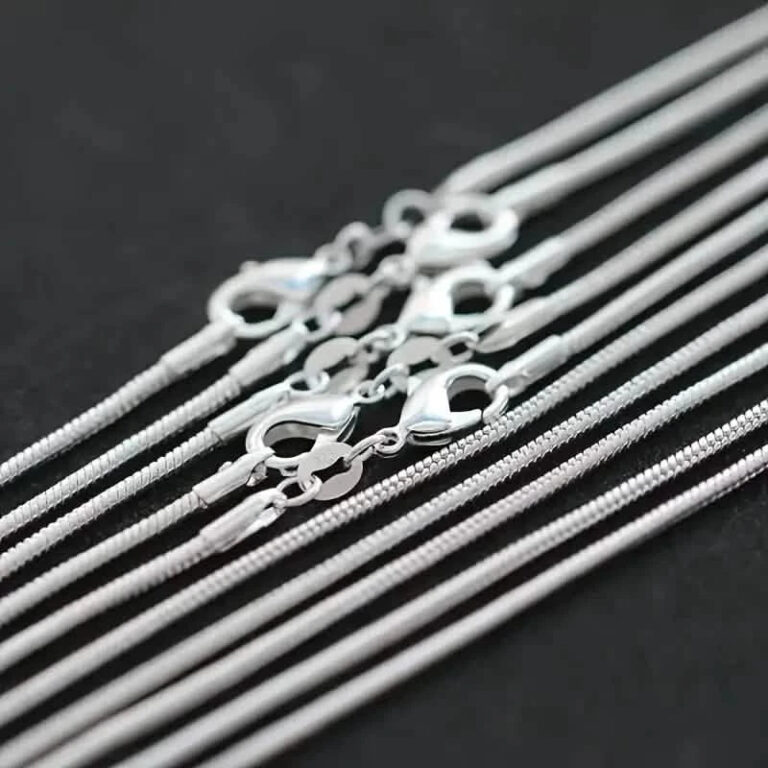 Chain NecklacesWhere to Find the Best Chain Layered Necklaces
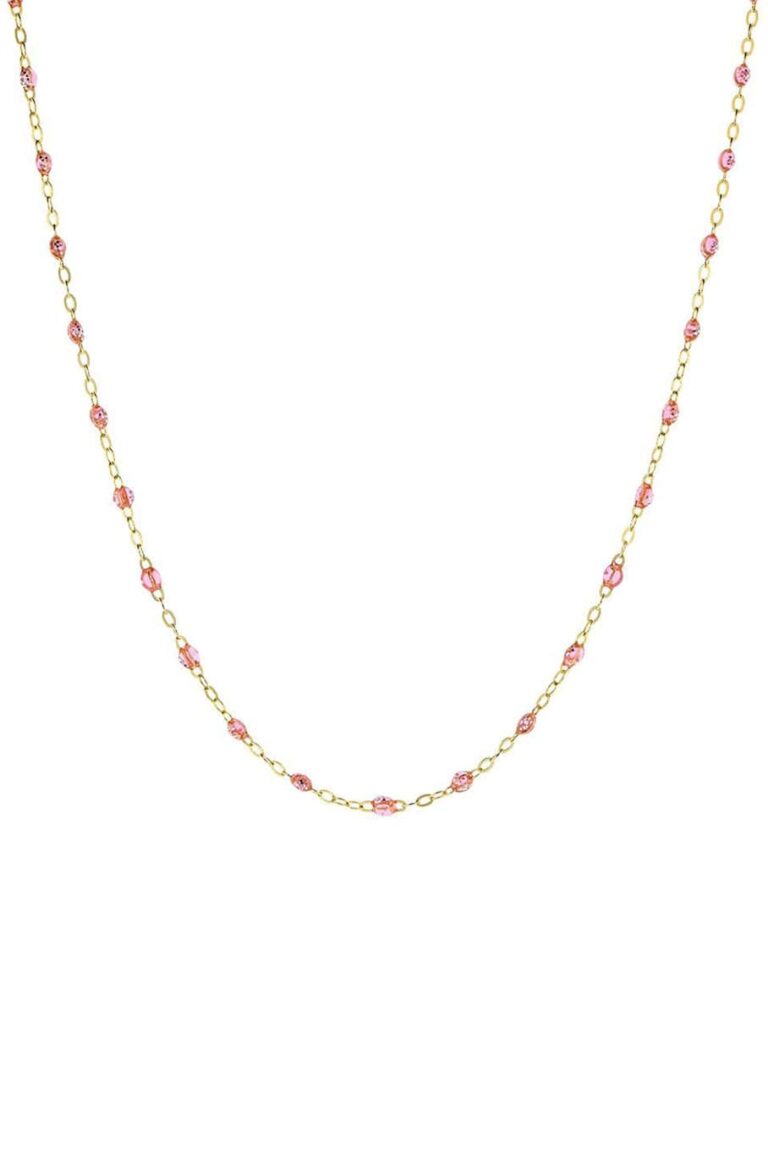
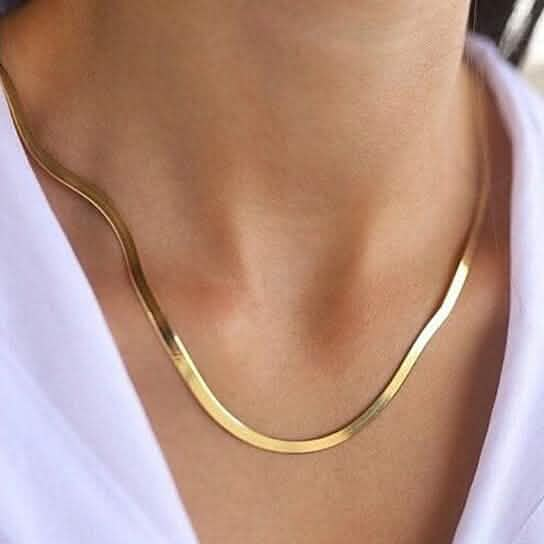 Charm NecklacesCharm Layered Necklaces We’d Happily Wear on Repeat
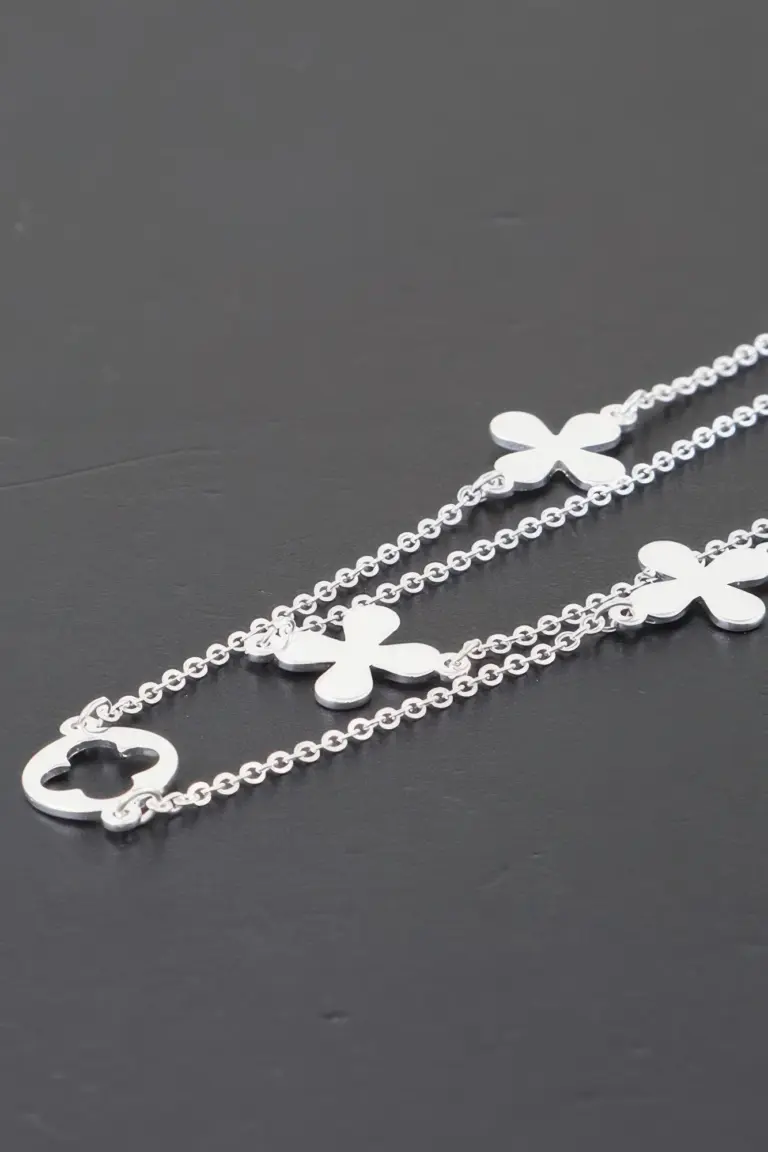
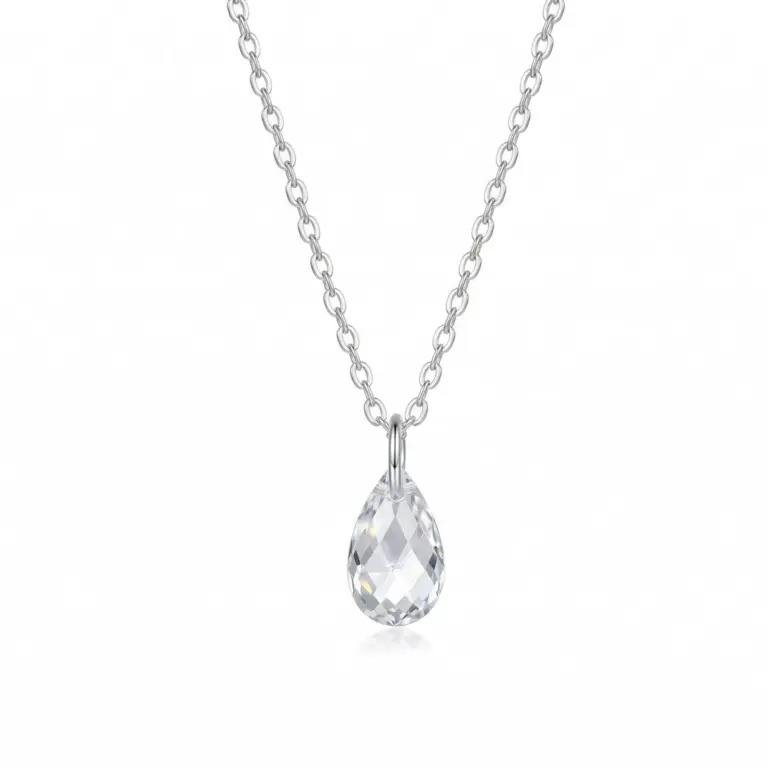 Bridal Layered Necklaces We’ve Been Saving