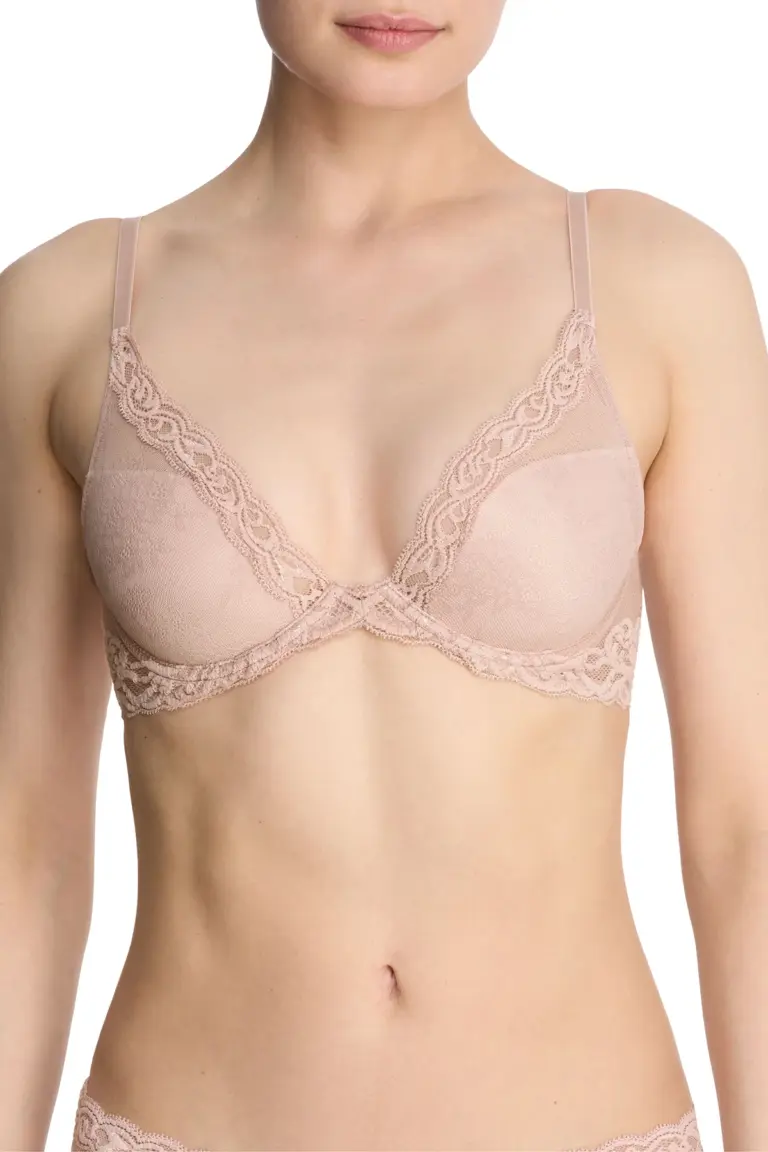
The giveaway with a lace bra isn't how it looks in the changing room, it's what the scalloped edge does to the skin under your arm after about six weeks of normal wear. Cheap lace holds its shape for a fortnight and then the trim along the side goes soft and starts curling inward, so every time you reach for something on a high shelf you feel a thin ridge of nylon dig in. Nobody tells you that in the shop, because in the shop it's flat against your ribs and behaving itself. Lace also has opinions about what you put over it. Anything fine knit, a thin jumper, a silk cami, a fitted white shirt, will show the pattern of the cups through the fabric, which is fine if you've chosen that on purpose and faintly mortifying if you haven't. Dark florals under pale cotton are the worst offender, you get a sort of bruised shadow across the chest that no amount of adjusting fixes.
The difference between a lace bra that lasts and one that's bin fodder by spring is almost entirely in what you can't see from the front. Good lace is galloon, meaning it's woven with its own finished scalloped edge rather than cut from a larger sheet and bound afterwards, and you can tell because there's no rough or fraying line where it meets your skin. Underneath, a decent one lines the sheer parts with a soft powermesh rather than leaving bare lace against the body, which is the whole reason the good version doesn't scratch and the bad one does. Check how the wire sits in its casing too, a well finished bra has the wire fully enclosed and stitched so it can't work its way out after a hot wash, while the poor ones start poking through at the side seam within a month, usually right as you're leaving the house.
Lace isn't the right choice for anything high impact, the stretch recovery just isn't built for it, and it's not brilliant under very tight jersey dresses either, where even good lace leaves a slight texture through the fabric. In the shop, run a finger along the underarm edge and the top of the cup before you buy, if it catches on your nail rather than gliding, it'll catch on your skin by week three.
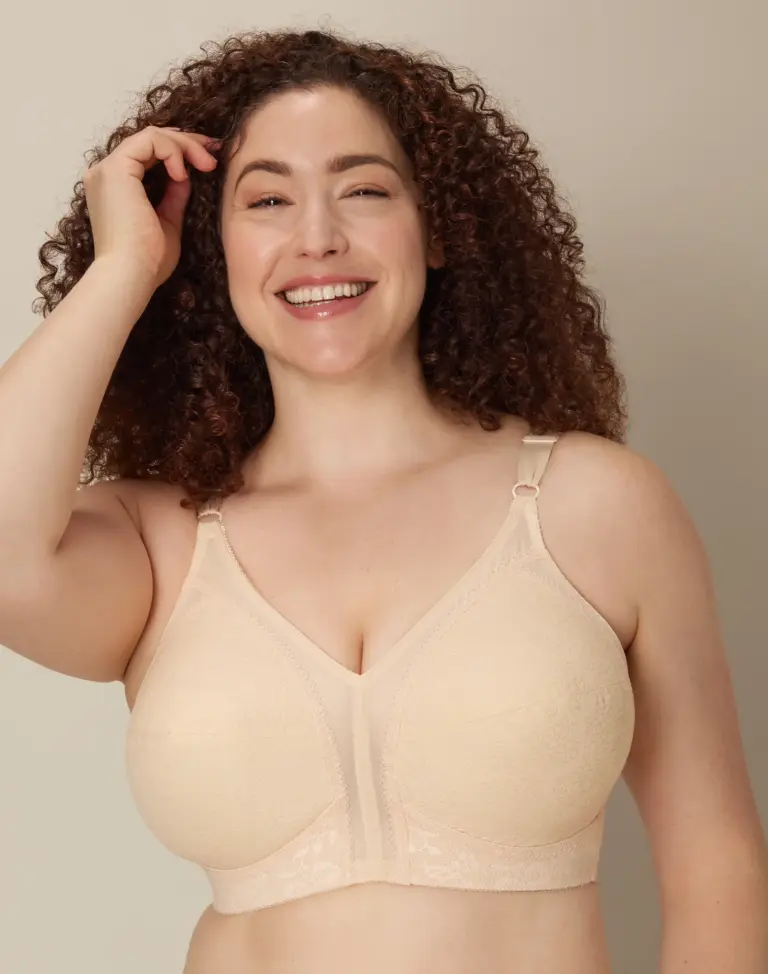
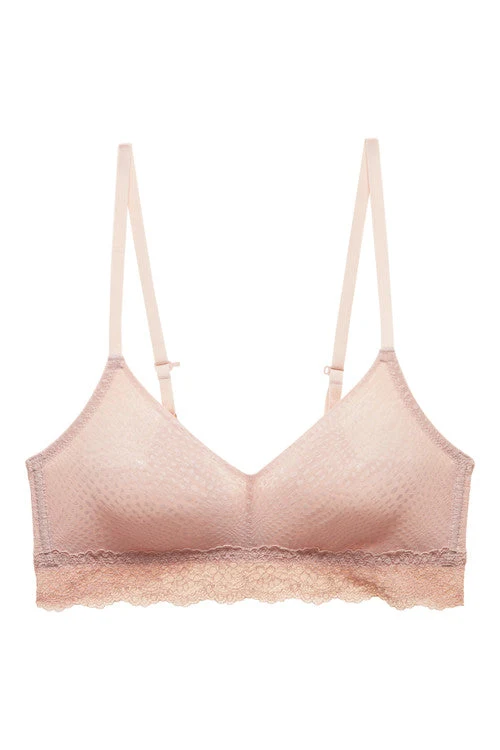
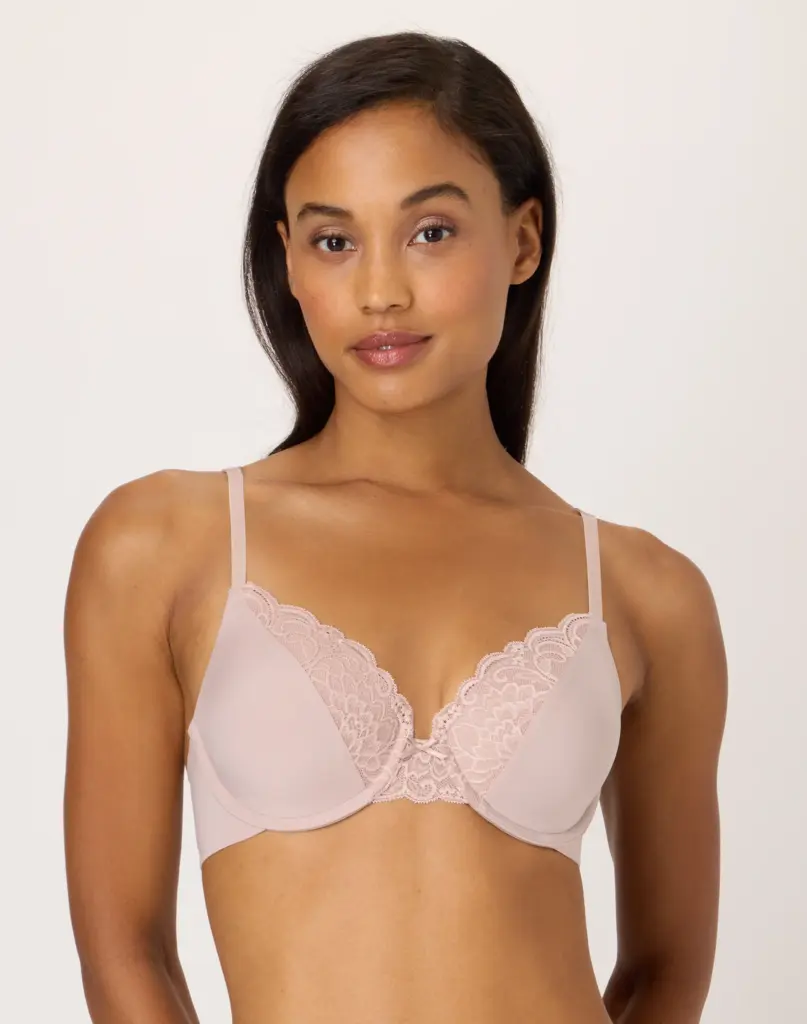 Comfortable Blush Lace Bras We Love
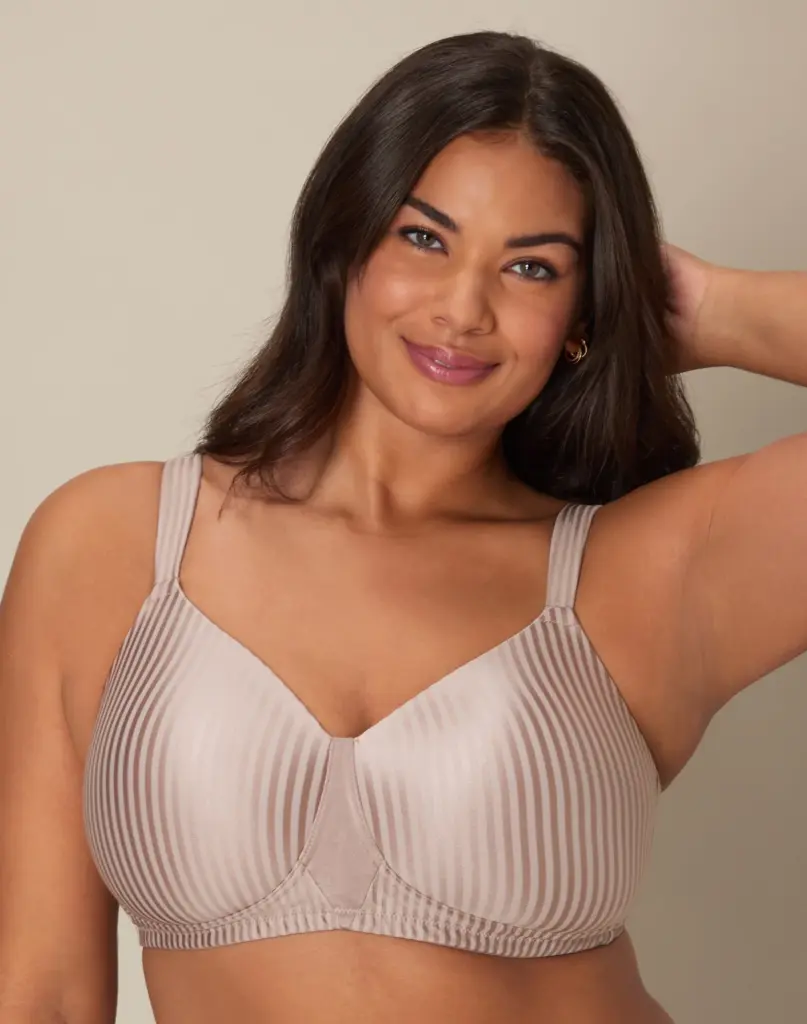
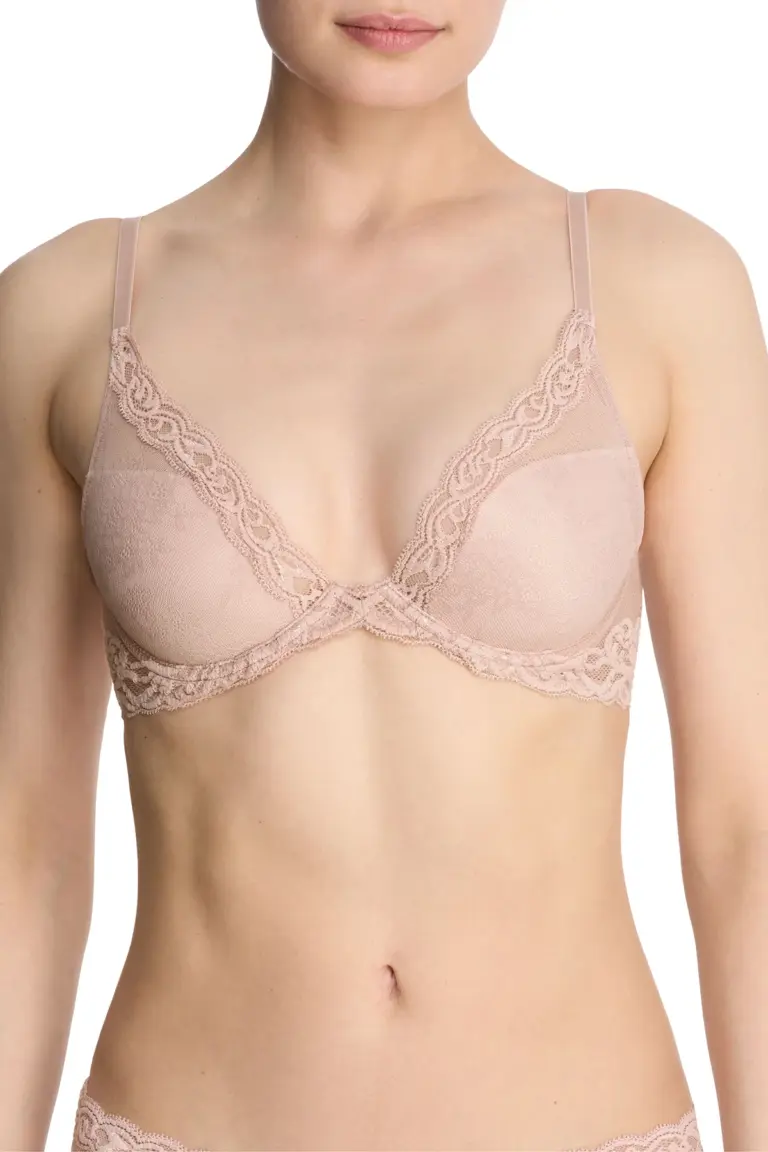
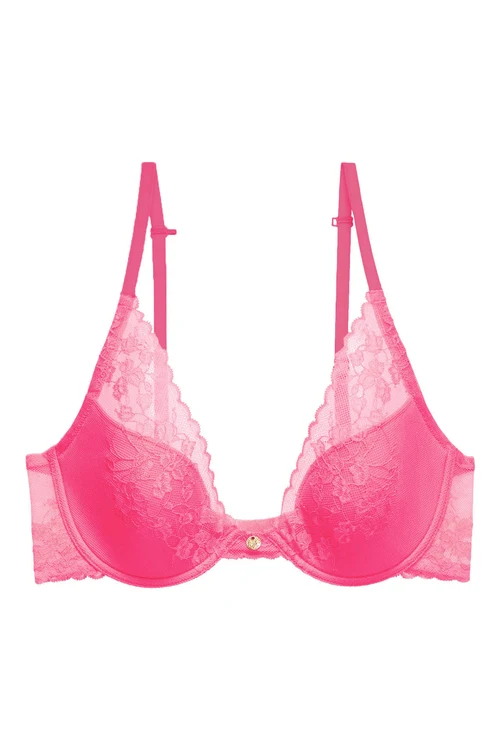
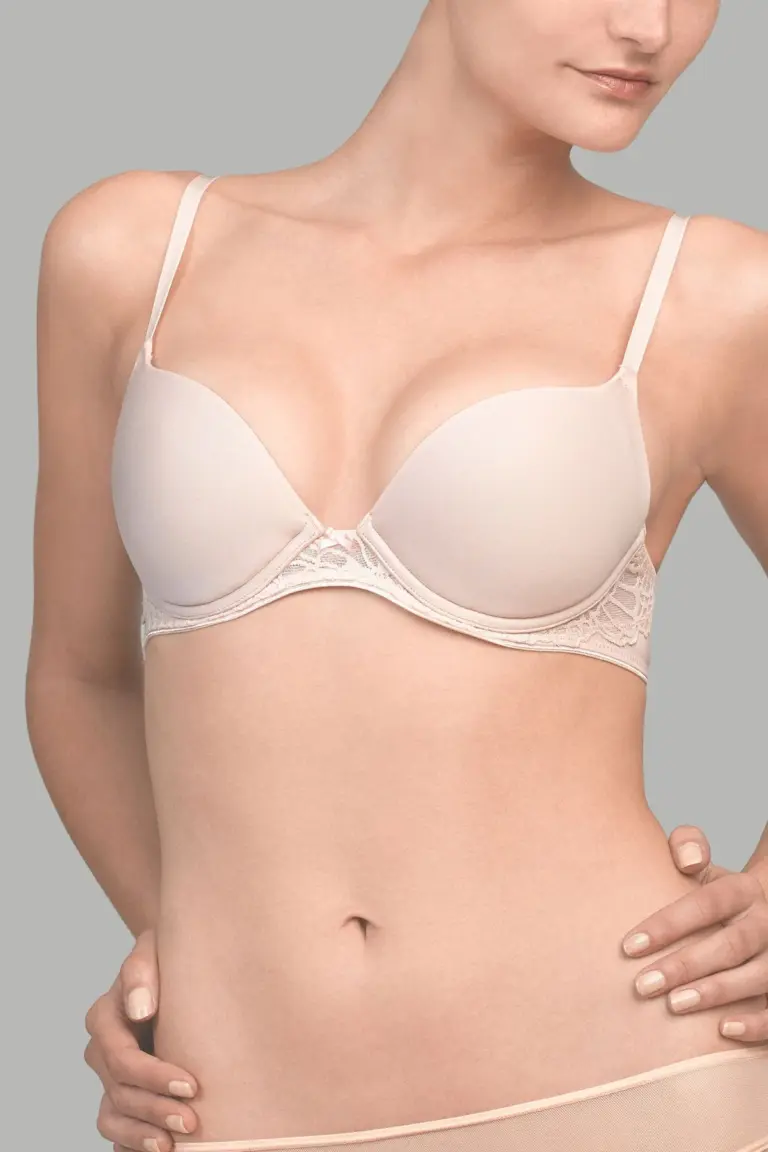 Plunge BrasBlush Lace Plunge Bras That Have Caught Our Eye
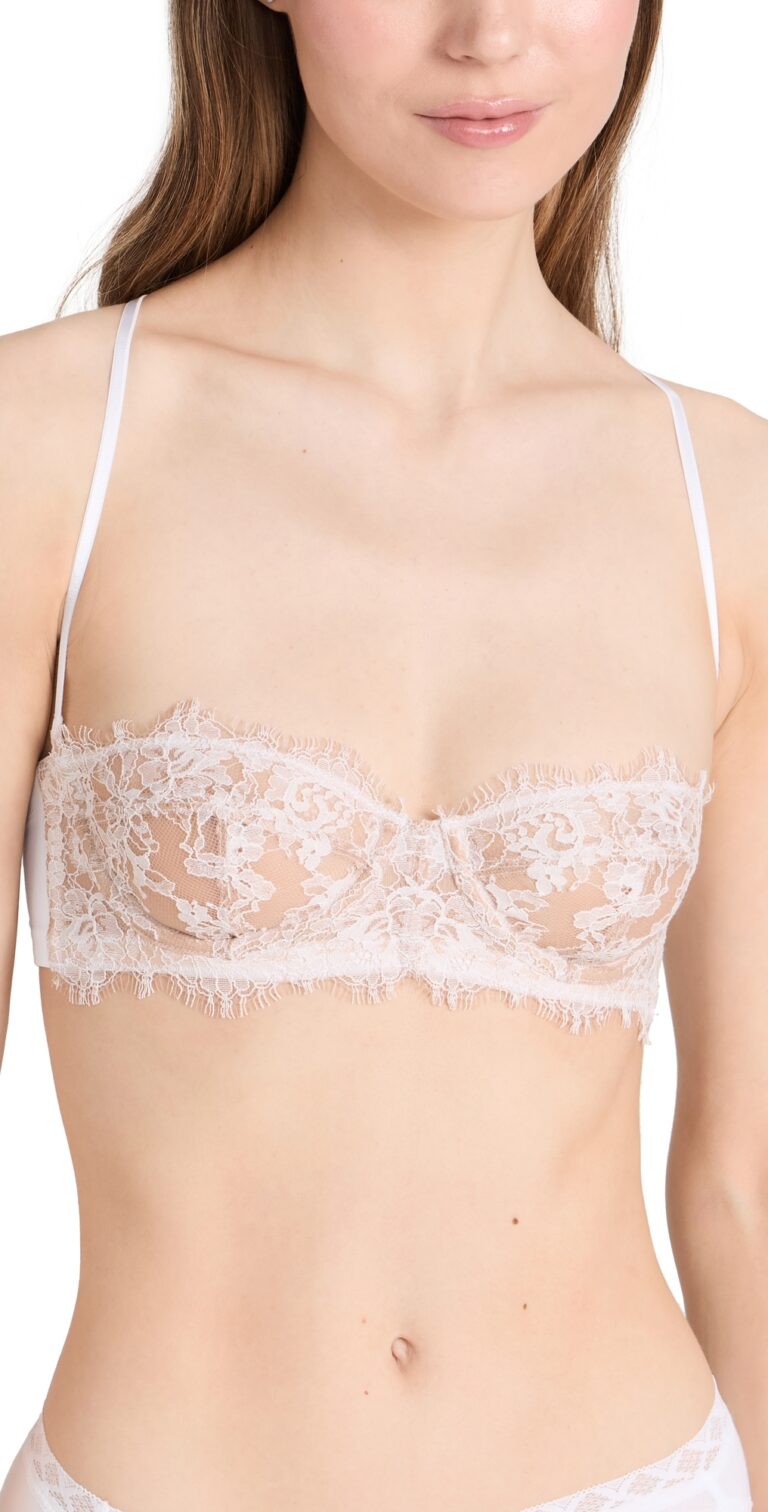 Blue Lace Balconette Bras Worth Adding to Your Wardrobe
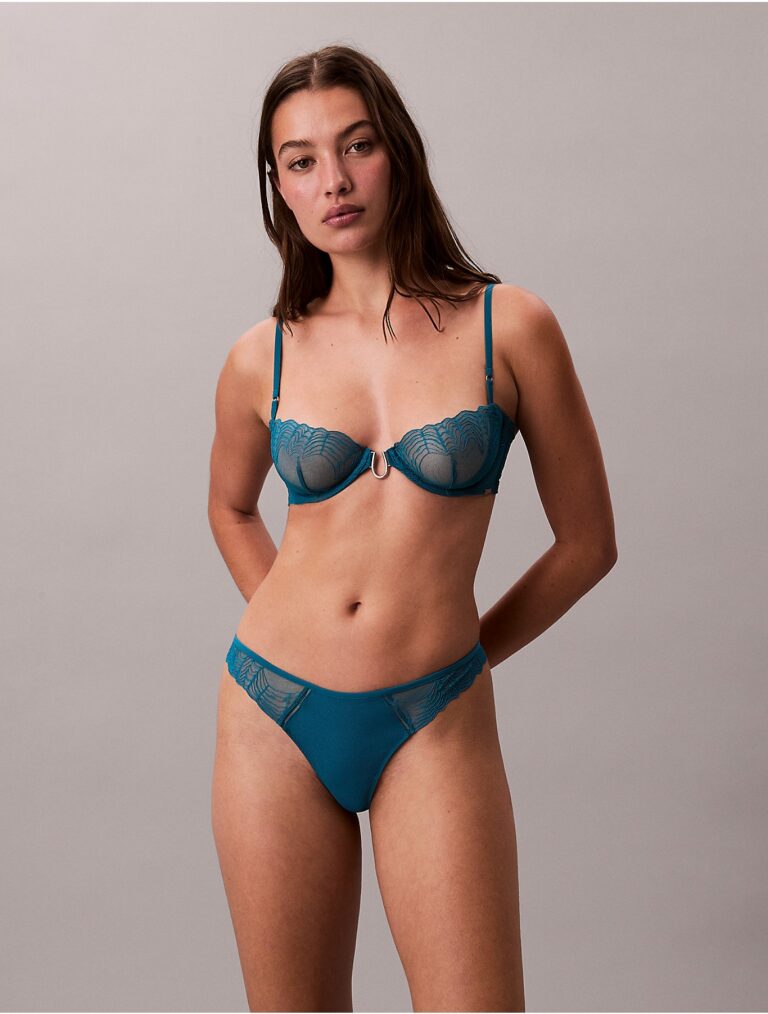
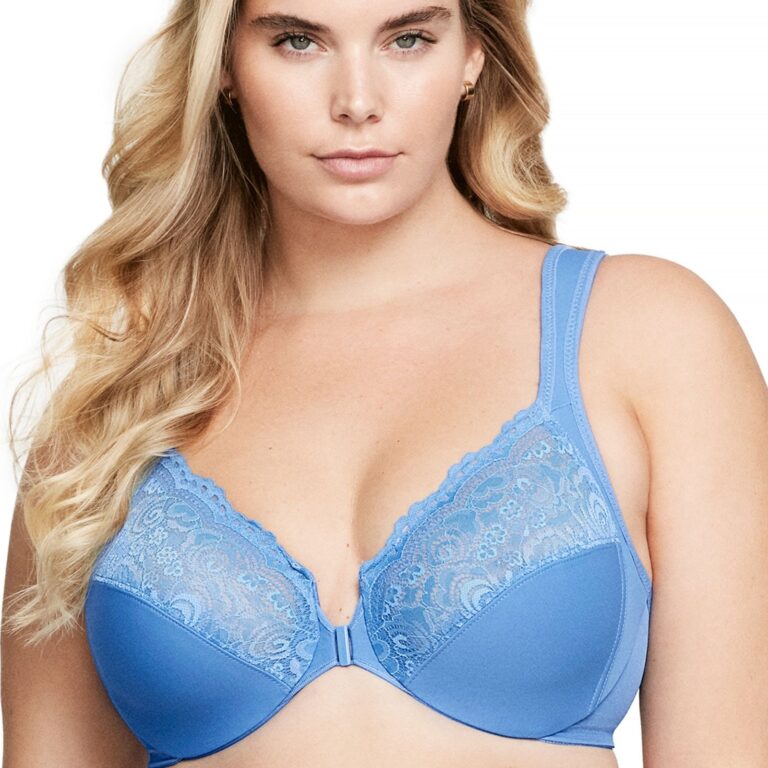 Our Favorite Blue Lace Bras
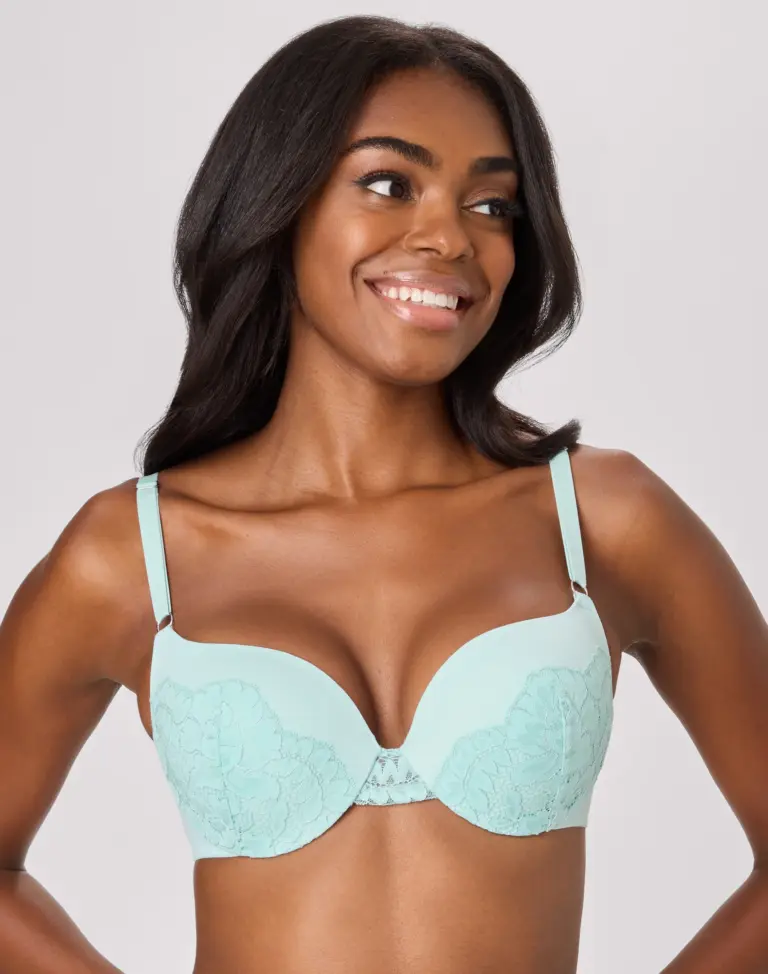
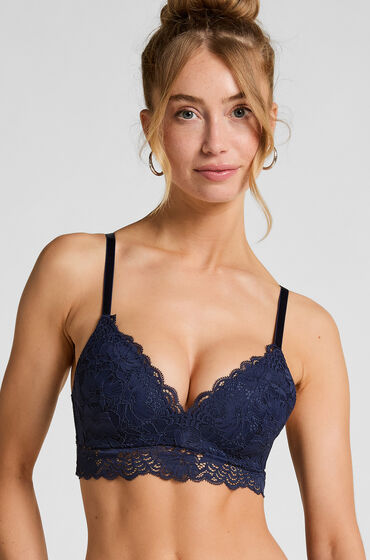 A Closer Look at the Best Blue Lace Longline Bras
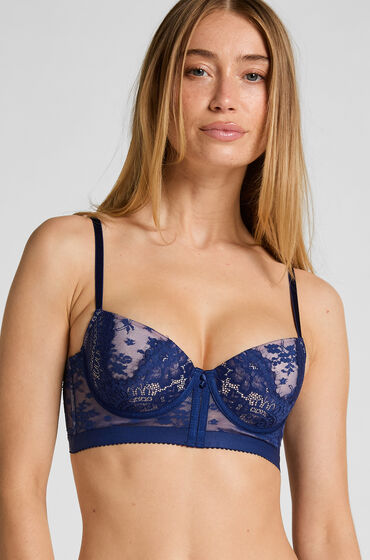
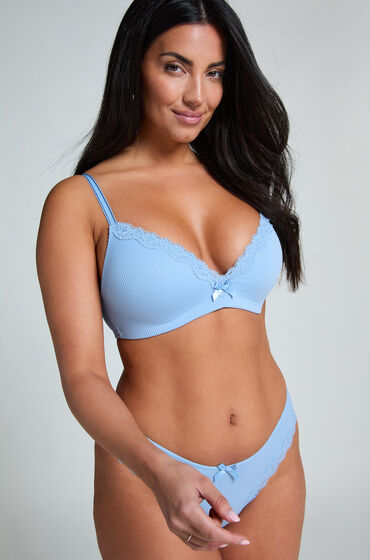 Plunge BrasBlue Lace Plunge Bras: Our Current Favorites
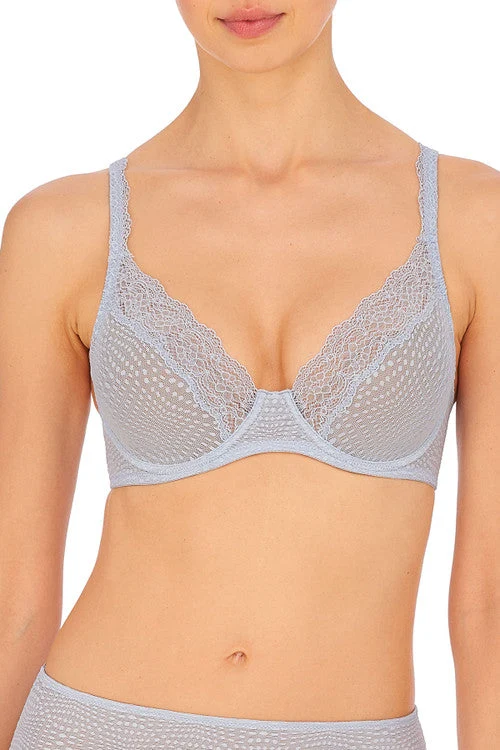
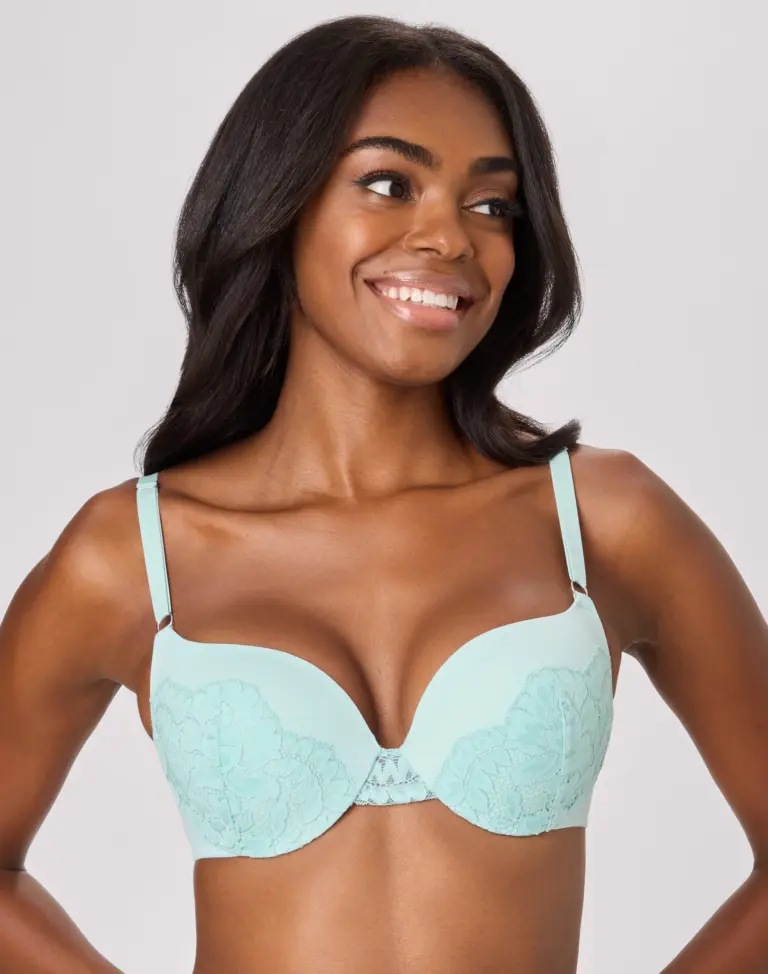 Push Up BrasOur Shortlist of Blue Lace Push Up Bras
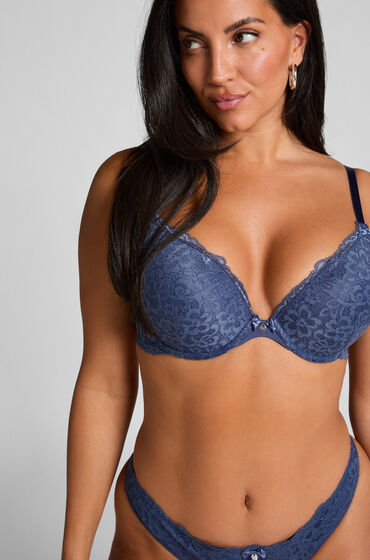
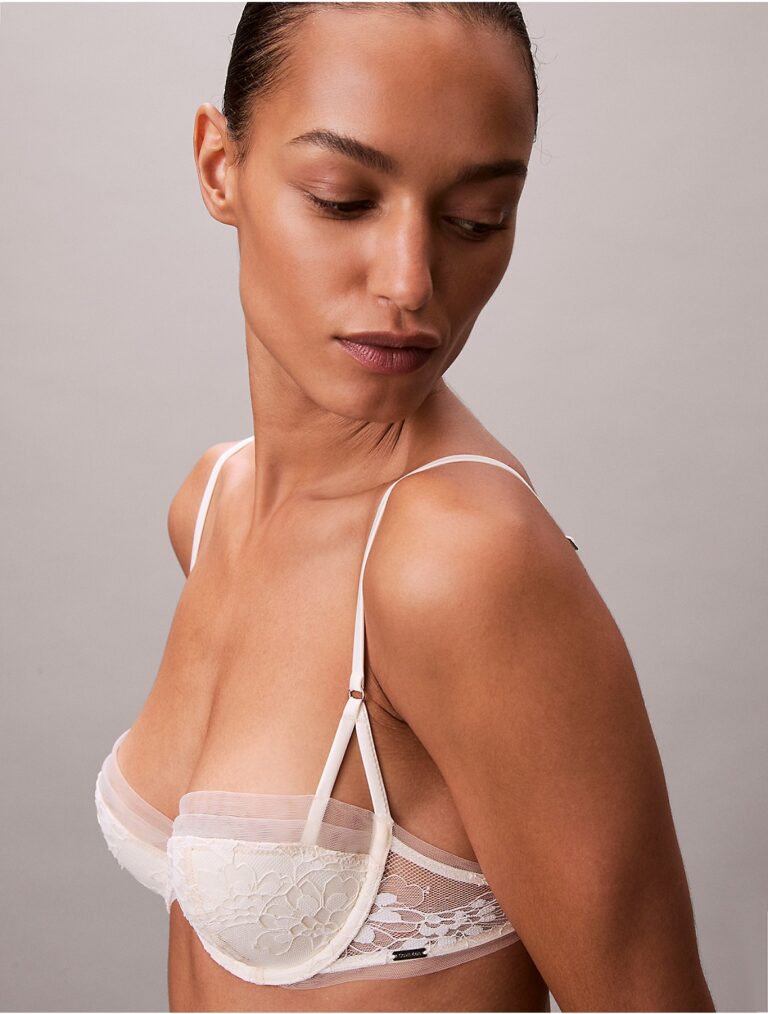 Black BrasBlack Lace Balconette Bras That Feel as Good as They Look
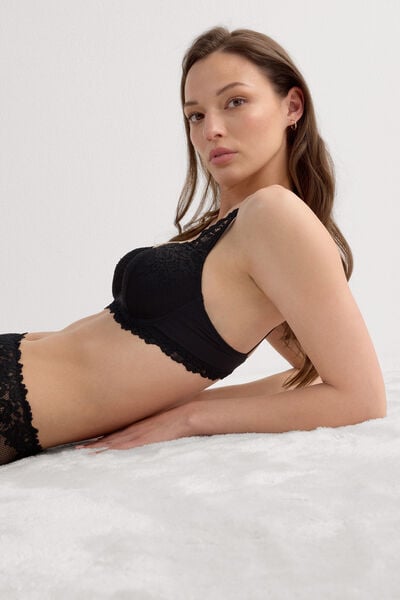
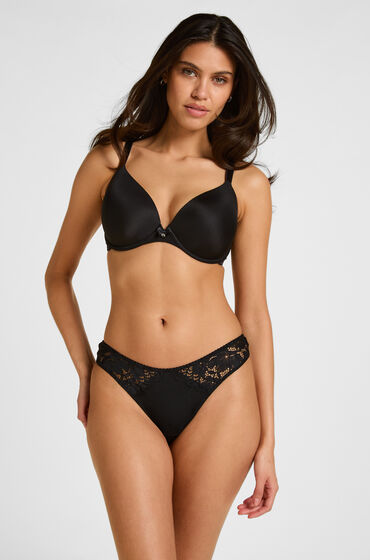 Black BrasComfortable Black Lace Bras We LoveAlso worth a lookPlunge BrasThe question I get asked most about plunge bras is whether they actually make anything look bigger, or…See the collections →
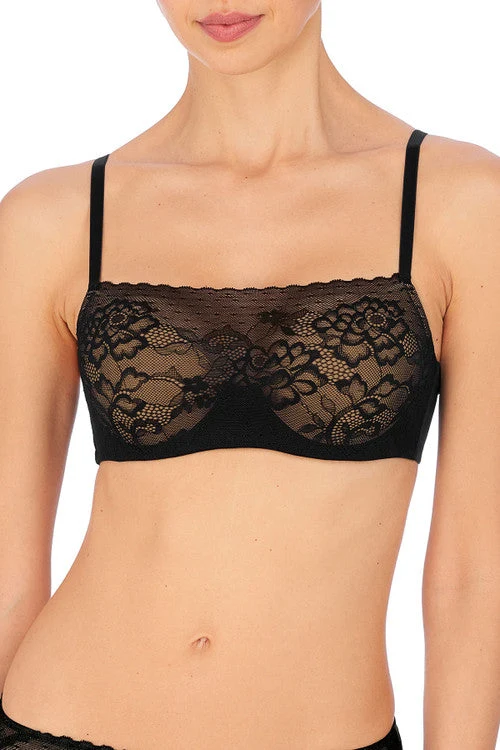
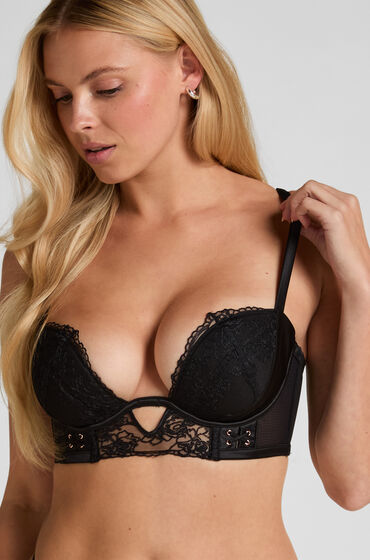 Black BrasOur Top Black Lace Longline Bras Right Now
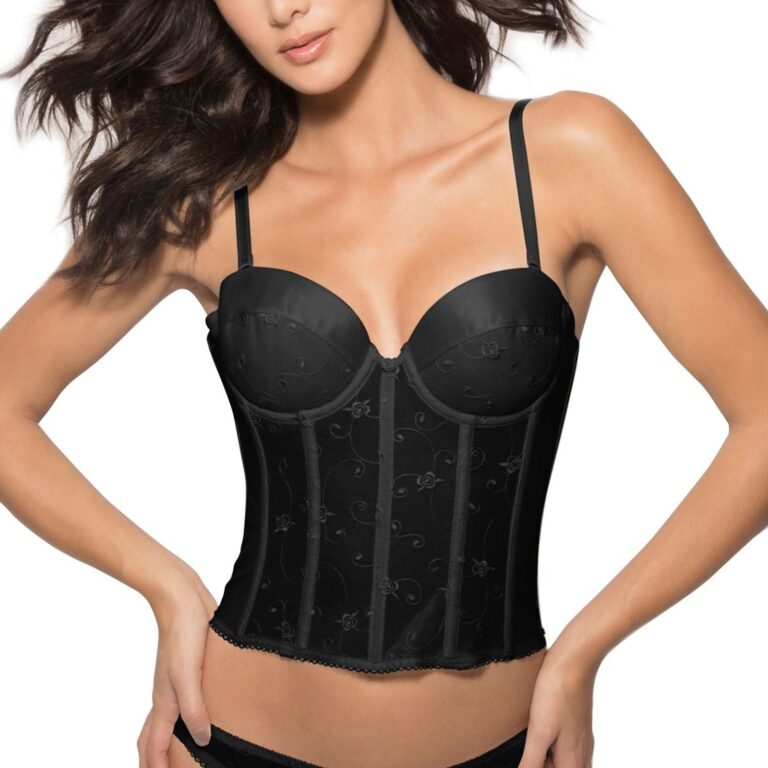
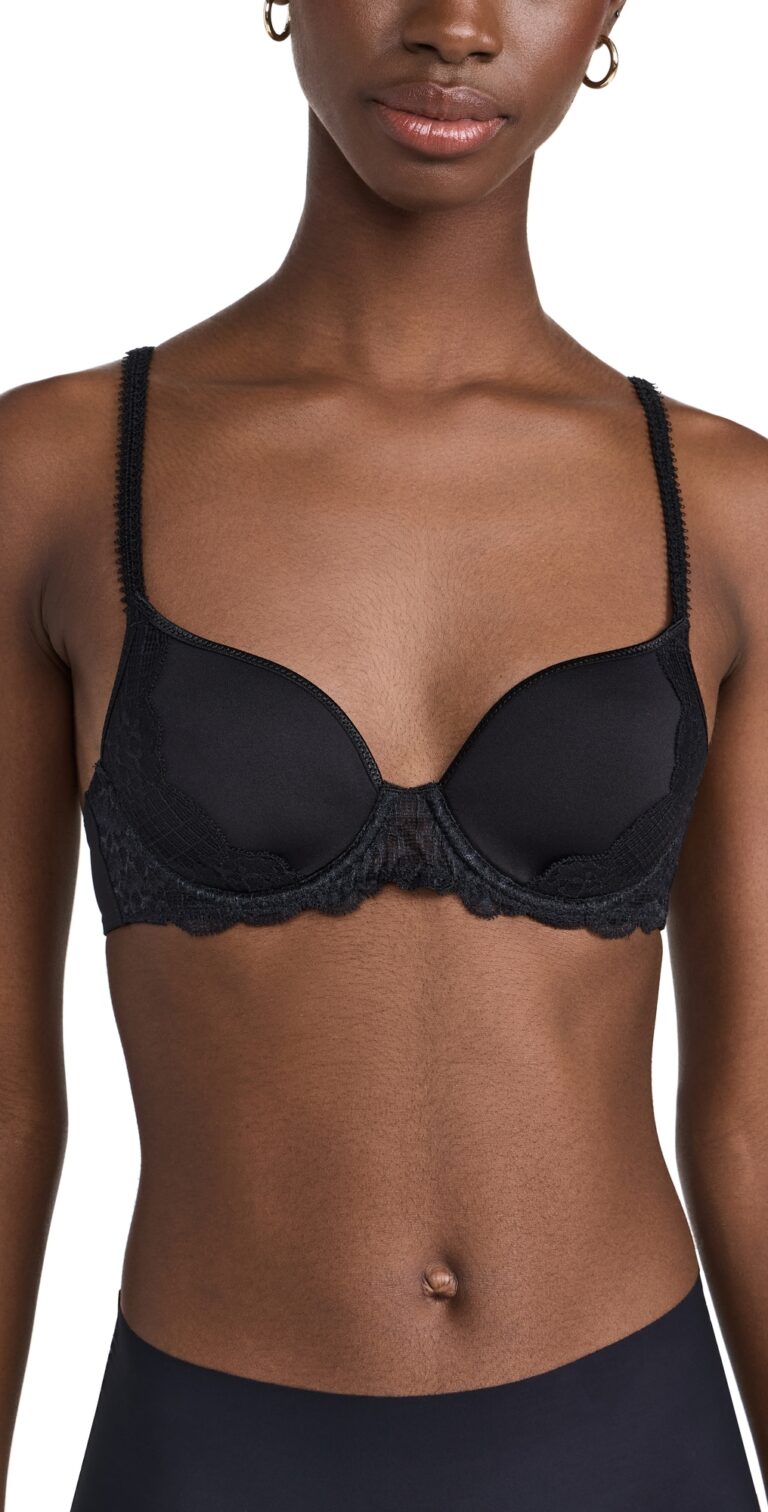 Black BrasBlack Lace Plunge Bras We Can’t Stop Looking At
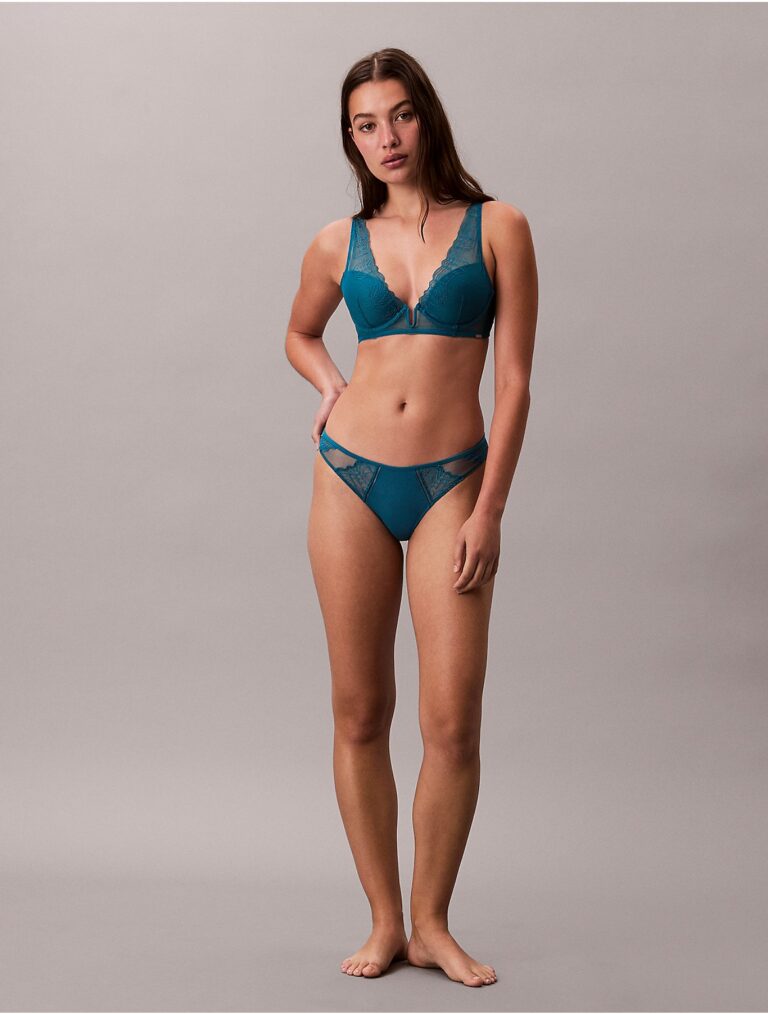
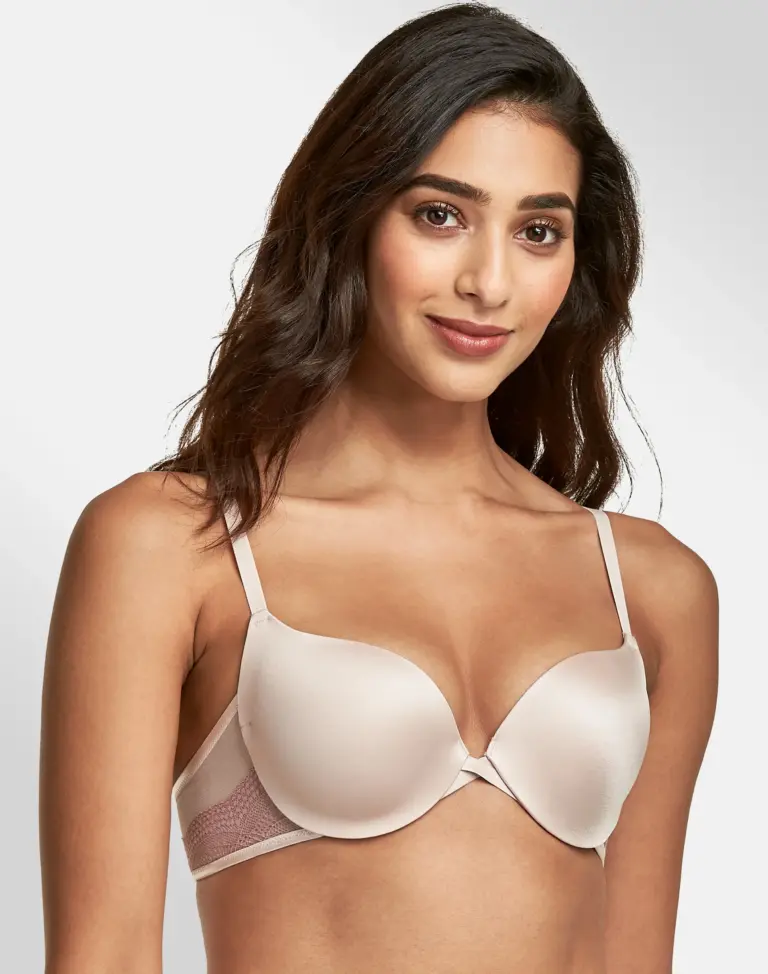 Push Up BrasShop Our Favorite Black Lace Push Up Bras
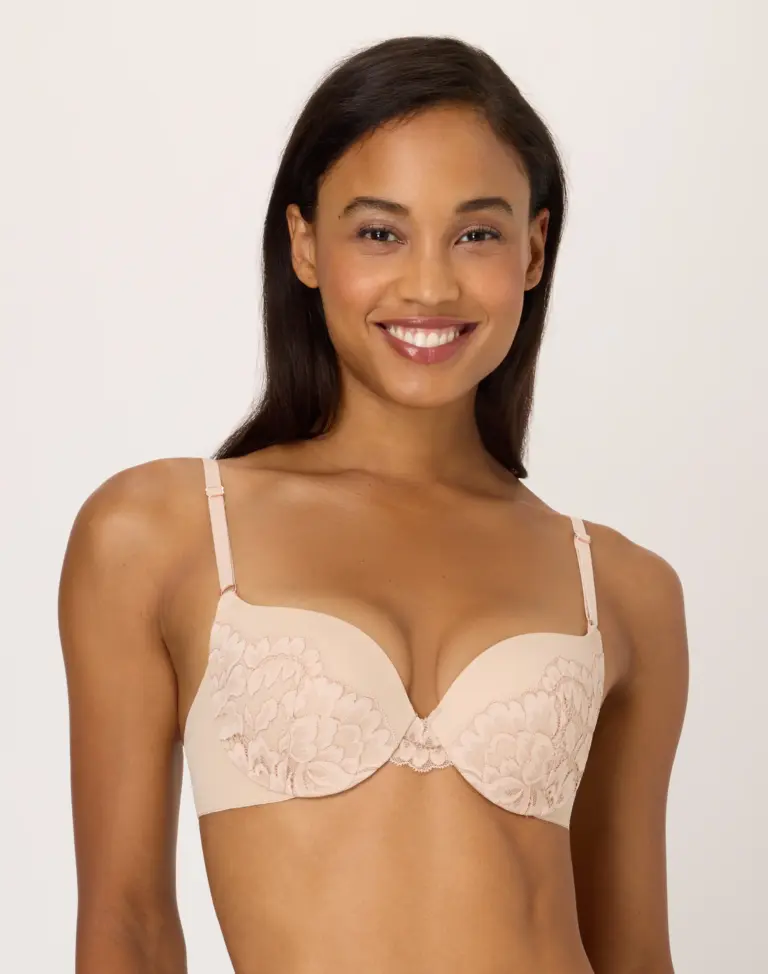
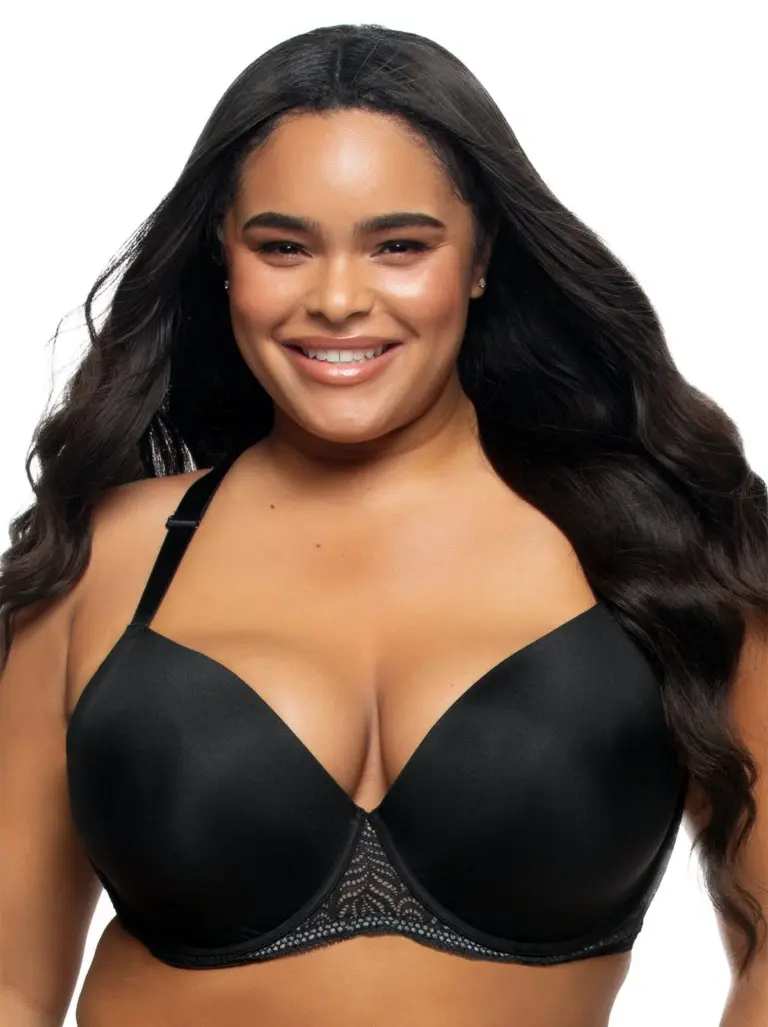 Black BrasThe Prettiest Black Lace T Shirt Bras Around Right Now
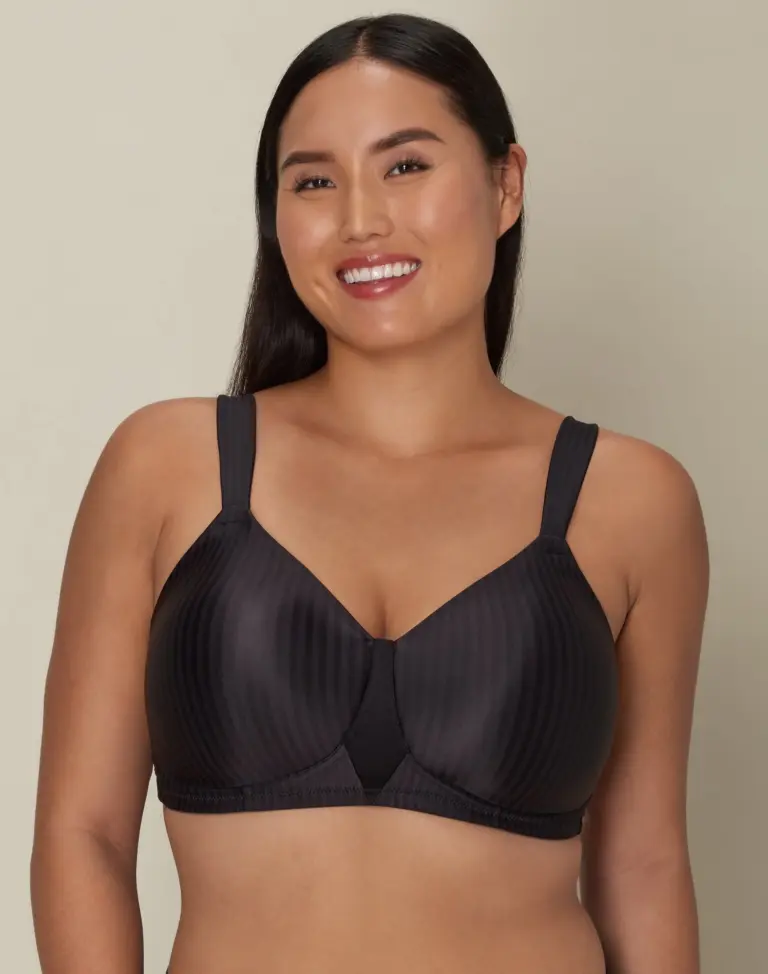
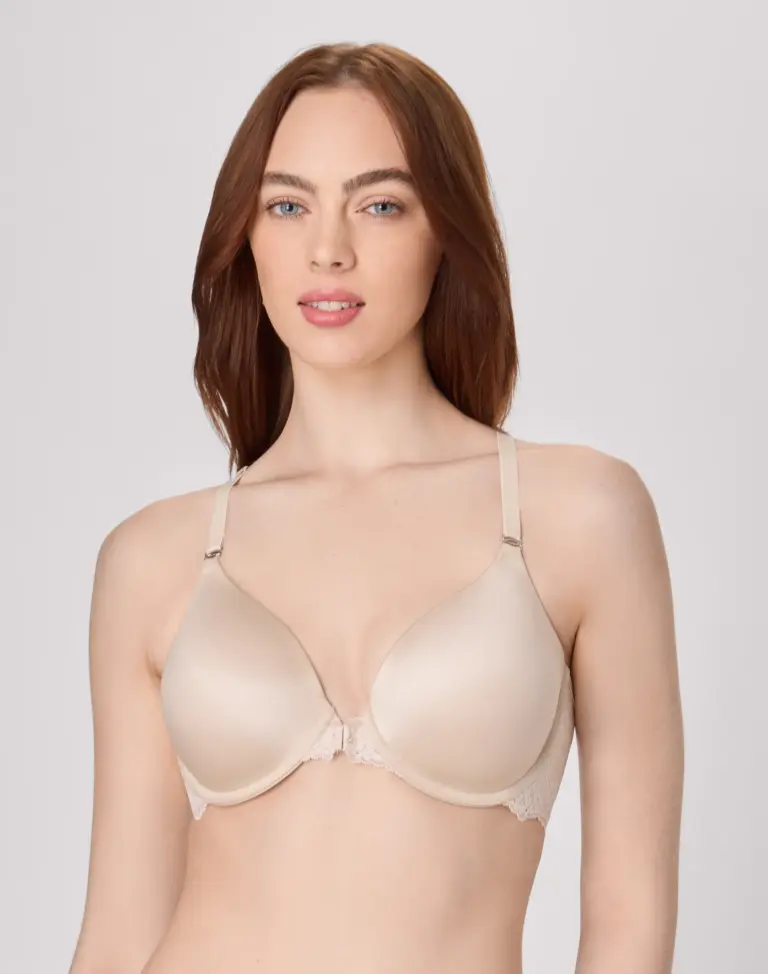
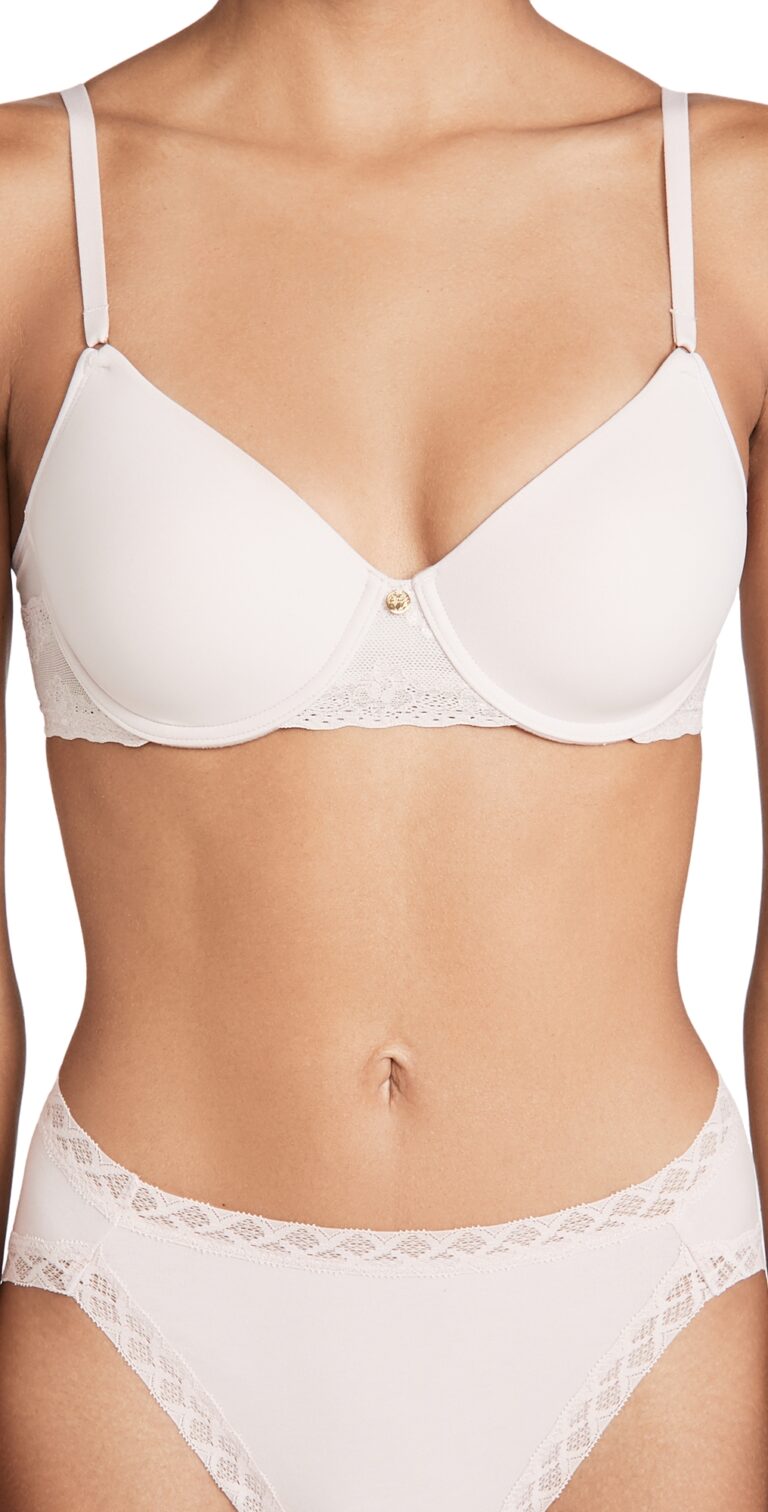 Beige Lace Bras We Can’t Stop Looking At