I avoided lace for years because every set I owned either scratched under the arm or dug in at the side seam by lunchtime, and I decided it simply wasn't made for people who move. What changed was trying a set with stretch built into the lace itself rather than just the trim, and realising the itching had never been about lace, it had been about cheap lace.
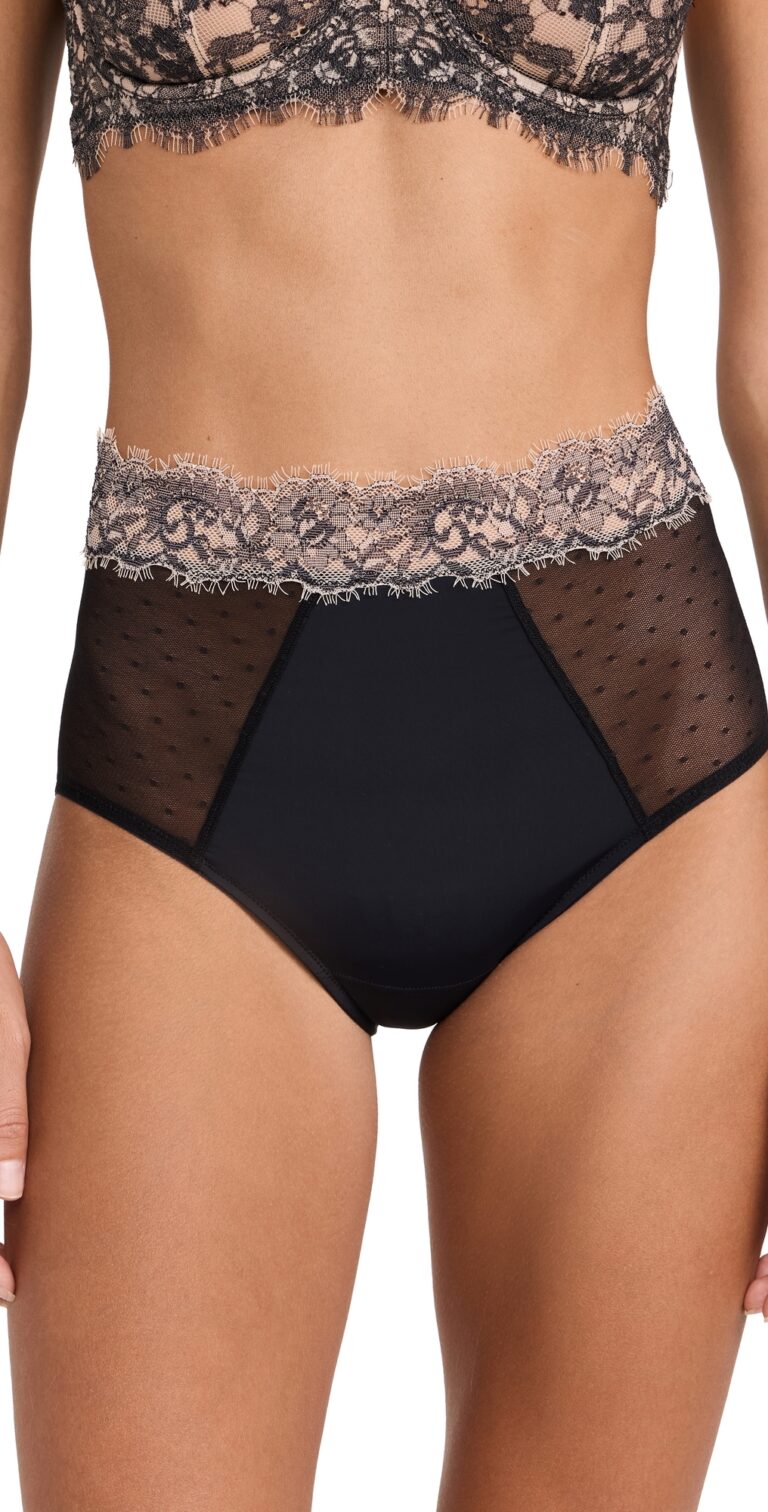
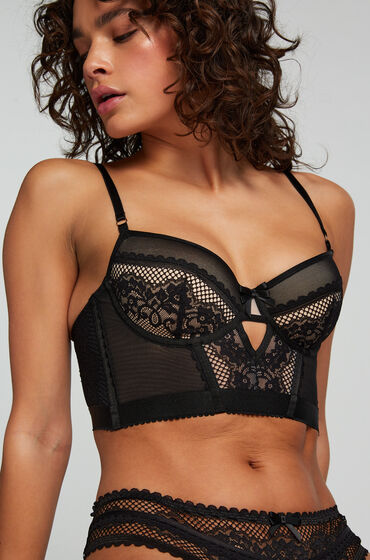
If you've none in the drawer worth keeping, start plain. A nude or black set in a balconette or soft bralette shape, lined in a proper mesh or cotton rather than left as bare lace against skin, with matching briefs rather than anything stringy. The all over patterned sets look wonderful on a hanger but the motif often sits in the wrong place once you're actually wearing it, and a plain lace edge on a simple shape is easier to judge and far easier to live in. That first set teaches you what good lace feels like, which makes every set after it a better decision.
It earns more wear than people assume, mind. Lace under a thin jumper in October does something a plain cotton bra doesn't, even if nobody else ever sees it, and in summer the better quality stuff breathes far more than you'd expect from something so decorative. I've had a set survive a full season of washing on a gentle cycle without the lace going stiff or pulling away from the lining, and that tells you more than any care label does. Thrown in with the rest of the laundry rather than hand washed like it's precious, it either holds its shape or it doesn't, and cheap lace shows the difference within a month.
Before you buy, run a finger along every seam and check nothing is raised or sharp, stretch the lace gently to see if it springs back or just goes slack, and look at the lining where it meets the skin rather than only the outside. Check the straps adjust properly and the hook and eye has more than one row, because that's usually the first thing to go. The first thing to check when you next see a set is how the lace feels against the inside of your wrist, not how it looks from across the shop.
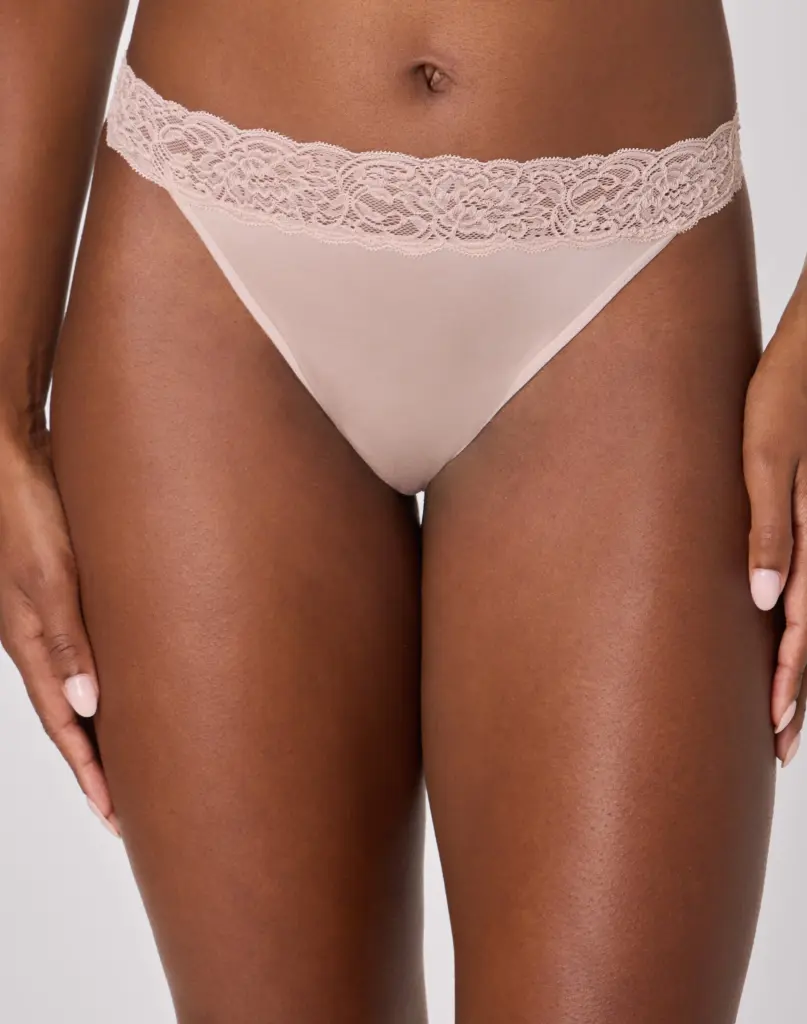 PantiesBlush Lace Panties Worth a Closer Look
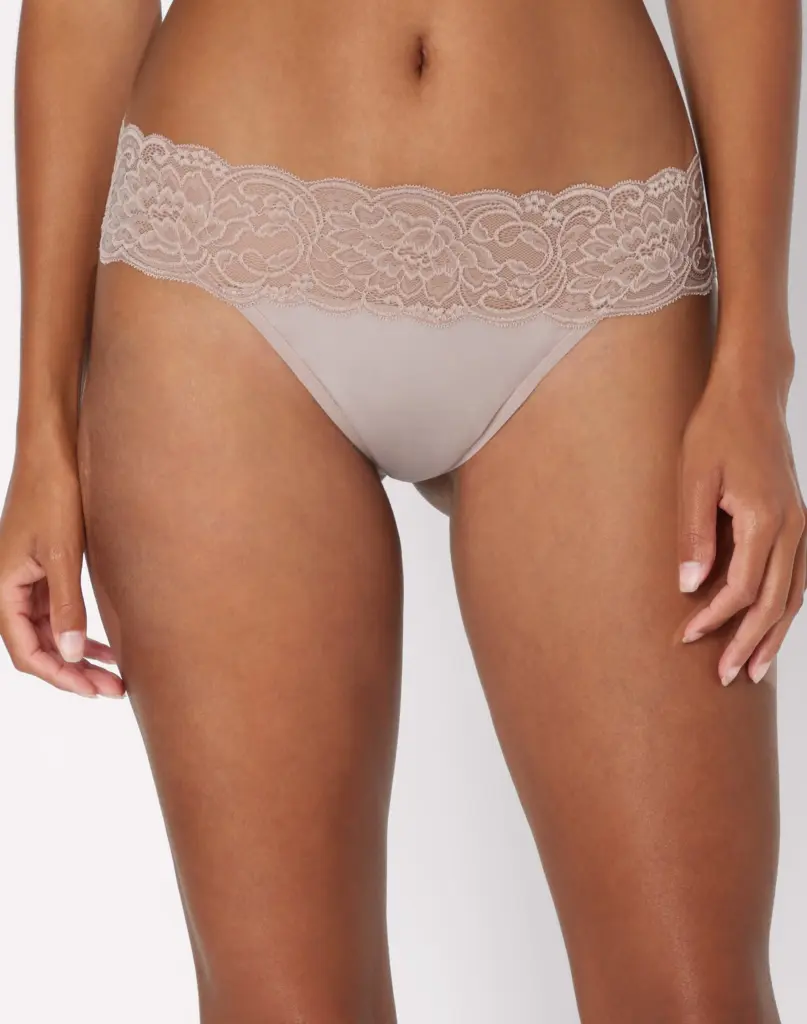
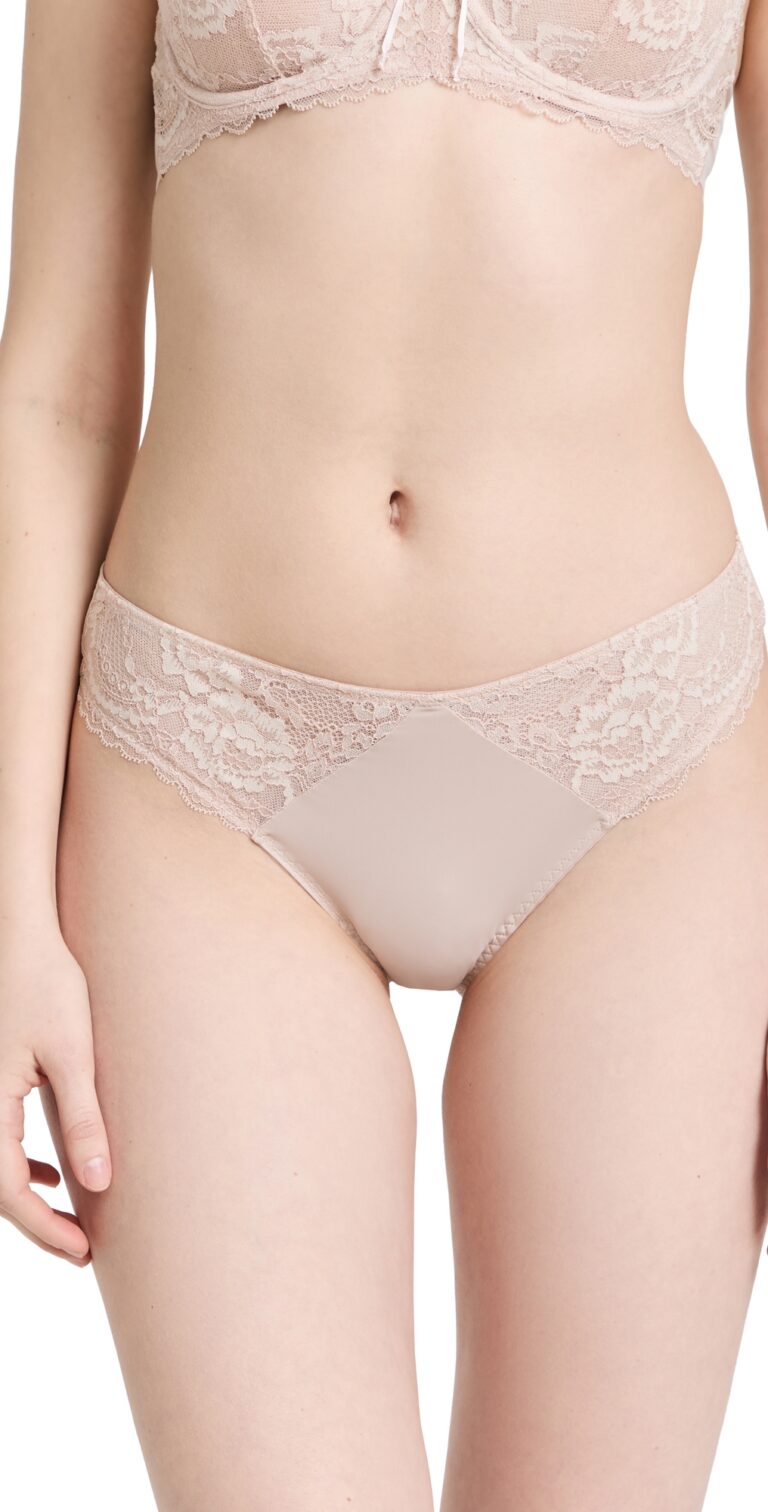 ThongsBlush Lace Thongs We Can’t Stop Looking At
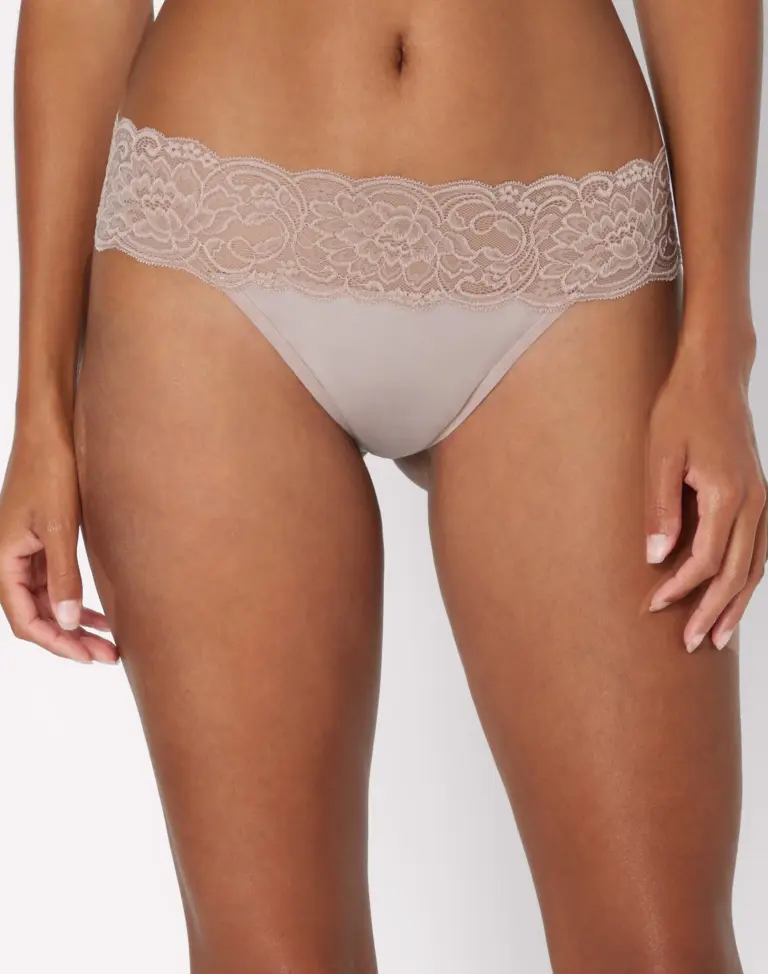
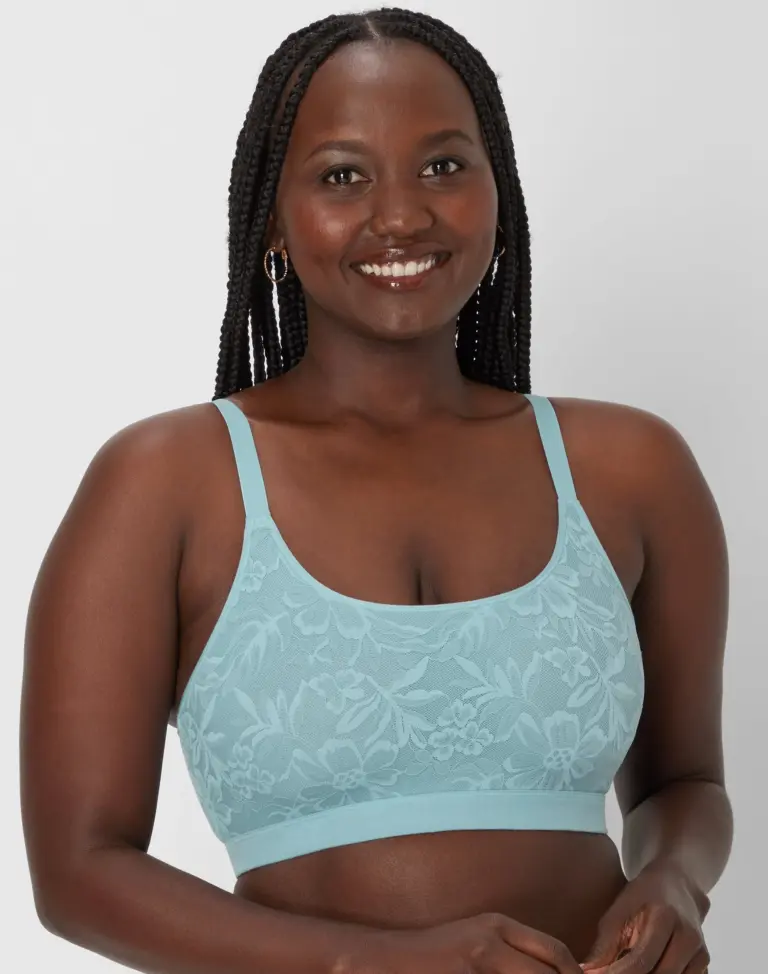 BralettesBlue Lace Bralettes That Feel Special
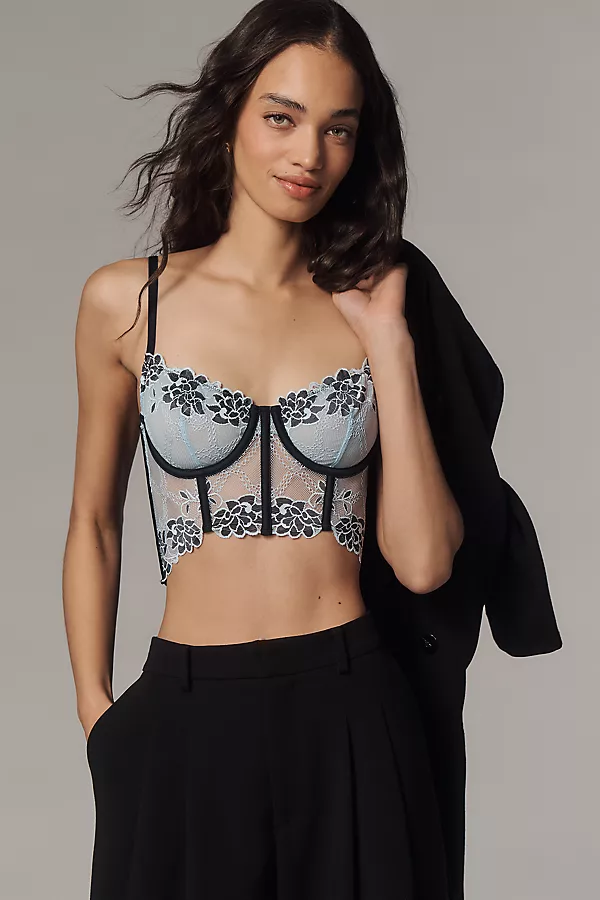
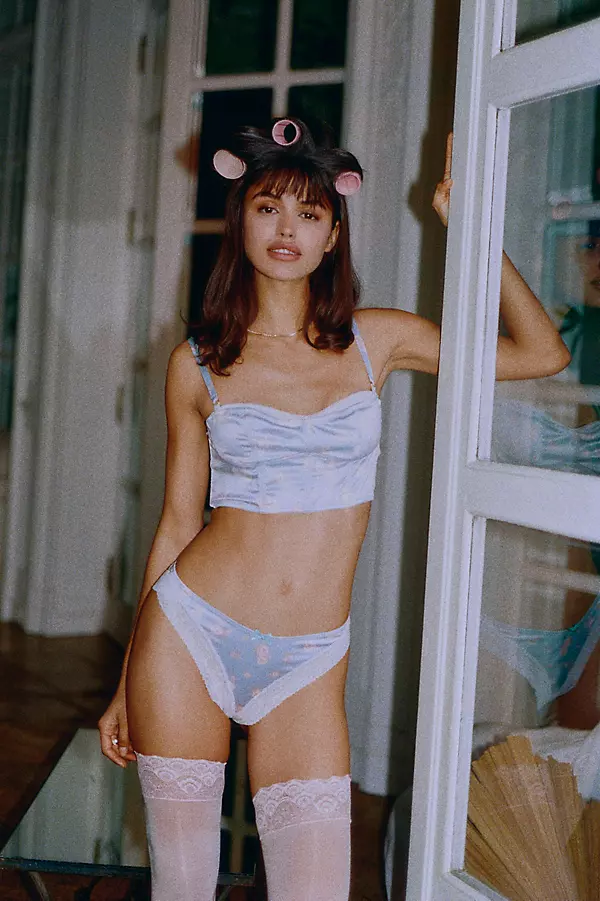 BriefsBlue Lace Briefs We Rate
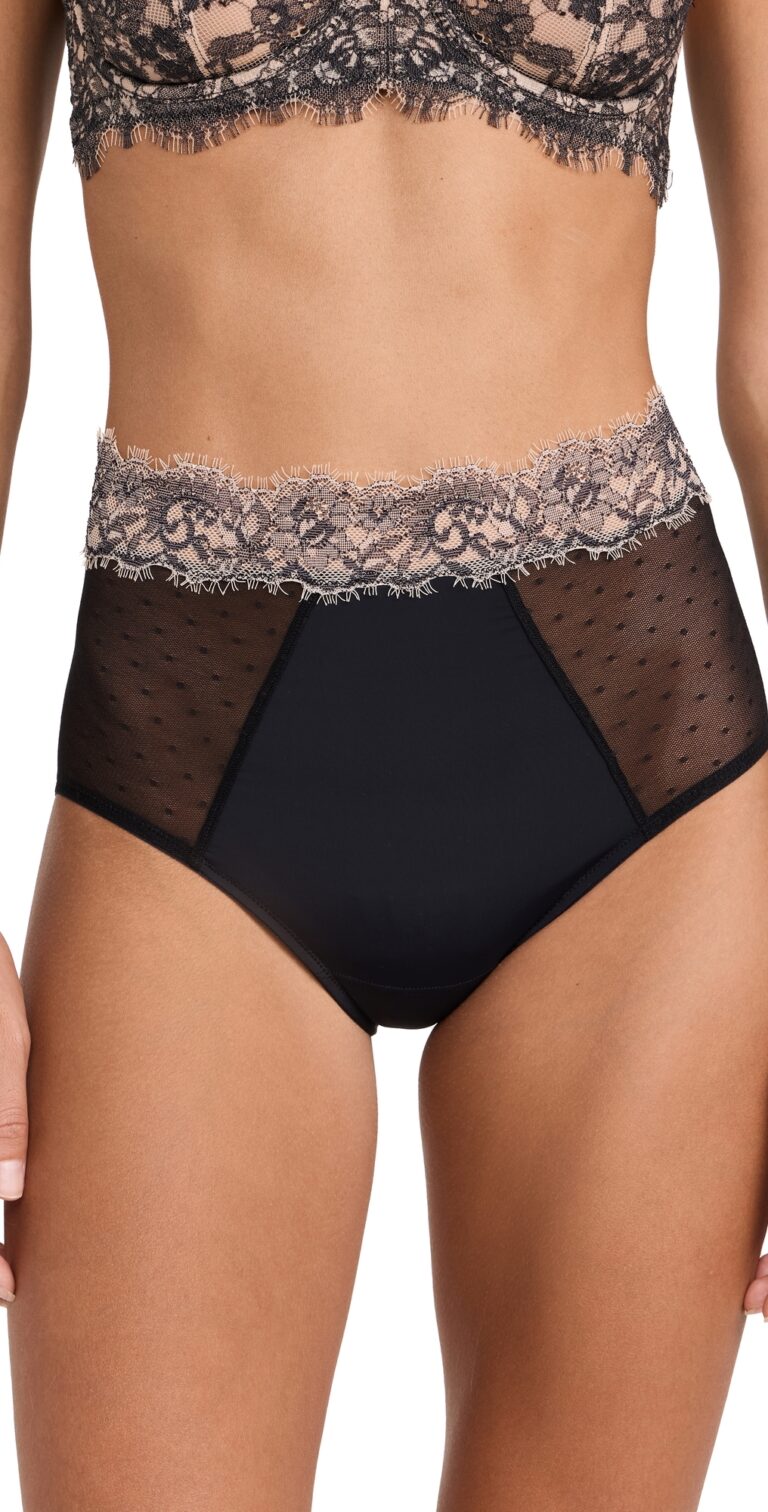
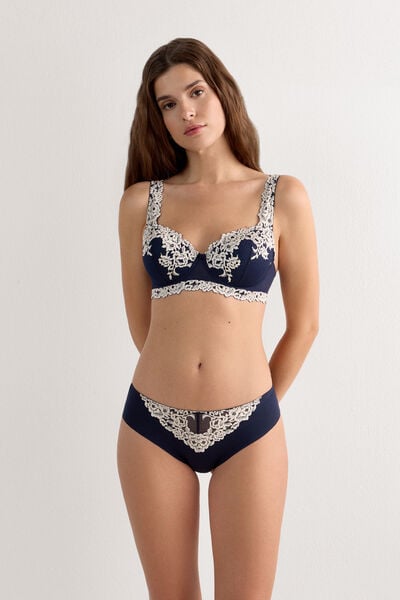 PantiesBlue Lace Panties: What We’d Buy Now
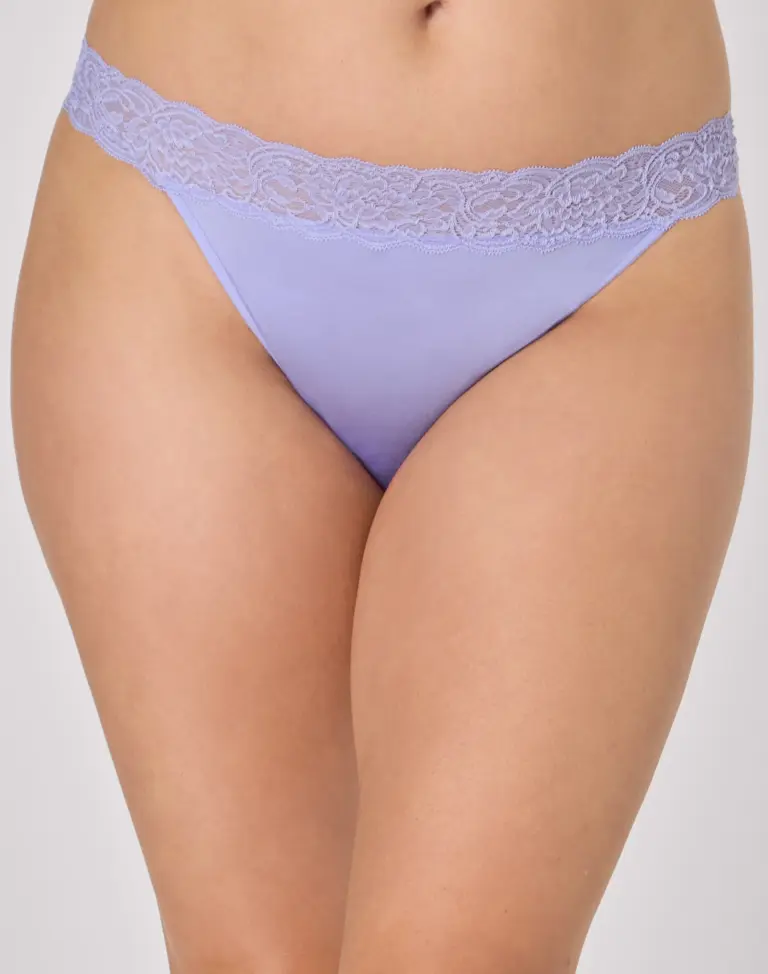
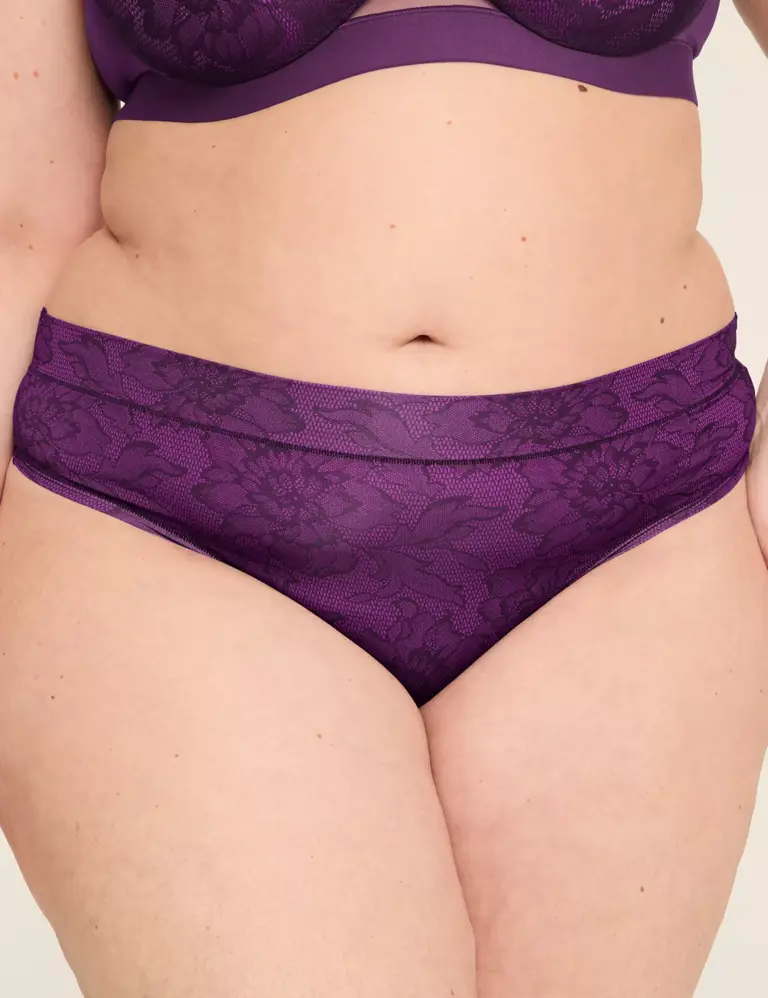 ThongsBlue Lace Thongs That Have Caught Our Eye
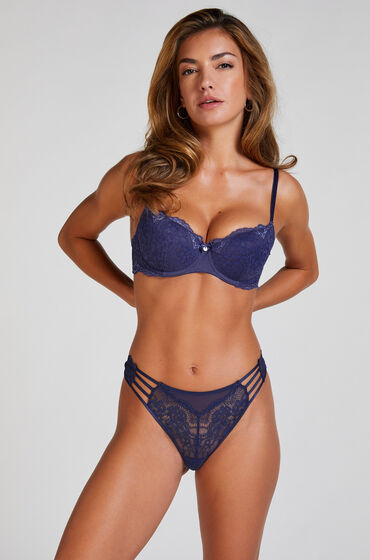
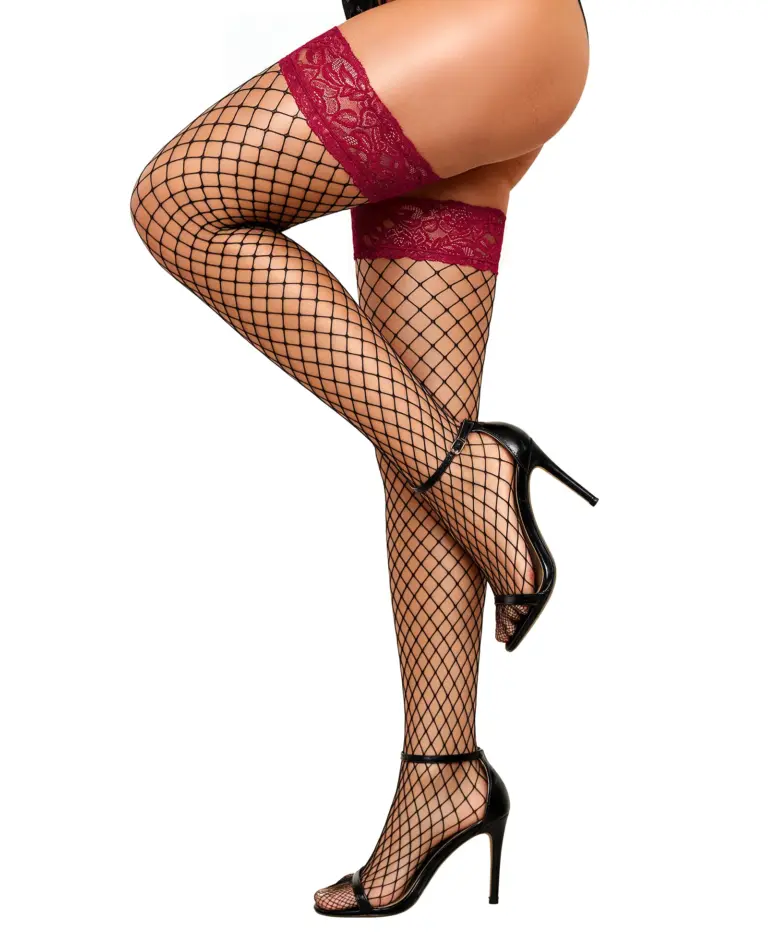 Black LingerieBlack Lace Hold Ups for Feeling Good
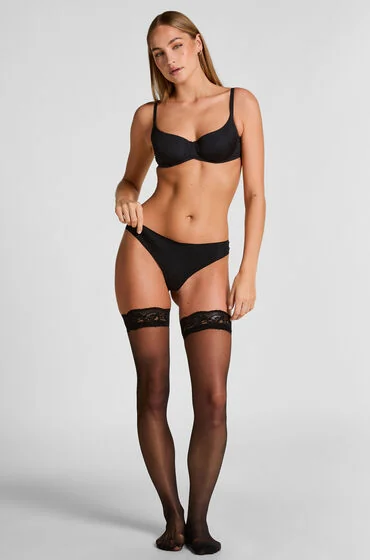
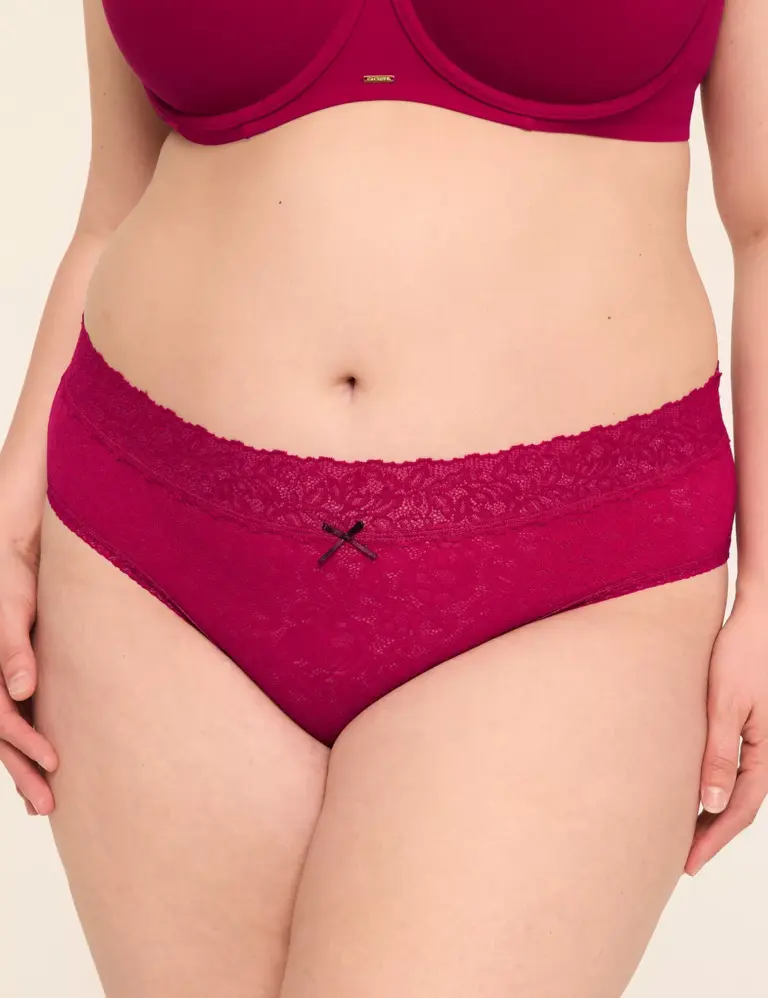 PantiesBlack Lace Panties That Feel Special
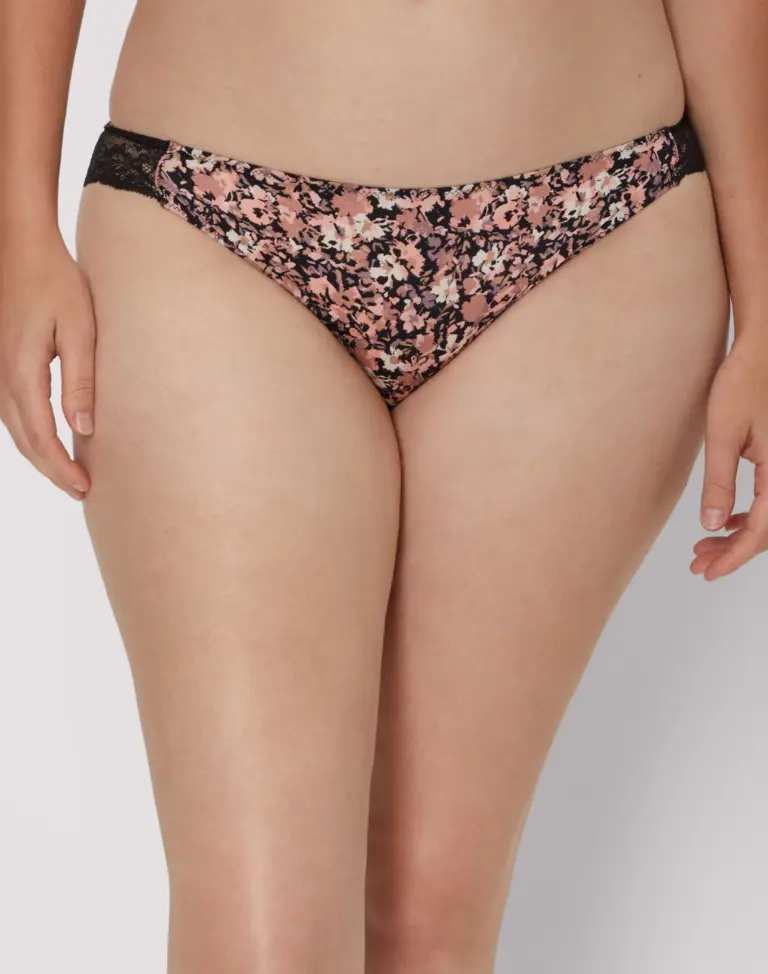
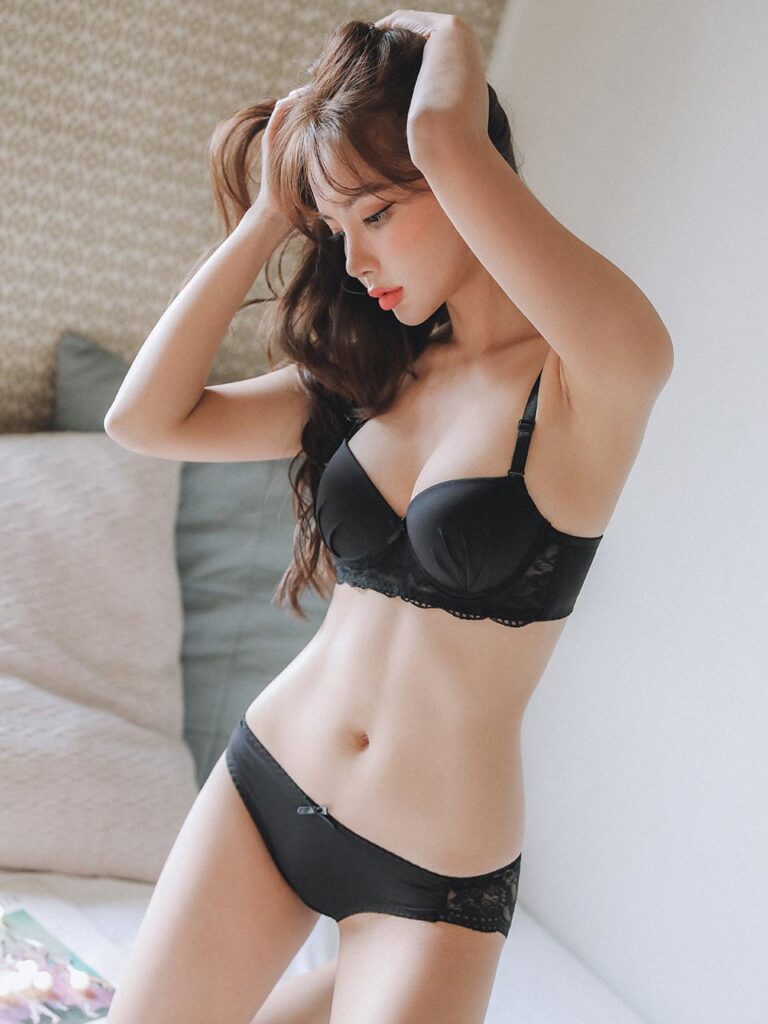 Lingerie SetsBlack Lace Lingerie Sets That Look Instantly Put TogetherAlso worth a lookBrasThe first thing I do with a bra is pull the band out to its loosest hook and see how far it still has to travel to fit.See the collections →
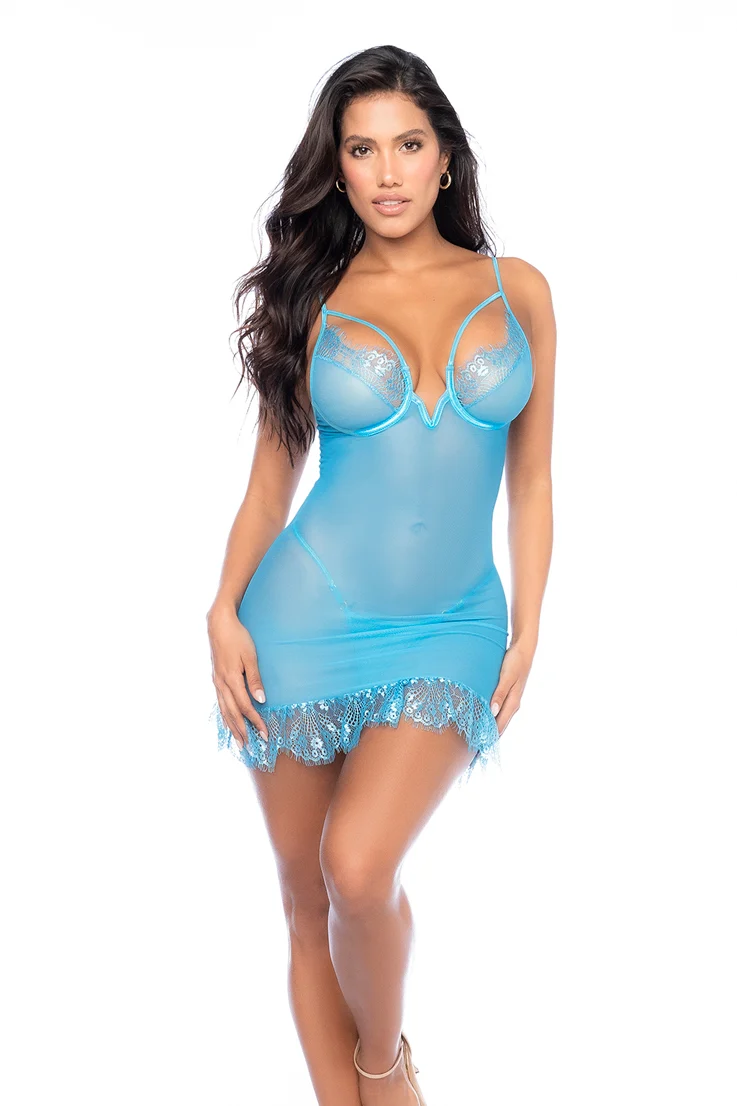
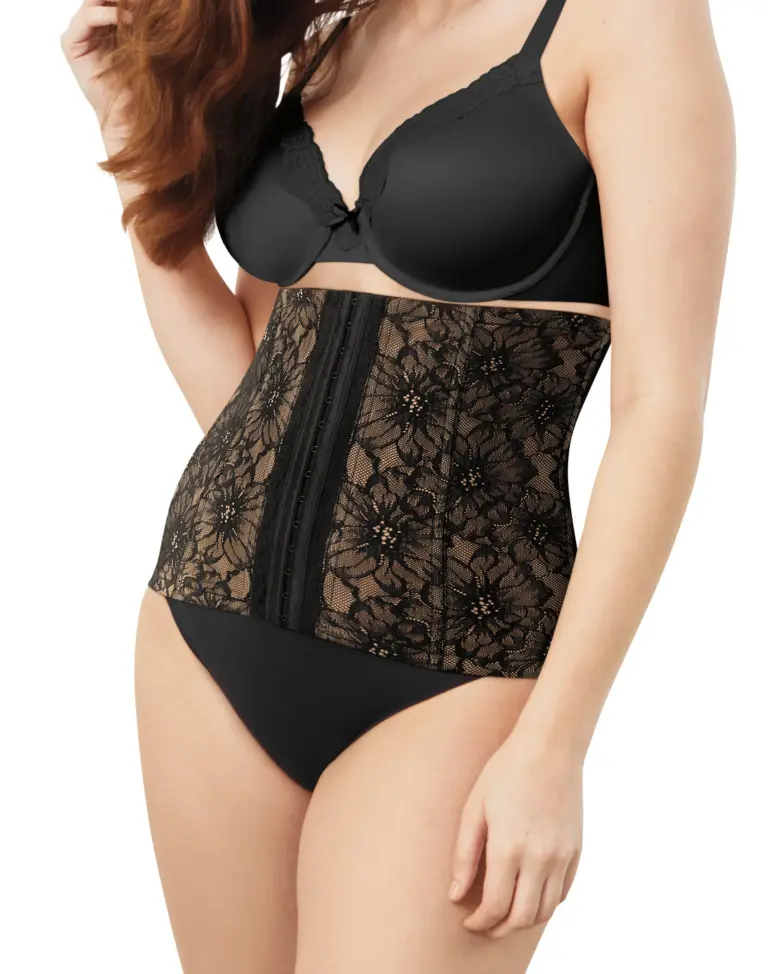 Black LingerieBlack Lace Shapewear for Feeling Good
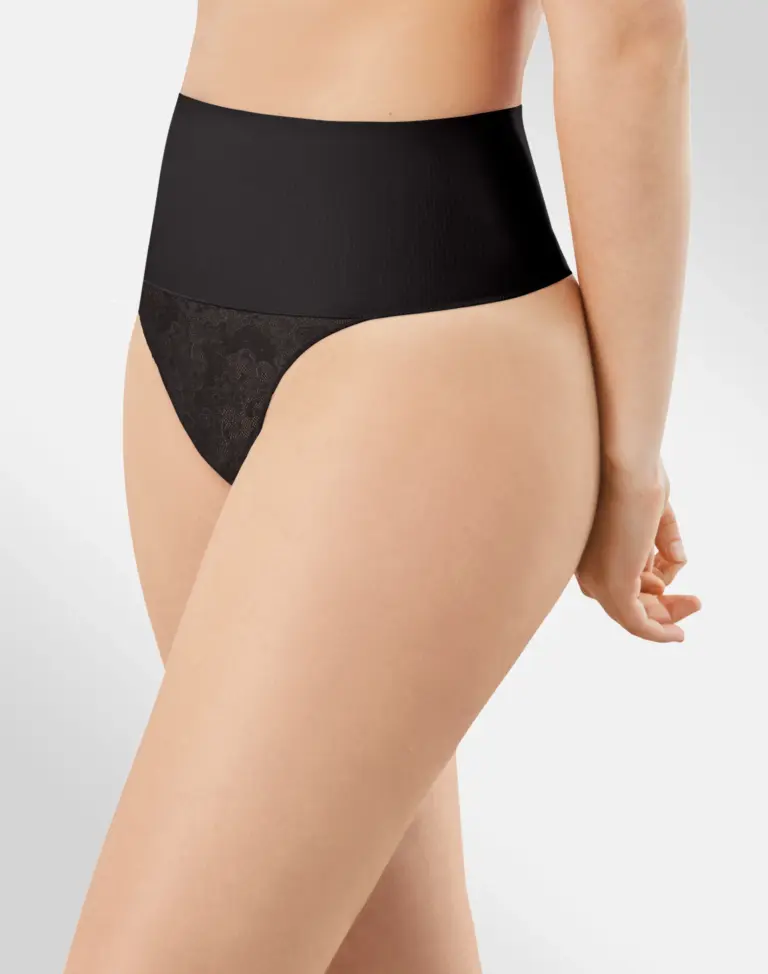
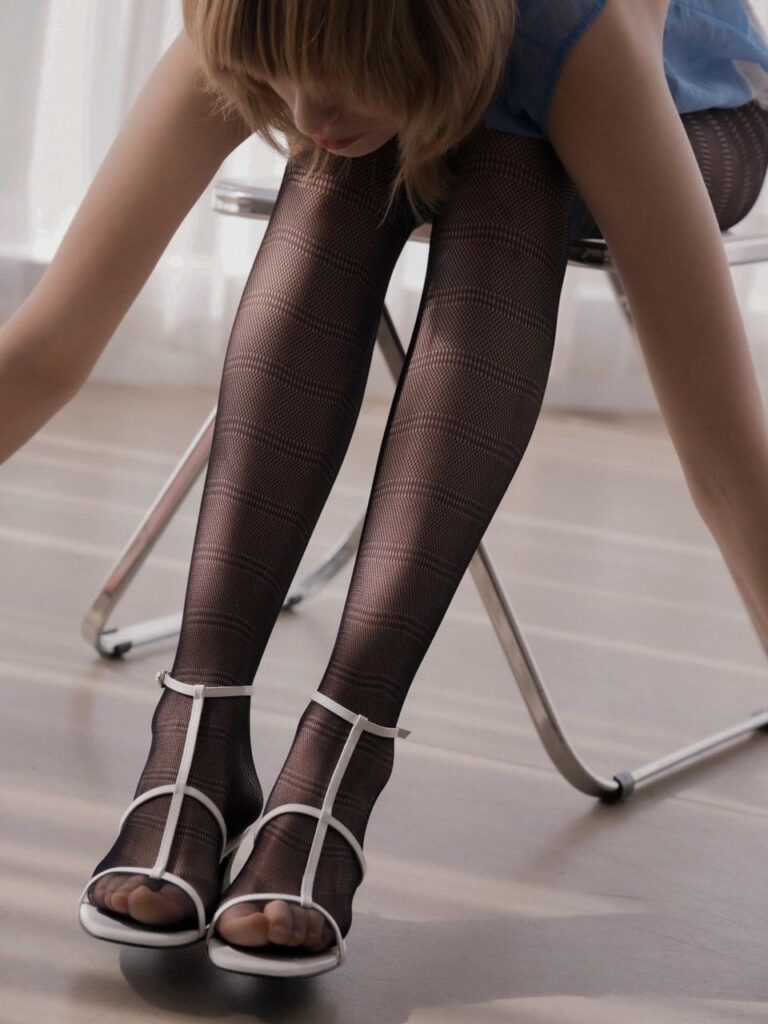 Black LingeriePretty Black Lace Stockings That Are Actually Comfy
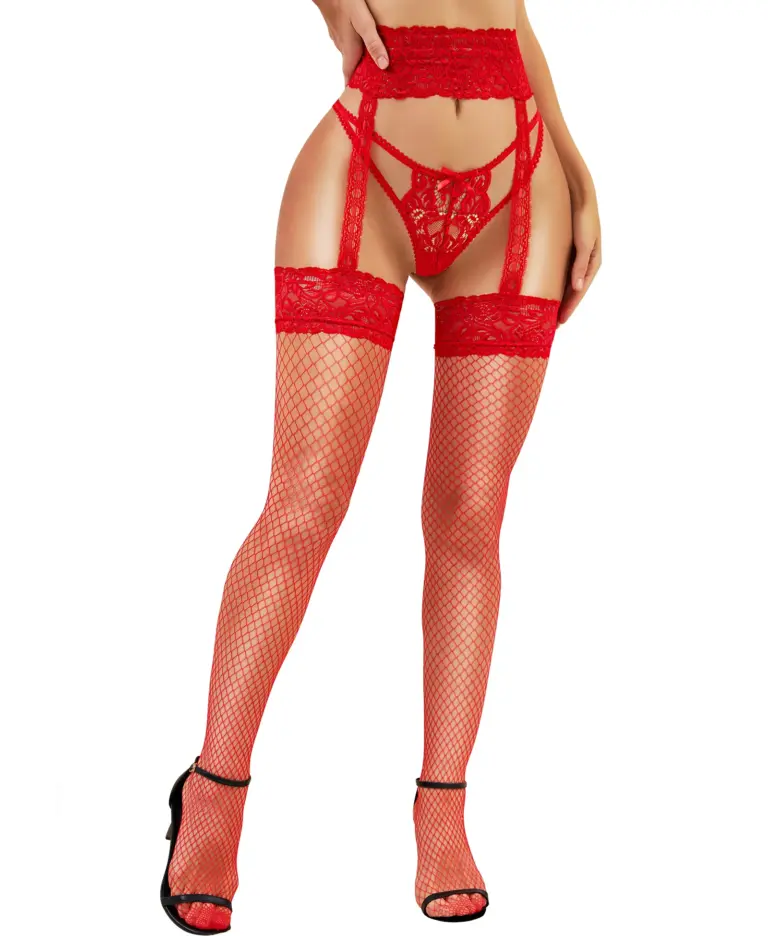
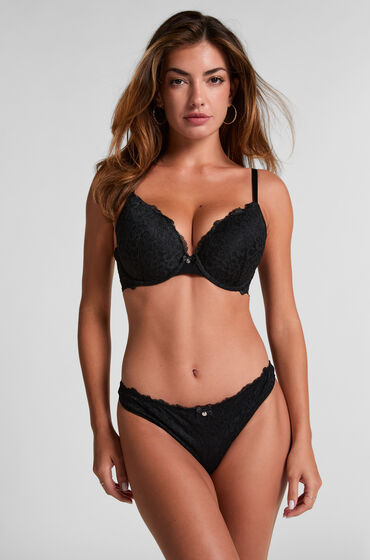 Black LingerieBlack Lace Thongs We Rate
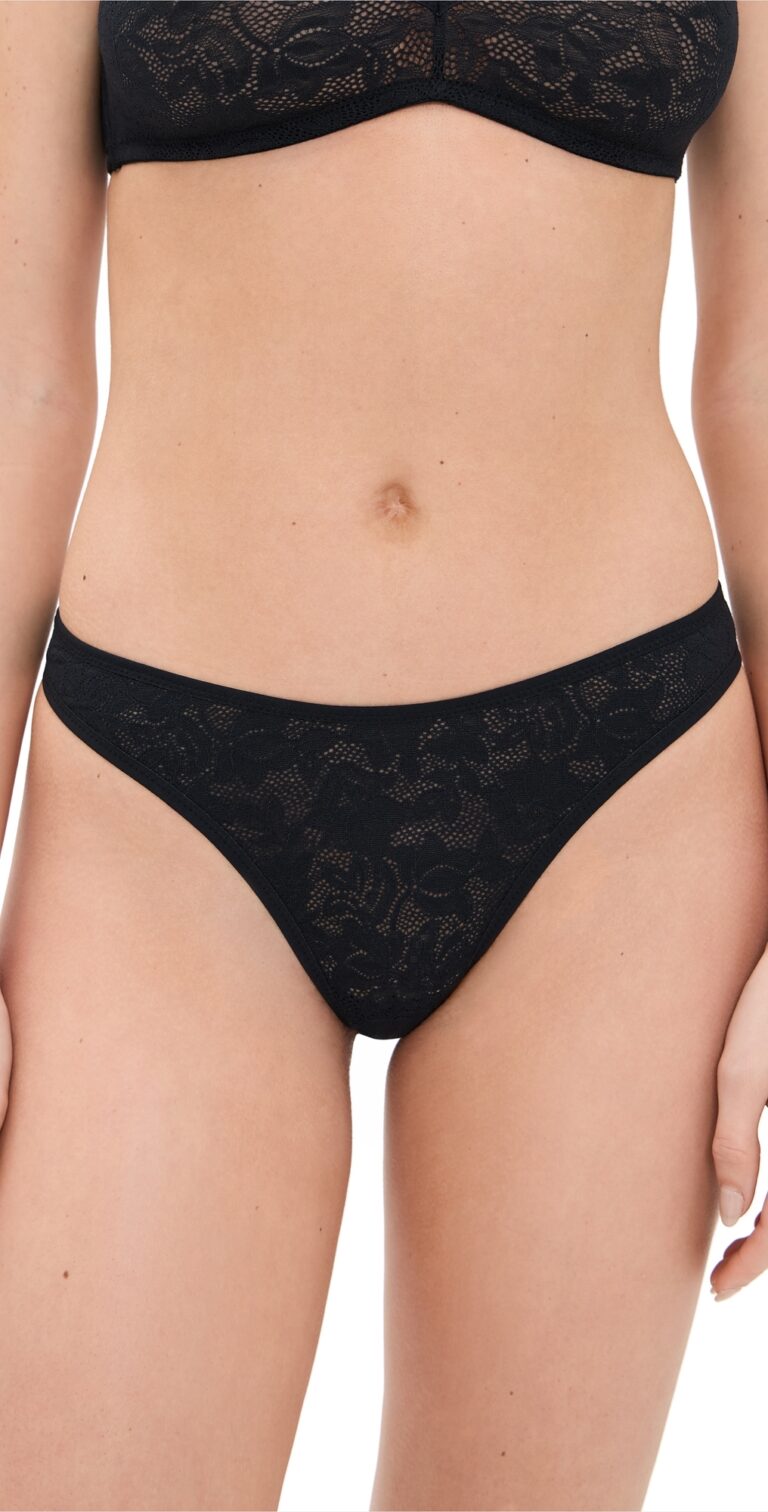
 Black LingerieBlack Lace Babydolls We Think You’ll Love
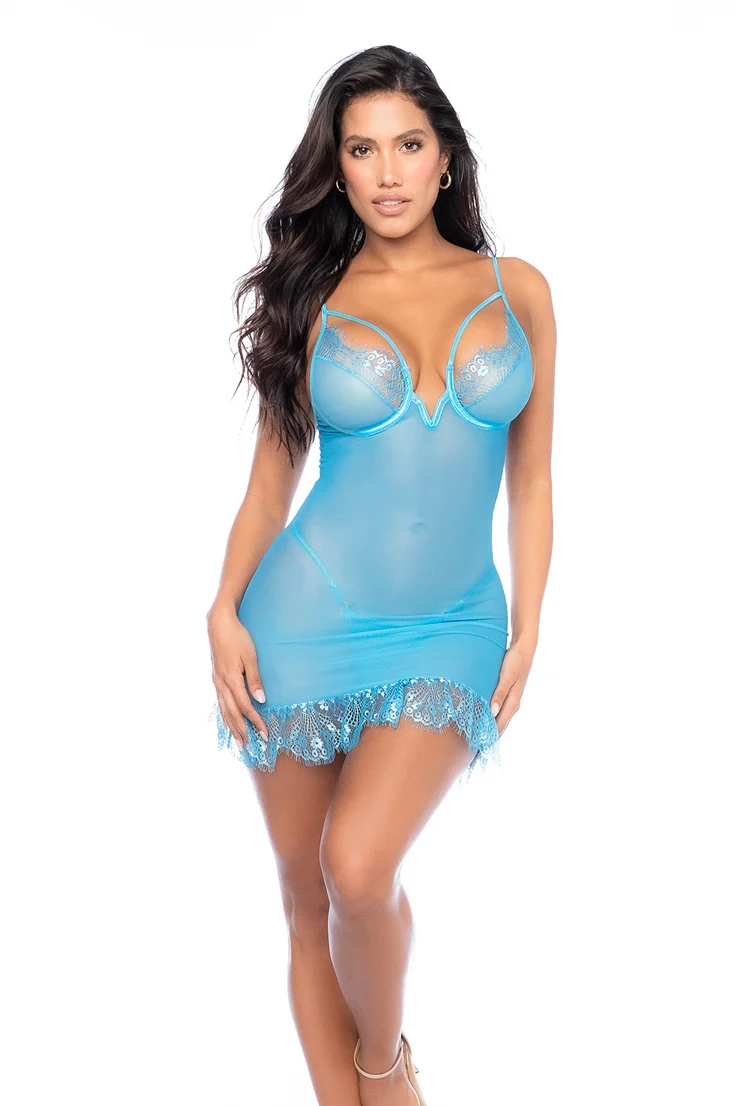
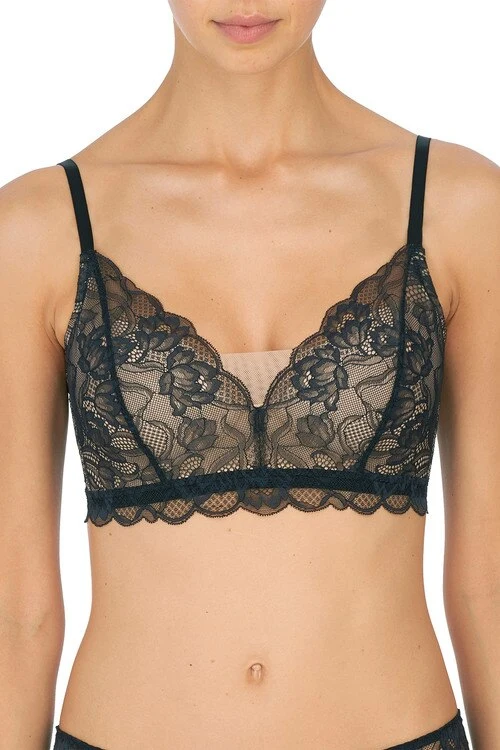 BralettesThe Black Lace Bralettes We’re Eyeing Up This Season

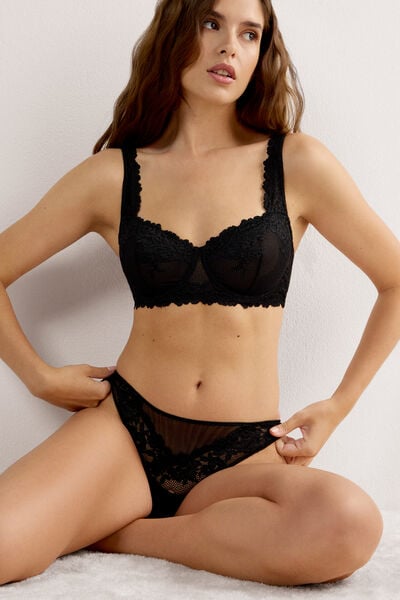 PantiesBlack Lace Brazilian Panties Worth Treating Yourself To
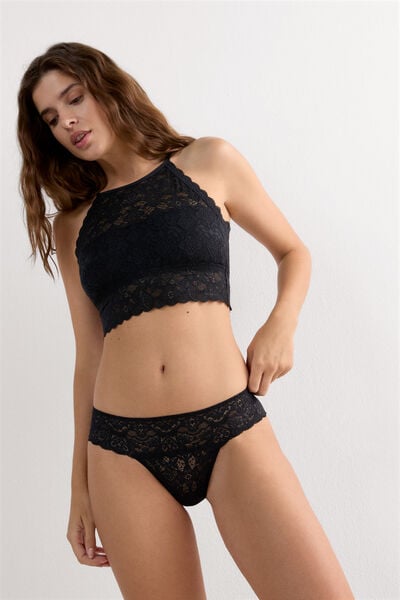
 Black LingerieOur Edit of the Best Black Lace Briefs