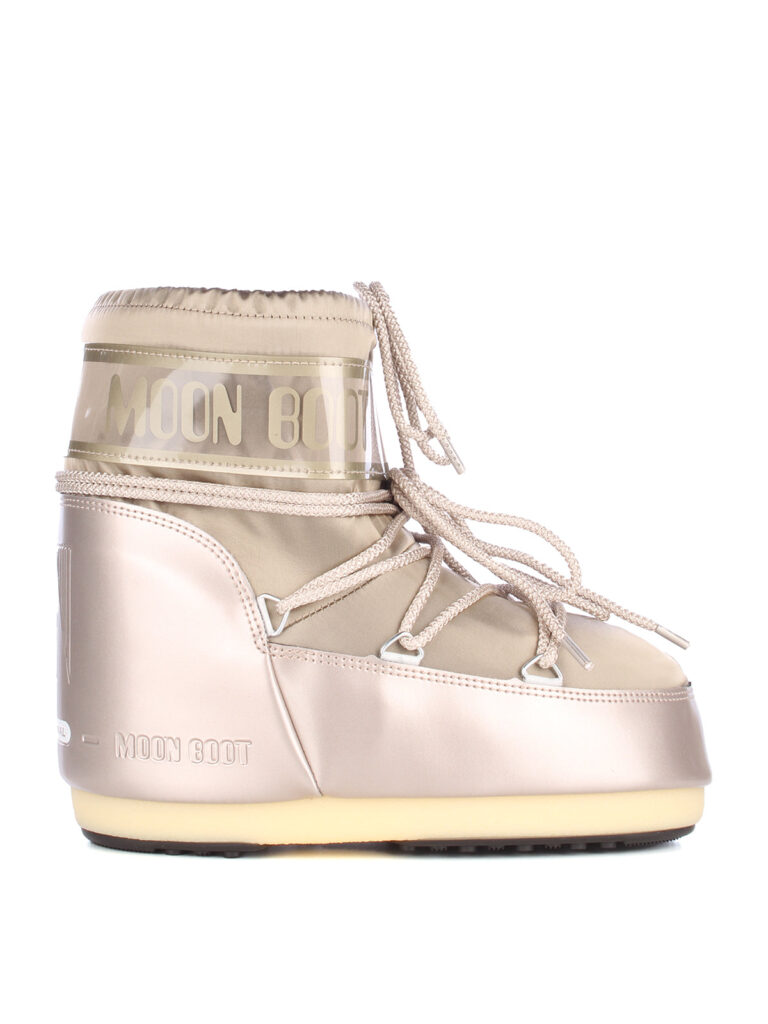
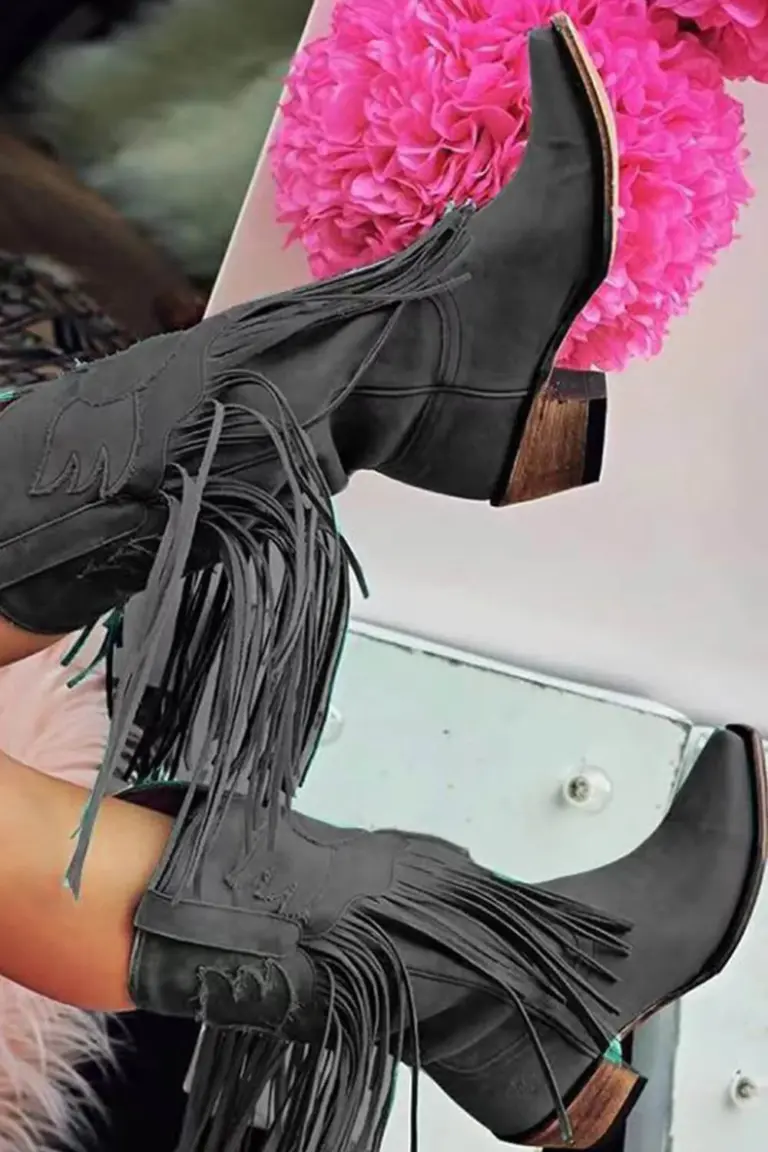
If you're holding an ankle boot in the changing room and wondering whether it's the sensible one or the interesting one, go sensible first and let the interesting ones be your second or third pair. A boot that sits right at or just above the ankle bone, in a leather or leather look, with a heel you can actually walk a full day in, will get worn in a way that the season's more dramatic shapes often don't. Everything else you buy after that can afford to be a bit more opinionated.
In the shop, sit down and actually bend your foot, because that tells you more than standing still ever will. Check where the top of the boot hits your leg when you walk, not just when you're posing in front of the mirror, since a boot that looks neat standing can suddenly cut across the widest part of your calf the moment you take a step. Look at the zip too, run it up and down a few times, because a stiff or shallow zip is the single most common reason a boot that fit in the shop becomes a boot you fight with at home. Press a thumb into the insole as well. If it feels like cardboard now, it will feel like nothing at all in three months.
The difference between a boot that lasts and one that disappoints usually comes down to what you can't quite see on the shelf. Real leather or a dense, well finished synthetic will keep its shape around the ankle instead of creasing and sagging within a few wears, and a leather sole or a proper rubber one will outlast a thin unit that wears through at the ball of the foot by Christmas. Stitching along the welt, rather than everything held together by glue alone, is what stops the sole parting company with the upper on a wet pavement. Hardware matters more than people admit: a zip pull that feels flimsy in the shop will be the first thing to snap, usually while you're already late. A well made pair also smells faintly of leather rather than solvent, which sounds like nothing until you've owned the other kind.
Once you've got a reliable pair, they'll sit happily under straight jeans, with a midi skirt and thick tights in the colder months, or under a simple dress when you want something less obviously dressy than a heel. They're less convincing with anything very wide legged, since a flare tends to swallow the shape of the boot entirely and you lose the whole point of having bought it.
What they won't do is replace a proper winter boot in genuinely filthy weather, so don't expect them to see you through a flooded car park and still look presentable by lunchtime.
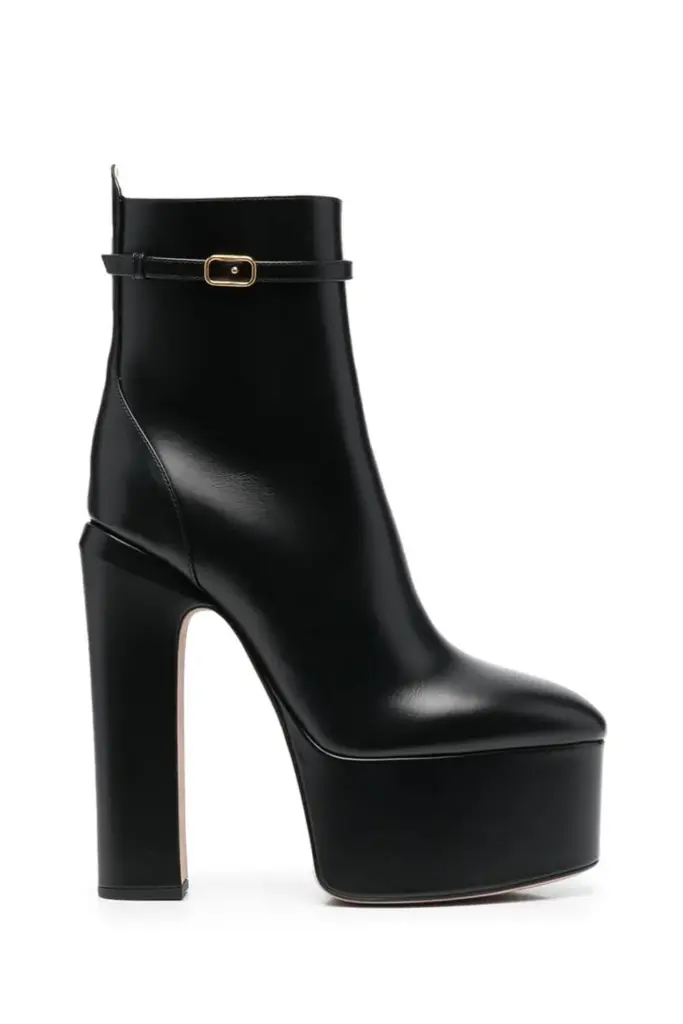 Zip Ankle Boots We Can’t Stop Looking At
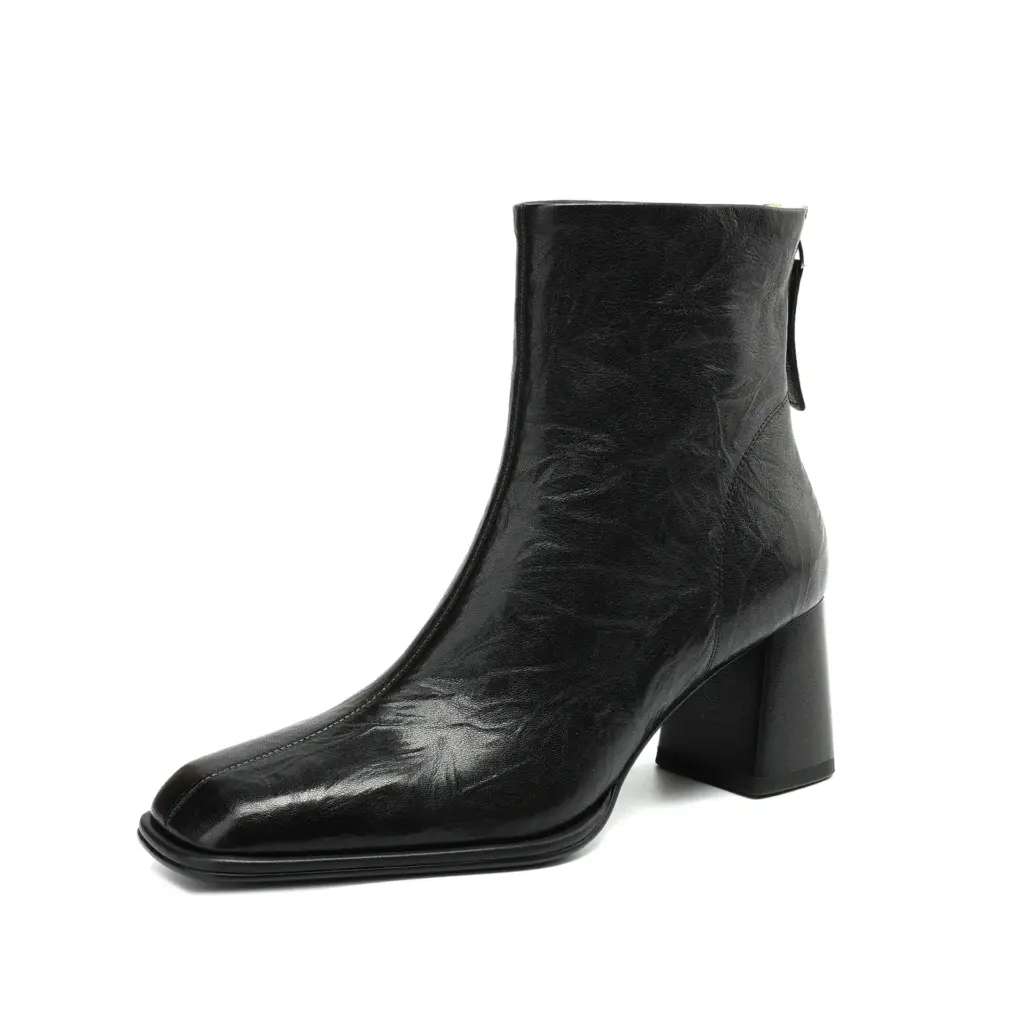
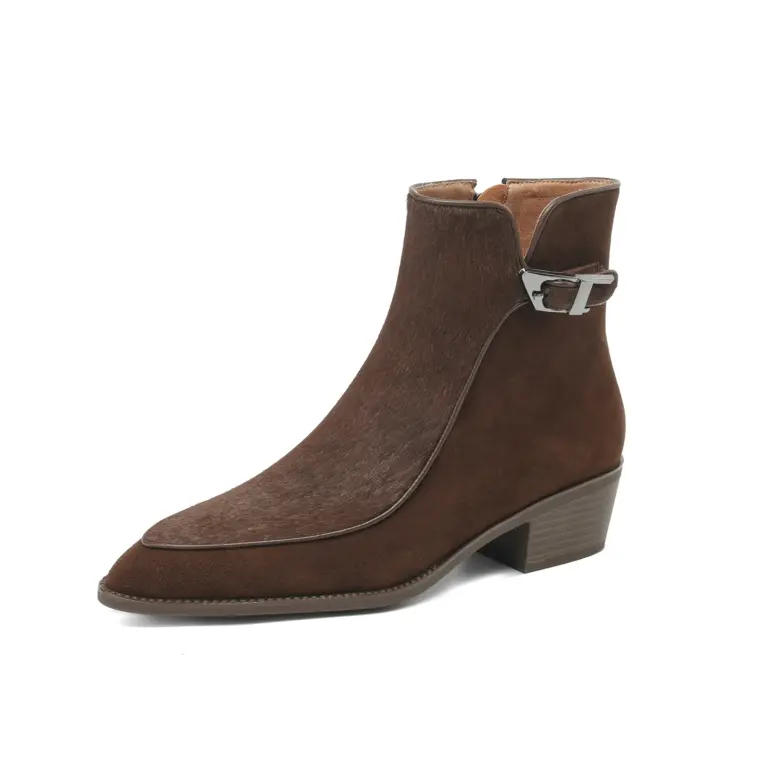 The Edit: Zip Ankle Boots
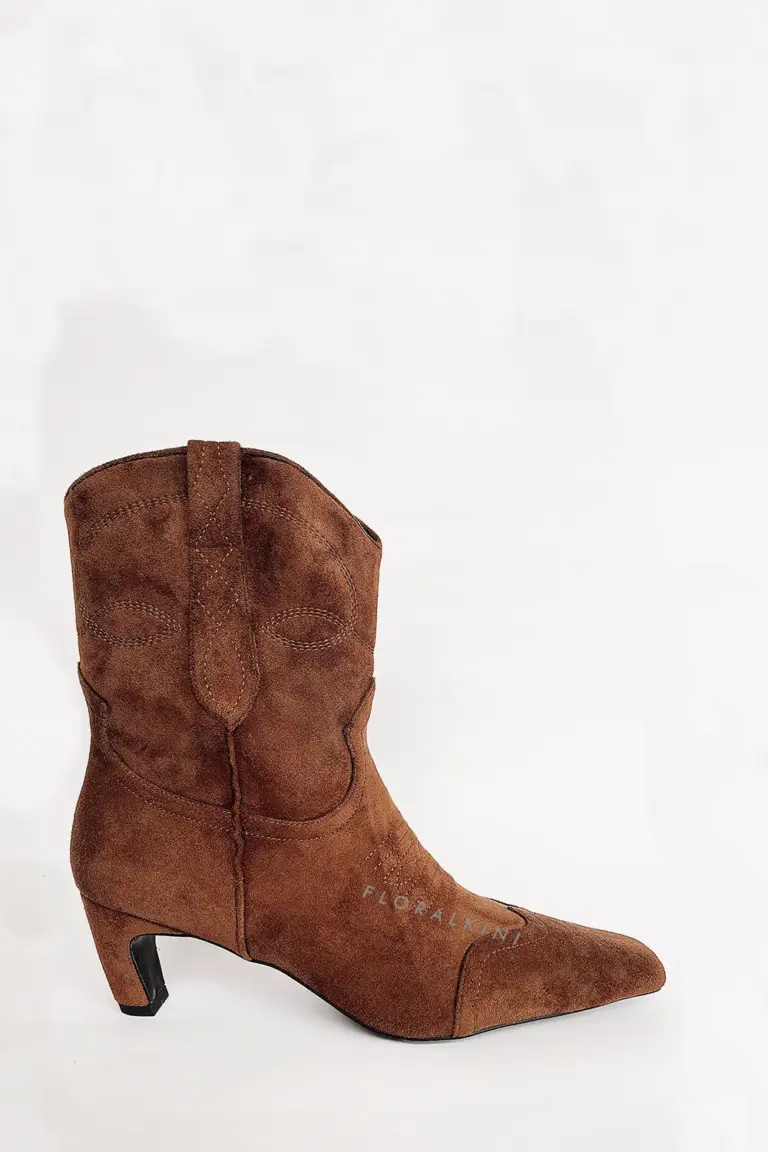
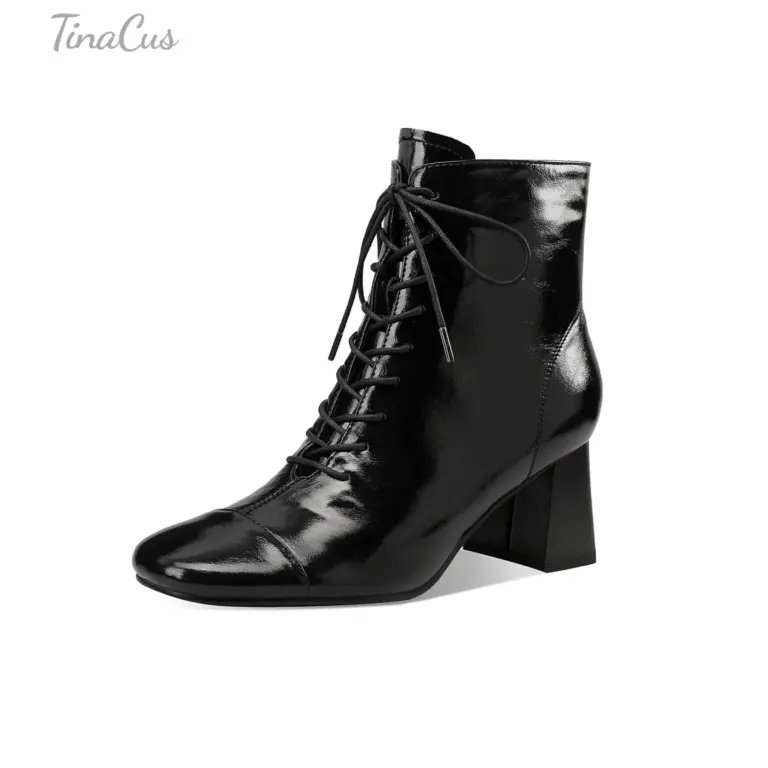 Work Ankle Boots: Our Honest Shortlist
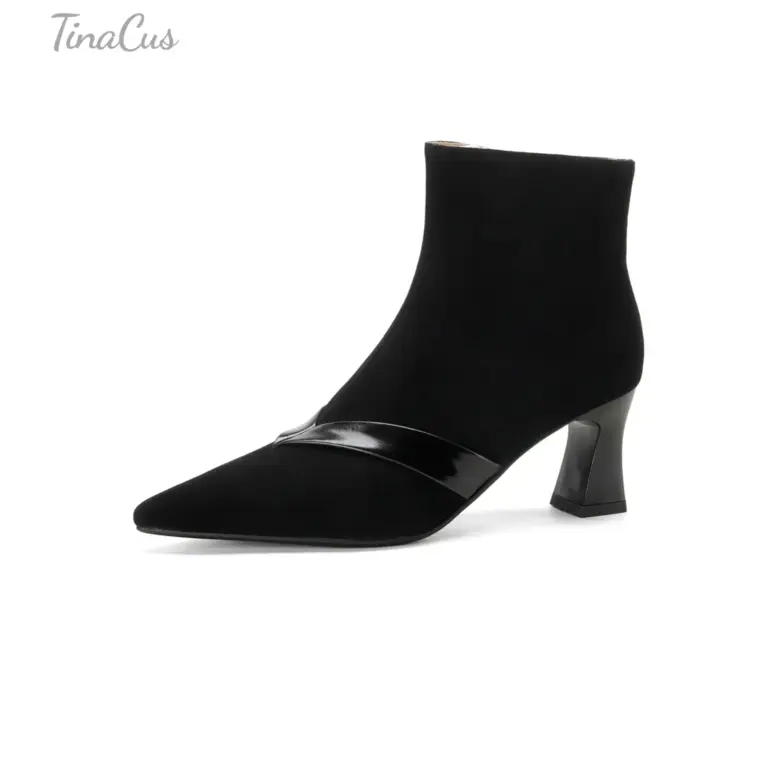
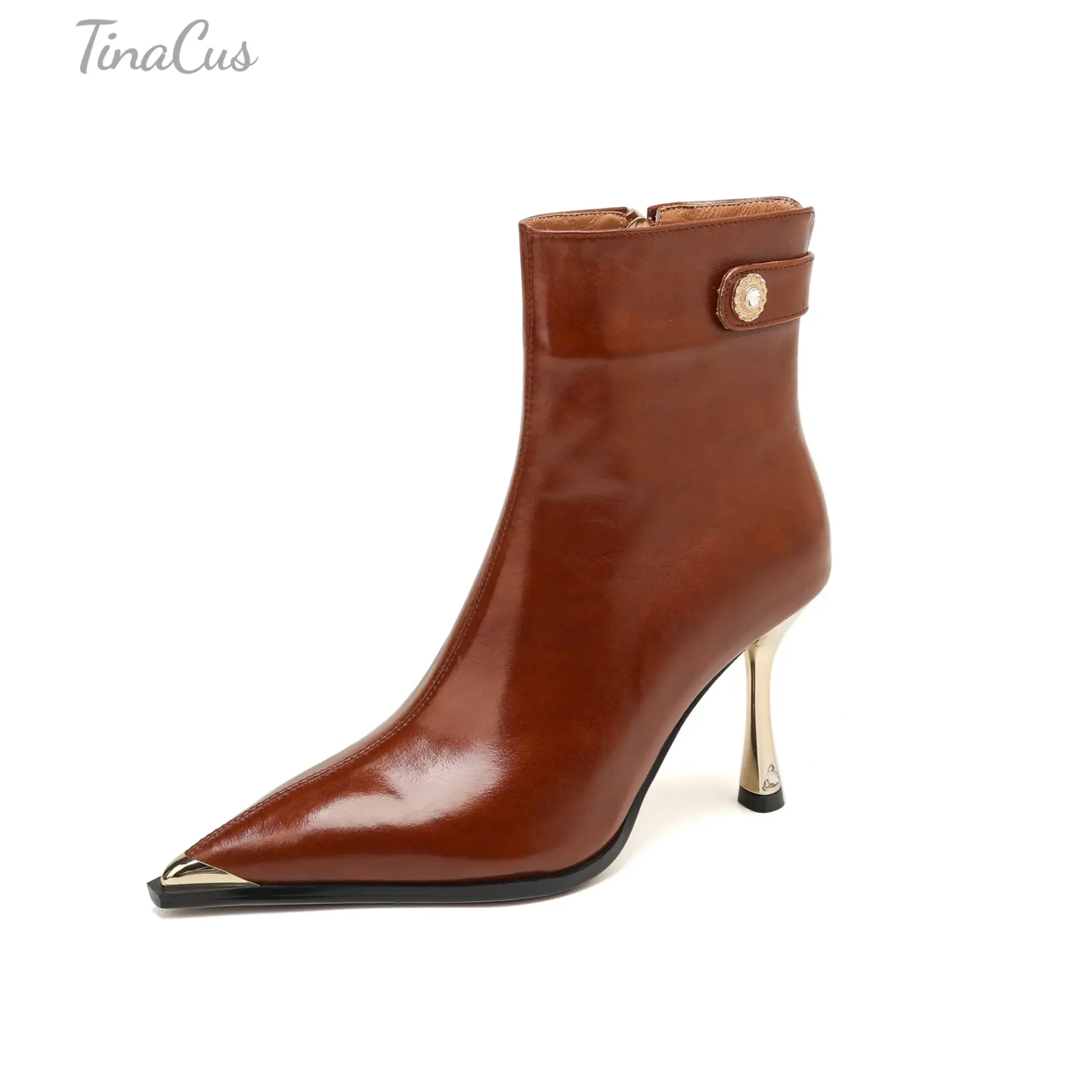 Winter Ankle Boots Edited Down to the Best
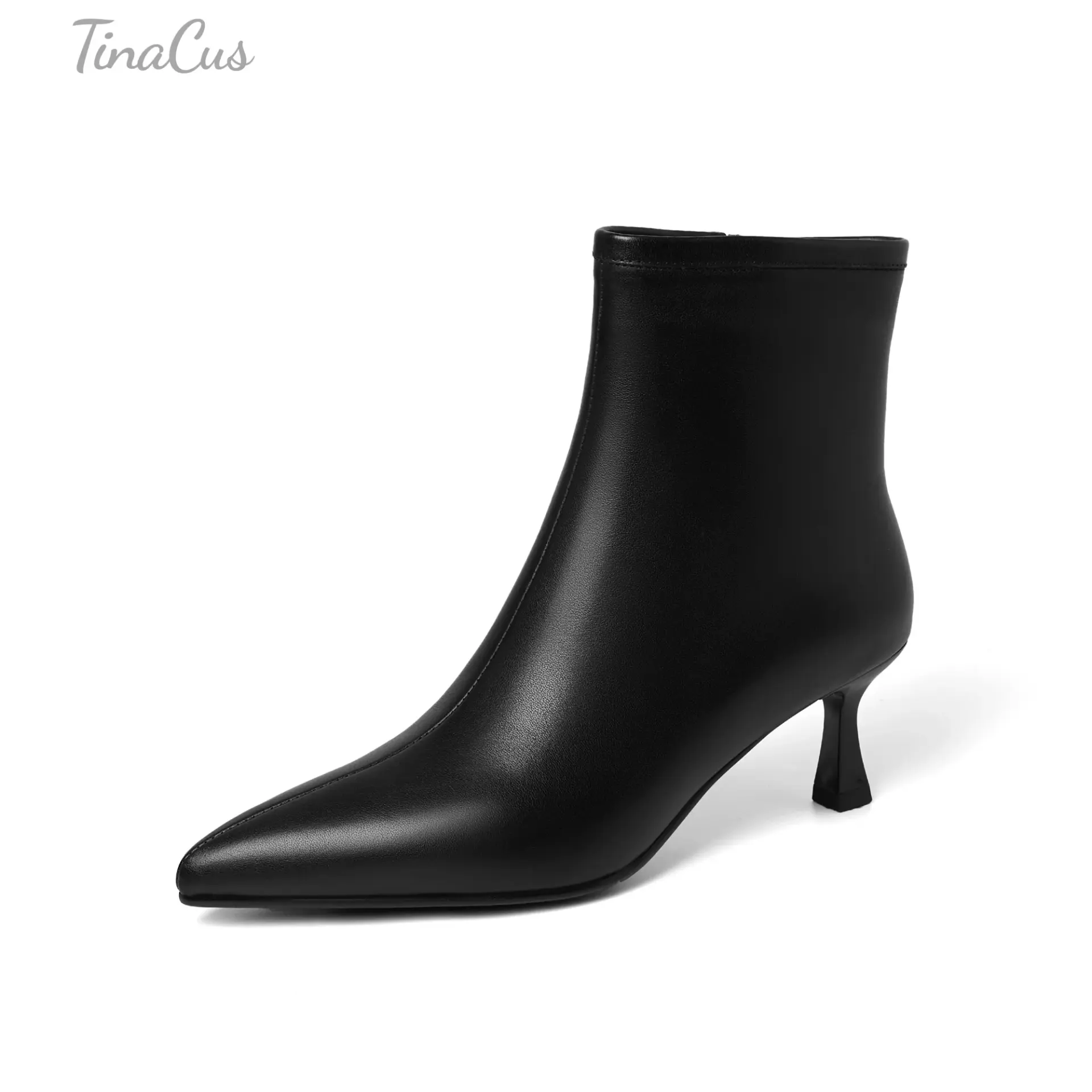
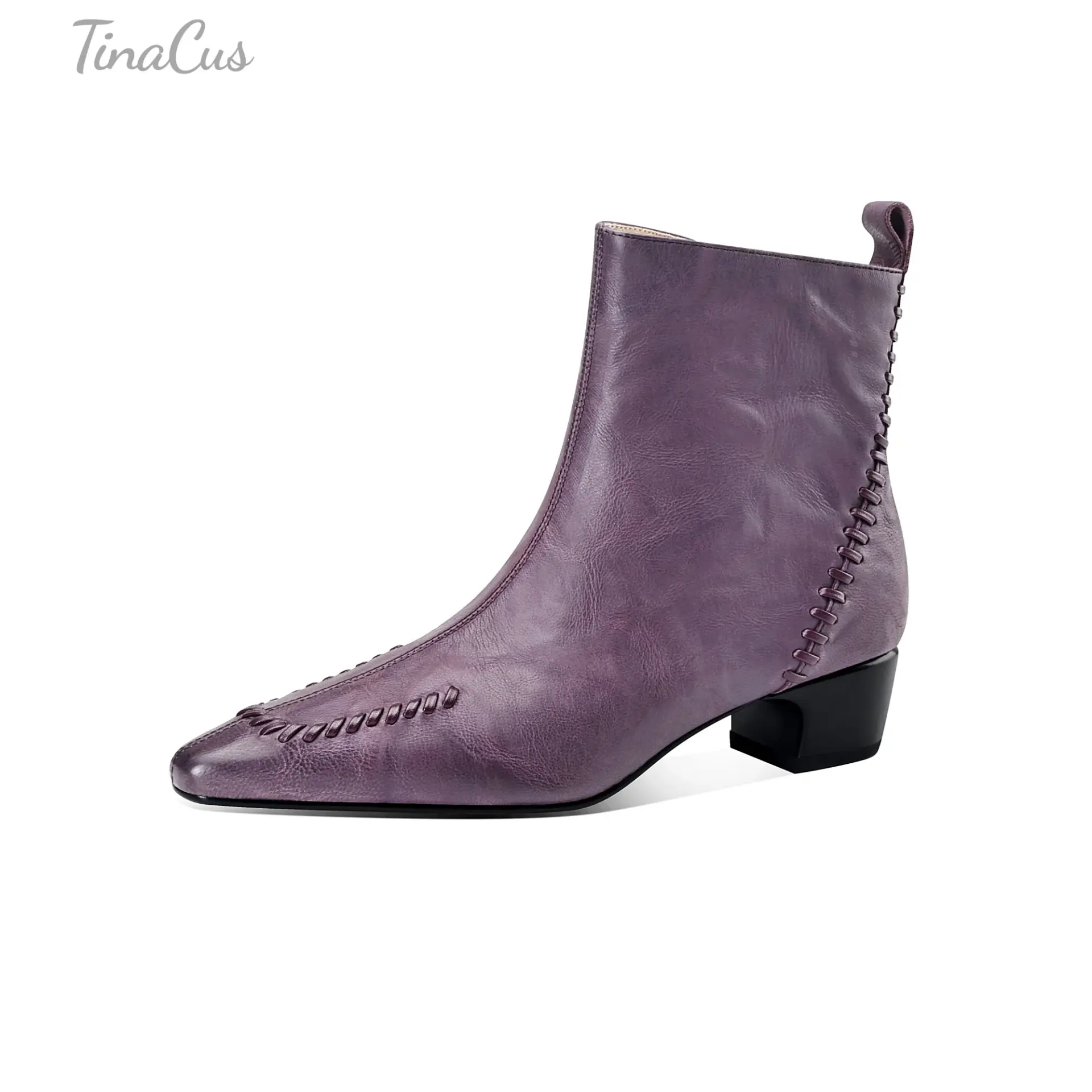 The Winter Ankle Boots Your Shoe Rack Needs
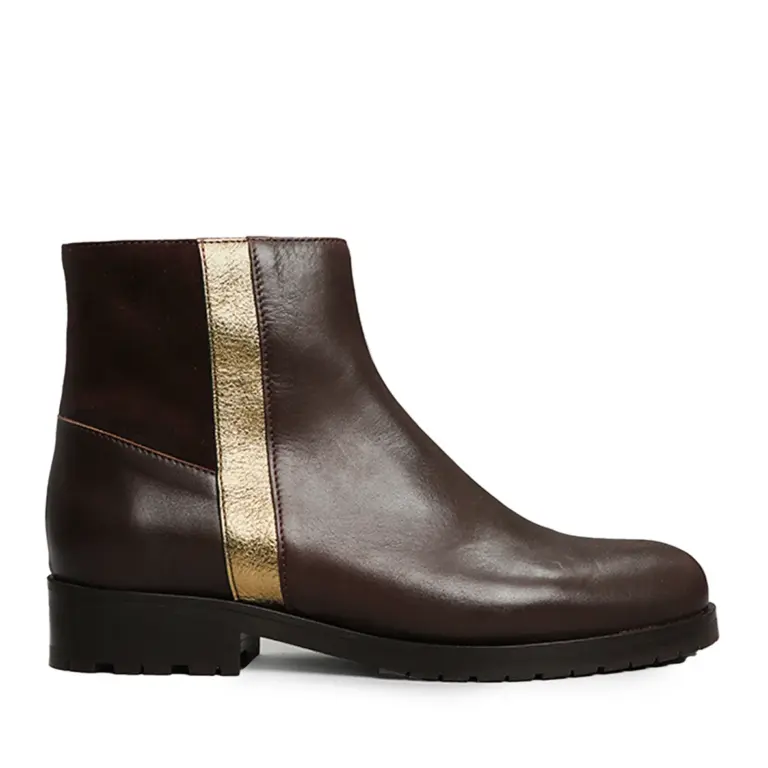 Wide Fit BootsWide Fit Ankle Boots That Are Actually Comfortable
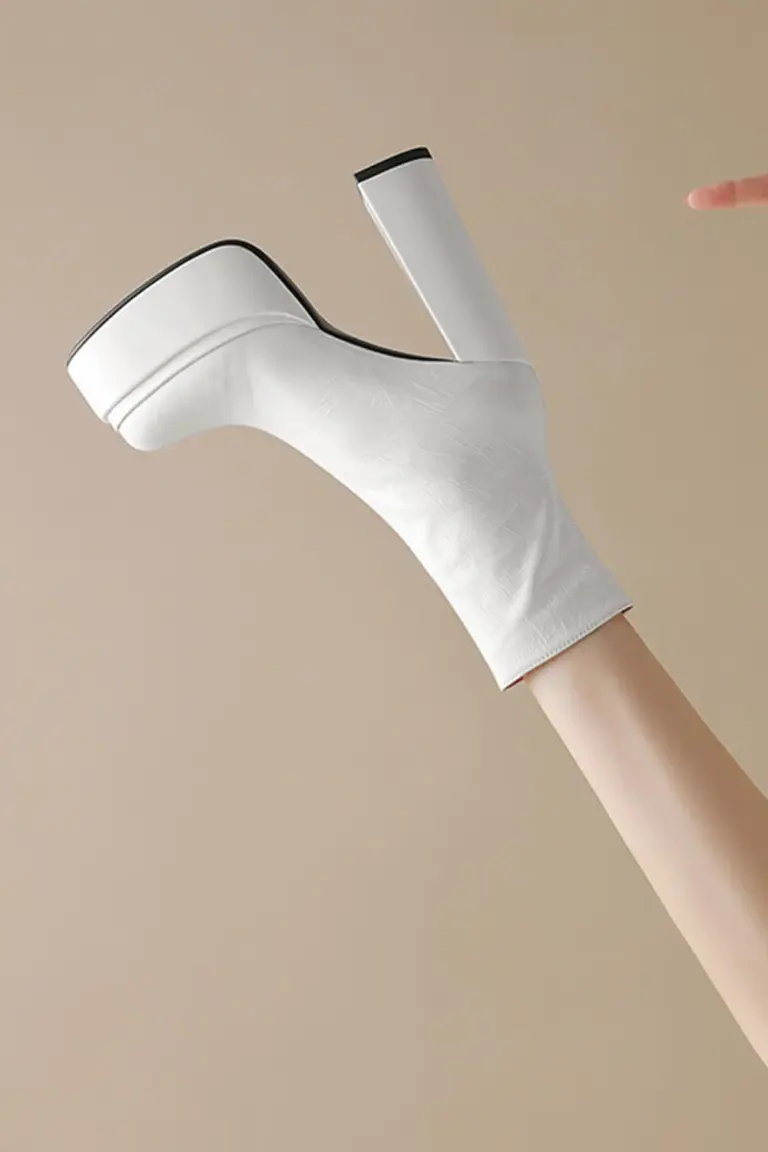 White BootsWhite Zip Ankle Boots With Real Wardrobe Staying Power
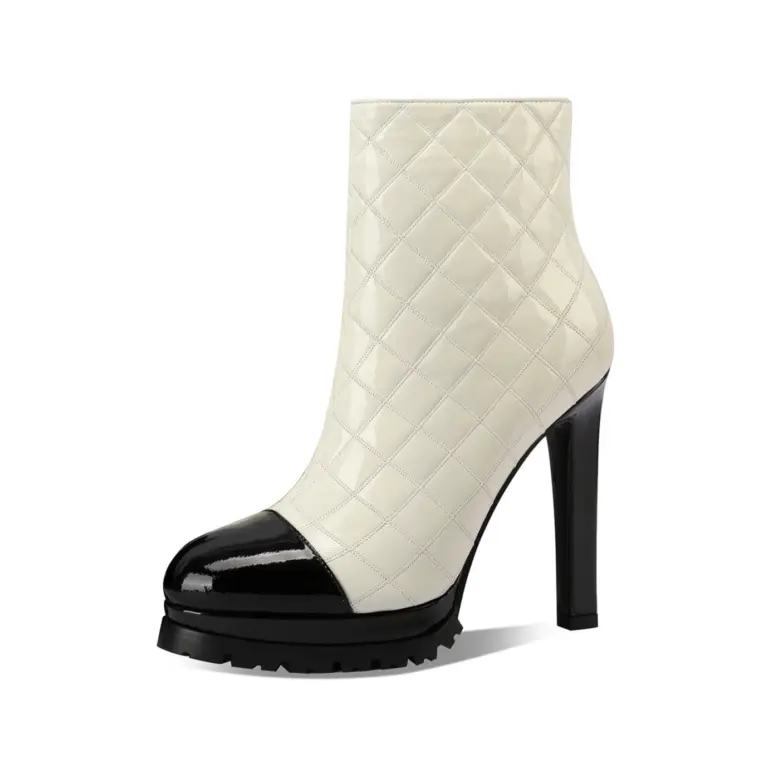
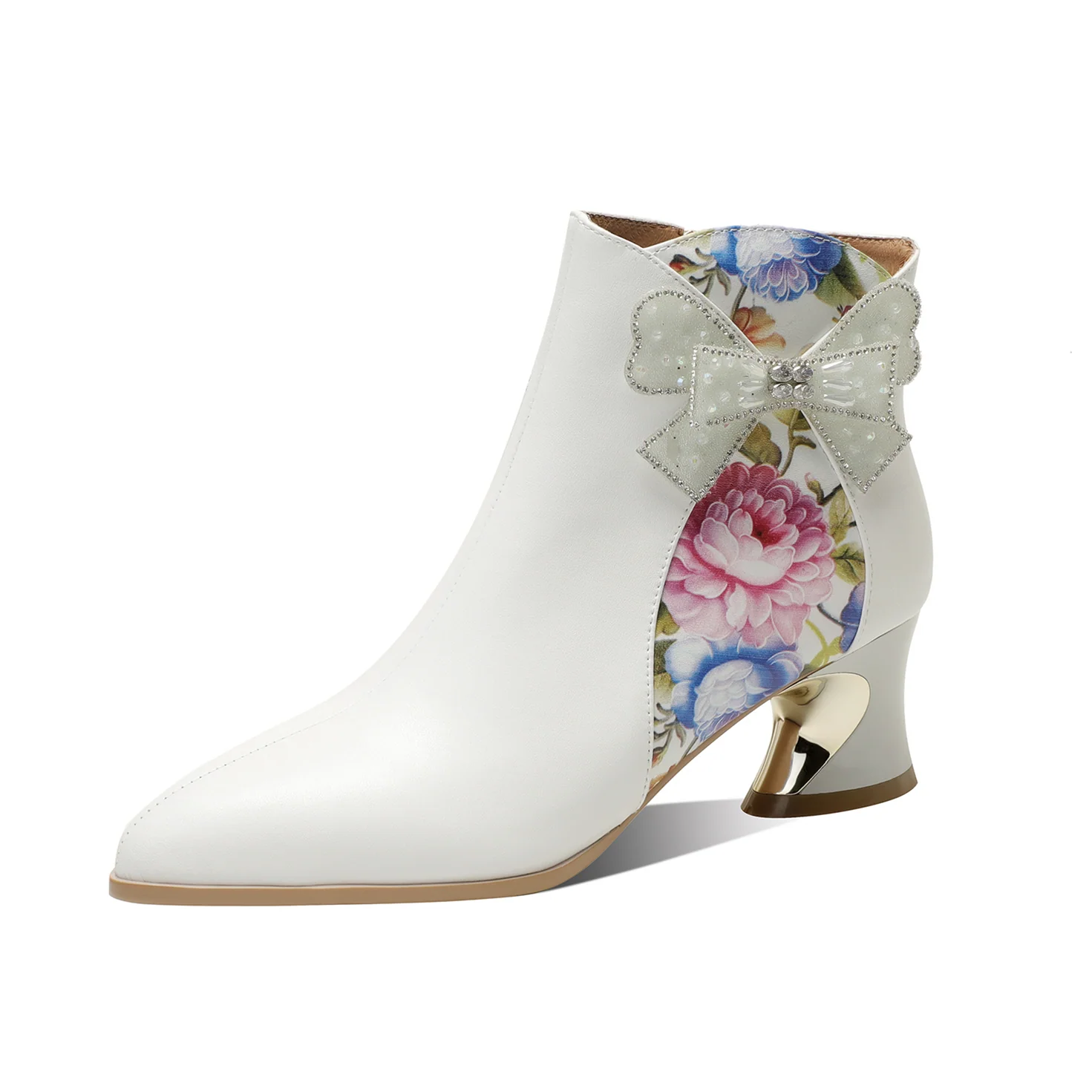 White BootsThe Best Looking White Zip Ankle Boots Out There
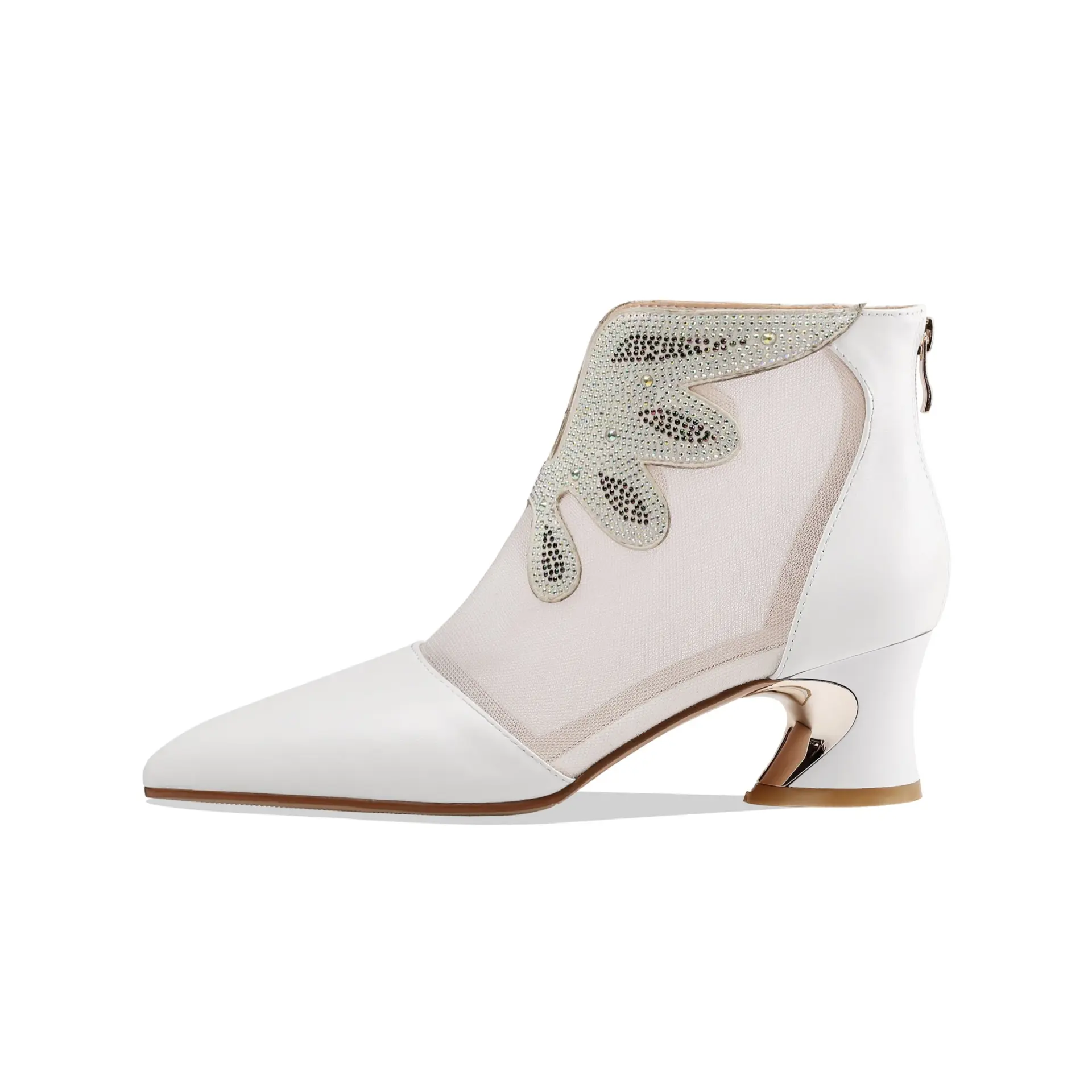
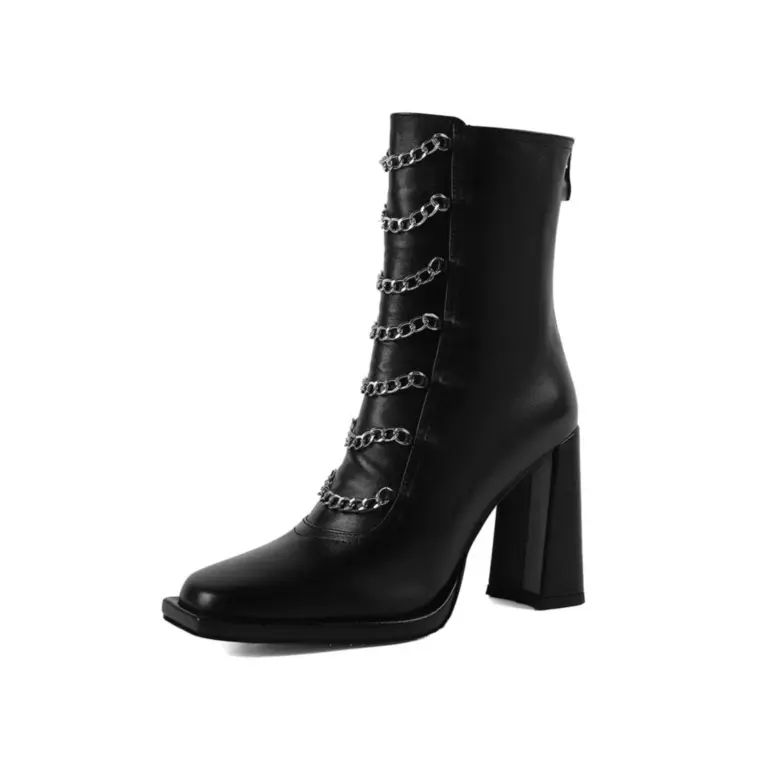 Rubber BootsWhite Rubber Ankle Boots We’d Buy AgainAlso worth a lookBlack BootsI'll tell you what I tell anyone holding a pair of black boots in a changing room: sit…See the collections →
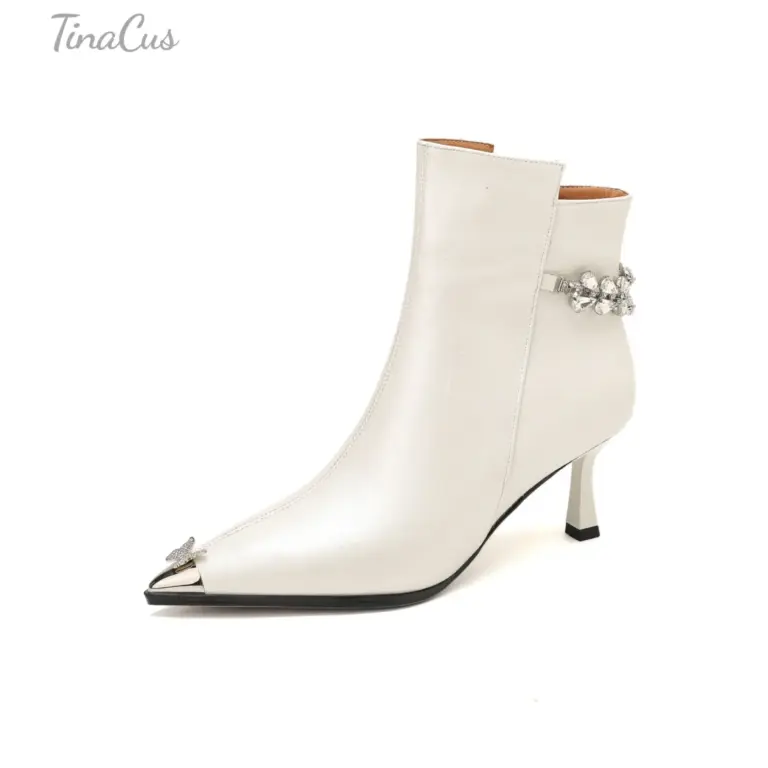
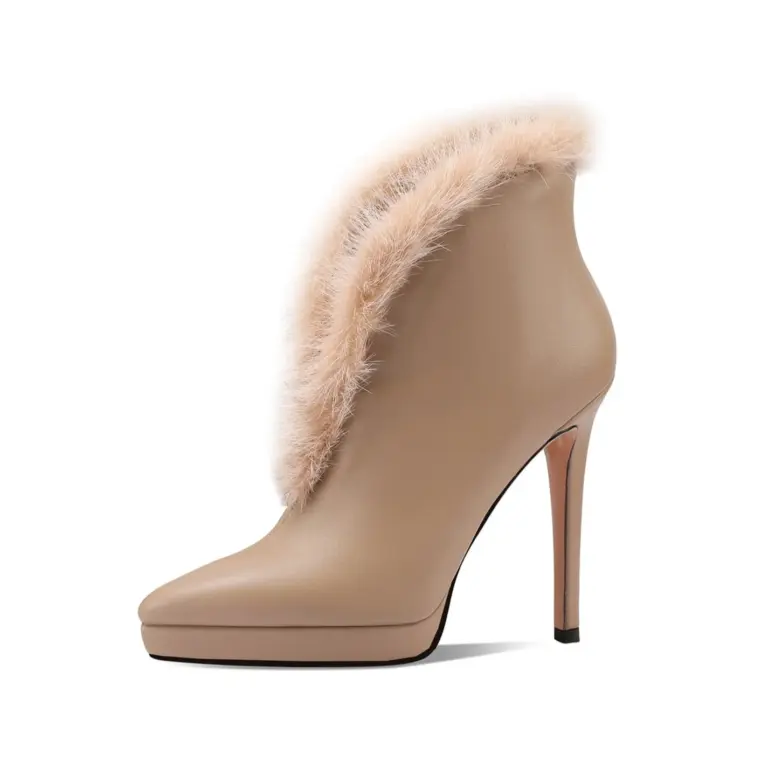 Rubber BootsWhite Rubber Ankle Boots Edited Down to the Best
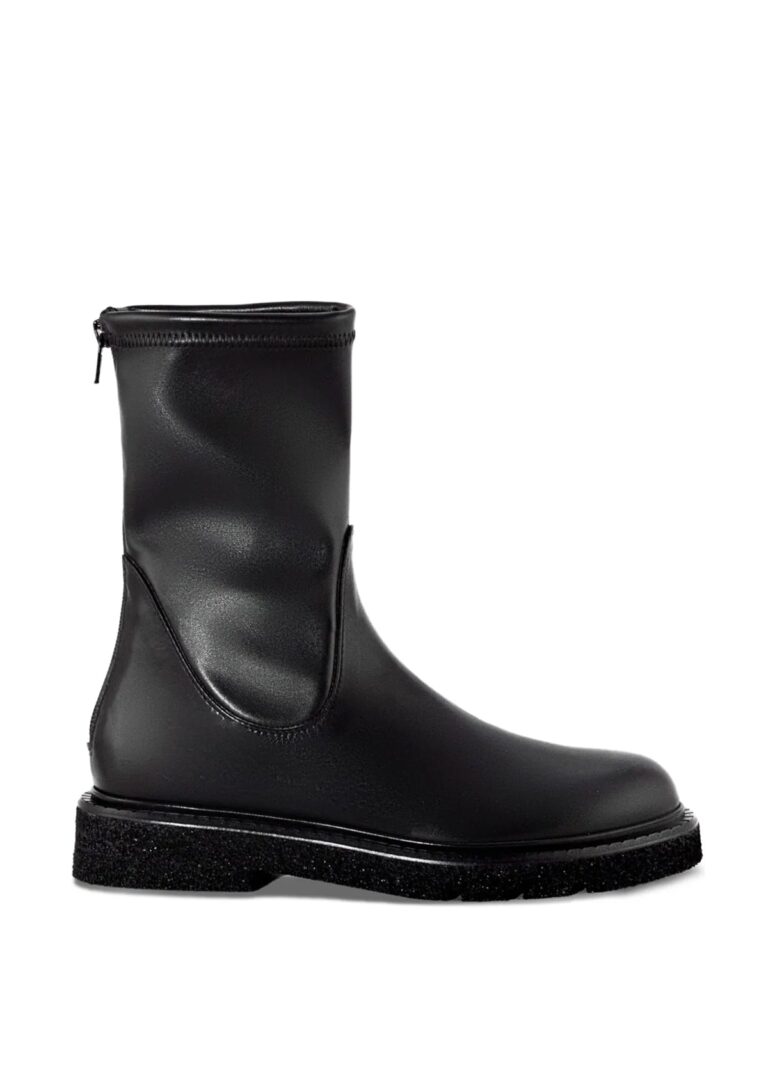
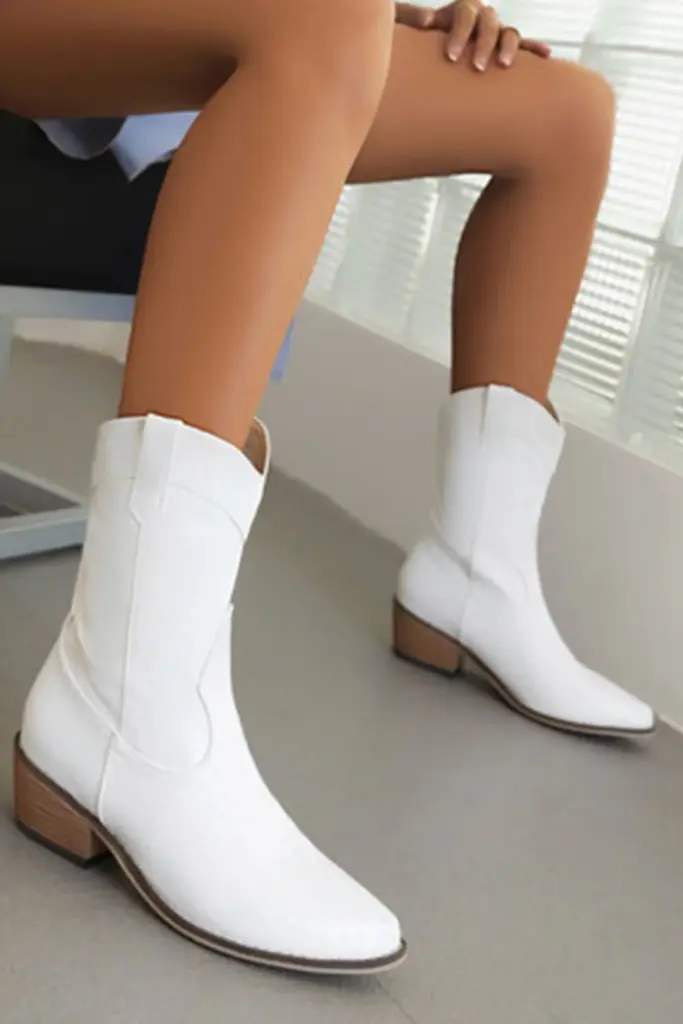 White BootsThe Prettiest White Pointed Ankle Boots Around Right Now
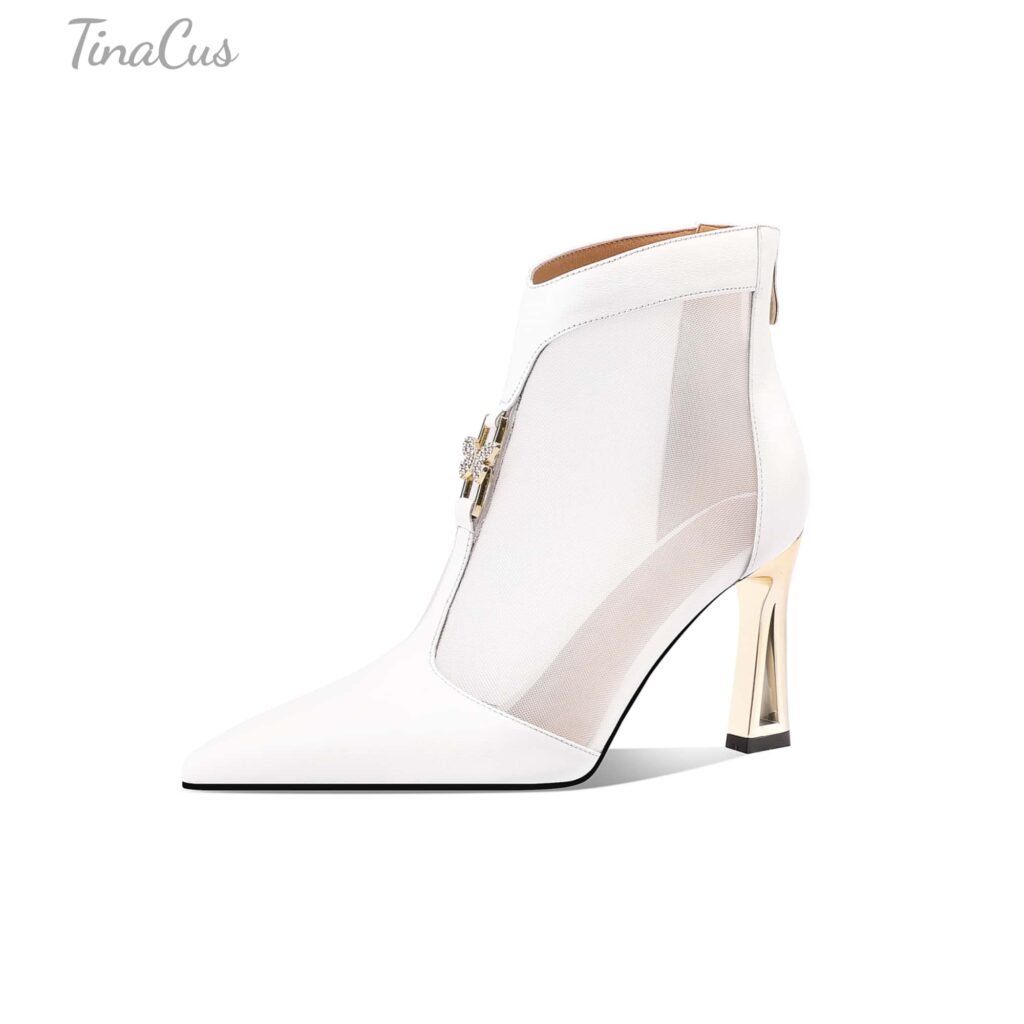
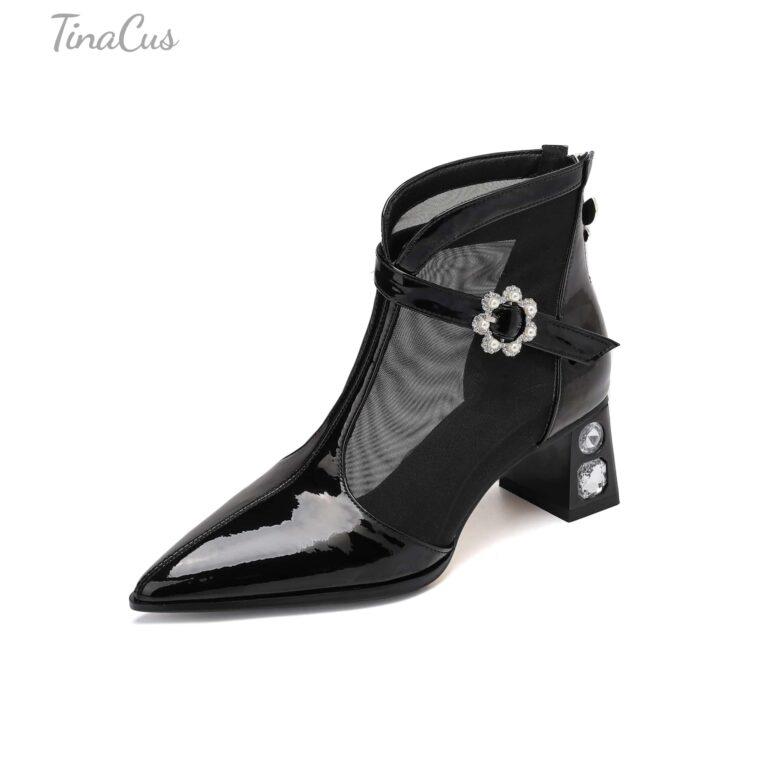 White BootsWhite Mesh Ankle Boots That Make Any Outfit
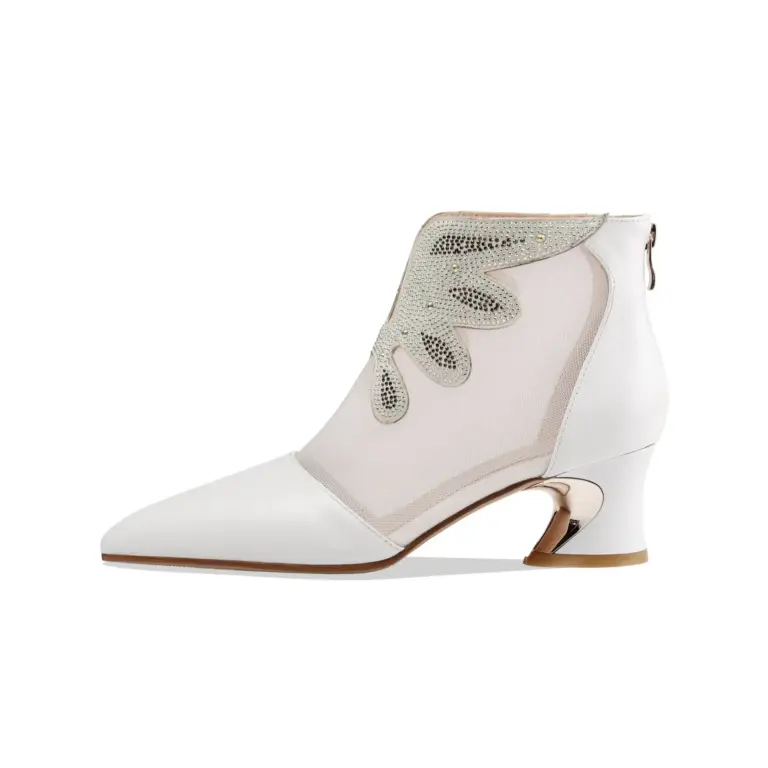
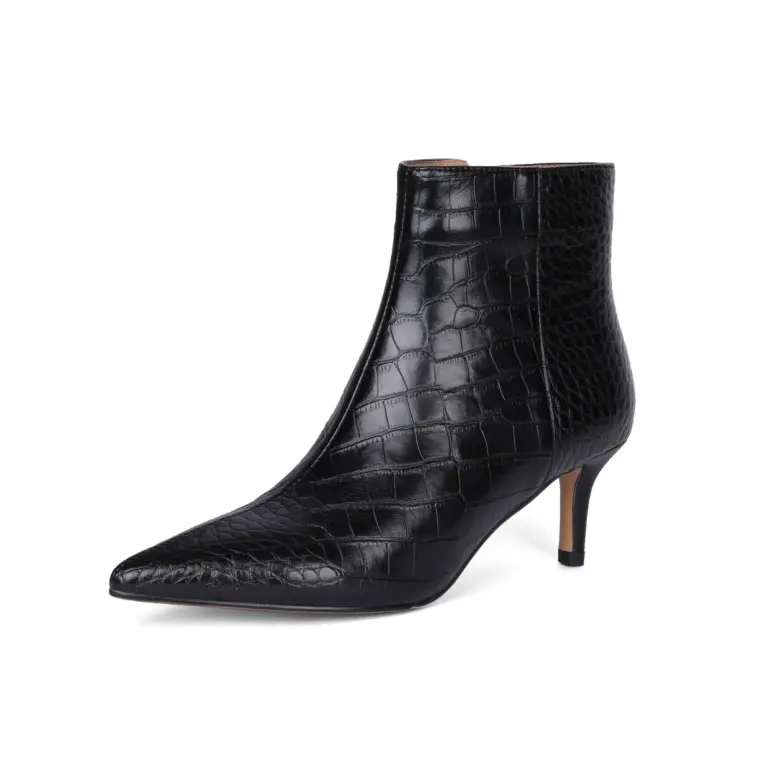 White BootsThe Best White Mid Heel Ankle Boots to Shop Now
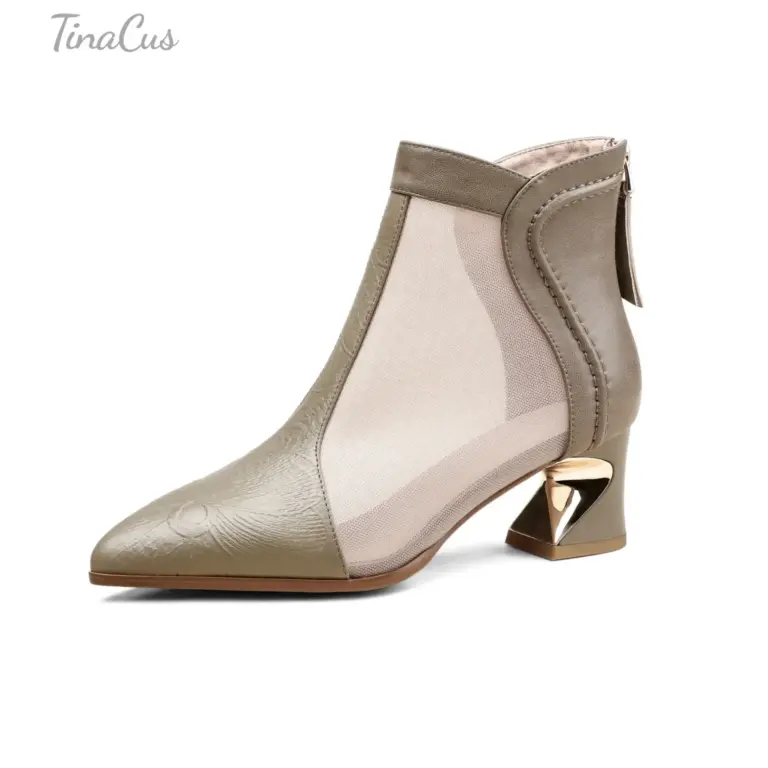
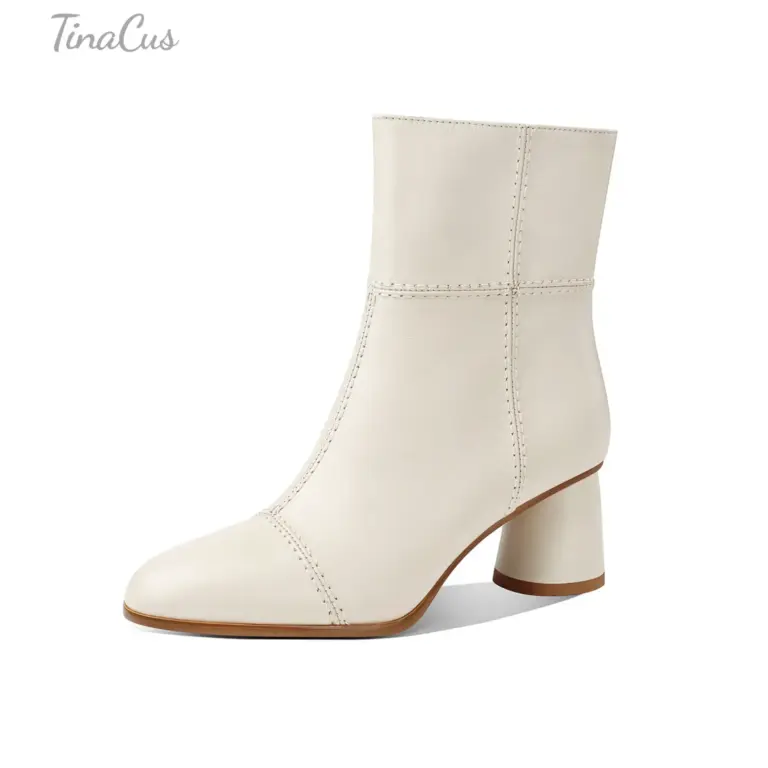 White BootsWhite Mid Heel Ankle Boots We Love Right Now
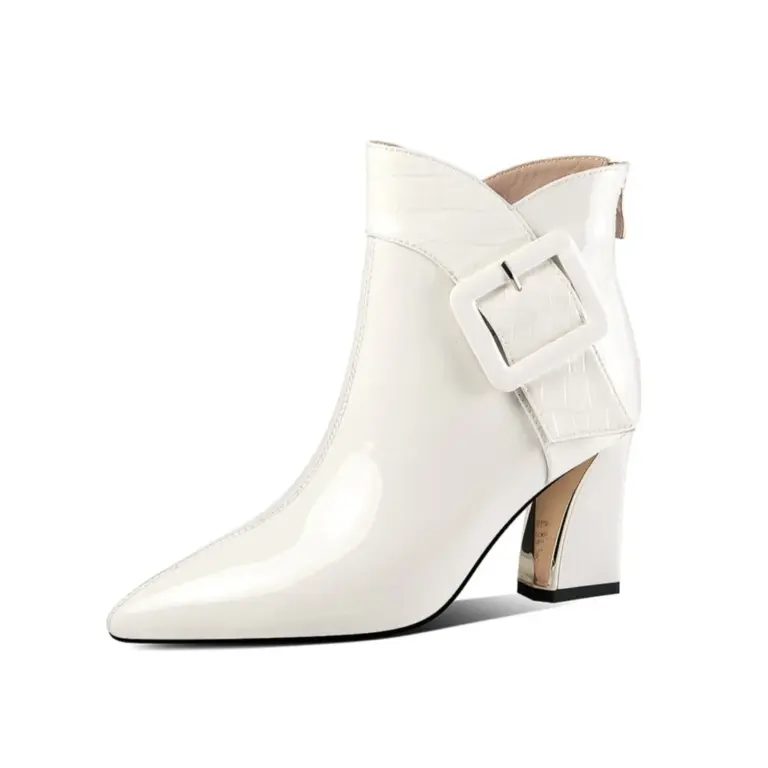
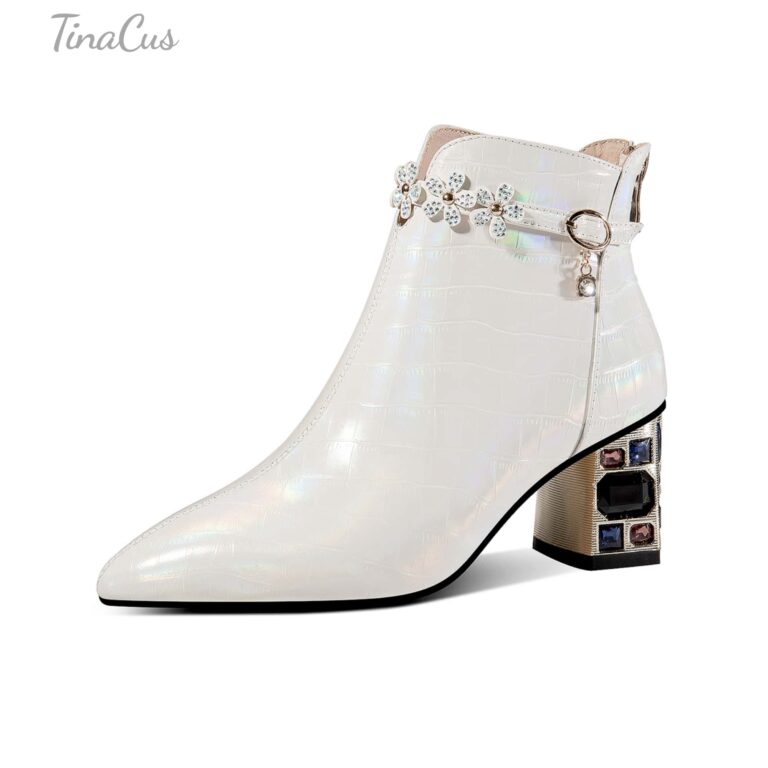 White BootsWhite Leather Ankle Boots Worth a Closer Look
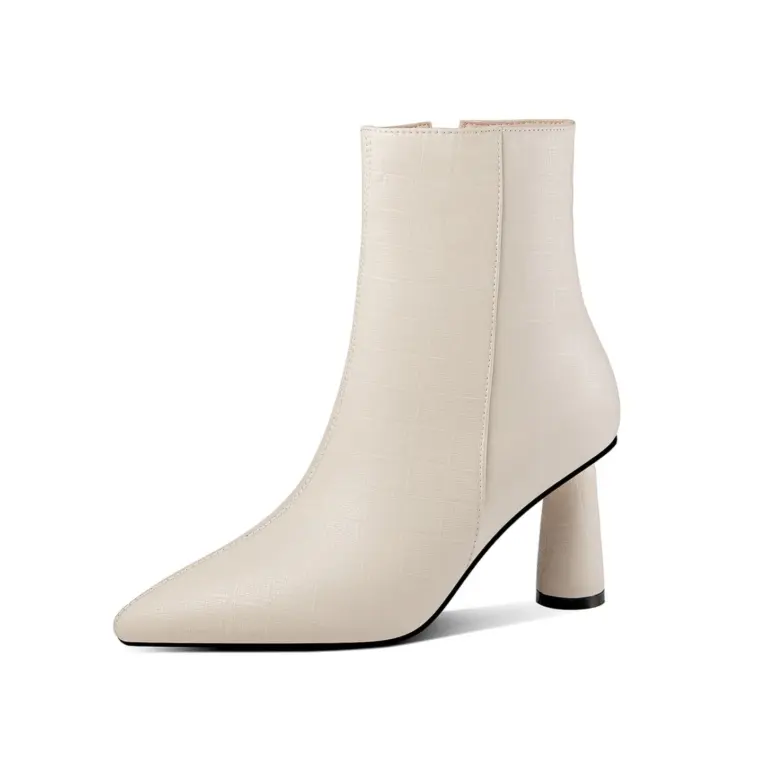
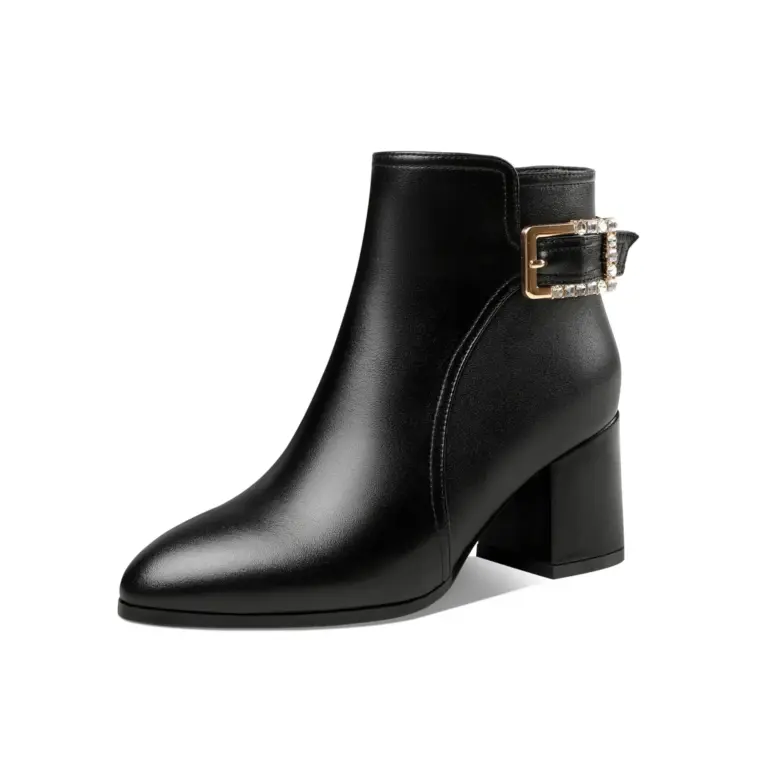 White BootsWhite Leather Ankle Boots That Go With Everything
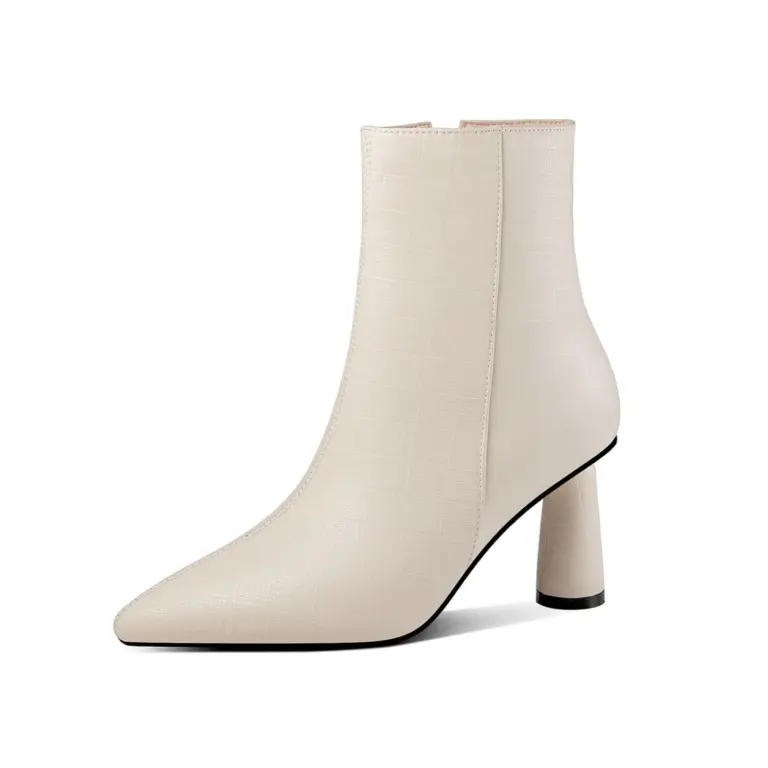
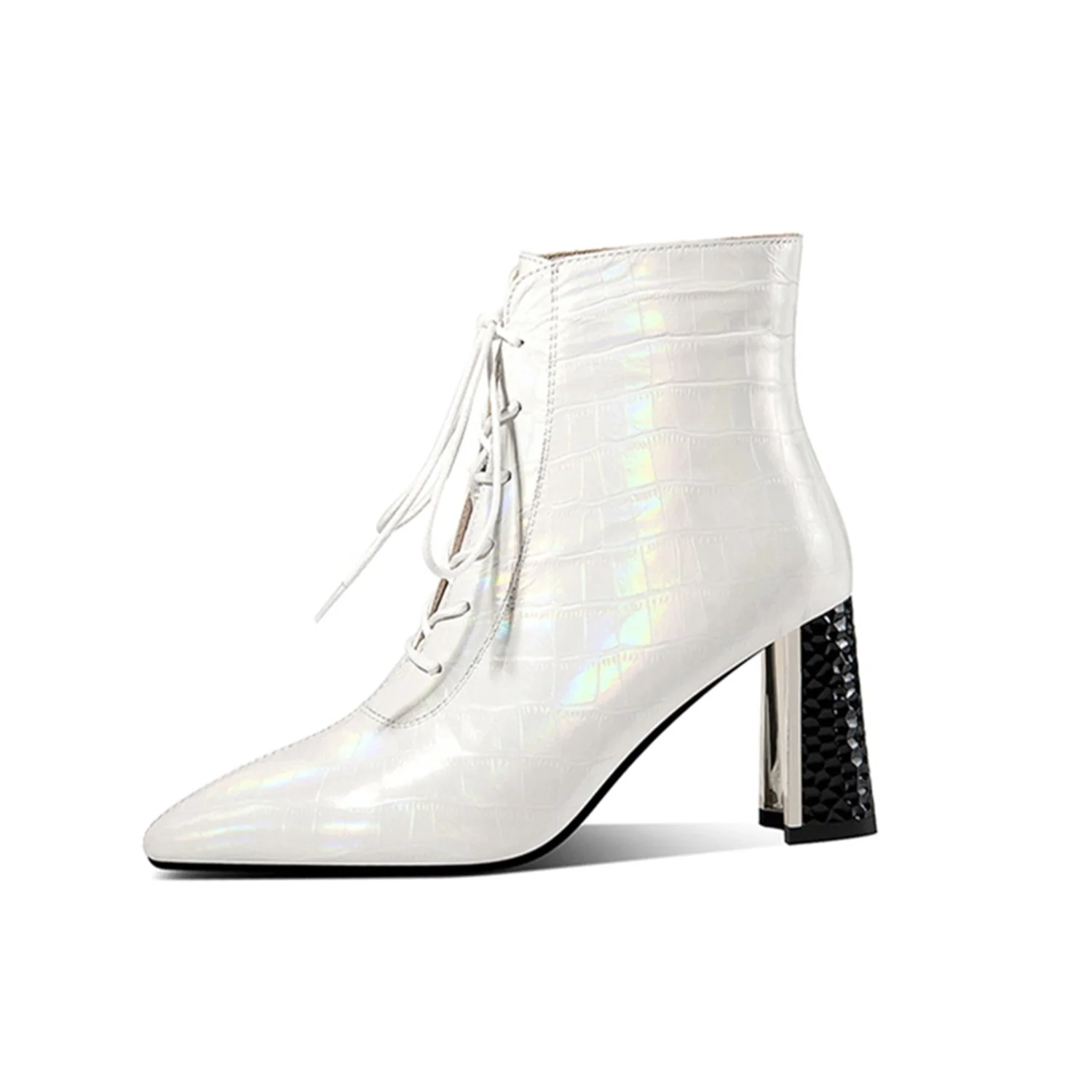
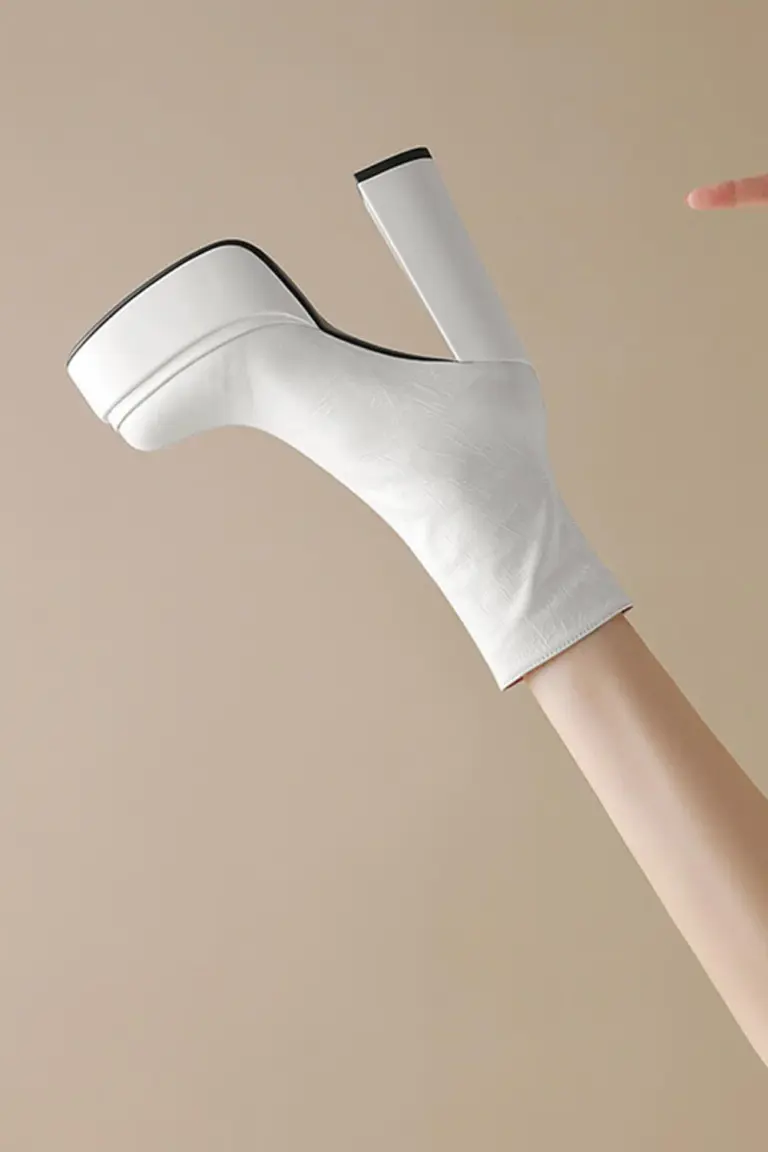
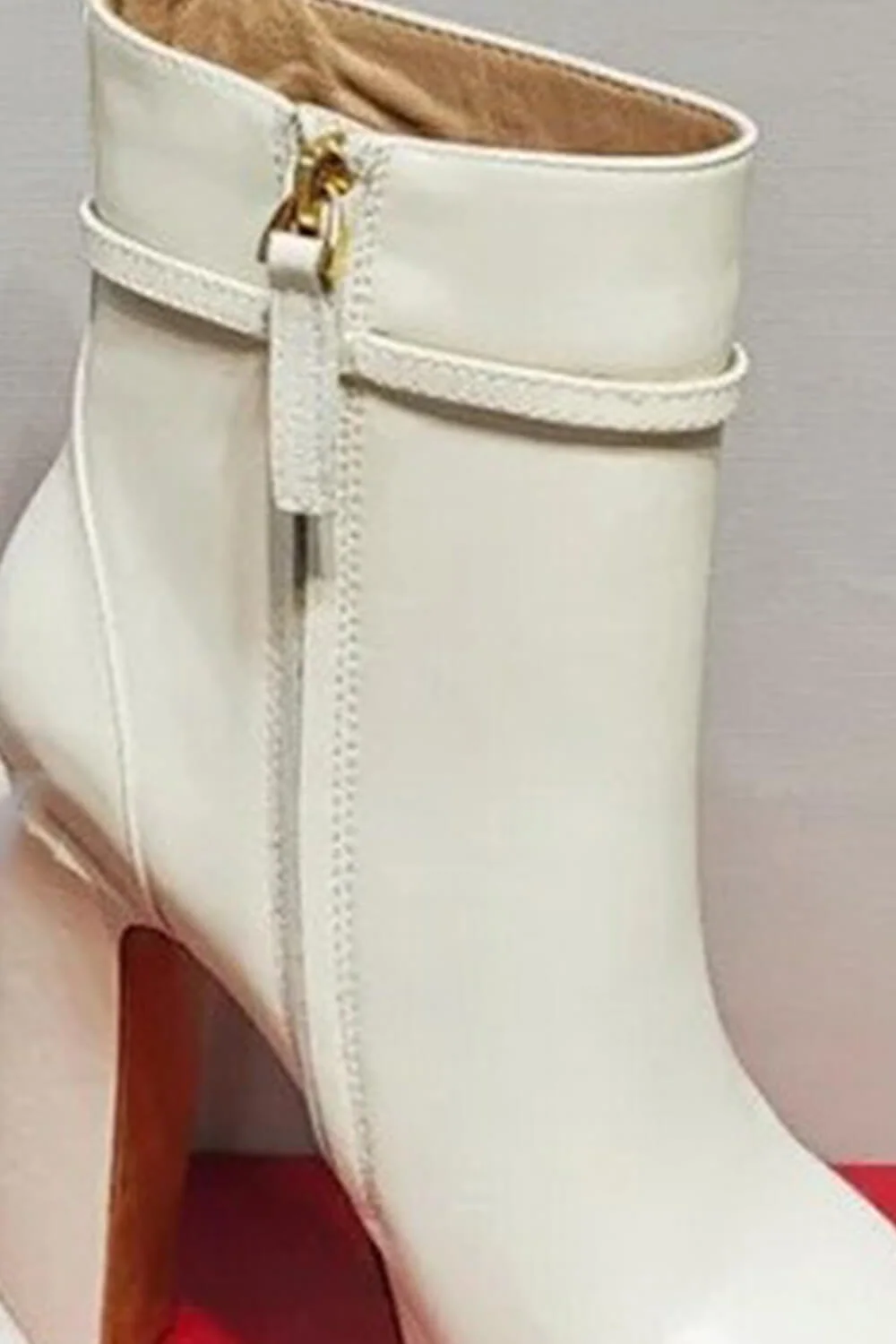 White BootsThe White High Ankle Boots Worth Your Wardrobe Space
 White BootsWhite High Ankle Boots: What We’d Buy NowAlso worth a lookBrown BootsA pair of brown boots is the thing you reach for when black feels too sharp and your…See the collections →
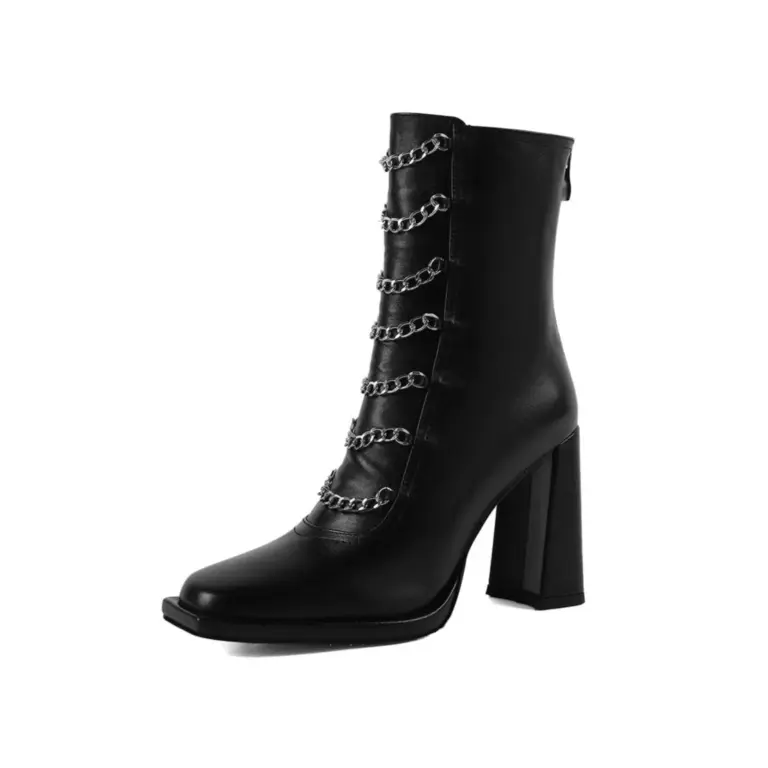
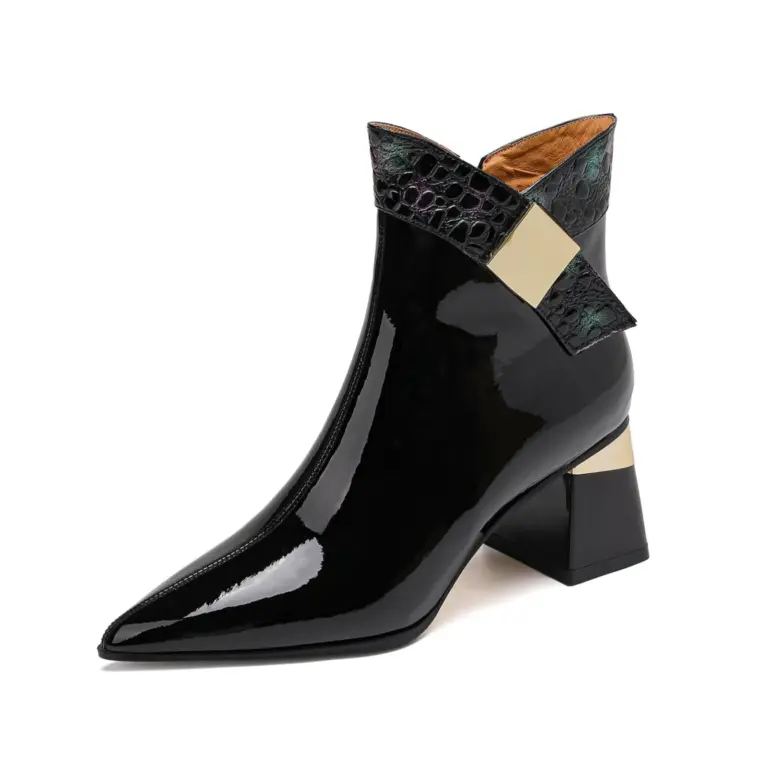 Comfort BootsWhite Comfort Ankle Boots That Earn Their Place
 Comfort BootsWhite Comfort Ankle Boots We Rate
 White BootsThe White Chunky Ankle Boots Your Shoe Rack Needs
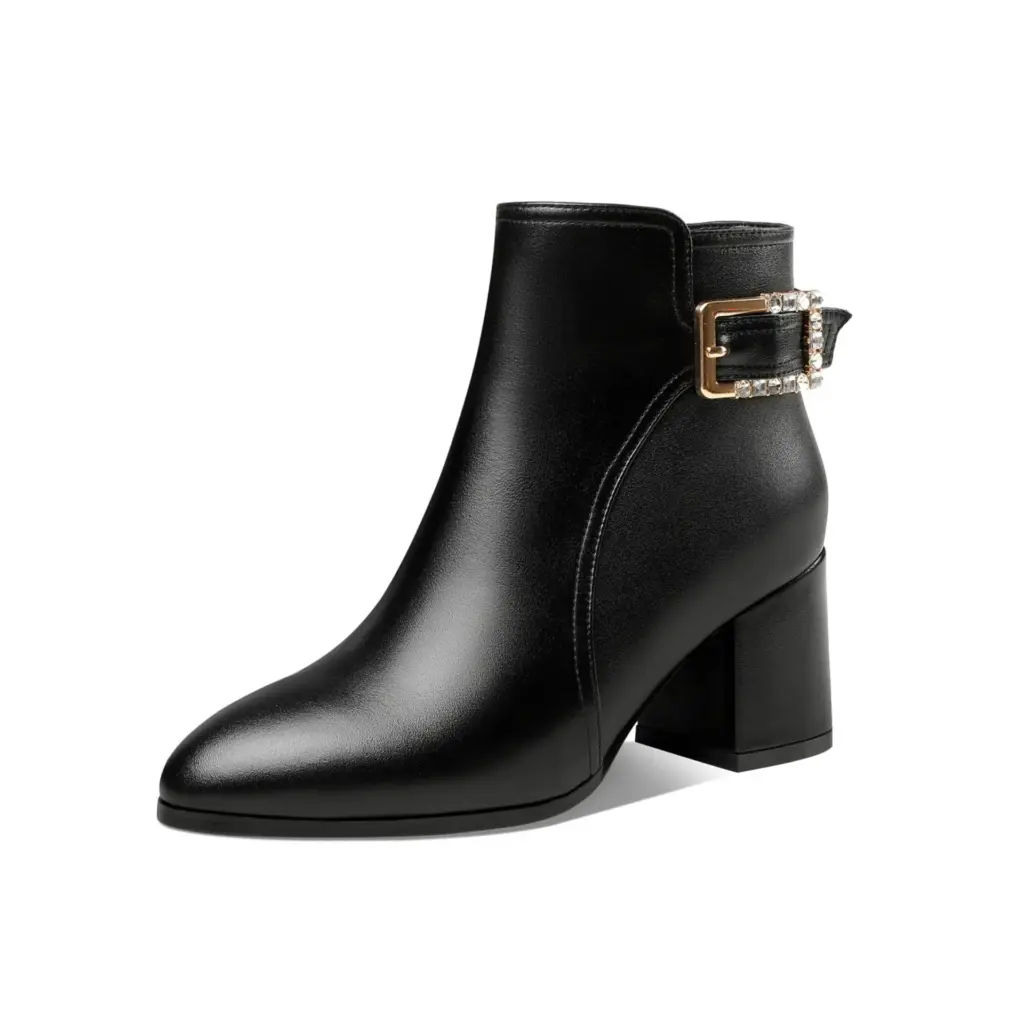
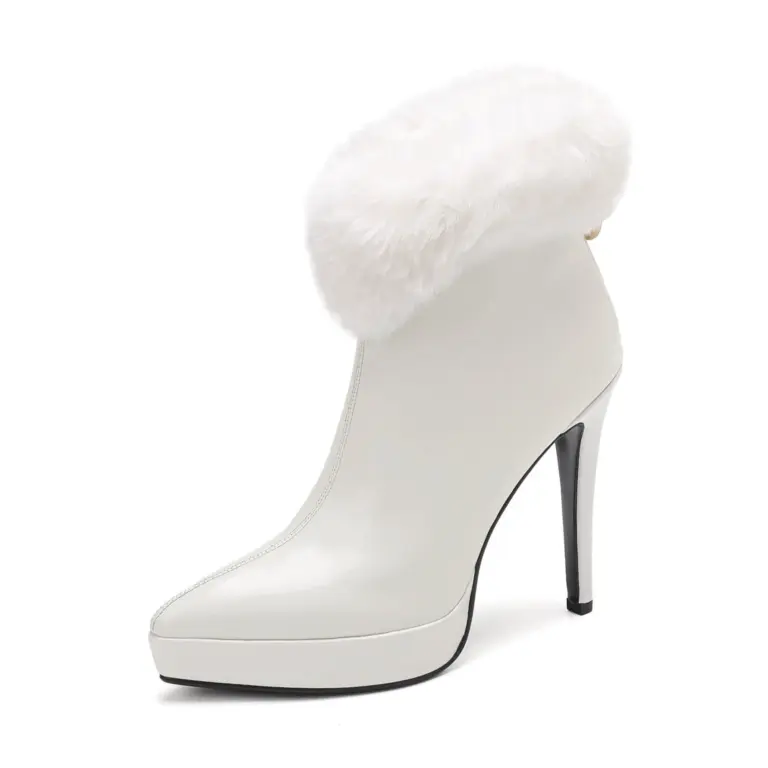 White BootsWhite Ankle Boots on Our Radar
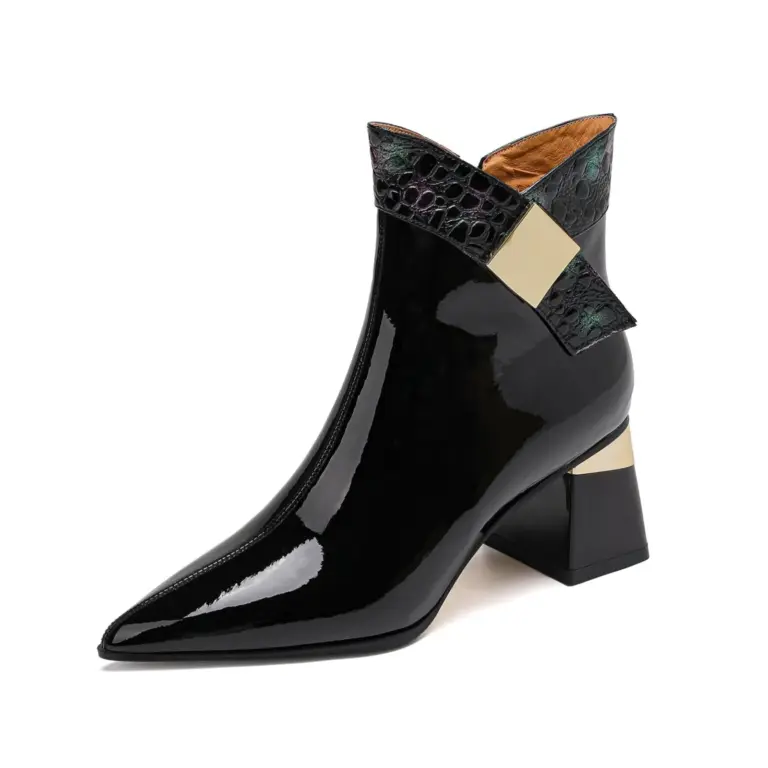
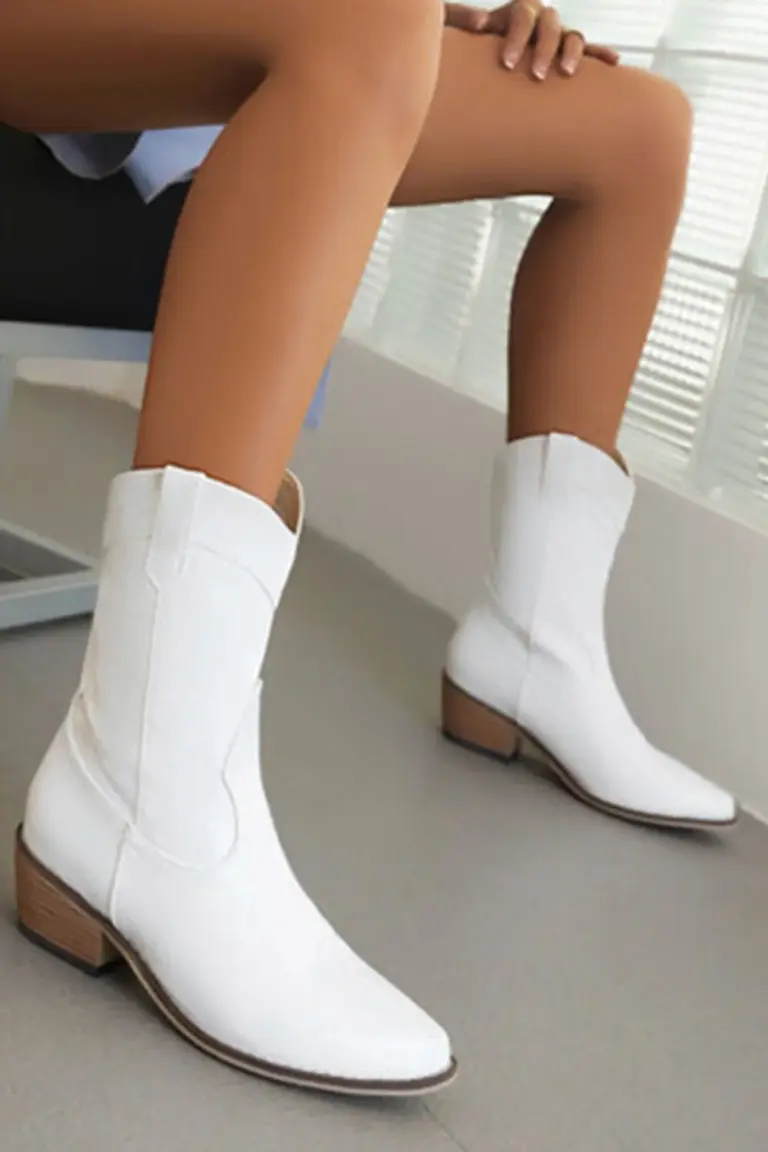 White BootsWhite Ankle Boots We’d Pull On Every Day
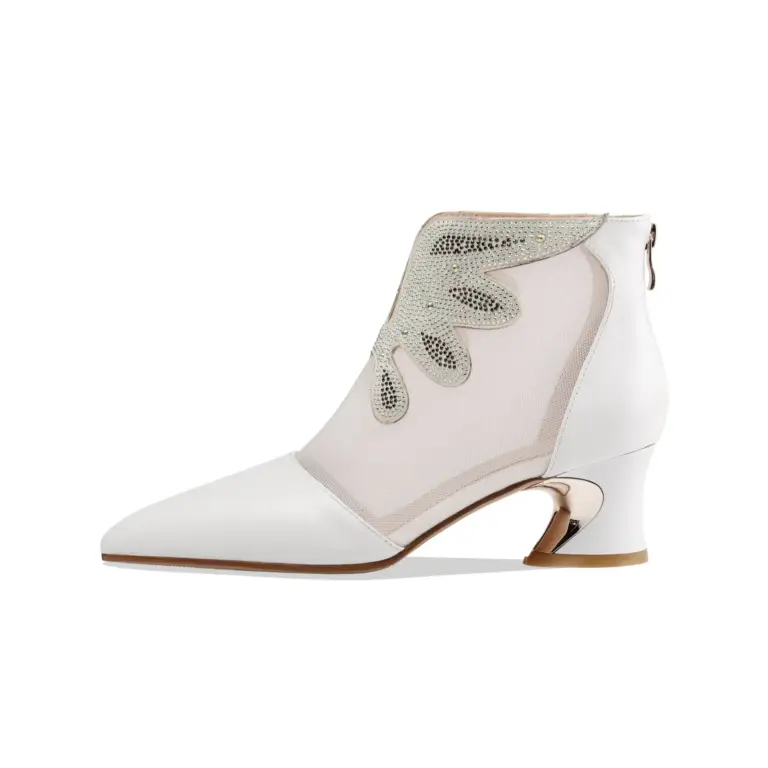
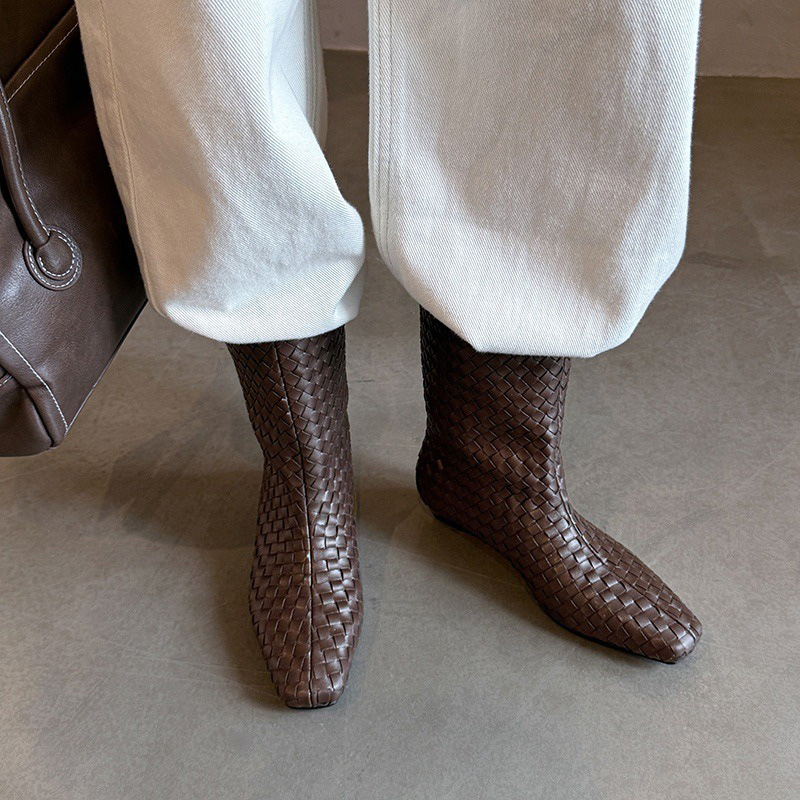 A Closer Look at the Best Wedge Ankle Boots
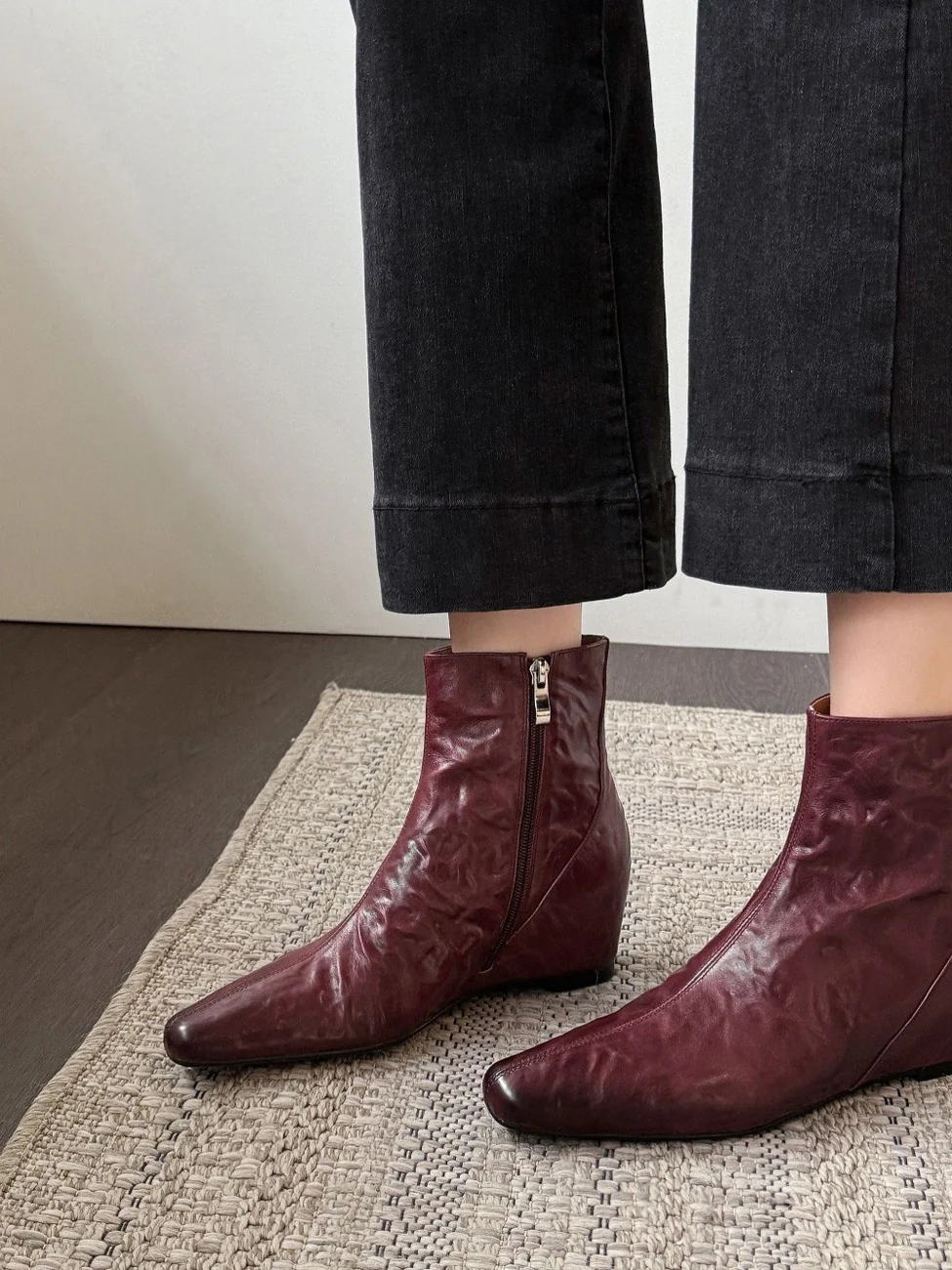
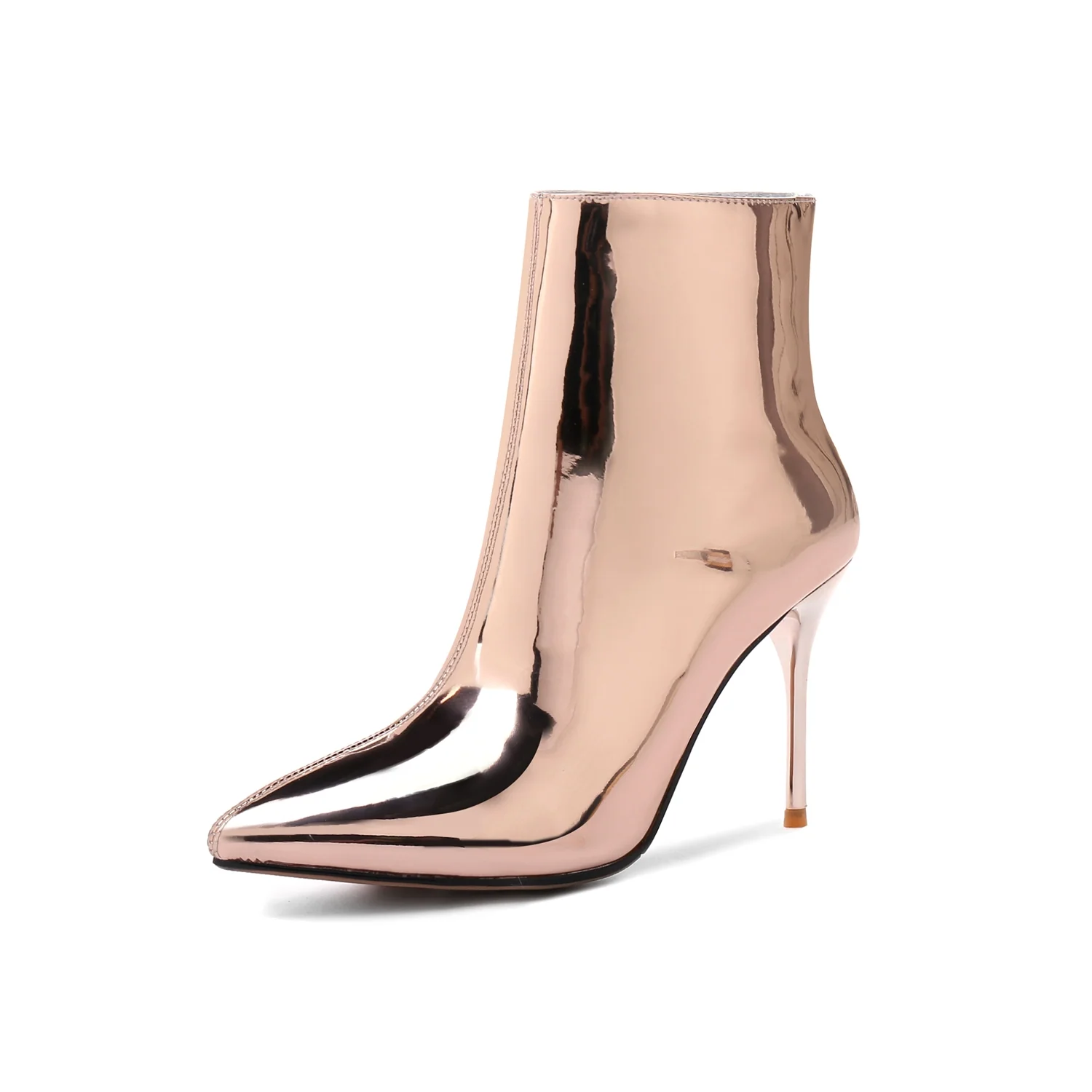 Walking BootsWalking Ankle Boots That Go With Everything
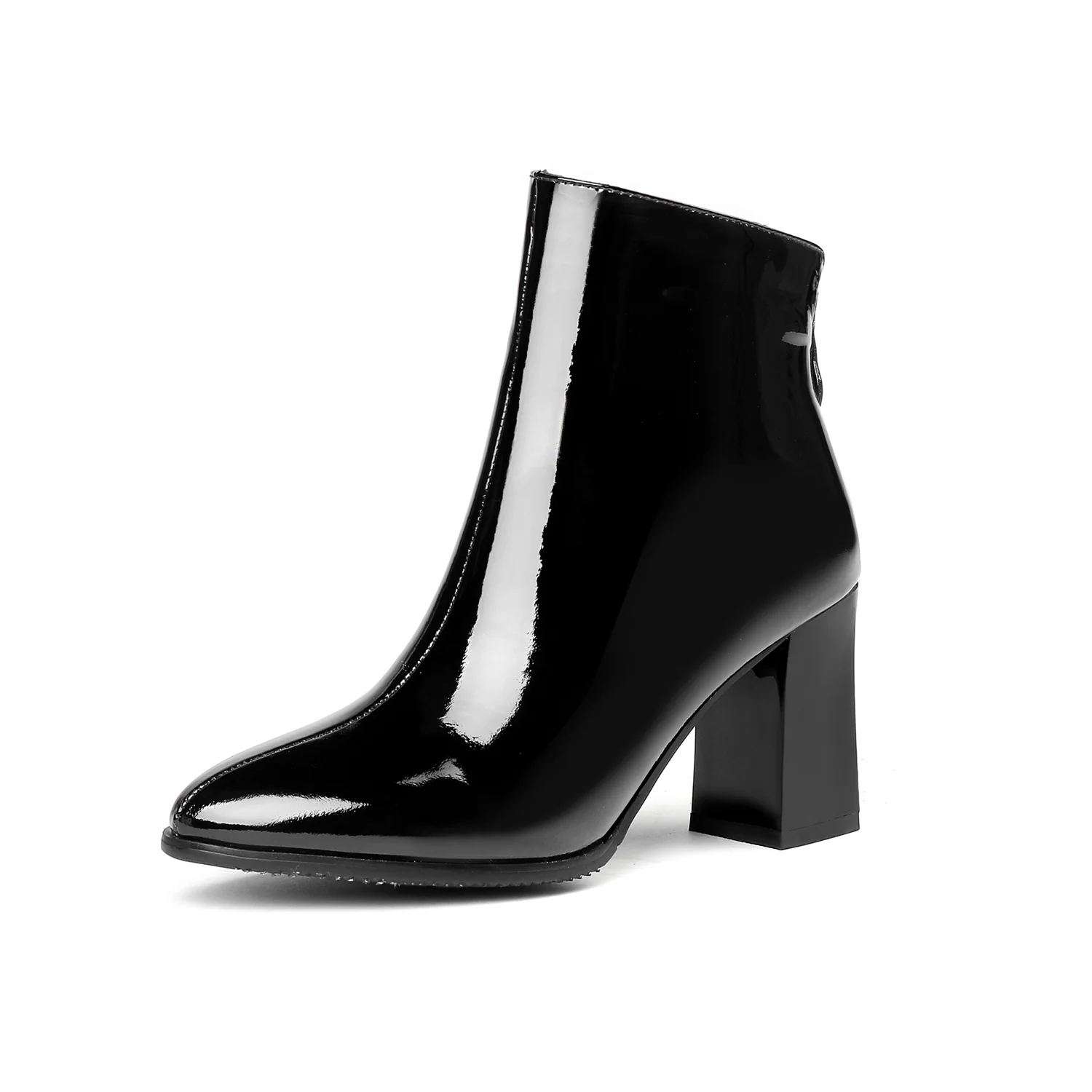
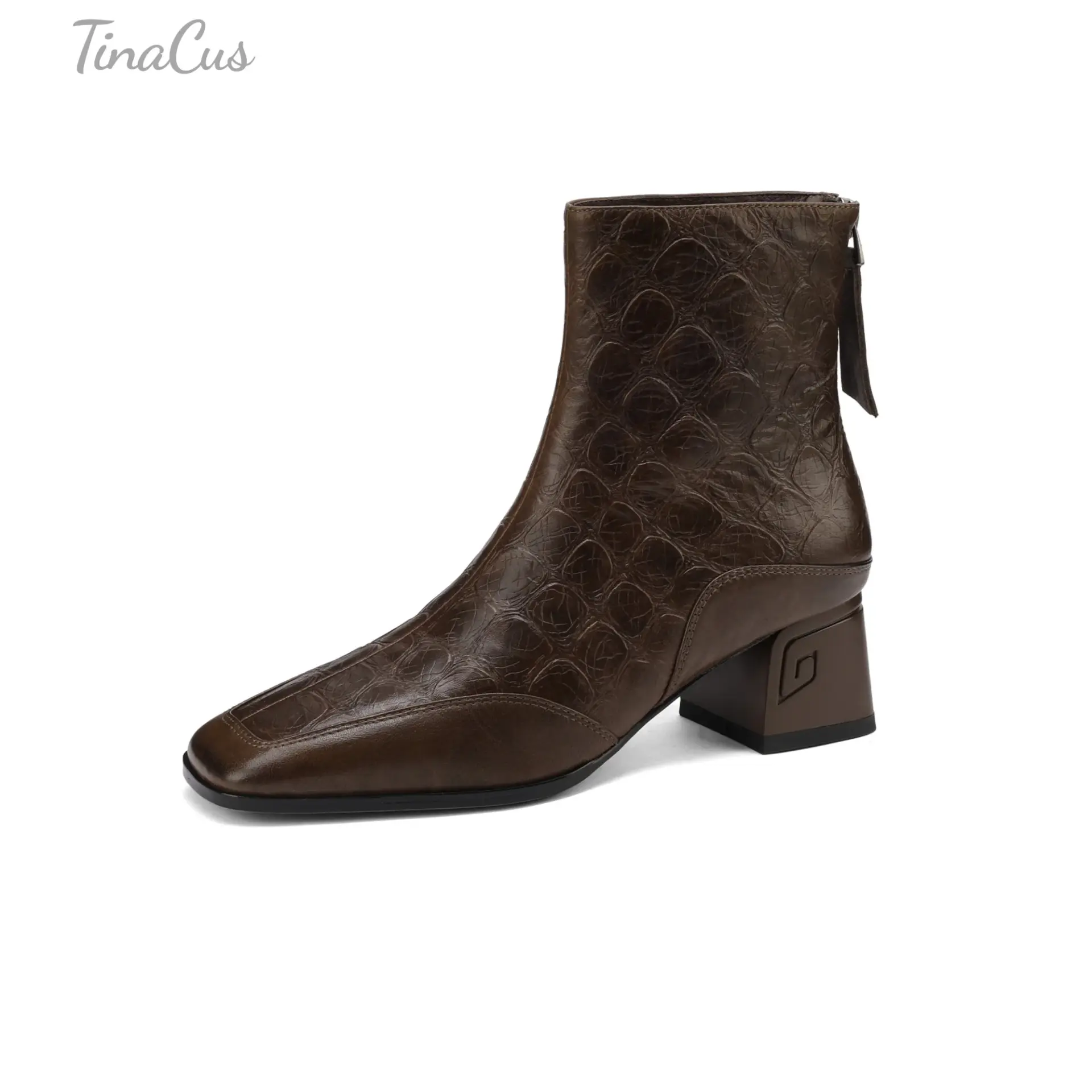 Walking BootsThe Prettiest Walking Ankle Boots Around Right Now
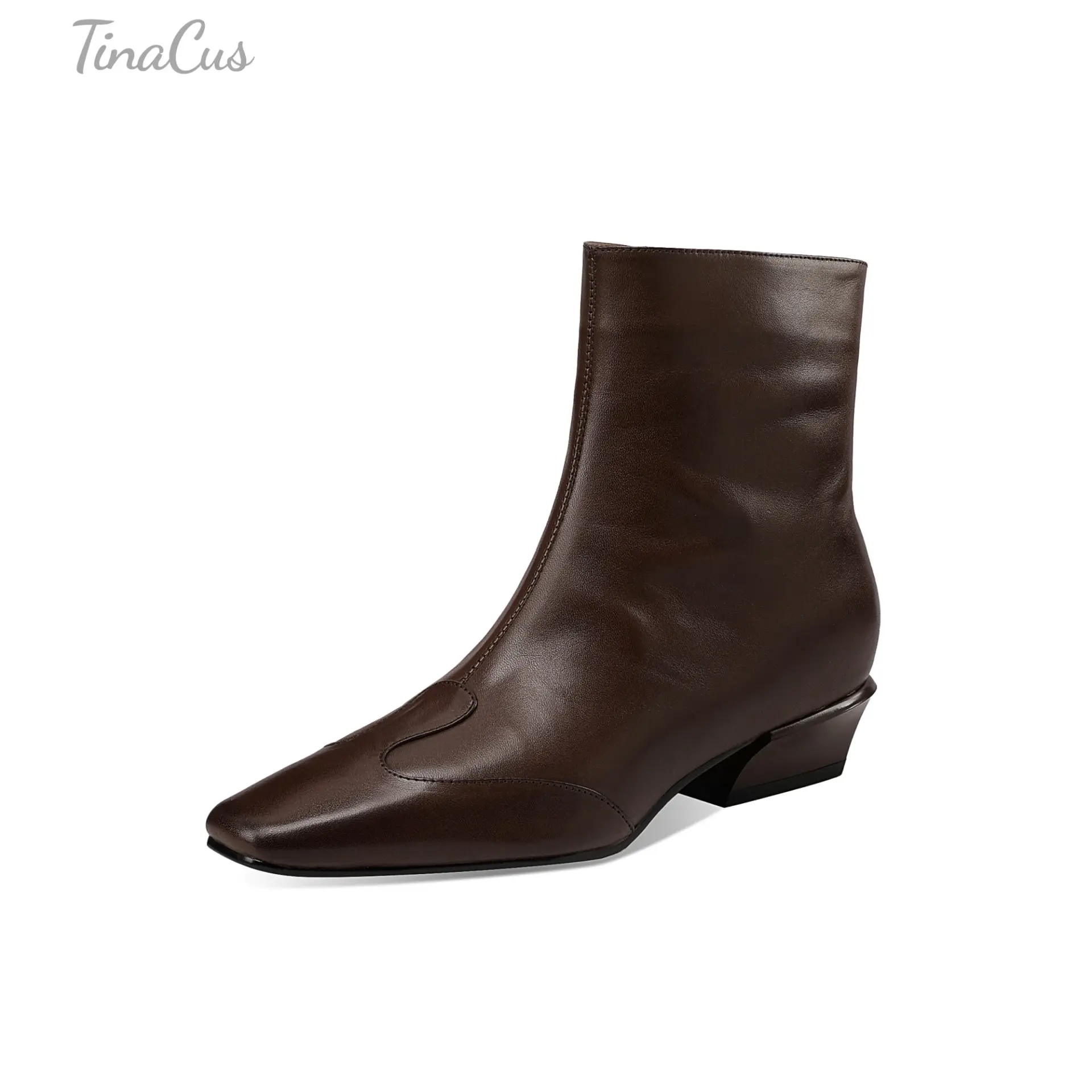
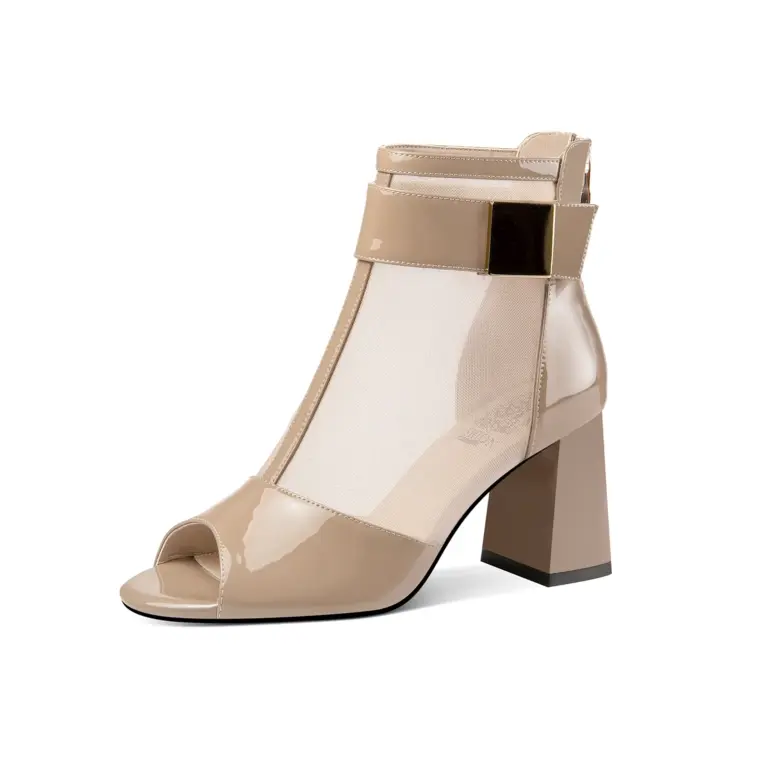 Summer Ankle Boots You’ll Wear All SeasonAlso worth a lookLace Up BootsLace up boots have a reputation for being the boot you buy when you want to look like you mean business, and most of the time that reputation holds.See the collections →
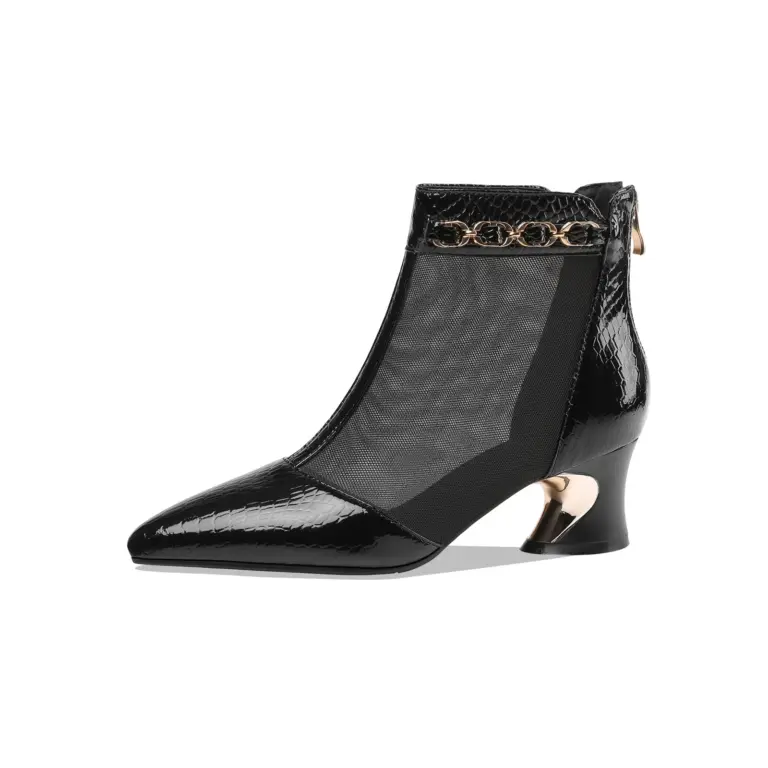
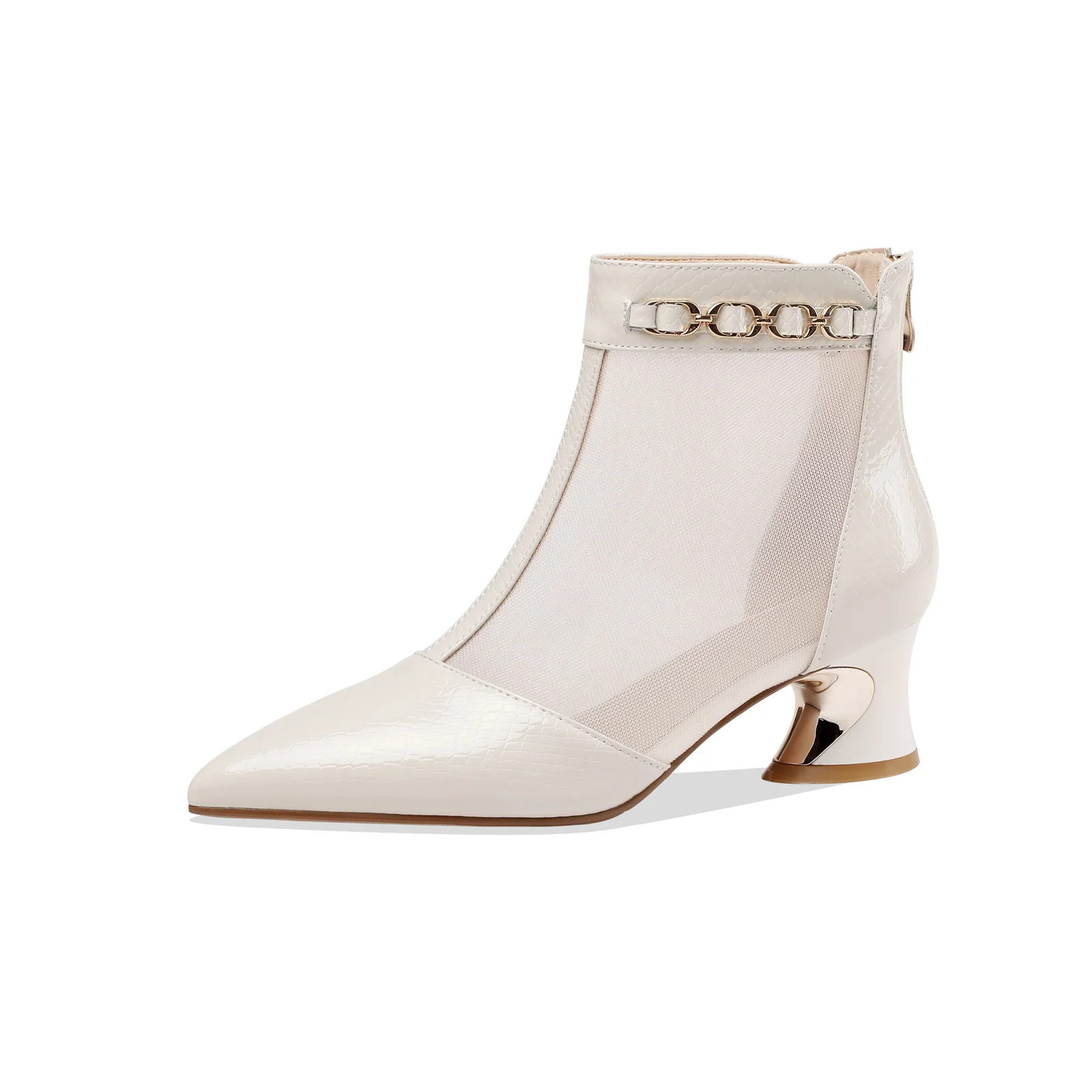 Summer Ankle Boots We’d Pull On Every Day
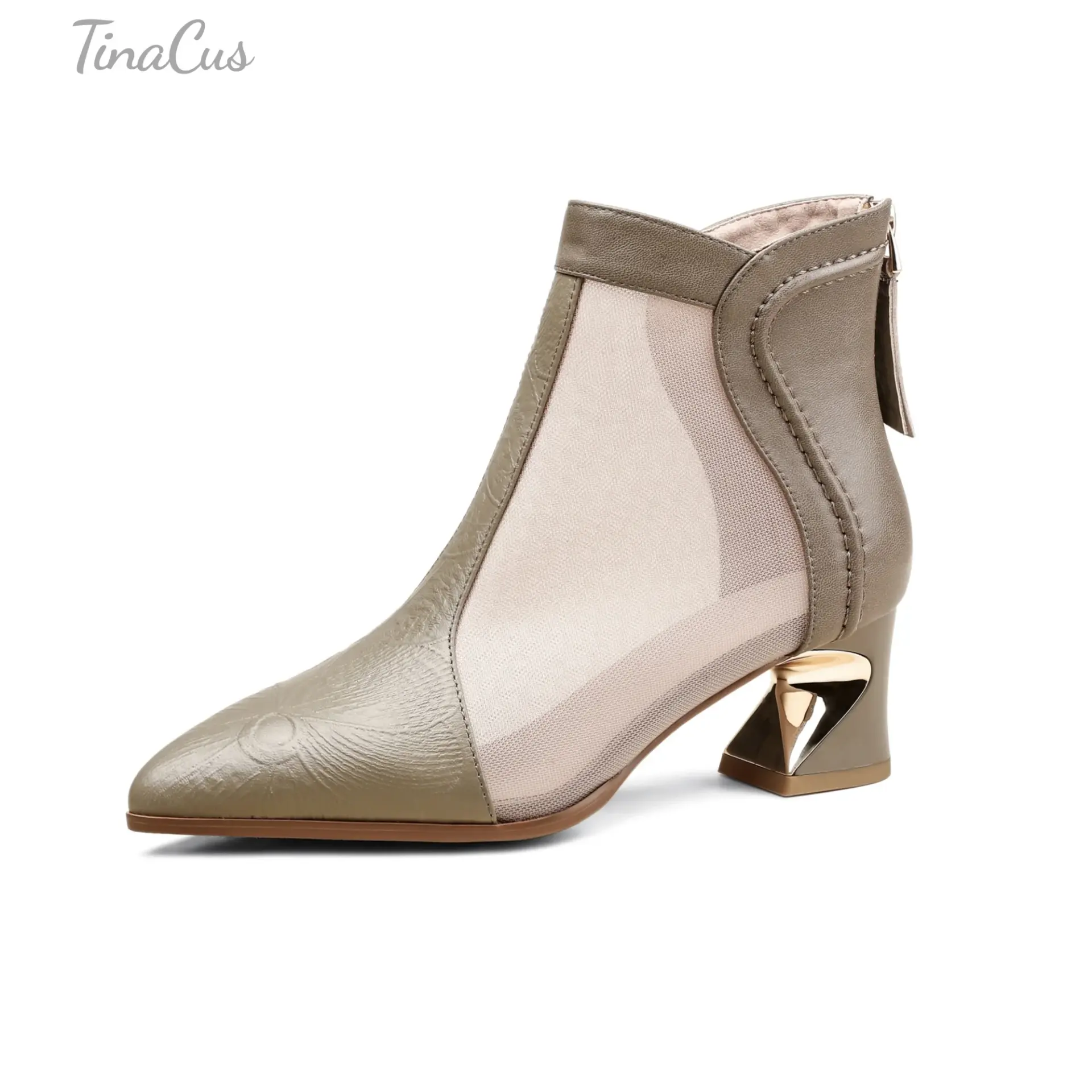
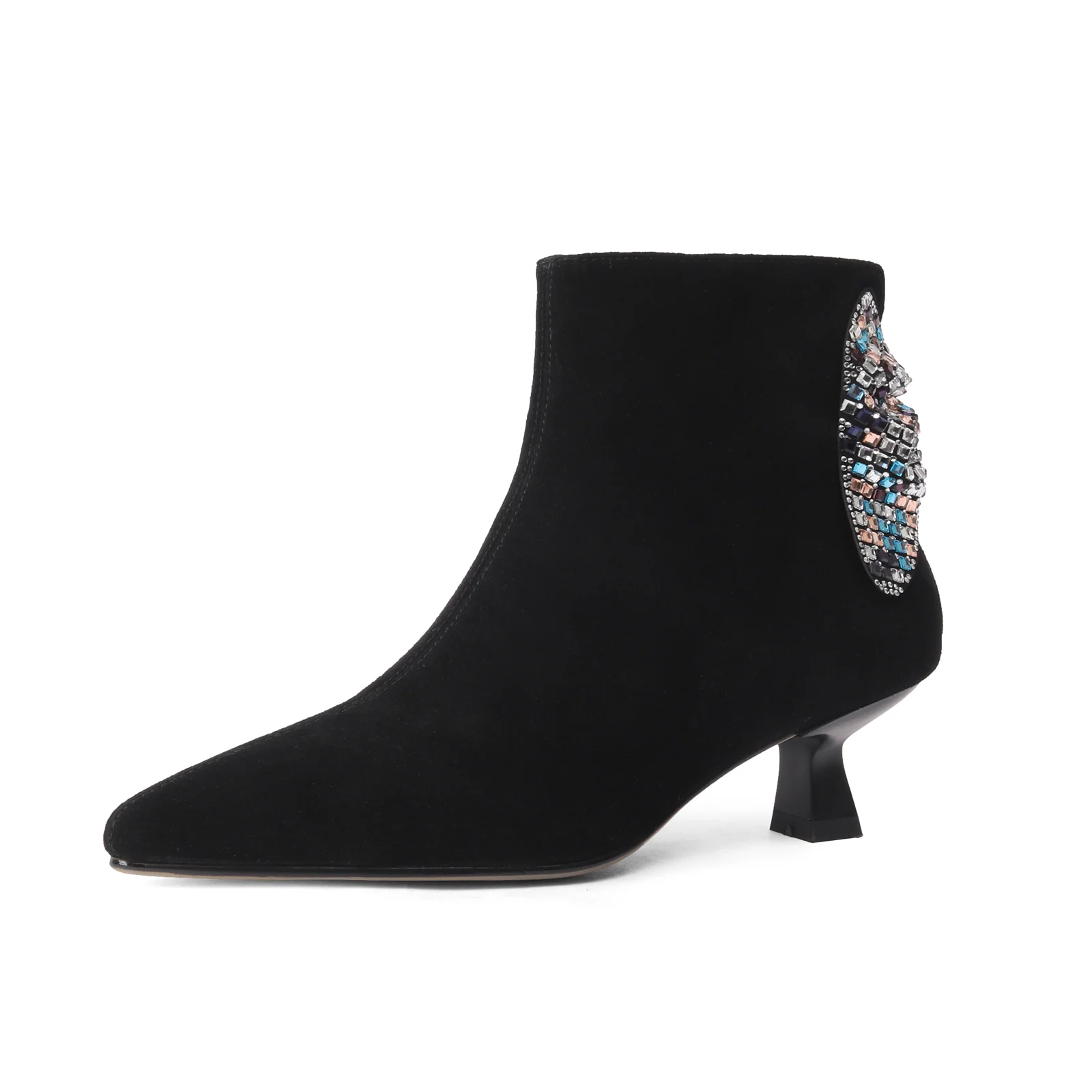 Suede BootsSuede Ankle Boots: The Ones Worth Your Money
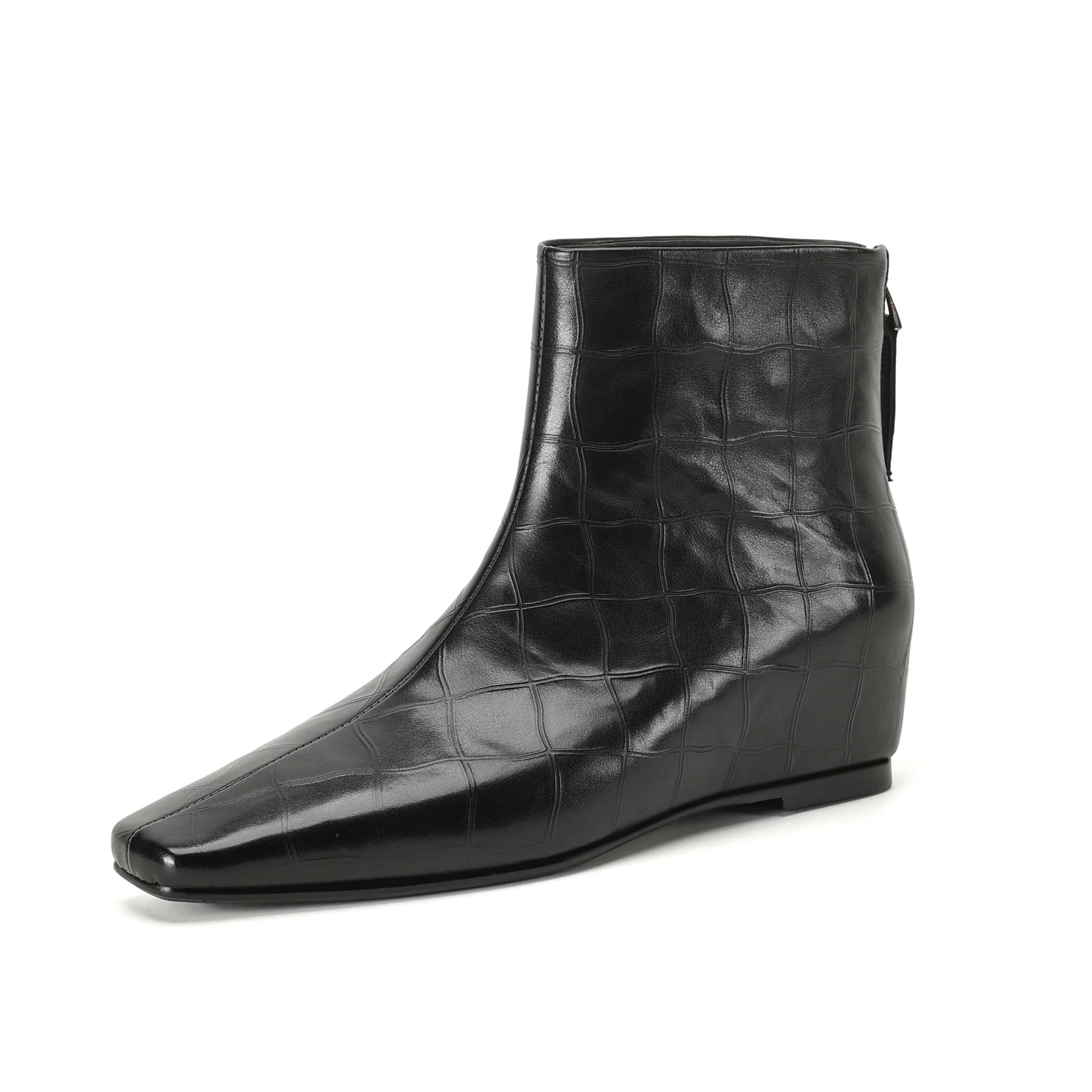
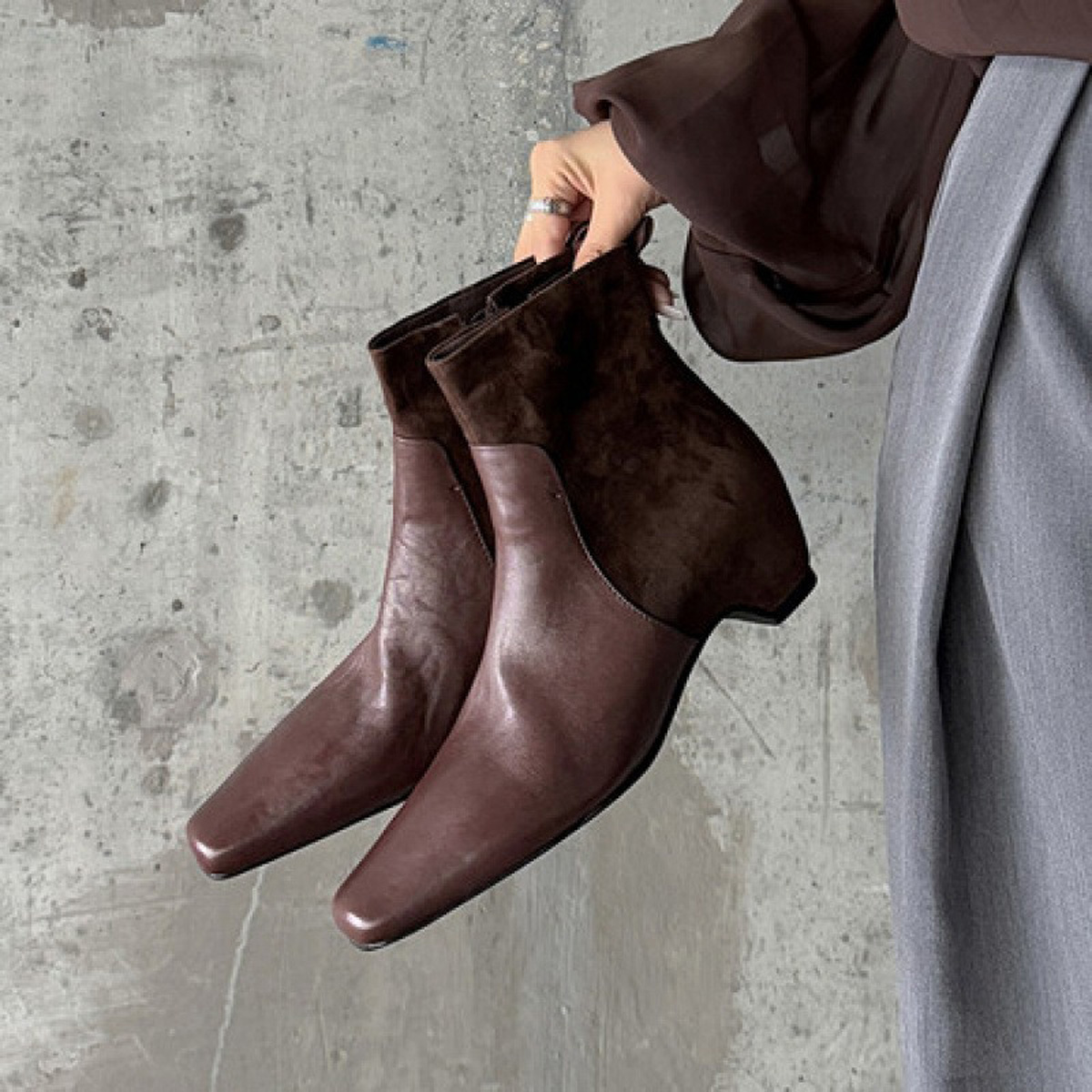 Suede BootsSuede Ankle Boots: Our Honest Shortlist
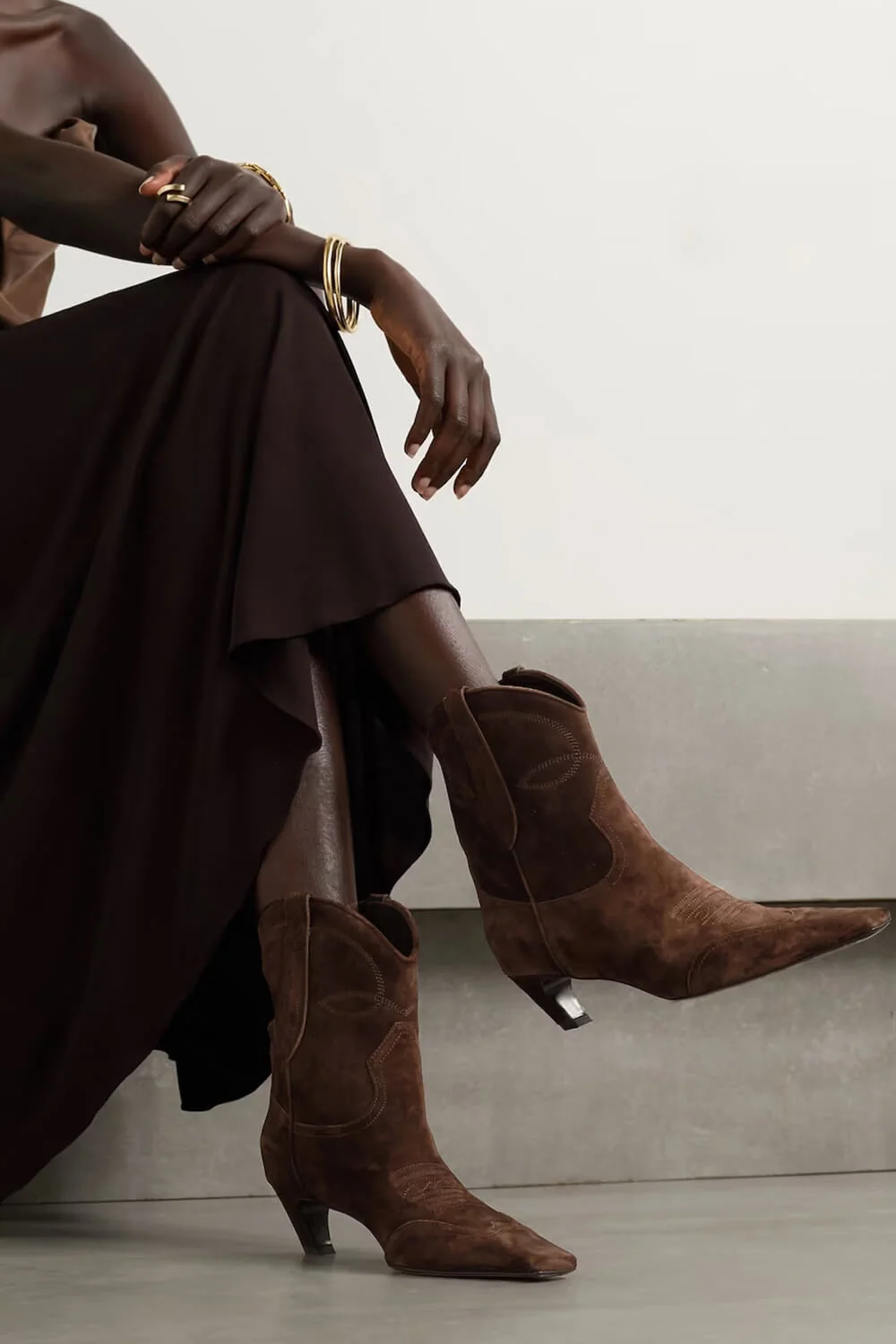
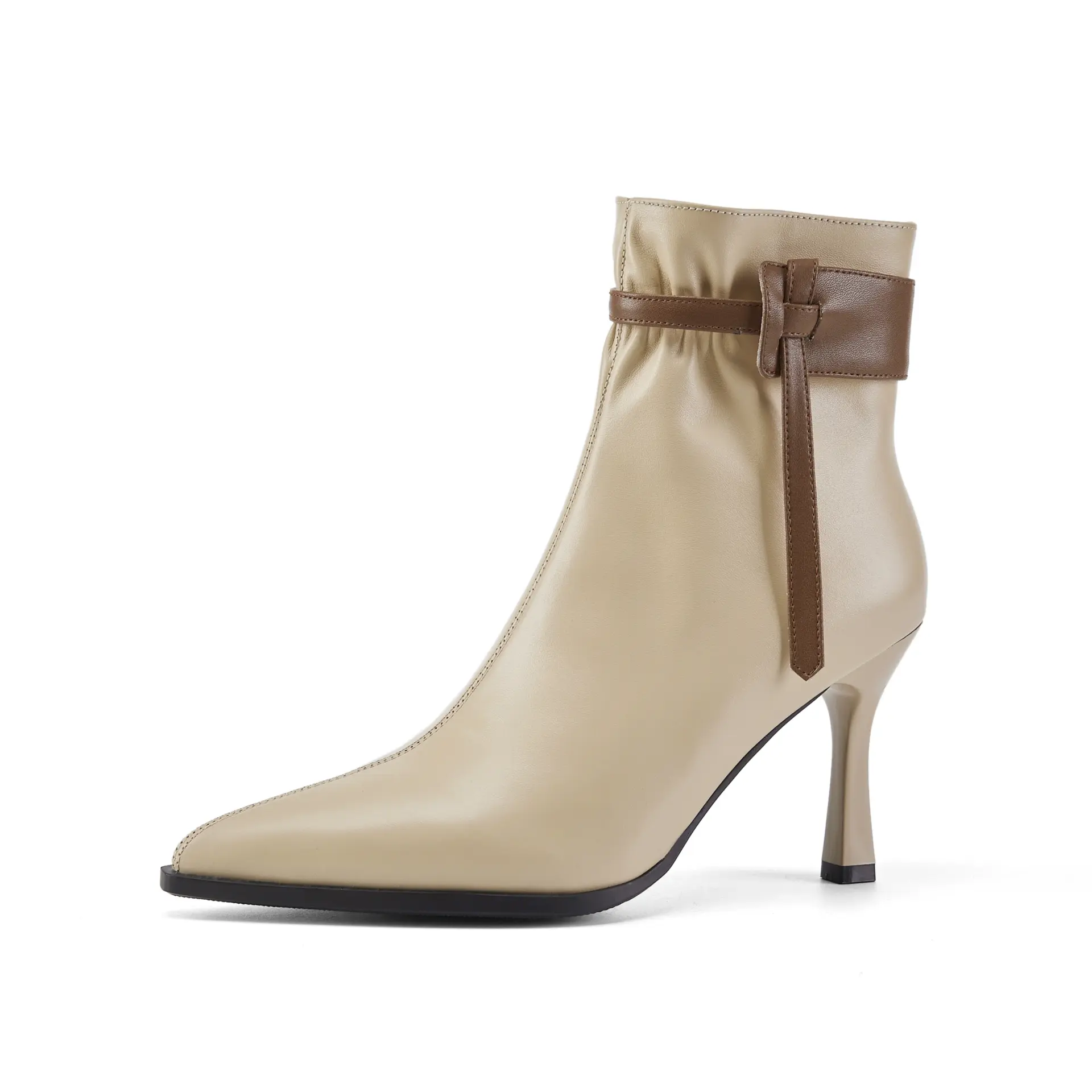 Stiletto Ankle Boots That Have Caught Our Eye
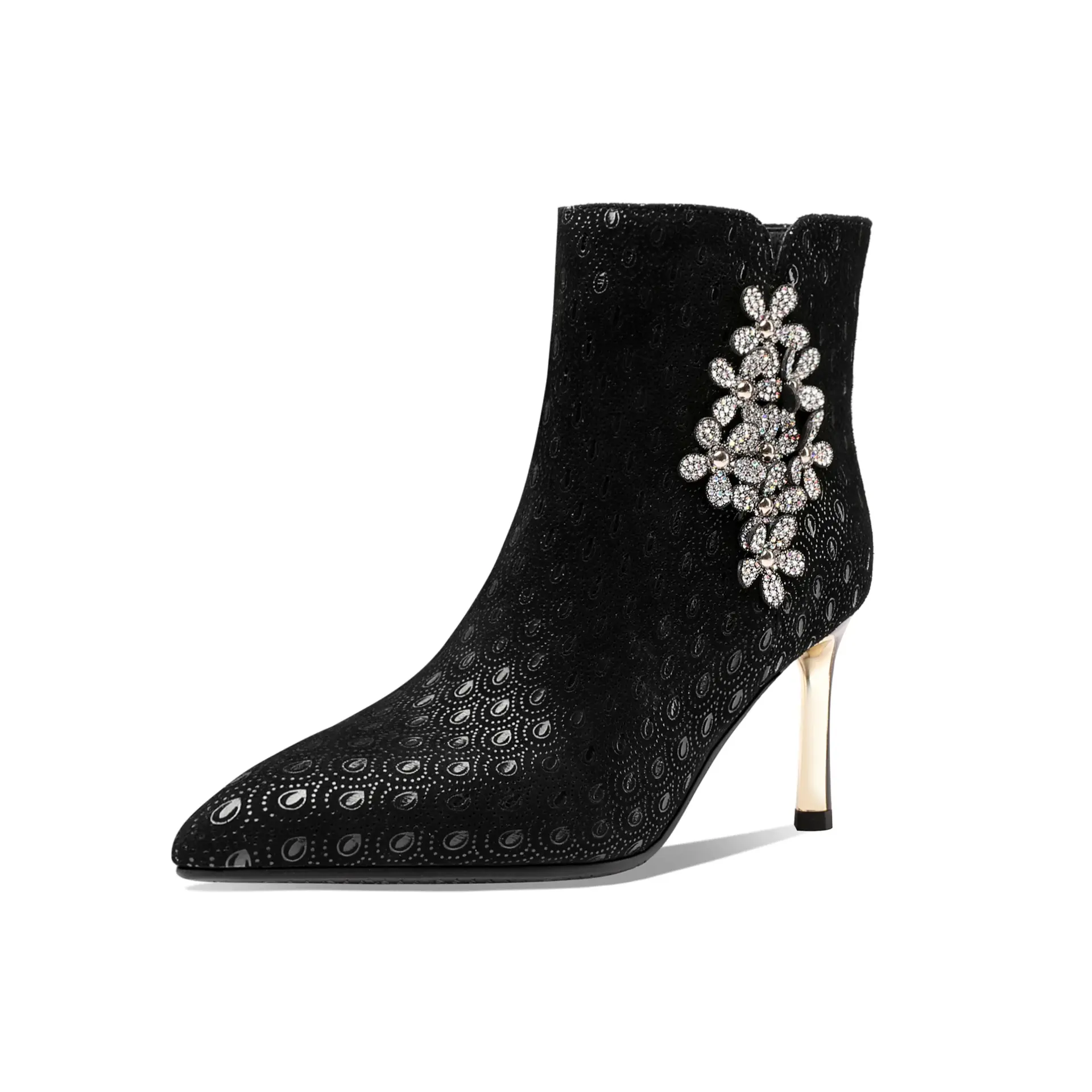
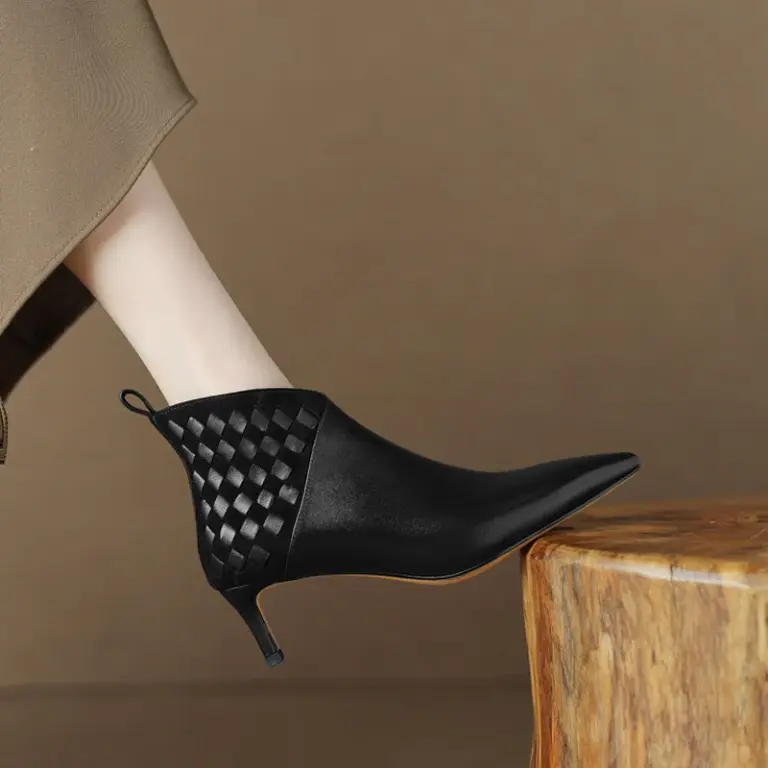 Our Go To Stiletto Ankle Boots
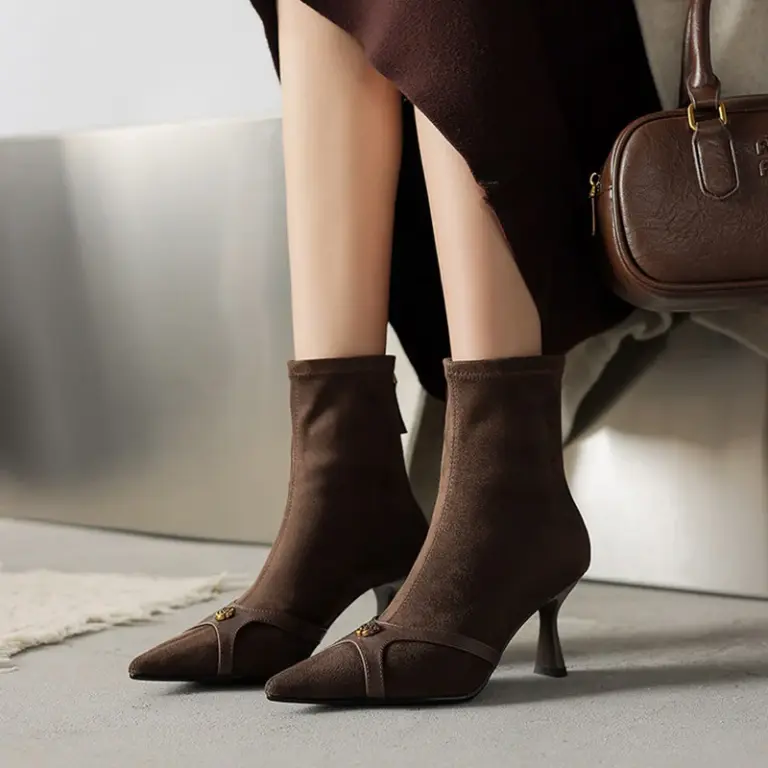
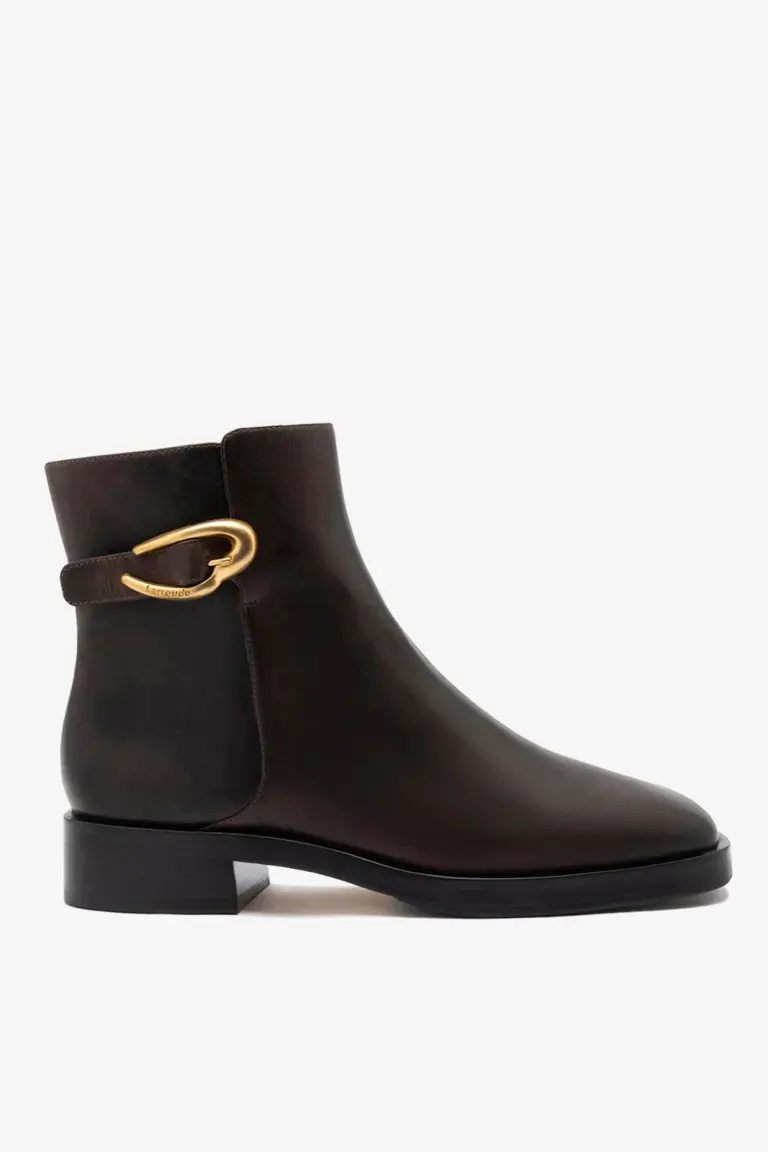 Square Toe Ankle Boots: Our Honest Shortlist
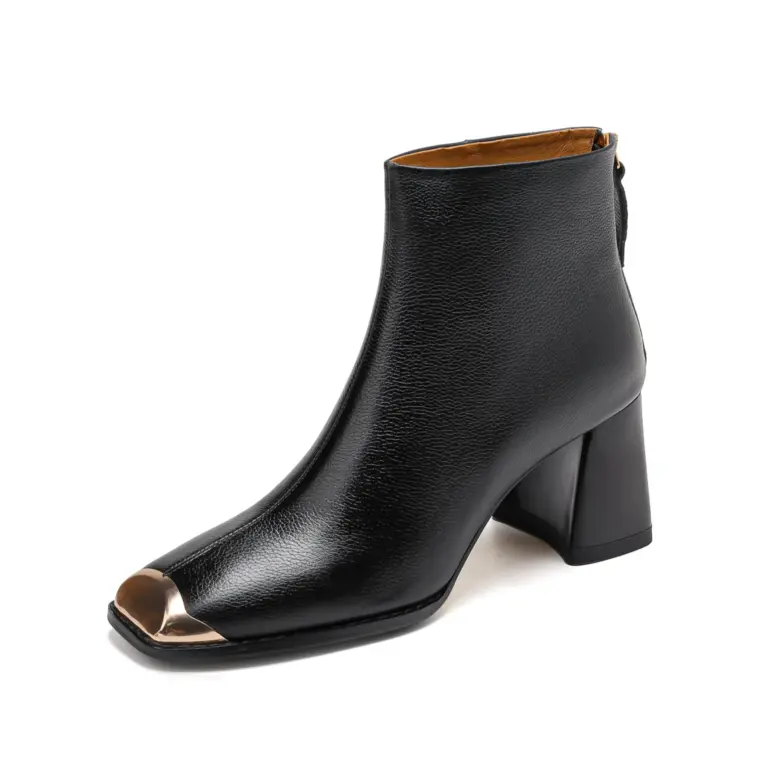
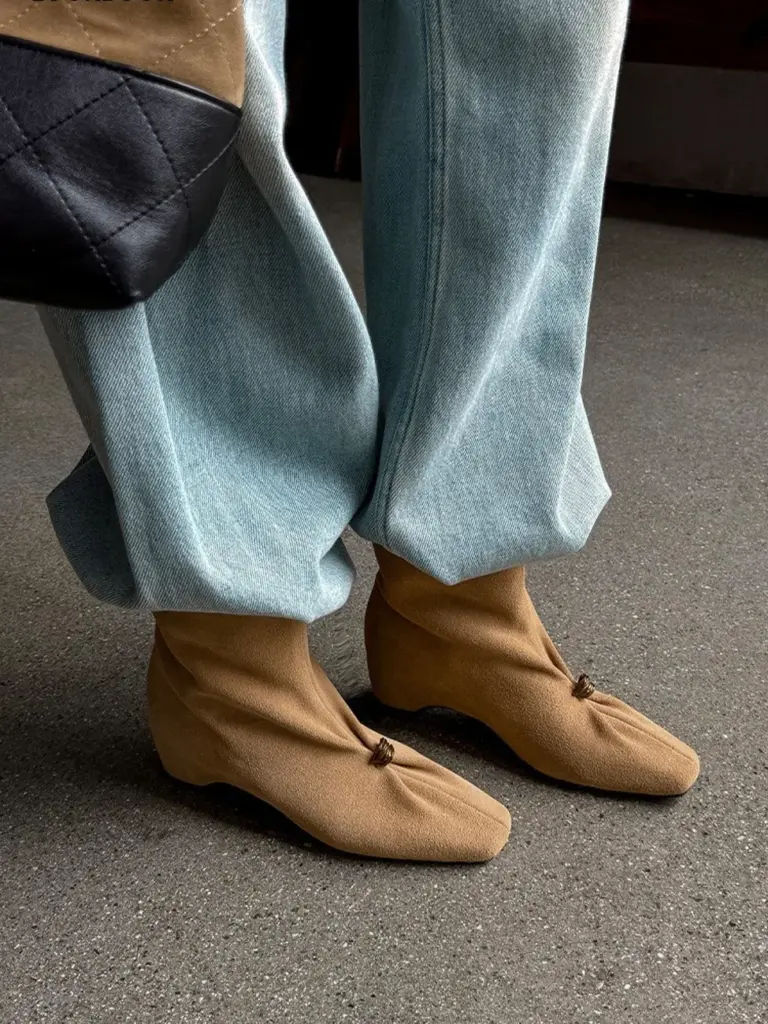 The Square Toe Ankle Boots Your Shoe Rack Needs
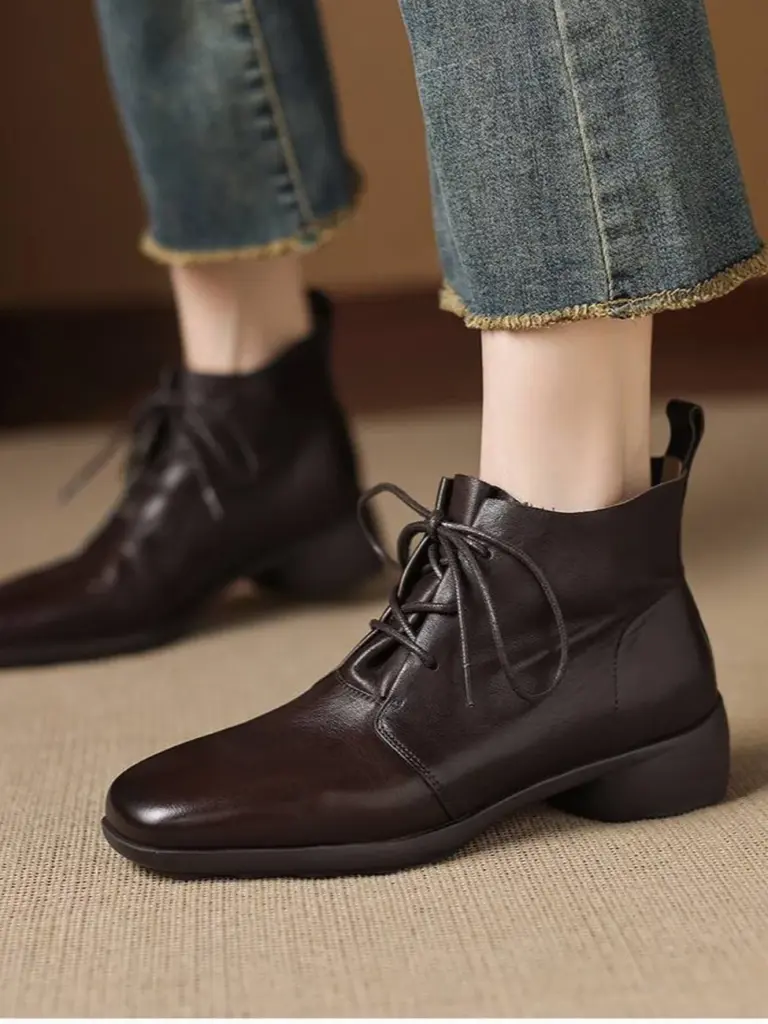
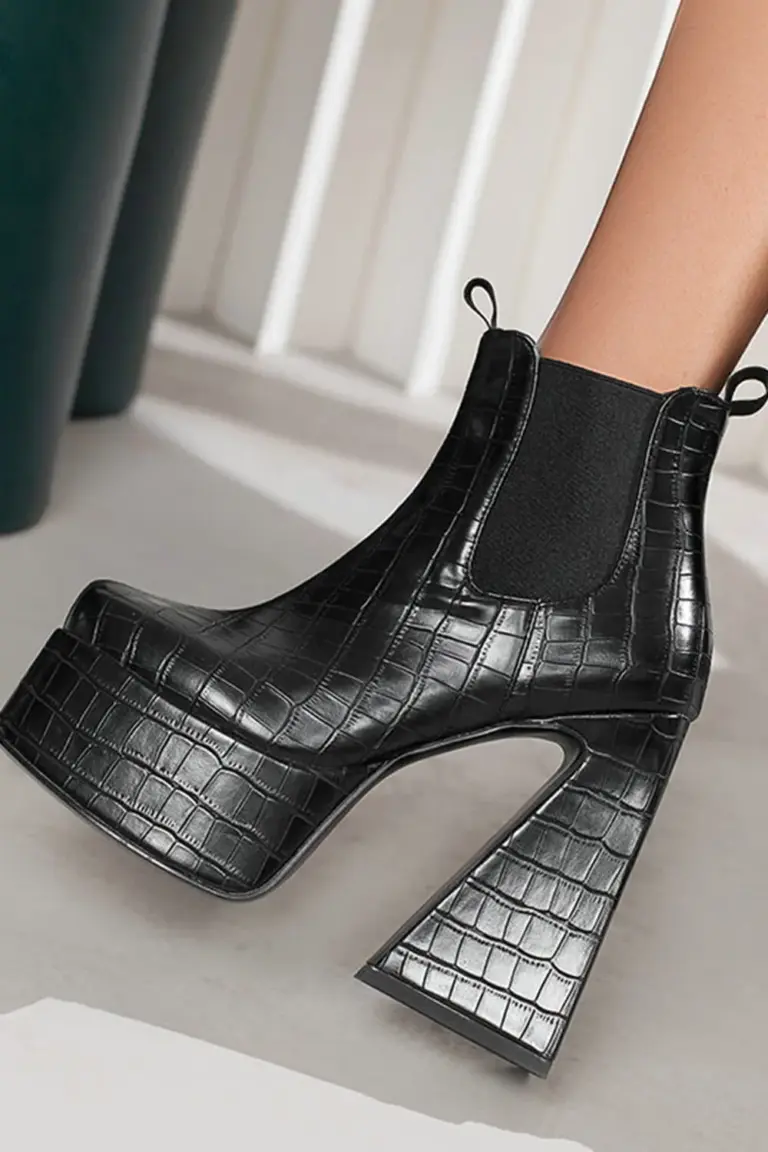 Slip On Ankle Boots Made for Walking