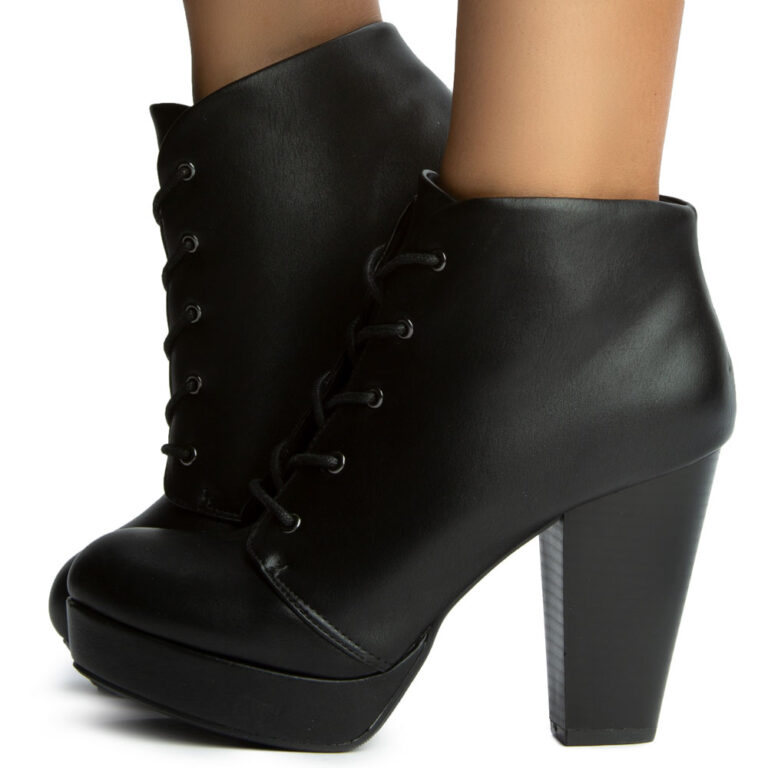
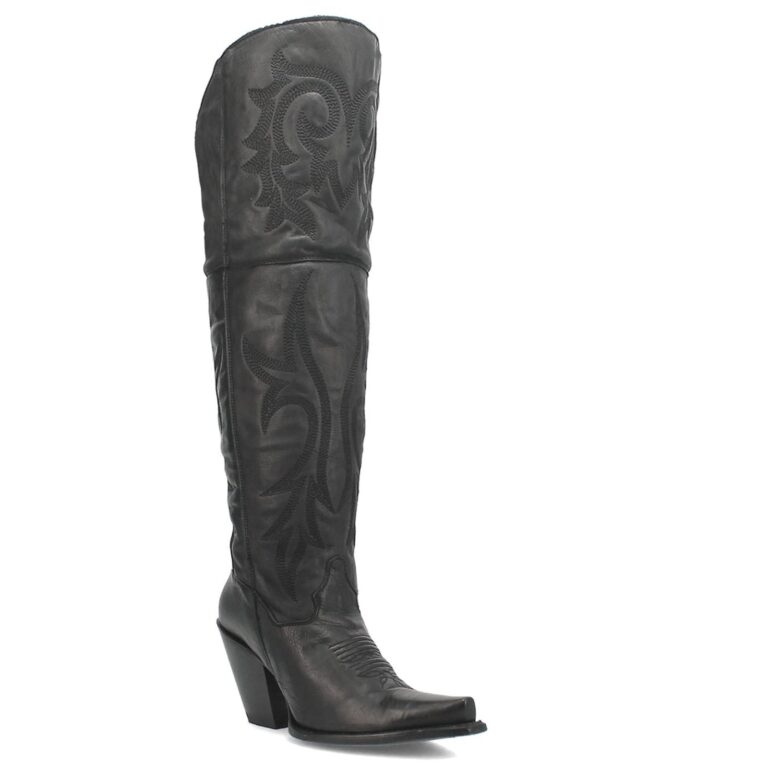
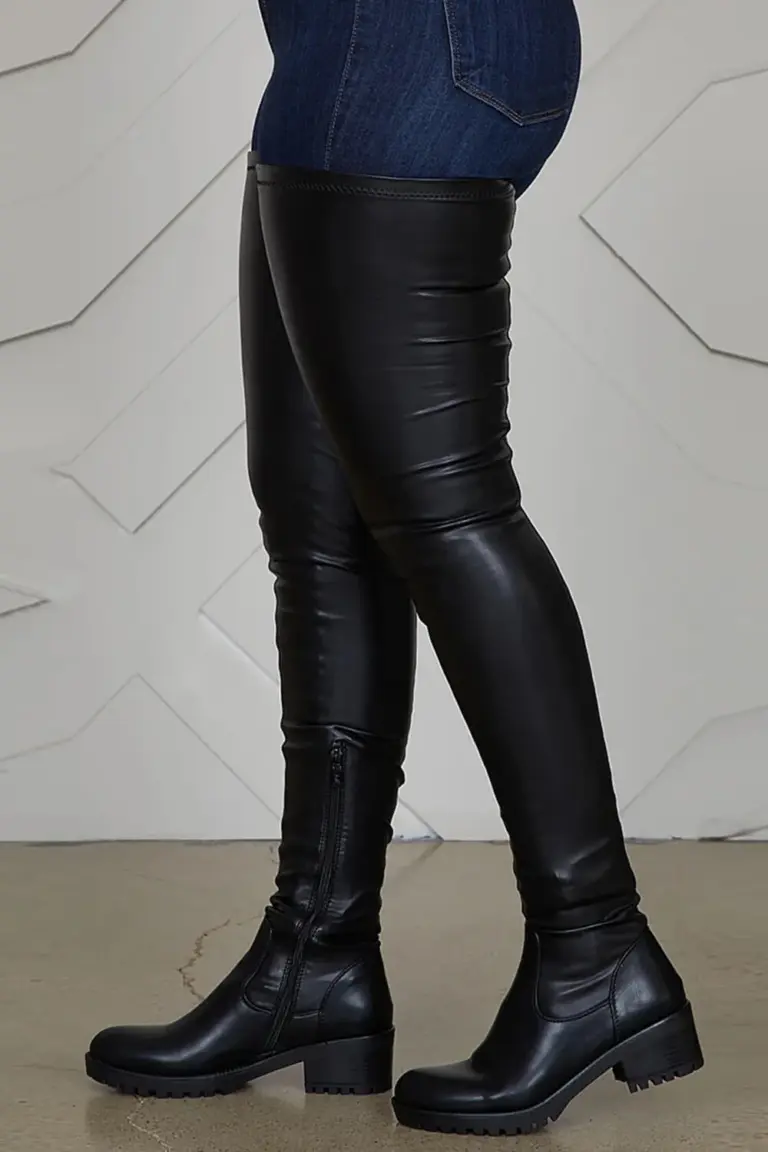
For years I thought a leather boot was a leather boot, and the only thing that mattered was whether the colour matched my coat. I bought two pairs that cracked across the toe within a winter and decided leather boots just weren't built for Birmingham weather. Turns out the weather was never the problem, the leather was, most of it a thin coated finish standing in for the real thing.
In the shop, before anything else, I check the inside of the boot, not the outside. Pull back the tongue and look at the lining, is it a proper textile or leather, or does it feel like it's been glued in as an afterthought. Press the sole where it meets the upper, a well made boot has that joint stitched or securely bonded, not just sealed with a bead of adhesive that will let go the first time it rains properly. Check the zip pull is metal, not a plastic tab dressed up to look like it, because that's the part that fails first and takes the whole boot down with it. And always check the heel is attached evenly, I've had one pair that sat slightly skewed from day one and I ignored it because the price was right, which was my mistake, not the boot's.
The difference between a boot that's worth the money and one that isn't shows up about six weeks in, not on the day you buy it. Good leather has a bit of give to it, it creases naturally across the foot rather than cracking in one sharp line, and it takes polish or cream without going patchy. Cheap leather looks fine under shop lighting and then dries out fast, especially around the toe where your foot flexes most. The sole matters just as much, a chunky moulded sole that flexes with your step will survive a winter of pavements, while a thin smooth one looks elegant in October and is see-through by January. Stitching down the seam tells you a lot too, even, tight stitches mean someone cared about the construction, loose ones mean they were racing to hit a price point.
Where leather boots fall short is anywhere properly wet or properly cold. Even good leather needs reproofing, and if you're standing at a bus stop in sleet most mornings, a treated synthetic boot will outlast it without complaint. They're heavier in a bag than people expect too, not something you're throwing in on the off chance. What you want, the very first thing to check when you pick one up, is that seam where the upper meets the sole, run your thumb along it before you look at anything else.
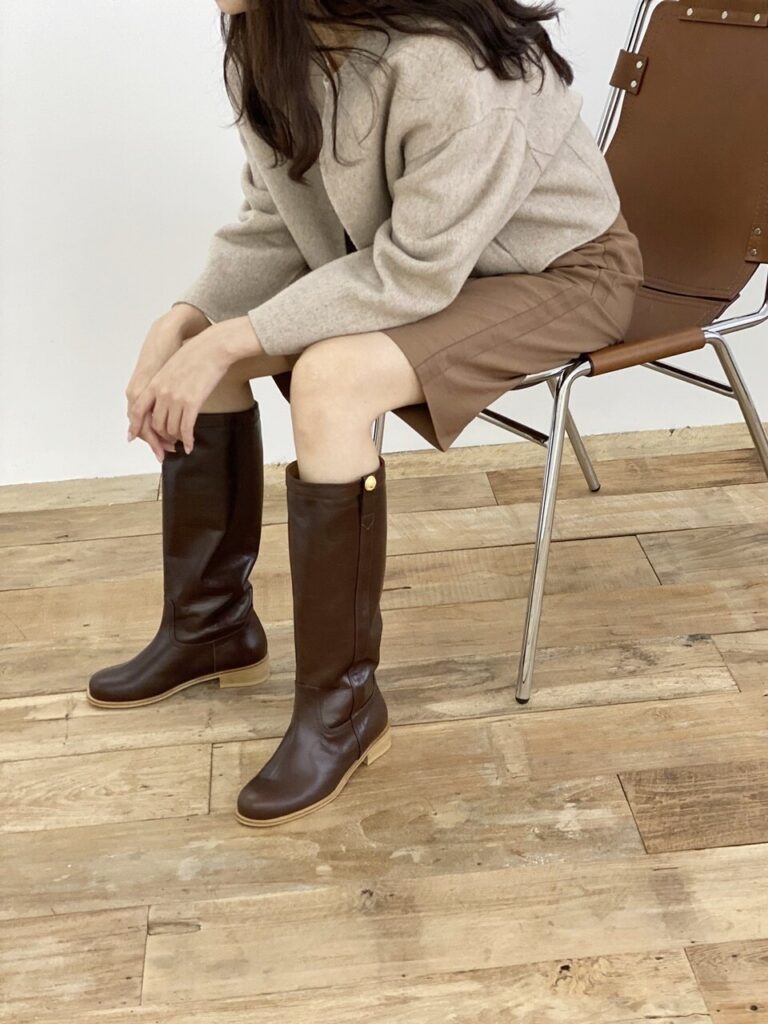 The Gold Leather Boots Worth Investing In
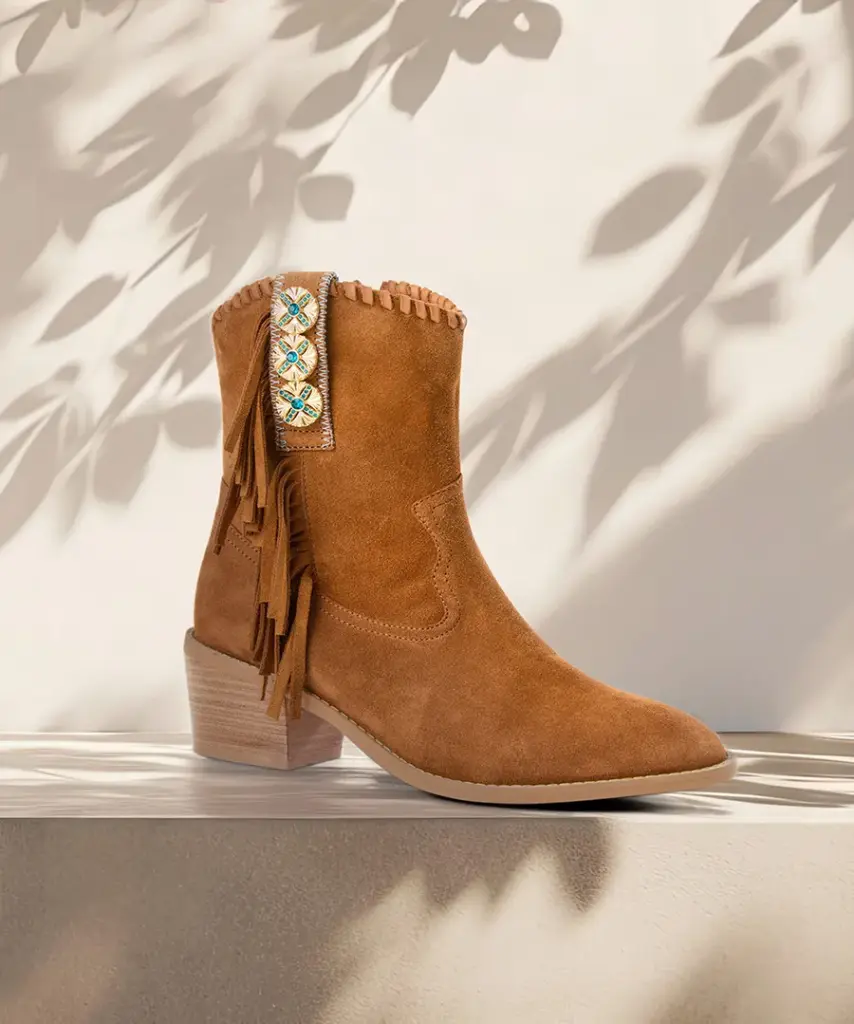
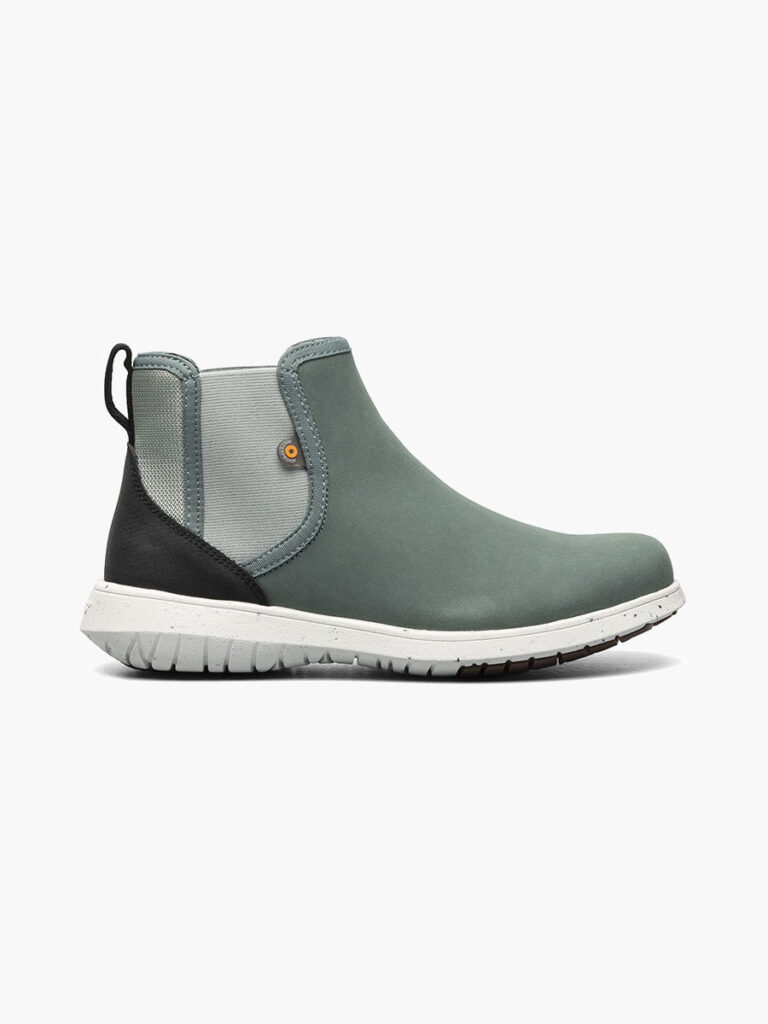 Chelsea BootsThe Best Gold Leather Chelsea Boots to Shop Now
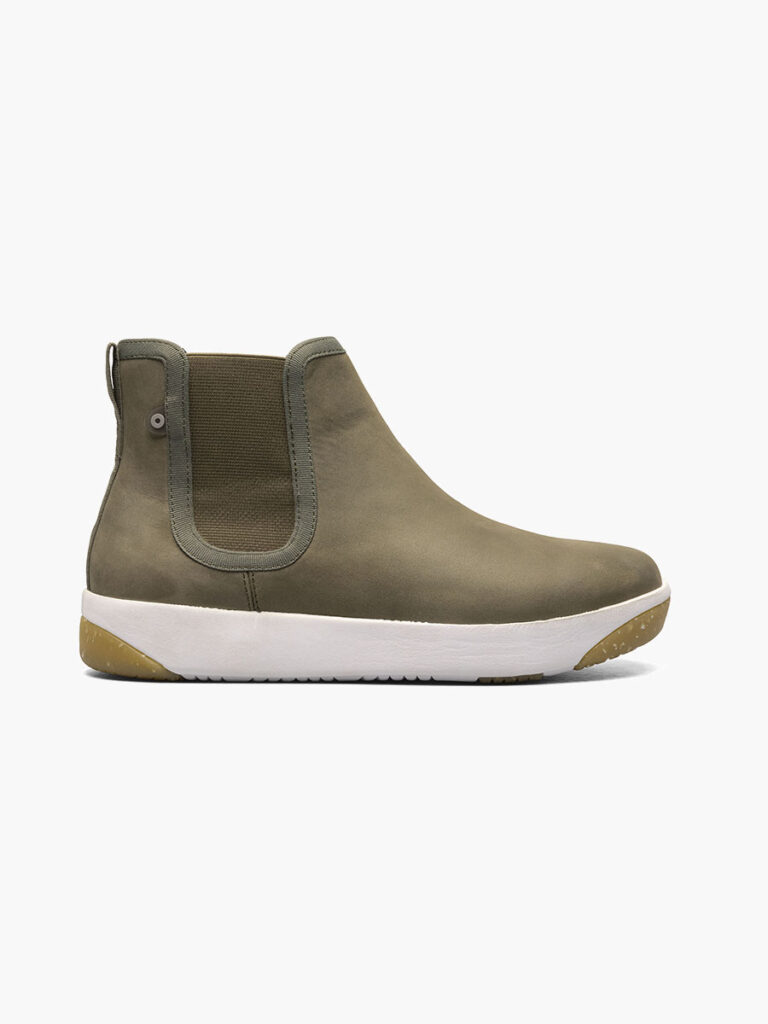
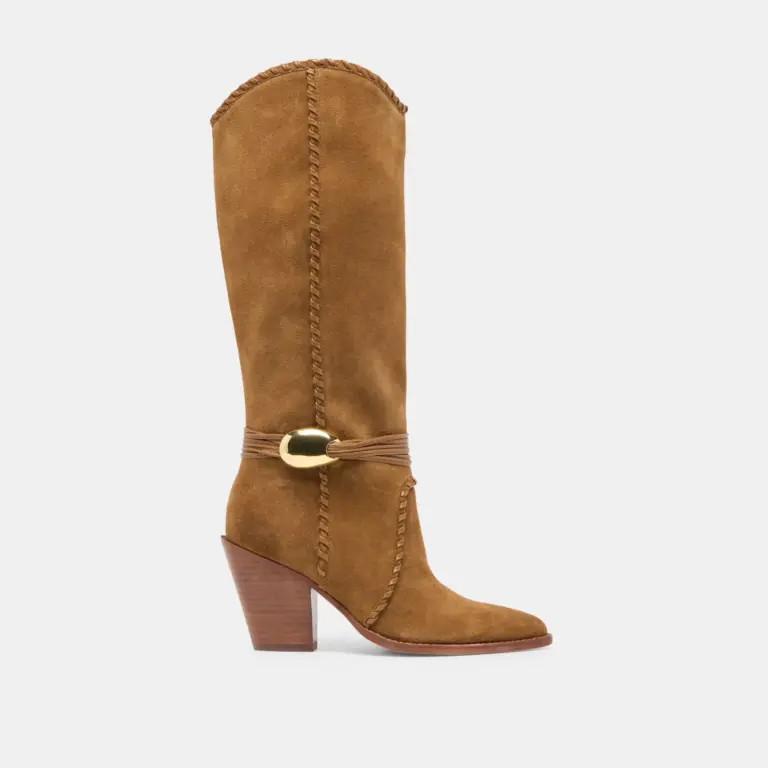 Knee High BootsGold Leather Knee High Boots: Our Top Picks
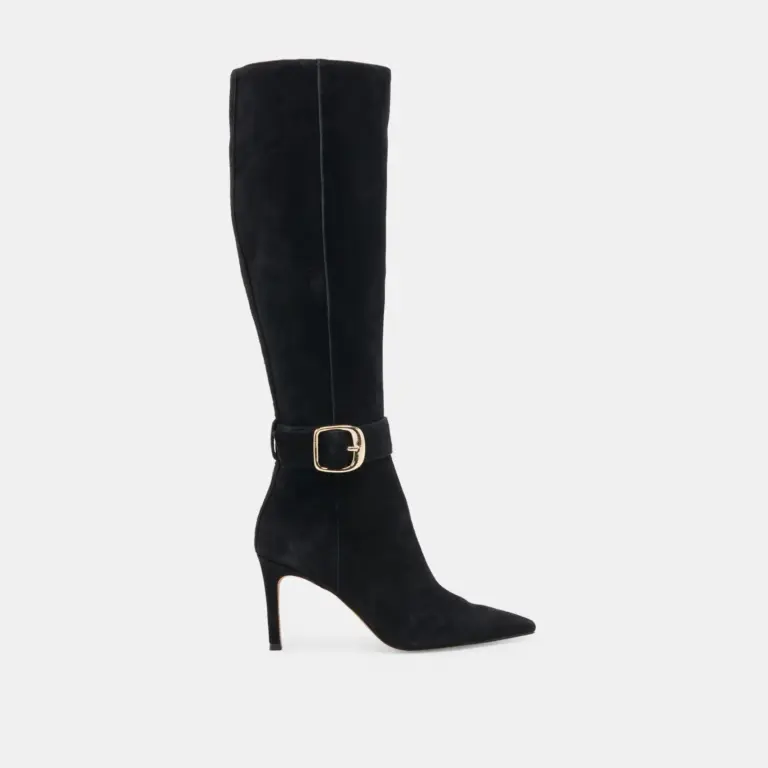
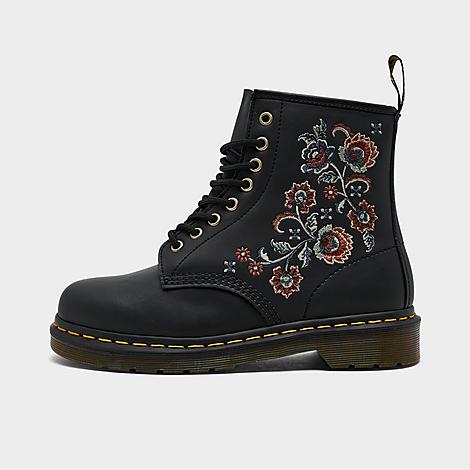 Lace Up BootsThe Gold Leather Lace Up Boots Your Shoe Rack Needs
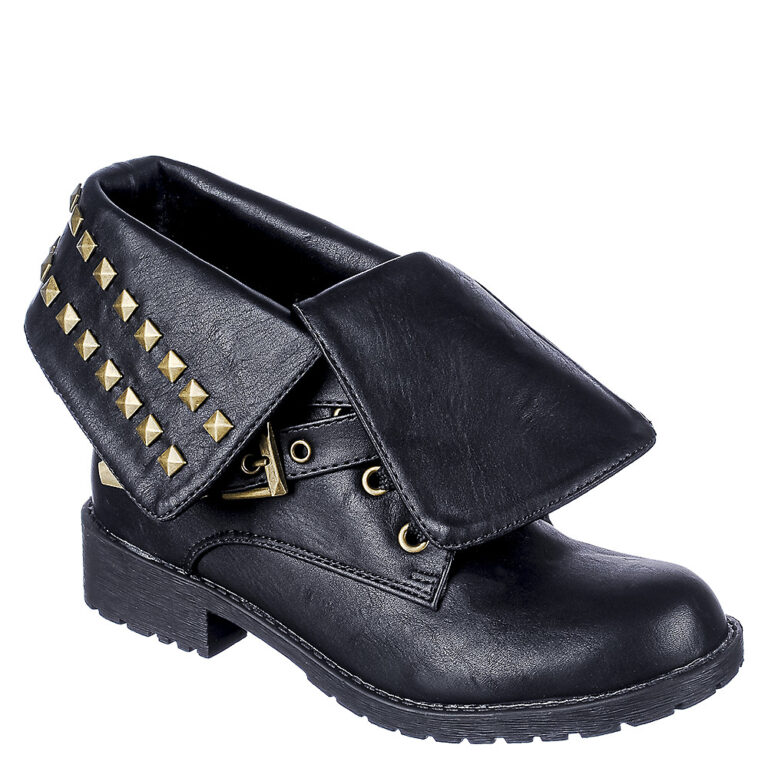
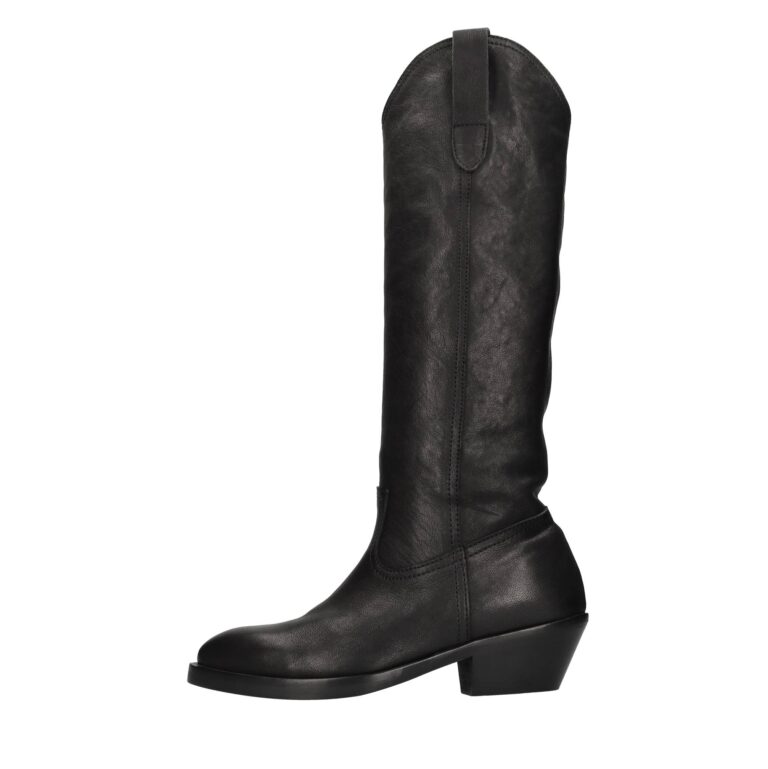 Ankle BootsOur Kind of Gold Leather Ankle Boots
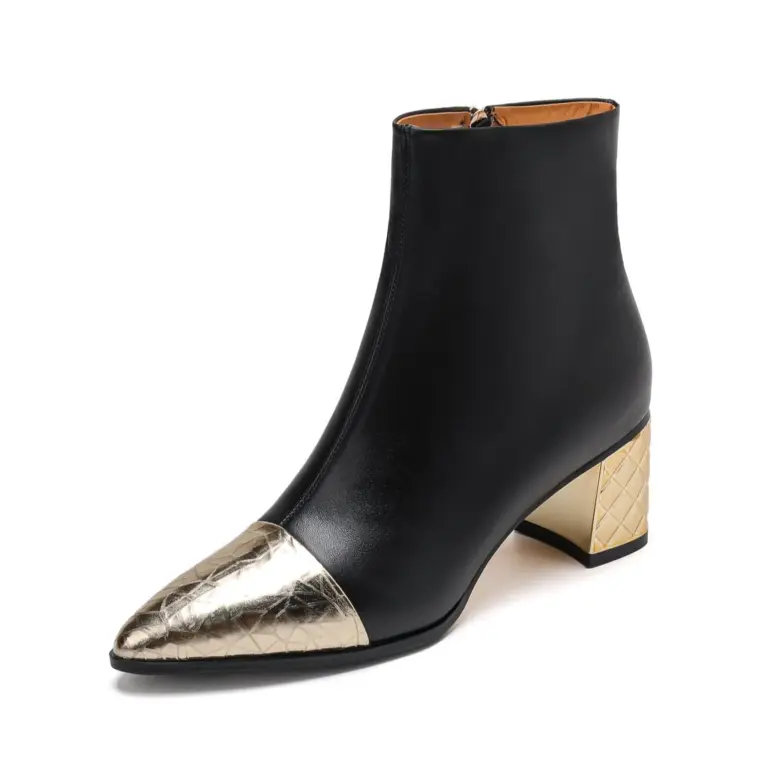
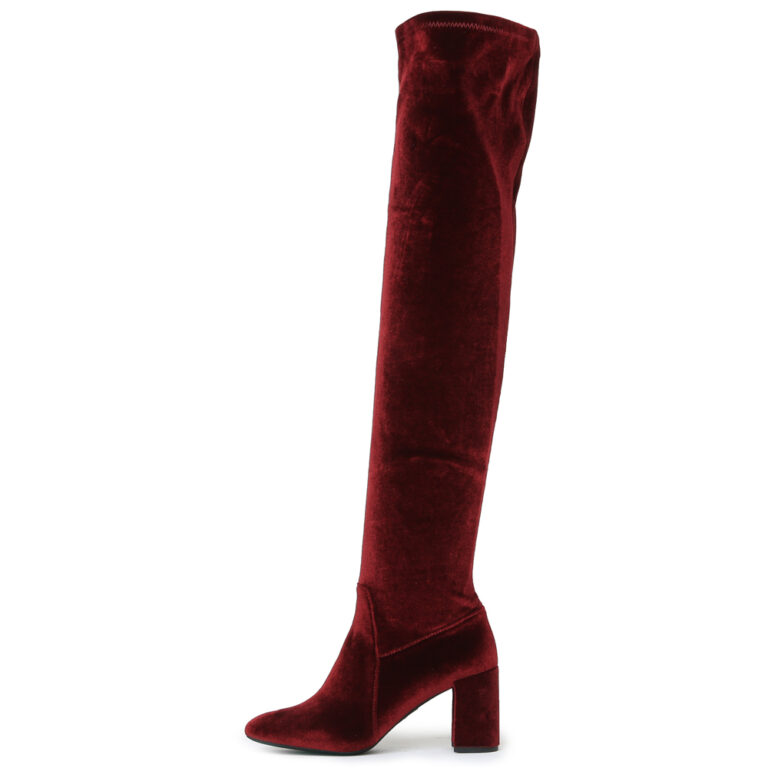 Heeled BootsBurgundy Leather Heeled Boots That Make Any Outfit

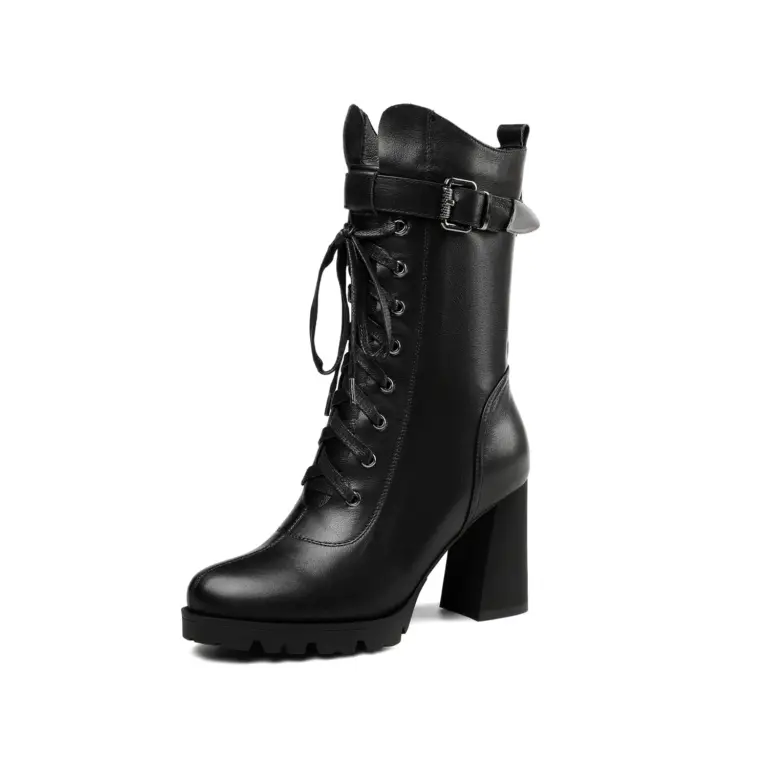 Lace Up BootsOur Top Burgundy Leather Lace Up Boots Right Now
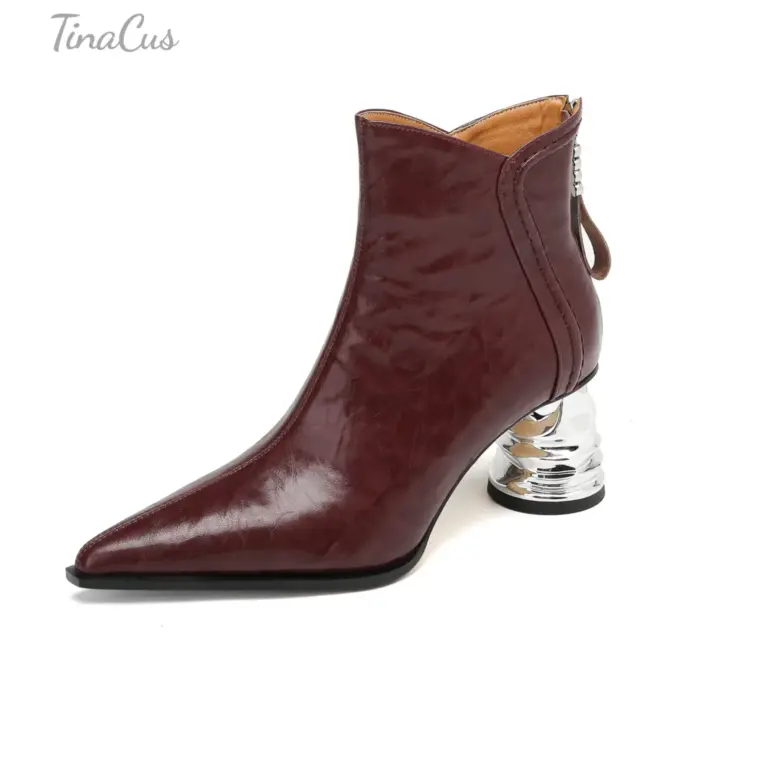 Ankle BootsBurgundy Leather Ankle Boots That Feel Special

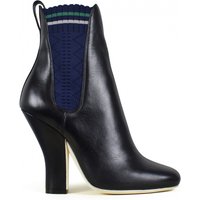 Ankle BootsThe Burgundy Leather Ankle Boots We Keep Going Back ToAlso worth a lookAnkle BootsIf you're holding an ankle boot in the changing room and wondering whether it's the sensible one or…See the collections →
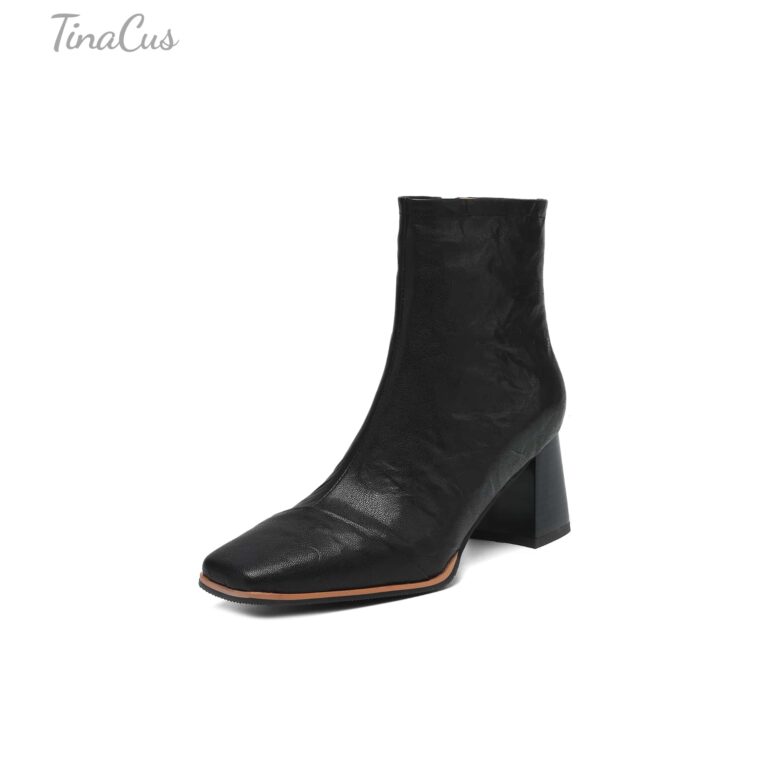
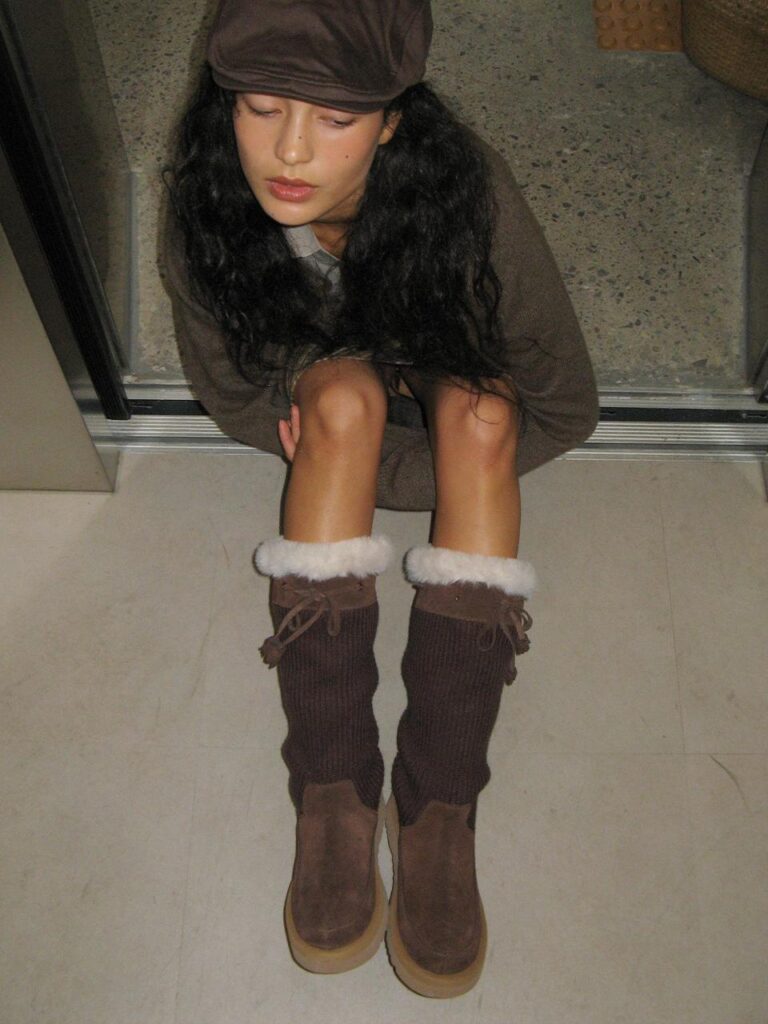 Platform BootsBrown Leather Platform Boots We’d Buy Again

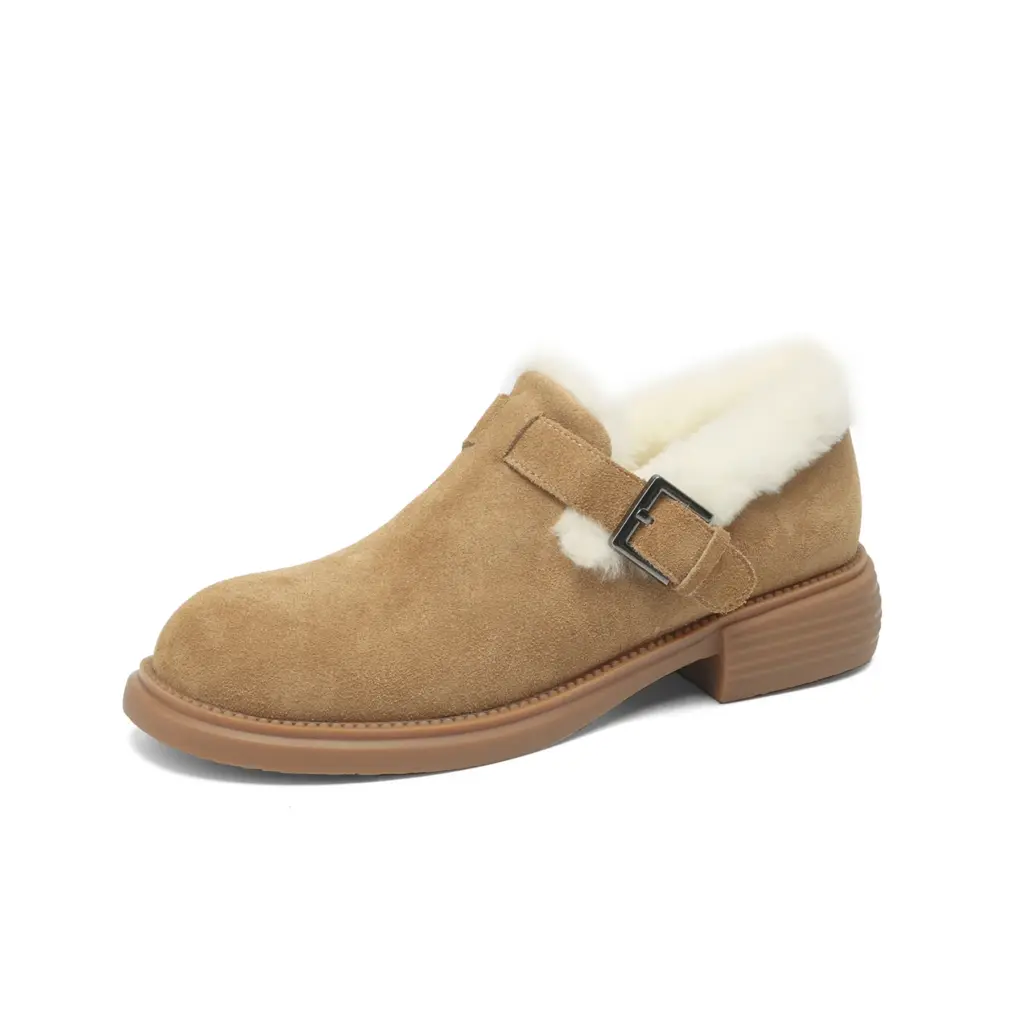 Brown BootsBrown Leather Snow Boots: The Edit
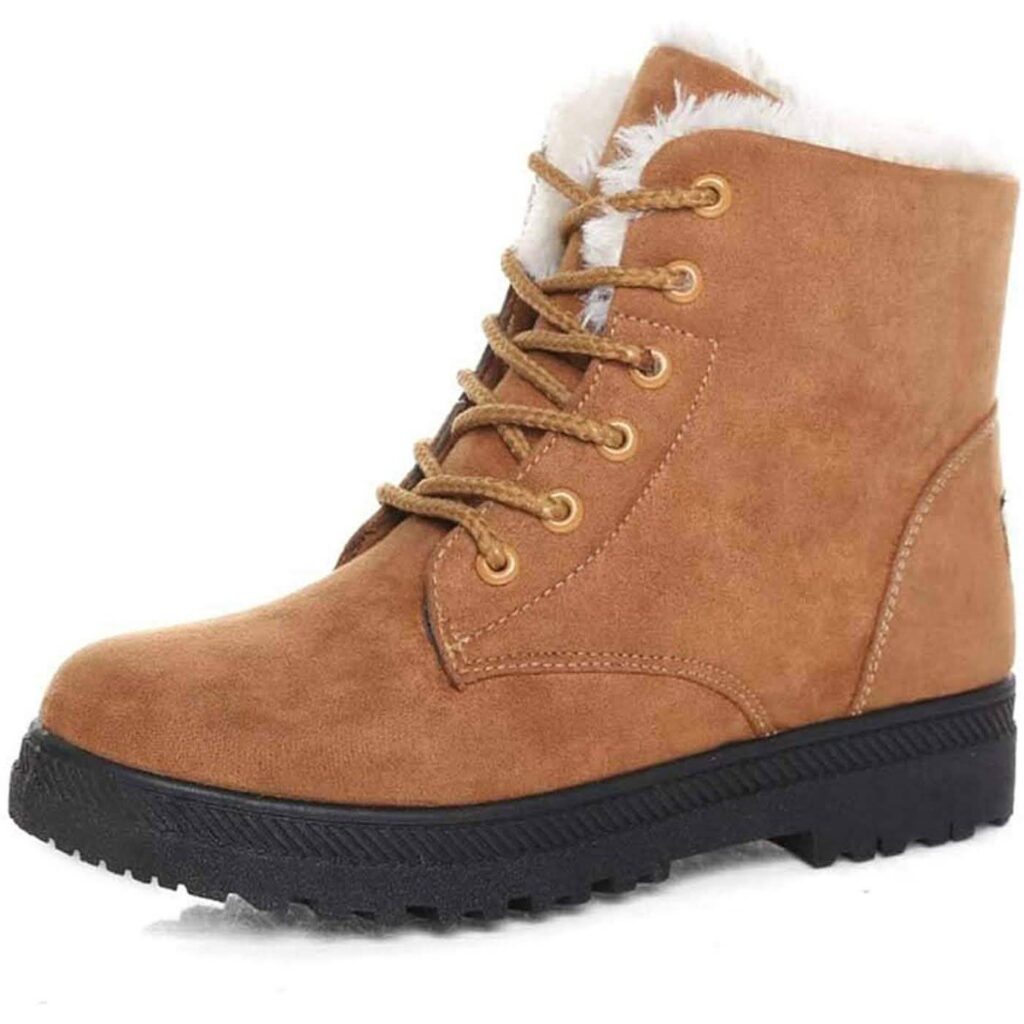
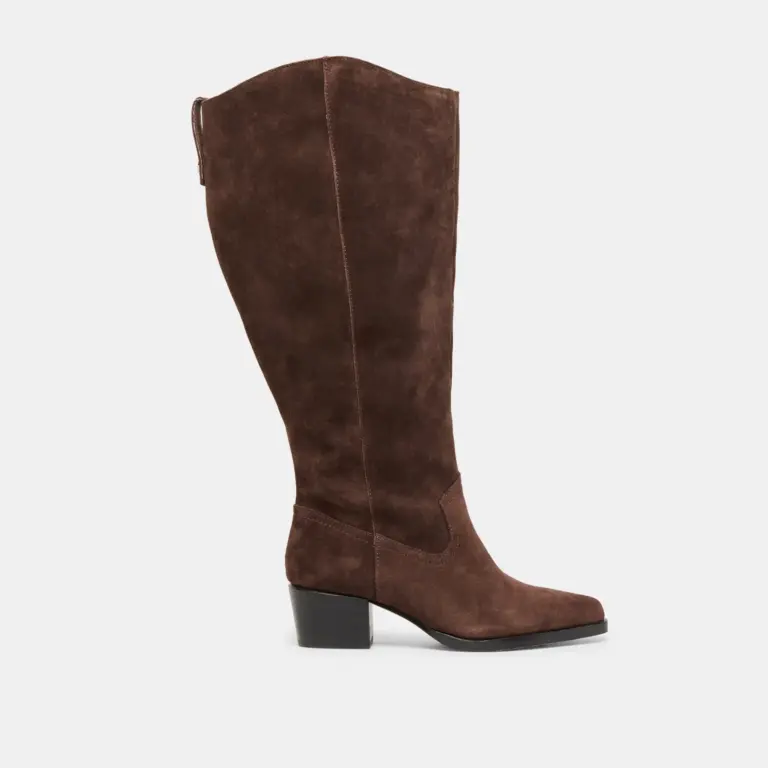 Sock BootsBrown Leather Sock Boots: The Ones Worth Your Money
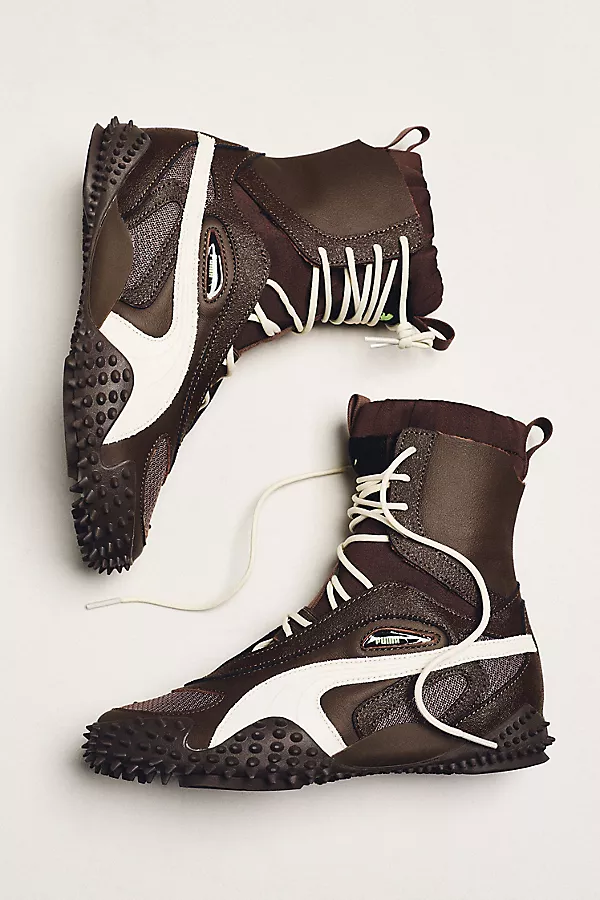
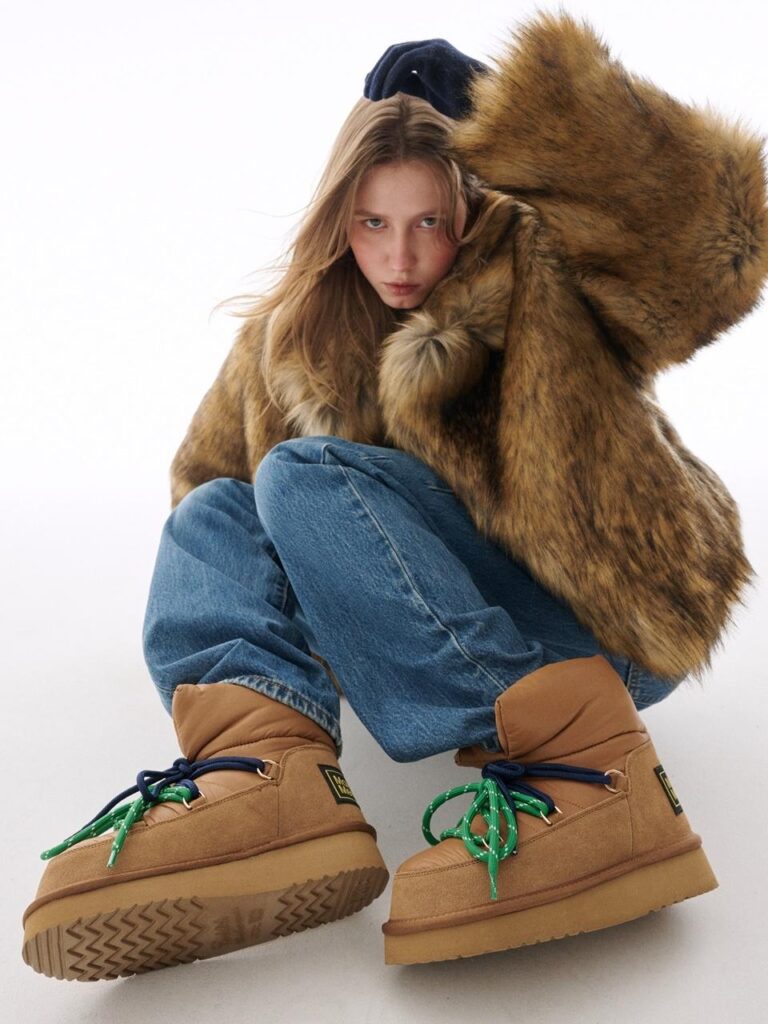 Brown BootsBrown Leather Ugg Boots Actually Worth Buying

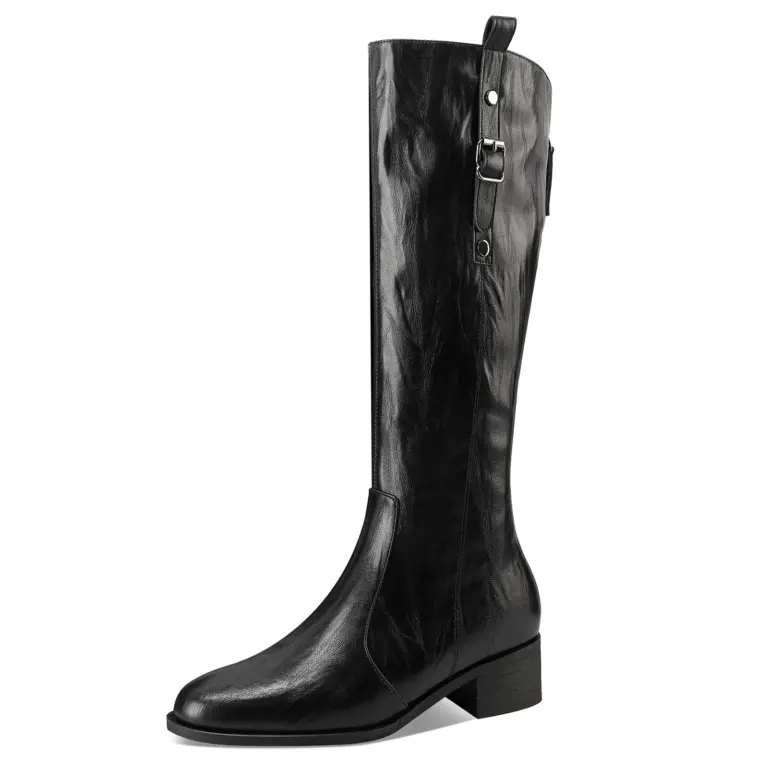 Walking BootsOur Go To Brown Leather Walking Boots

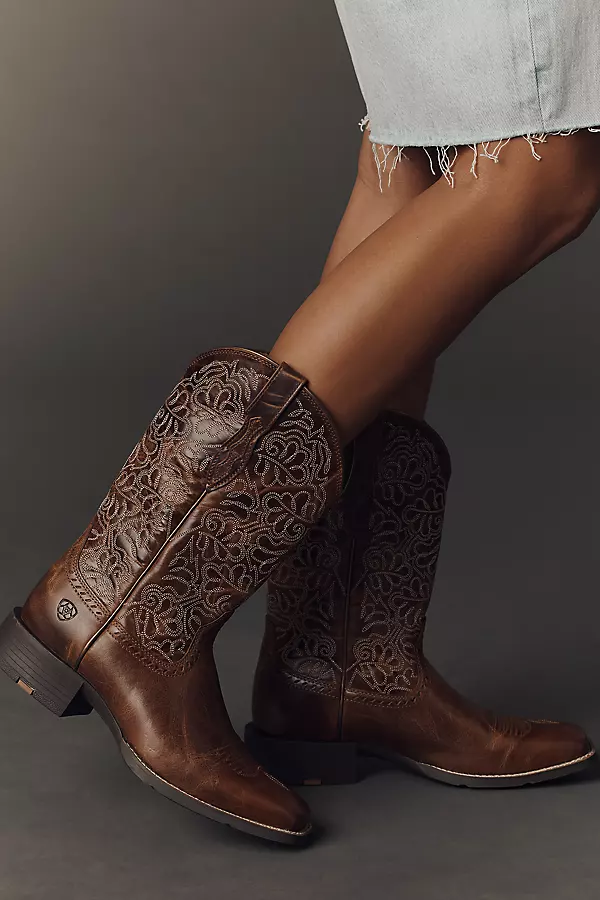 Western BootsBrown Leather Western Boots Picked by Us
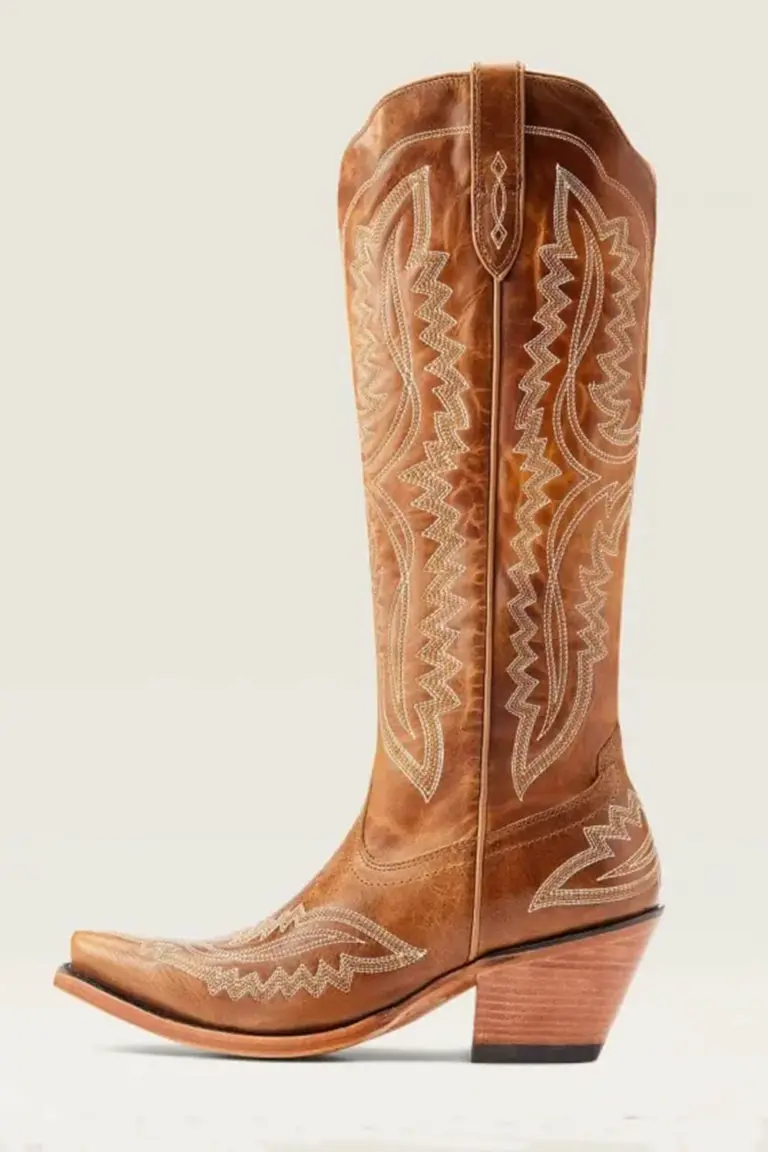
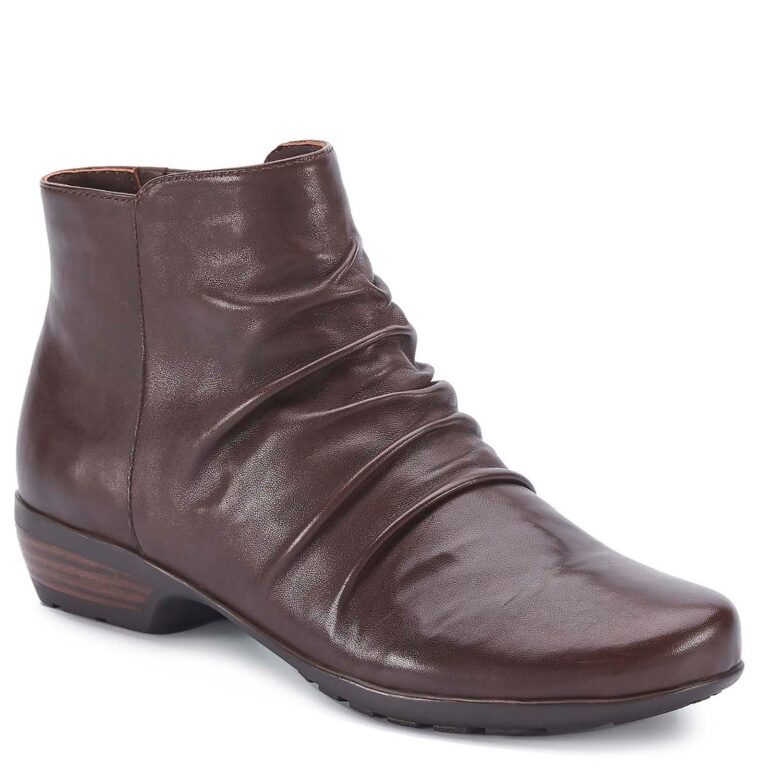 Brown BootsBrown Leather Ankle Boots Edited Down to the Best
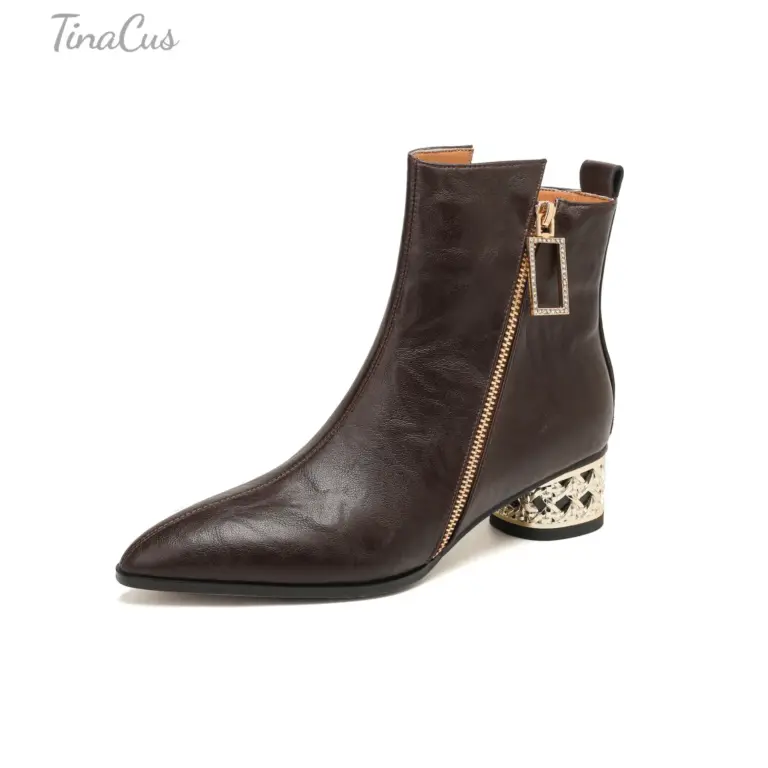
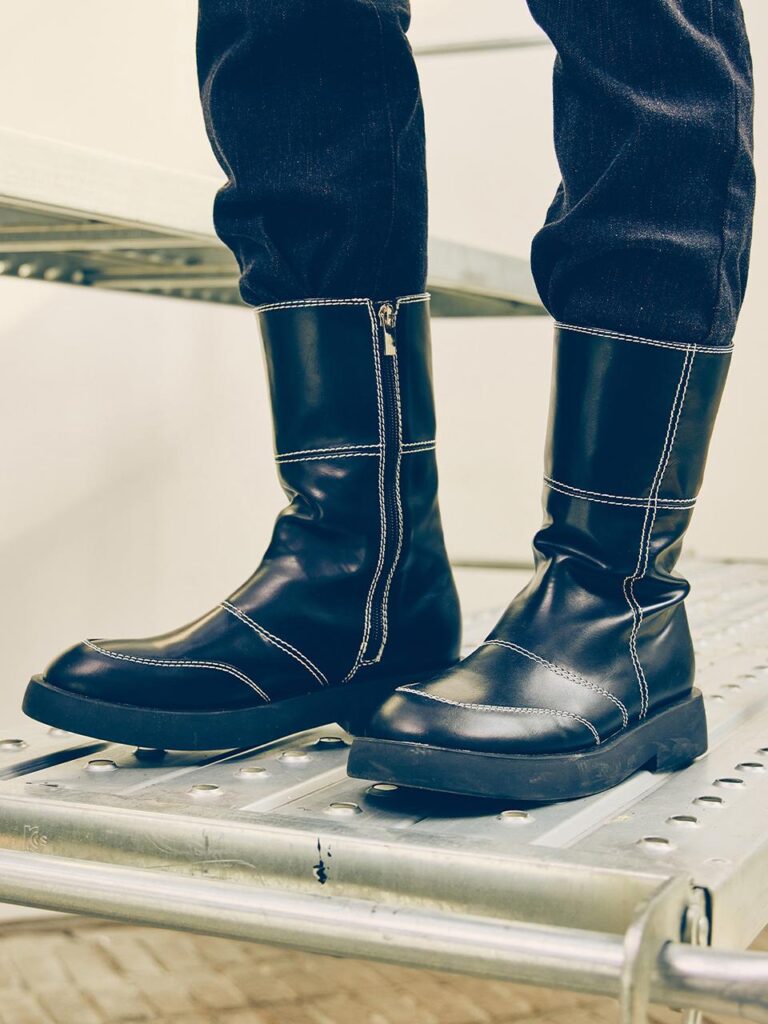 Brown BootsBrown Leather Ankle Boots: The Edit
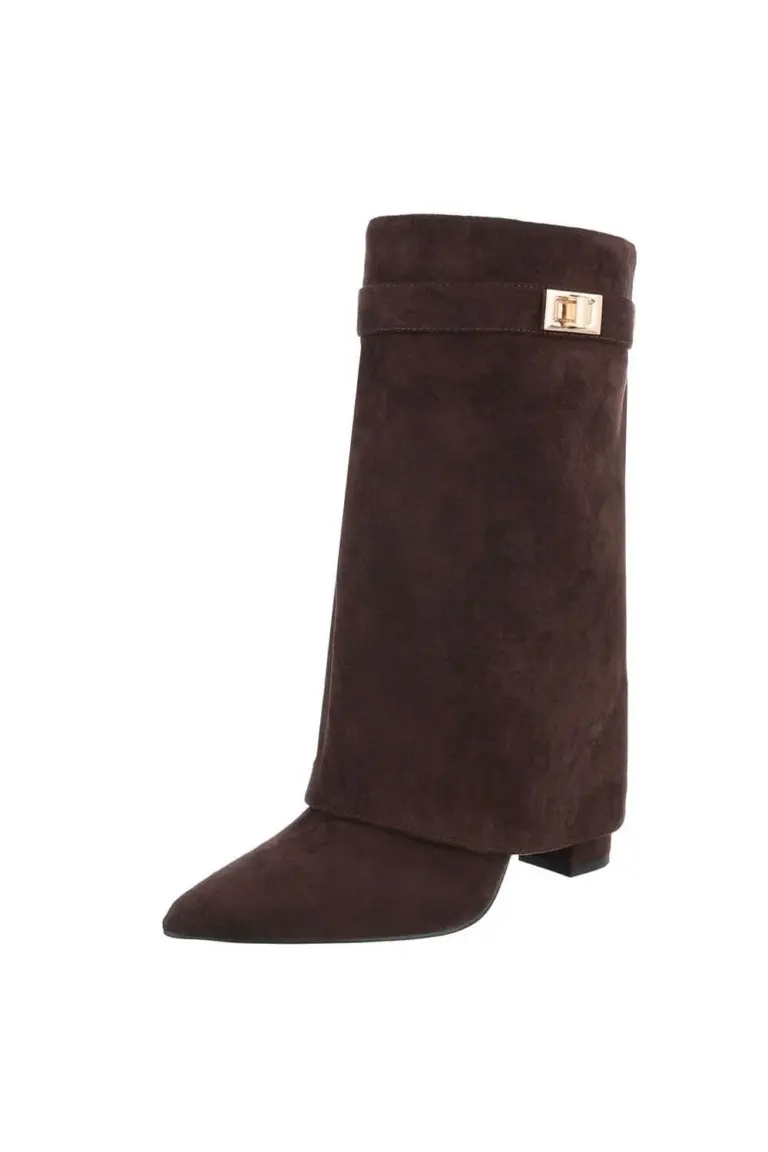
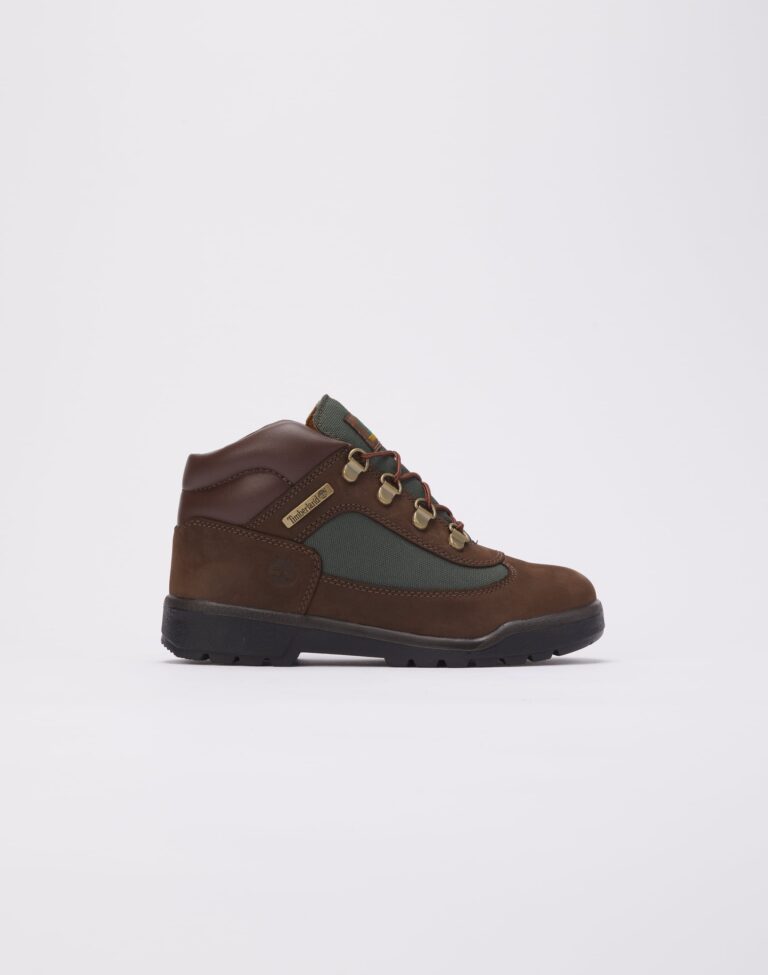 Brown BootsBrown Leather Boots We RateAlso worth a lookBlack BootsI'll tell you what I tell anyone holding a pair of black boots in a changing room: sit…See the collections →

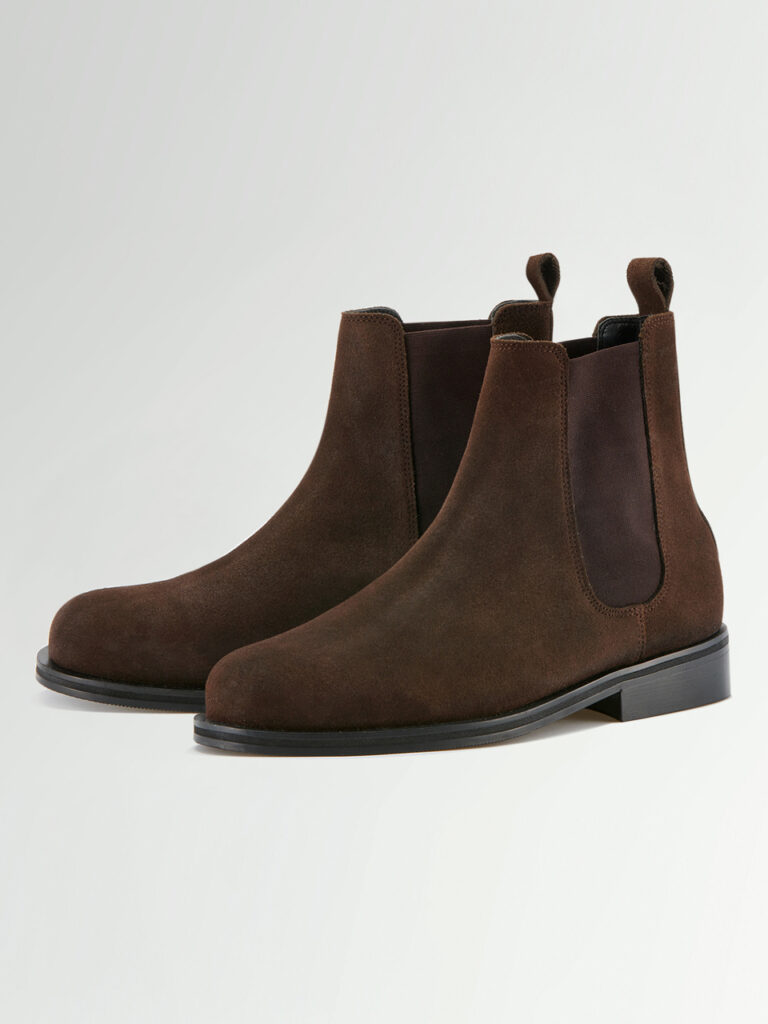 Chelsea BootsOur Top Brown Leather Chelsea Boots Right Now
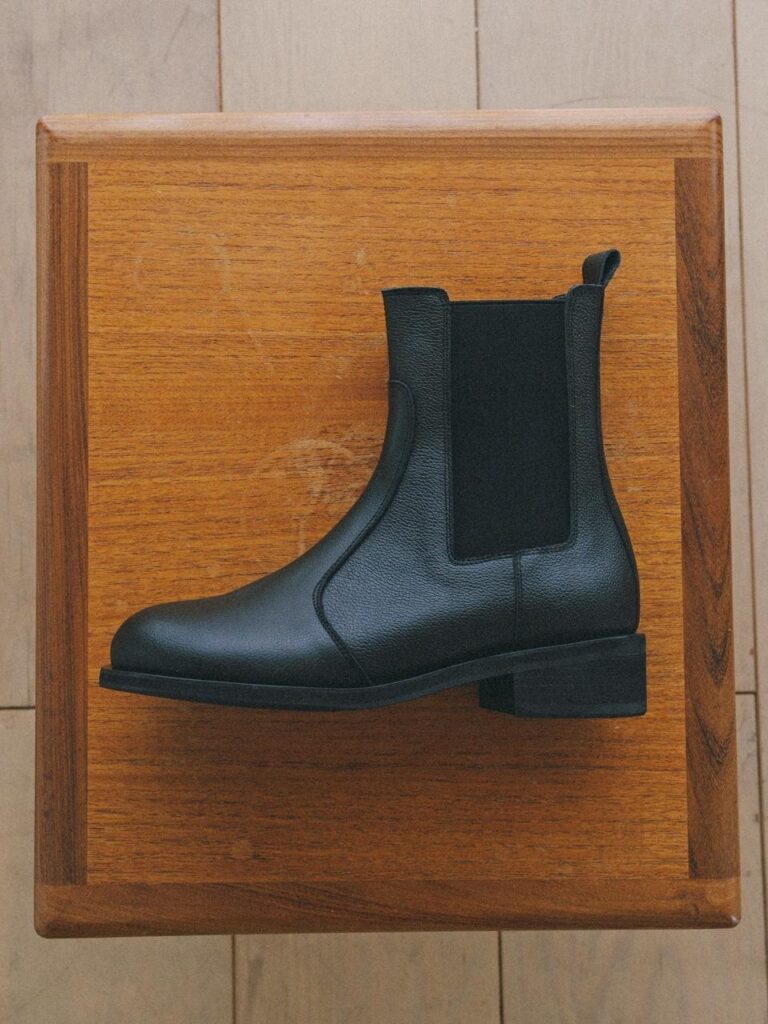
 Brown BootsA Closer Look at the Best Brown Leather Cowboy Boots
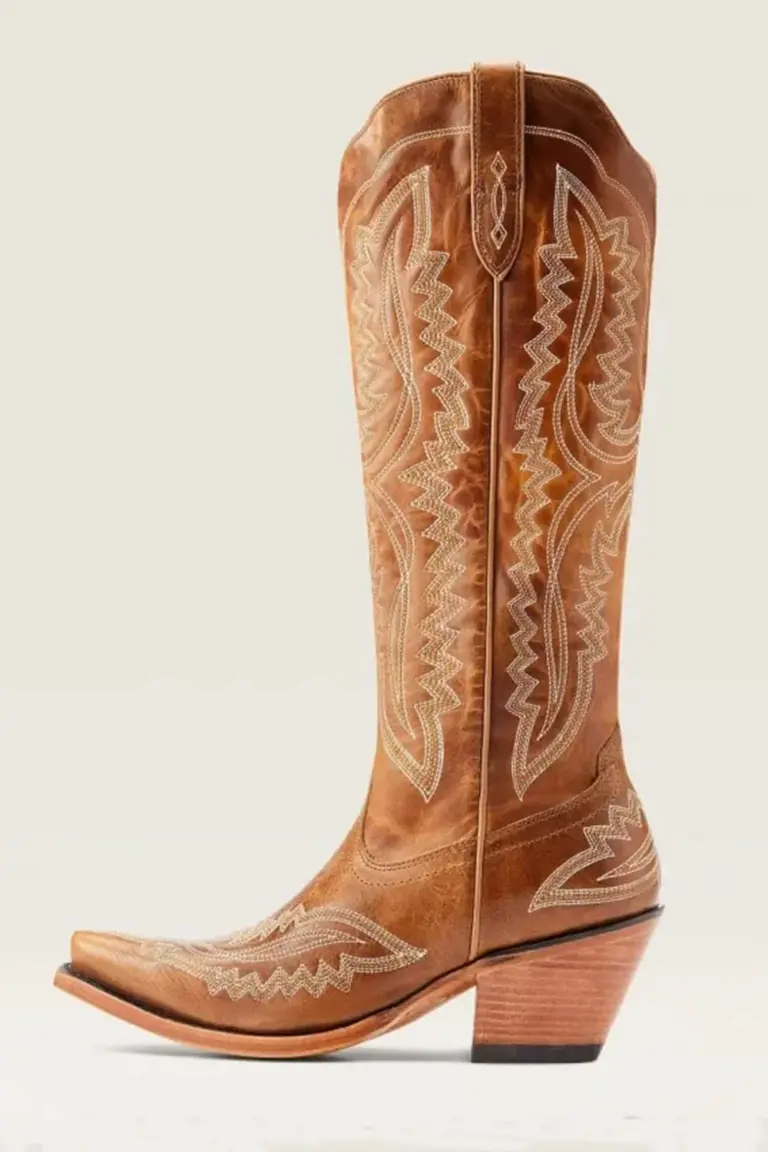
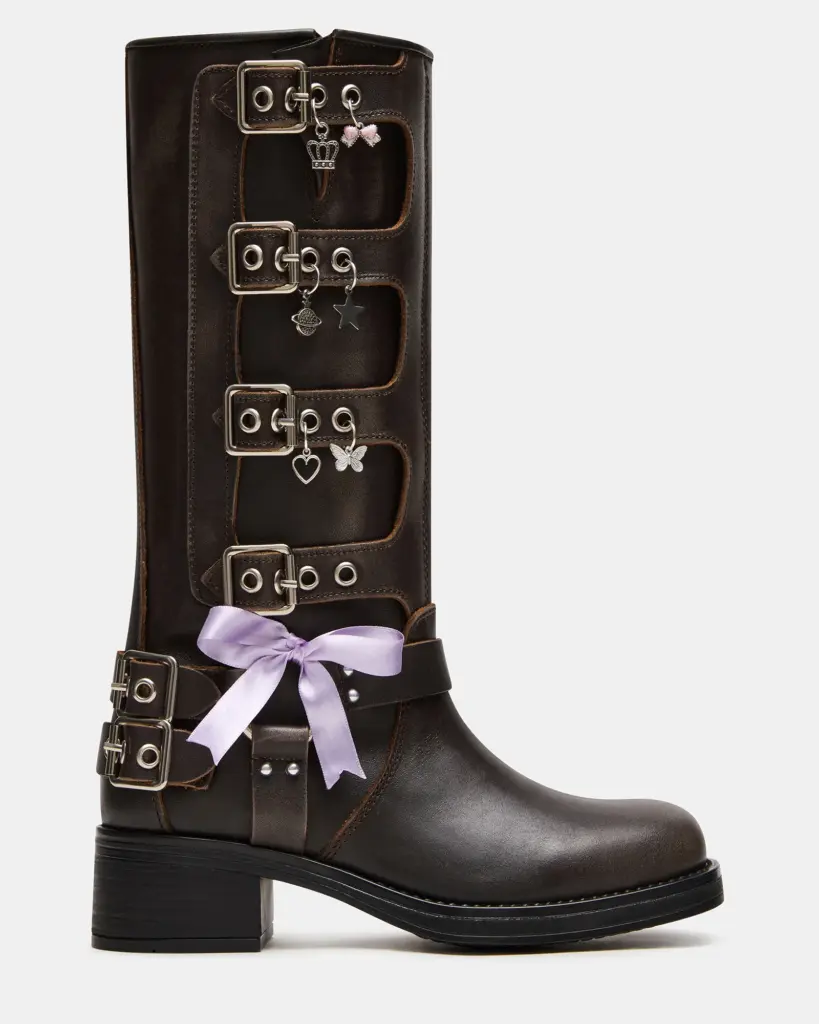 Knee High BootsBrown Leather Knee High Boots: Our Honest Shortlist

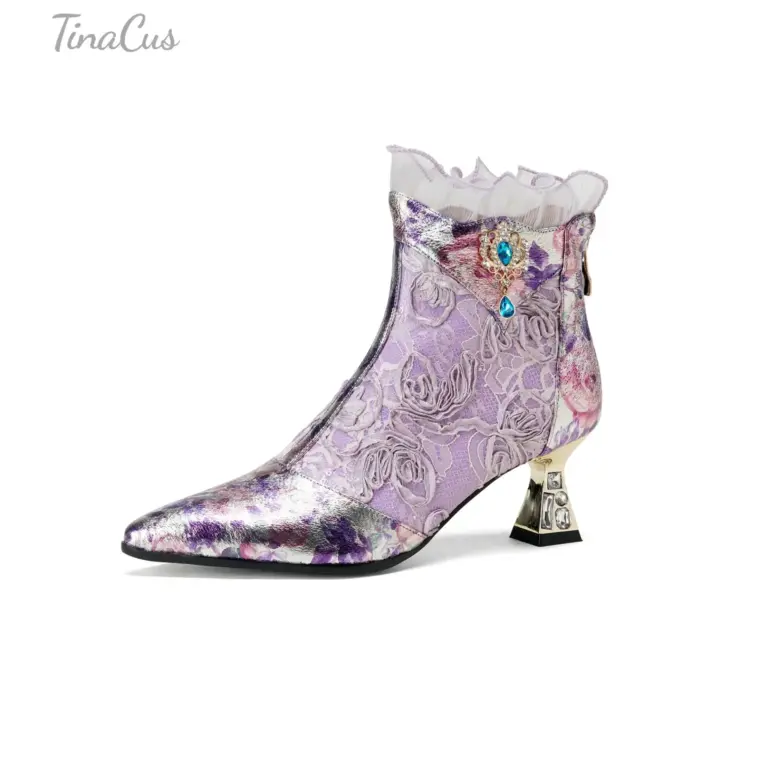 Lace Up BootsThe Best Looking Blue Leather Lace Up Boots Out There
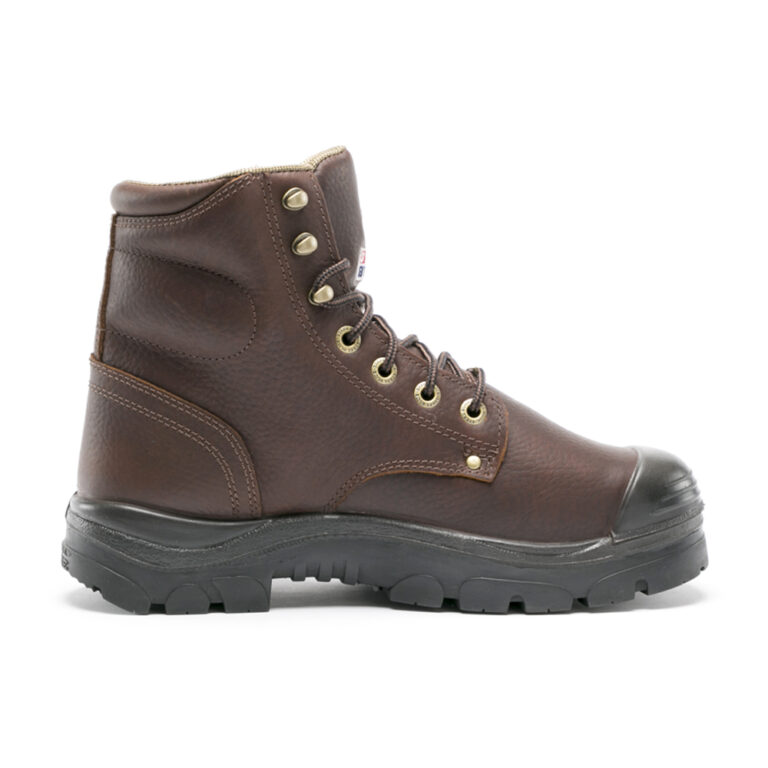
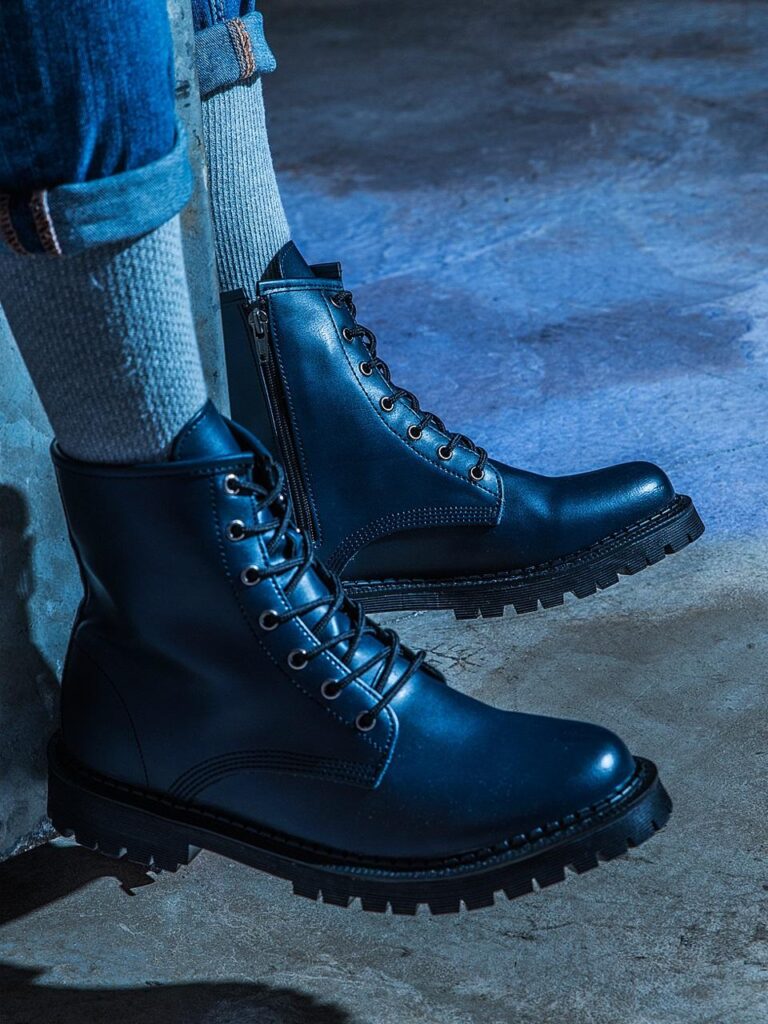 Walking BootsBlue Leather Walking Boots: Our Current Favorites
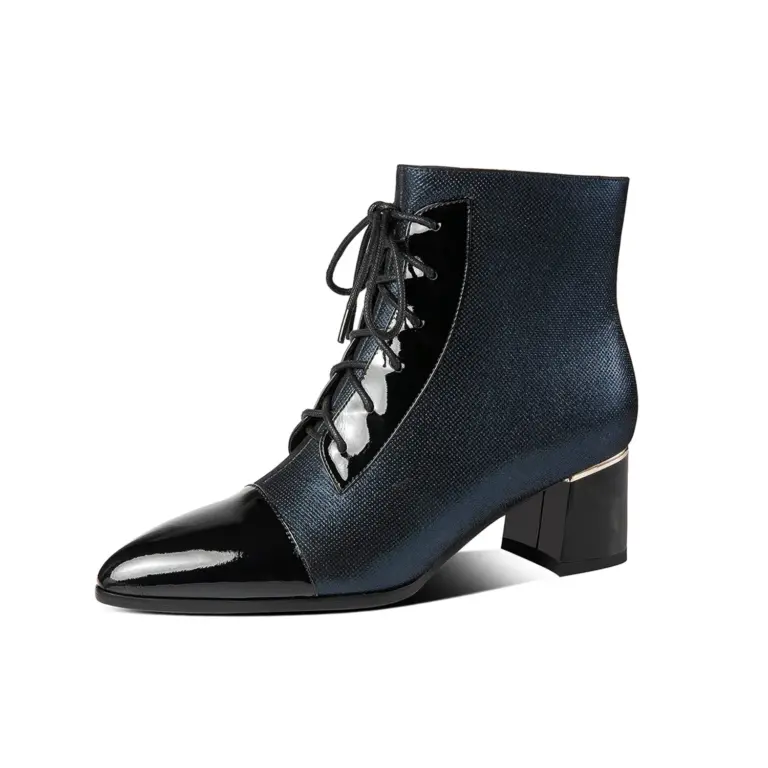 Ankle BootsThe Blue Leather Ankle Boots Your Shoe Rack Needs
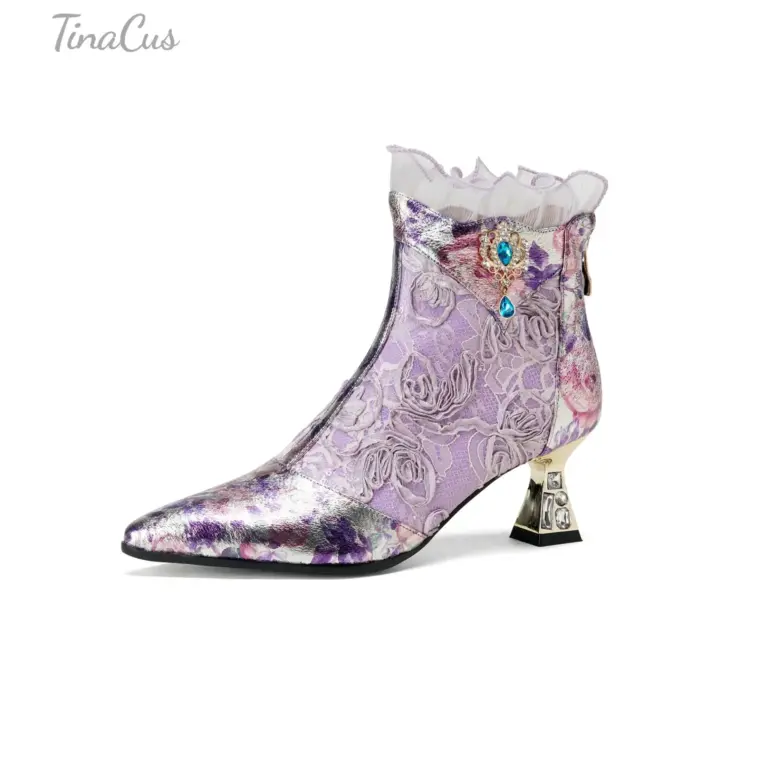
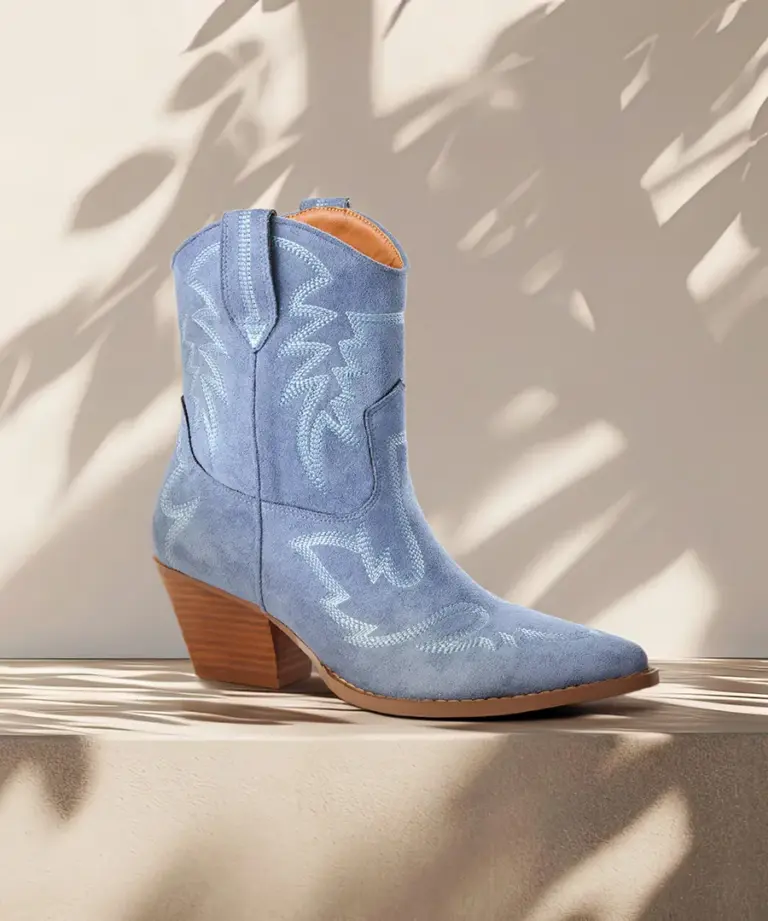 Ankle BootsBlue Leather Ankle Boots Made for Walking
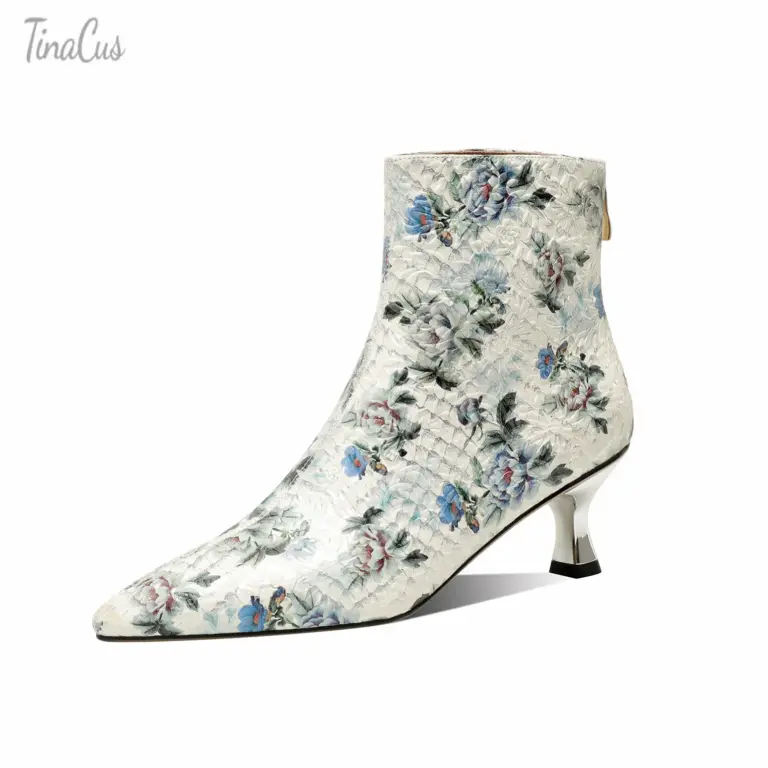
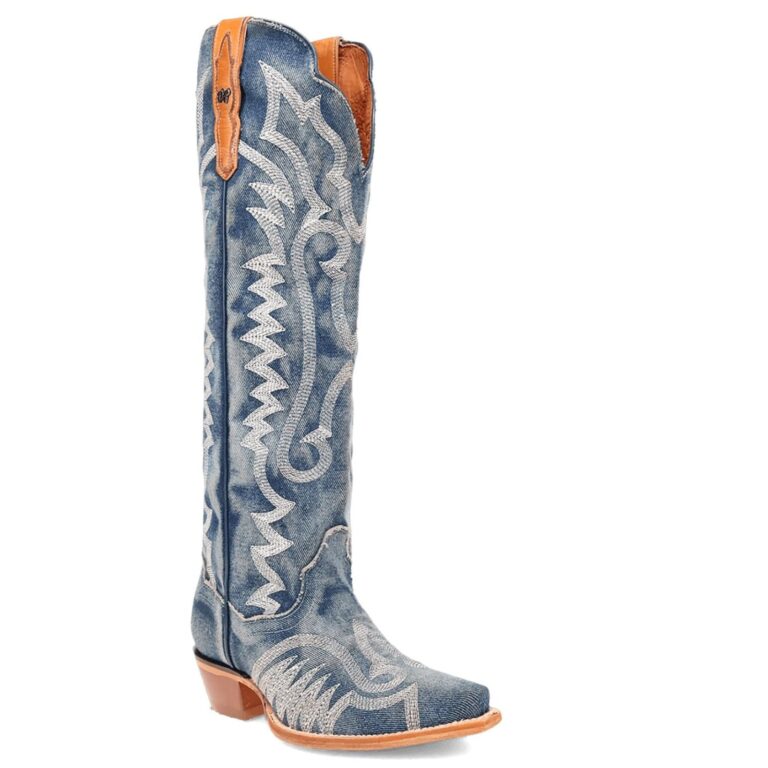 Shop the Edit: Blue Leather Boots
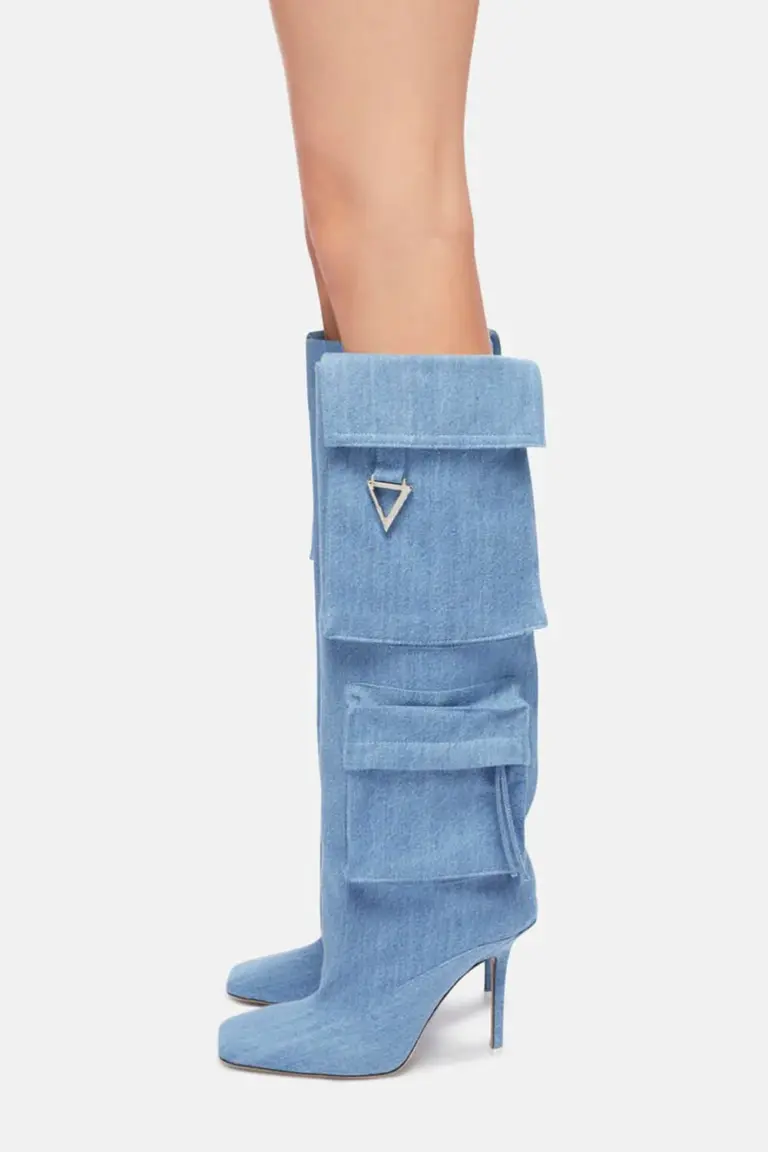
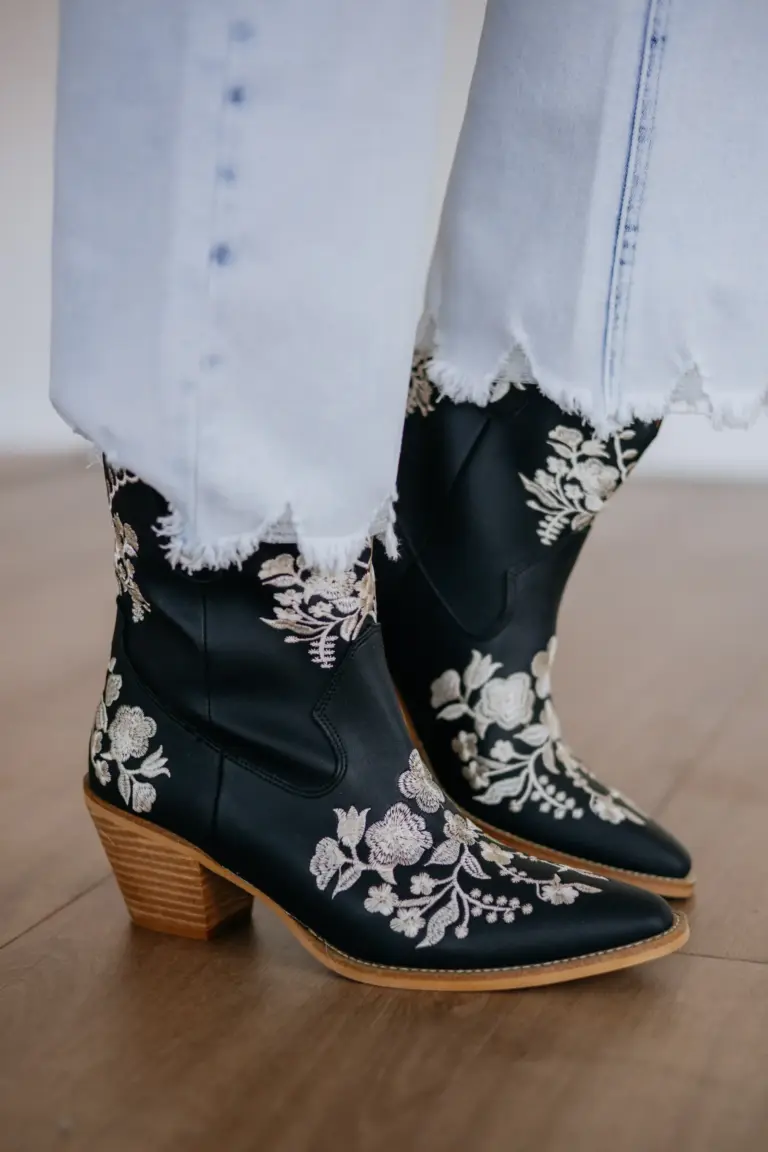 Platform BootsBlack Leather Platform Boots Worth Adding to Your WardrobeAlso worth a lookBrown BootsA pair of brown boots is the thing you reach for when black feels too sharp and your…See the collections →

 Black BootsThe Black Leather Shearling Boots Shortlist
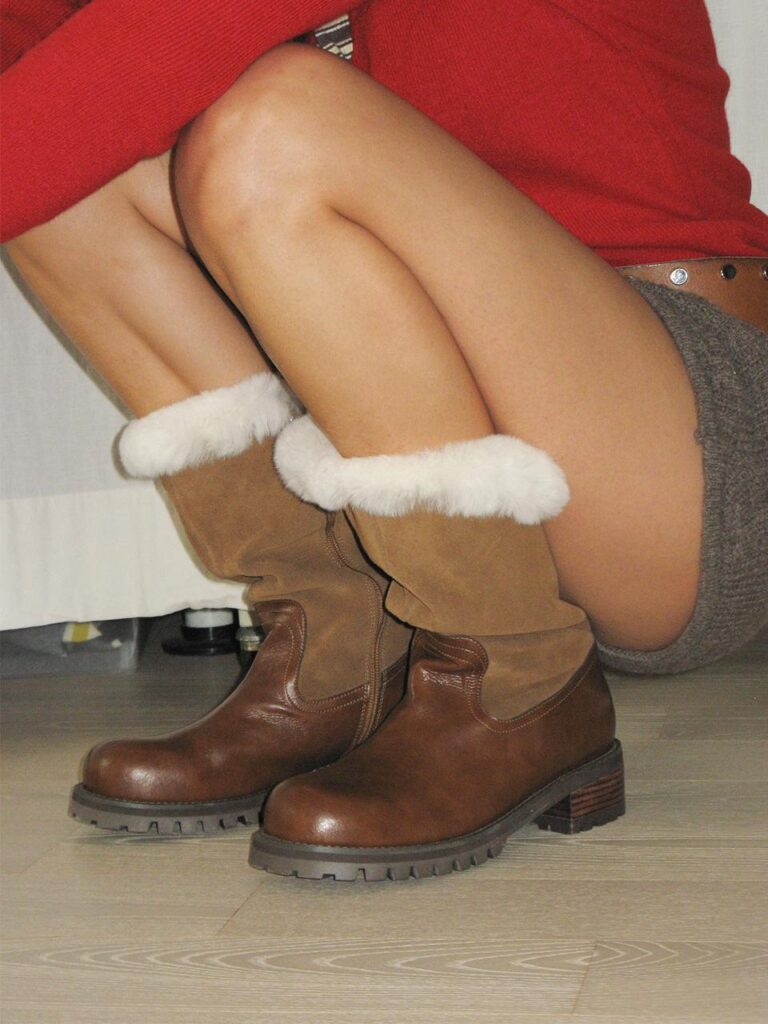
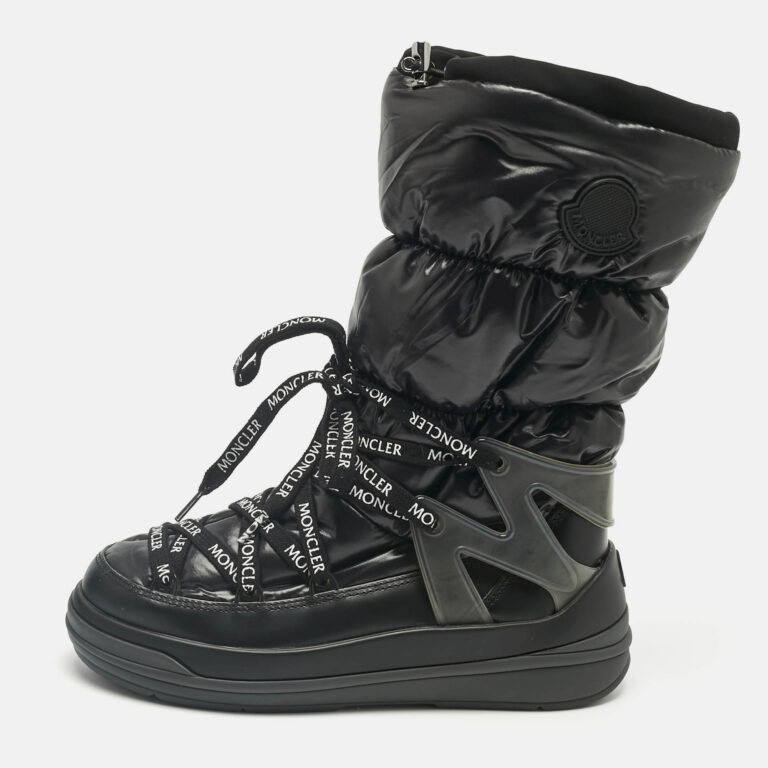 Black BootsBlack Leather Snow Boots With Real Wardrobe Staying Power
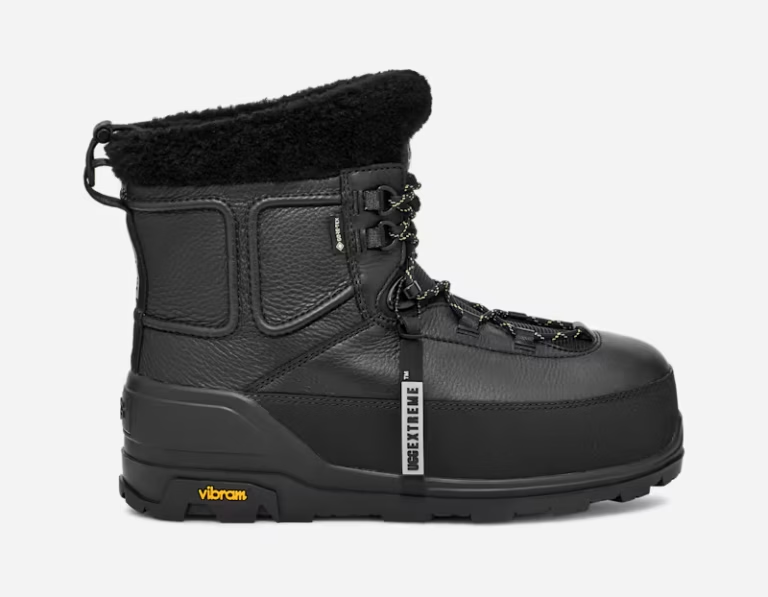
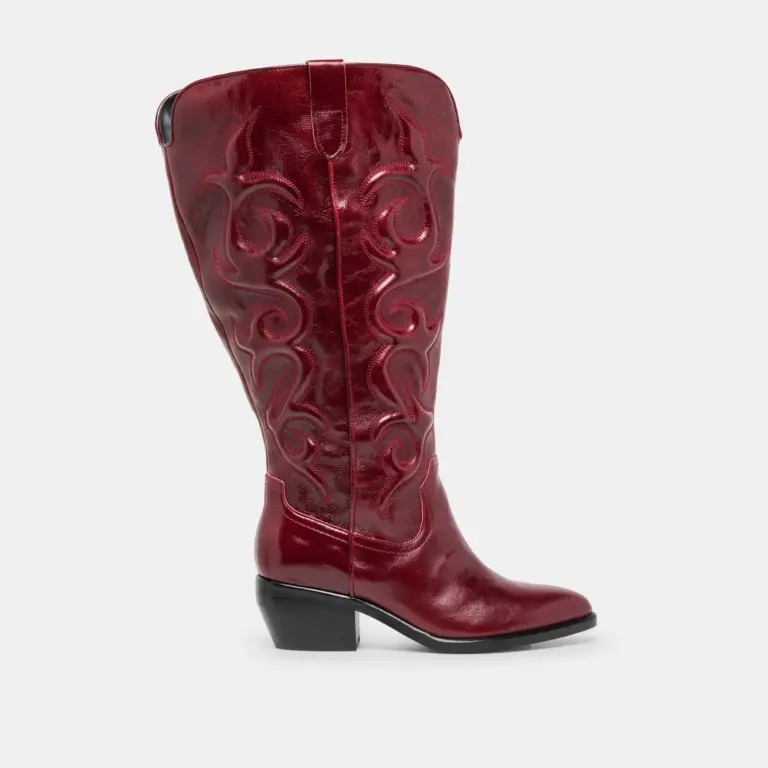 Sock BootsThe Black Leather Sock Boots Shortlist
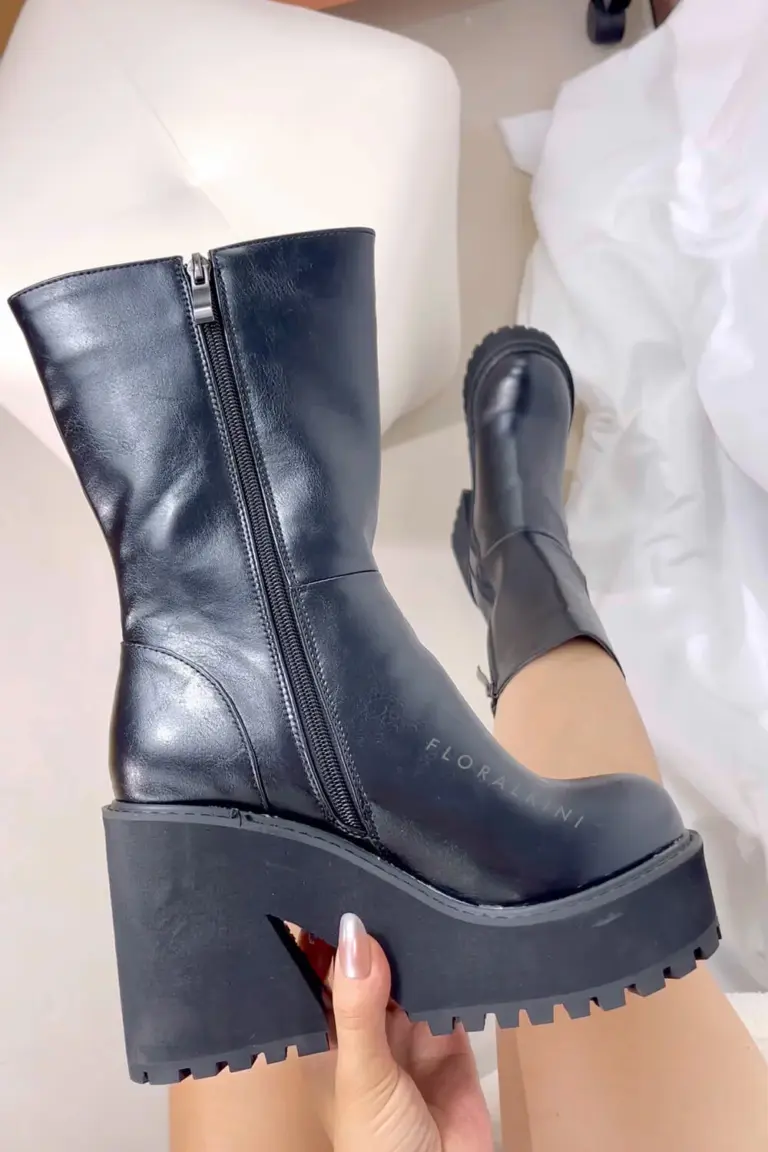
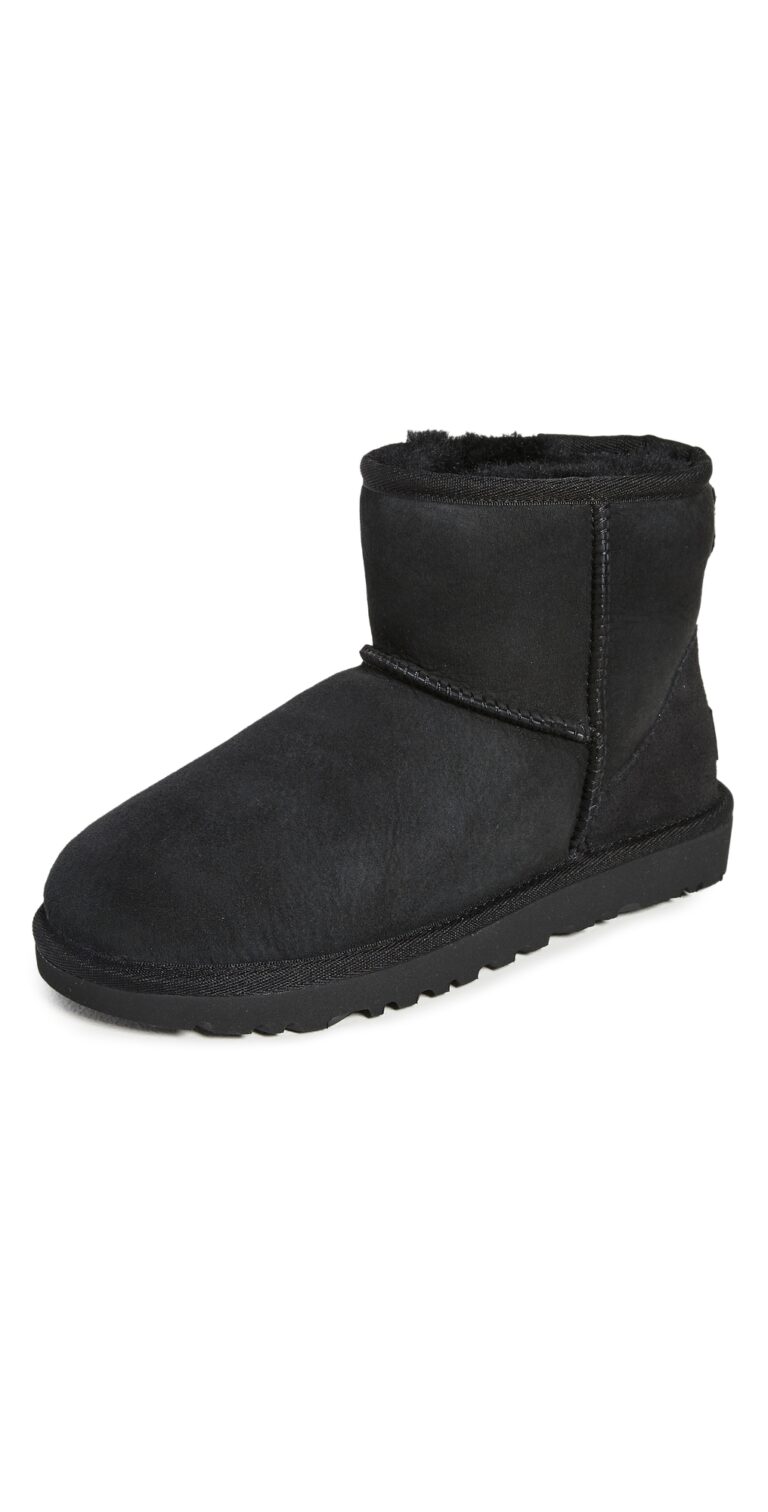 Black BootsOur Kind of Black Leather Ugg Boots
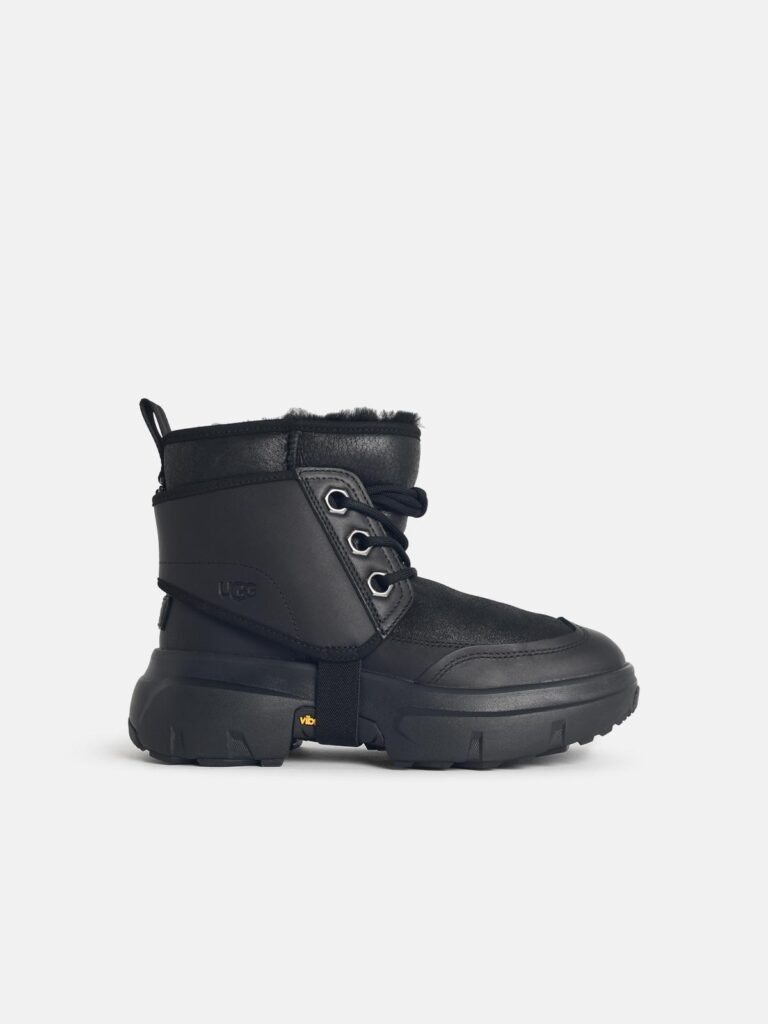
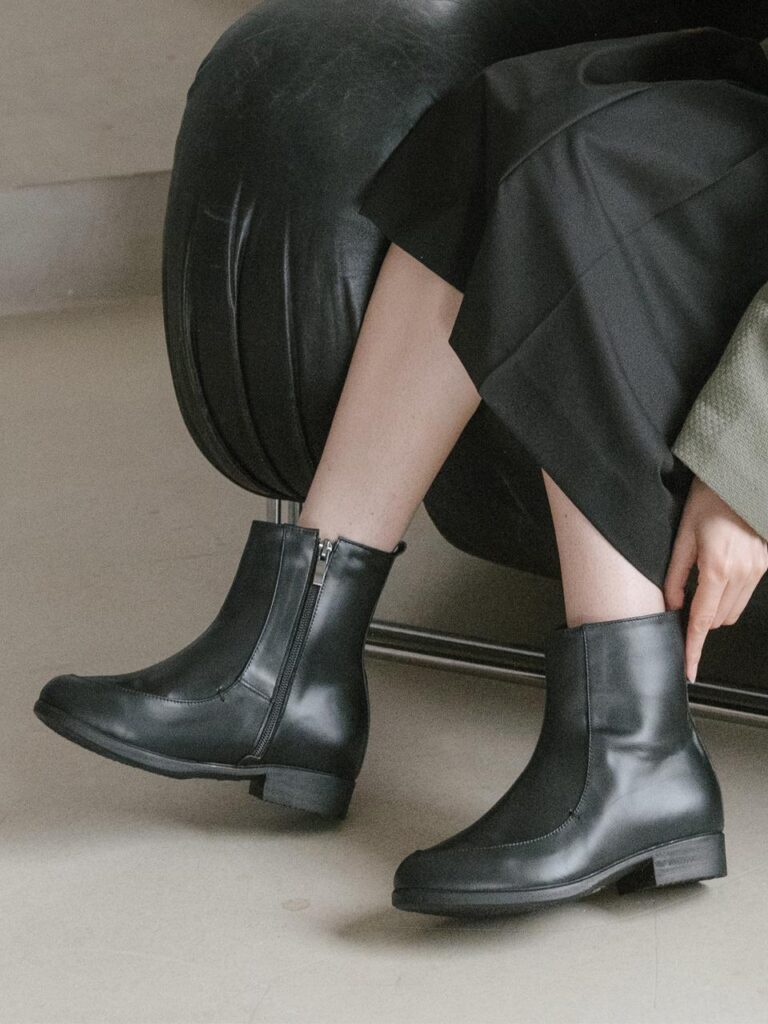 Walking BootsBlack Leather Walking Boots We’d Happily Wear on Repeat
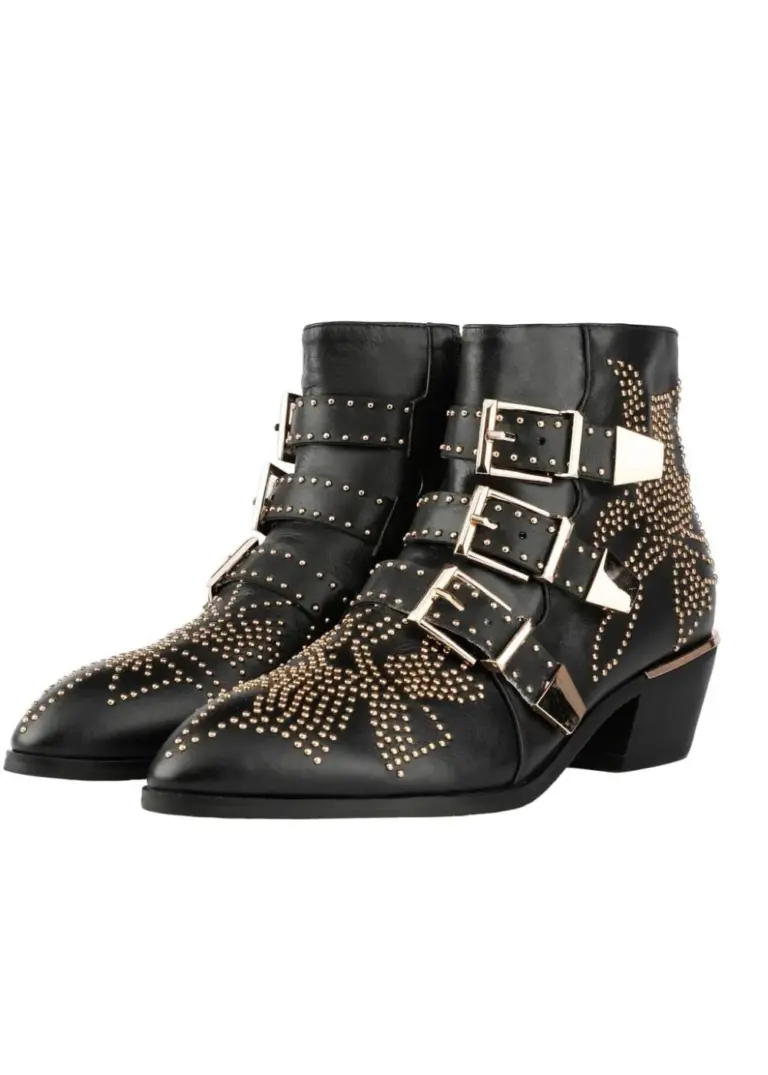
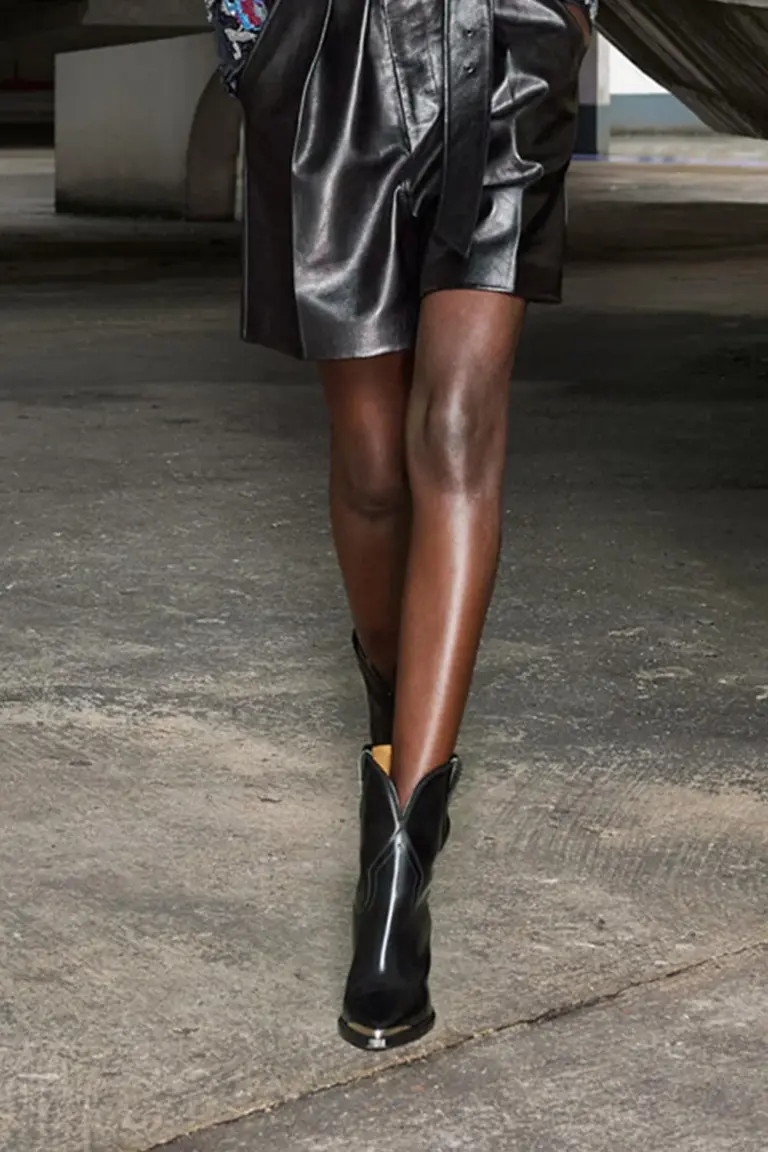
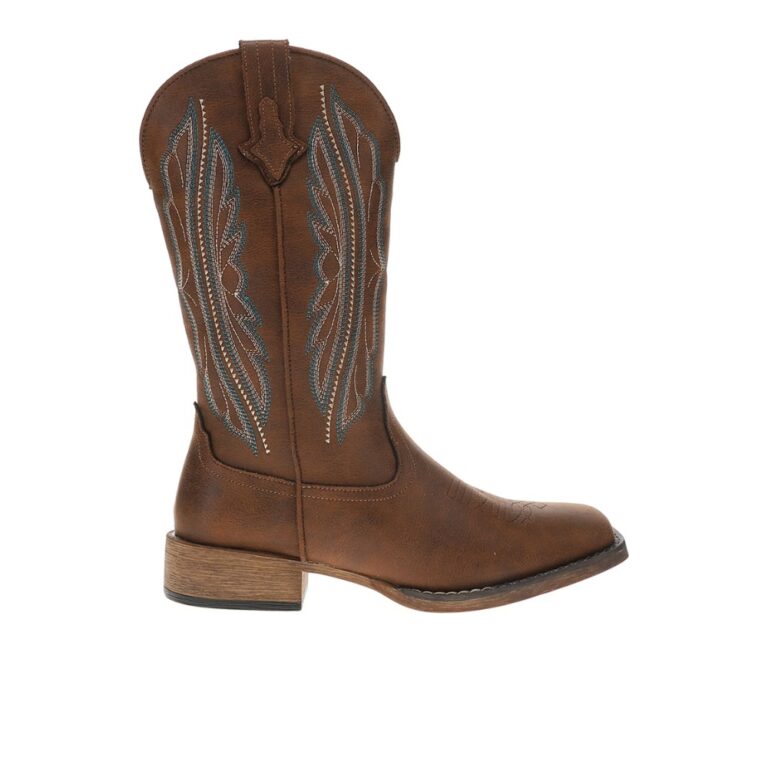 Western BootsBlack Leather Western Boots We’d Buy Again
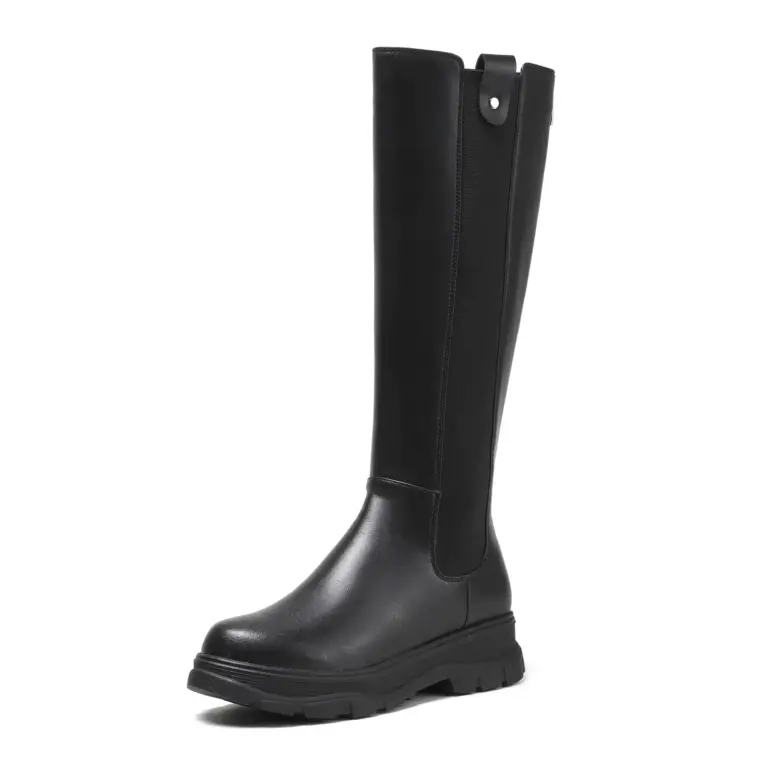 Knee High BootsBlack Leather Knee High Boots You’ll Wear All Season
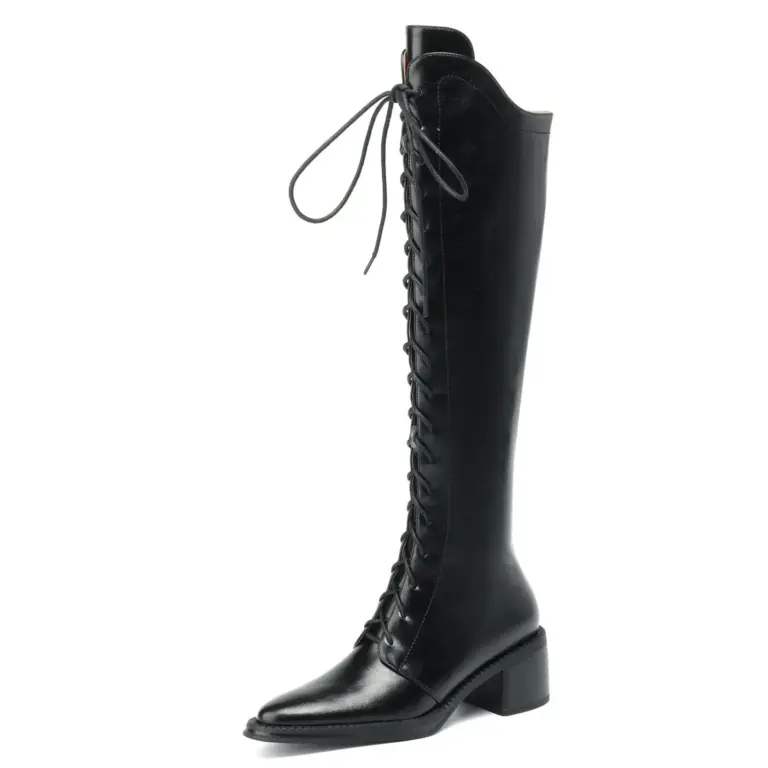
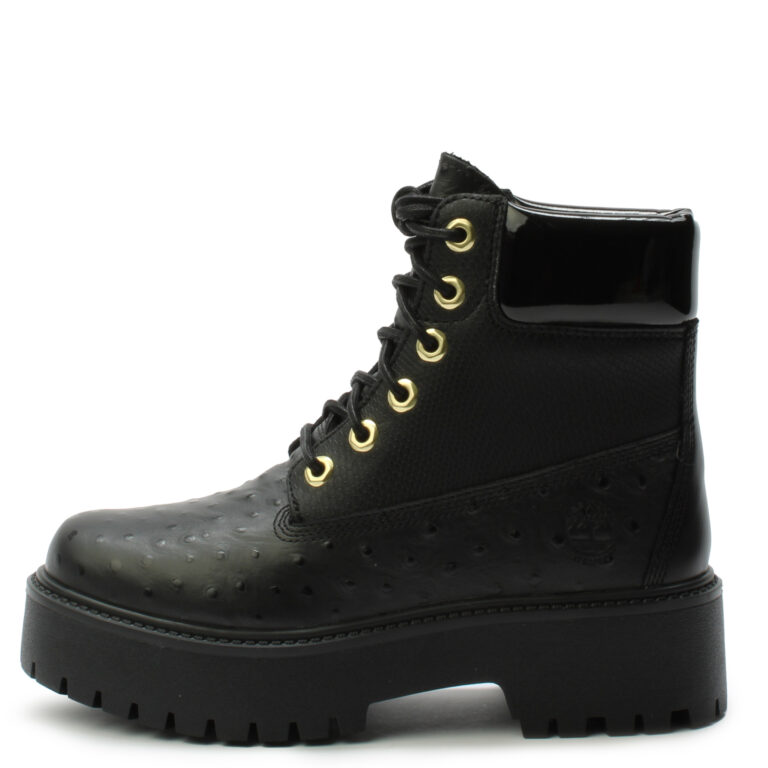 Lace Up BootsBlack Leather Lace Up Boots We Rate