If you're holding a pair of cotton trousers in the changing room and they feel stiff enough to stand up on their own, put them back. The good ones soften within a few wears, not a few washes, and you want a hint of that already in the fabric before you've even paid for them.
The difference between a pair that lasts and a pair that sags by lunchtime usually comes down to the weight and weave of the cotton rather than anything written on the label. A heavier drill or twill cotton, the kind used for chinos, holds its shape through the knee and across the seat, where lighter poplin or a thin cotton blend will bag out after one sitting at a desk. Look at the waistband construction too: a proper curved waistband with interfacing inside it sits flatter than a flimsy strip of fabric folded over and stitched, which will roll and dig in by the afternoon. Check the stitching along the inside leg and the pocket bags, since that's where cheap trousers give themselves away first, with loose threads or seams that pucker. Buttons and zips should feel solid when you do them up, not like something you'd be replacing within the year, and the hem should hang straight rather than twist when you walk a few steps in them, which tells you the grain of the fabric was cut properly.
In the shop, sit down in them before you decide anything. Cotton doesn't have much give unless there's a touch of elastane woven in, so what feels fine standing at a mirror can pull tight across the thigh the second you bend. Check the rise against your own proportions rather than the mannequin's, and look at how the pockets lie flat rather than gaping open, which happens more than it should on the cheaper end of the rail.
For everyday wear, cotton trousers do most of their work alongside simple things: a fine knit jumper tucked in, a plain cotton shirt with the sleeves rolled, trainers on a weekend or loafers for anything that needs to look slightly more put together. They're forgiving with colour too, taking navy, white or stripes just as easily as a plain jumper in a neutral shade, which makes them one of the few trouser styles that doesn't ask much of the rest of the outfit.
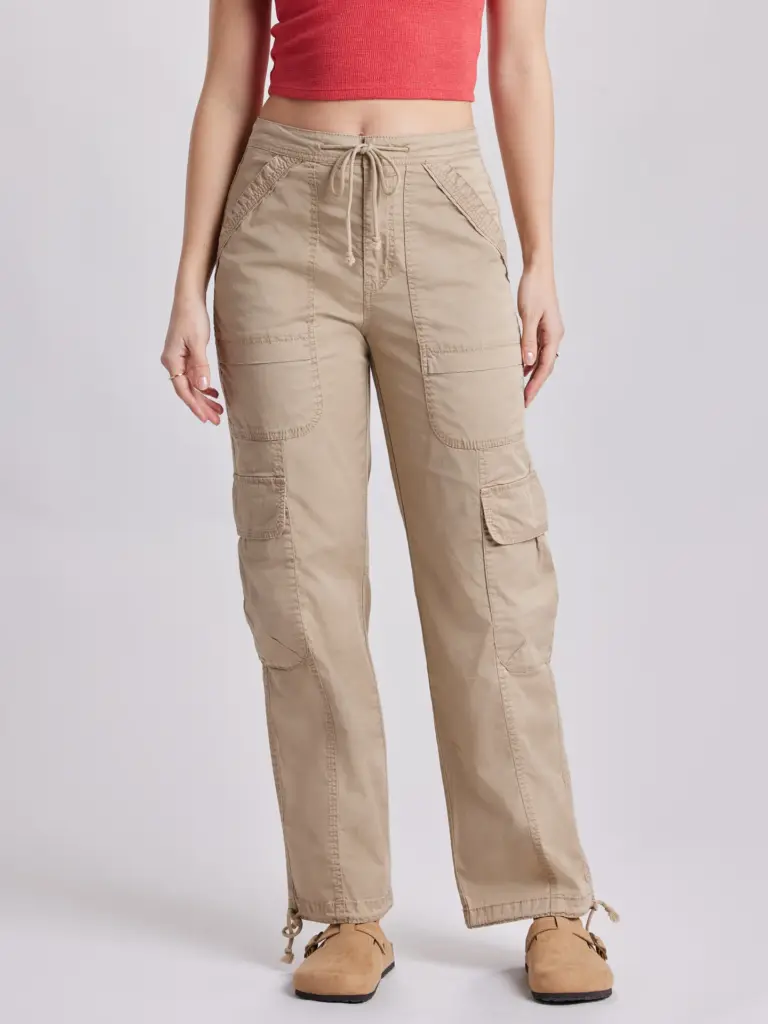
If you've never owned a pair, start with a straight leg in a mid weight cotton rather than anything cropped or heavily tapered, since it suits the widest range of bodies and occasions. And for a first colour, go for a soft stone or khaki rather than white or black. It hides a lot, goes with almost everything you already own, and won't show every crease by the end of the day.
 Green PantsGreen Cotton Pants: Our Top Picks
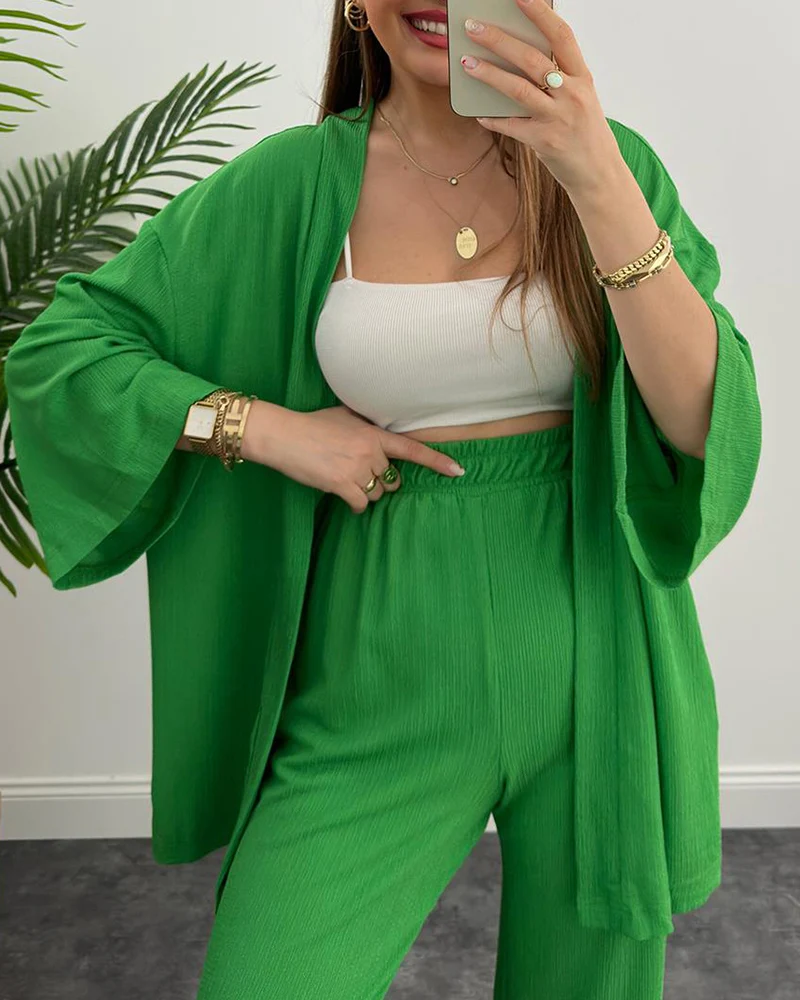
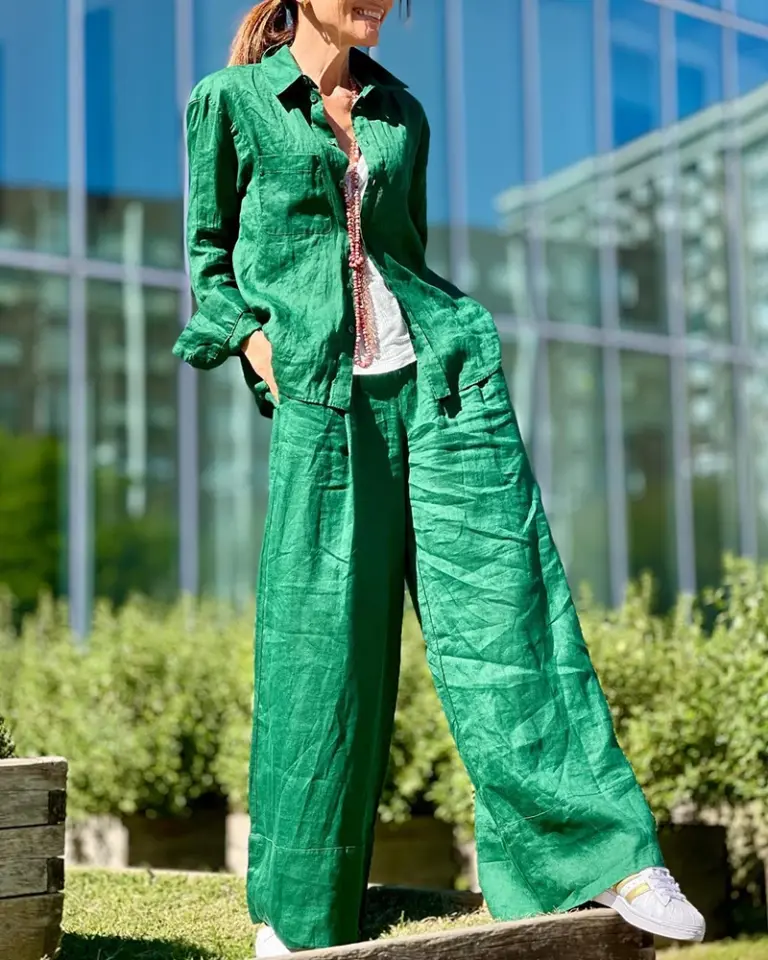 Green PantsA Closer Look at the Best Green Cotton Wide Leg Pants
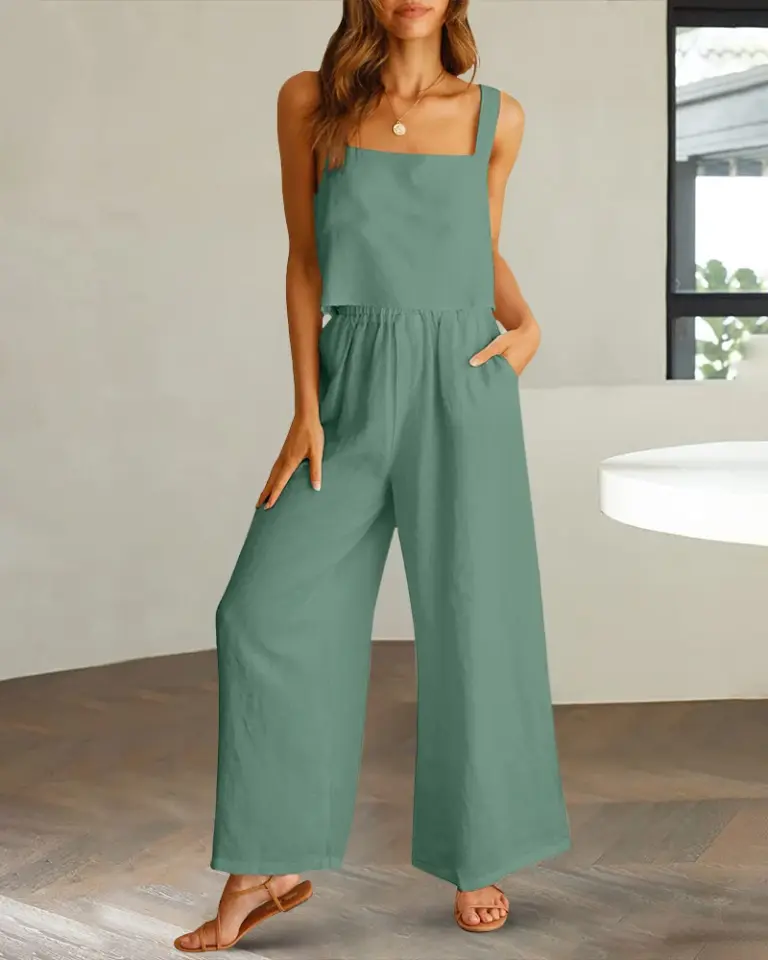
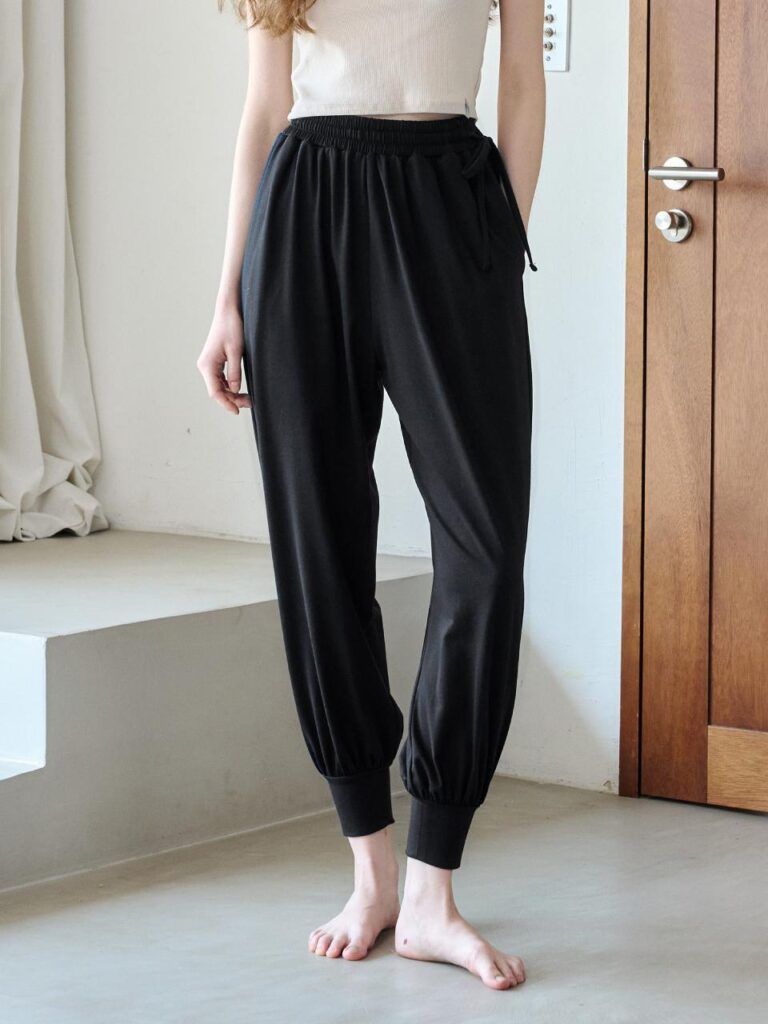 Green PantsThe Prettiest Green Cotton Slim Pants Around Right Now
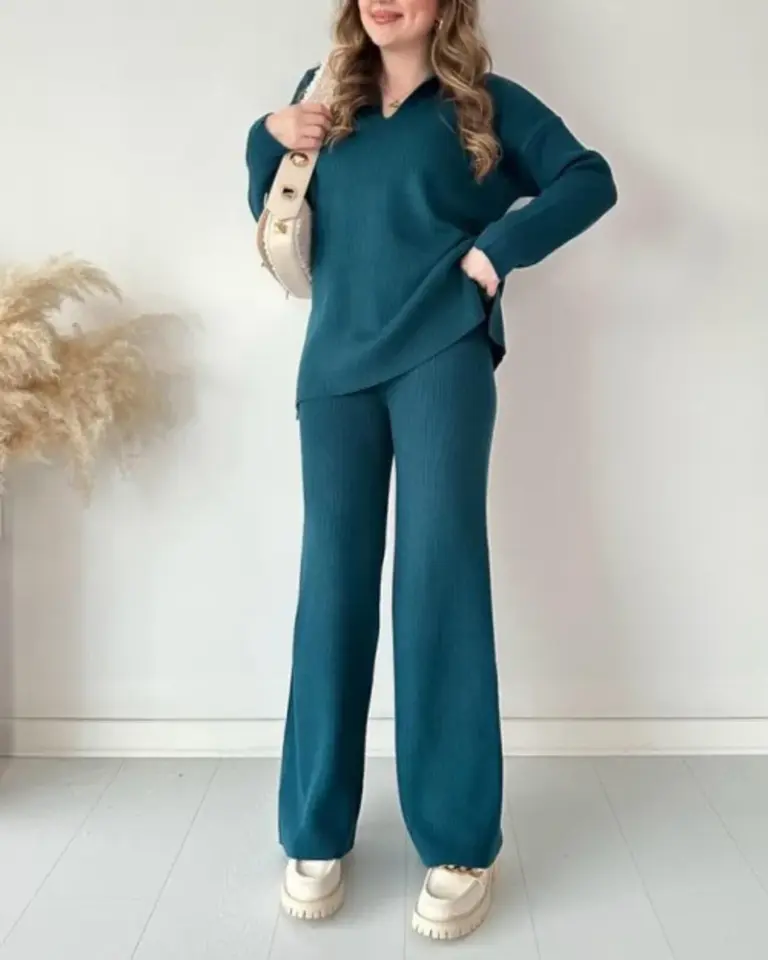
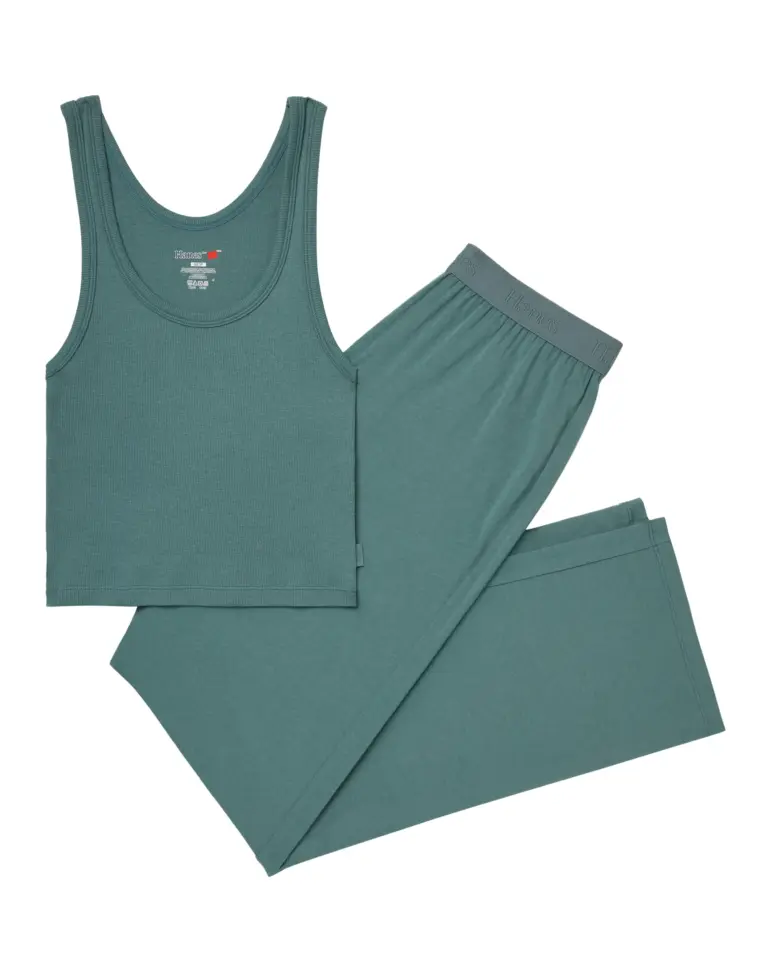 Green PantsOur Top Green Cotton Straight Leg Pants Right Now
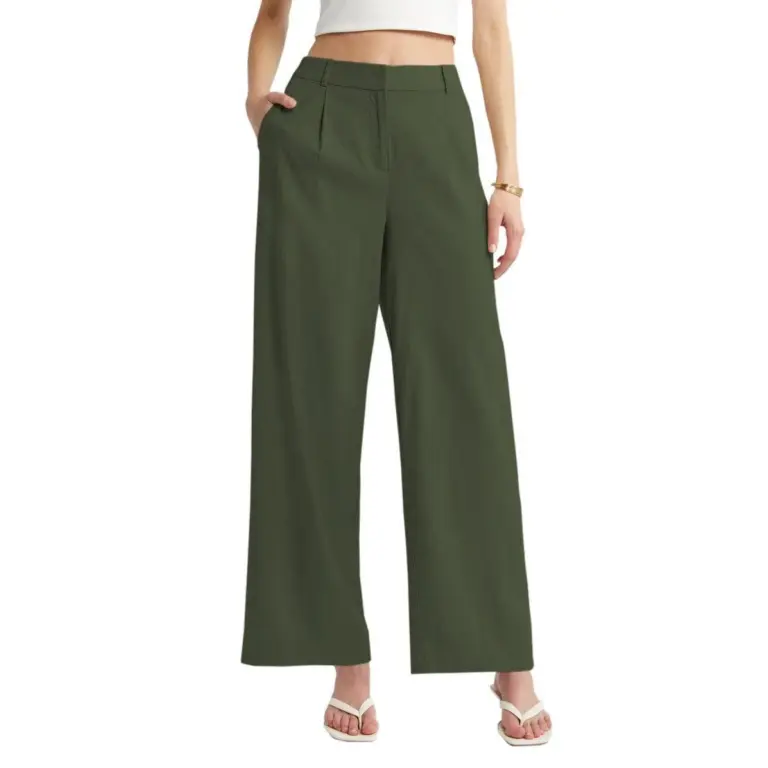
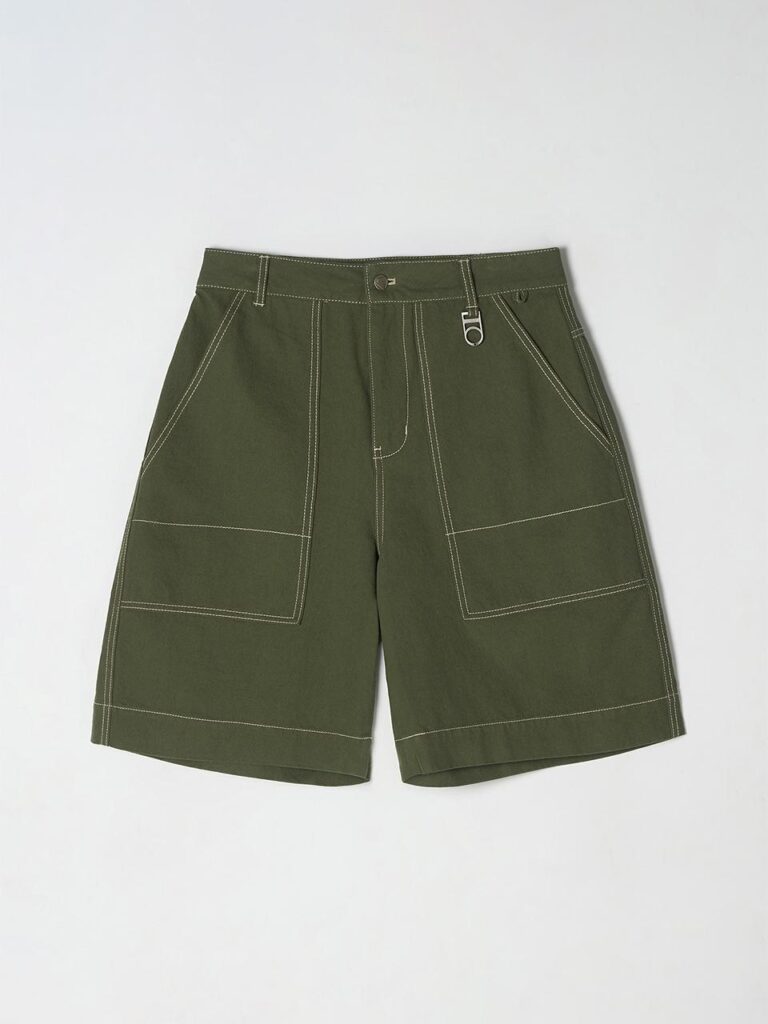 Green PantsThe Best Green Cotton Tailored Pants to Shop Now
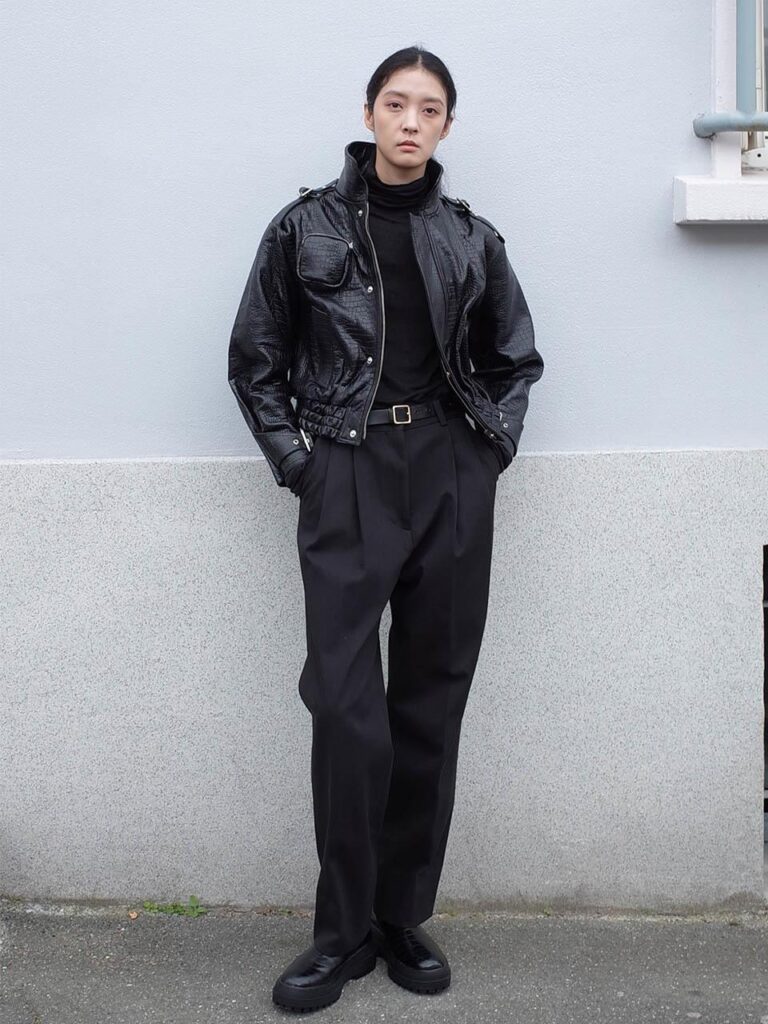
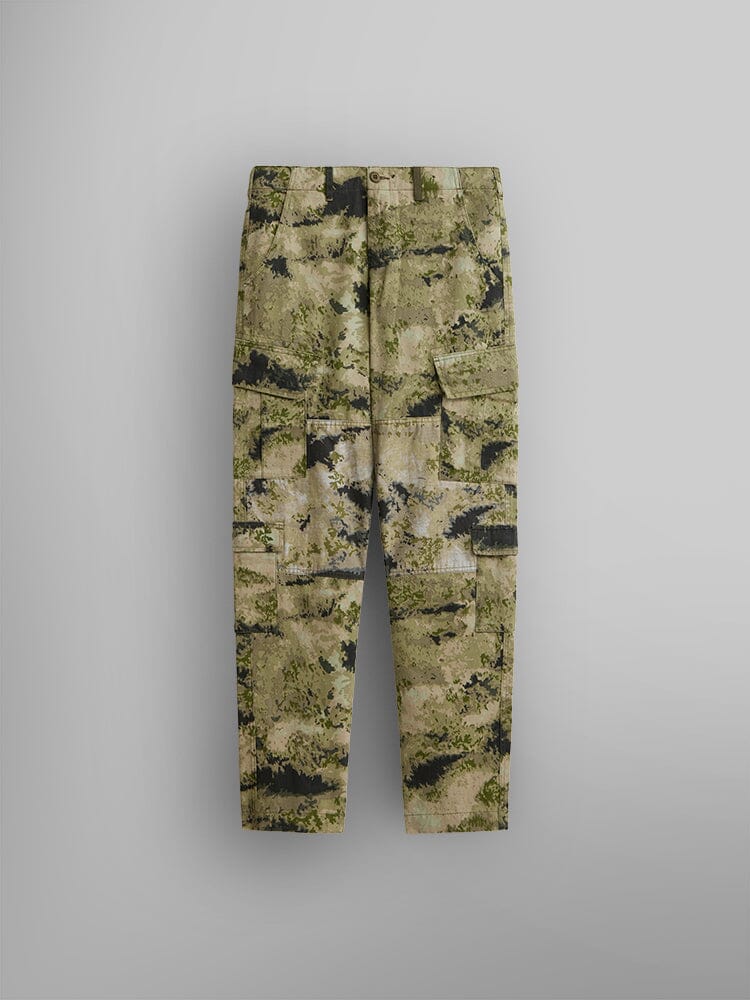 Cargo PantsGreen Cotton Cargo Pants We’d Buy Again
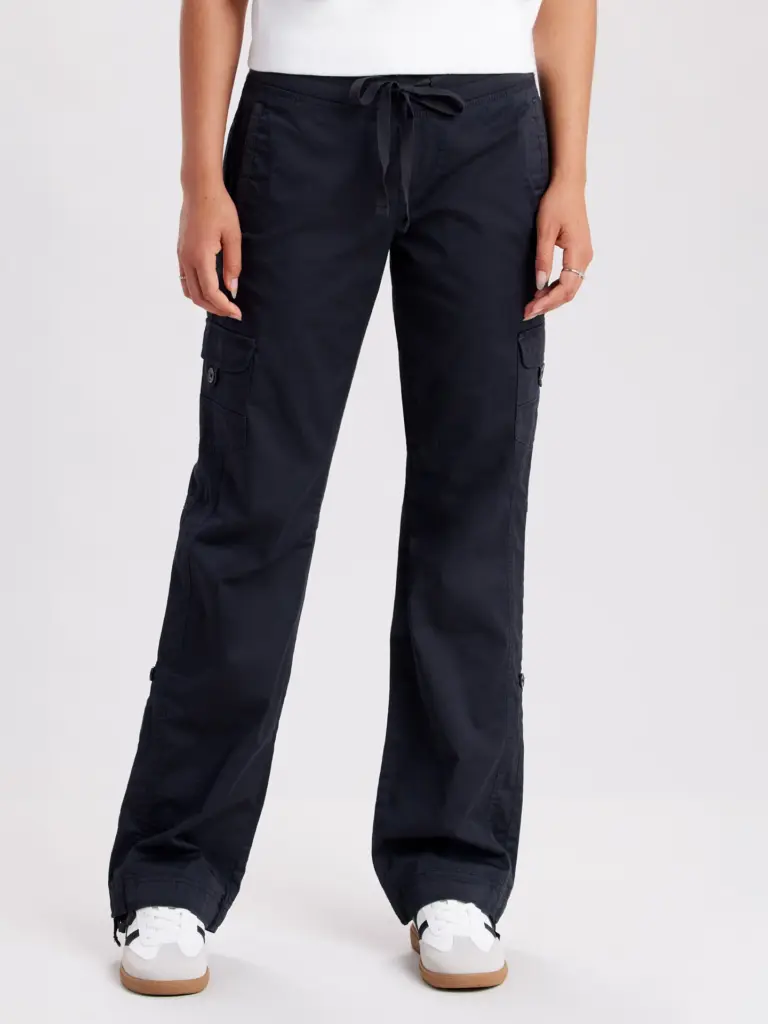
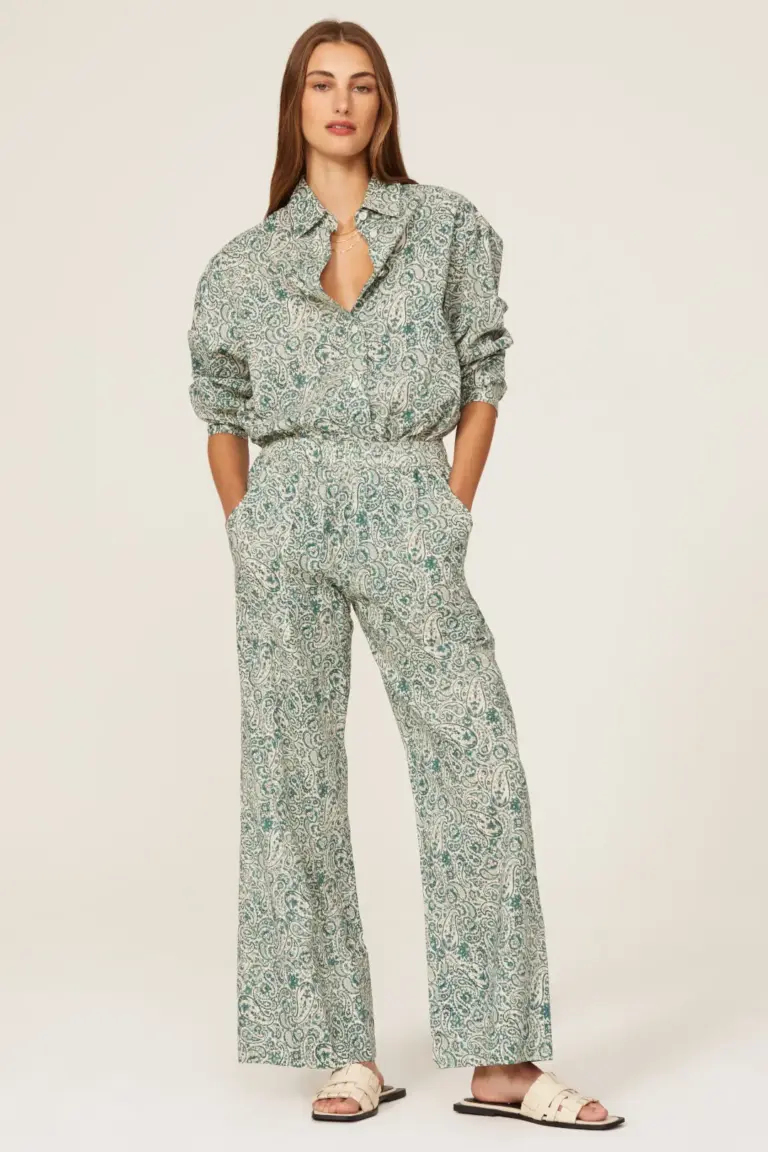 Flared PantsGreen Cotton Flared Pants You’ll Wear Week After Week
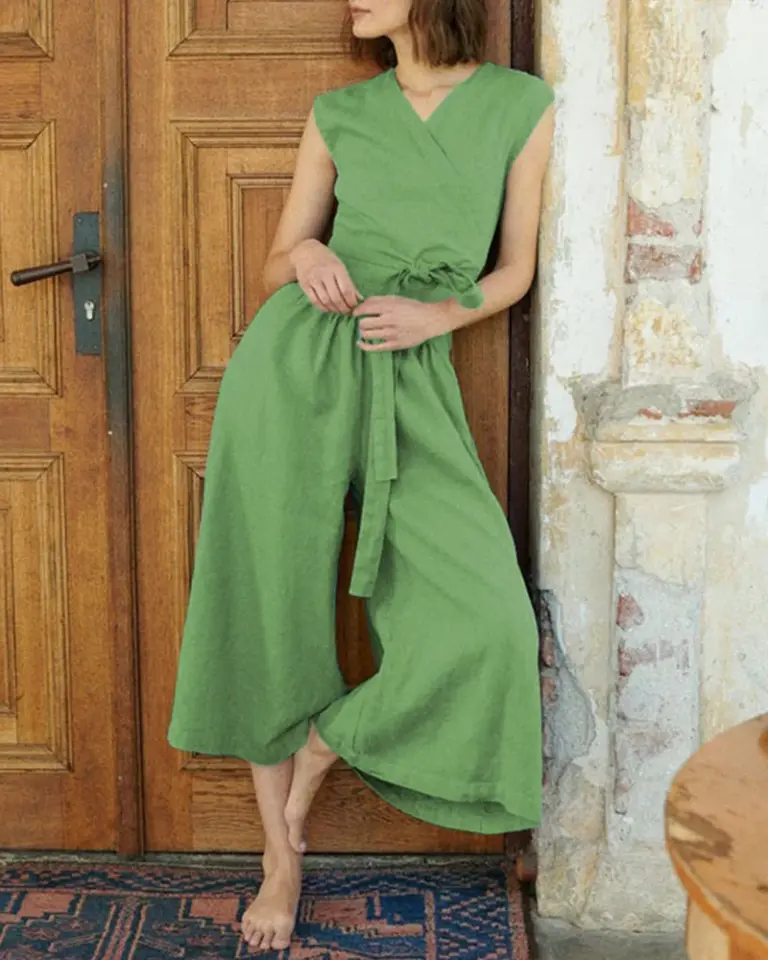
 Green PantsOur Shortlist of Green Cotton Linen Pants
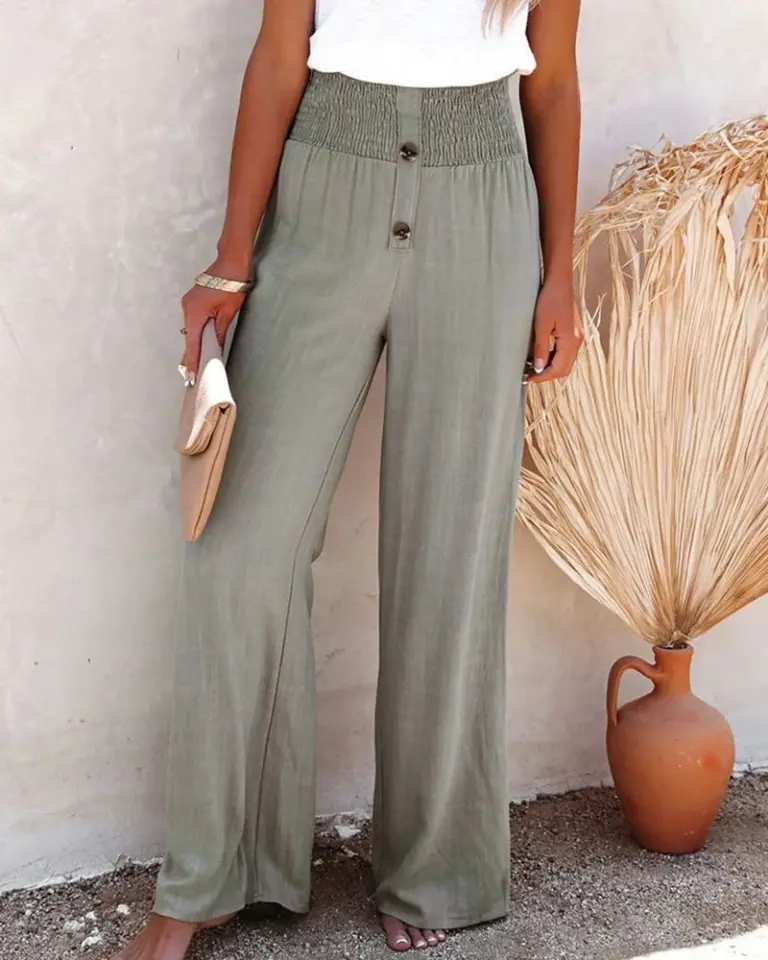
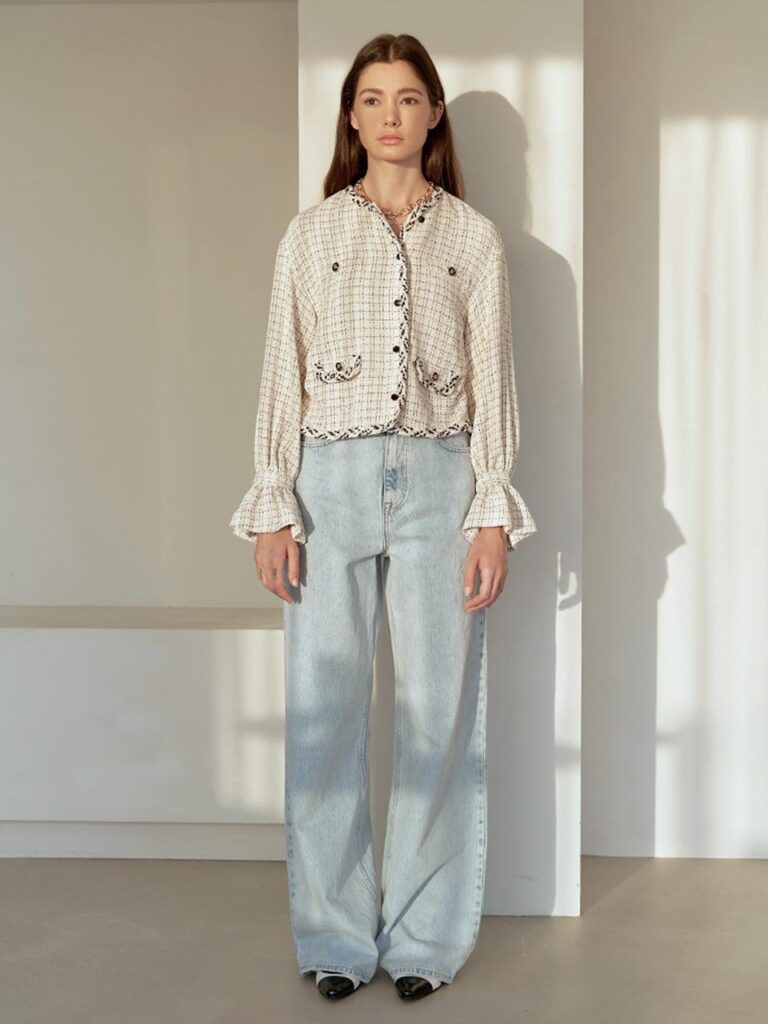 Tailored PantsGold Cotton Tailored Pants: What We’d Buy NowAlso worth a lookTailored PantsYou can spot a good pair of tailored trousers from right across a room.See the collections →
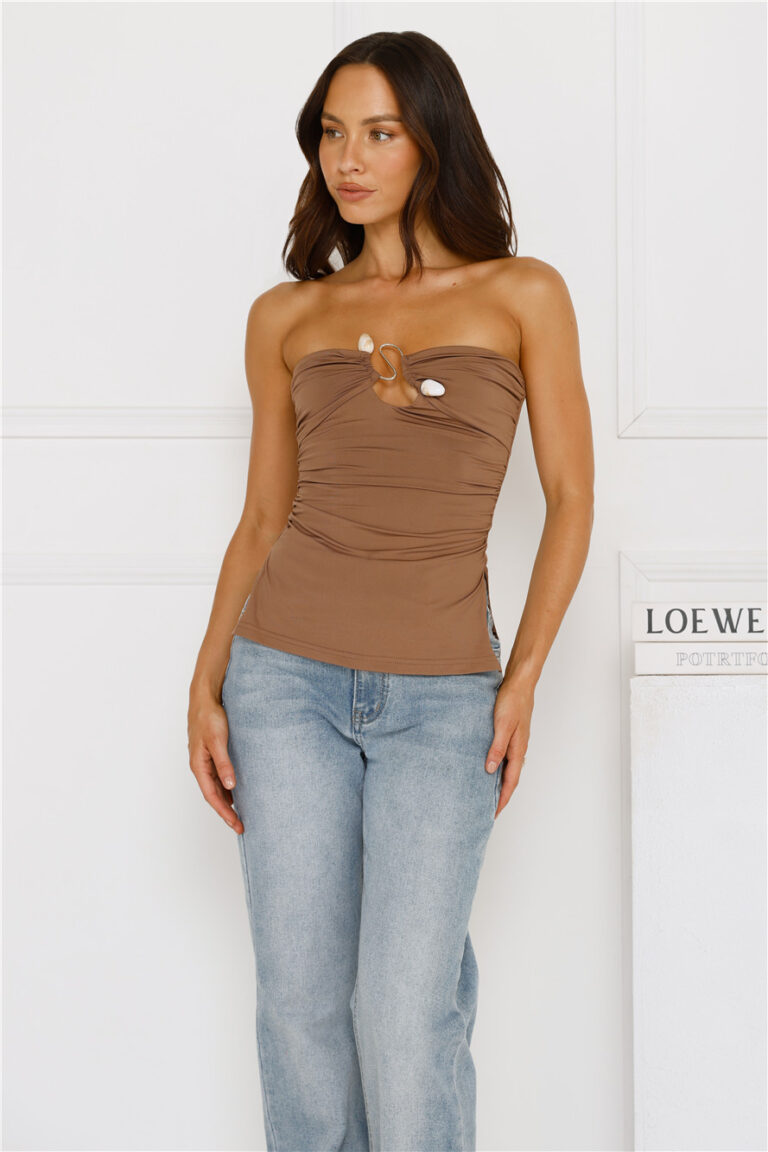
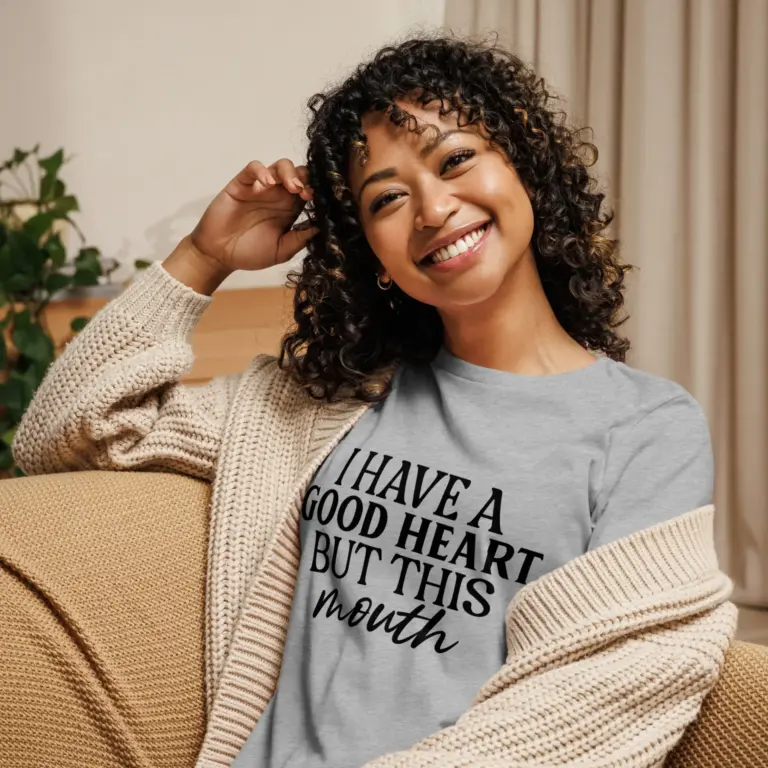 The Gold Cotton Pants Your Wardrobe Is Missing
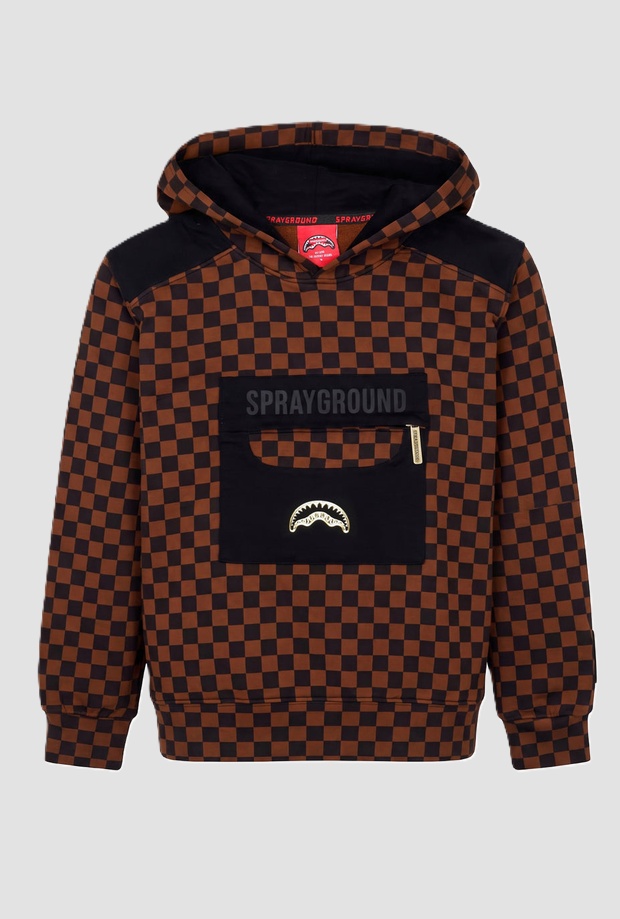
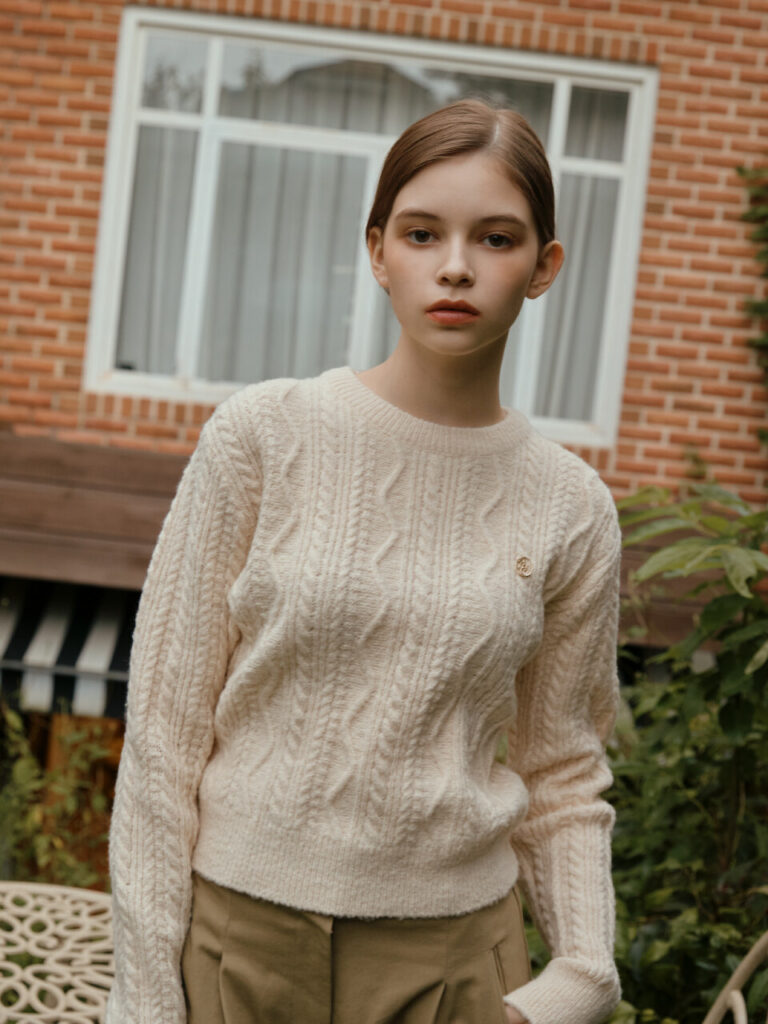 Wide Leg PantsGold Cotton Wide Leg Pants We’d Recommend to a Friend
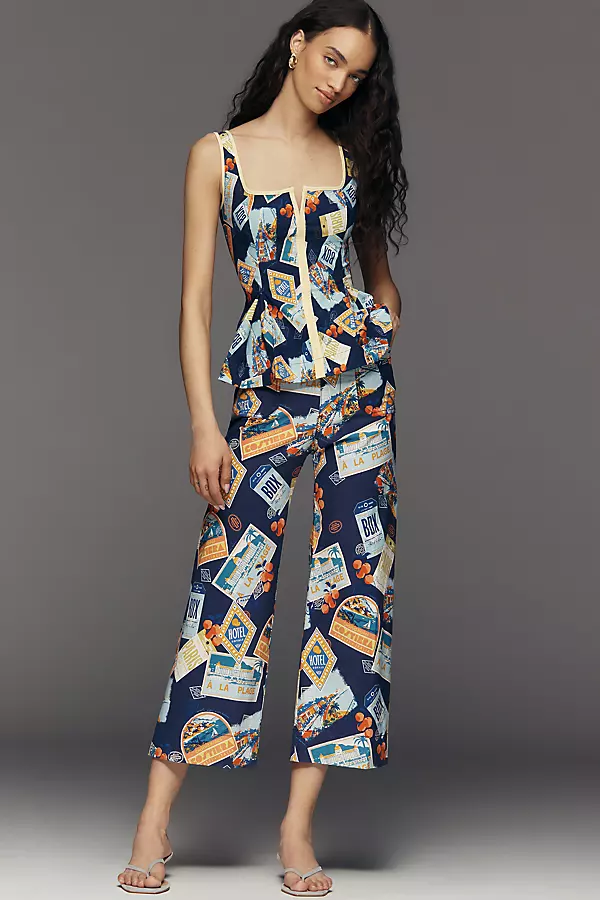
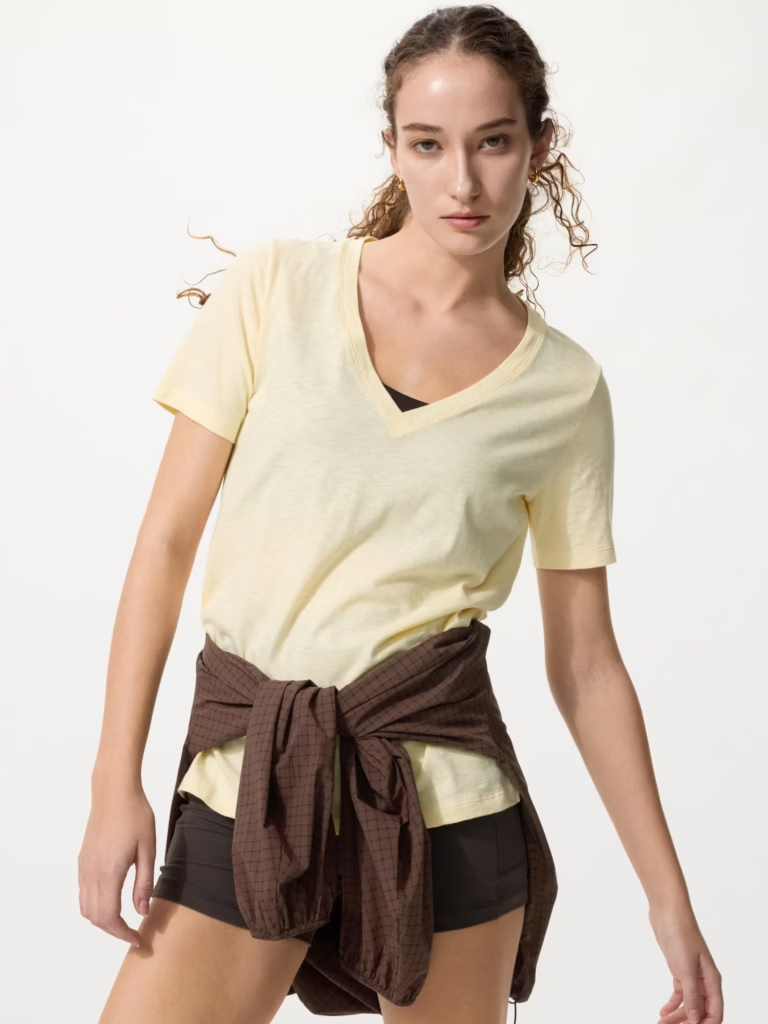 Cream PantsThe Best Cream Cotton Tailored Pants to Shop Now
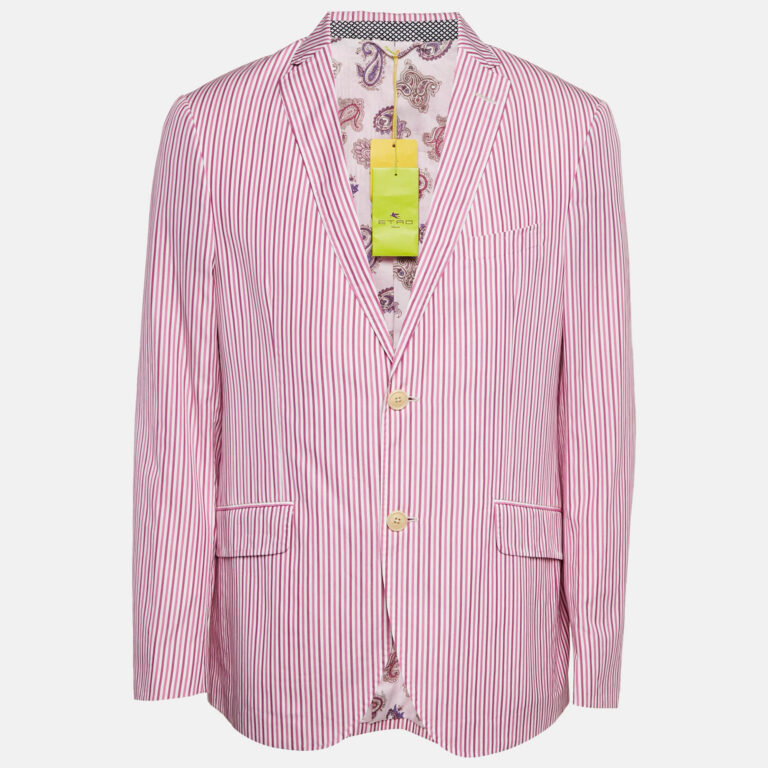
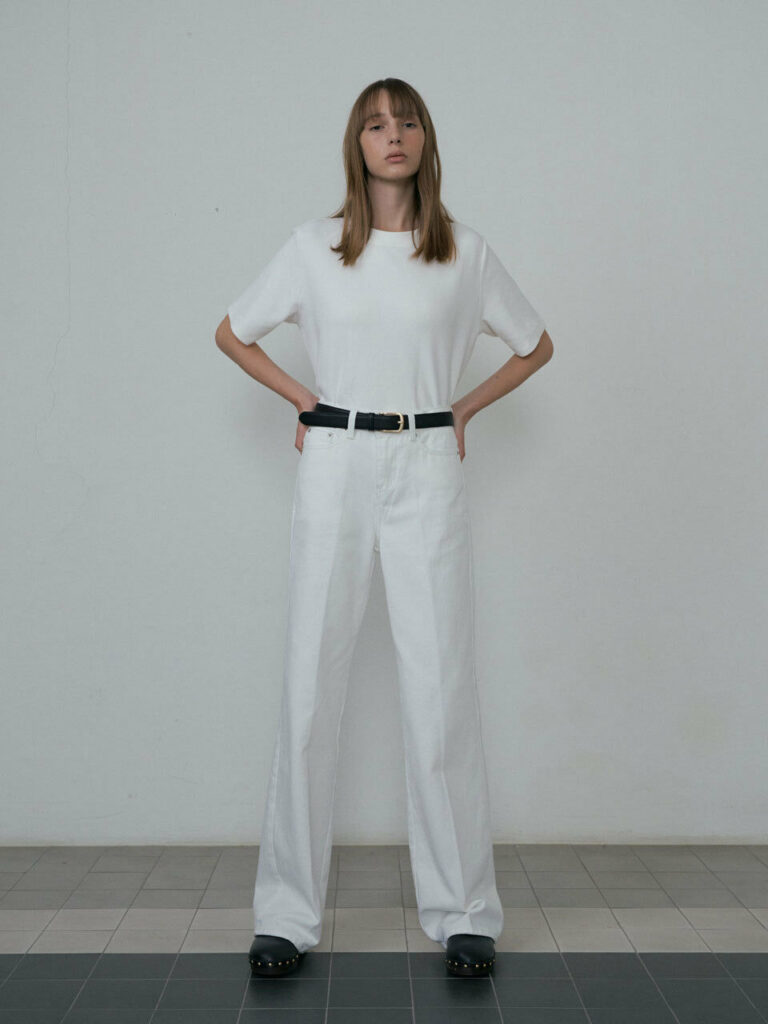 Cream PantsShop the Edit: Cream Cotton Pants
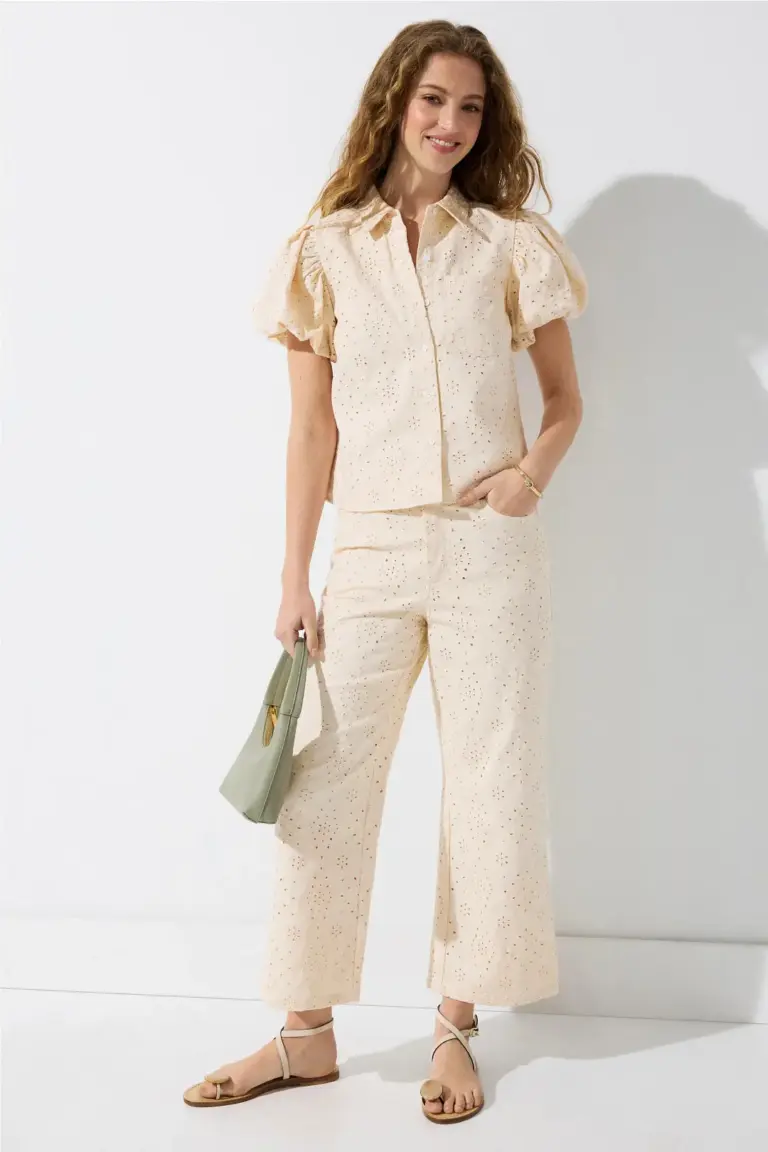
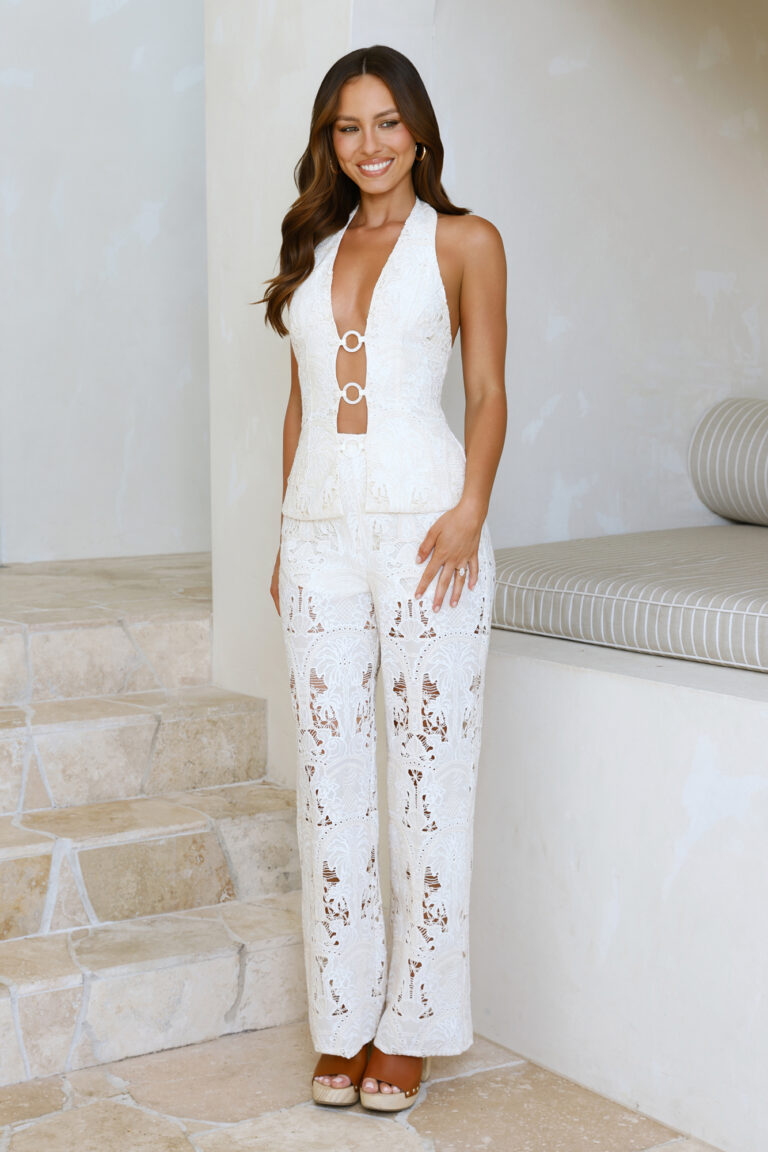 Cream PantsThe Cream Cotton Wide Leg Pants Worth Your Wardrobe Space
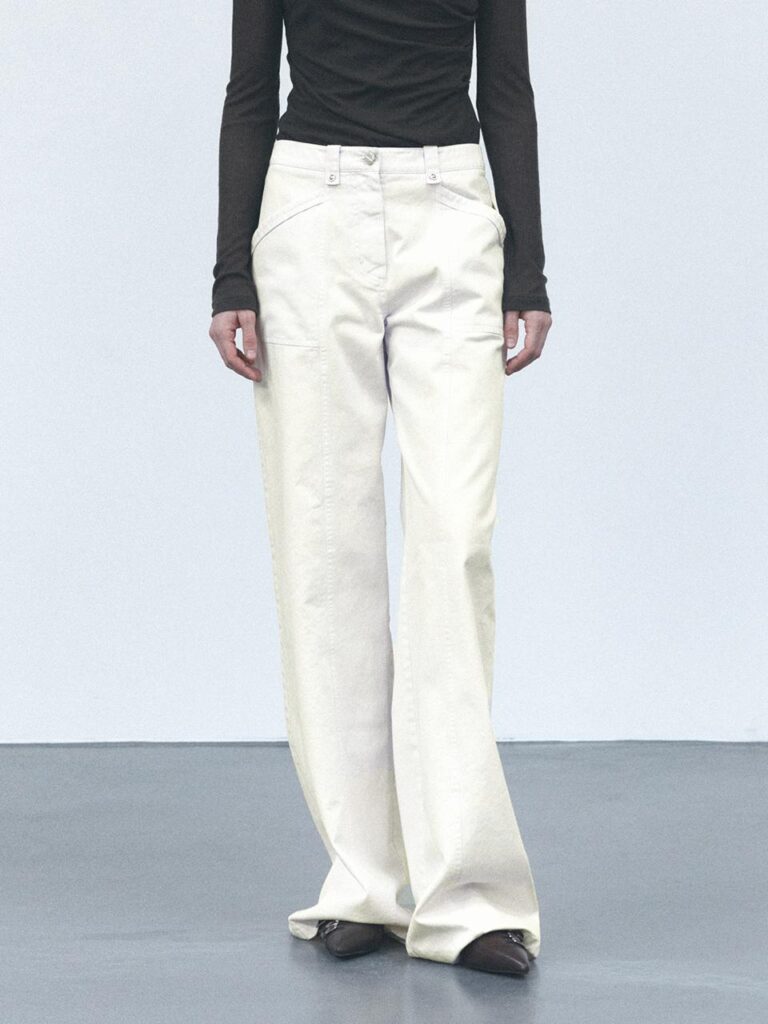
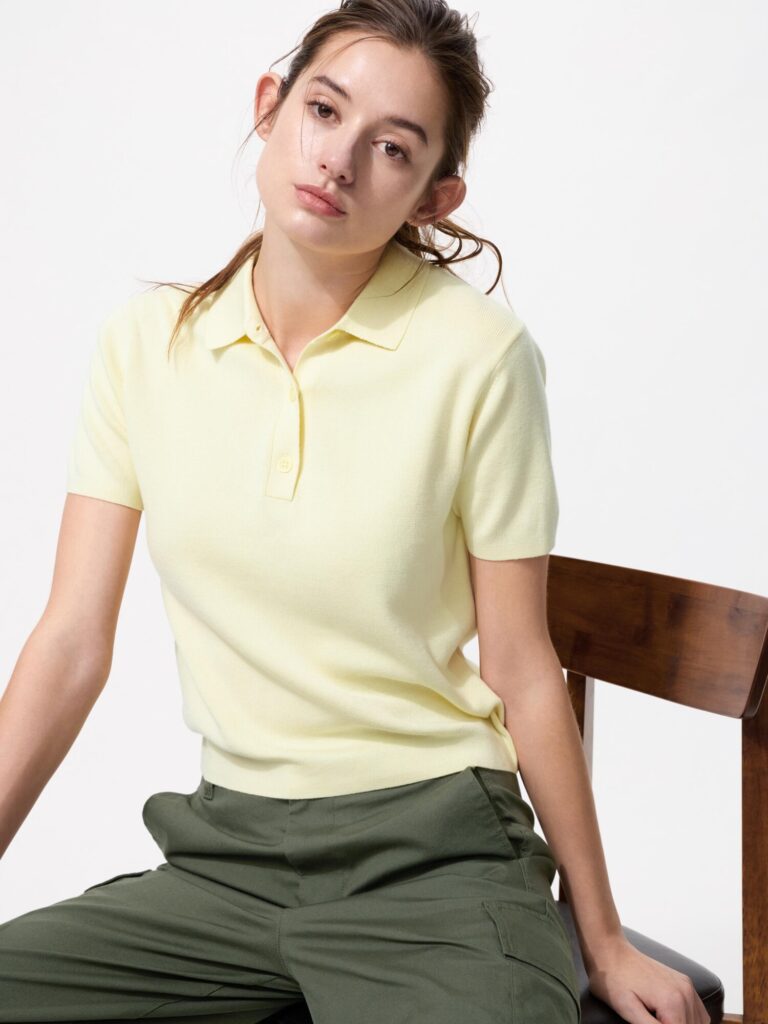 Wide Leg PantsThe Cotton Wide Leg Pants Shortlist
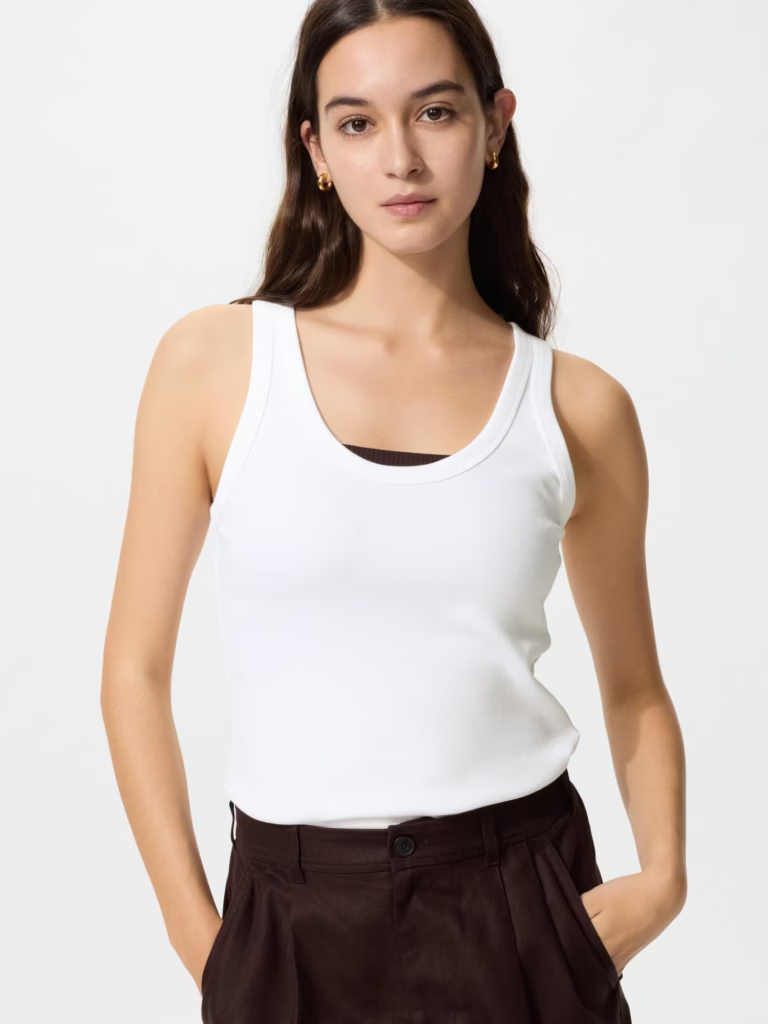 Straight Leg PantsShop the Edit: Cotton Straight Leg Pants
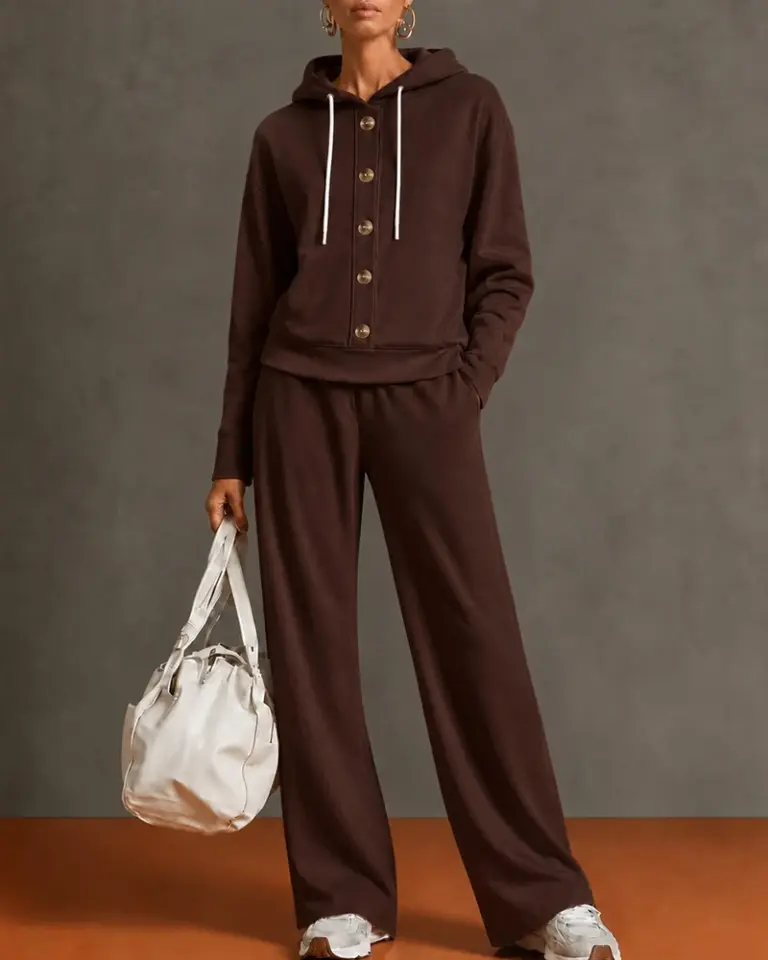
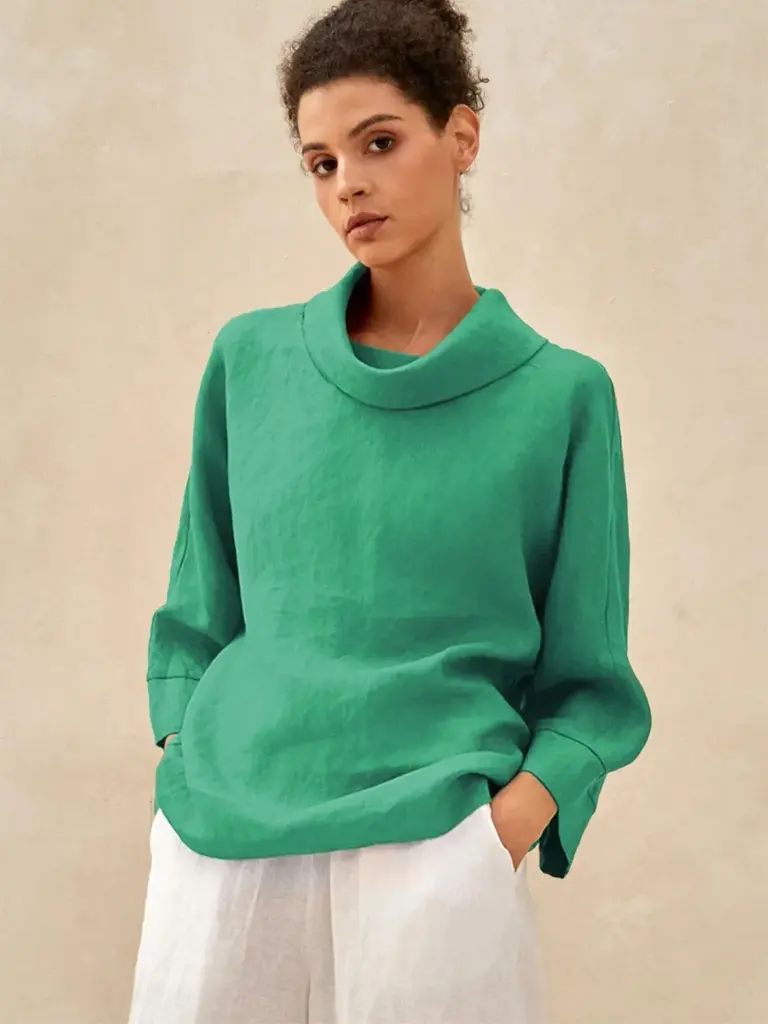 Tailored PantsFinding the Best Cotton Tailored Pants
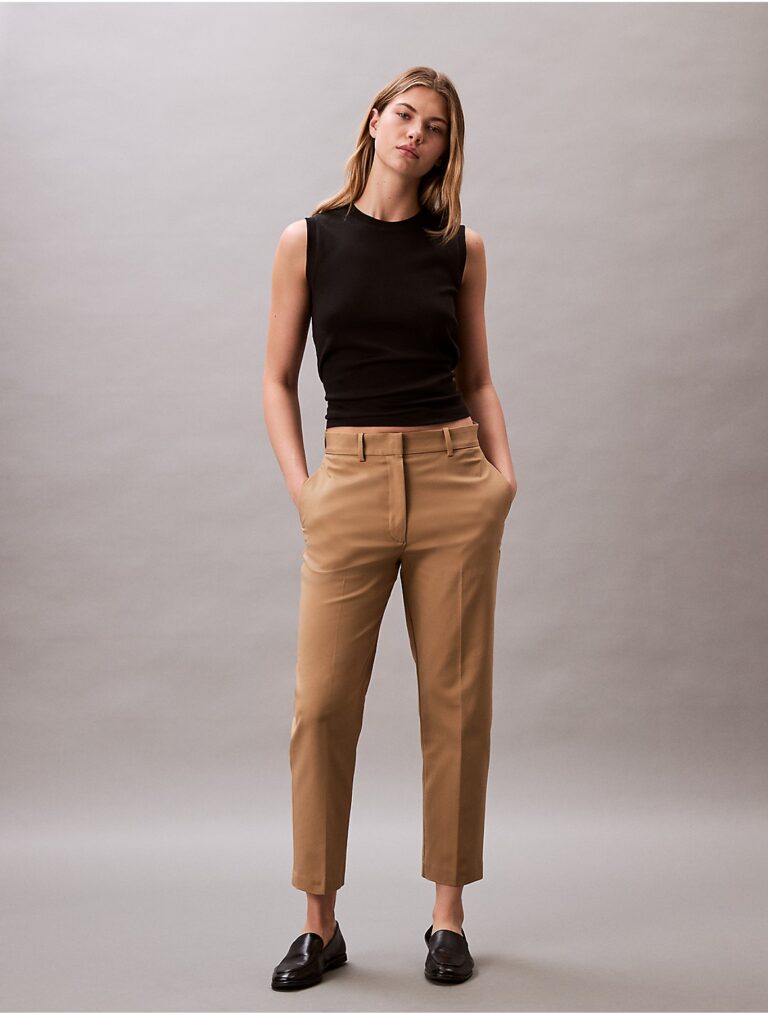
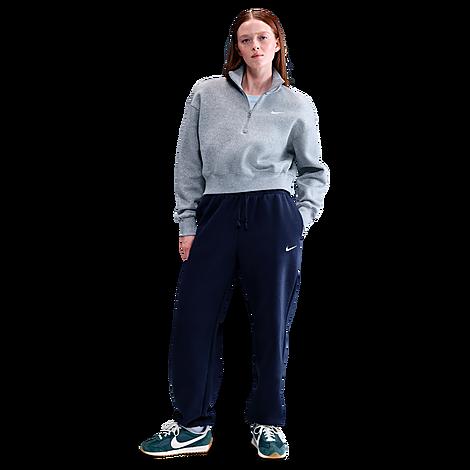 Our Edit of the Best Cotton PantsAlso worth a lookWide Leg PantsWide leg trousers will make you look shorter if you get the length wrong, and the margin for error is smaller than it looks.See the collections →
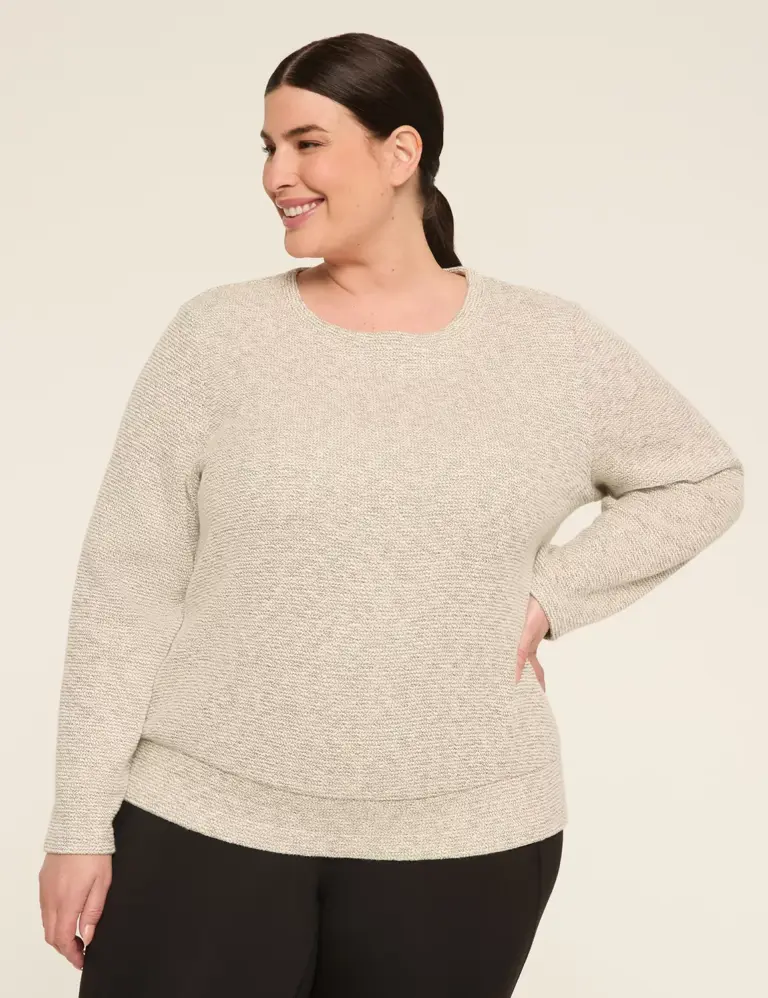
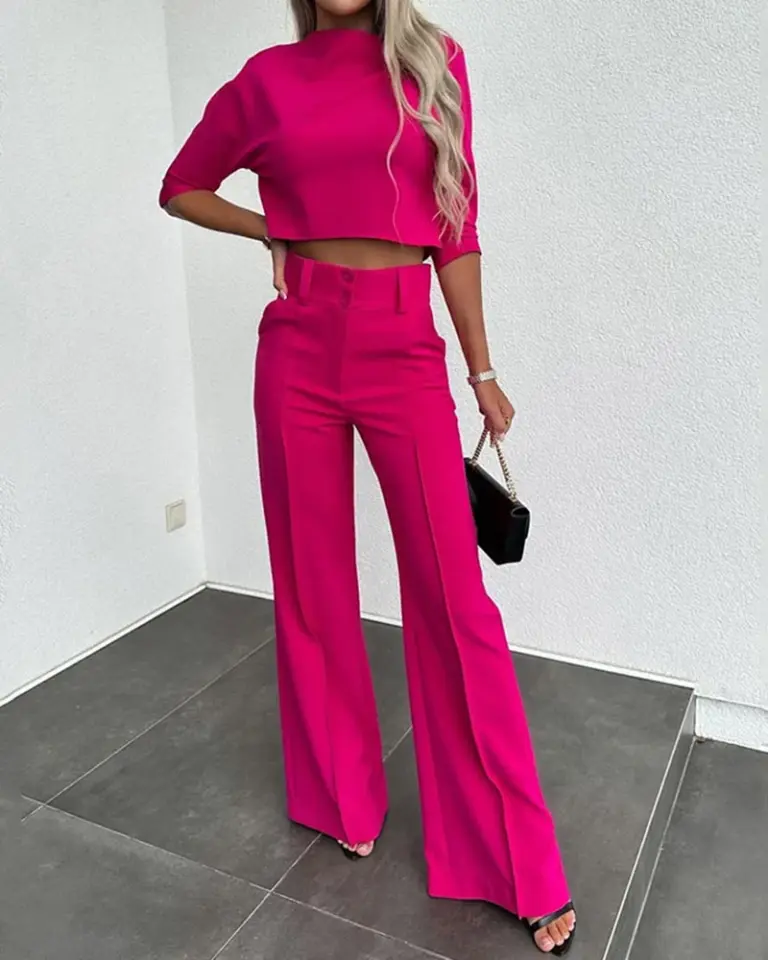 Slim PantsCotton Slim Pants: The Edit
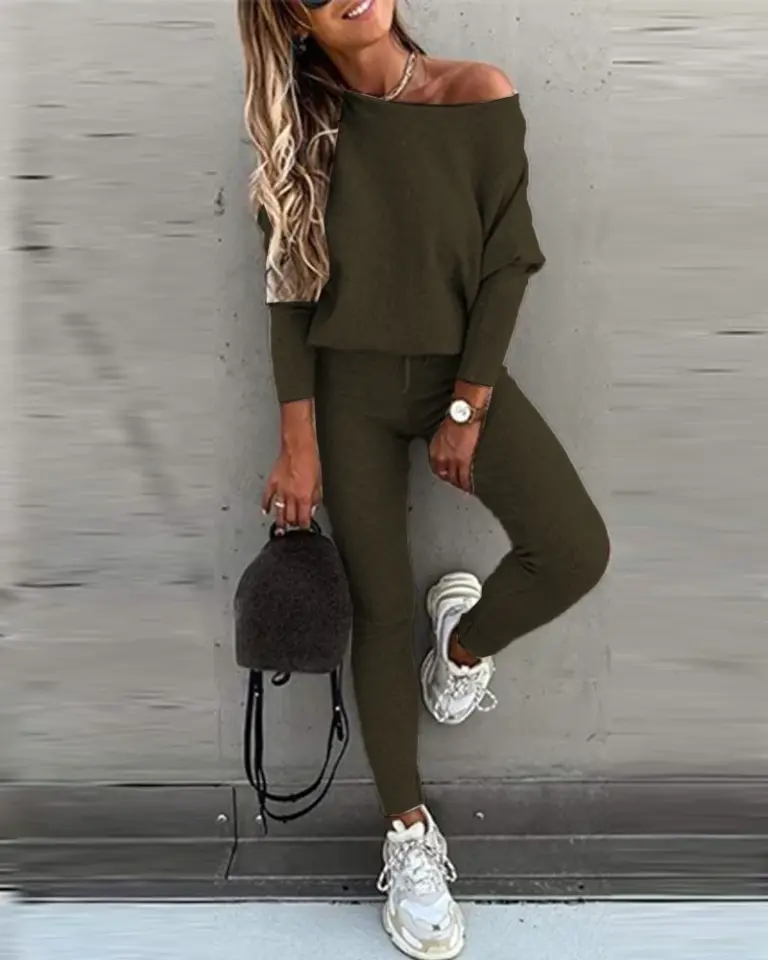
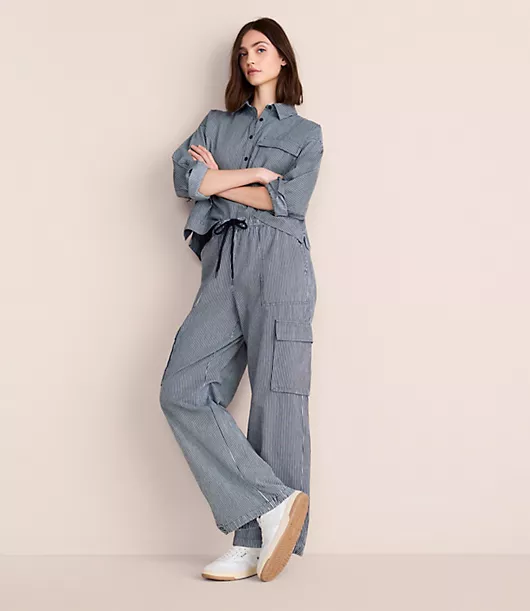 Cotton Parachute Pants: What We’d Buy Now
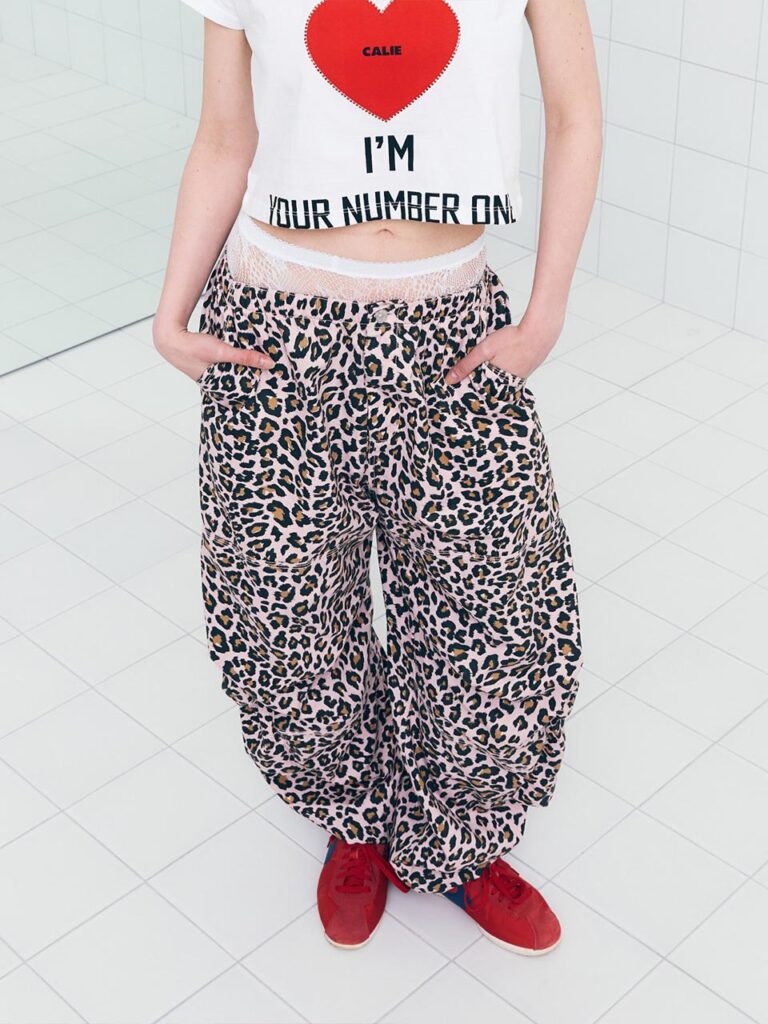
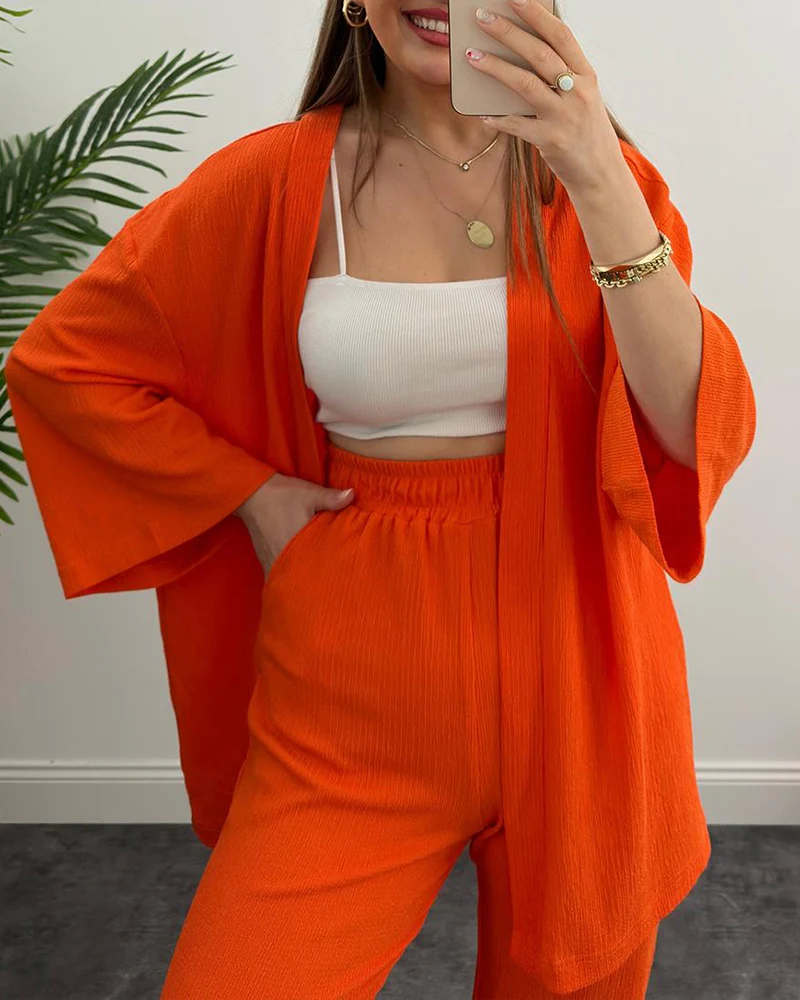 Pleated PantsFinding the Best Cotton Pleated Pants
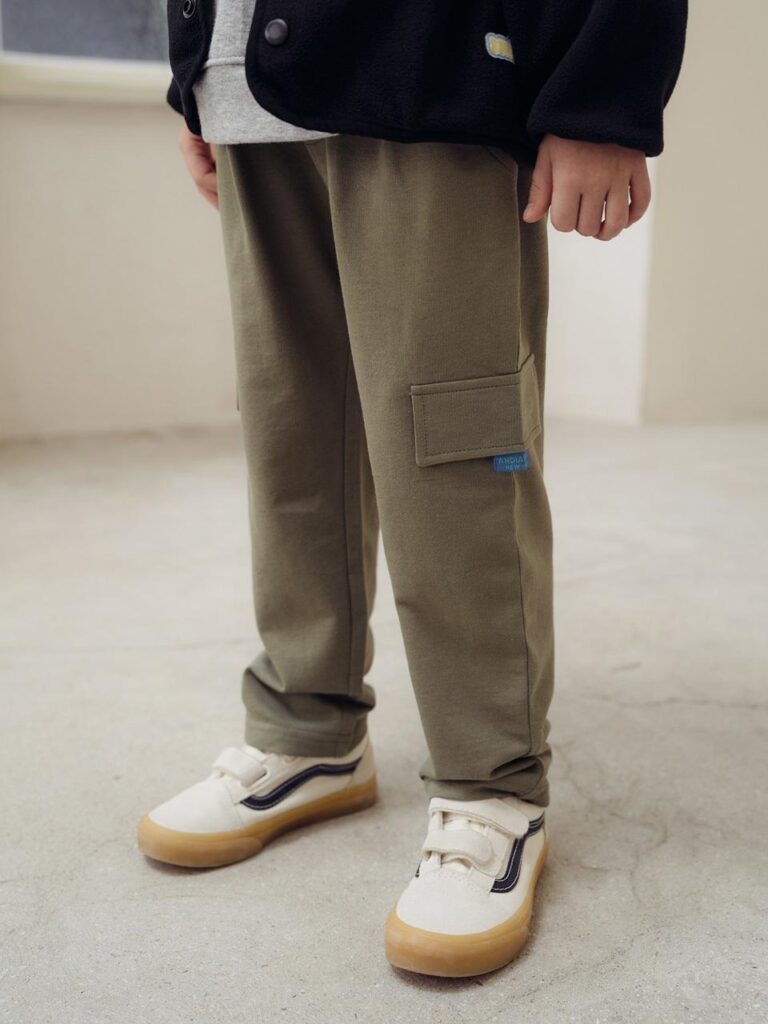
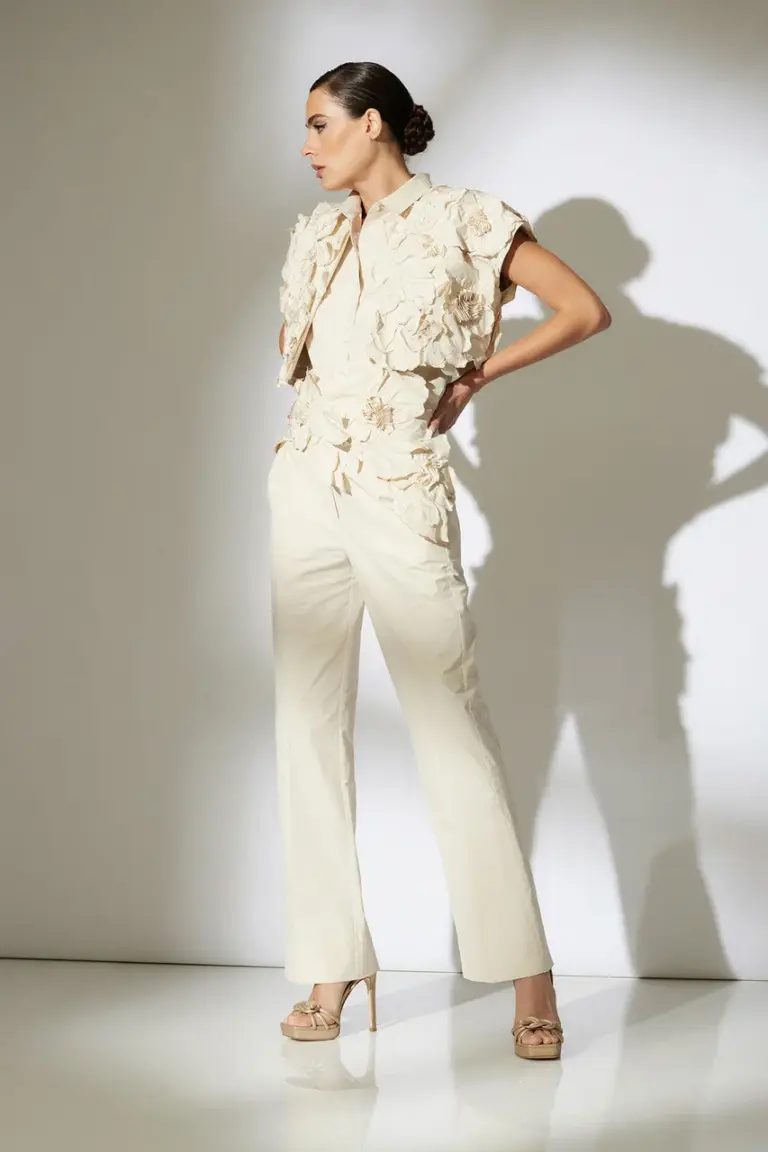 Flared PantsCotton Flared Pants You’ll Wear Week After Week
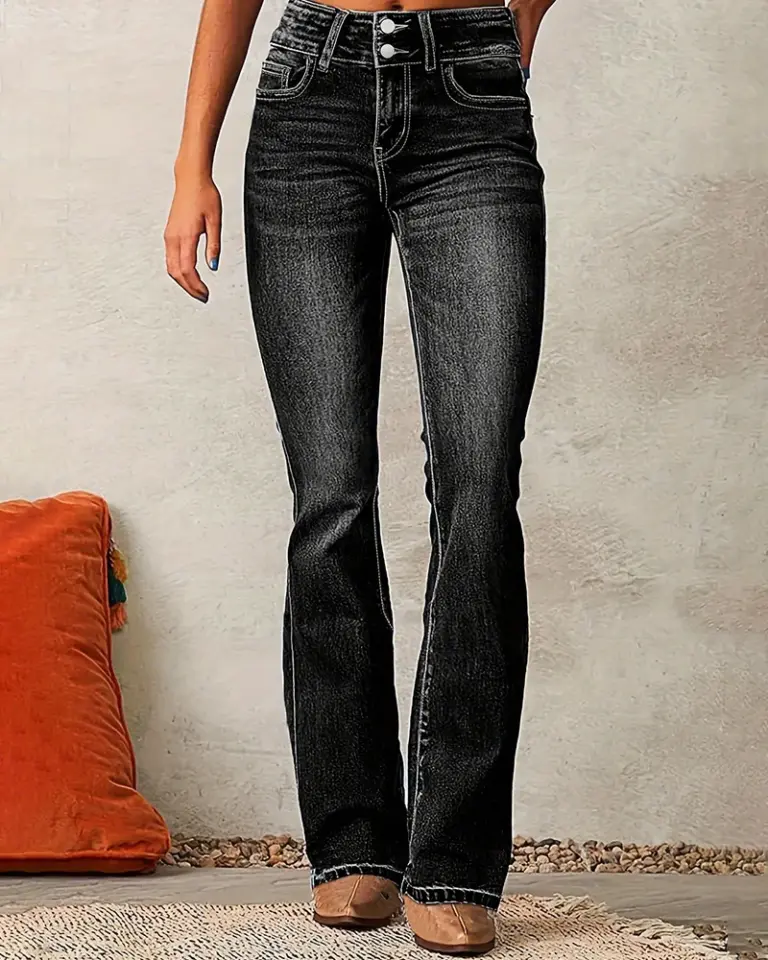
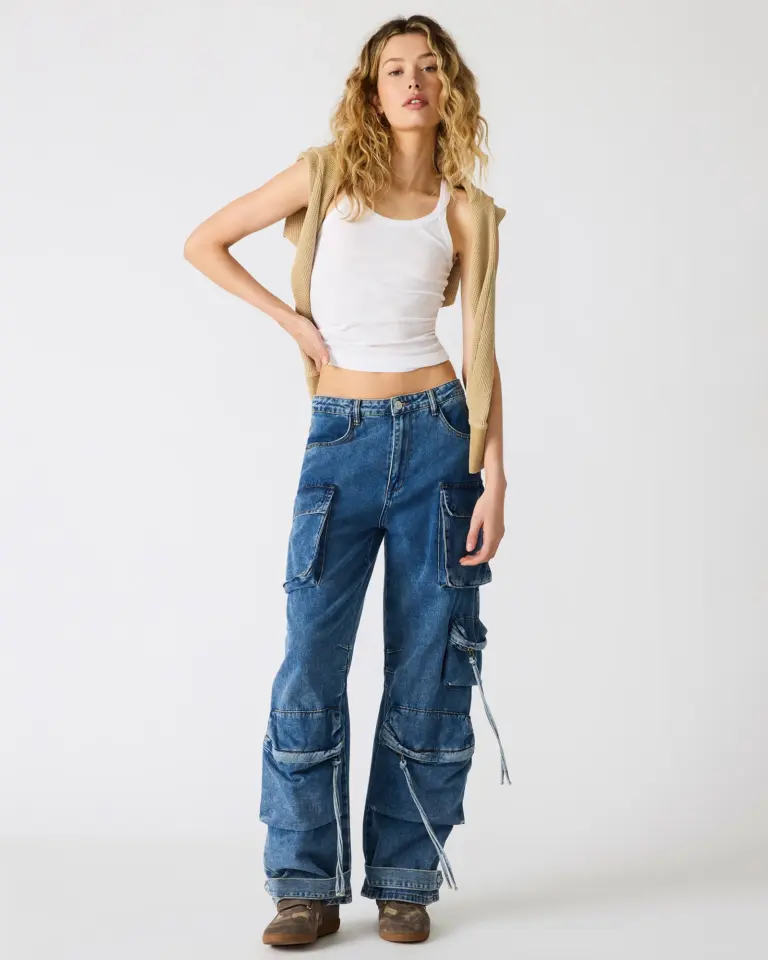 Leather PantsThe Only Cotton Leather Pants You Need to See
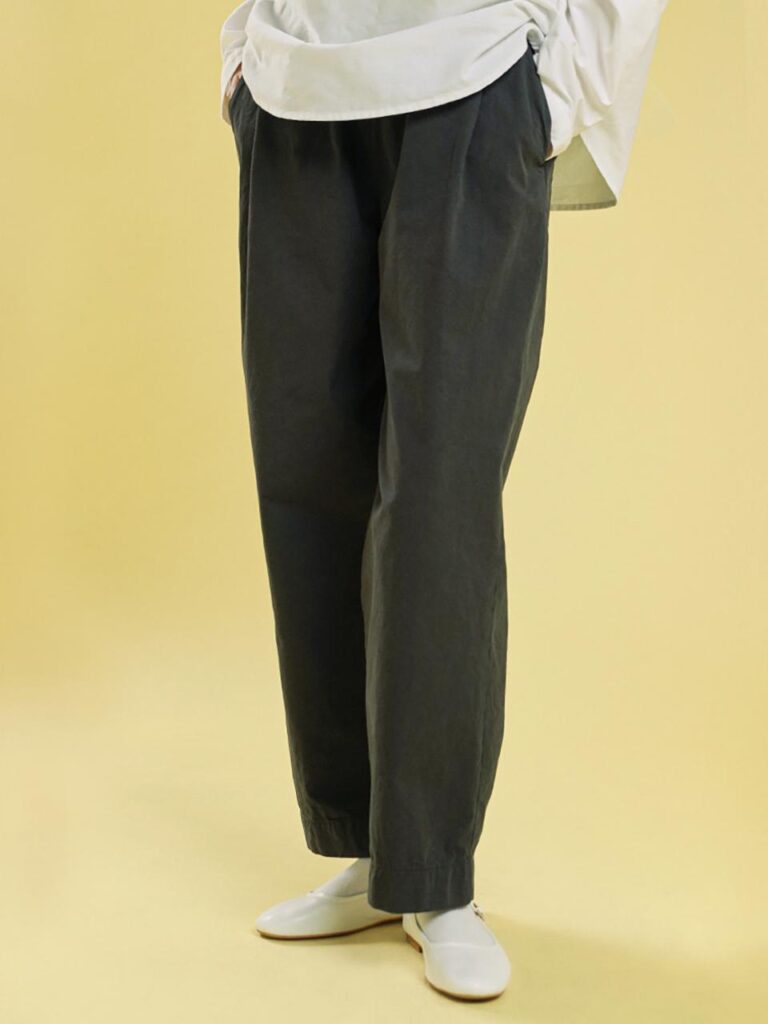
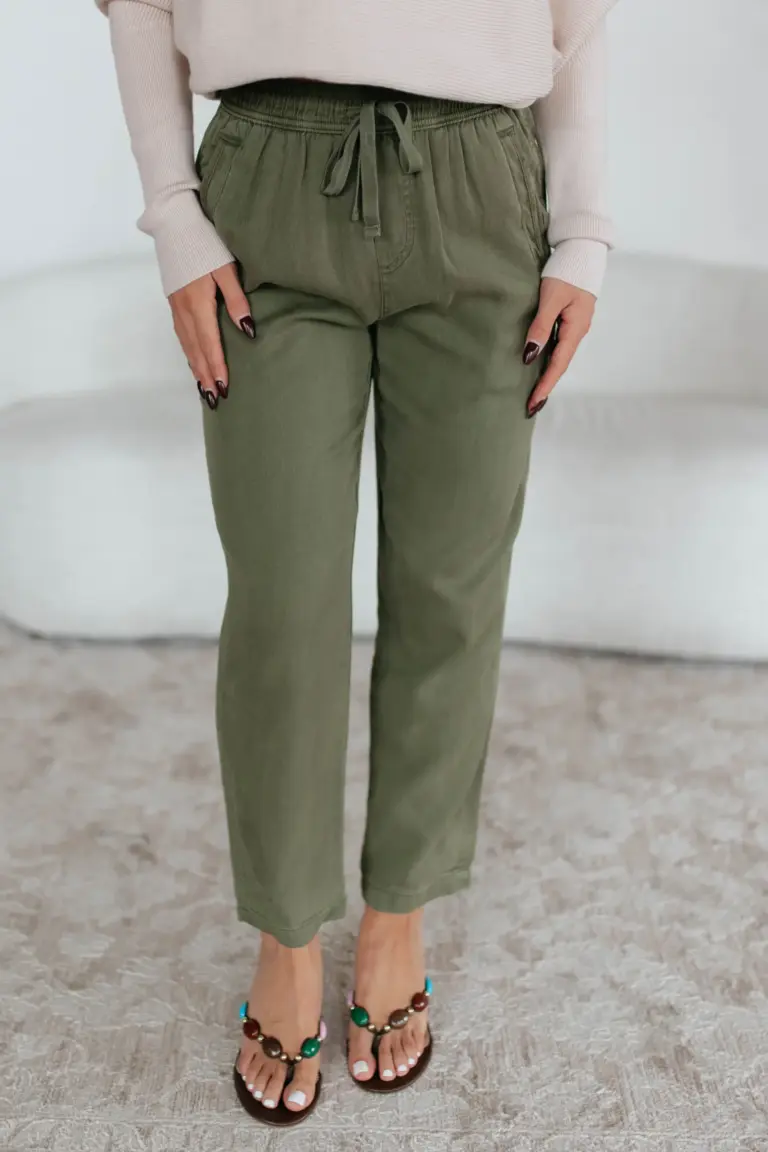 Linen PantsEasy Cotton Linen Pants for Every Day
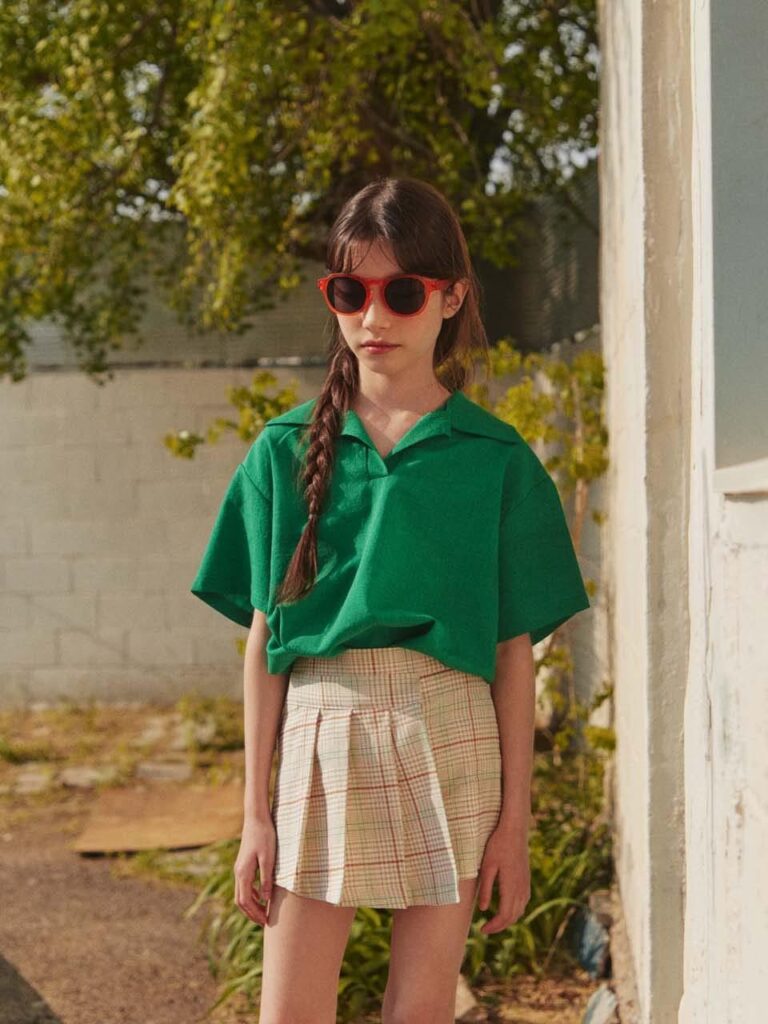
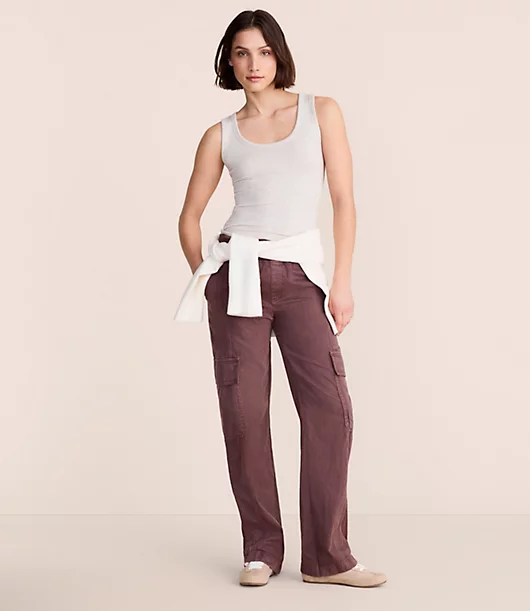 Cargo PantsThe Cotton Cargo Pants Shortlist
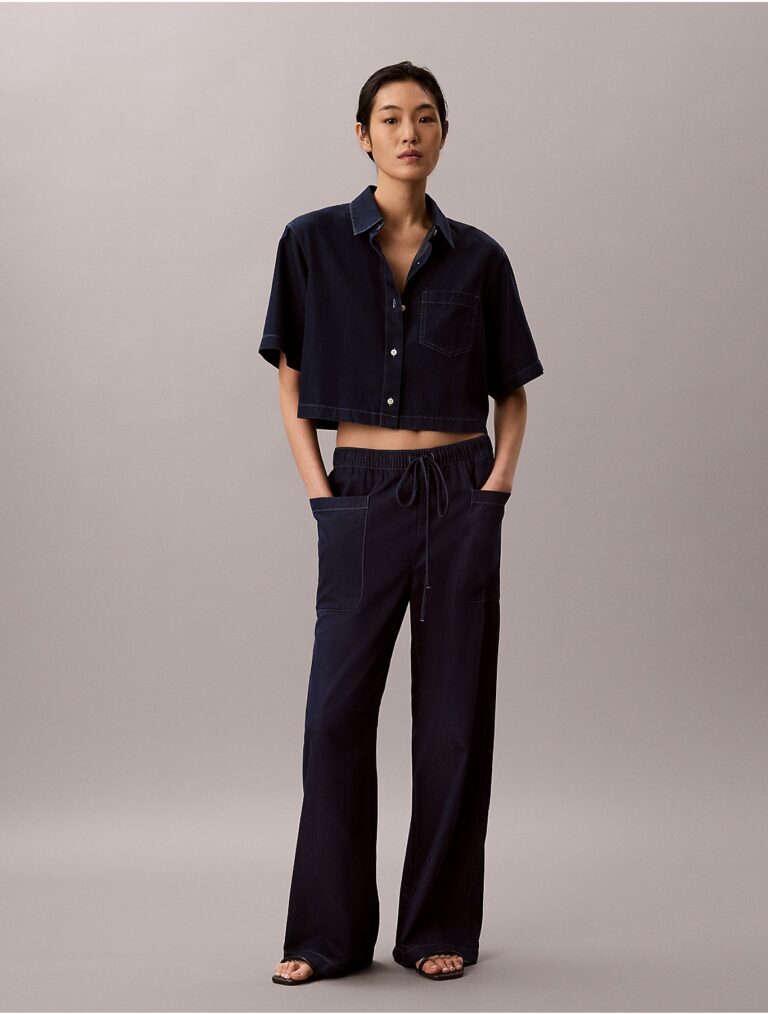
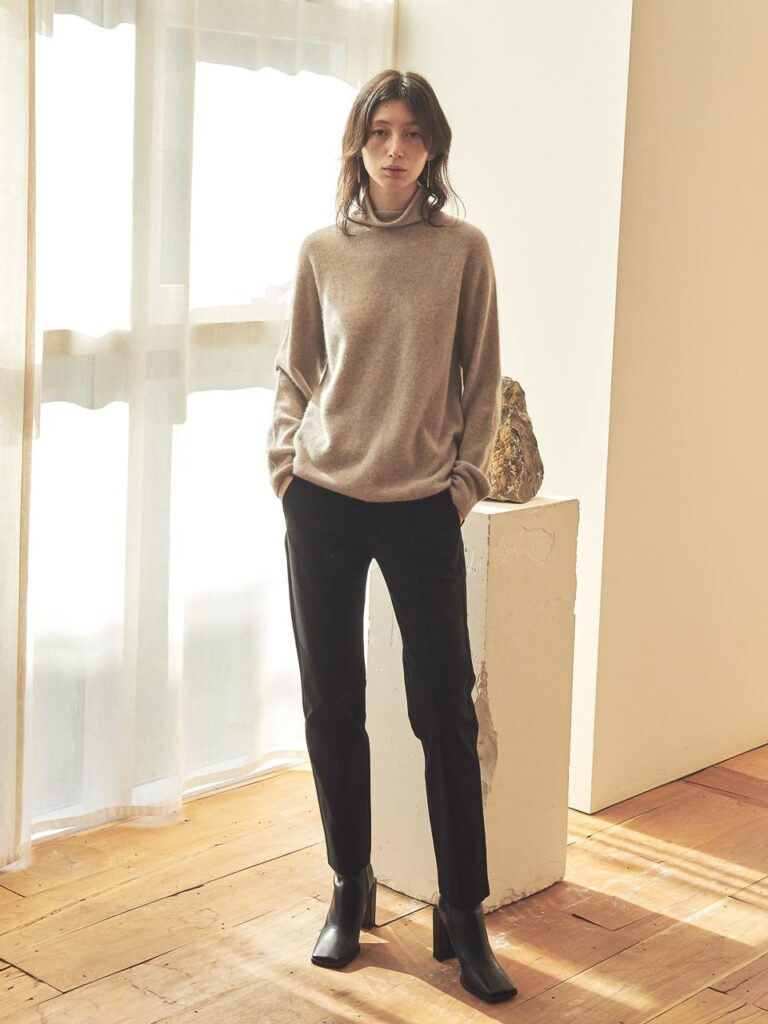 Cotton Cigarette Pants: The Ones Worth Your Money
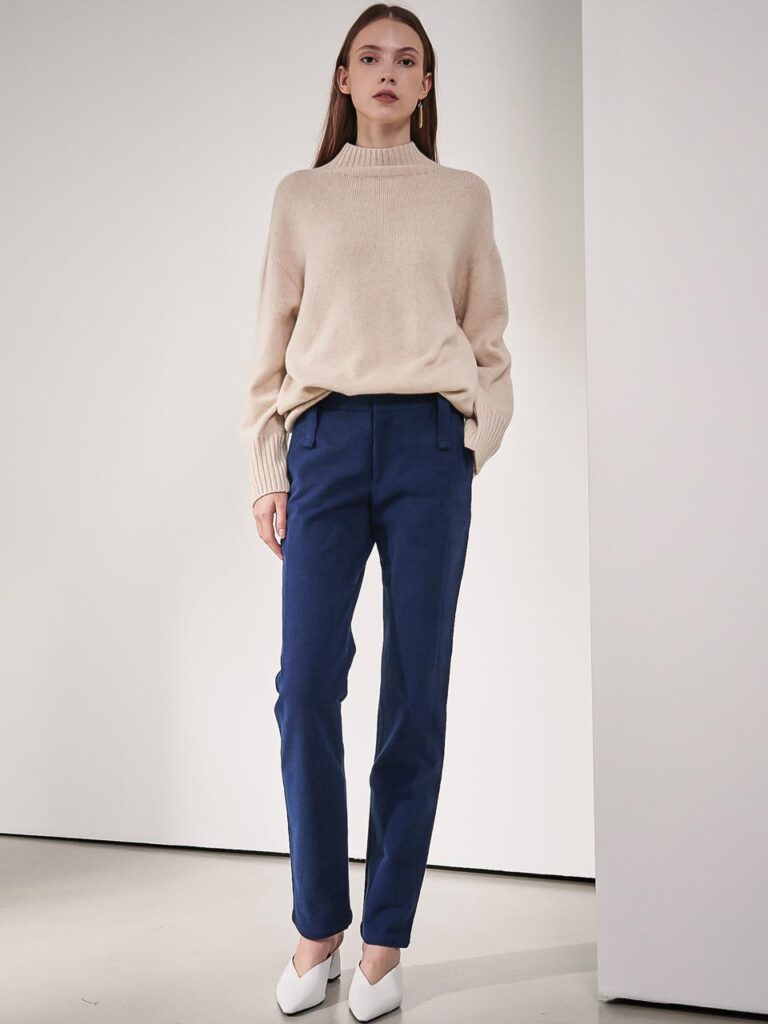
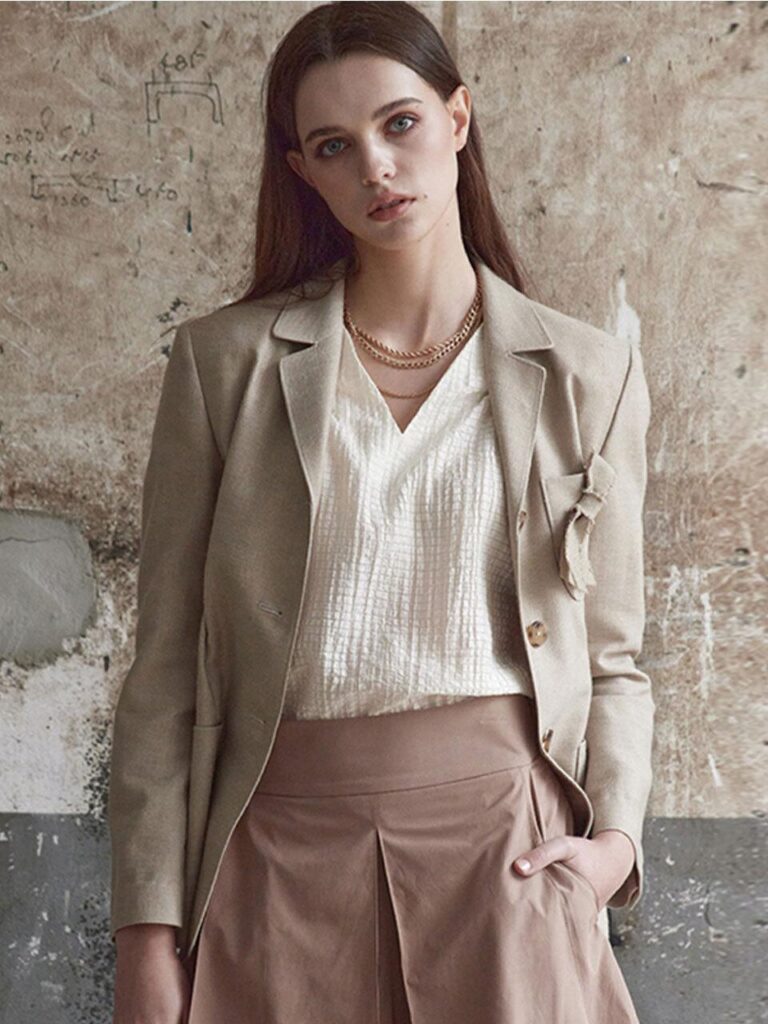 Blazer PantsThe Cotton Blazer and Pants Your Wardrobe Is MissingAlso worth a lookBlack PantsThe week everything else is in the wash, or the week you've got three different things on in…See the collections →
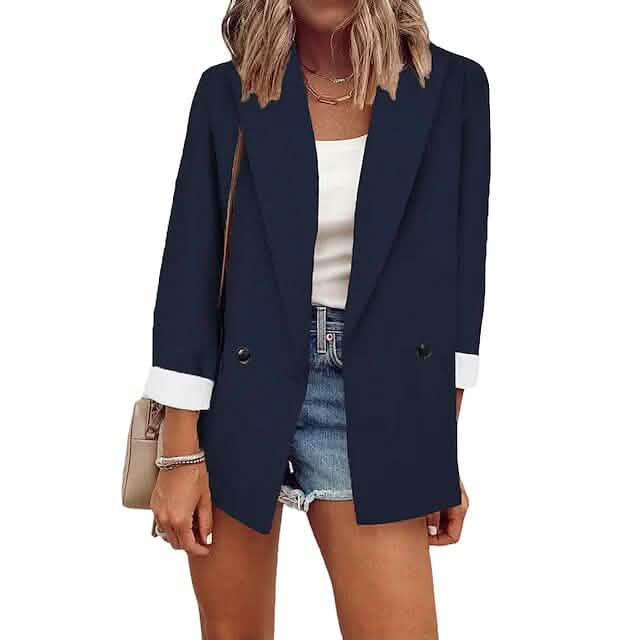
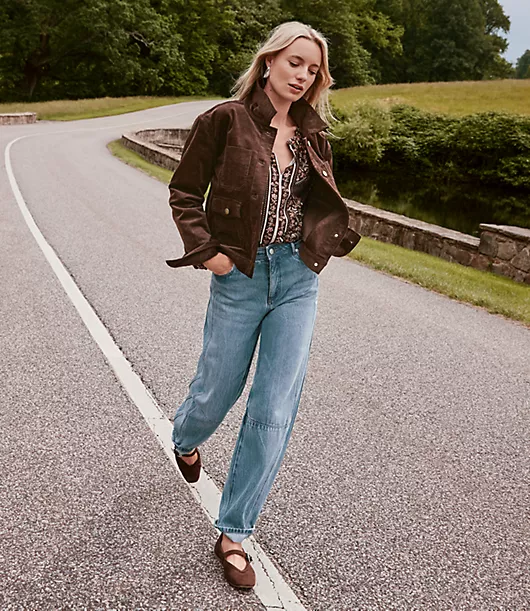 Our Go To Cotton Barrel Leg Pants
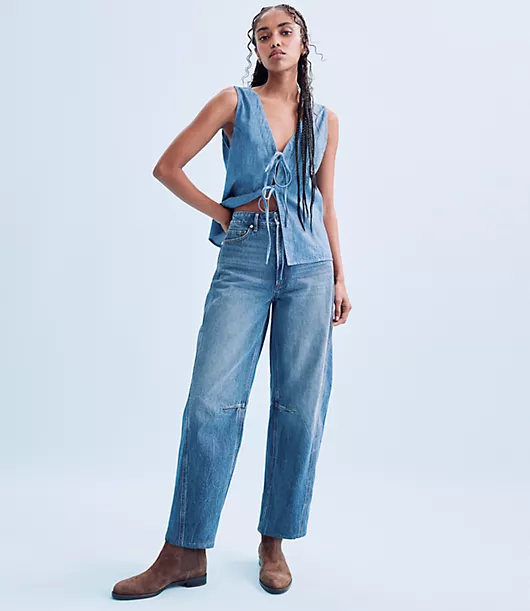
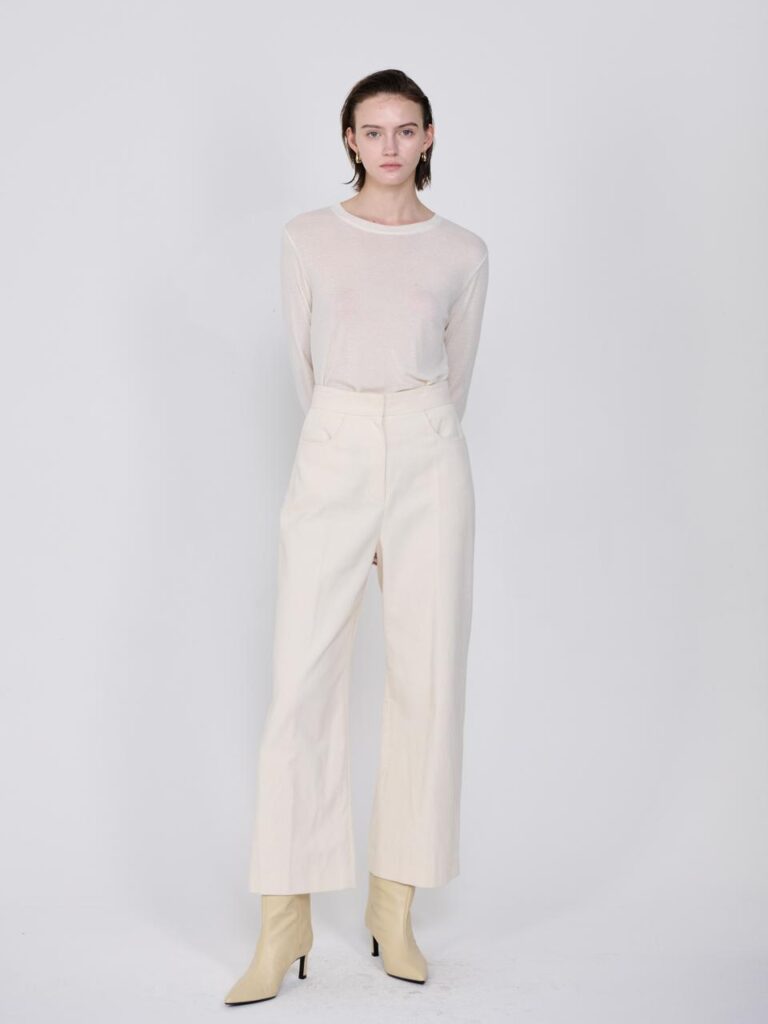 The Camel Cotton Pants Shortlist
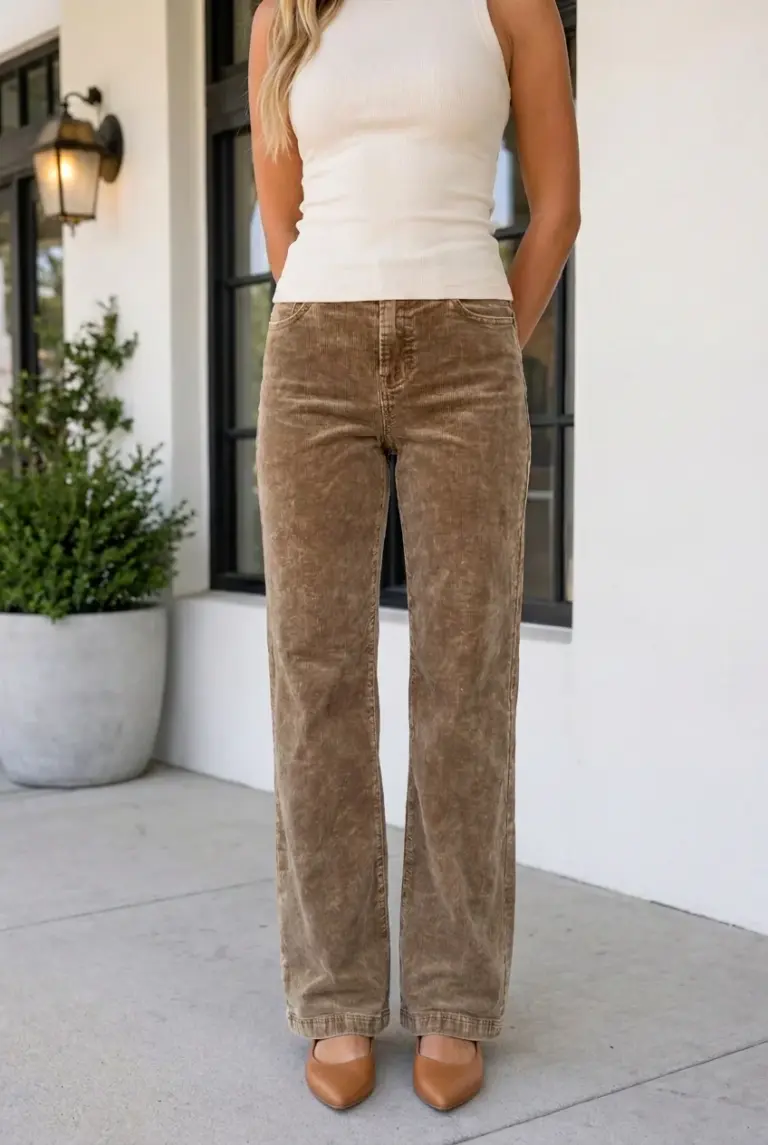
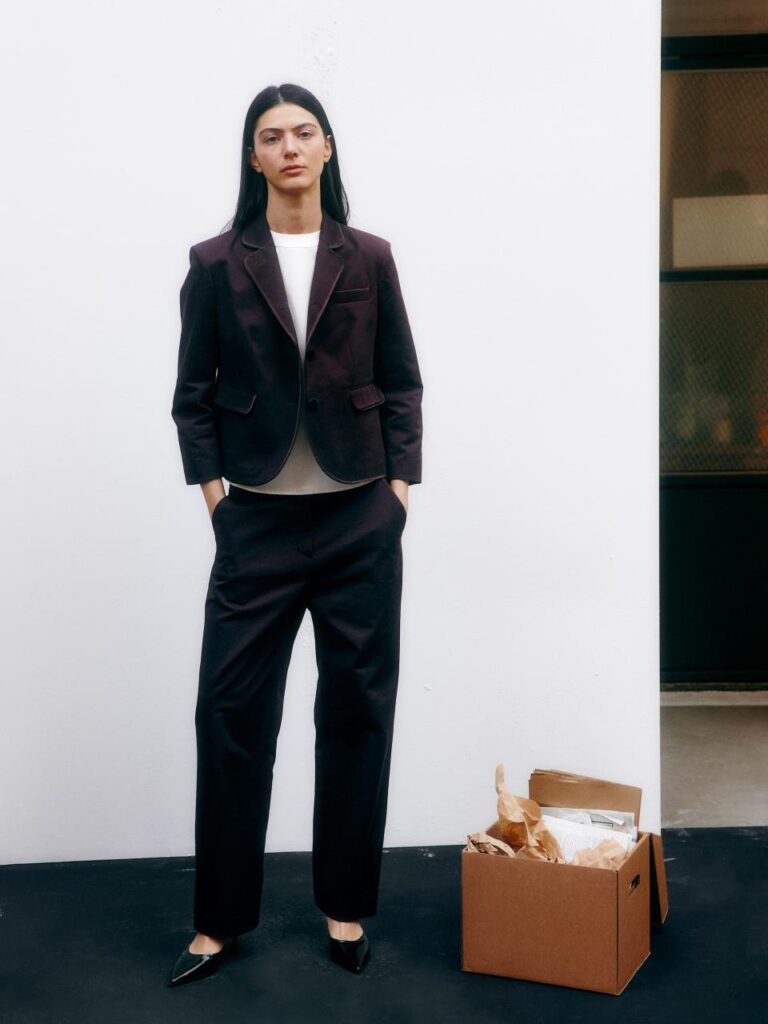 Burgundy Cotton Pants You’ll Wear Week After Week
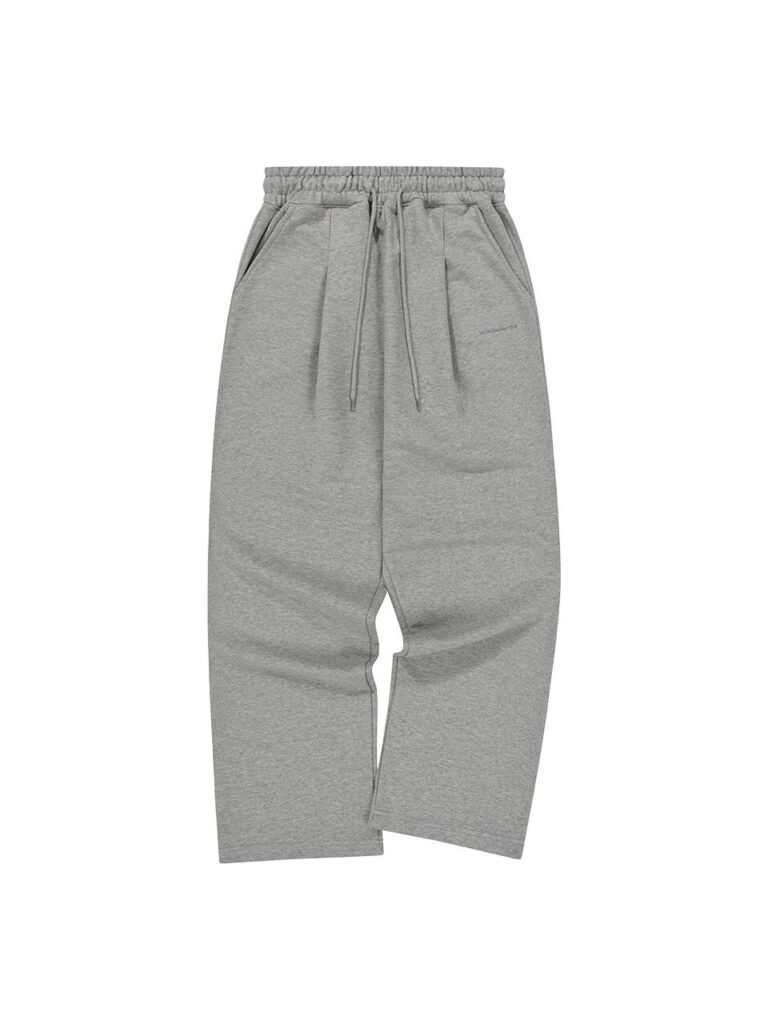
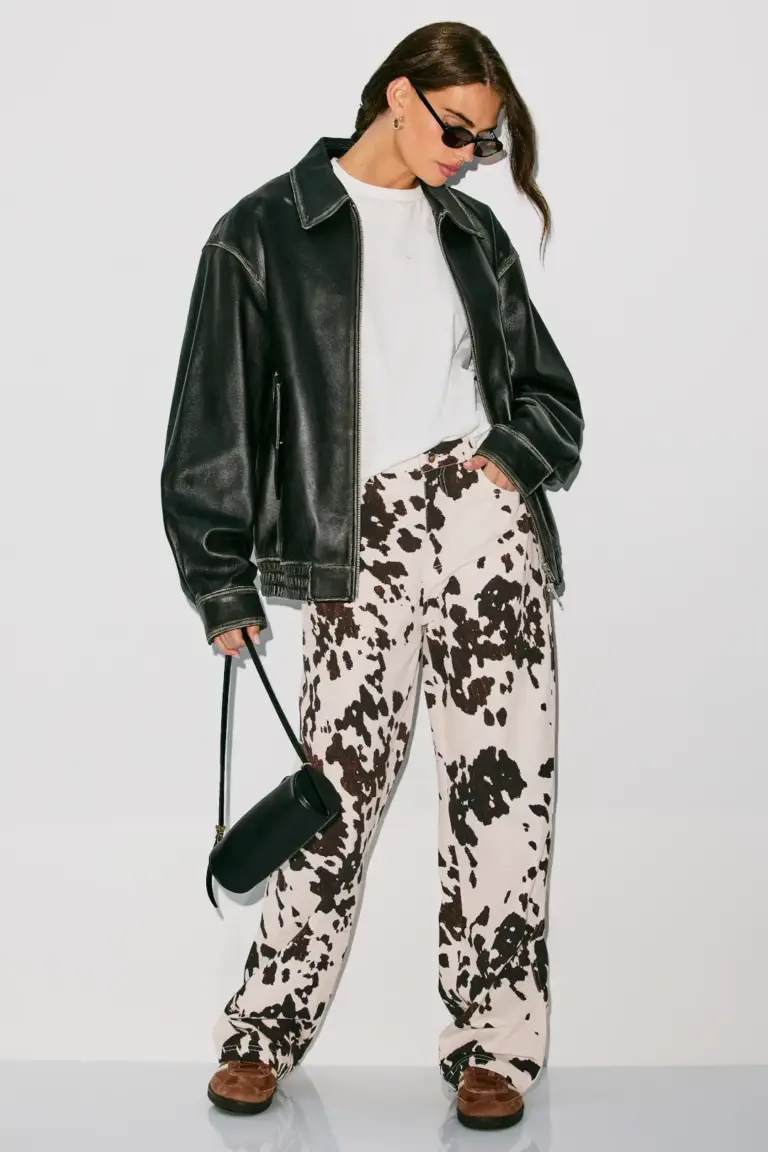 Brown PantsBrown Cotton Pants: What We’d Buy Now
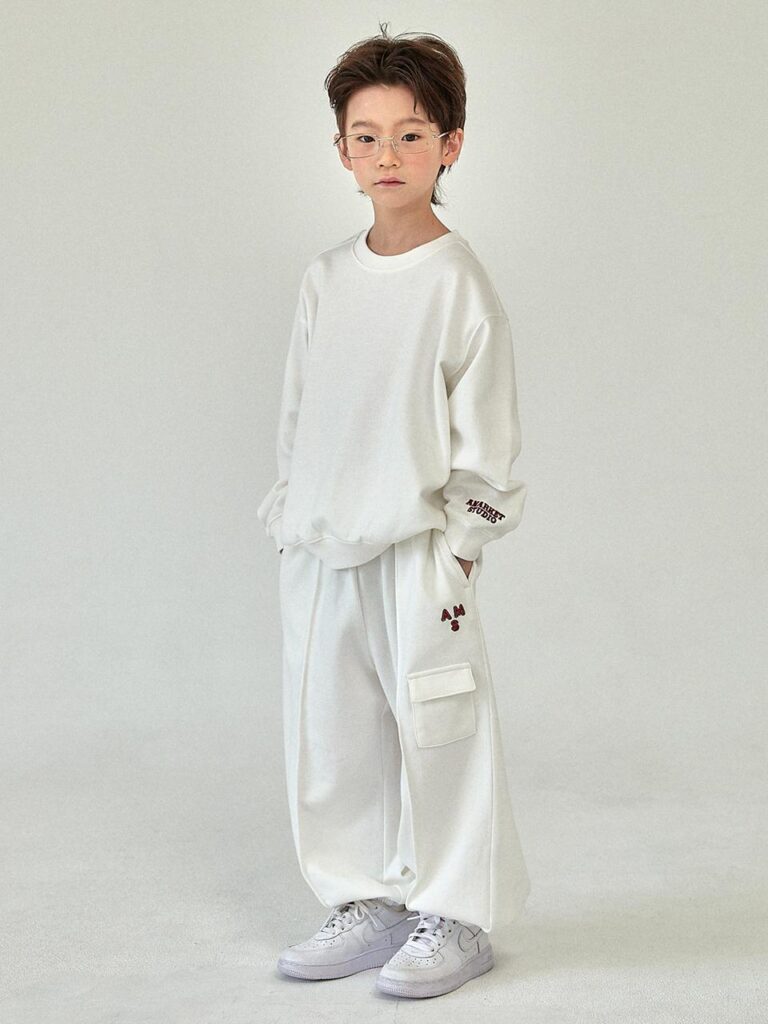
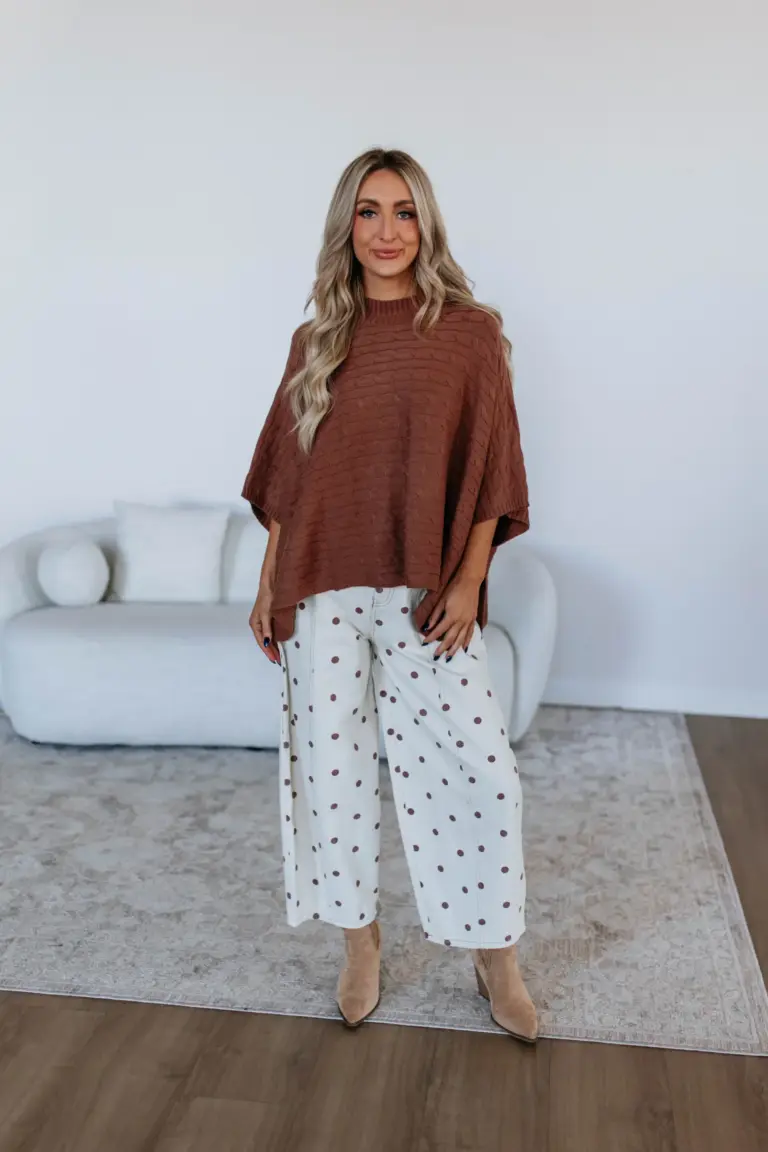 Brown PantsEasy Brown Cotton Wide Leg Pants for Every Day
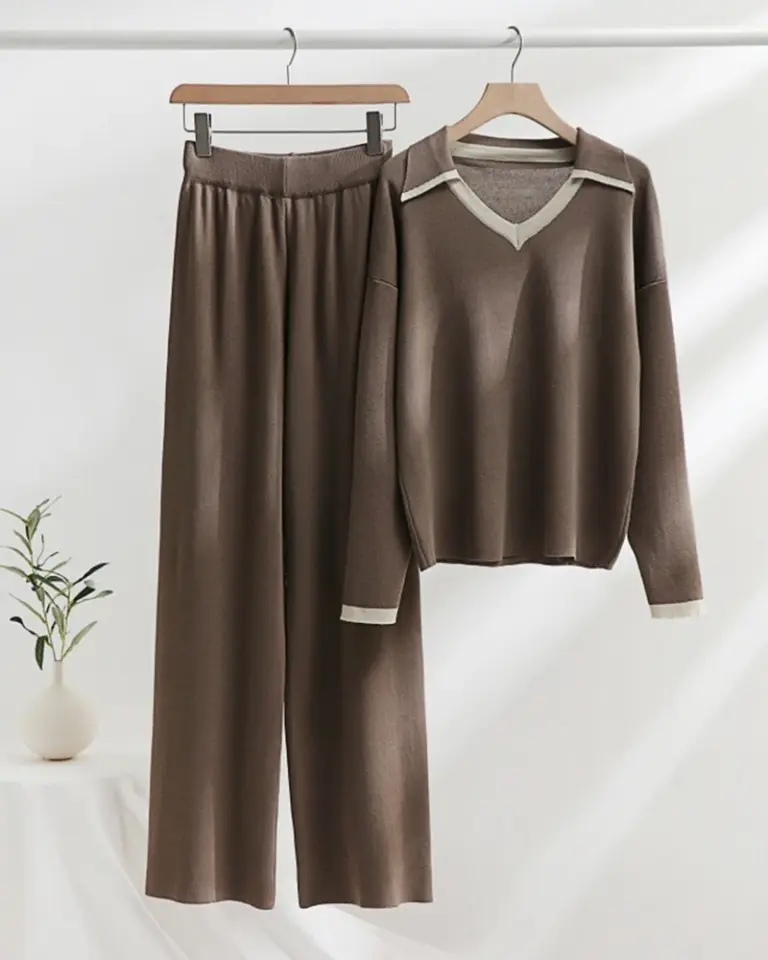
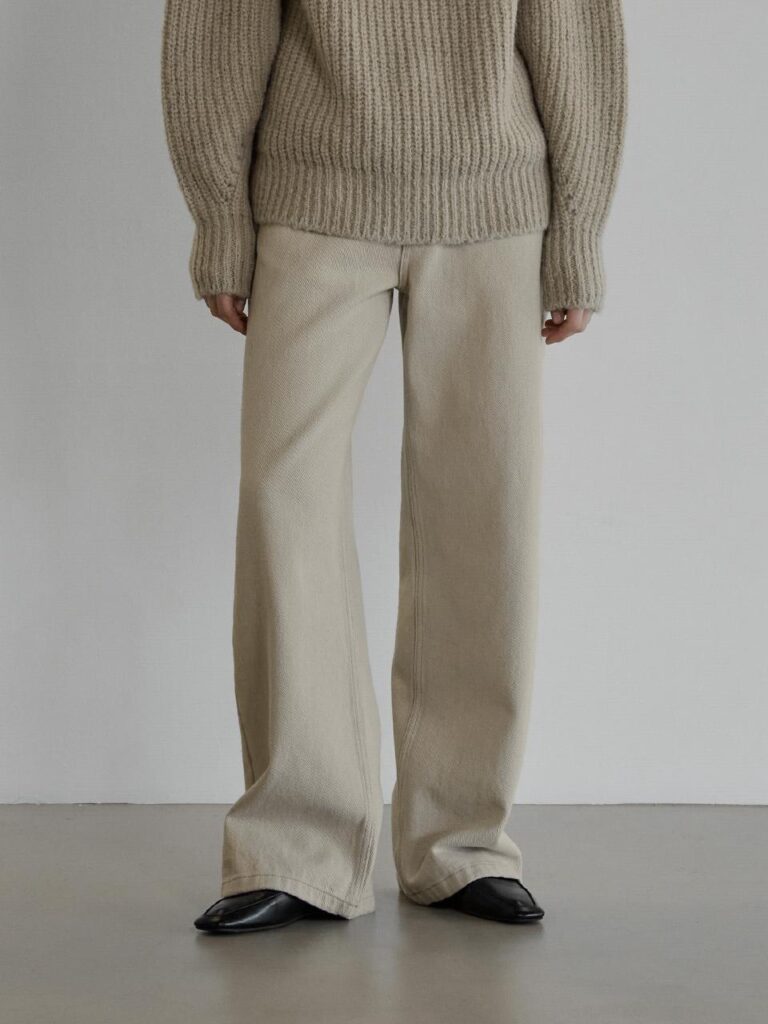 Brown PantsBrown Cotton Straight Leg Pants Worth a Closer Look
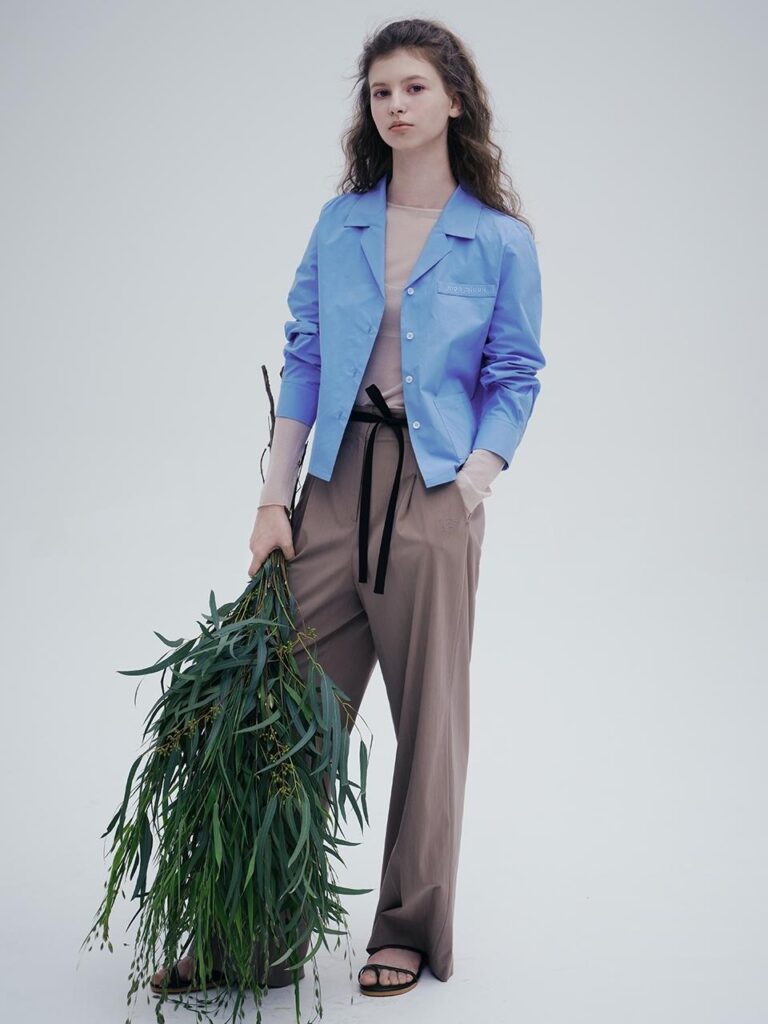
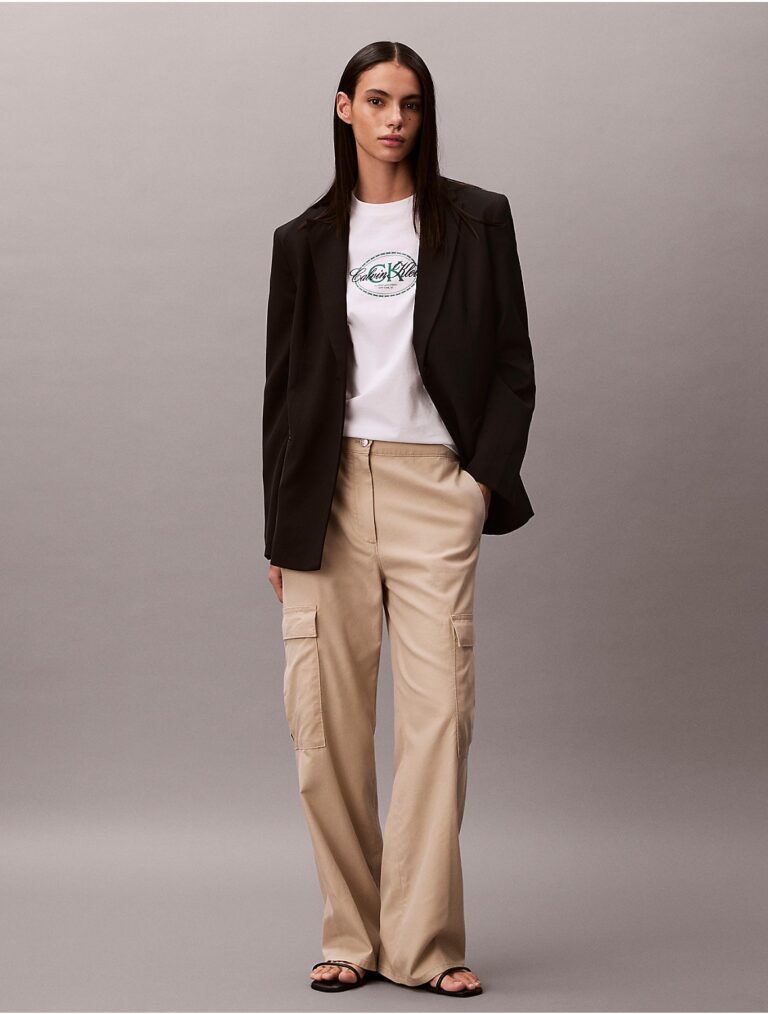 Brown PantsOur Edit of the Best Brown Cotton Tailored Pants
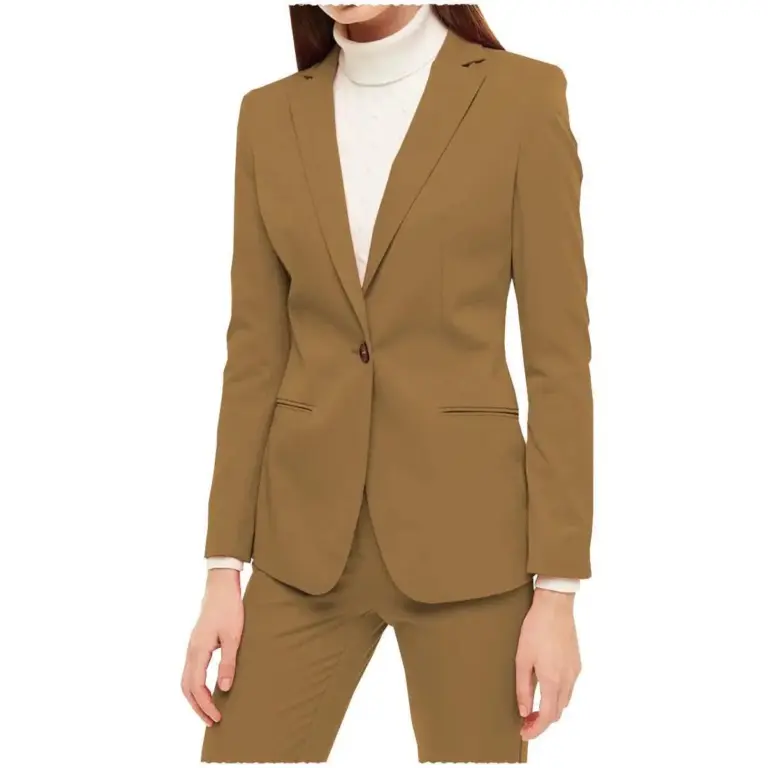
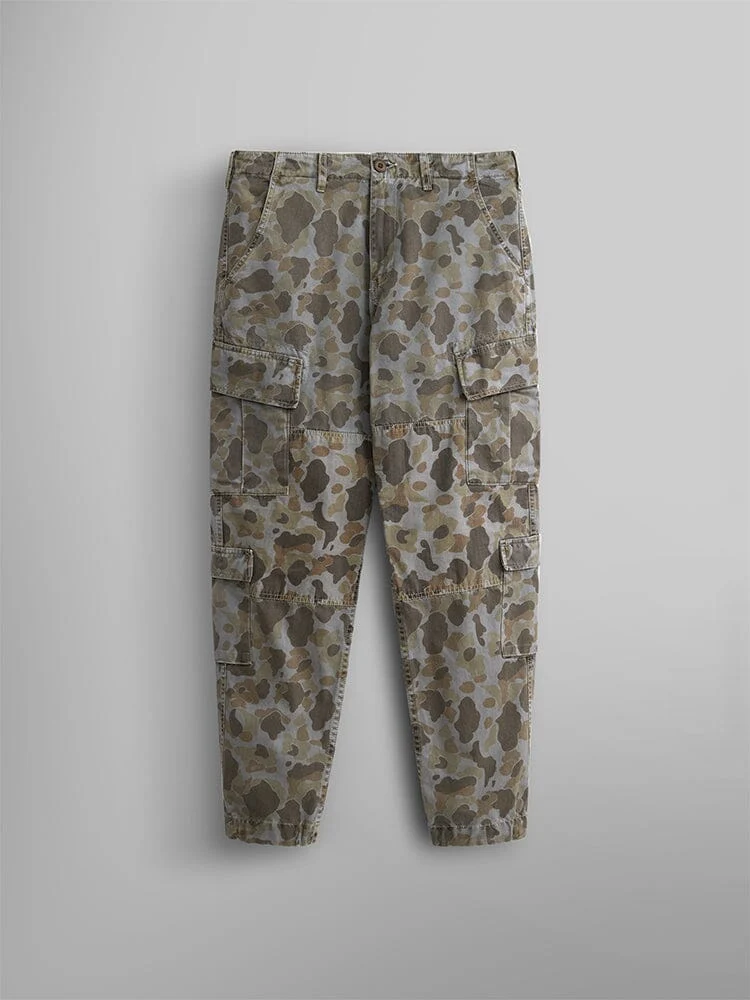 Cargo PantsEasy Brown Cotton Cargo Pants for Every Day