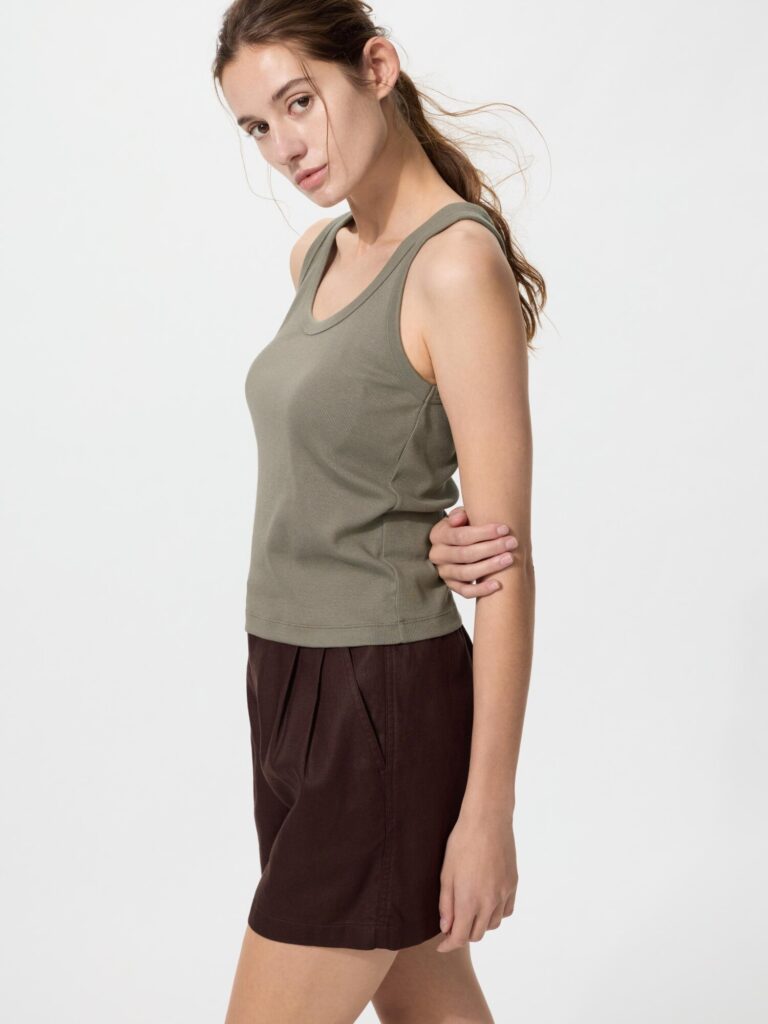
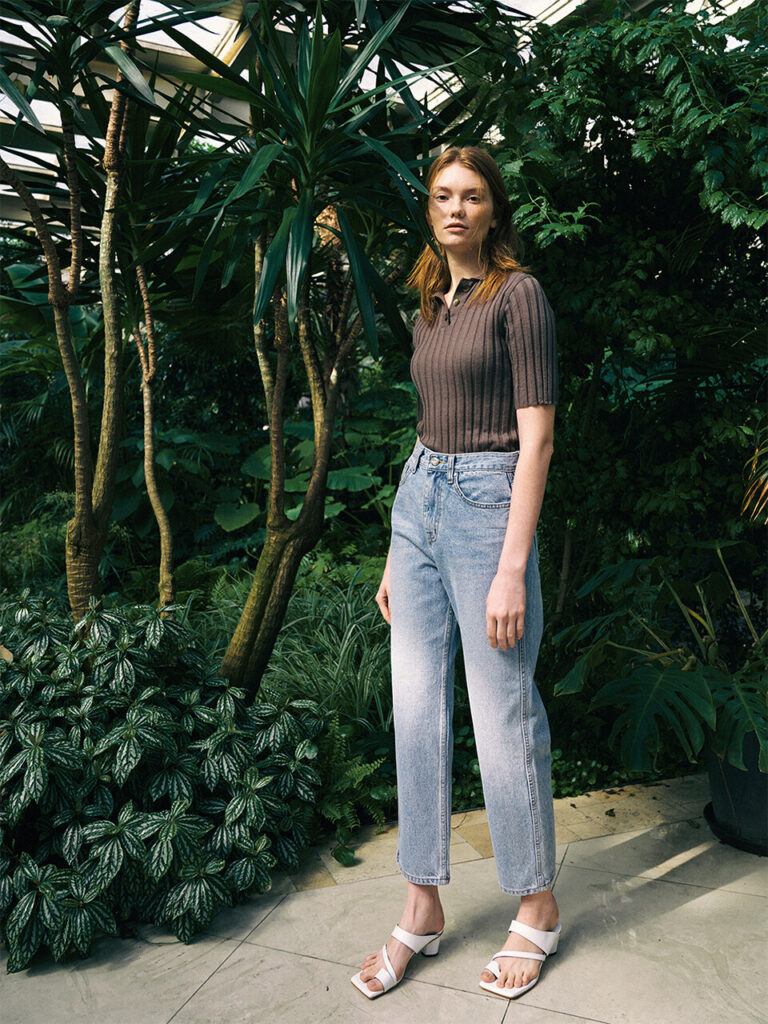
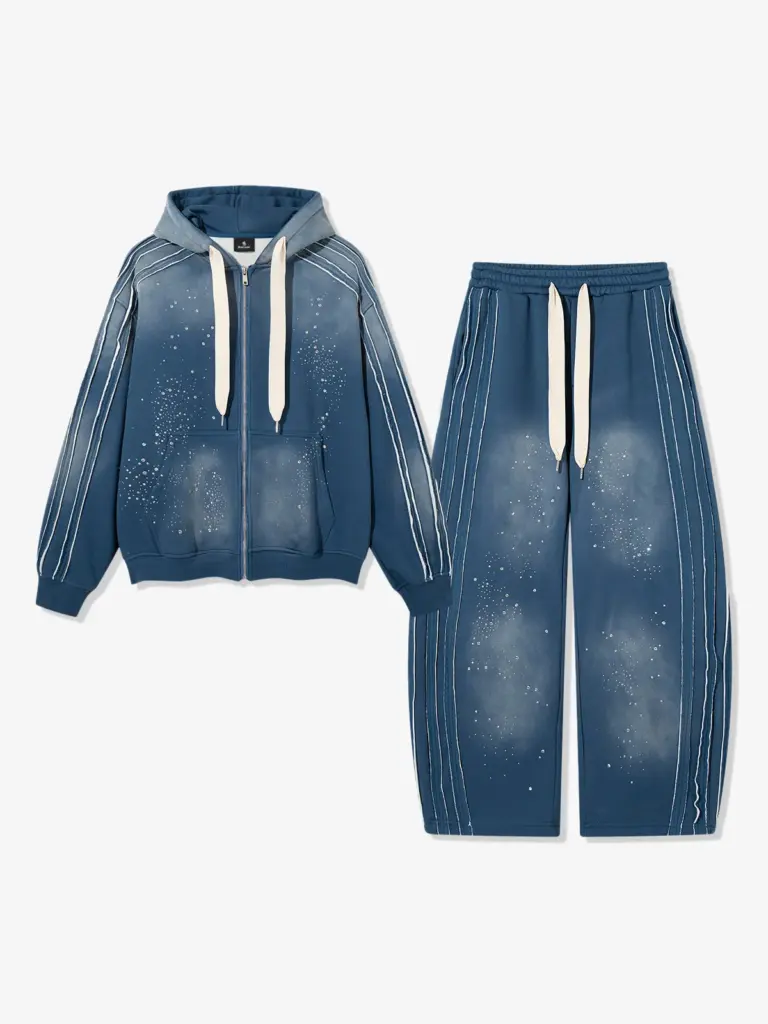
The mistake is buying straight leg trousers in a size that feels fine standing still in the fitting room, then finding they pull tight across the front of the thigh the moment you sit down at a desk for six hours. Straight leg only works if there's a little room through the leg from hip to hem, not fitted, not wide, just falling in a clean line without clinging anywhere. Too many pairs get bought on how they look in the mirror for ten seconds rather than how they behave once you're actually living in them.
Before you buy, check the rise first, because a straight leg trouser that sits too low will gape at the waistband every time you reach for something on a shelf, and one cut too high can look like it belongs to a different outfit. Check the hem length against the shoes you actually own rather than the ones you wore to try them on, since an inch makes the difference between a trouser that skims the top of a shoe and one that pools round your ankle. Press your hand flat against the fabric on the hanger too. If it creases into a hard line and stays there, it will do that all day at your desk.
Actually let me restructure since instruction said four paragraphs of similar length, flowing prose per paragraph covering points in order within the paragraph structure, not necessarily one point per paragraph strictly, but overall order followed. Let me redo cleanly.
Before you buy, check the rise, because a trouser cut too low will gape at the waistband every time you reach up, and one cut too high can throw off everything you put with it. Check the hem against the shoes you actually wear day to day rather than whatever you had on in the fitting room, since half an inch is the difference between a clean break and a trouser pooling round your ankle. Press the fabric flat in your hand on the hanger too, because if it creases hard and stays creased, it will do exactly that by lunchtime.
What separates a good pair from a disappointing one comes down to weight and how the seams sit. A fabric with a bit of substance, something with a slight structure rather than anything thin and floaty, holds its shape through a day of sitting and standing and doesn't need constant tugging back into place. Look at the inside seams for proper overlocking rather than a raw edge that will fray after a couple of washes, and check the waistband is faced rather than just folded fabric, since that's usually the first place a cheap pair gives up. A good zip sits flat with no pulling, and buttons that are sewn through rather than glued tend to survive longer than the trouser around them.
If you own none, start with a mid rise in a mid weight fabric, nothing cropped, nothing with a fashion detail that dates it, just a trouser that sits at the natural waist and falls straight to a proper break at the shoe. That one pair will do more work than anything trend led, because it moves between a shirt tucked in, a jumper, or a plain top without ever looking like it's trying too hard. It pairs easily with a fitted top because the leg provides enough shape on its own, and it carries a flat shoe or a heel equally well, which is rarer than it should be in trousers at this price.
If I had to pick one colour to start with, it would be a soft charcoal rather than true black, since it reads just as sharp but shows far less wear across a season of actual use.
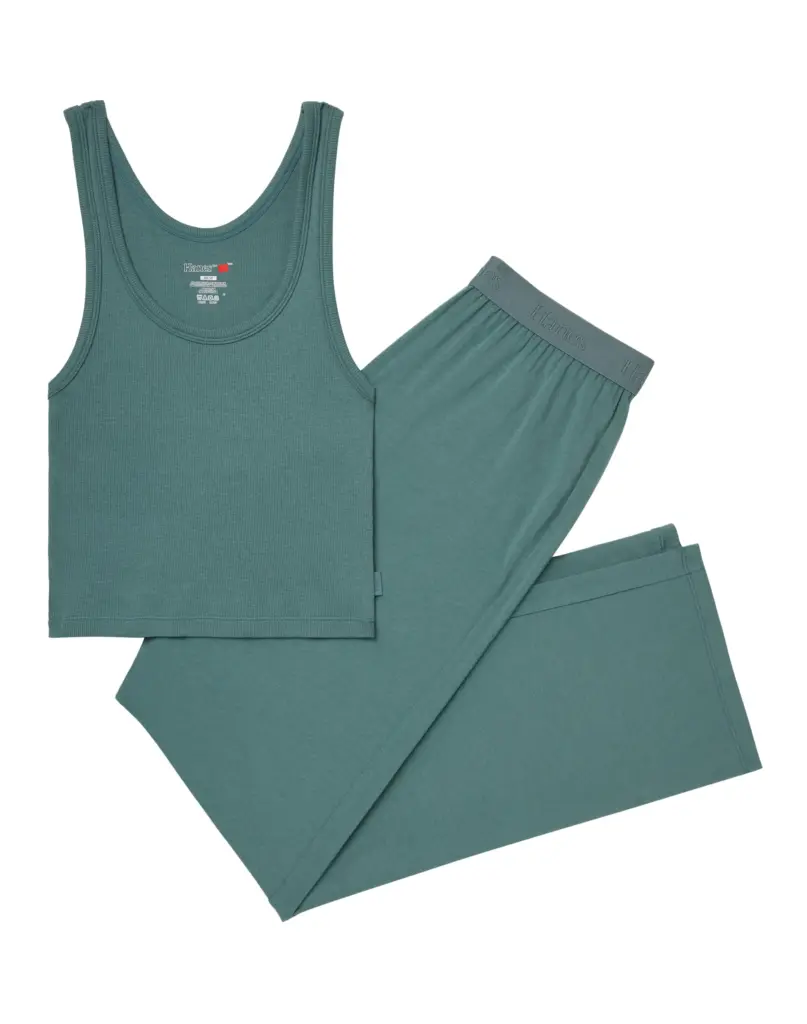 Green PantsOur Top Green Cotton Straight Leg Pants Right Now
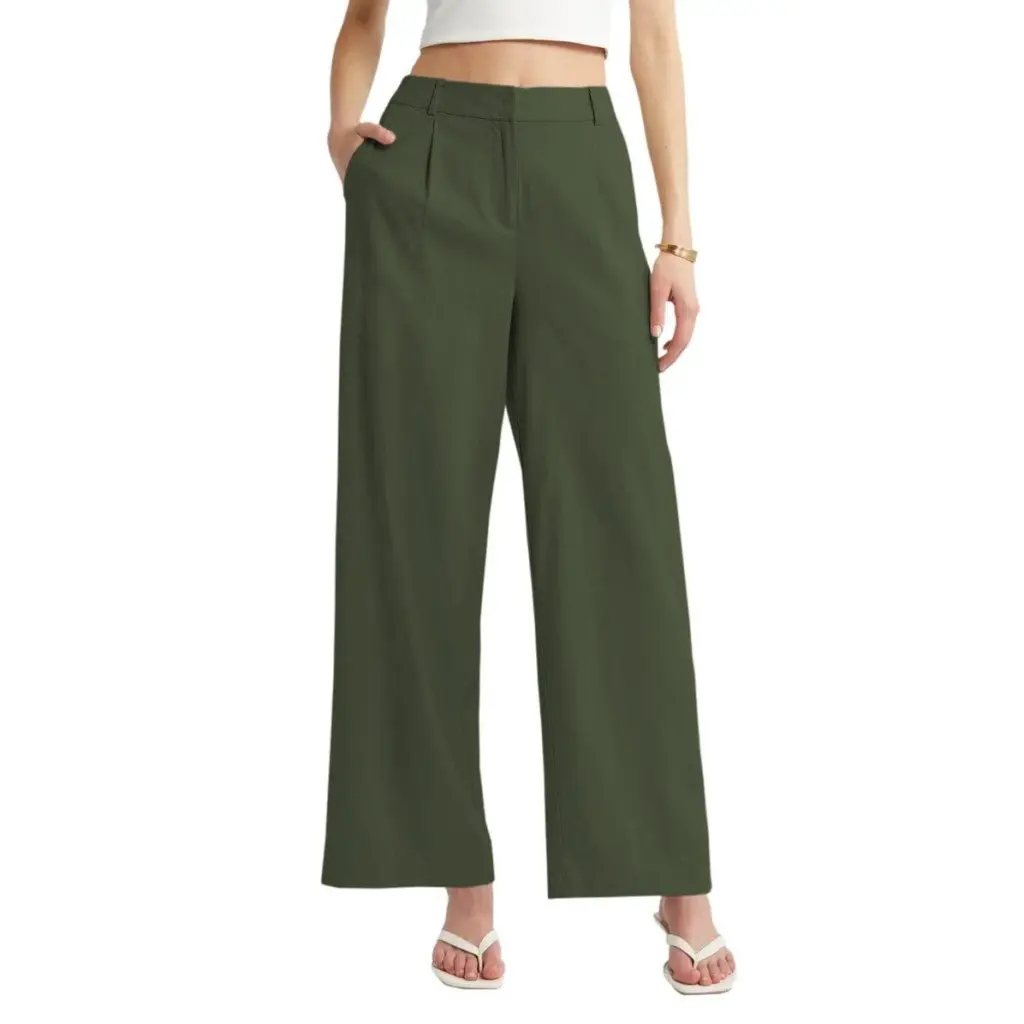
 Cropped PantsGreen Cropped Straight Leg Pants Worth Adding to Your Wardrobe
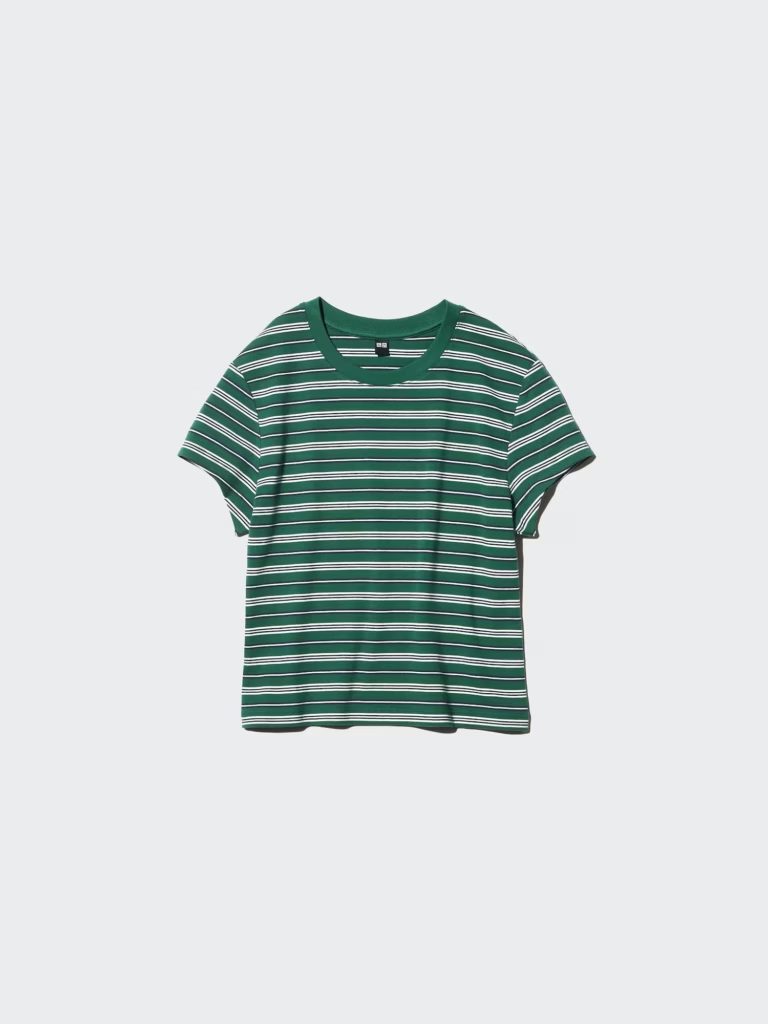
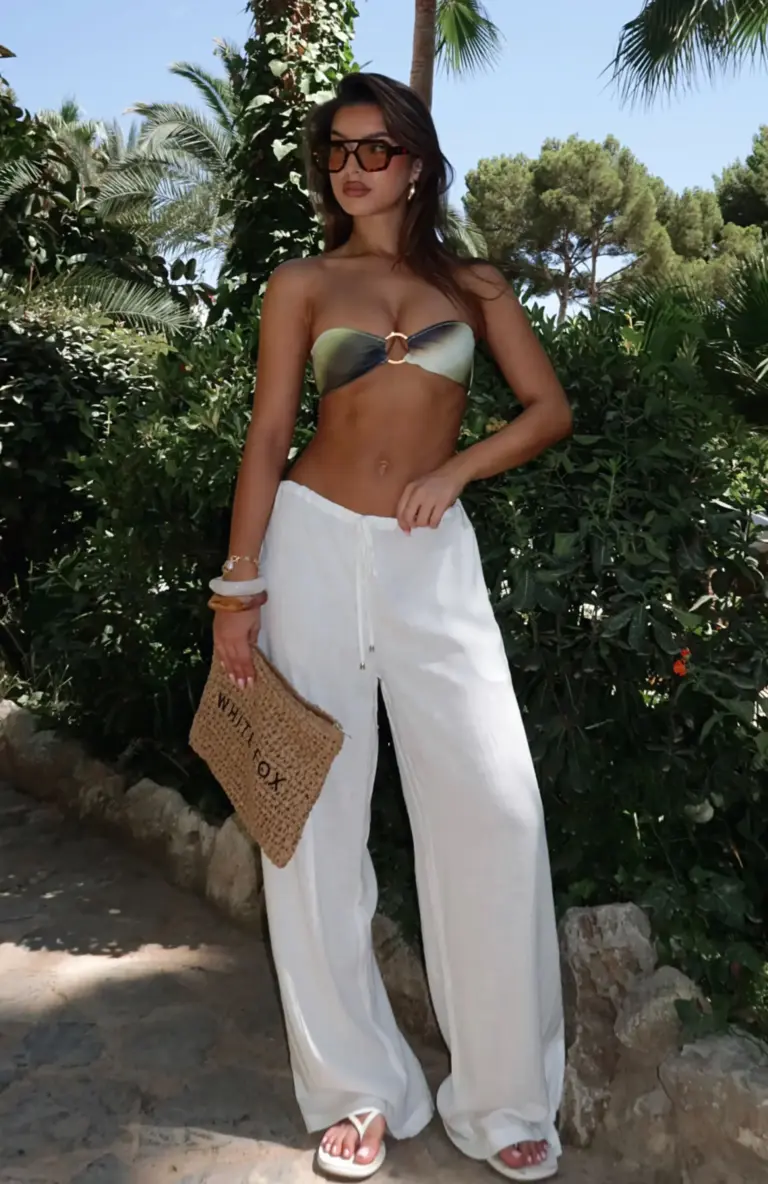 Our Kind of Gold Straight Leg Pants
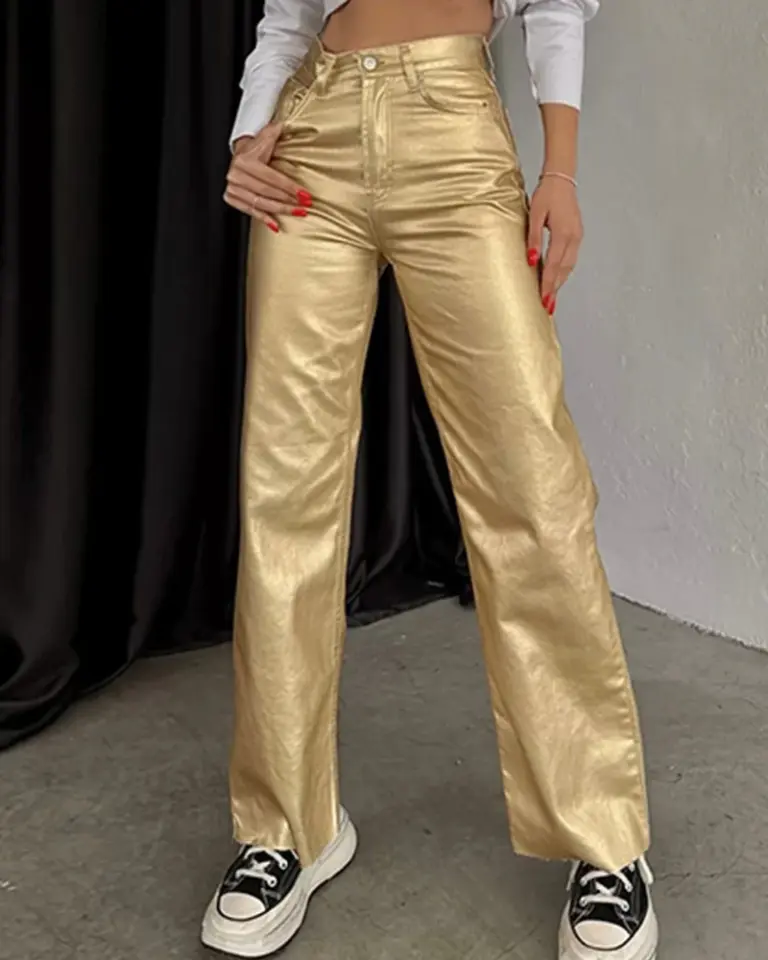
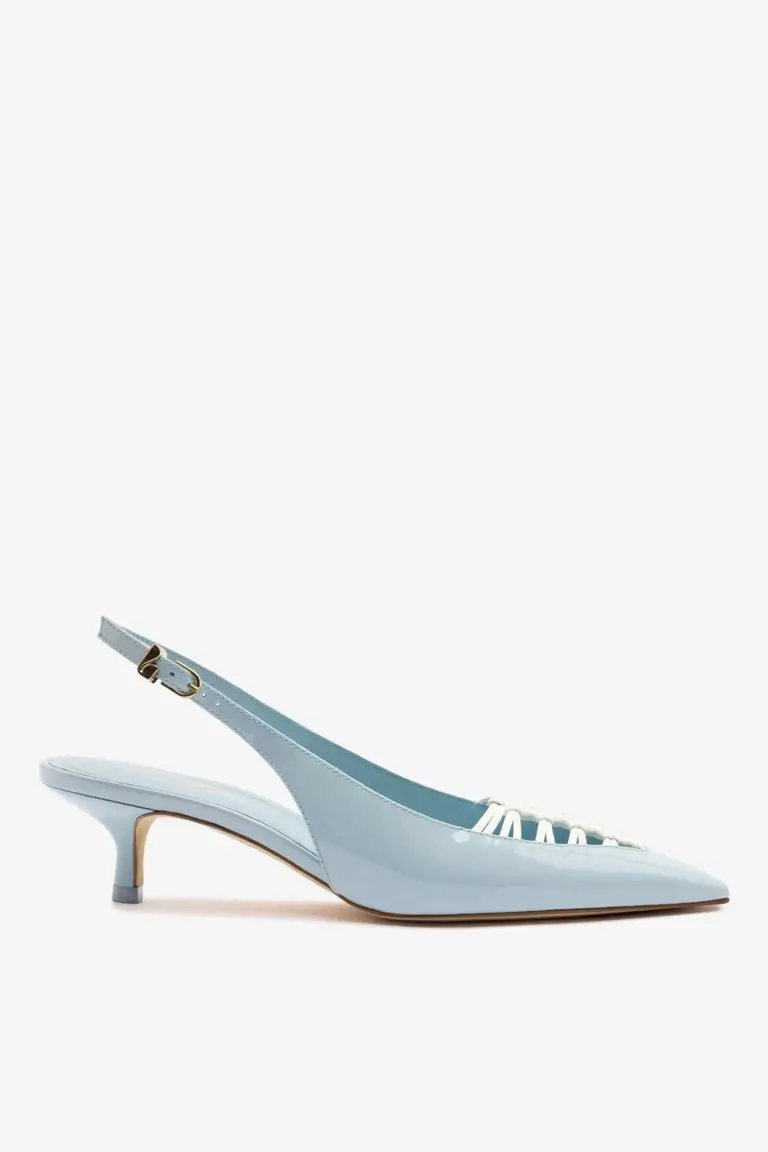 Leather PantsGold Leather Straight Leg Pants Worth Adding to Your Wardrobe
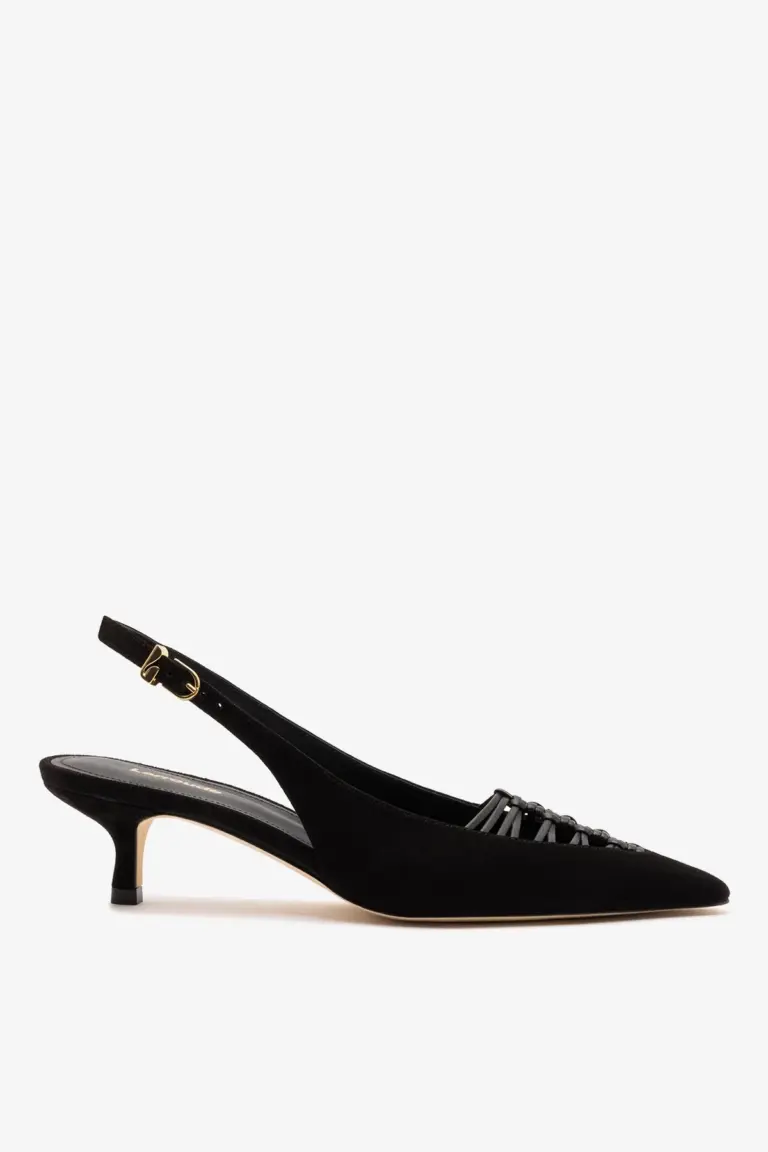
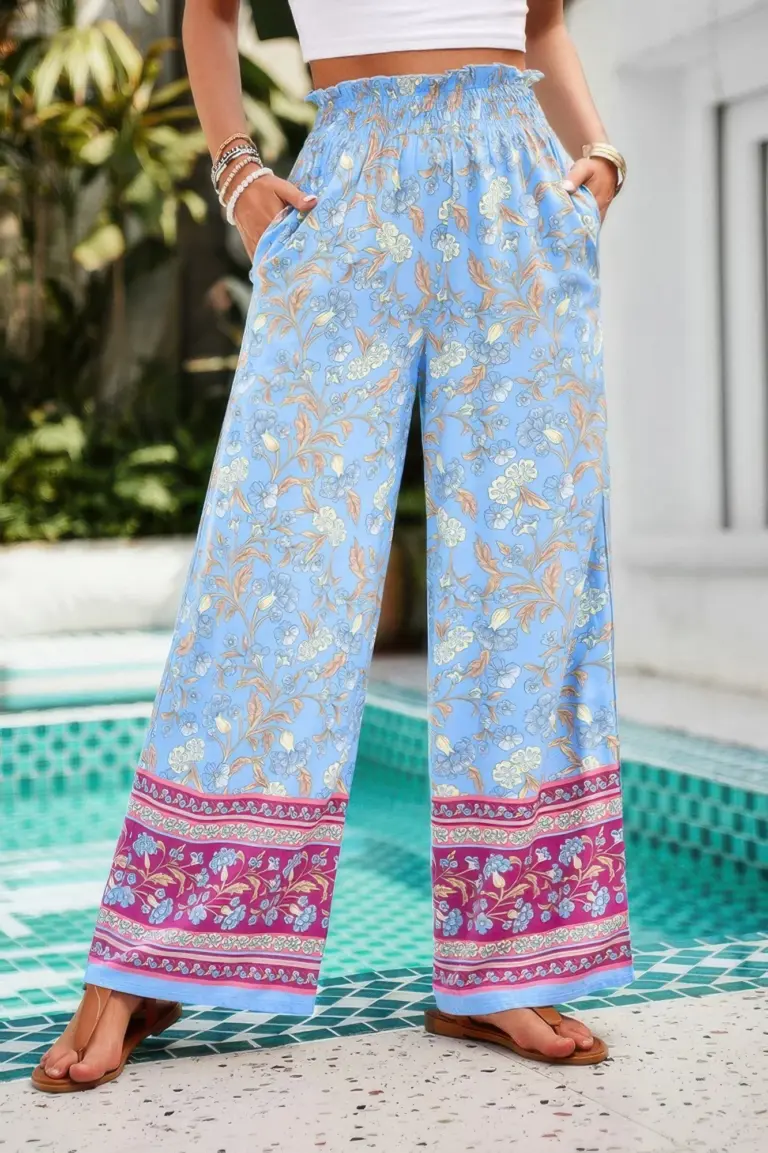 Floral Straight Leg Pants We Think You’ll Love
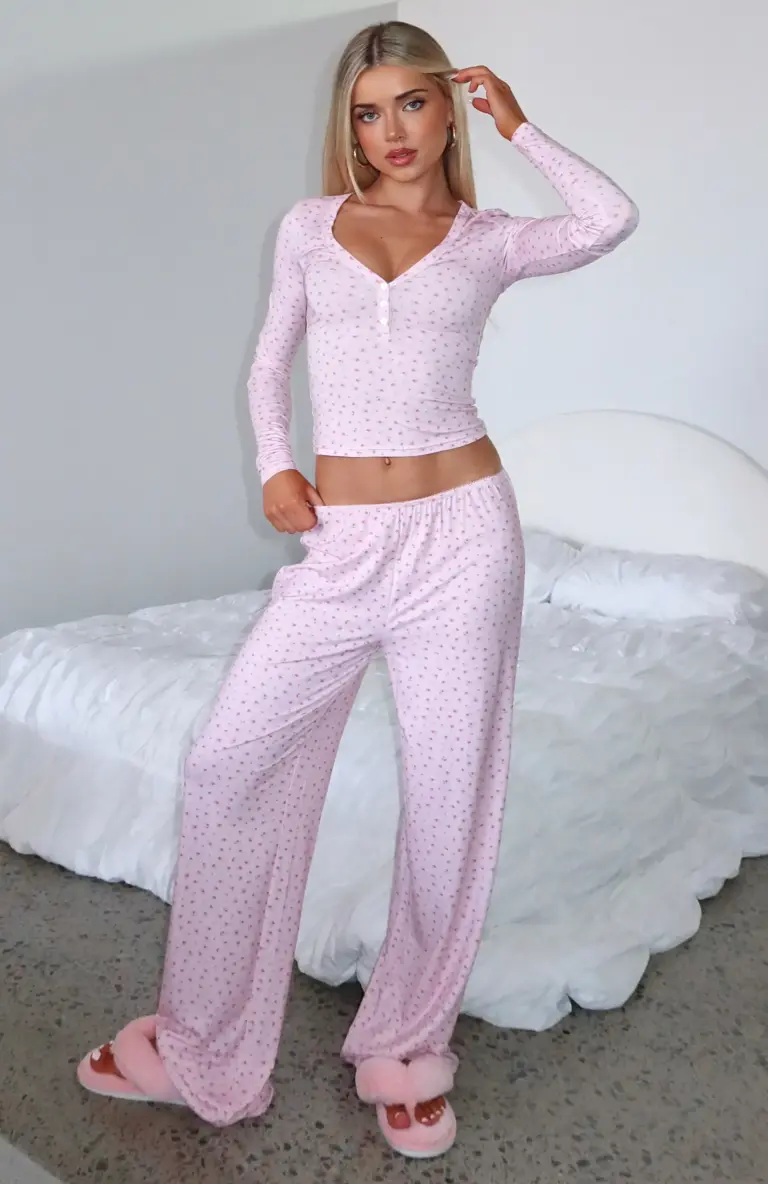
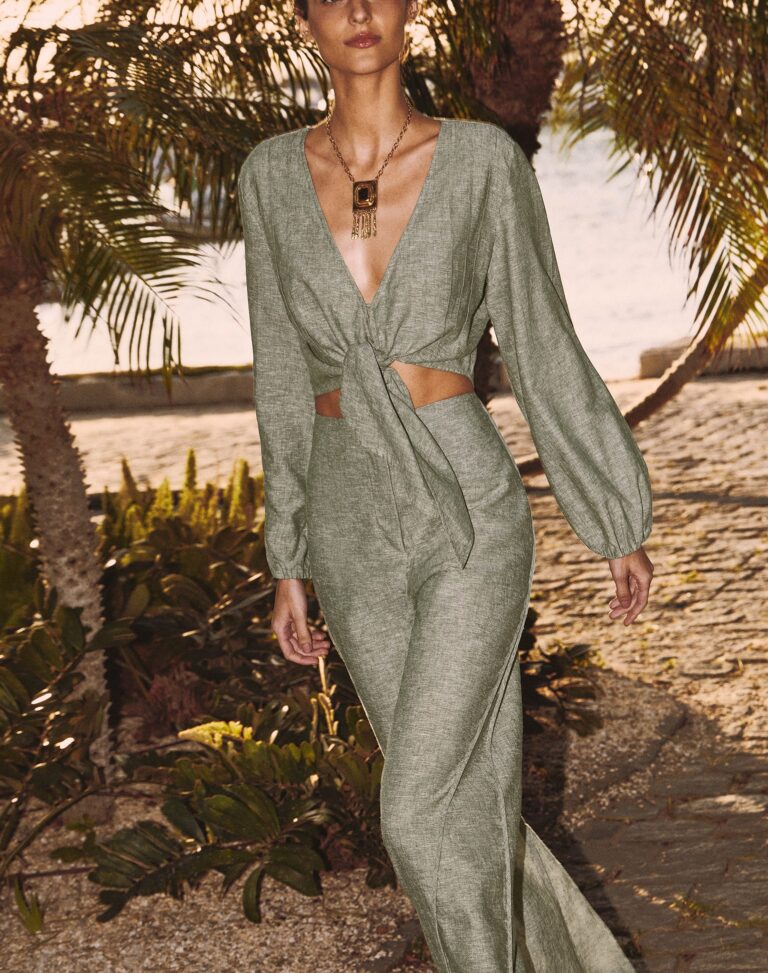 Flared PantsFlared Straight Leg Pants to Build Outfits Around
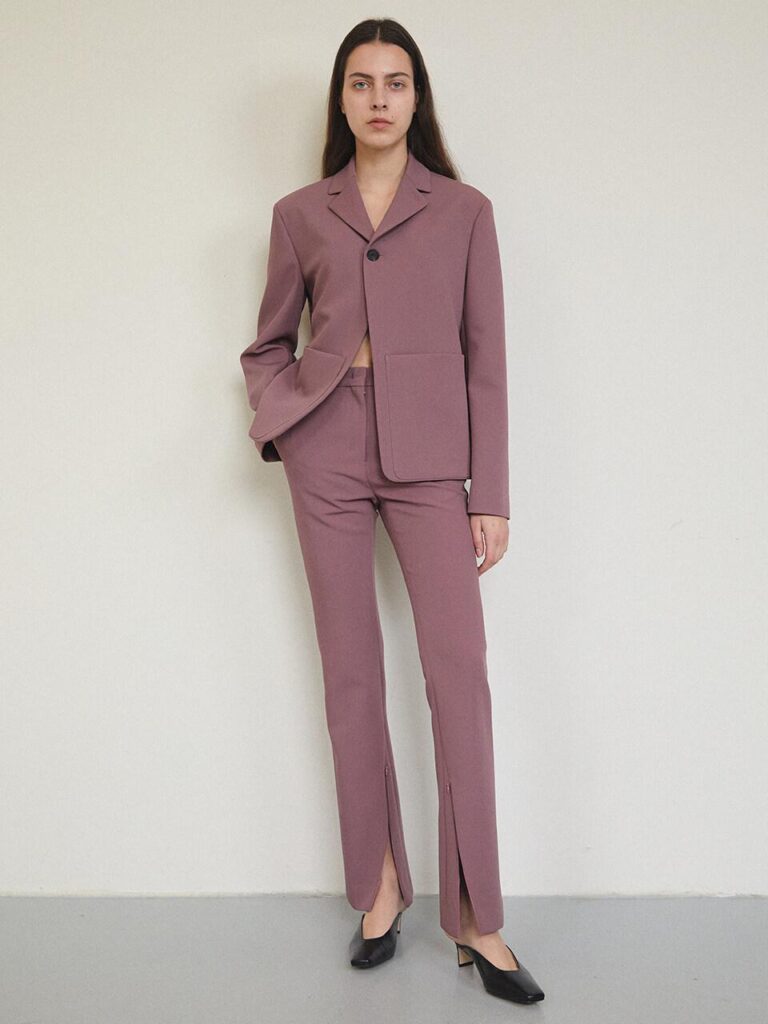
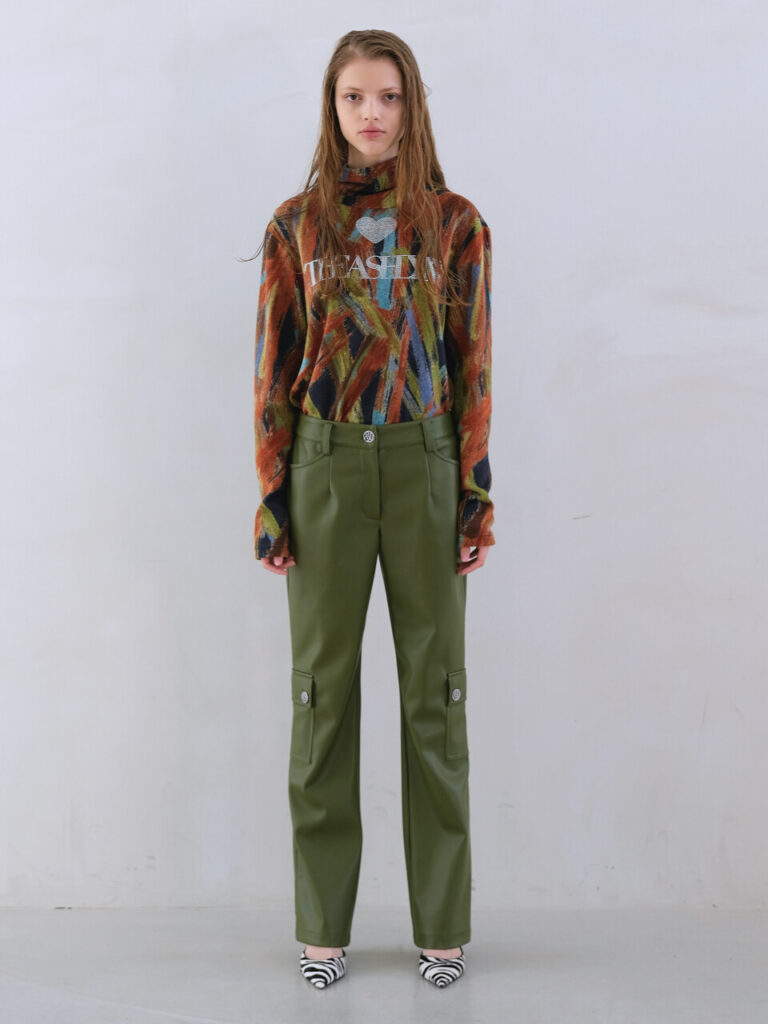 The Faux Leather Straight Leg Pants on Our Wishlist
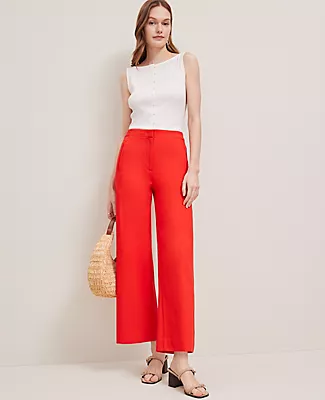
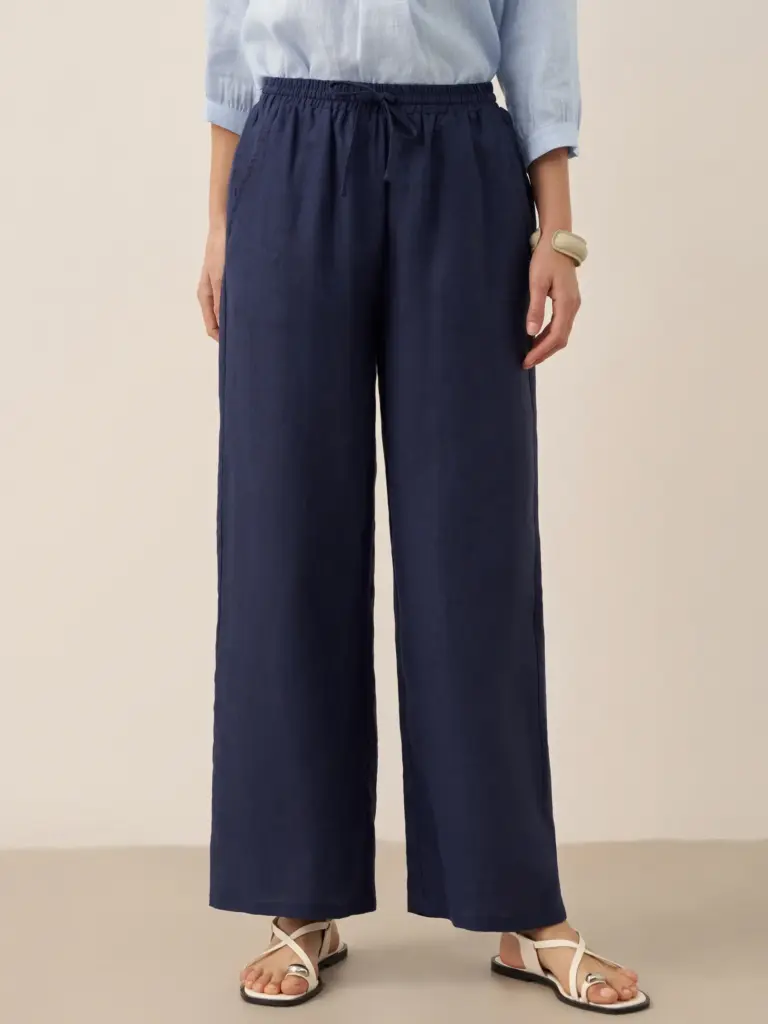 Evening Straight Leg Pants Edited Down to the Best
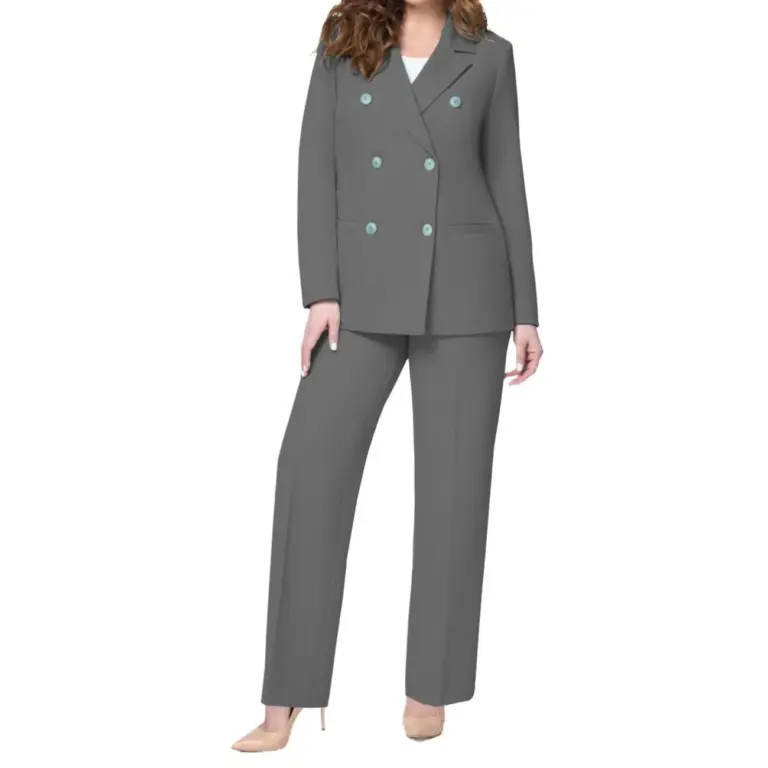
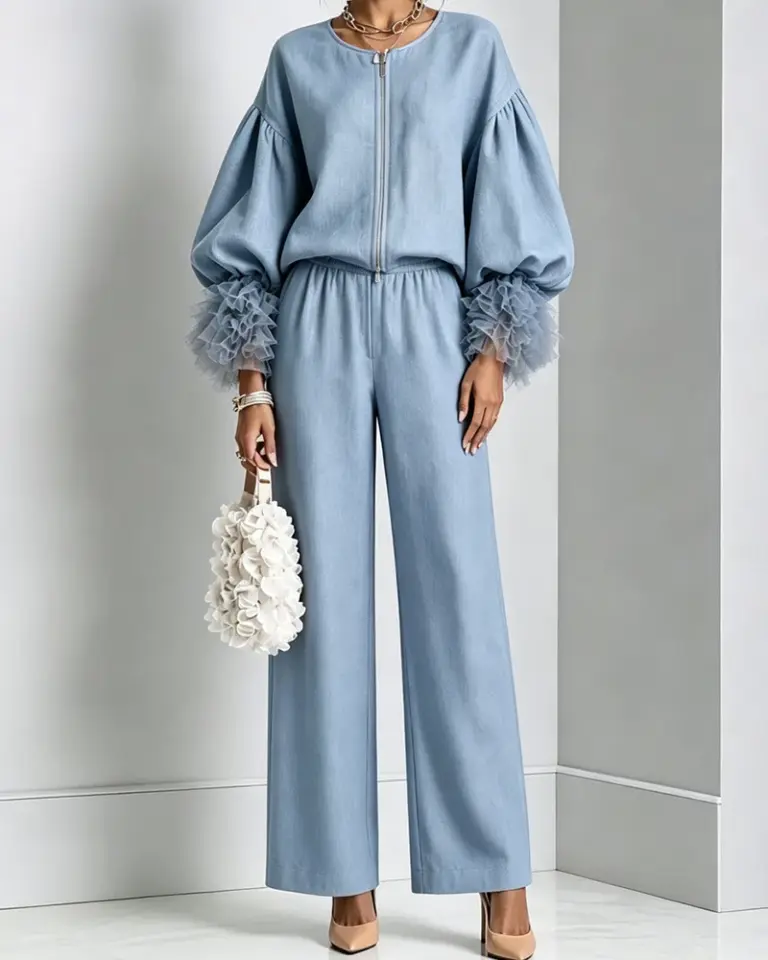 Our Go To Elasticated Waist Straight Leg PantsAlso worth a lookTailored PantsYou can spot a good pair of tailored trousers from right across a room.See the collections →
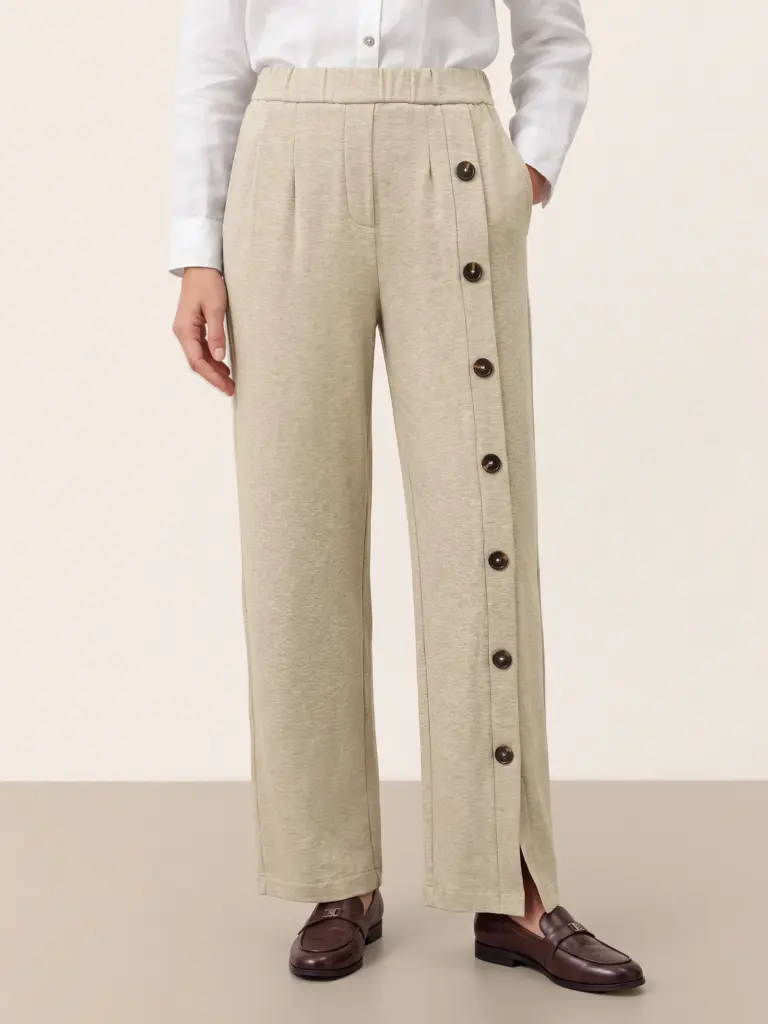
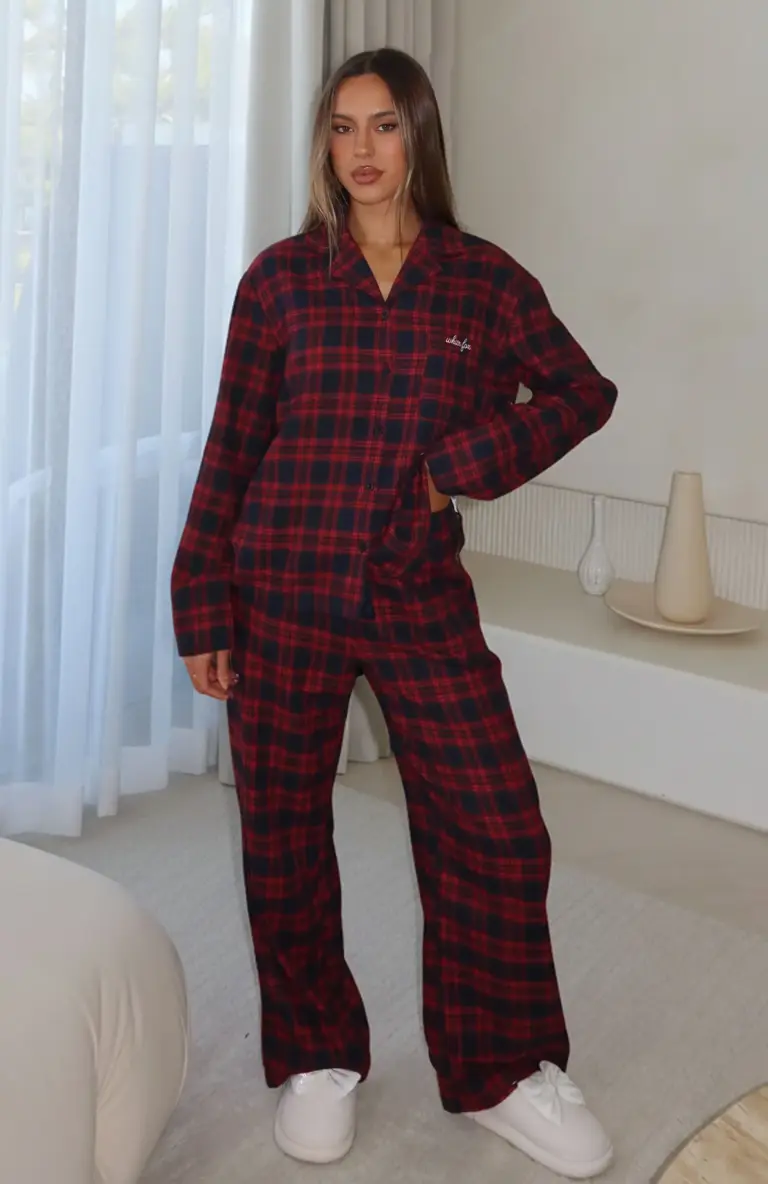 The Drawstring Straight Leg Pants We’re Eyeing Up This Season
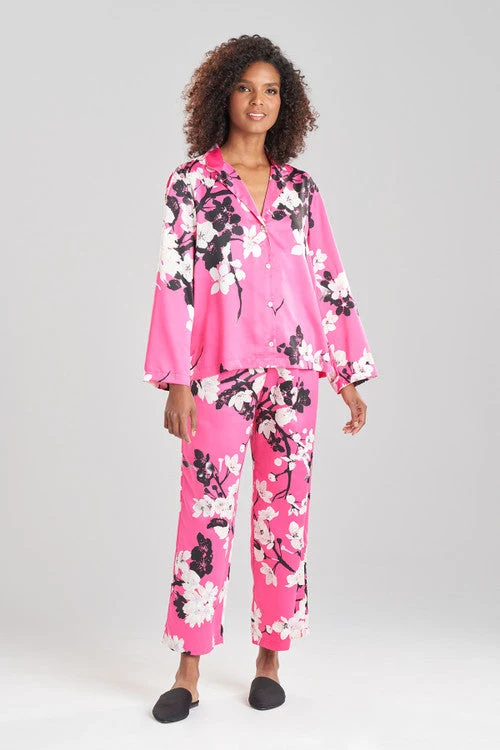
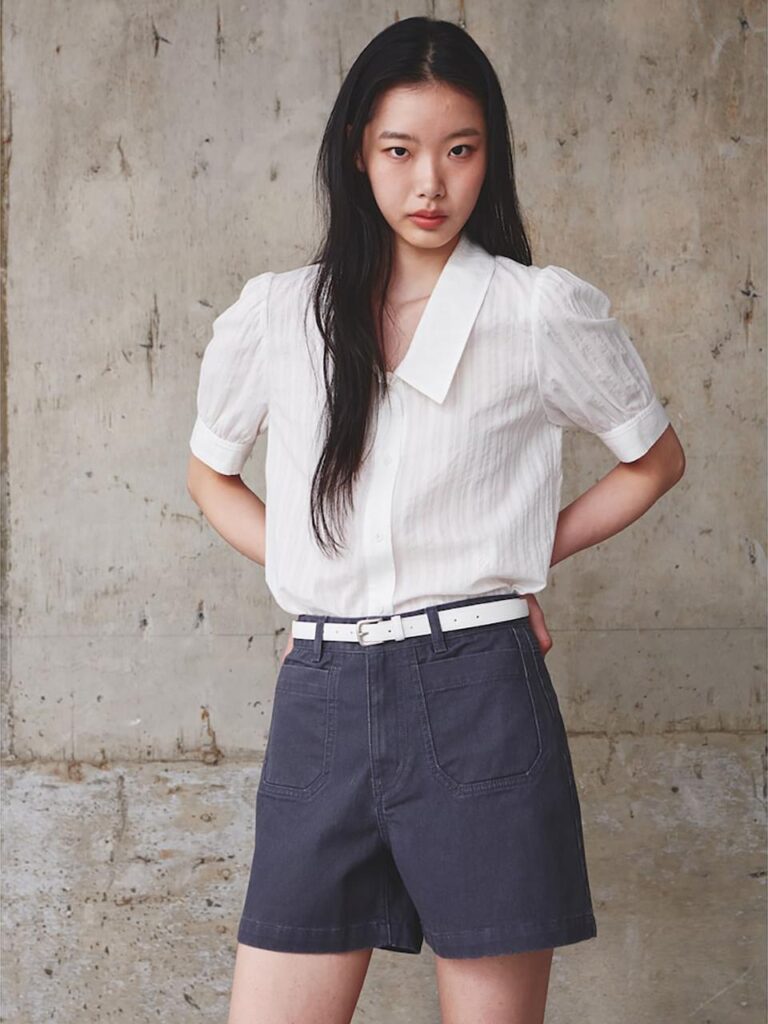 Denim PantsDenim Straight Leg Pants Worth a Closer Look
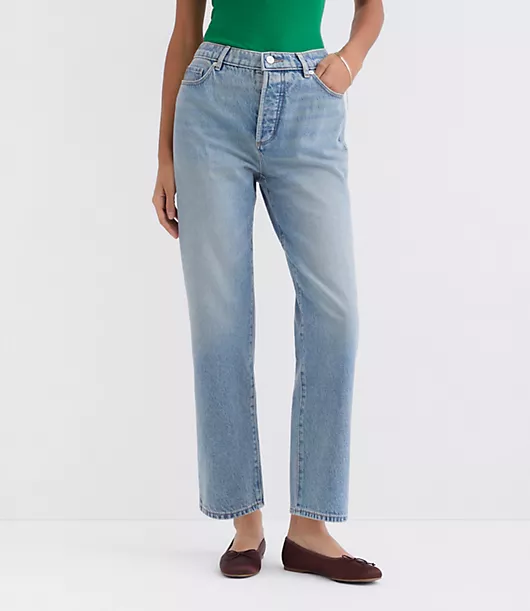
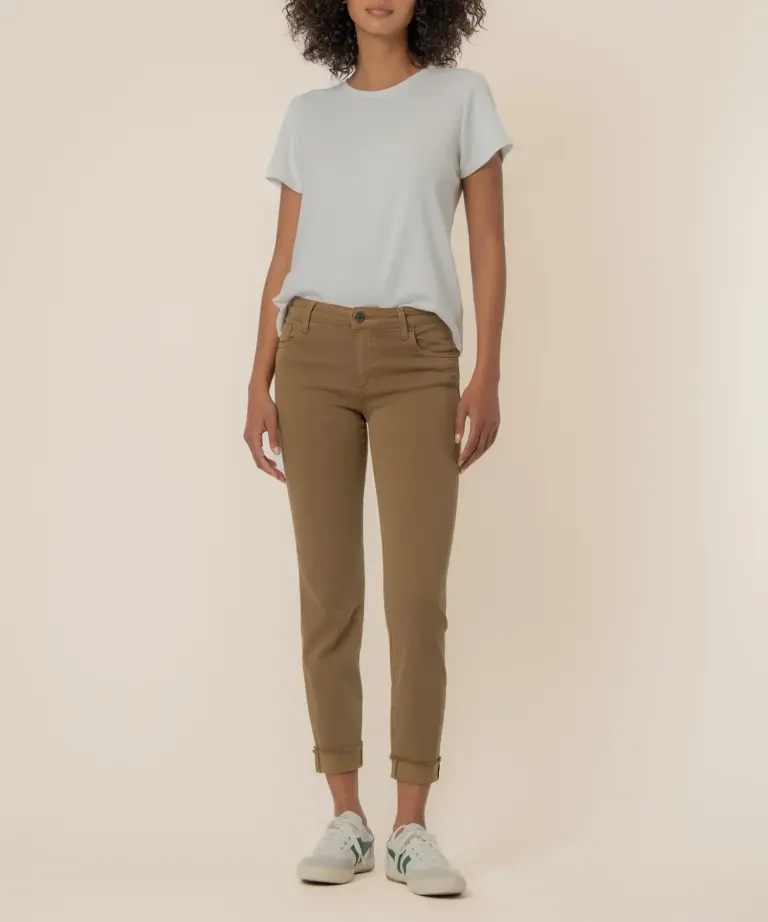 Cropped PantsThe Only Cropped Straight Leg Pants You Need to See
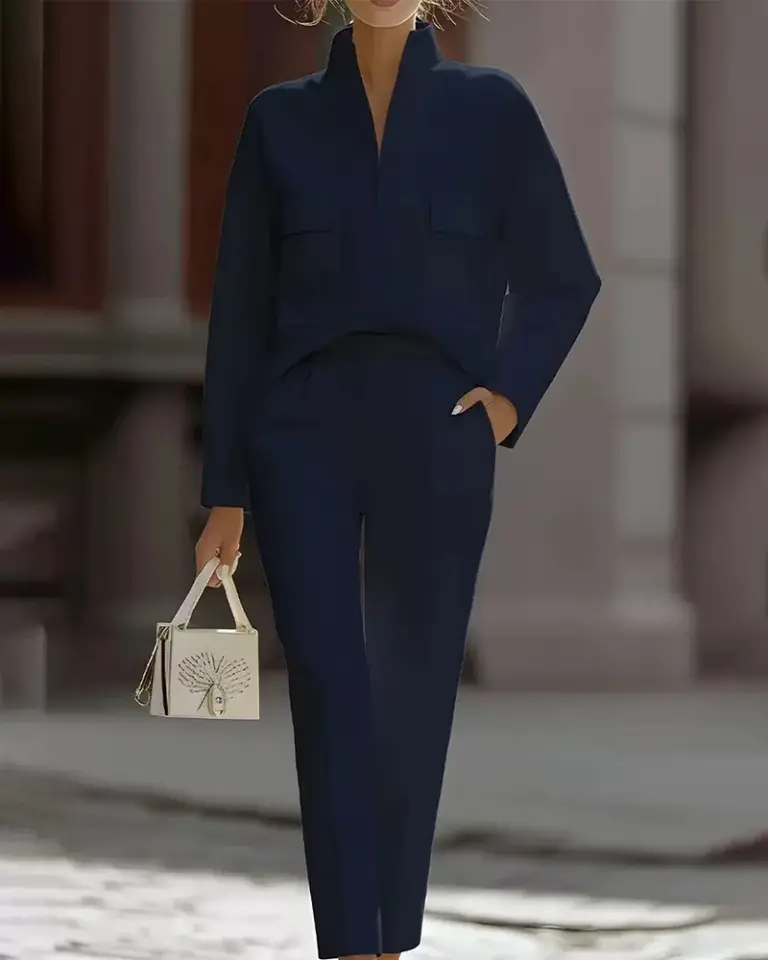
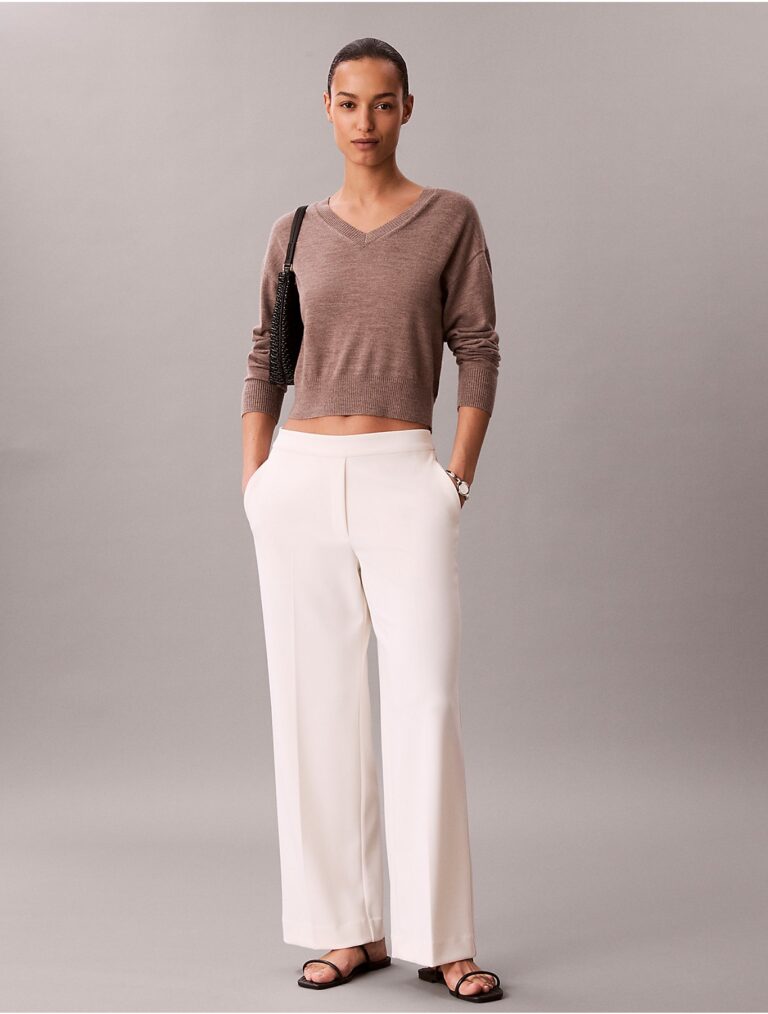 Crepe Straight Leg Pants We’d Happily Wear on Repeat
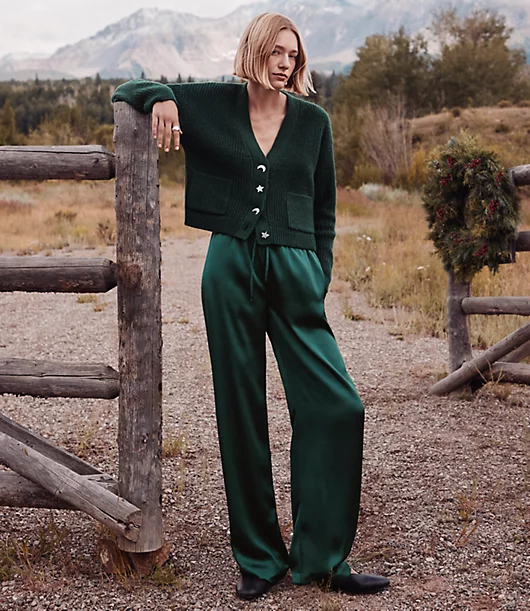
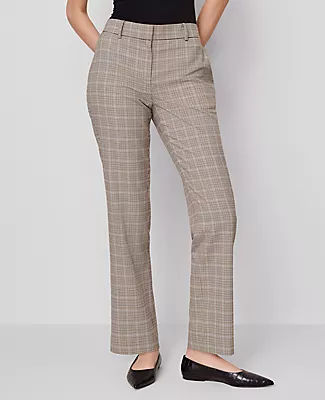 Cream PantsStandout Cream Tailored Straight Leg Pants to Shop
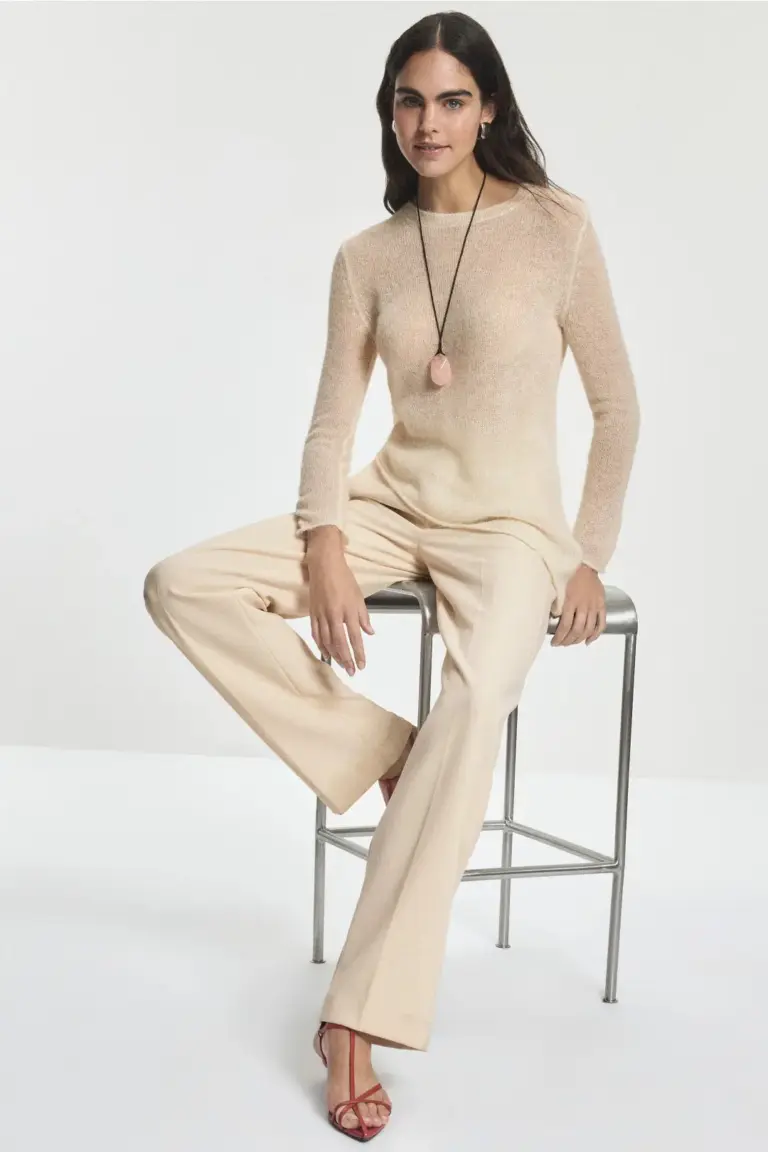
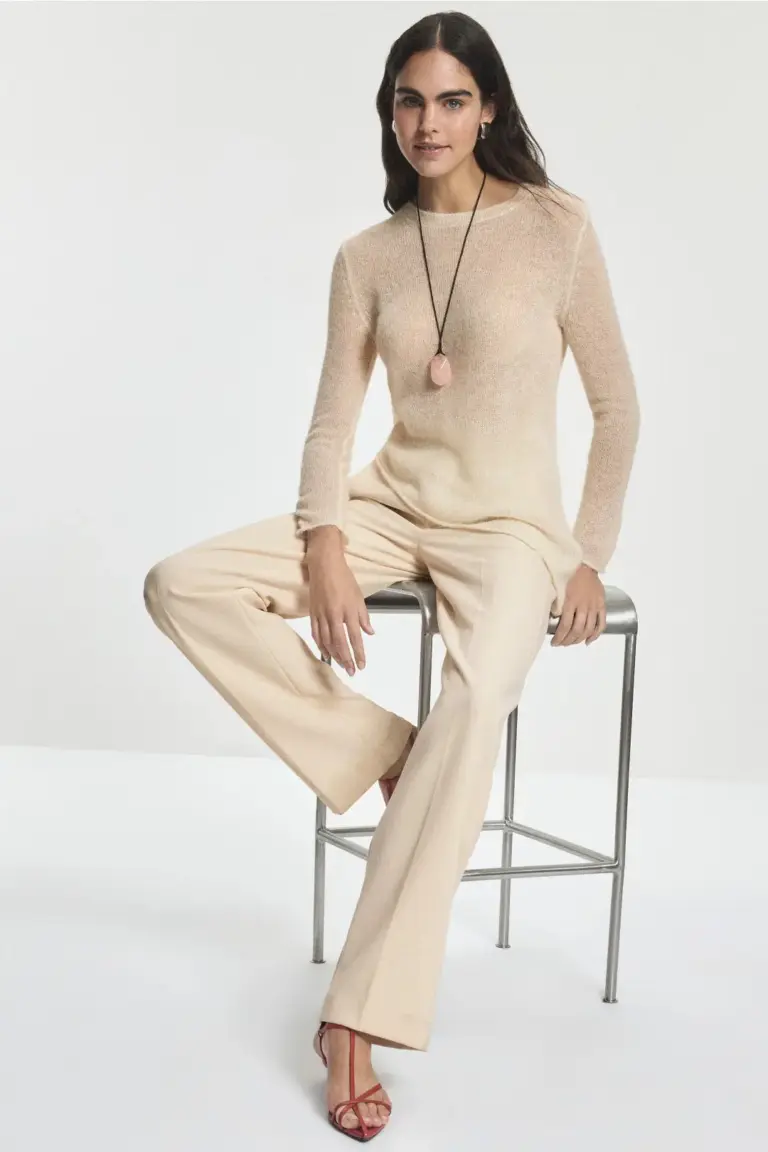 Cream PantsOur Top Cream Straight Leg Tailored Pants Right Now
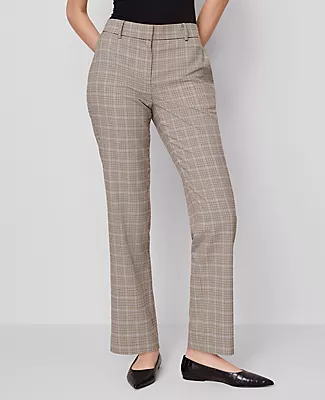
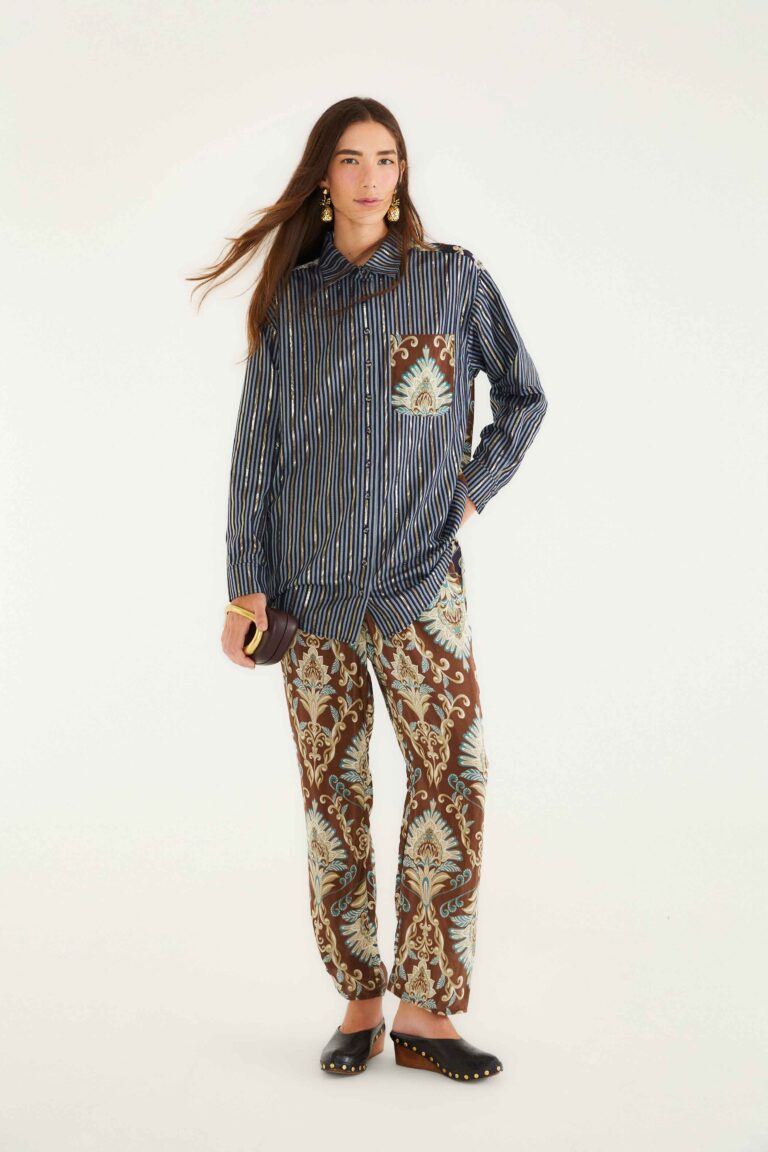 Cream PantsCream Straight Leg Pants Picked by Us
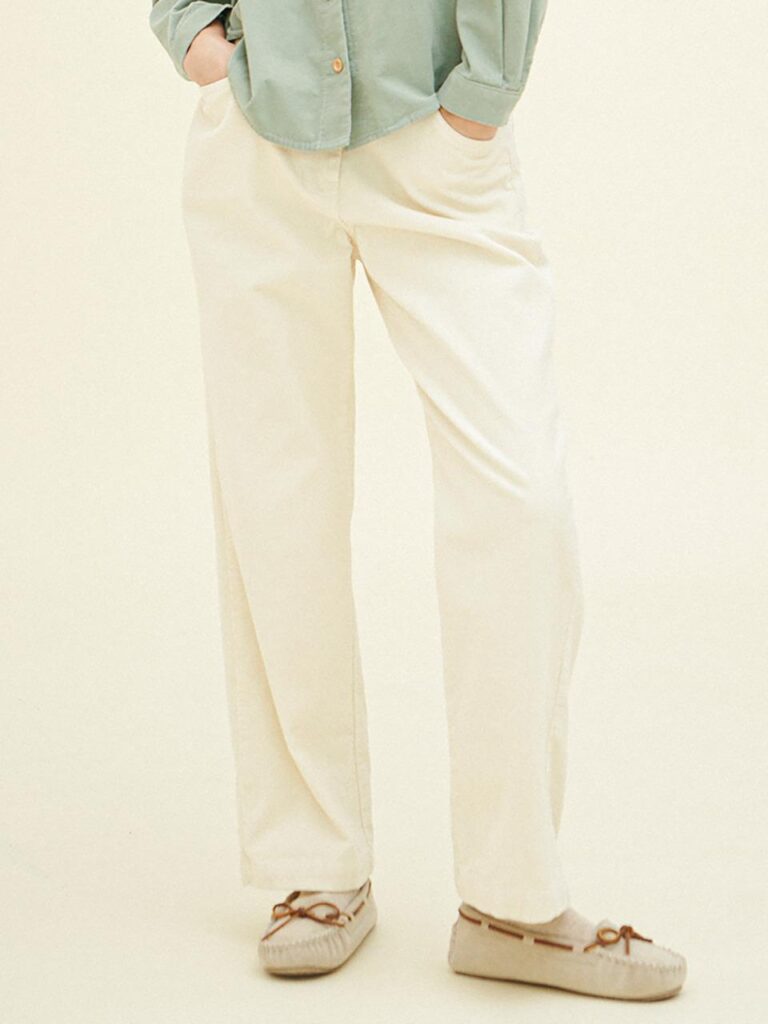
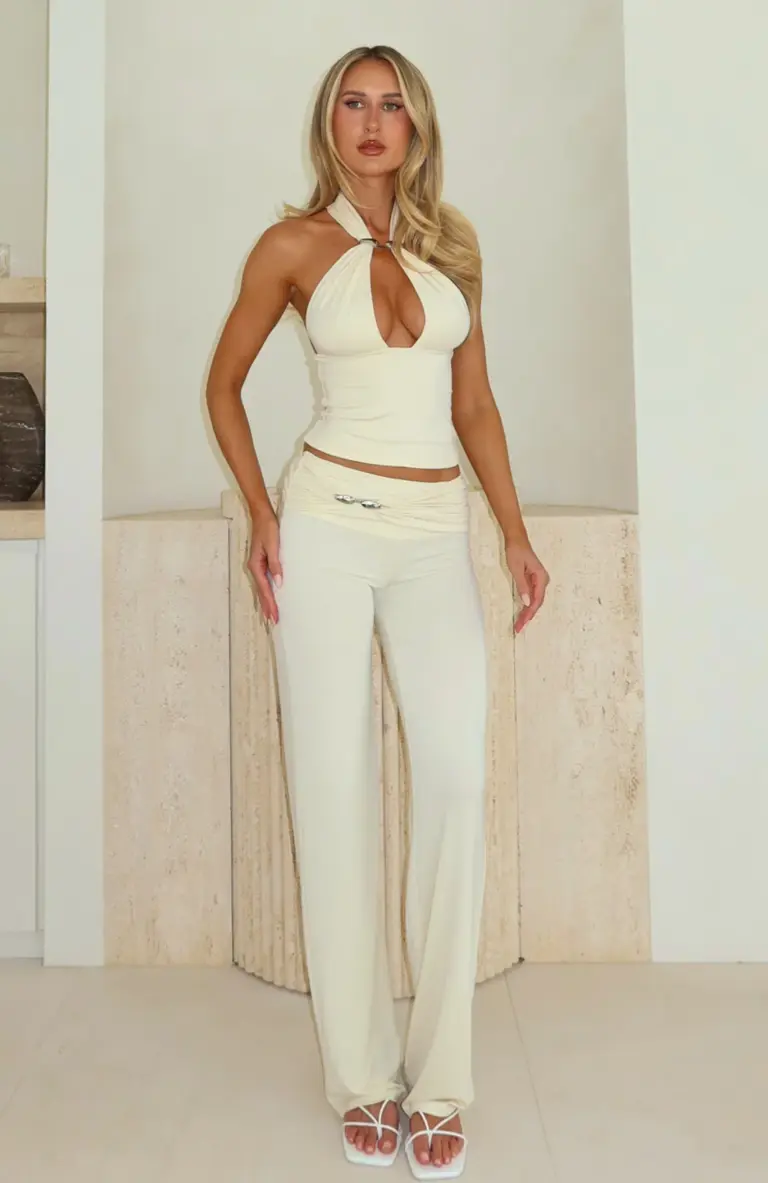 Cream PantsStandout Cream Elasticated Waist Straight Leg Pants to Shop
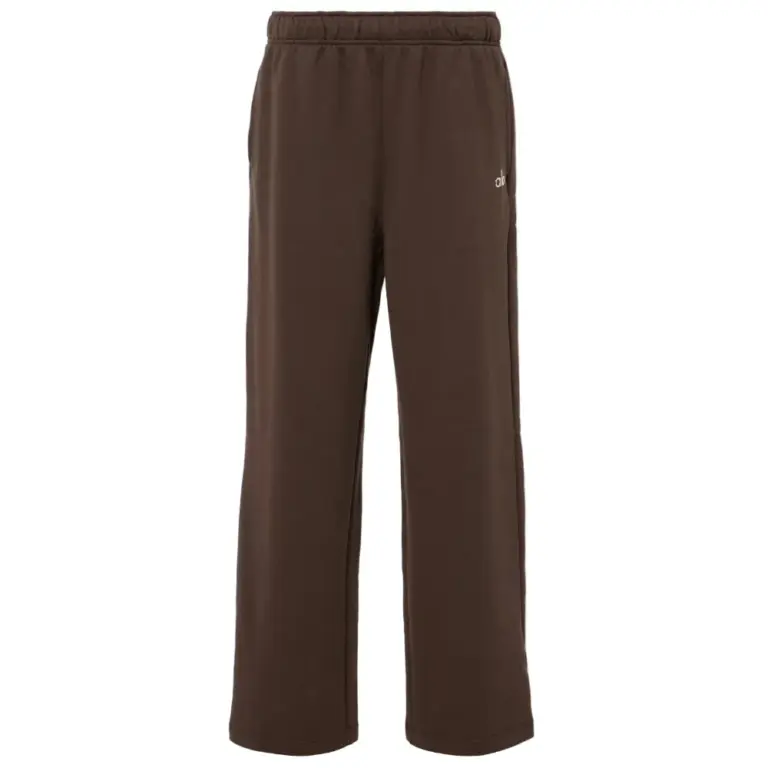
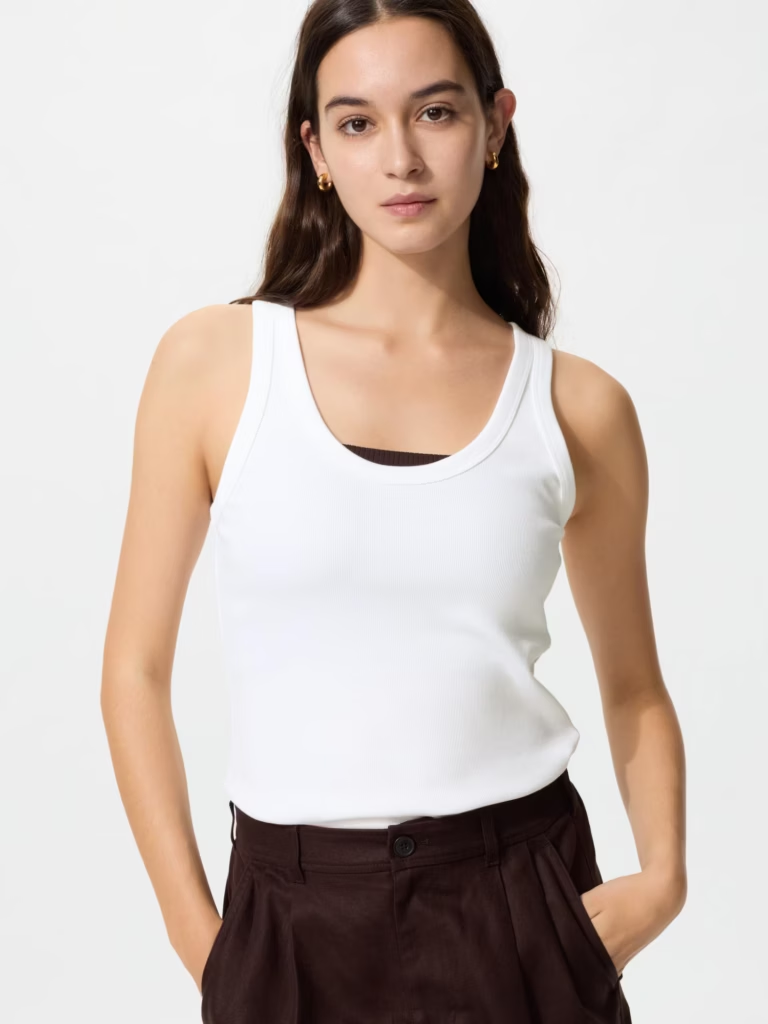 Cotton PantsShop the Edit: Cotton Straight Leg PantsAlso worth a lookWide Leg PantsWide leg trousers will make you look shorter if you get the length wrong, and the margin for error is smaller than it looks.See the collections →
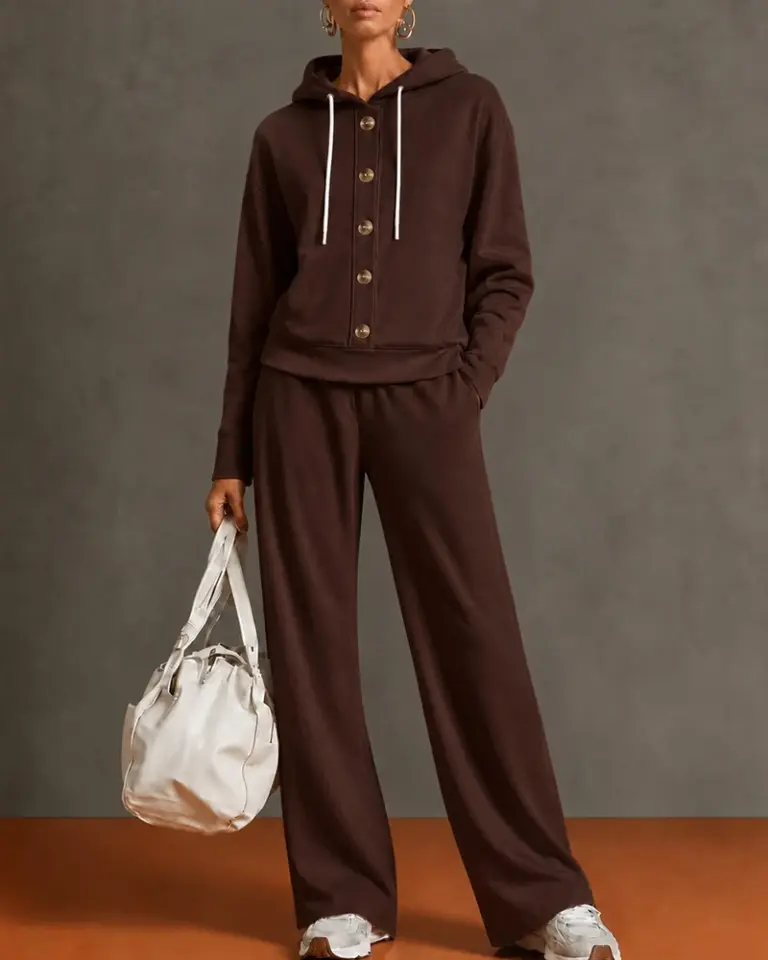
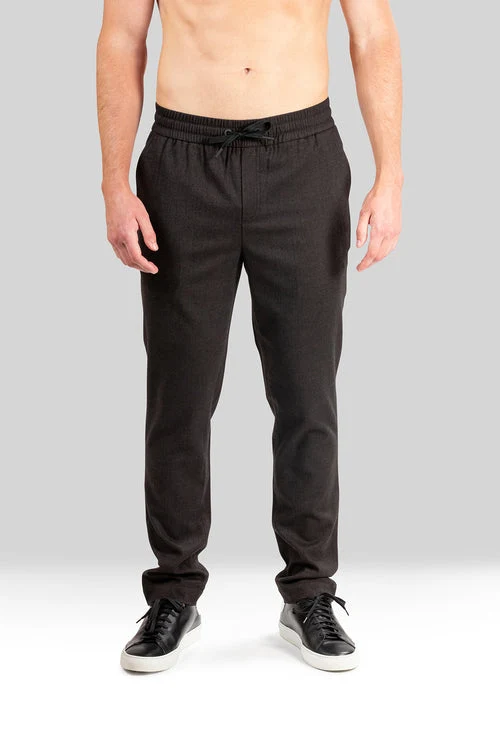 Our Go To Cord Straight Leg Pants
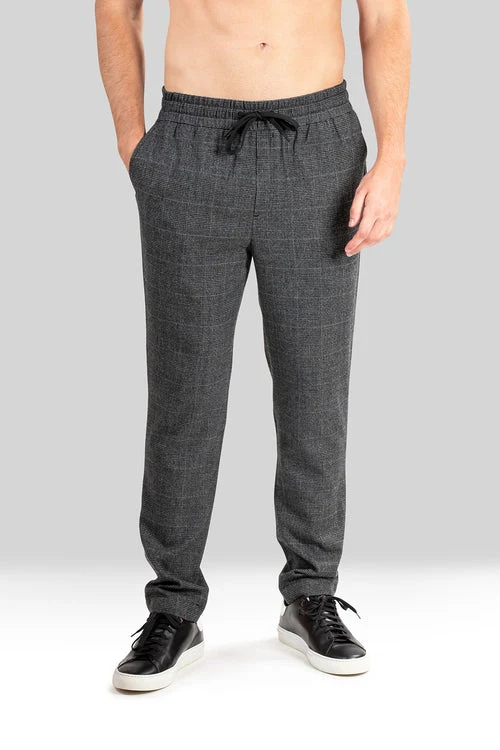
 Check Straight Leg Pants That Make Dressing Easy
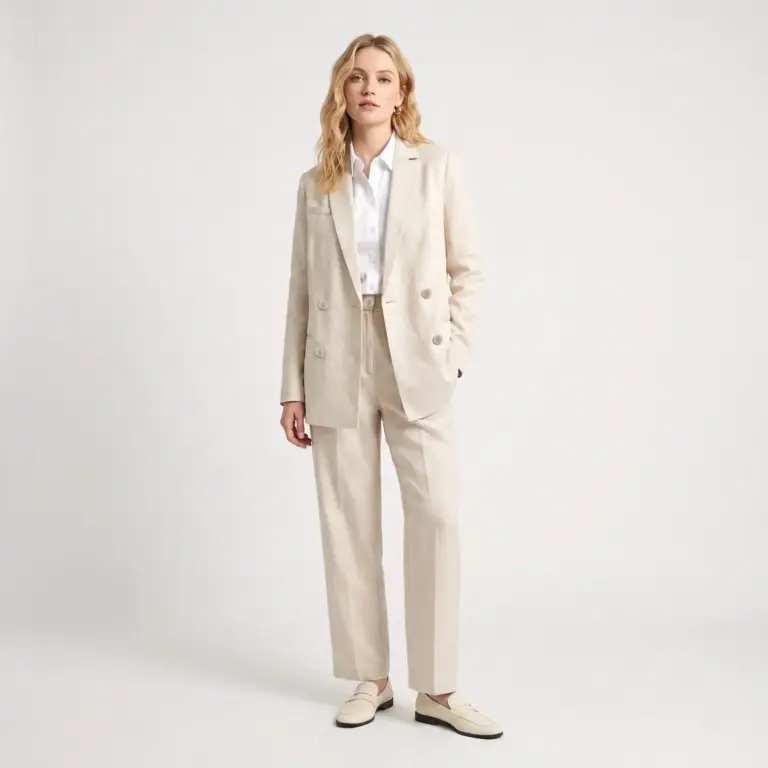
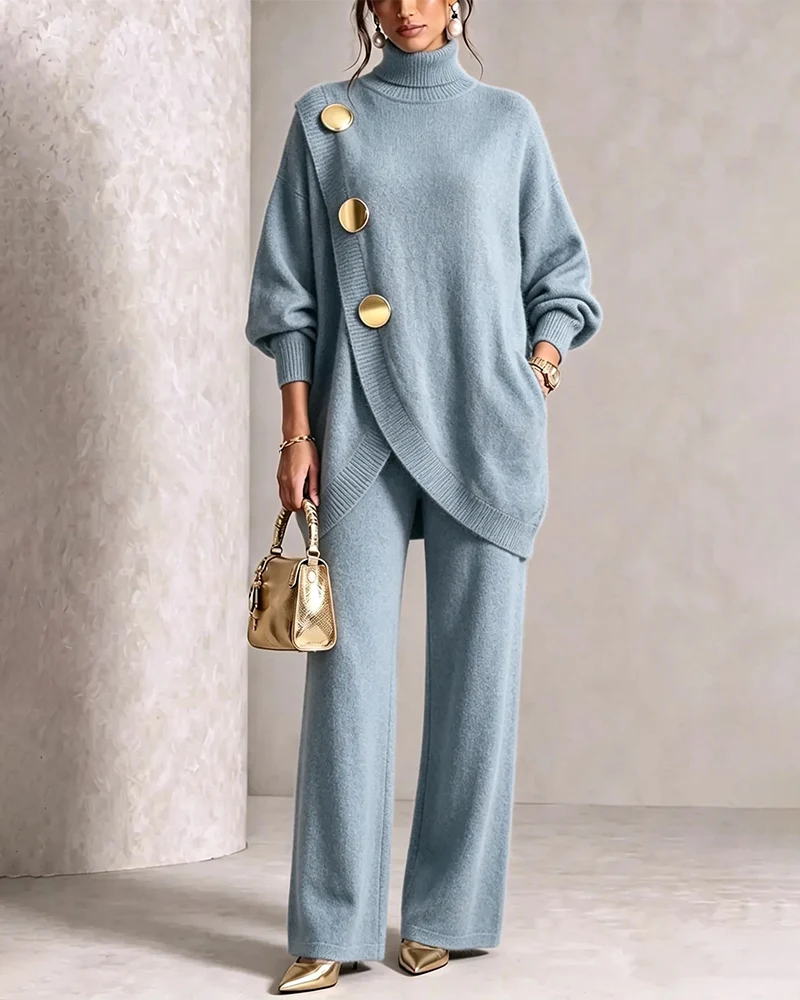 Casual Straight Leg Pants You’ll Wear Week After Week
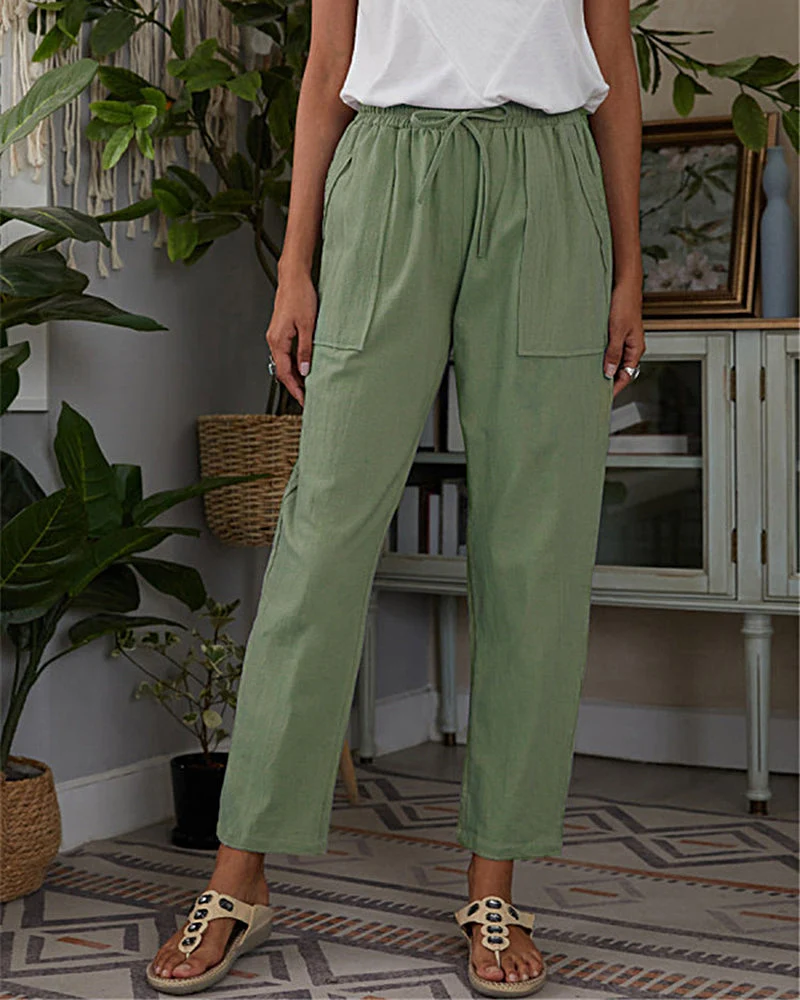
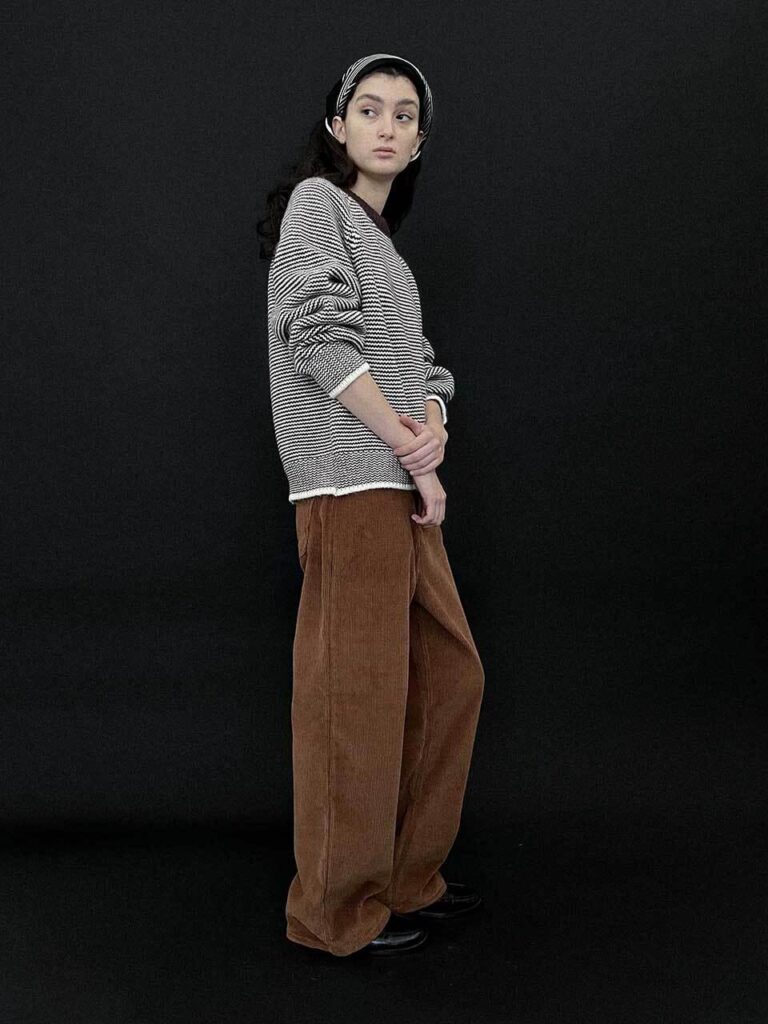 Camel Straight Leg Pants: Our Current Favorites
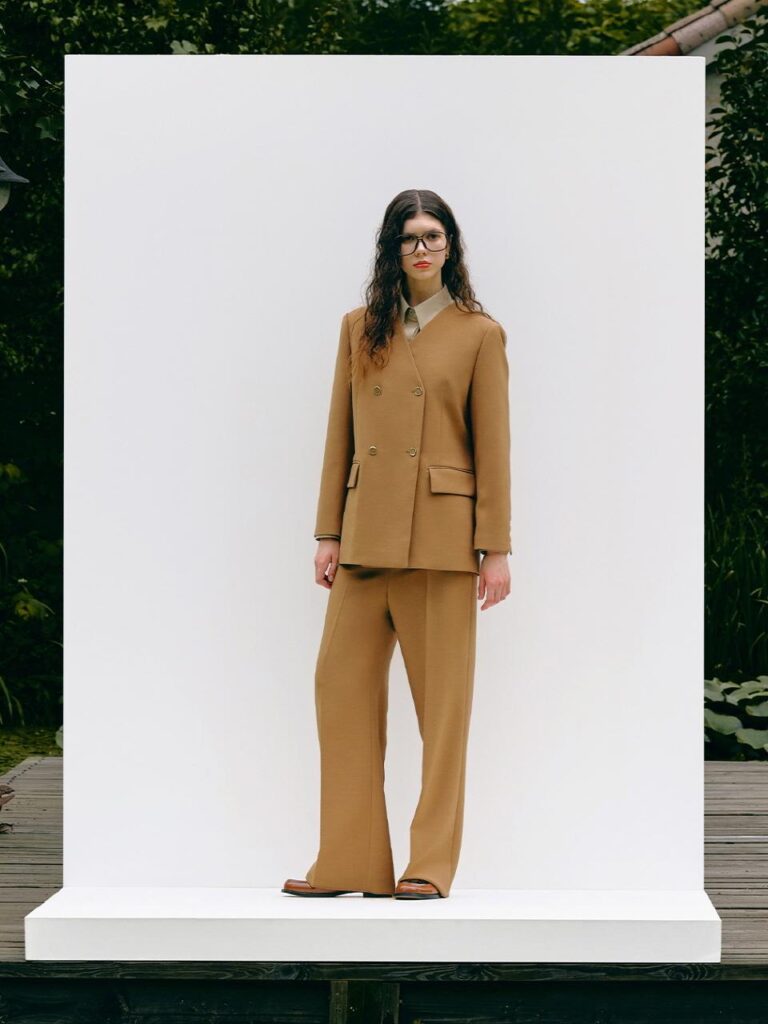
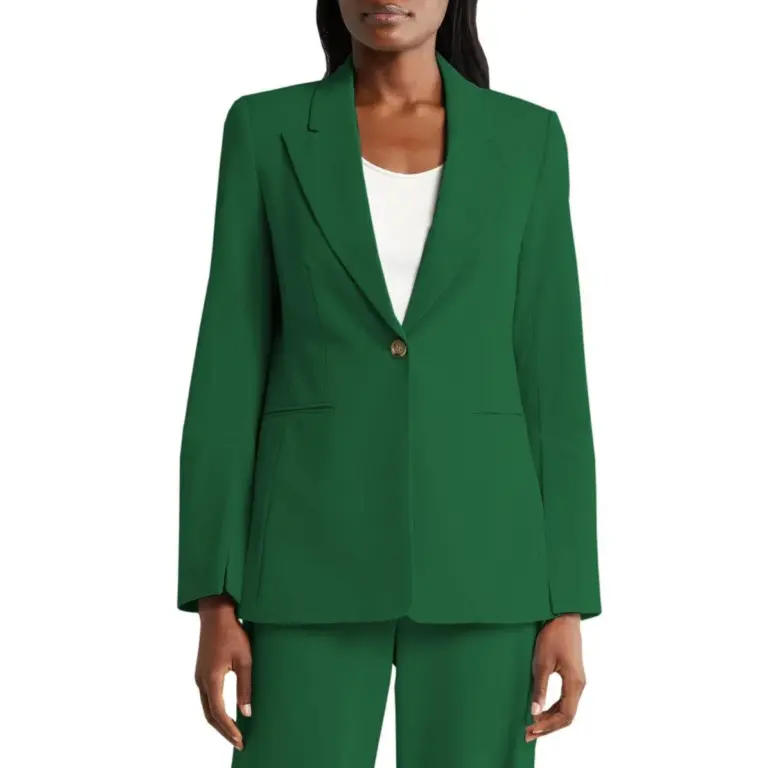 Tailored PantsBurgundy Tailored Straight Leg Pants: Our Current Favorites
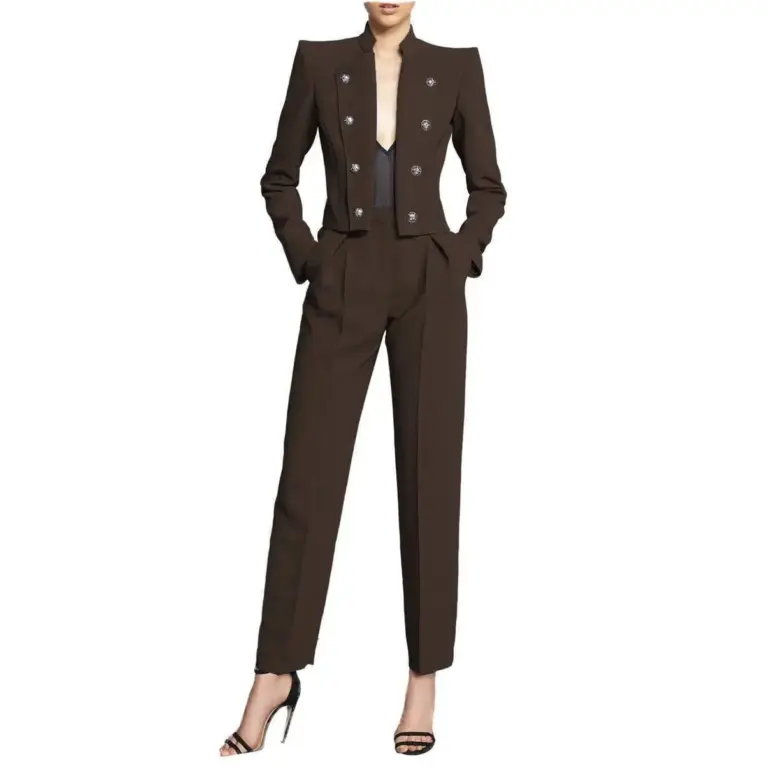
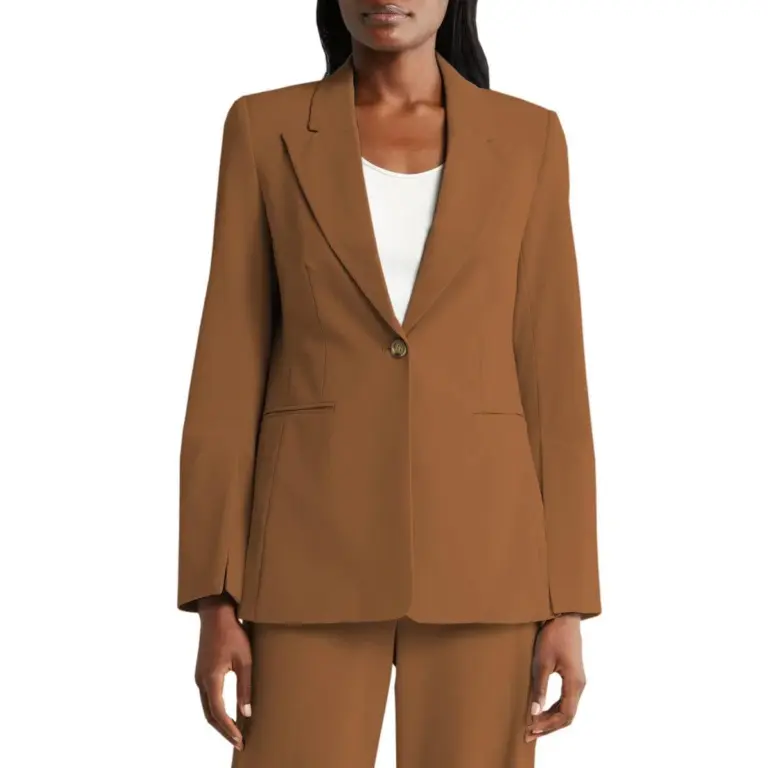 Tailored PantsBurgundy Straight Leg Tailored Pants That Have Caught Our Eye
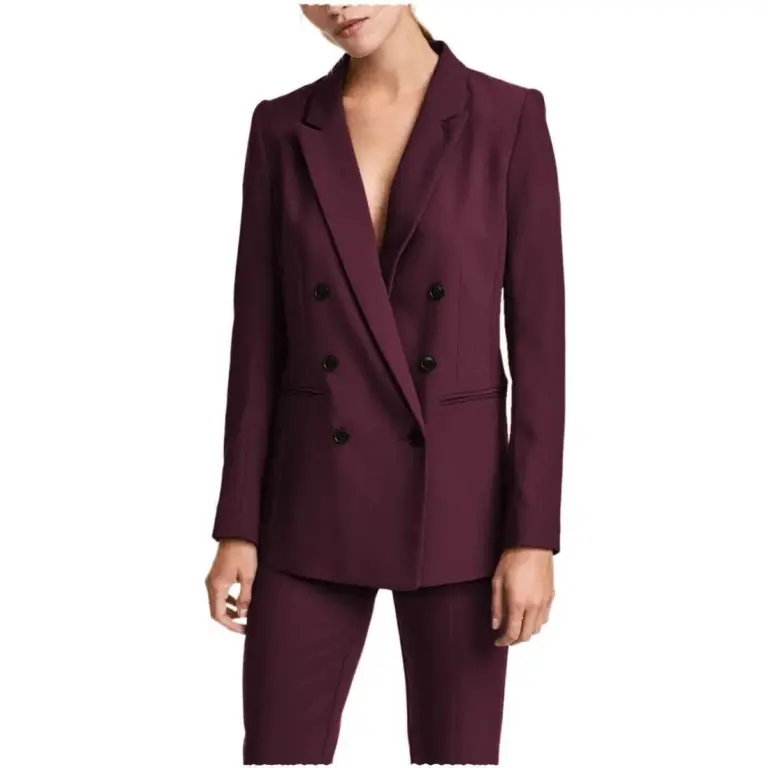
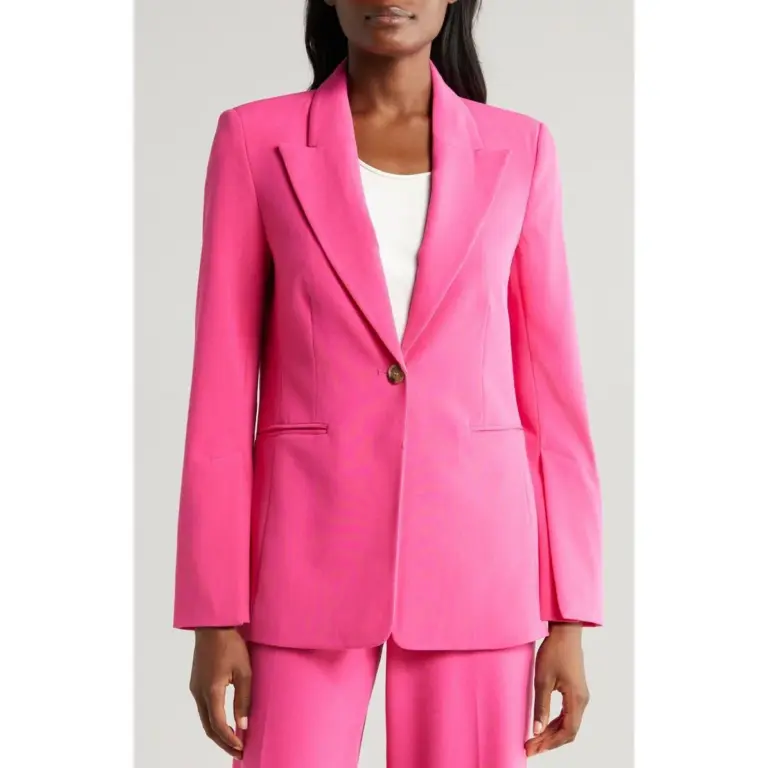 A Closer Look at the Best Burgundy Straight Leg Pants
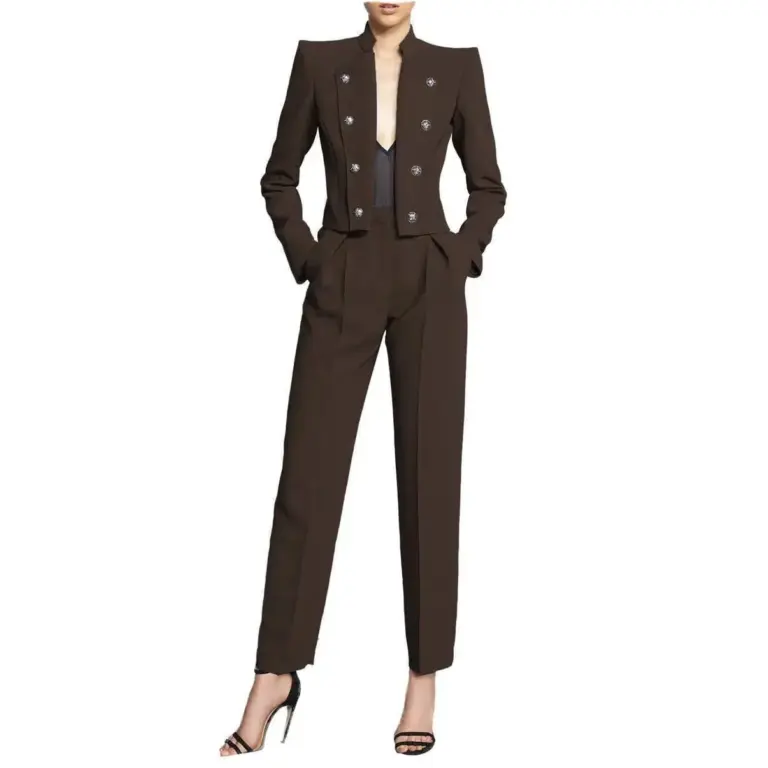
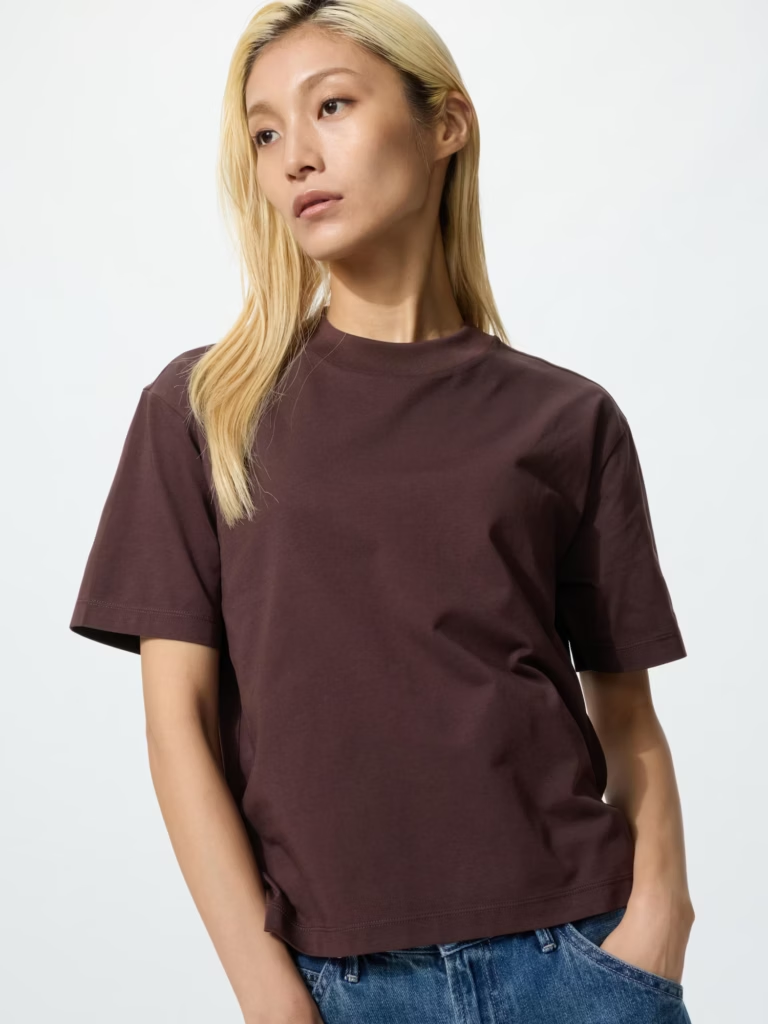 Brown PantsBrown Tailored Straight Leg Pants That Mean Business
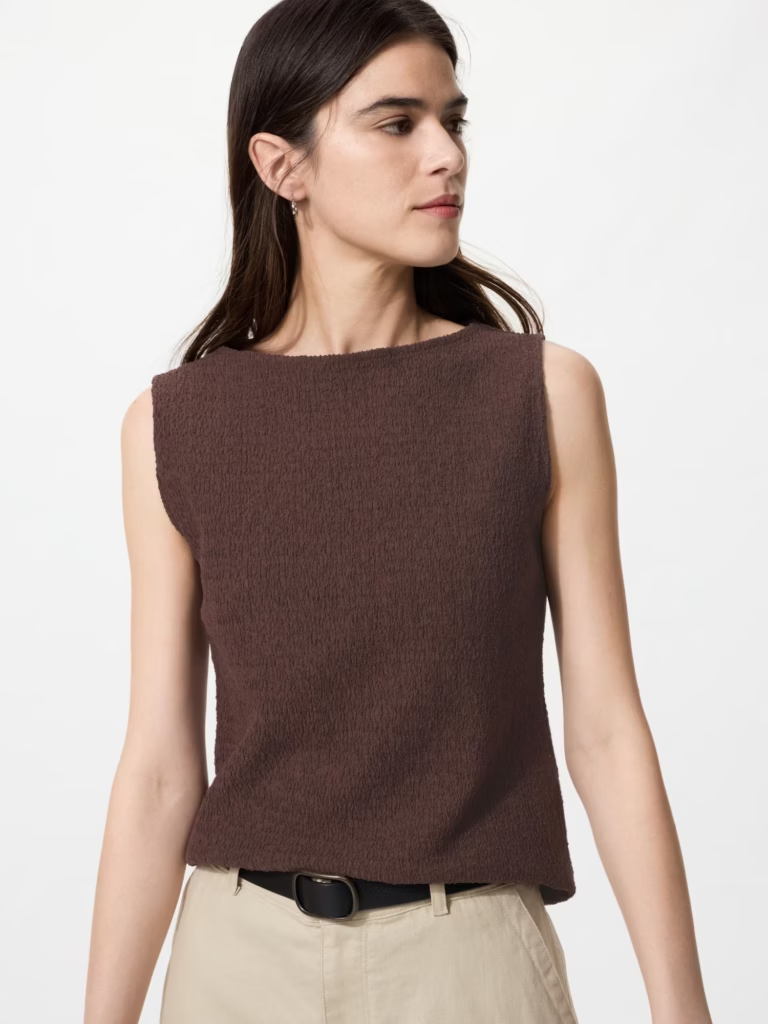
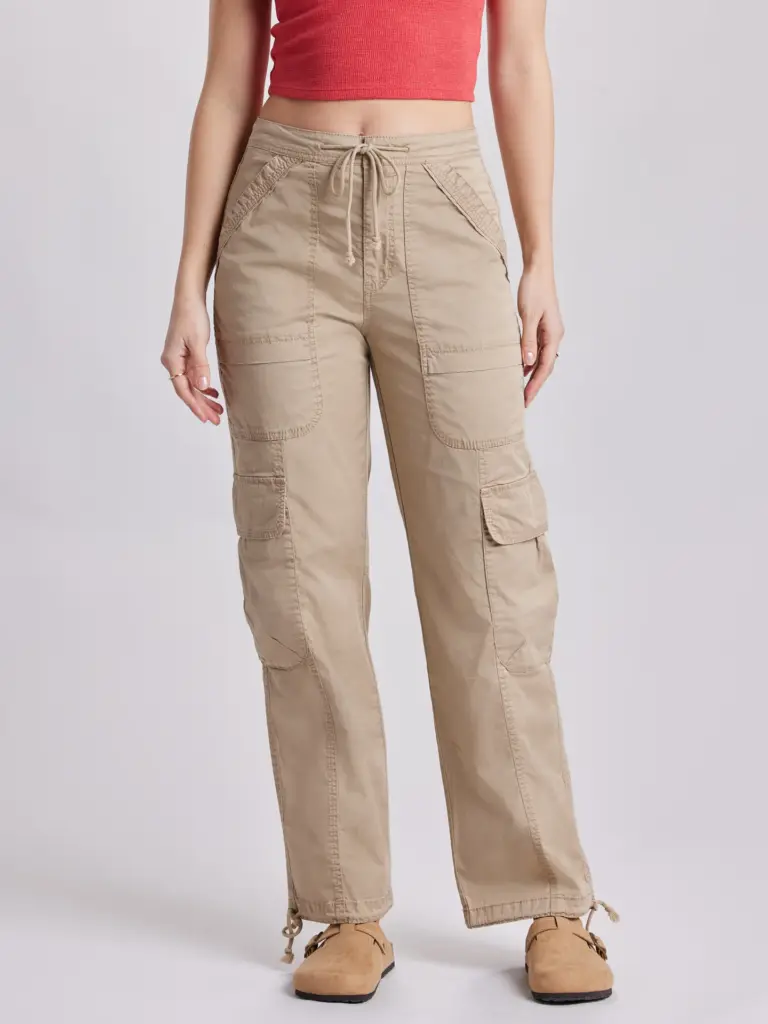 Brown PantsThe Prettiest Brown Straight Leg Pants Around Right NowAlso worth a lookBlack PantsThe week everything else is in the wash, or the week you've got three different things on in…See the collections →
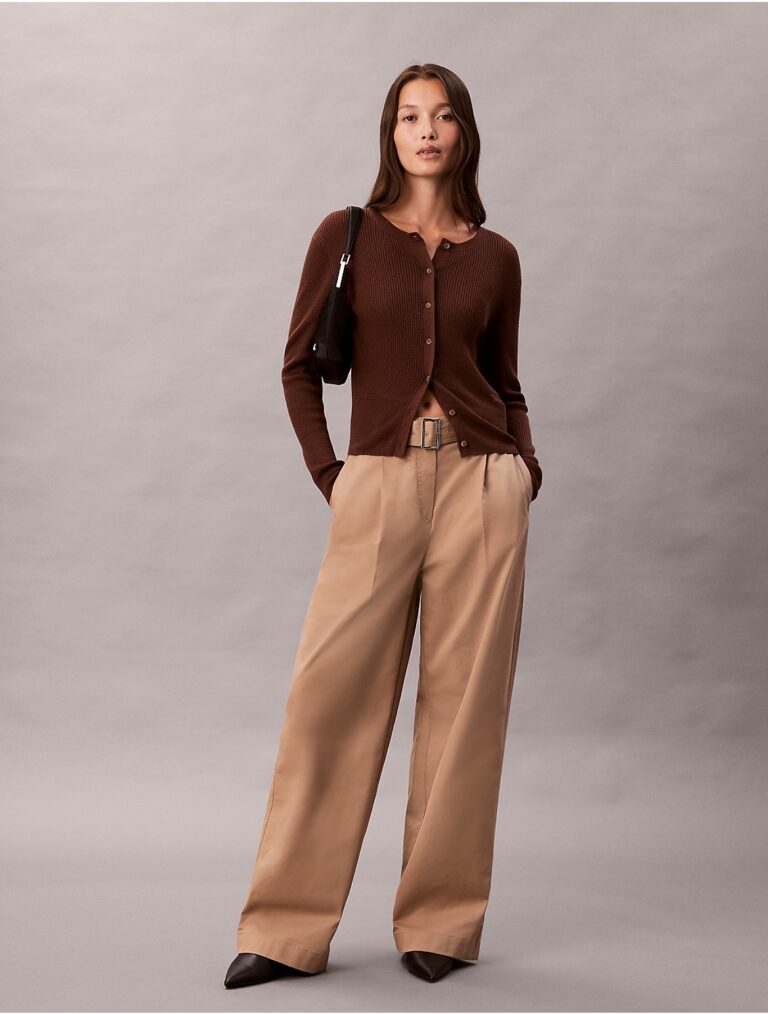
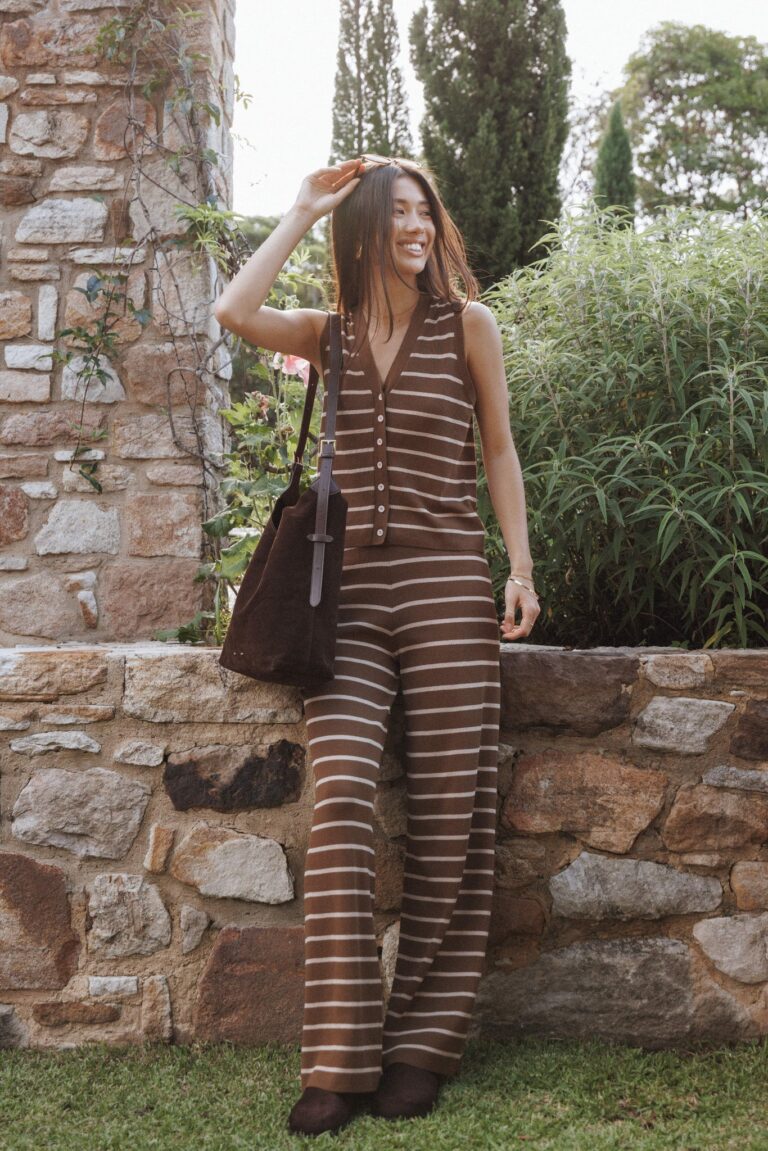 Relaxed PantsThe Edit: Brown Relaxed Straight Leg Pants
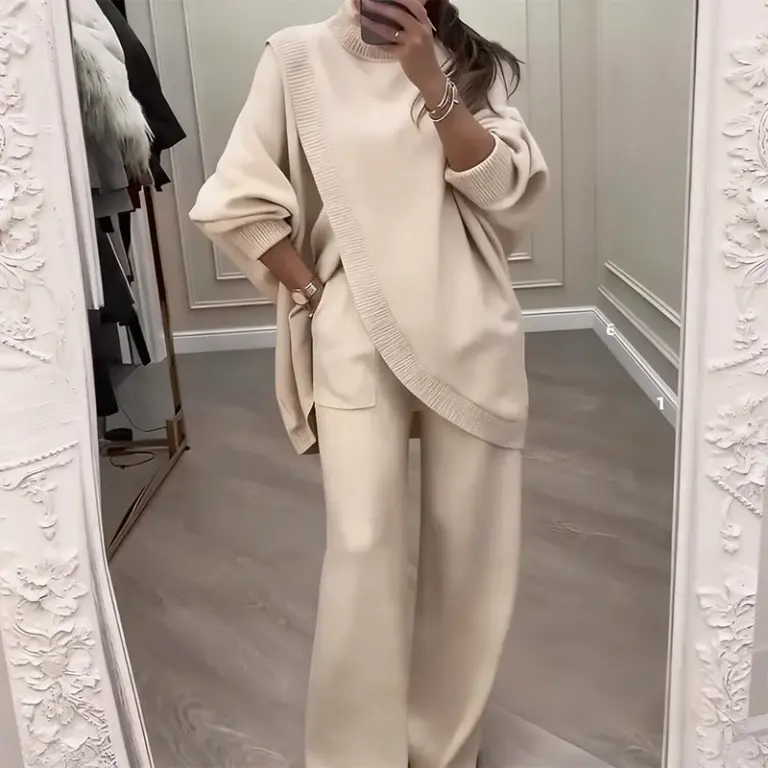
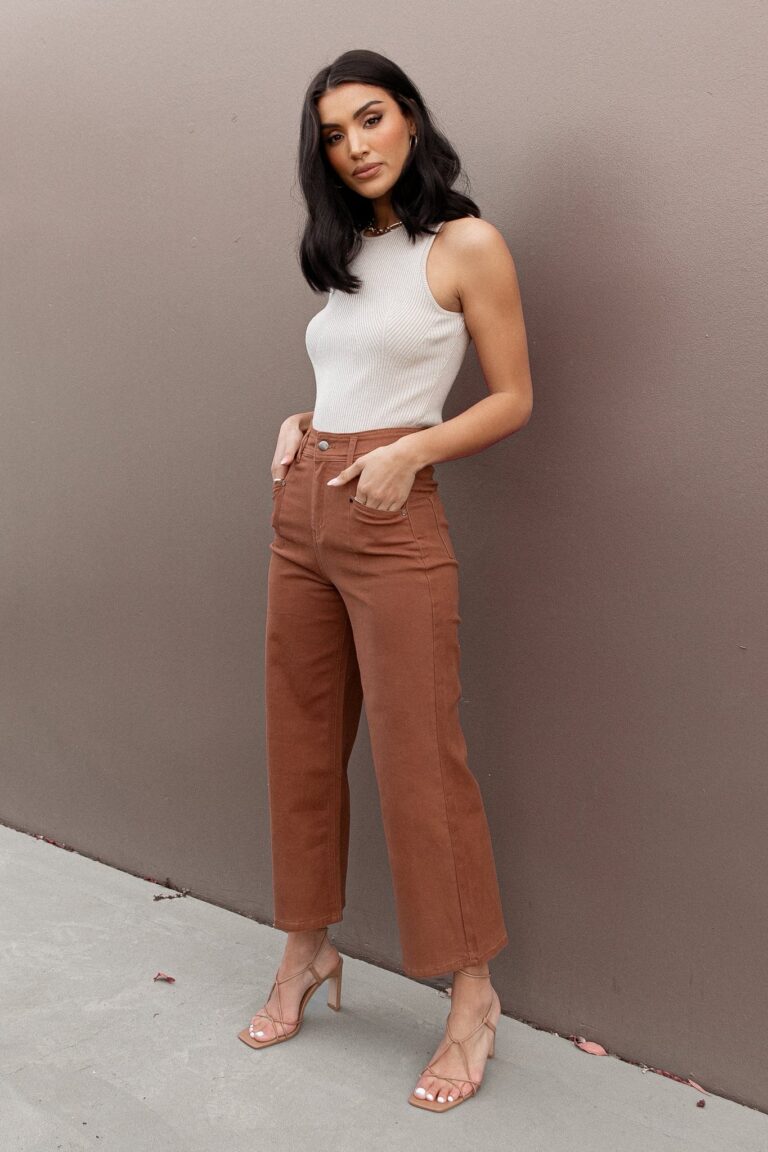 Brown PantsBrown High Waisted Straight Leg Pants That Go With Everything
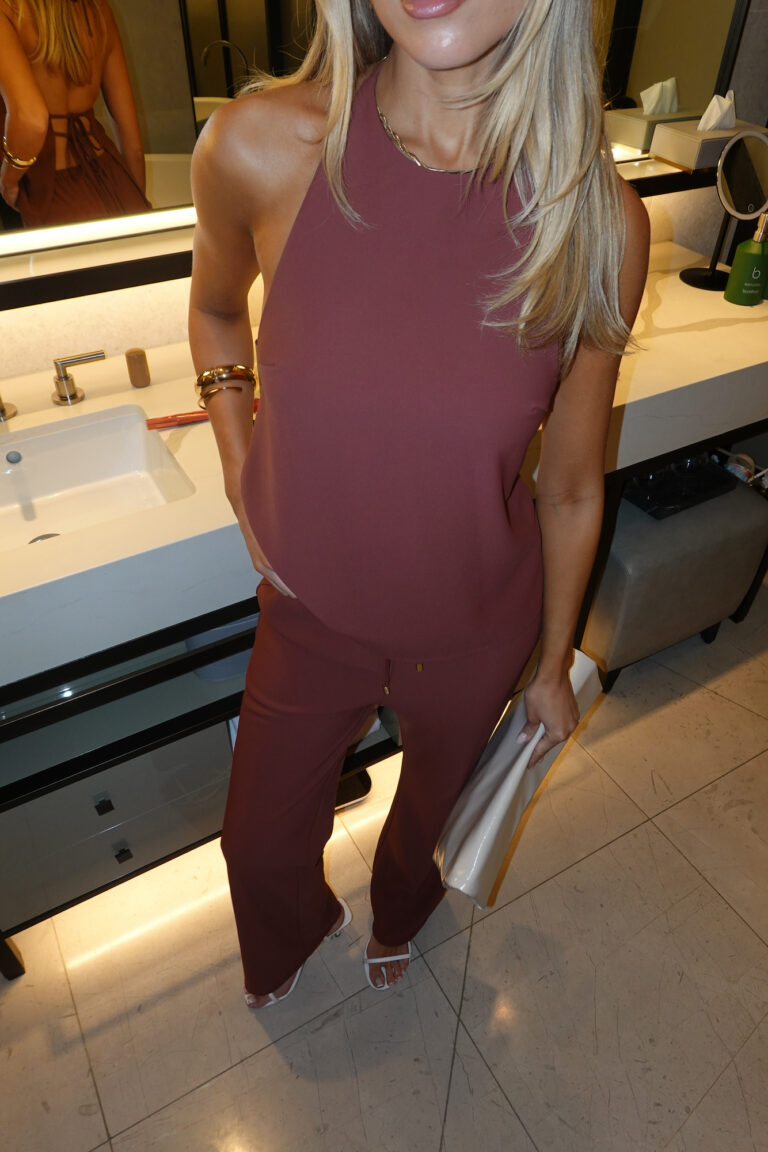
 Cropped PantsBrown Cropped Straight Leg Pants That Have Caught Our Eye

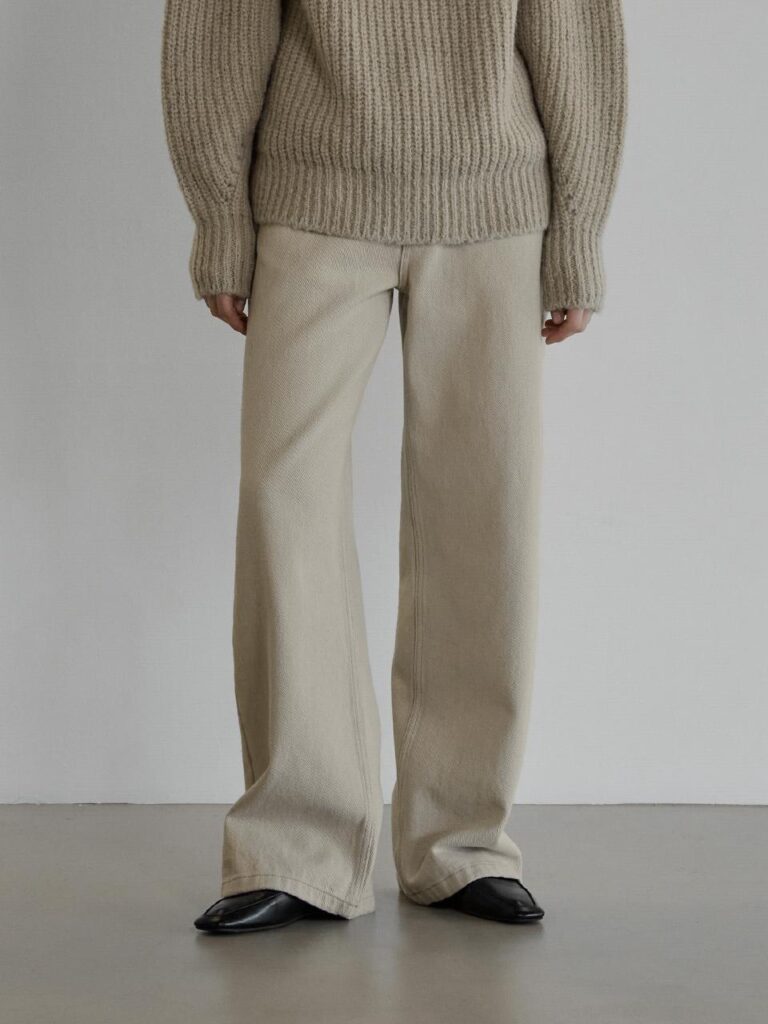 Cotton PantsBrown Cotton Straight Leg Pants Worth a Closer Look
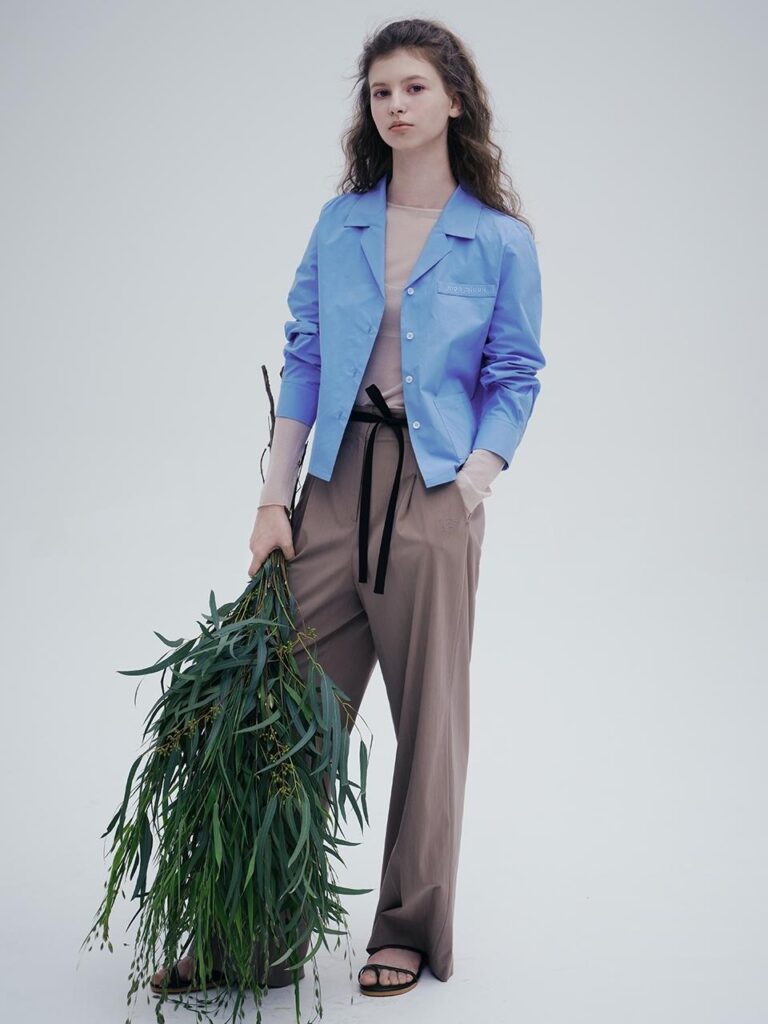
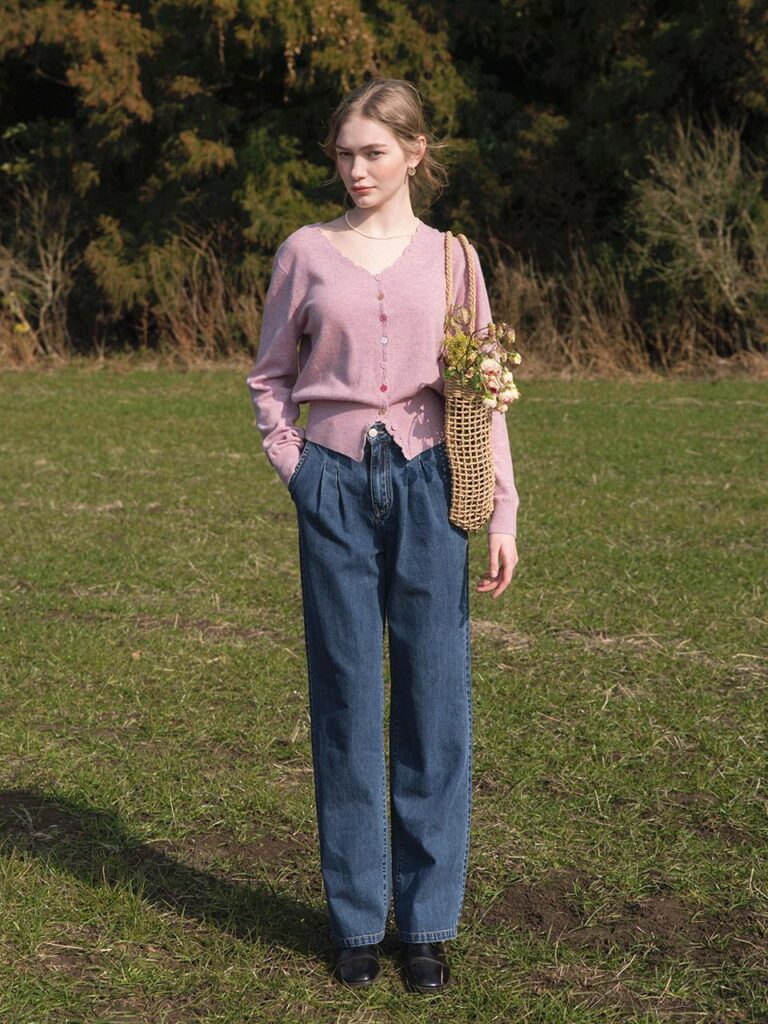 Blue PantsBlue Leather Straight Leg Pants That Fit and Flatter
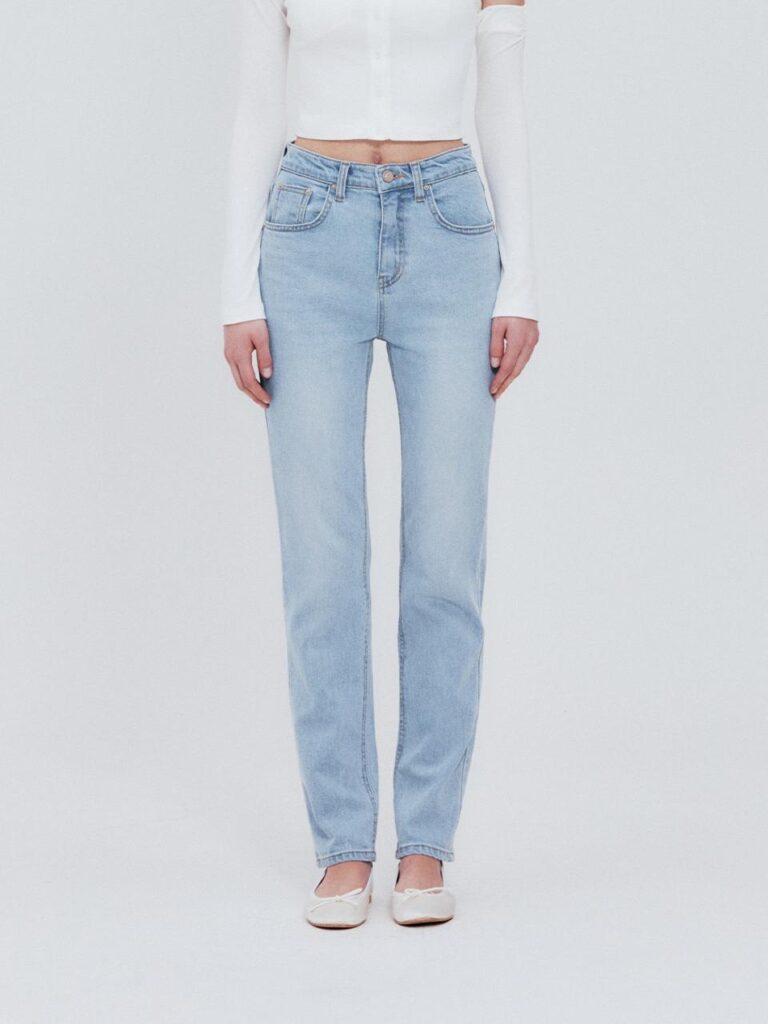
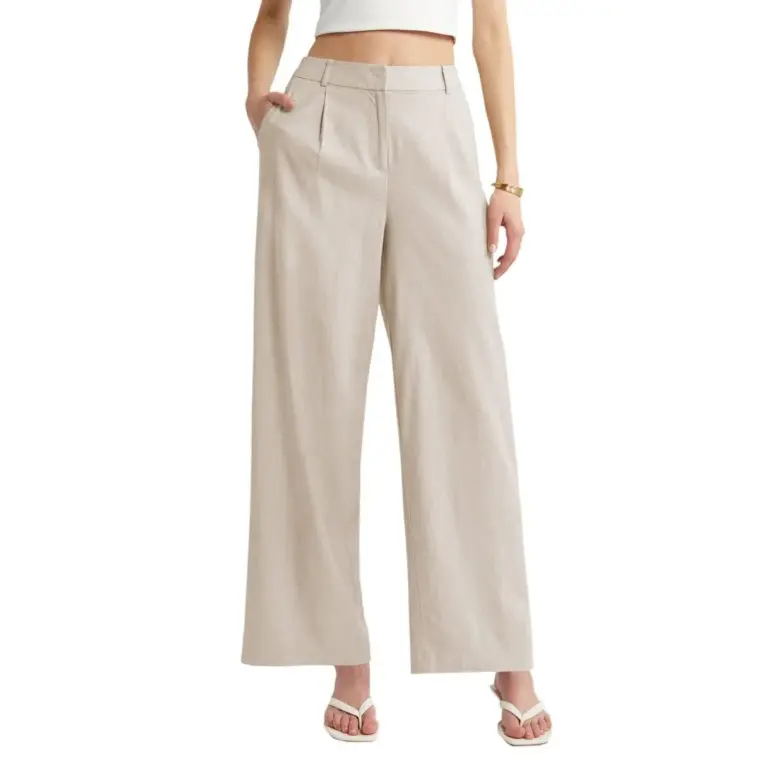 Blue PantsBlue Linen Straight Leg Pants We’d Buy Again
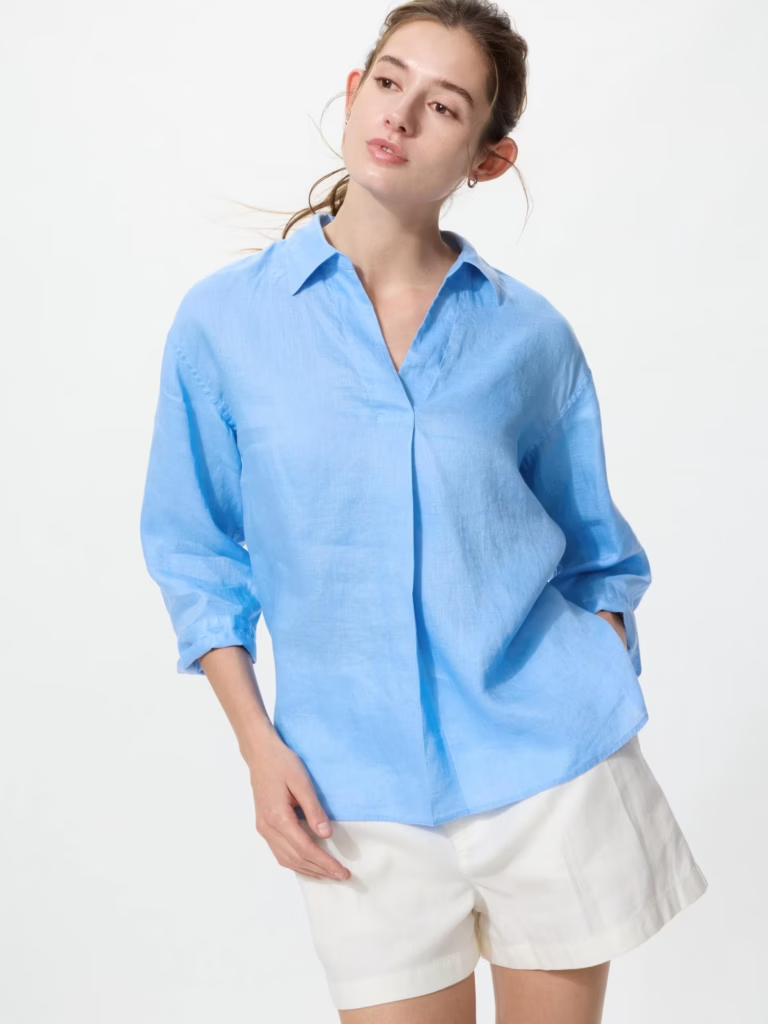
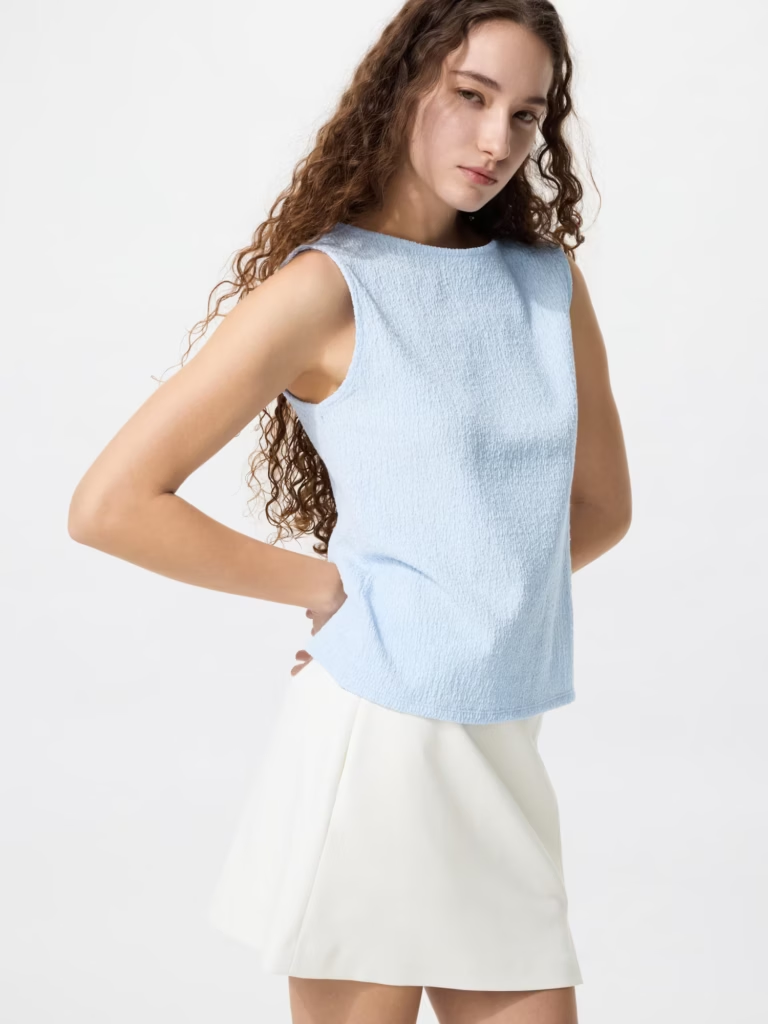 Jersey PantsOur Shortlist of Blue Jersey Straight Leg Pants

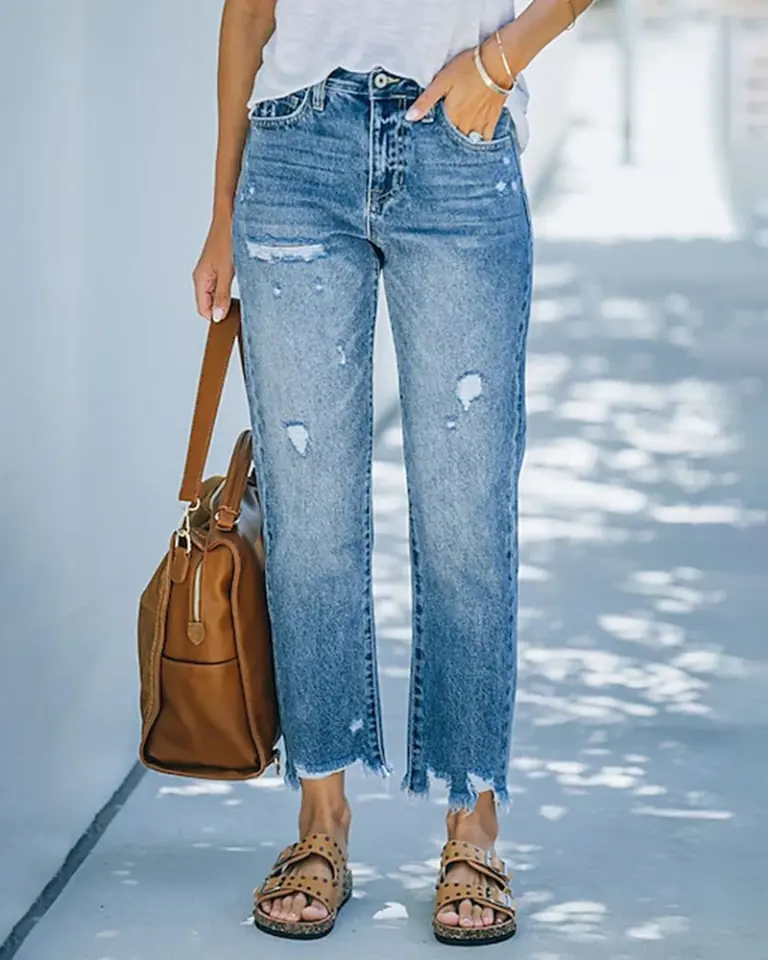 Blue PantsThe Blue Denim Straight Leg Pants on Our Wishlist