
There’s something covetable about a pair of brown ankle boots. I don’t mean performative covetable; I can’t see you across the shop in mine. I’m talking about little luxuries like knowing you have the right thing on your feet when the rain starts coming down in November, or navigating broken cobbles after dark.
Brown boots elevate everything they’re worn with in a way black boots don’t – they make your outfit look put together, not just default. I’ve spent fifteen years shopping for brown boots to wear in Bristol rain, to London meetings, and around weekend markets. My experience has taught me that a boot you love versus a boot that disappoints often comes down to tiny details you can’t see on screen.
How thick is the leather around the ankle opening? Does the sole actually grip on wet pavement?

How does the boot look after six months of worn outings, rather than styled shoots?
When I started curating this edit I instantly discounted beautiful photos of boots I knew would fall apart at the seams in real life. Boots with thin leather that would crease within days of wearing. Boots with soles that looked flat and sleek but wouldn’t actually grip anything.
Boots that felt like the hardware was loose just lying in the store’s window. I wanted versions that could survive being worn to the train station in the pouring rain, standing up for hours at work events, and knowing that I could wear them for client meetings and while running weekend errands. These brown ankle boots made the cut because they felt substantial in my hands before I even fitted them.
They feel solid without being heavy. The leather around the ankle is thick enough to hold its shape, but not stiff. You can tell how the sole is attached to the upper and it looks like it will stay that way, rather than start pulling apart after a season of wear.
I didn’t want boots that only looked like they could do these things because they were photographed at perfect angles. This first category of ankle boots divides into two distinct styles. Classic ankle boots – often with a small heel – will take you through my office-to-dinner-every-night-of-the-week routine.
They’re dressy enough for client meetings but can handle a walk across town afterwards. There’s nothing flimsy about these boots, nothing that would tear at the first sign of stress: thin straps that would break, hardware that would tarnish, heels that would quickly wear unevenly if they came into contact with pavement. I kept this pair on the final cut because good quality brown leather ages beautifully.
Cheap leather looks old quickly, but once leather starts to wear it can grow more interesting, not just more worn down. With these boots I could see the grain in the leather, and the rich quality of the colouring. Lower quality boots and leather often look flat and uniform like someone painted them on instead of dying them properly.
Ankle boots are never going to solve every clothing problem though. Sometimes you need boots that go higher up your leg. That give you more coverage, more weatherproofing, and more weight to balance out longer winter dresses.
Some of my favourite brown boots aren’t ankle boots at all, but stop just above the tallest tights and underneath my longest coats. These brown boots worked because they seemed to understand the synergy between boot shaft and trouser hem. Too many boot makers assume that if you’re buying brown boots, you’ll only wear them with skirts.
You Might Also Like

Boots that were too slim to wear with straight-leg trousers made the list cut. I couldn’t imagine them not pulling my pants uncomfortably at the calf. But boots that felt too wide became sacklike when paired with skinny jeans.
I found myself ignoring brown boot trends in favour of leather quality for these styles. Brown boots are particularly susceptible to wear and tear – scuffs, creasing on the ankles, colour inconsistency wherever the leather bends at your ankle or foot. These colours passed my quality test because they’ll fade and age gracefully with wear instead of just looking beaten up.
Anything with leather so thin that it would reveal every scrape earned vetoed, as did soft leather that wouldn’t keep its shape after months of wear. You also need brown boots that can handle rain because that’s just weather. We get properly cold and properly wet in Bristol for several months of the year, and if your boots aren’t up for getting saturated they’re essentially useless for half the year.
But that doesn’t mean you have to sacrifice everything just to keep your feet dry. Boot trends weren’t the only ones I avoided when looking for these—logo embellishments, studs, or precious fabrics. I wanted boots that would work in serious weather but didn’t scream “hiking boot!” at me.
Rubber soles with a lug pattern are huge right now, and that’s fine, but a lot of brands took it too far. I needed rubber soles that would actually grip the wet pavement in front of my house and the stone steps at Bristol train stations without looking like I’m about to trek across a glacier. There’s nothing sexy about a thin rubber sole that doesn’t insulate your feet from the cold ground.
I also made sure I had options for when Bristol decides to throw all the rain at us at once. Boots that repel water instead of just claiming to. It’s not that tough to find leather boots that are waterproof as well, but the cheaper ones just absorb a waterproofing agent that’ll wash out after a month.
Anything that felt overly plasticky or like fake leather got cut from this list too. Brown boots should feel like leather, not like you’re cheating on leather with faux-brown plastic. My number one boot construction detail that all of these brown boots excelled at?
How the upper part of the boot connects to the sole.
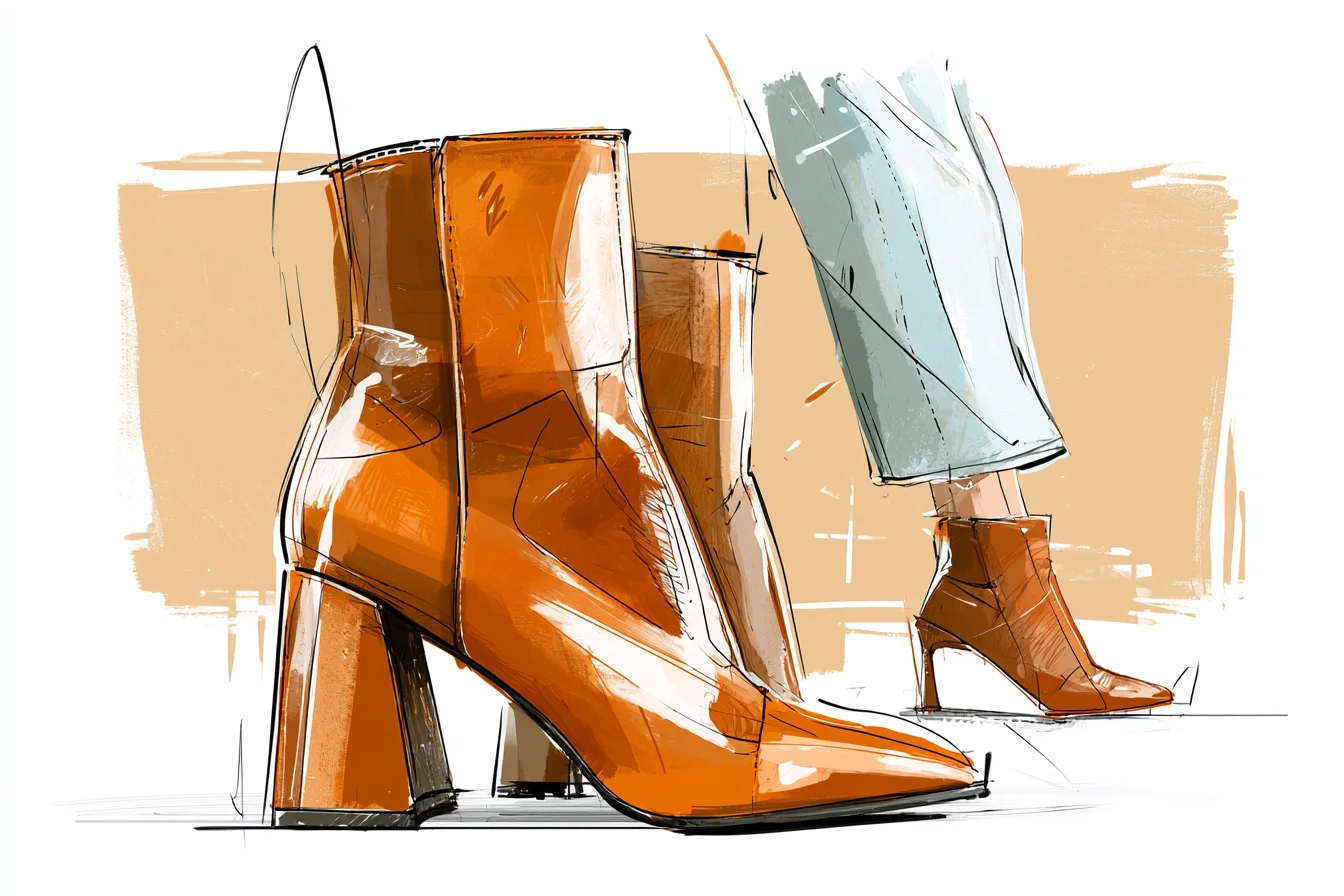
In my experience, this is where cheap boots start to fall apart—literally. If you’re shoes get soaked and water works its way into the seams at the bottom of your boot, you’ll probably ruin them.
Every pair on this list felt like their connection was sewn (and sealed) for life. Brown boots have taught me that you don’t buy clothes and shoes for how they look when you’re wearing them on the first nice day of the year. You buy clothes and shoes that can get worn when it’s pissing down rain and blowing a gale too.
Every winter-proof brown boot I own is slightly overbuilt for what I need it to do. The ones you think are durable enough never are. The leather you think is thick enough ends up falling apart at the creases.
These brown boots made it through to the final edit because they’ve all survived winters more horrible than anything we’ll face this year. They’re my favourite kind of brown boot; the ones you don’t have to think about twice when you’re getting dressed. They simplify the process of getting ready rather than complicate it.


