
Last weekend I was rifling through old photo albums in my parents’ basement – you know, kid stuff – when I stumbled on a photo of my father from 1992. He’s wearing worn-in stonewashed jeans with a perfect roomy fit, big white NB990s (the exact ones all the fashion girls have been buying for $120 bucks apiece this past month), and an untucked, faded-down denim jacket that would sell for at least $300 if it were being sold by some hipster in Logan Square. He’s rocking a basic navy baseball cap and his wire-frame glasses have slipped down his nose like all men’s glasses do, but they’re not trying too hard like women’s glasses do when they do that.
I hold up the photo to my dad and mockingly sniff, “Wow dad, you look just like every hipster twenty-something walking around the Loop.” My dad puts down his USA Today and pushes up his glasses – these days they’re the thicker framed kind but they still serve no purpose other than helping him read – and shrugs. “Comfortable clothes are timeless,” he says. Then he folds his newspaper and goes back to working on his crossword without remarking on how he just professed a life philosophy. To an extent he’s right.
But what fascinates me is how dad clothing became a distinct zeitgeist to begin with. I first started noticing it maybe three years ago when I realized all these girls I kept seeing round Chicago were wearing the exact same New Balance shoes my dad has had since the ’90s.
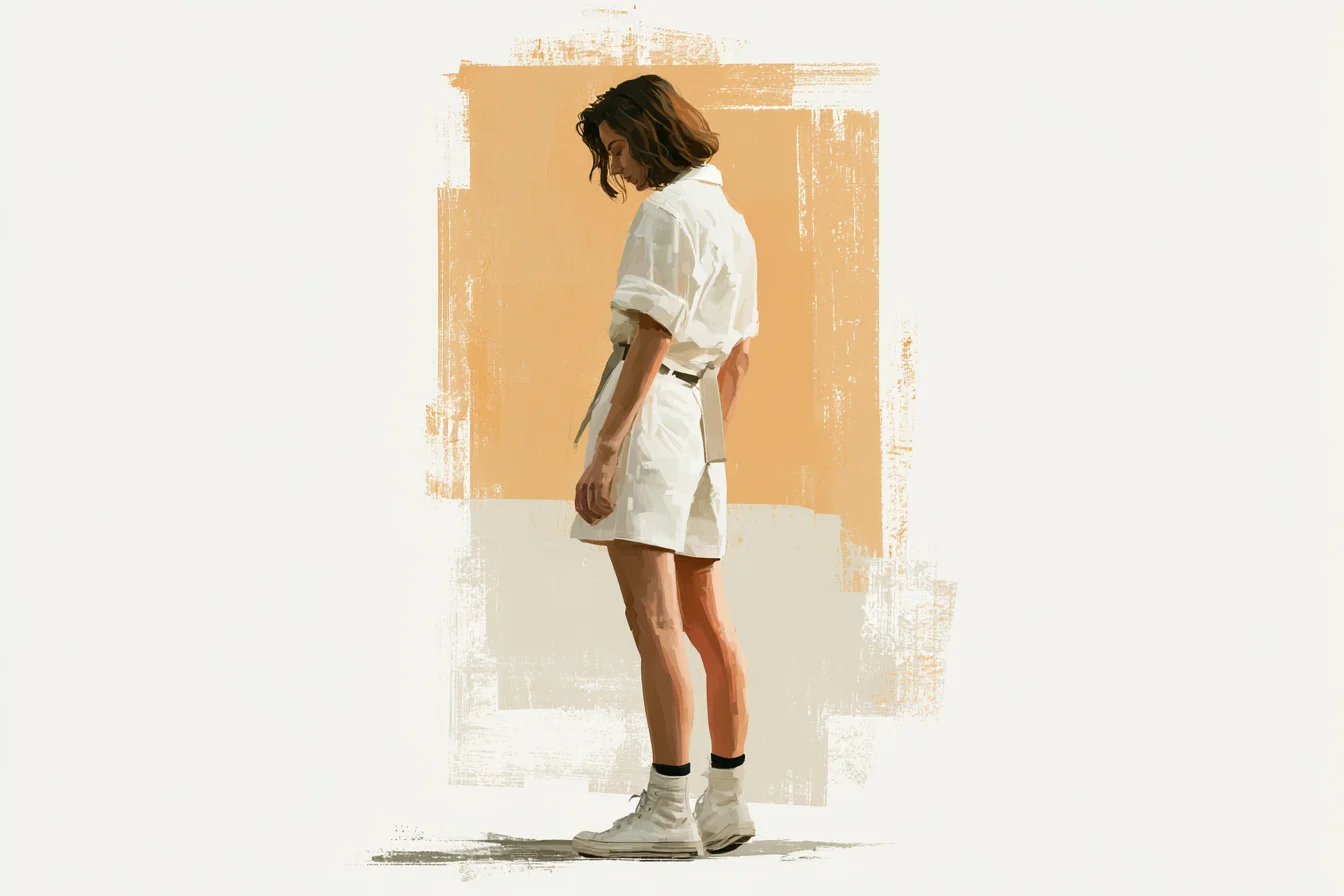
They were the padded 990 model; better-known as “that dad shoe that looks comfortable and has great arch support.” But now they’re on trendy feet walking around trendy neighborhoods in Chicago.
The hats weren’t hip throwback Glen Camp caps with MLB logos or flashy newsboy caps like every white woman bought last spring. They were basic white cotton baseball hats. They were light-wash jeans that actually have the type of waist that a jean’s waist used to have, decades before skinny became synonymous with jeans for women.
They were oversized button ups that looked authentically borrowed from their dad’s closet rather than tailor-made to look that way. Work brands. Carhartt.
Justin Case. Rubies. Coverall.
Wal-Mart work shirts, as wide as Hawaiian shirts. See where I’m going with this? It’s like fashion stopped realizing clothes could actually be utilitarian.
I’ll admit that when I first saw this trend, I thought it was stupid. Dad clothing was for dads, specifically suburban dads who enjoy working on their cars and yard on weekends. And here I was witnessing women pay premium prices to copy a demographic known foravoiding premium prices wherever possible.
But then I gave in. Tried it on for myself. Bought a pair of actual Carhartt pants because they were on clearance at Fleet Farm when I visited my parents and holy shit do those things have pockets.
Good pockets. Massive pockets. Multiple pockets.
Pockets that you can fit your phone, wallet, keys, and god only knows what else into. Pockets that have room for actual items, not just your lip gloss and subway map. That’s when I realized why dad style was taking over.
My dad dresses to be functional. He wears clothes that are going to work hard for him. They’re durable, long lasting, and there to serve him, the wearer, rather than the millions of people who will pass him by on the street.
To think anything else would have to dress past was a revelation. At first I reached out to one of my stylist friends, Marcus, who’s worked with many celebrities who’ve jumped on the subtle dad uniform (he named it) trend. But he said something that really resonated with me as someone reaching that quarter-life crisis point in my own life.
Dad style, he said, was the ultimate rejection of trying. As someone who felt overwhelmed by clothes that needed ironing and special washing instructions and replacing every six months because they weren’t made to last, I was weary. Significantly weary.
Of having to think about clothes at all, really. When my coworker told me that about dad style – that it’s not about thinking, it’s about existing – I knew I had to dip in. Now, of course as soon as something becomes popular, fashion has to come along and well… fashion-ize it.
Now you can buy your basic white Carhartt-esque baseball cap – the same style hat you can pick up at Menards for $12 – at Urban Outfitters for $200 because it says the right thing on the tag. Programmer-approved work pants that cost more than my monthly rent but look just like the $40 pair you can get at Costco. Obscenely expensive outdoor jackets that are basically copies of jackets your grandpa wore on his fishing trips in the ‘90s.
I spoke with one girl – let’s call her Zoe – who works at this cute coffee shop in Wicker Park. She had on the whole ensemble: Champion oversized sweatshirt, relaxed jeans, and nicely worn New Balances. And guess where she said she gets all her clothes from? “My dad’s closet.
I wear his old shirts all the time. All of his ‘90s Champion stuff is way nicer than anything you can buy now,” she laughed. “Not to mention, it actually looks dad-like because he’s worn the shit out of them.” Authenticity. Maybe that’s why we’re gravitating towards dad style.
You Might Also Like

In a world where everything is curated for Instagram feeds and Snapchat stories, dad style reminds you that some things were meant to actually be useful. My dad doesn’t own that Patagonia fleece jacket because it became fashionable for him to. He bought it when he went on a camping trip when I was maybe five years old, and he’s wore the shit out of it ever since.
Likewise, his work shirts aren’t adorned with trendy sayings to post on Instagram. They literally work outdoors. As articles of clothing meant to do things, they just so happen to look awesome on trendy women who can’t afford to live in Chicago.
I’ve found myself pushing myself more into dad territory as of late. And I’ve noticed something interesting. When you wear clothing that’s all inherently dad, everything matches.
There’s no weird proportioning or color clashing because basically every piece of dad apparel is designed to match every other piece of dad apparel. You don’t think as hard about your outfits because you know they’ll all work with each other. It’s awesome.
It’s hardworking. My dad has the same pair of wool-blend Patagonia fleece he’s owned since I was in kindergarten. He’s had the same work boots for, God, fifteen years?
Compare that to my wardrobe of pieces I’ve purposefully thrown away because they weren’t trendy enough to wear anymore, and it’s appalling. Not only is dad style way more sustainable than your average Thradeop Texas&Miami baseball t-shirt, but thinking of clothes as possessions to cherish rather than cans to be kicked down the road makes you appreciate them that much more. Plus, it’s not encased in the same stereotypes that women’s fashion is.
Boyfriend jeans weren’t women appropriating men’s baggy clothes to look trendy (well, not entirely.) They were women borrowing clothes from their attractive male partners. Dad style is very clearly identifying with men who wouldn’t be considered conventionally attractive by society’s standards. We’re dressing like our grandpas and our dads in an ode to our own comfort, rather than how we look to men.
It’s empowered. Which, I guess, is the new sexy? It was something my friend Alex pointed out to me when I asked her why she thought grown women were so attracted to dressing like their dads.
Alex has been full dad-mode for close to two years now. Wears Carhartt probably every other day. She said ever since she’s started dressing like her father (and many men can’t stand the way their daughters dress like them) she’s been taken more seriously in workplace settings.
Something about wearing clothing designed for men gives her an air of authority her fitted blazers and flowy tops never could. Speaking of accessibility, dad is also for everyone. Unlike trendy clothes that tend to be gendered, one-size-fits-most, and cost an arm and a leg, dad is available to all.
Women of all shapes can wear dad style because it’s nottrying to fit you into some constructed ideal of beauty the way most women’s clothes are. You can easily put together a Champion hoodie, RELAXED FIT jeans, and New Balance kicks at Target and Payless (RIP) and Fleet Farm for about $60 total. Pro-tip: The dad style doesn’t stop at clothes, either.
My dad has holes in his elbows from wearing the same awesome sweater he’s had since 1999. Welcome to investment pieces, kids. Case in point: dad style started as a joke.
But then people realized they actually enjoyed wearing their dads’ Haggar chinos more than their expensive designer jeans. Hell, I have friends who’ve completely converted to dad because they’ve realized how much better they feel when they dress for comfort rather than for appearance. Also, let’s not forget that we’re rebounding from the tightest years clothing has ever seen.
Skinny jeans, cropped everything, workouts clothes as daily attire.
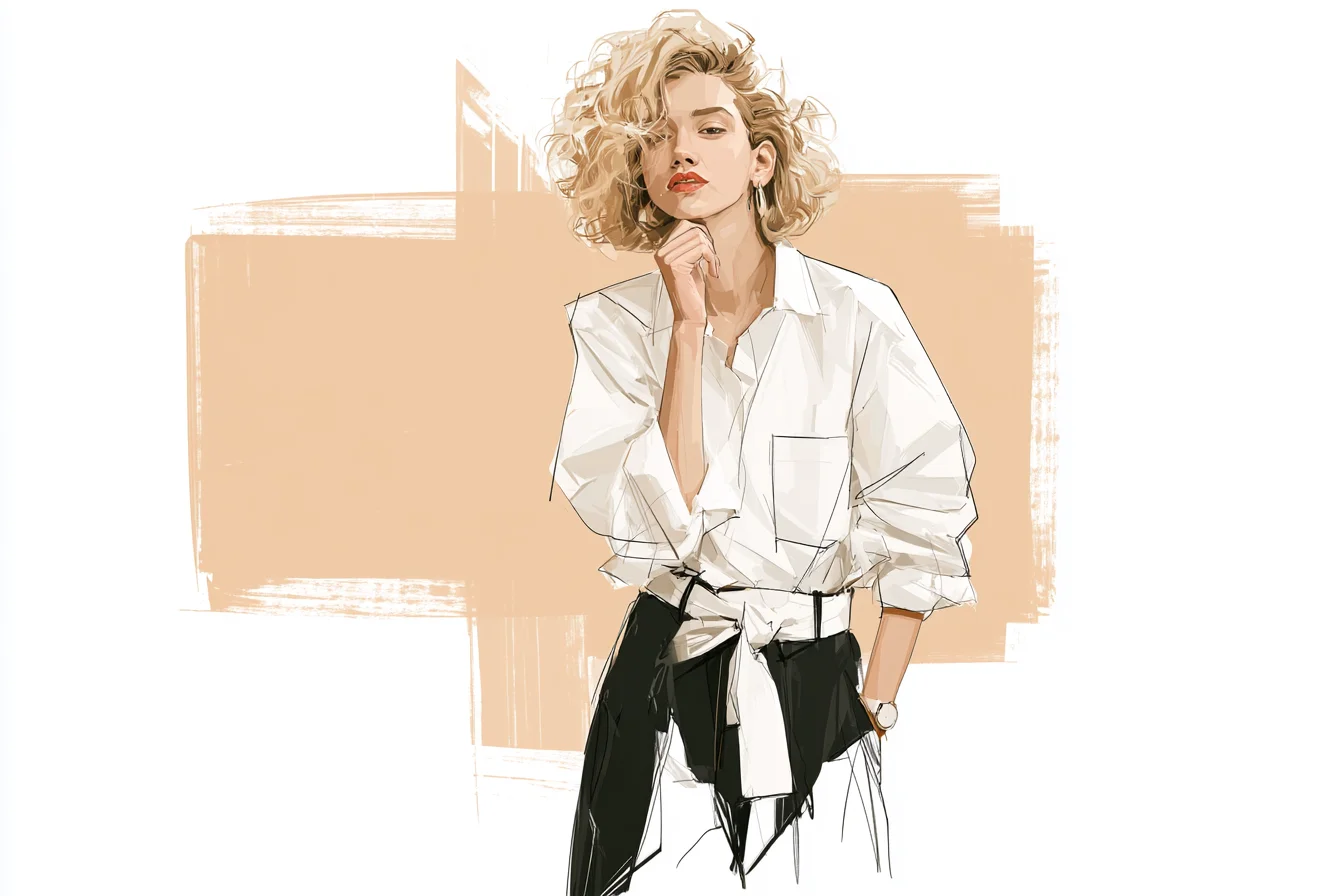
It’s easy to style once you get the hang of it, and what I love most is that it doesn’t discriminate against your body type. Slip on a pair of dad jeans and you’ll notice how forgiving they are compared to your average slim jean.
They’ll look great come summer, winter, and fall. It’s….kind of hard to mess up. When I left my parents’ house that Sunday I asked my dad if I could borrow the denim jacket he was sporting in that photo.
Turns out he still owns it. Still wears it regularly. Which is wild to me because in the time since my photo was taken, I’ve bought and ruined so many articles of clothing I wanted to look “good” wearing that that jacket probably has fewer spots than my whole wardrobe. “Don’t get it dirty,” he says to me as he hands it over with this weird look on his face. “I’ve had that jacket longer than I’ve had you.” Maybe that’s what we’re all yearning for in dad style.
A connection to our clothes that’ll last longer than we’ll care about what’s trendy that season. To quote my dear old dad, if you want to dress like this, just ask your dad for clothes. Save yourself the hundred bucks.


