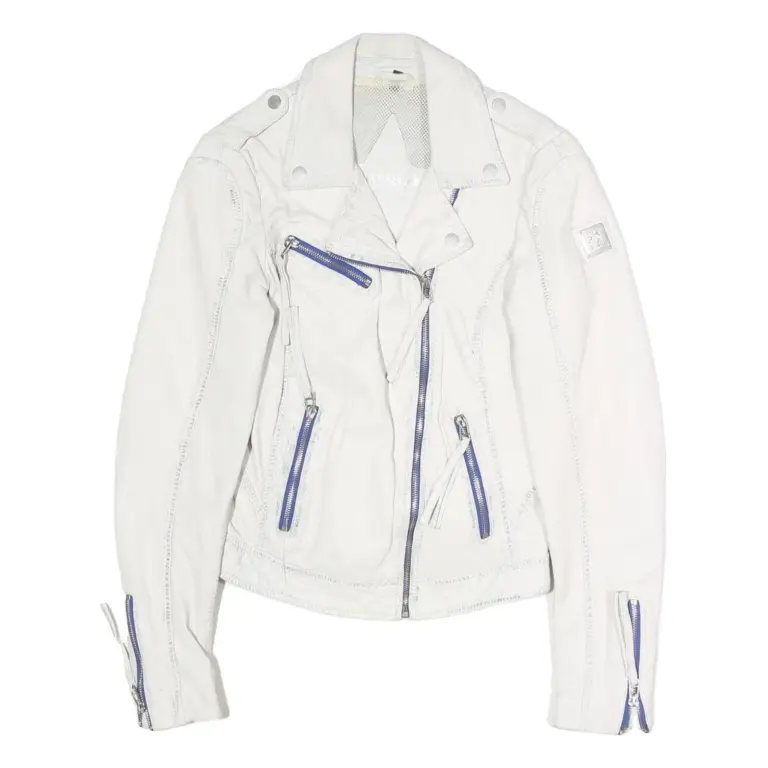
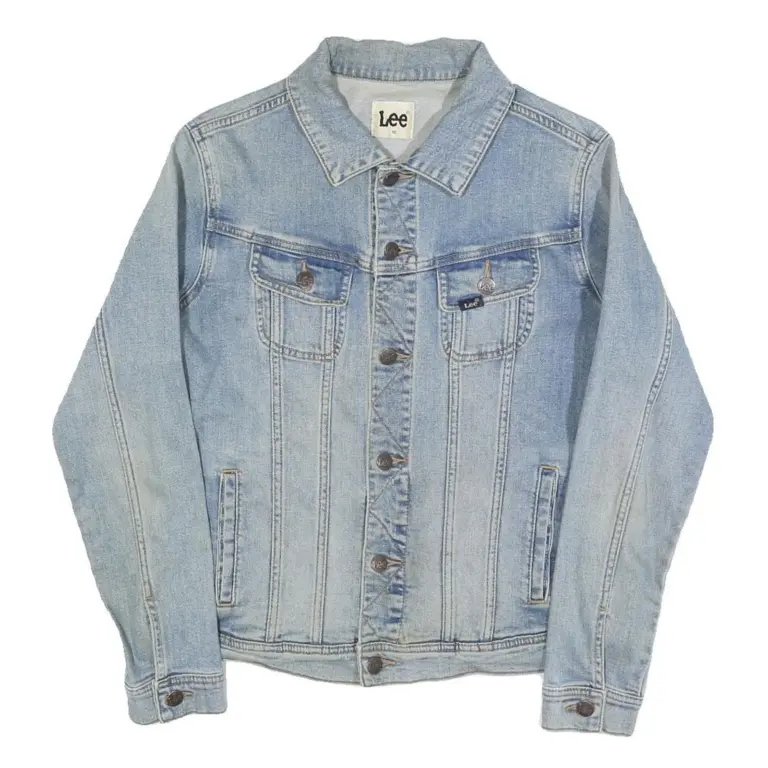
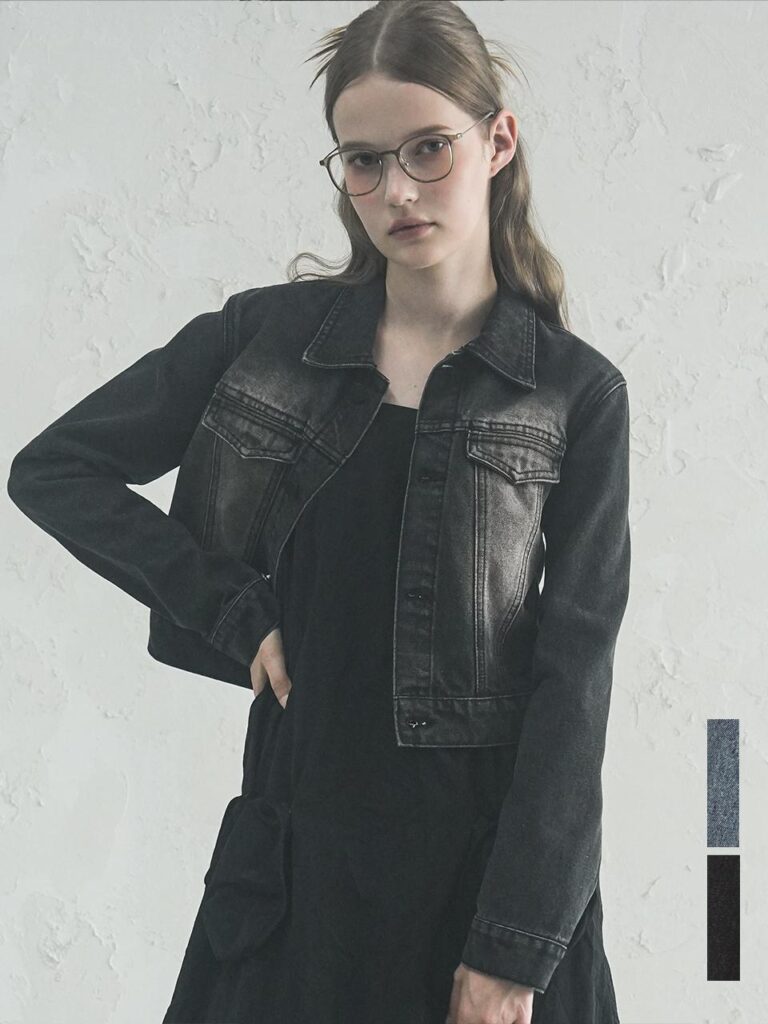
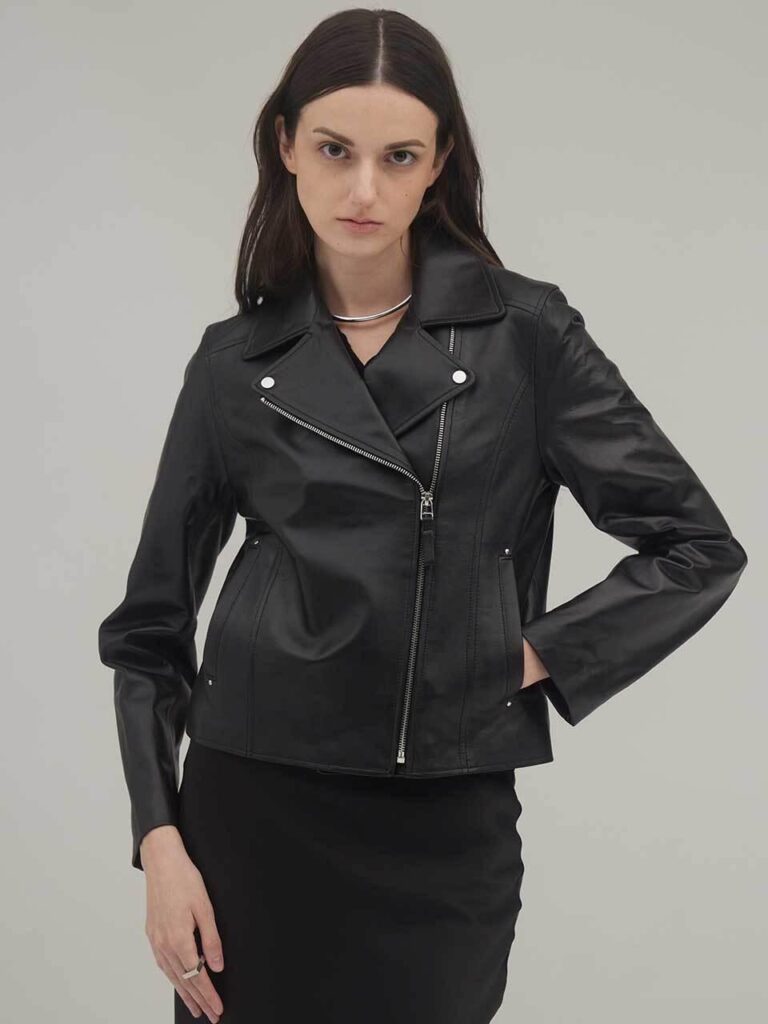
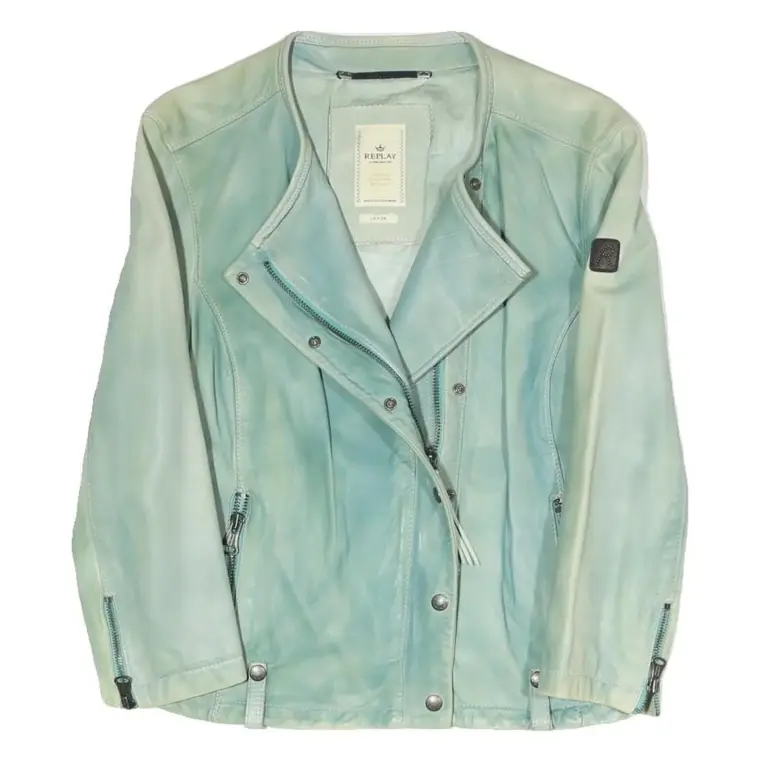
A good leather jacket has weight to it before you've even got an arm in the sleeve, that's the first thing. You pick it up off the hanger and it doesn't flop, it hangs with a bit of body, and the leather itself feels more like a glove that's been broken in by someone else already rather than stiff cardboard pretending to be hide. Zips should feel solid under your thumb, not like they'll jam the first time you're in a rush. If it feels light and a bit papery, put it back, that's a jacket that's going to crease in all the wrong places by October.
This is an autumn piece more than anything, and a early spring one too, the bit of the year when a coat is too much and a cardigan does nothing against the wind. It struggles in proper summer heat, obviously, and it's not made for standing in a downpour either, though a light shower won't hurt it, it'll just need a wipe and a chance to dry flat rather than on a radiator. Over the first few months it softens at the elbows and across the back from actual wear, which is the whole point, a leather jacket that still looks showroom new after a winter hasn't been worn properly. The collar and cuffs take the most punishment, so keep it away from anything greasy, don't shove it in a cupboard folded in half for months, and give it a proper leather conditioner a couple of times a year rather than whatever's under the sink. Scuffs and small marks aren't a disaster, they're basically the jacket keeping a diary.
If you've never owned one, start plain and start black, a classic biker shape with a waist that sits where your actual waist is rather than somewhere up near your ribs. Skip the cropped version first time round, it's a lovely third jacket and a difficult first one, because it only works with high waisted everything and you'll be annoyed by how little it covers on a proper cold day.
The best detail is the sound it makes settling onto your shoulders when you put it on, a quiet little creak that means it's actually leather and actually yours.
 Bomber JacketsStandout Gold Leather Bomber Jackets to Shop
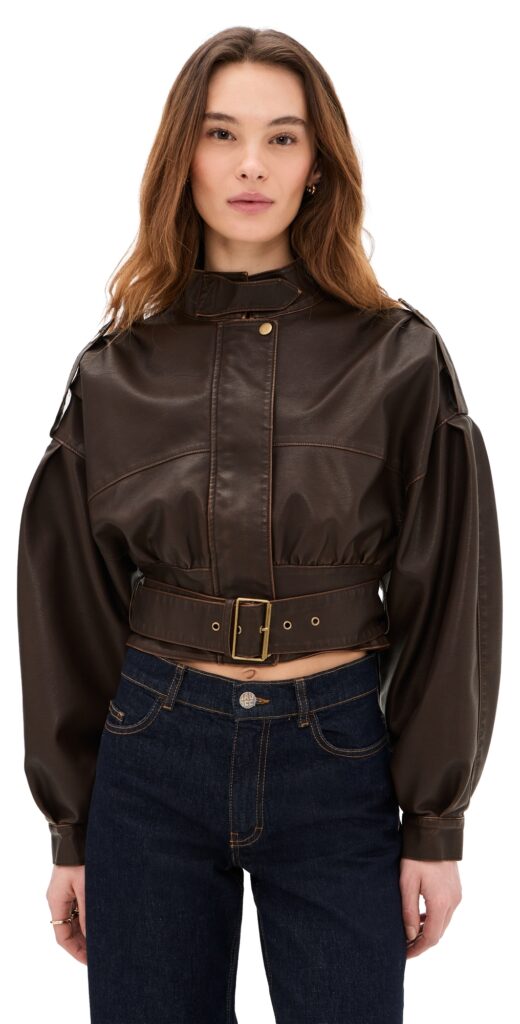
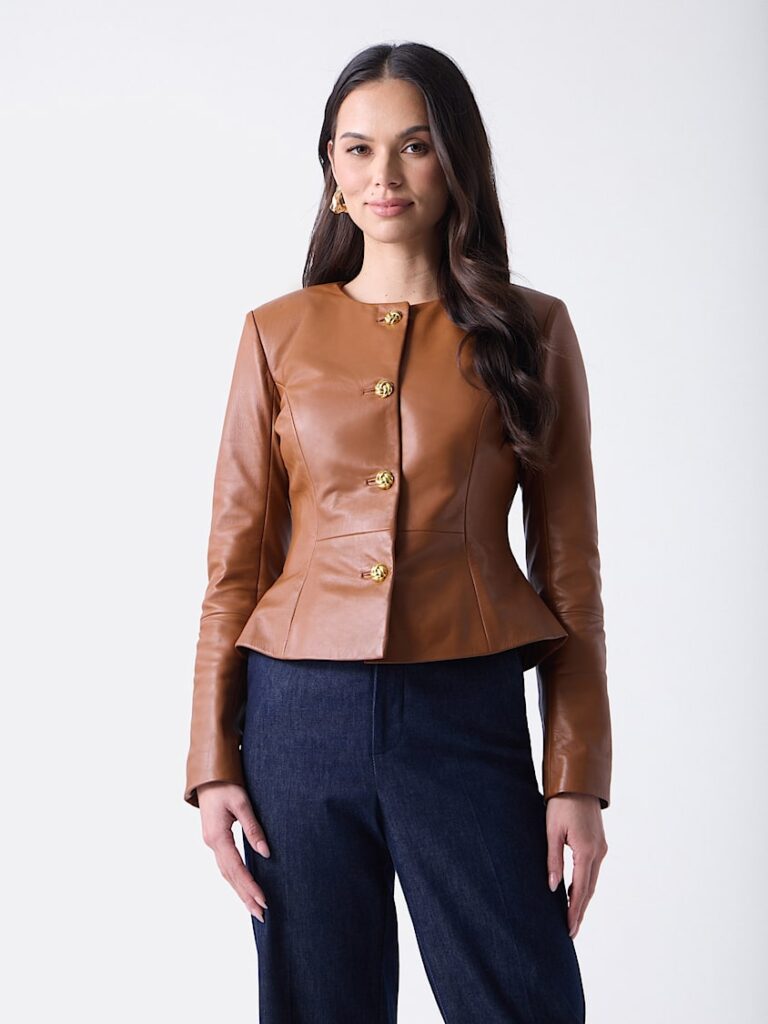 Cropped JacketsGold Leather Cropped Jackets That Make an Entrance
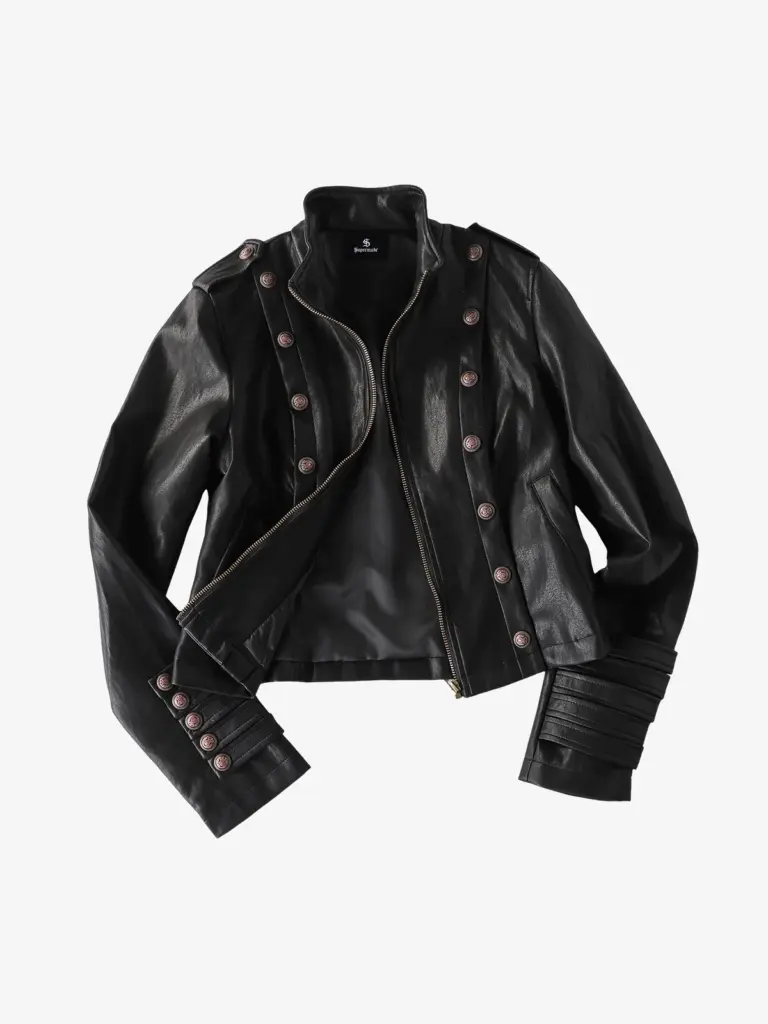
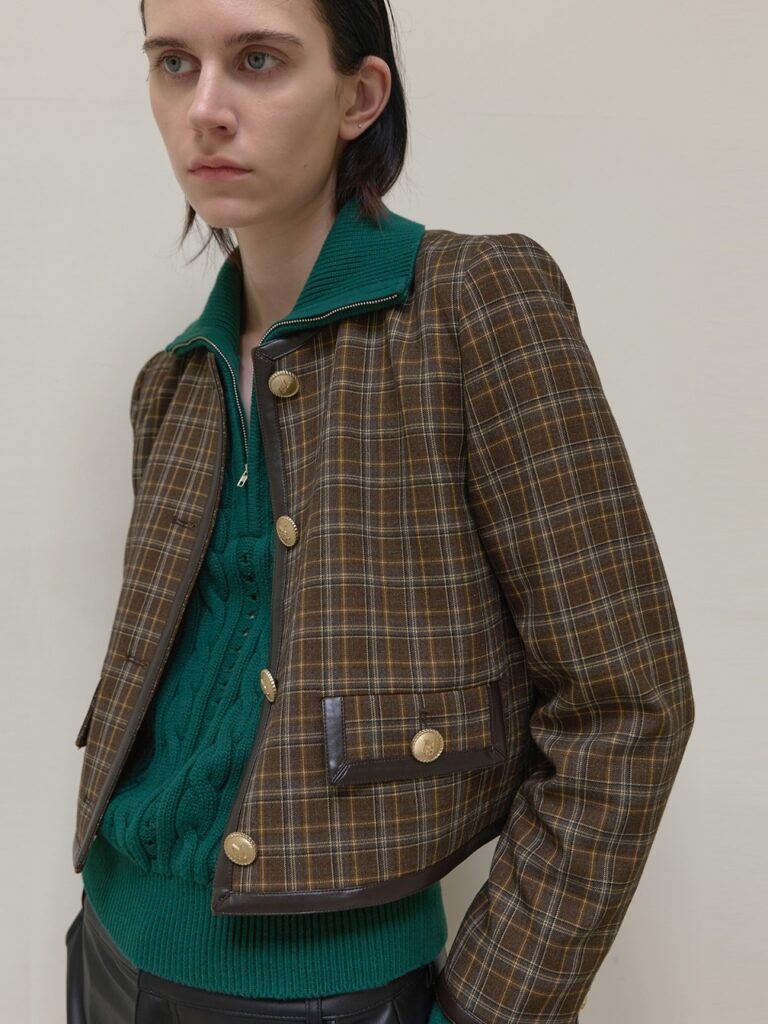 Smart Gold Leather Jackets to Top Off Your Look
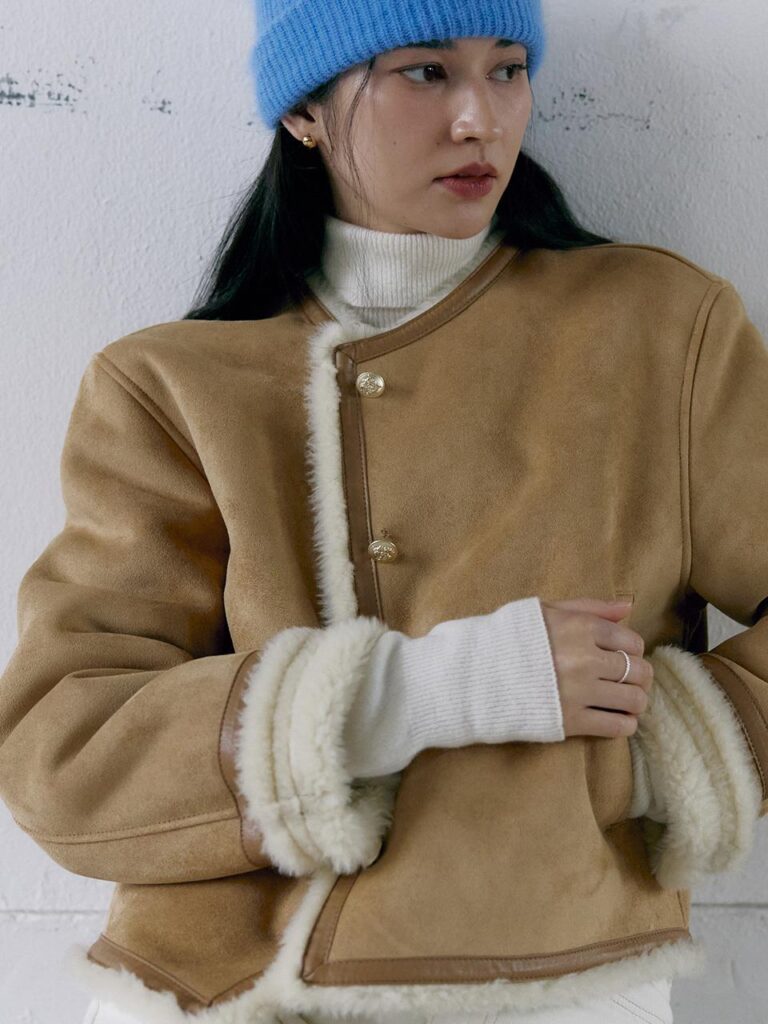
 Denim JacketsGold Denim Leather Jackets Edited Down to the Best
 Shop the Edit: Fitted Leather Jackets
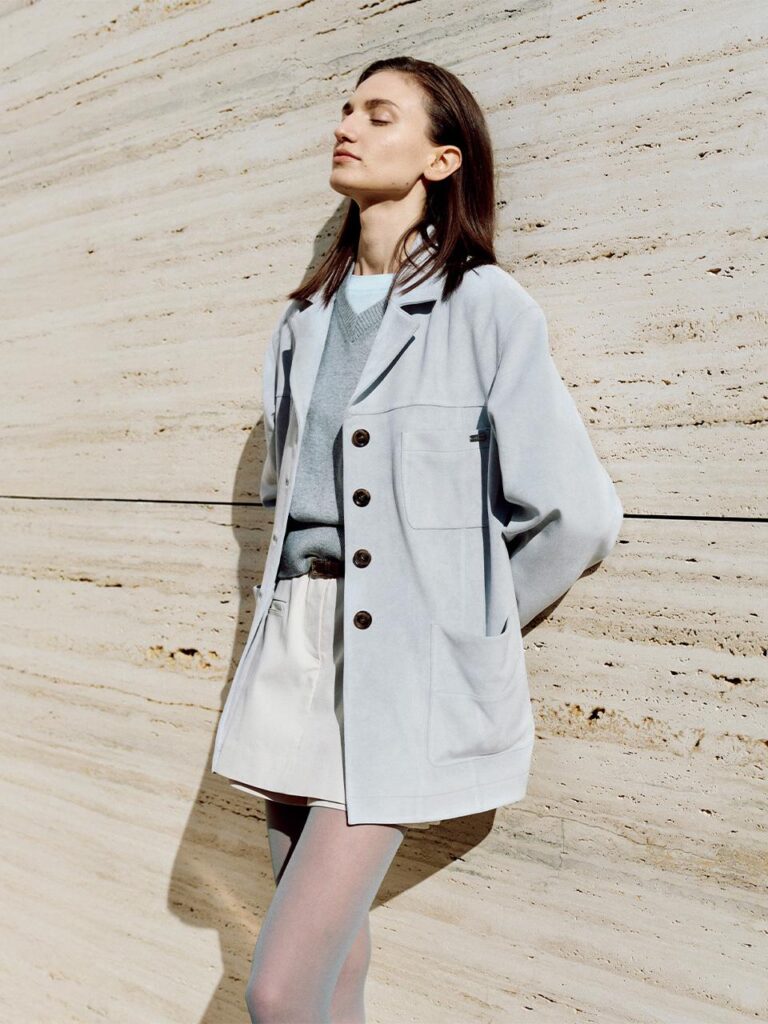
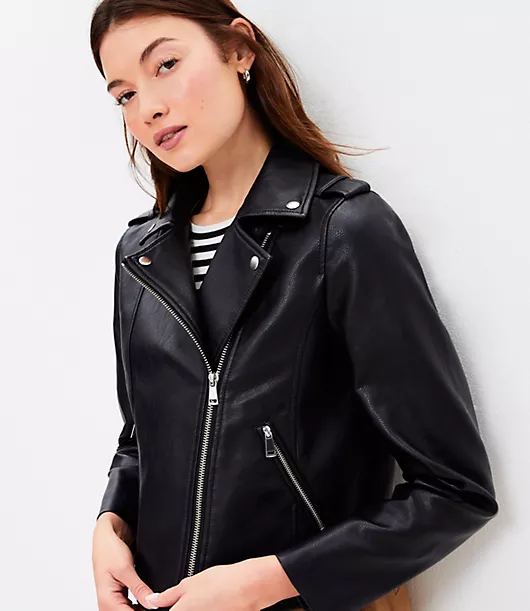 Faux Suede Leather Jackets Picked by Us
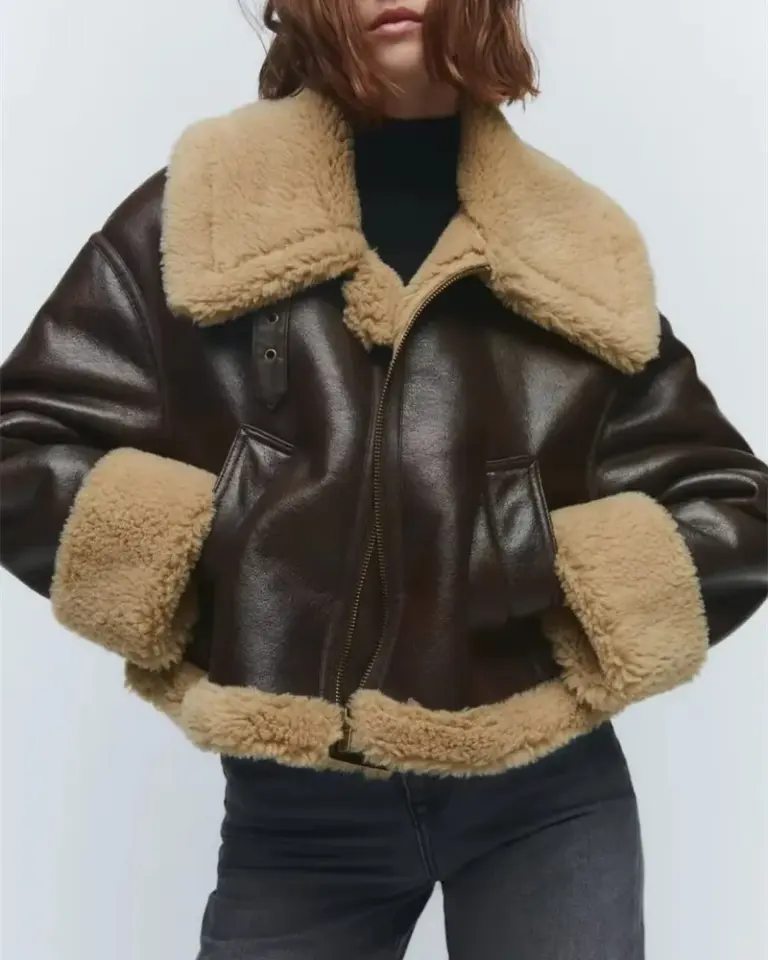
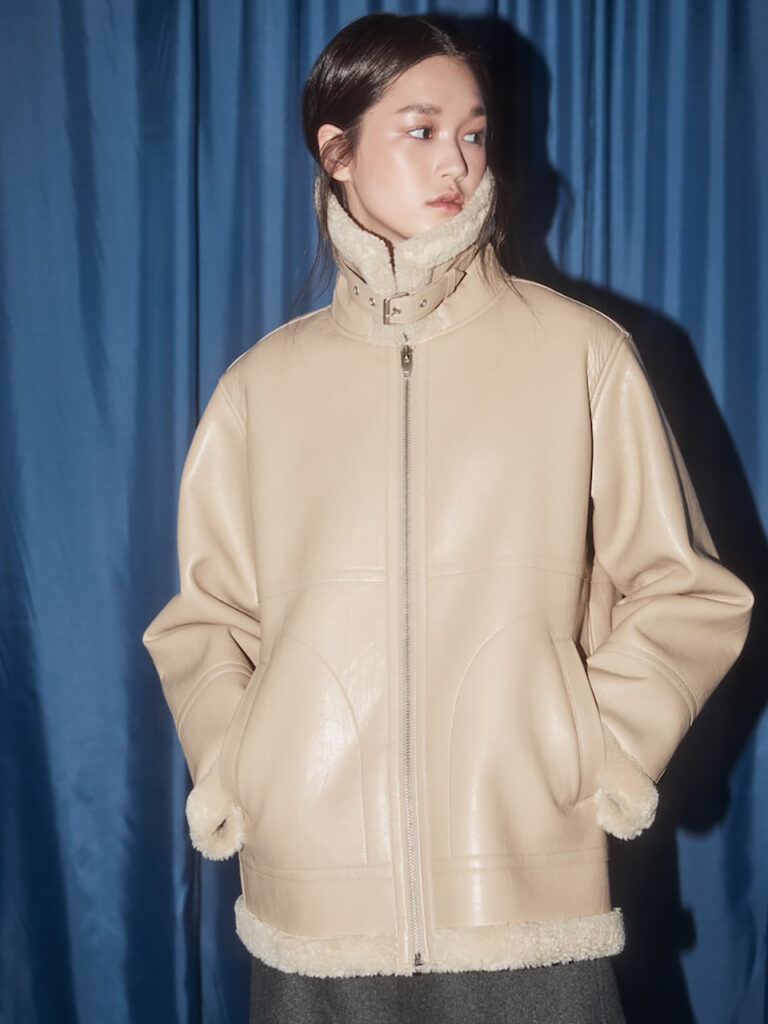 Faux Fur Leather Jackets: Our Honest Shortlist
 The Evening Leather Jackets We’d Live In
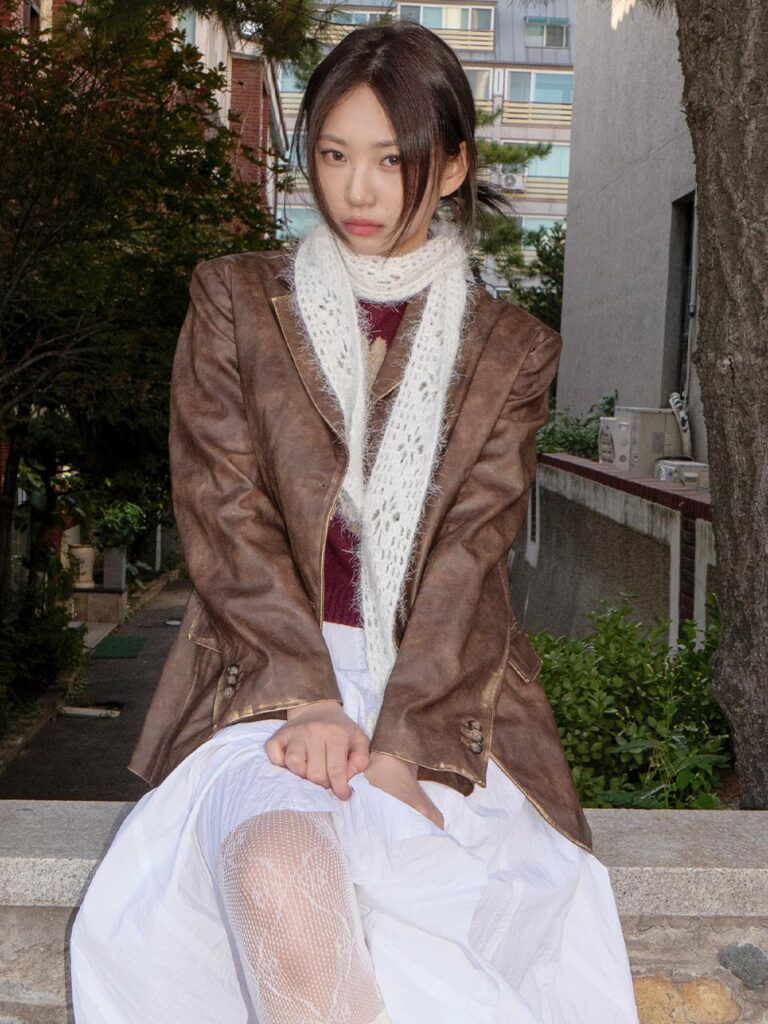
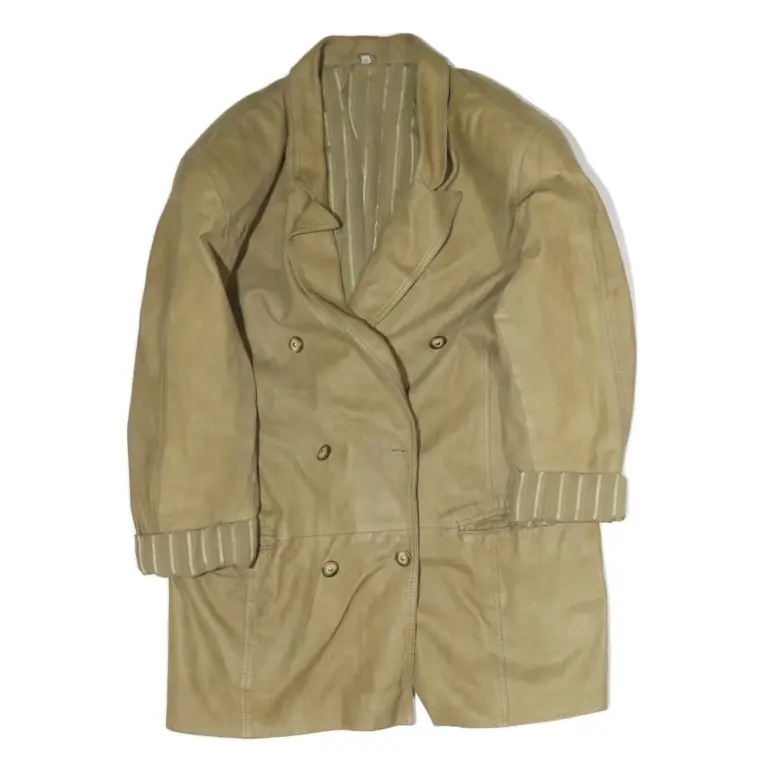 Our Edit of the Best Double Breasted Leather JacketsAlso worth a lookBlack JacketsBlack jackets get called boring more often than any other colour choice, and I understand why, but I…See the collections →
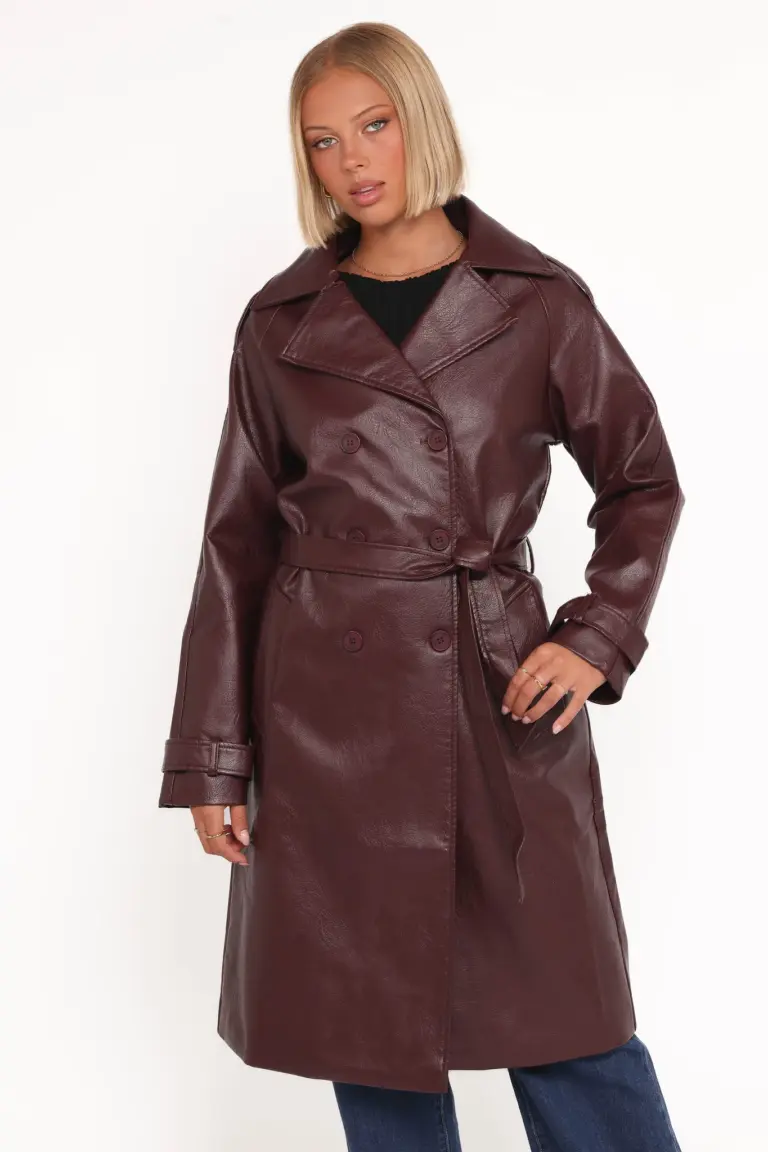
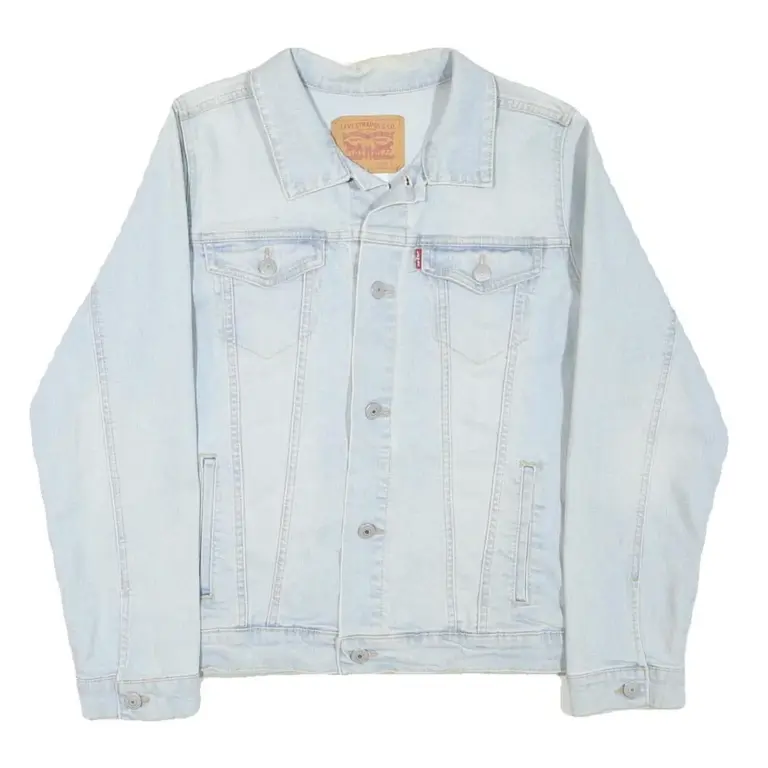 Denim JacketsDenim Leather Jackets That Pull an Outfit Together
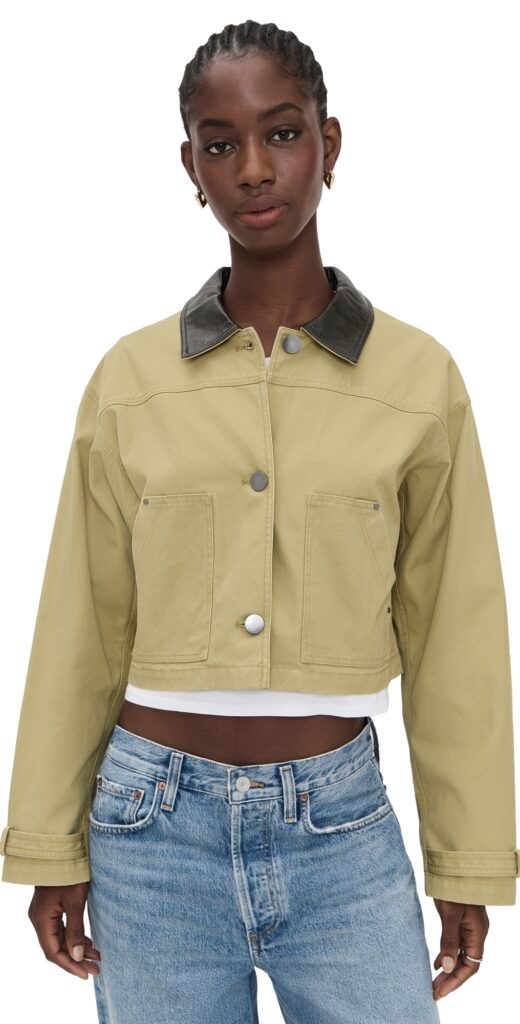 Cropped JacketsCropped Leather Jackets Worth a Closer Look
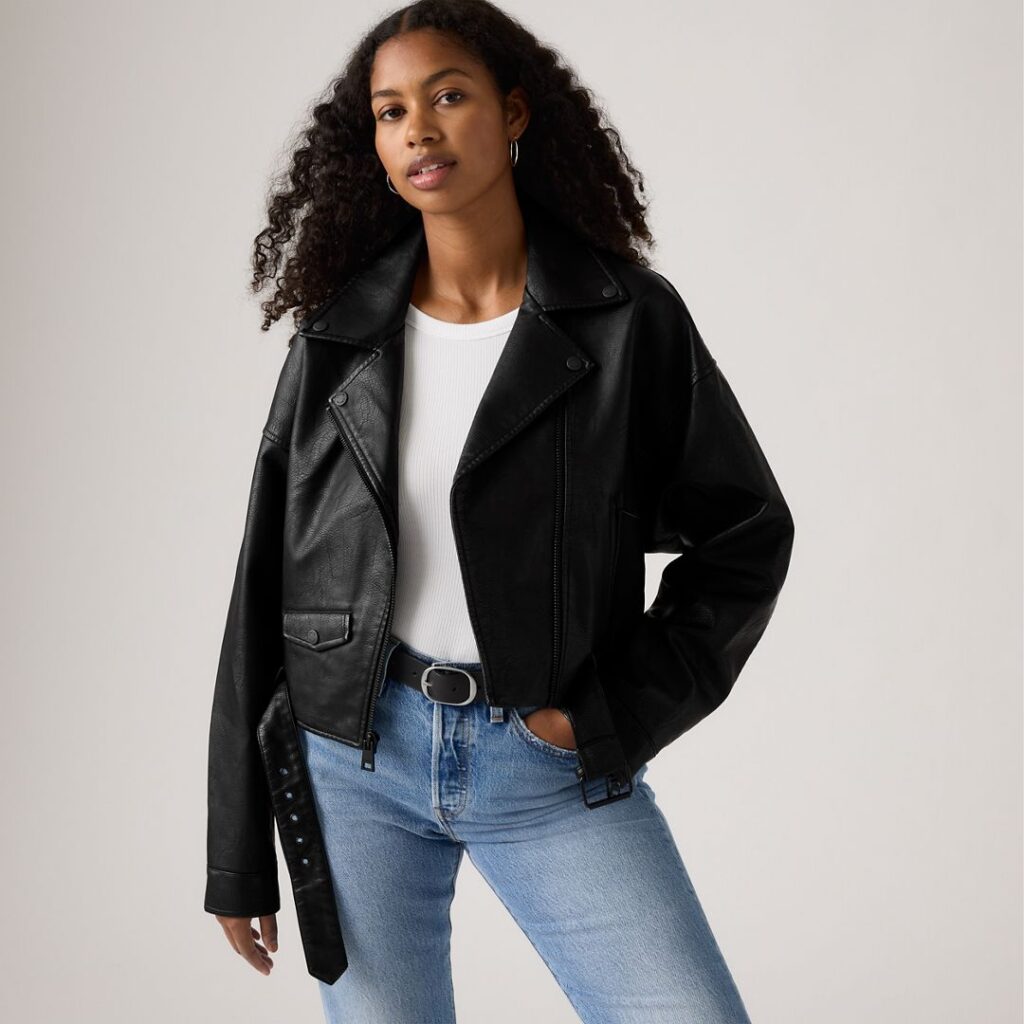
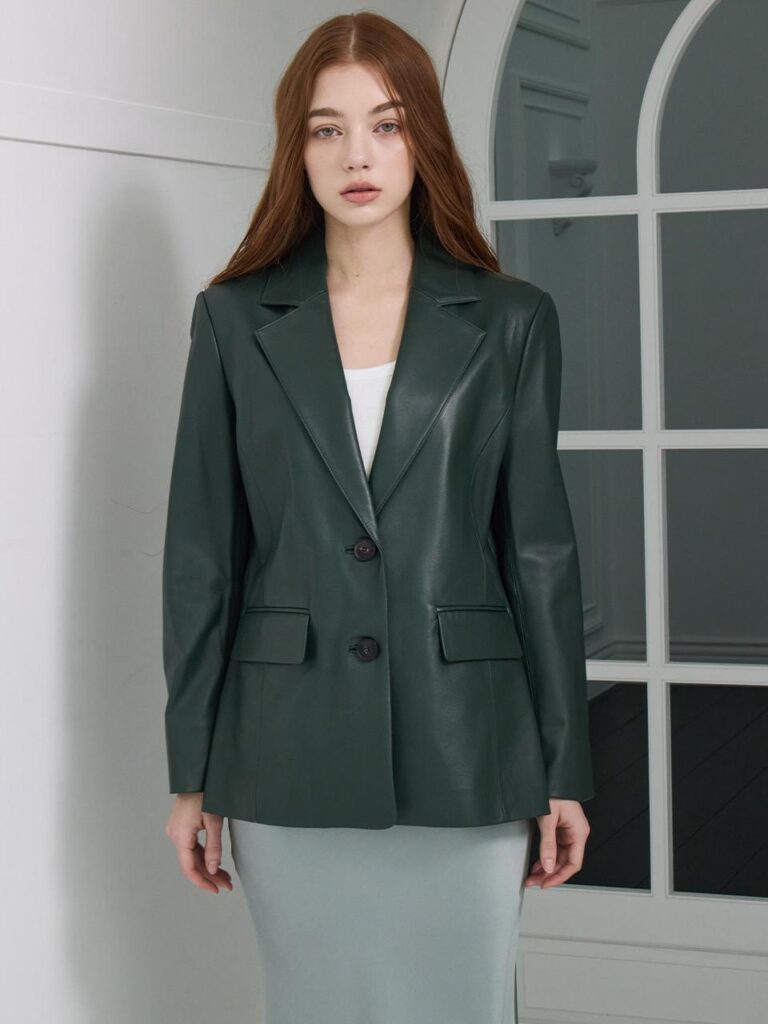 Cream Leather Jackets That Pull an Outfit Together
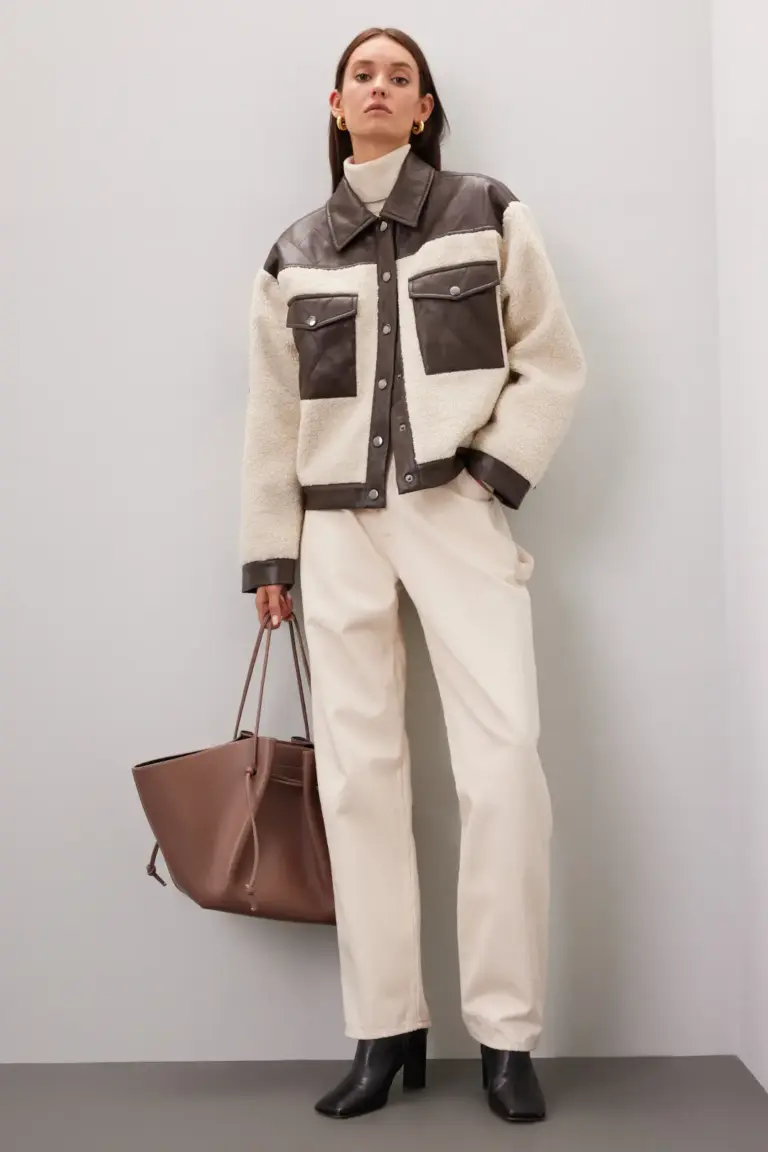
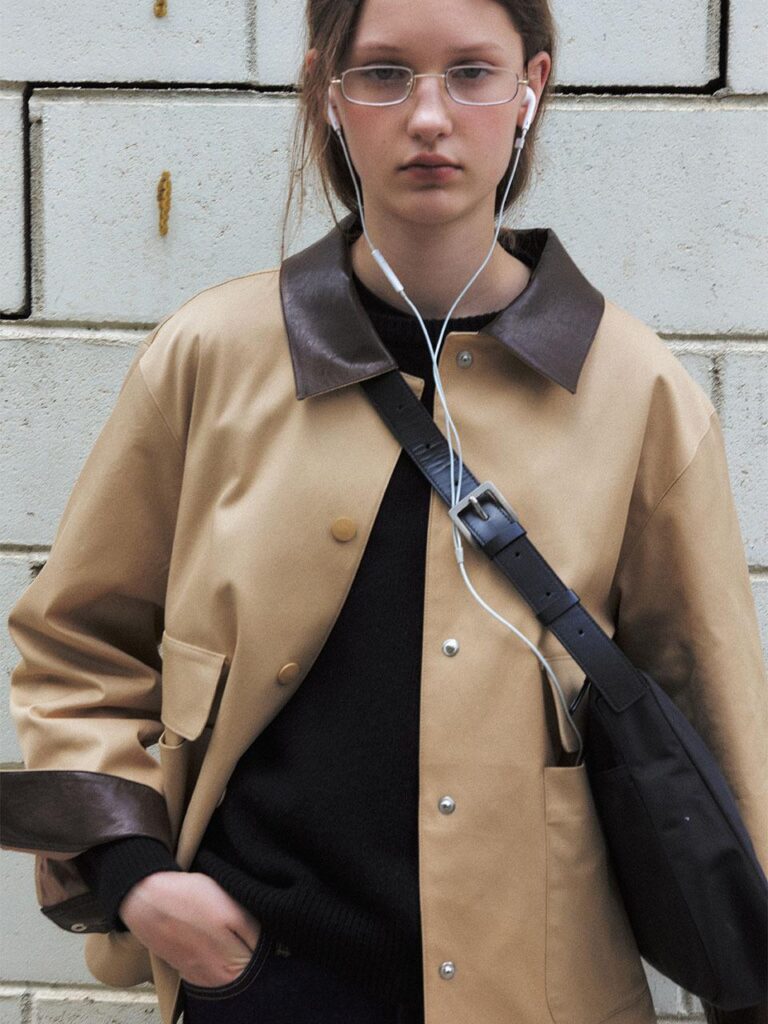 Cotton JacketsShop the Edit: Cotton Leather Jackets
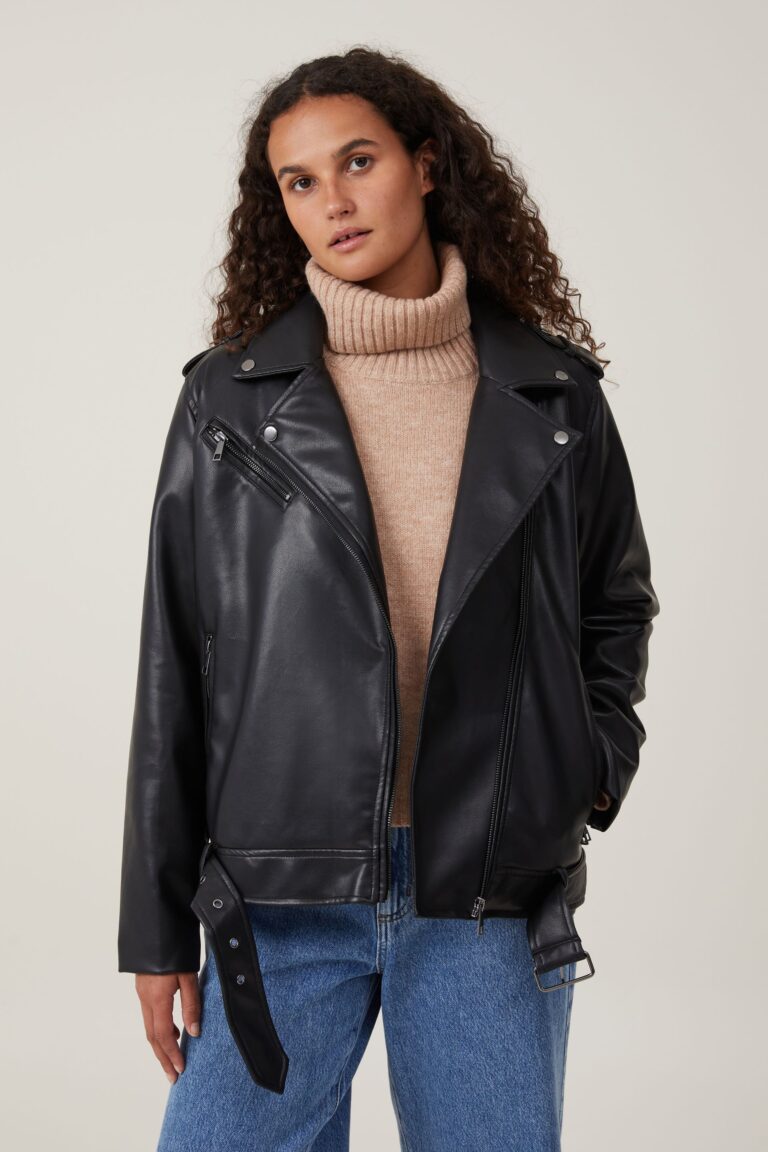
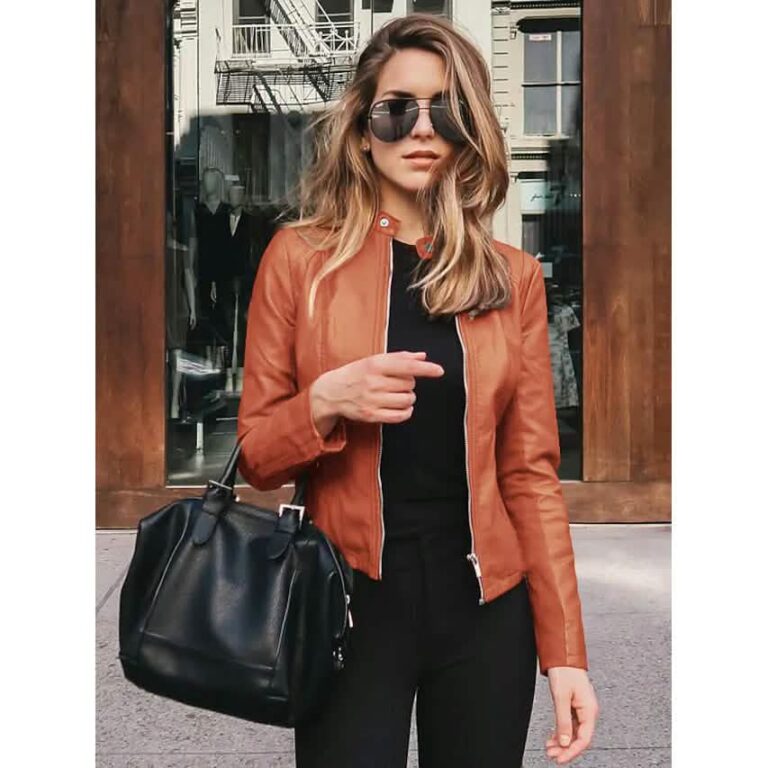 The Collarless Leather Jackets We’d Live In
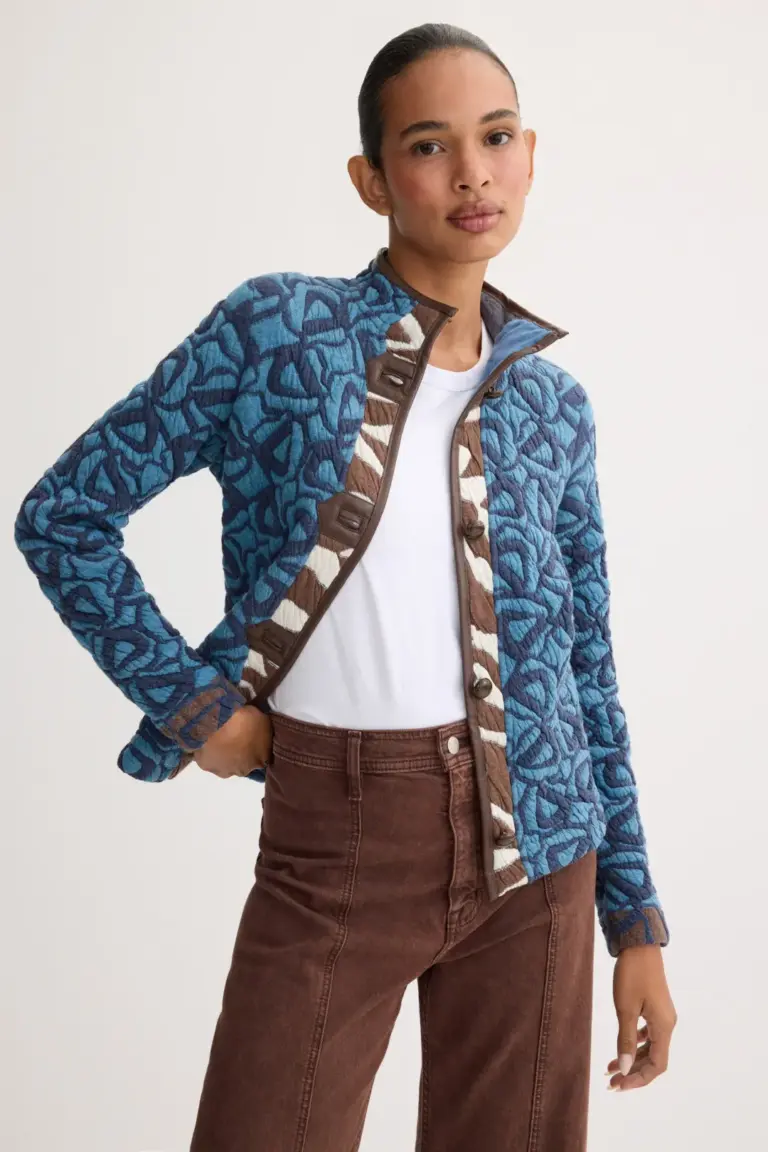
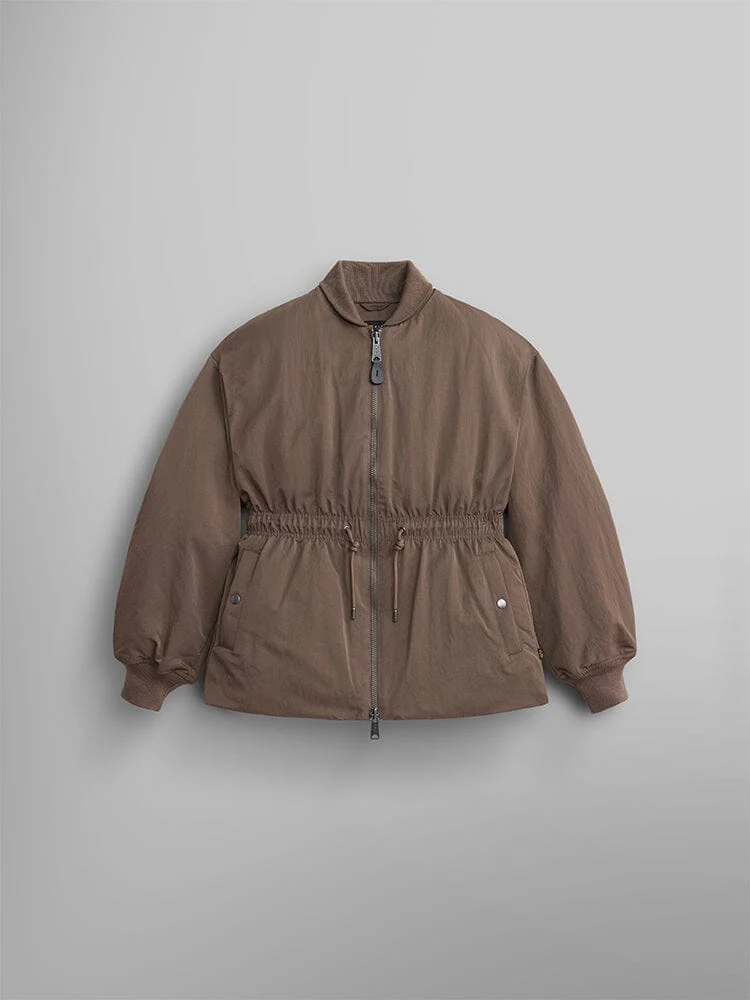 Cord Leather Jackets That Make an Entrance
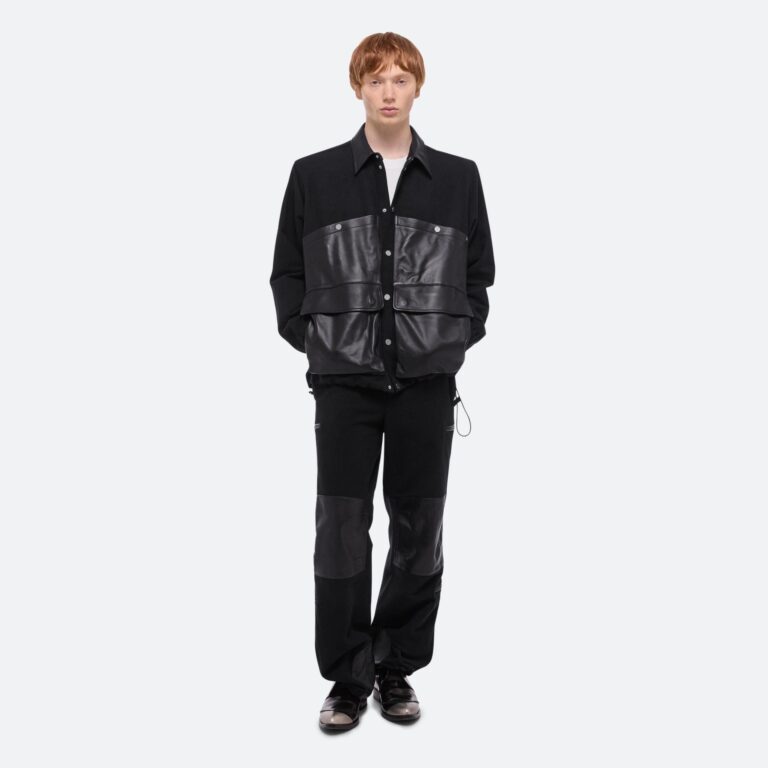
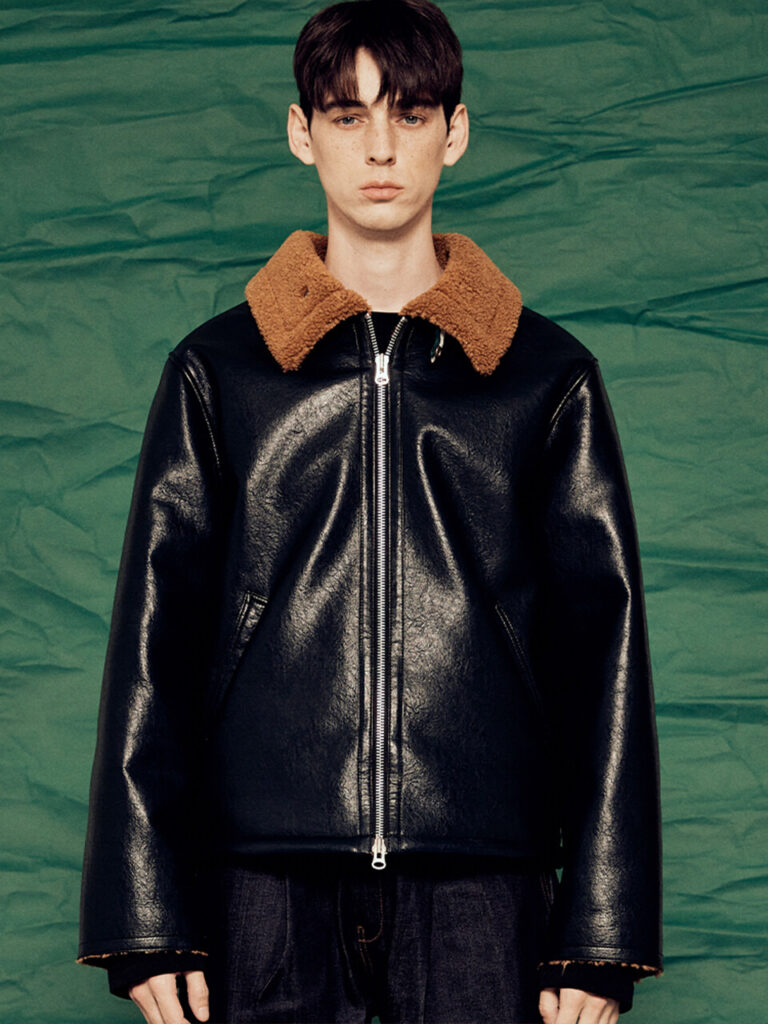 Check Leather Jackets: Our Honest Shortlist
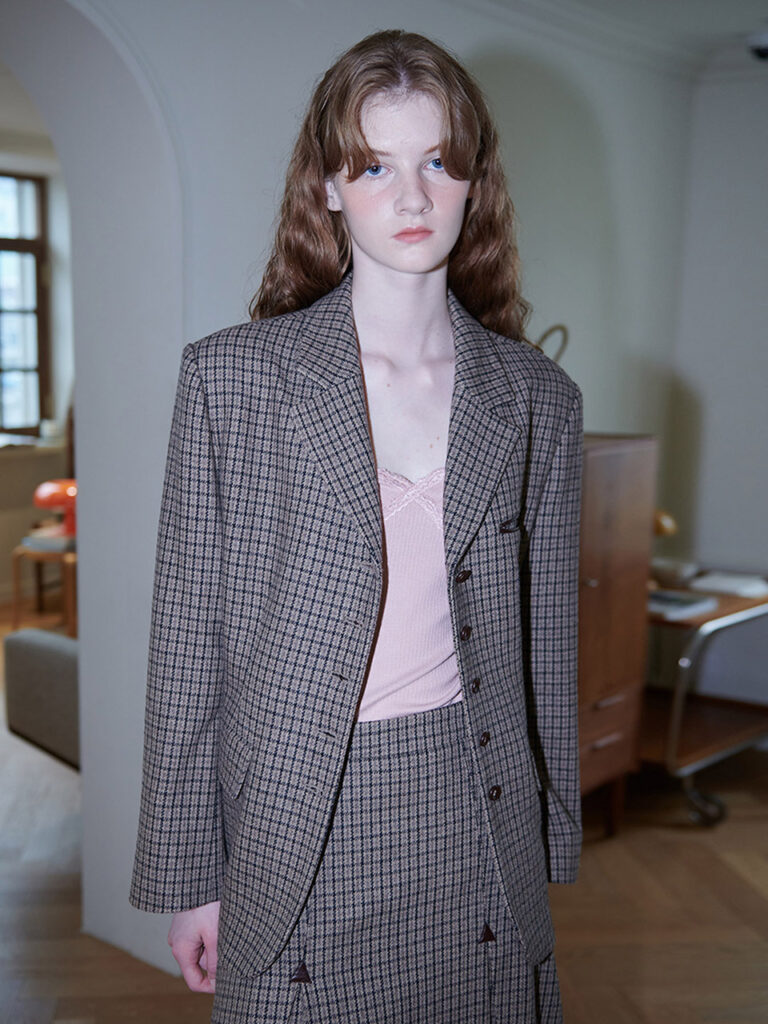
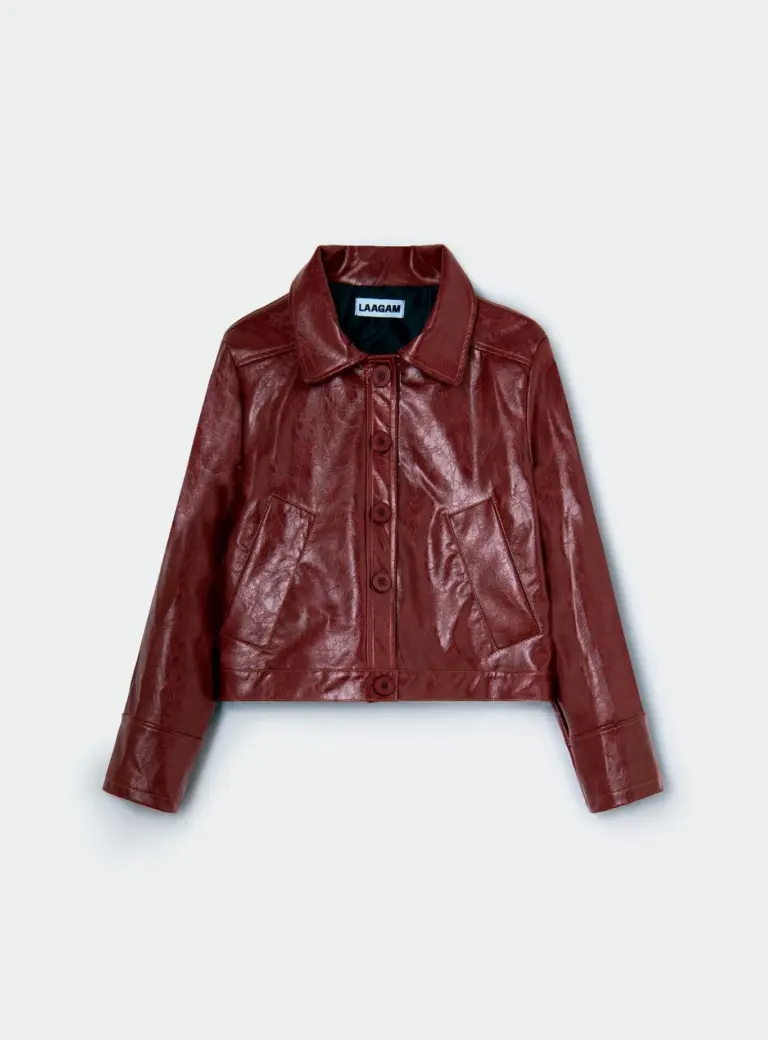 Cropped JacketsThe Burgundy Leather Cropped Jackets Shortlist
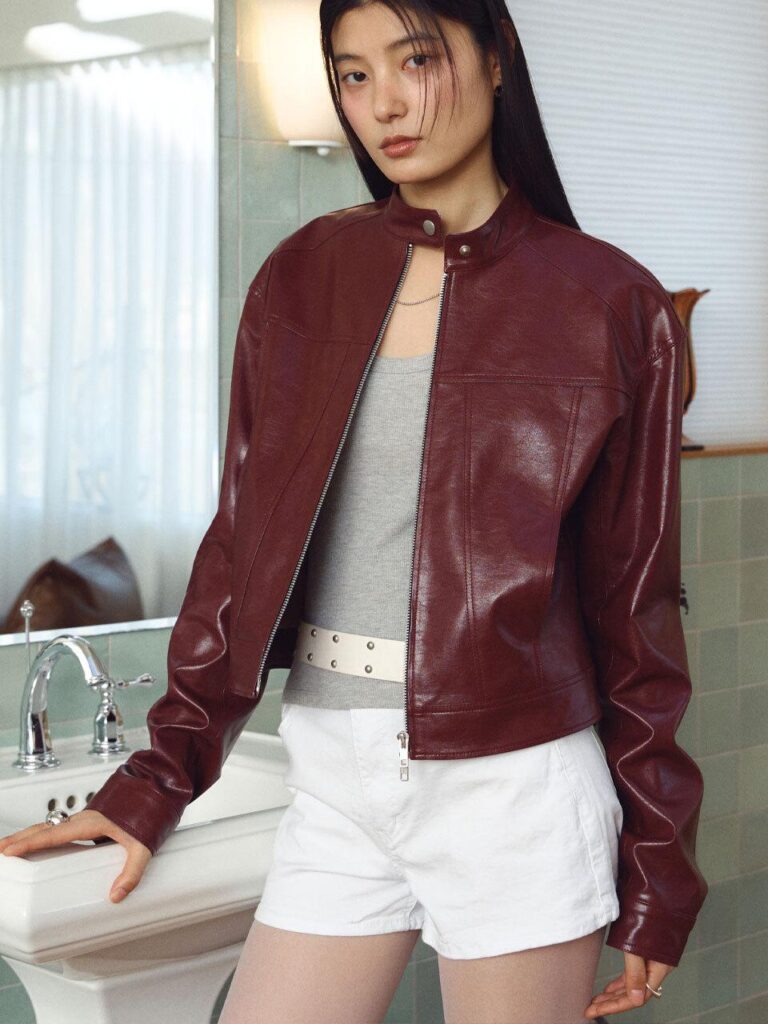 Our Kind of Burgundy Leather JacketsAlso worth a lookDenim JacketsThe thing nobody mentions about a denim jacket is that it gets better right around the point you think about giving up on it.See the collections →

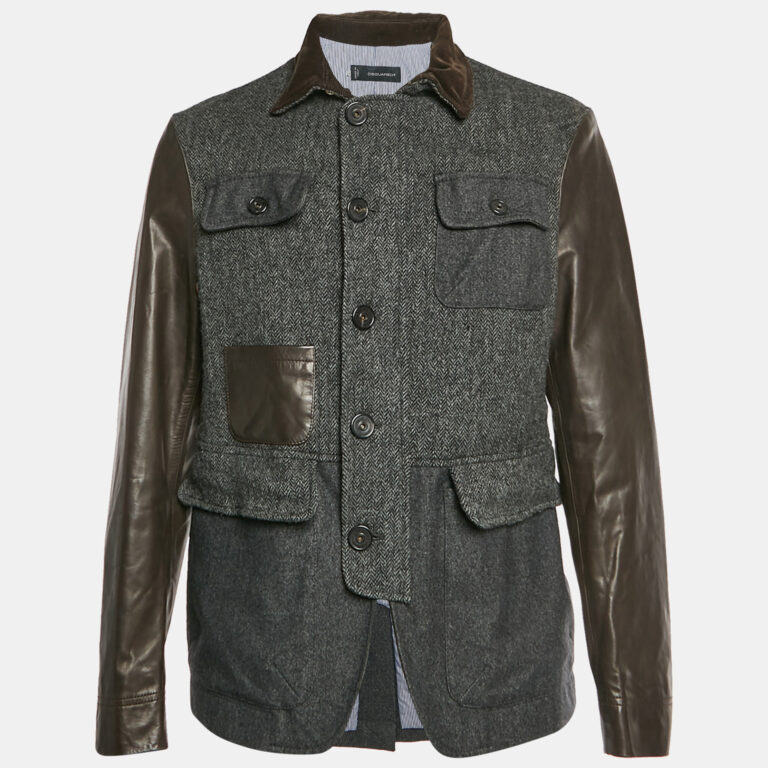 Cosy Brown Wool Leather Jackets We Love
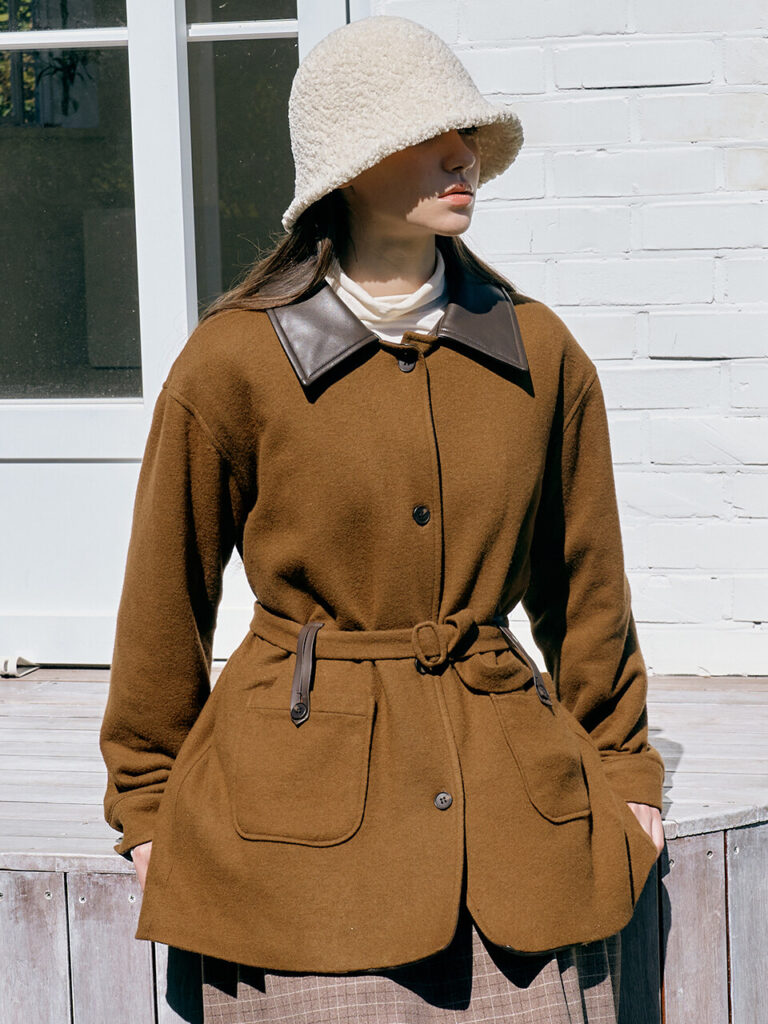
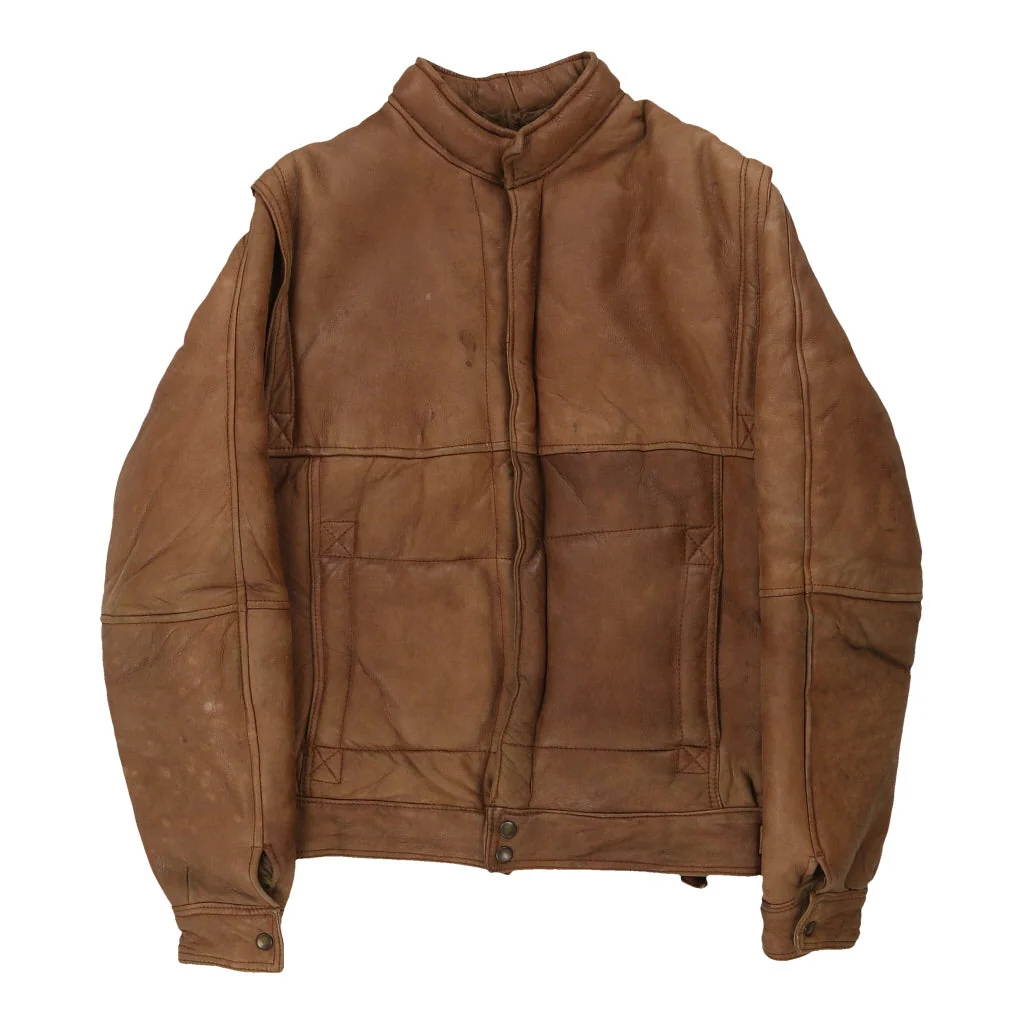 Suede JacketsBrown Suede Leather Jackets That Feel Special

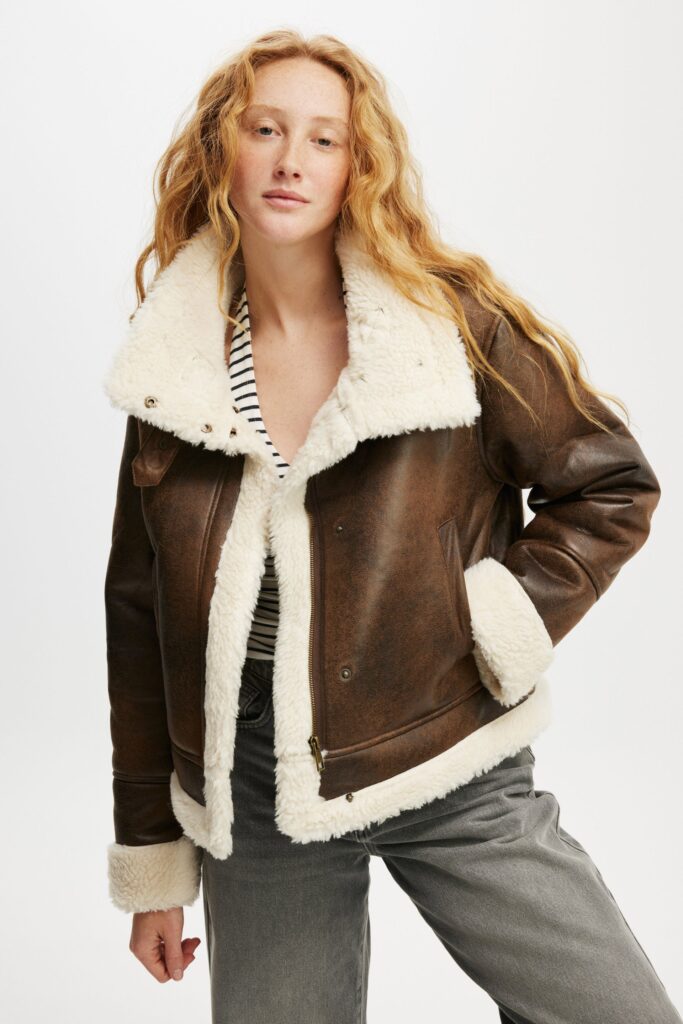 Brown Shearling Leather Jackets Picked by Us
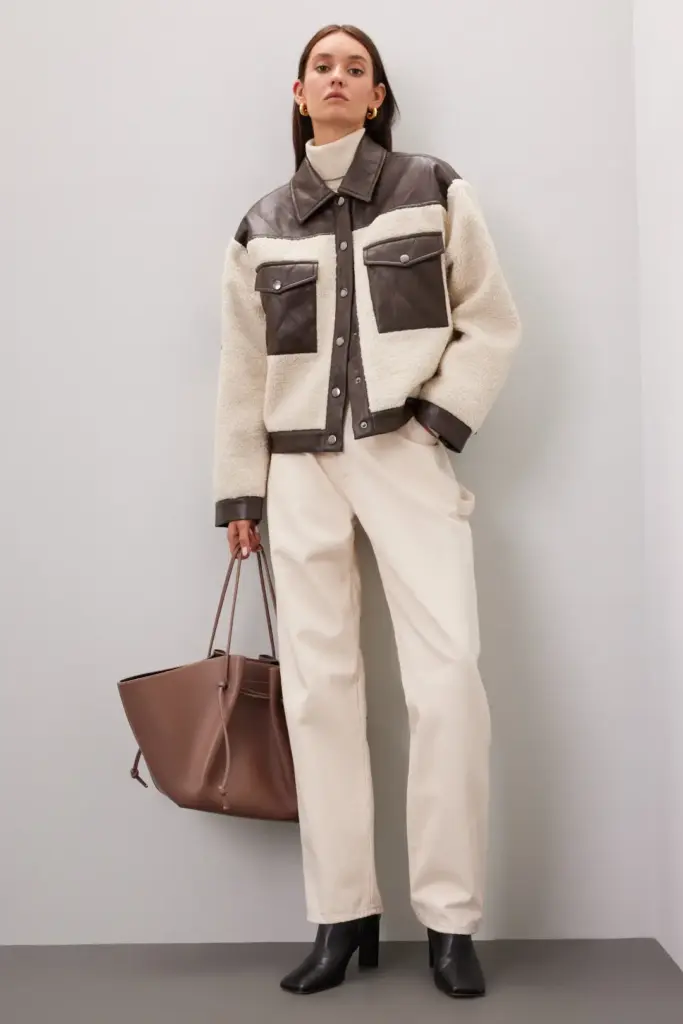
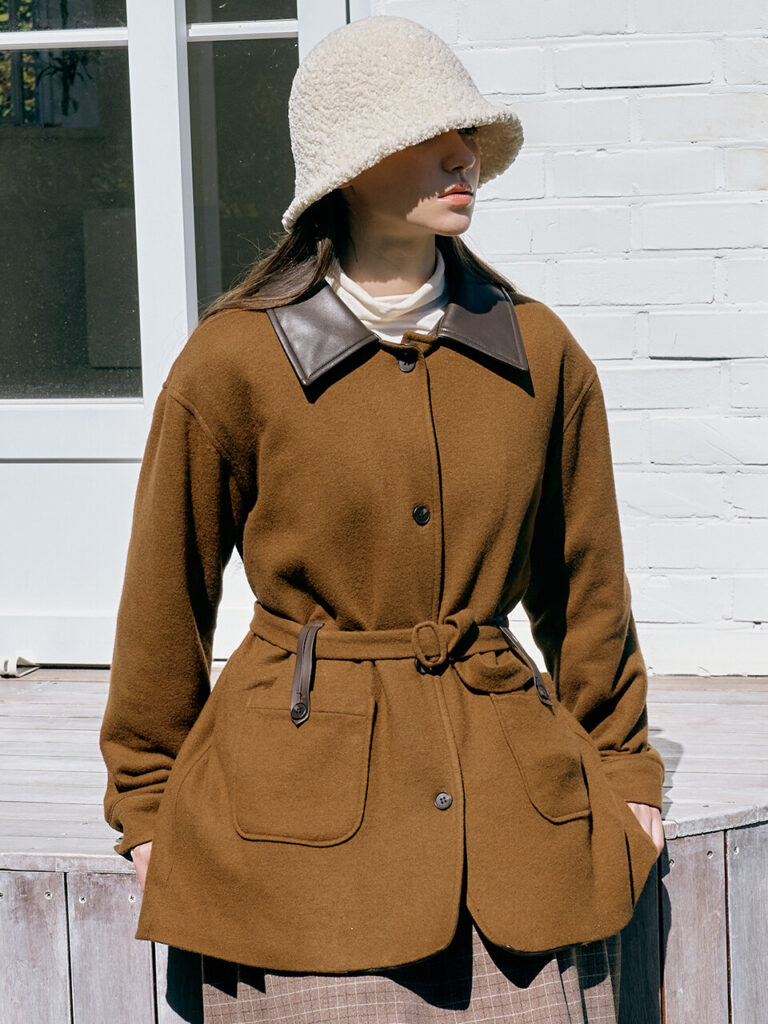 Quilted JacketsThe Best Looking Brown Quilted Leather Jackets Out There
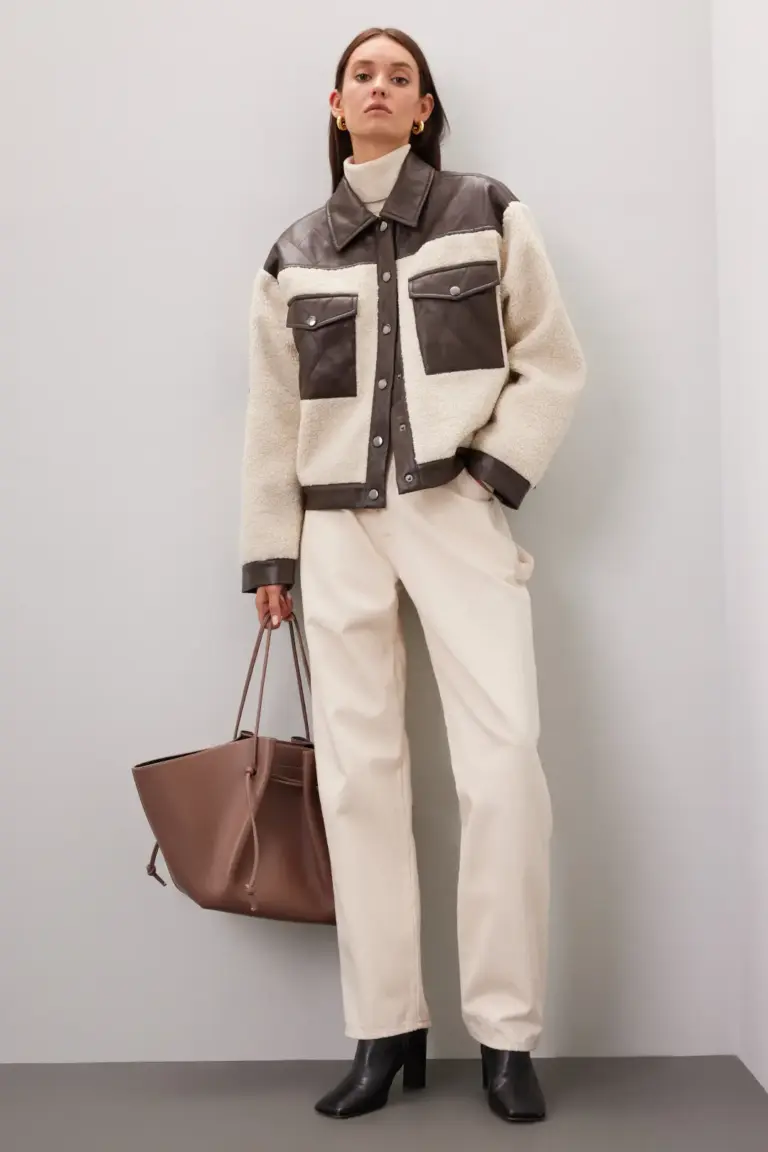
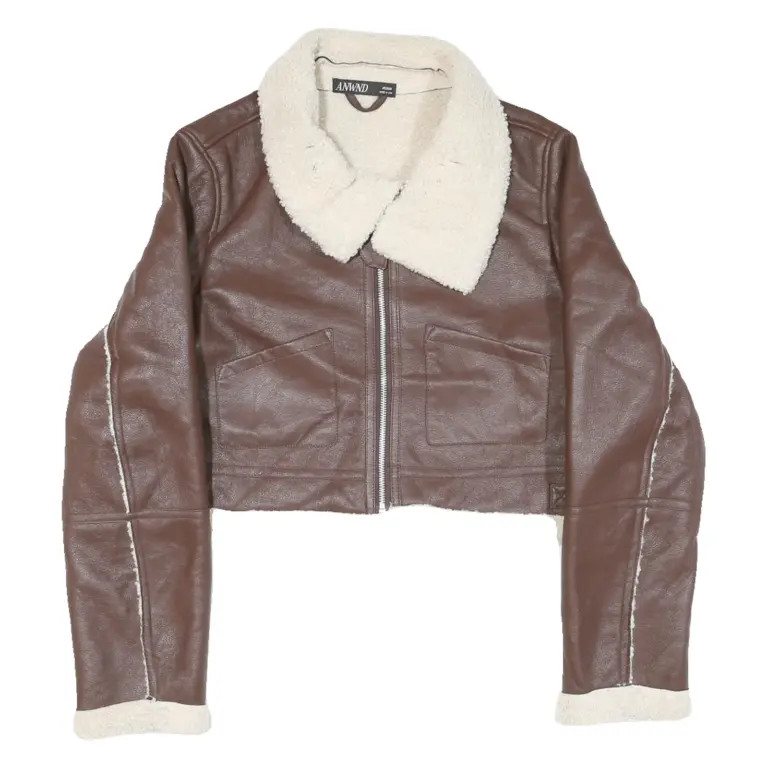 The Brown Leather Shearling Jackets Worth Your Wardrobe Space
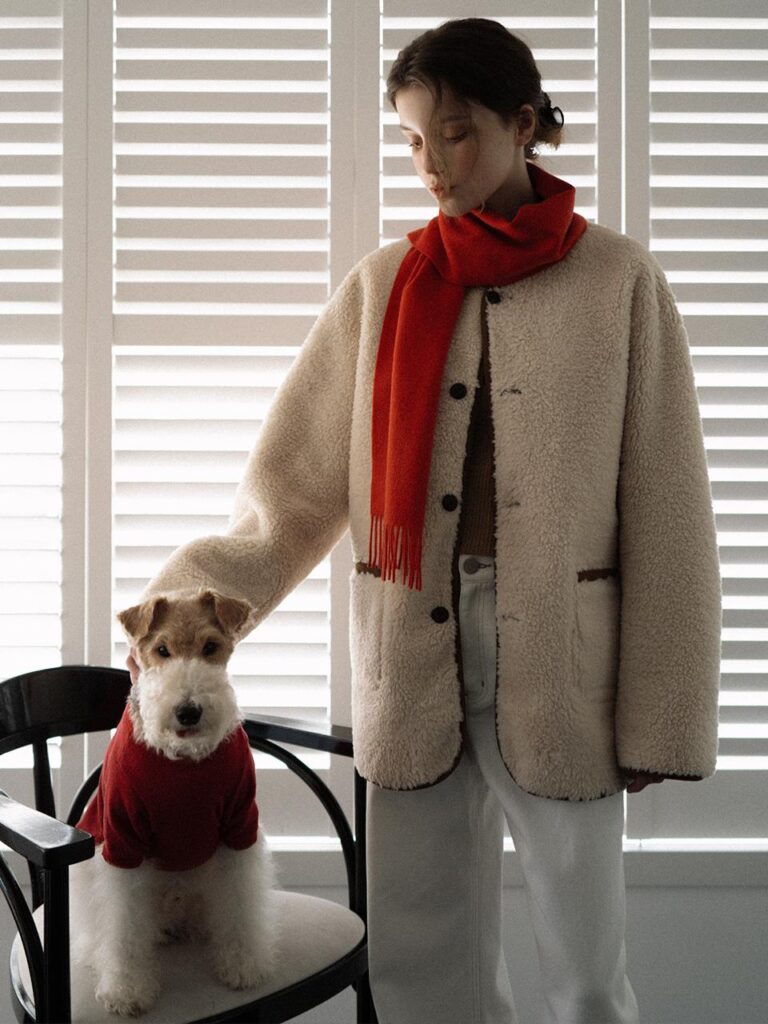
 Suede JacketsBrown Leather Suede Jackets We’ve Been Saving
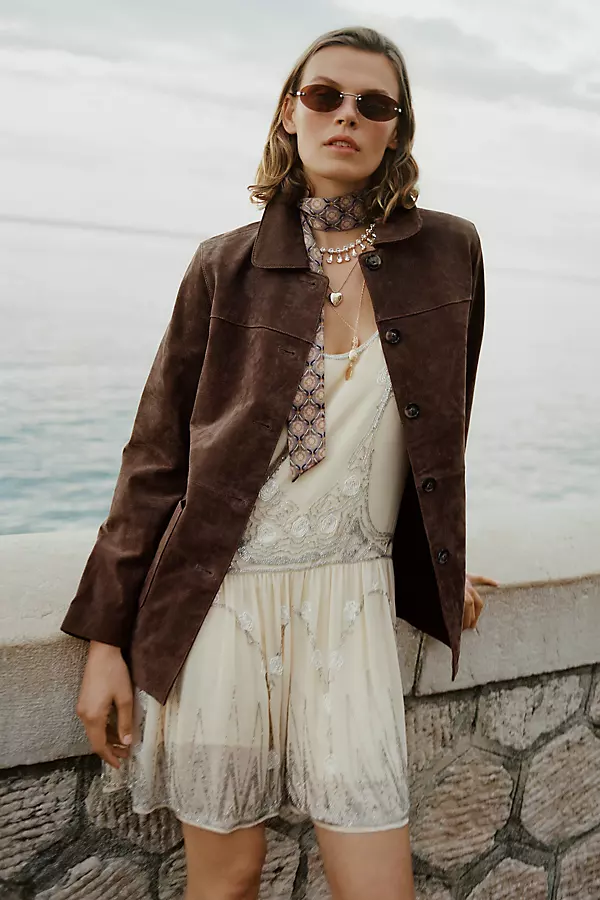
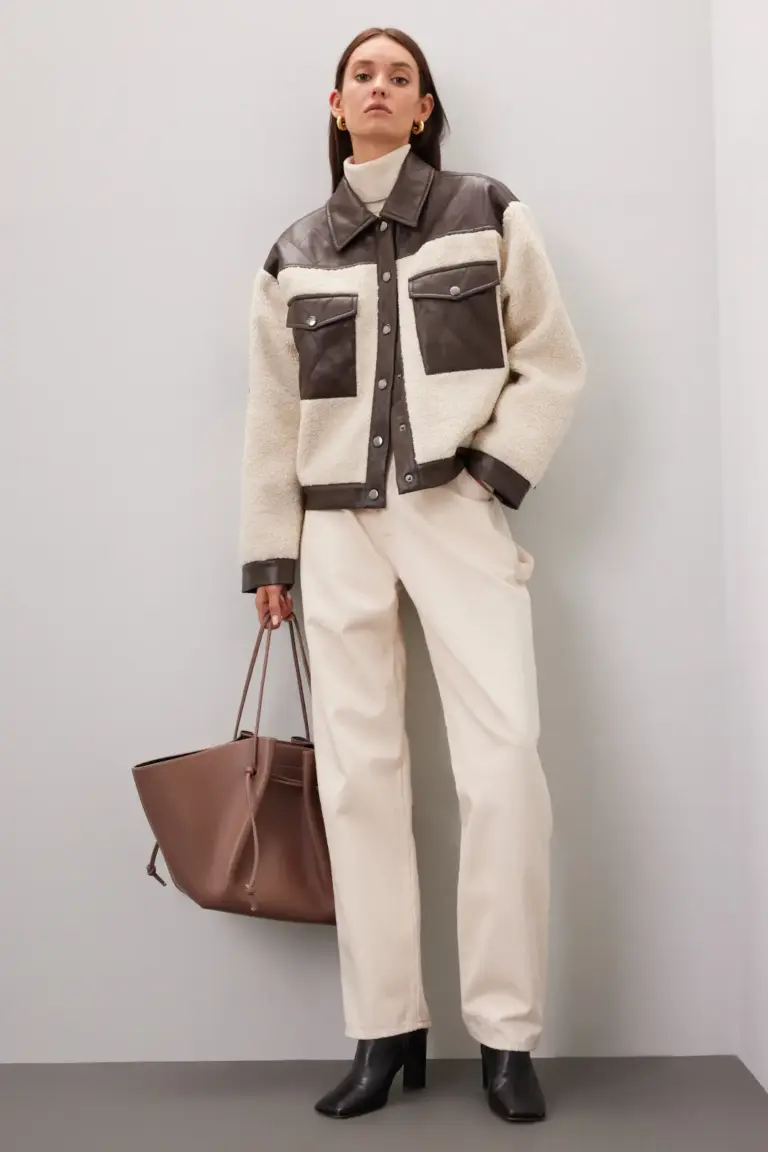 Quilted JacketsBrown Leather Quilted Jackets That Tick Every Box
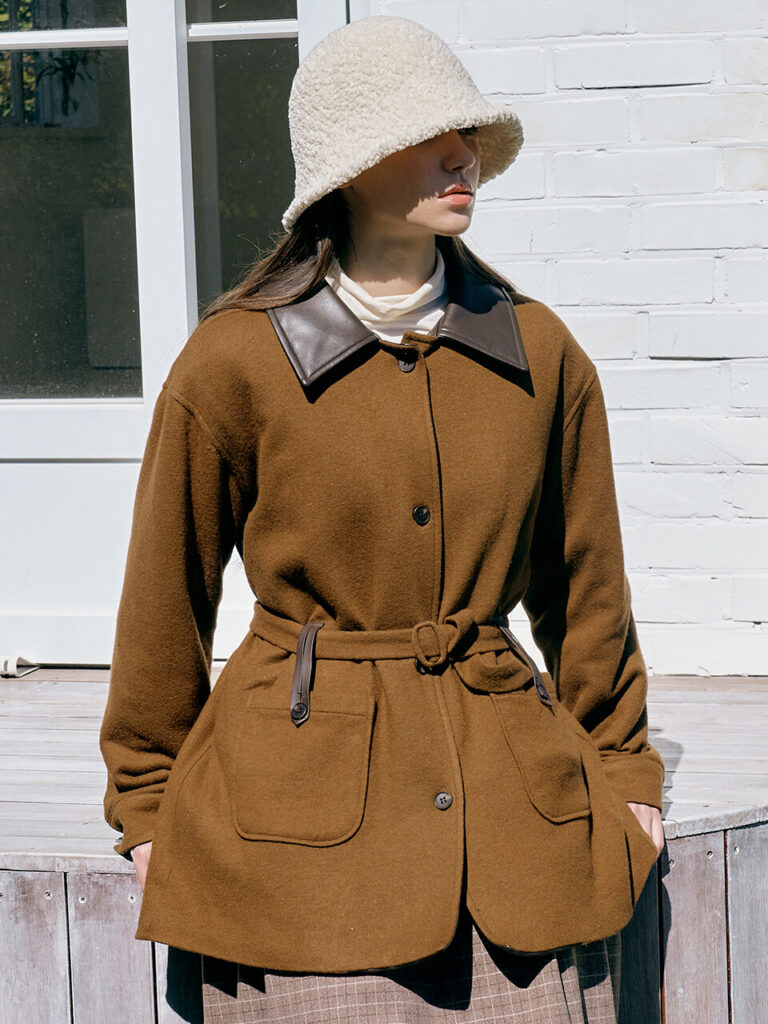
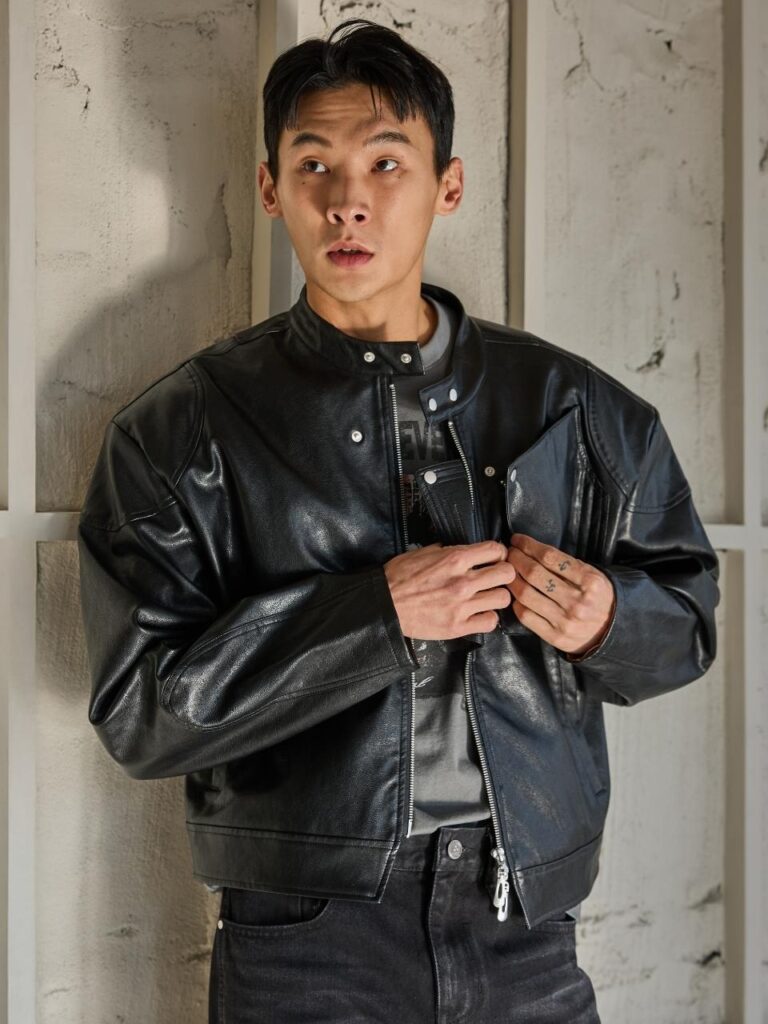 Brown Leather Biker Jackets That Tick Every Box
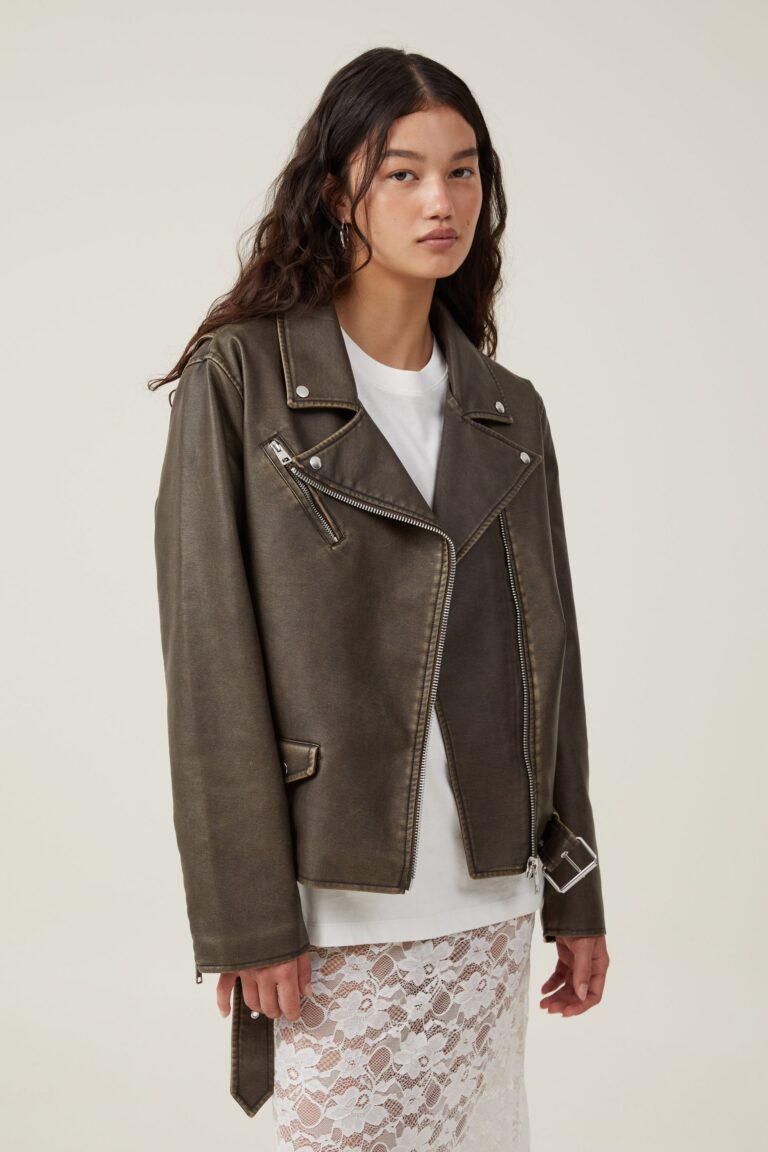
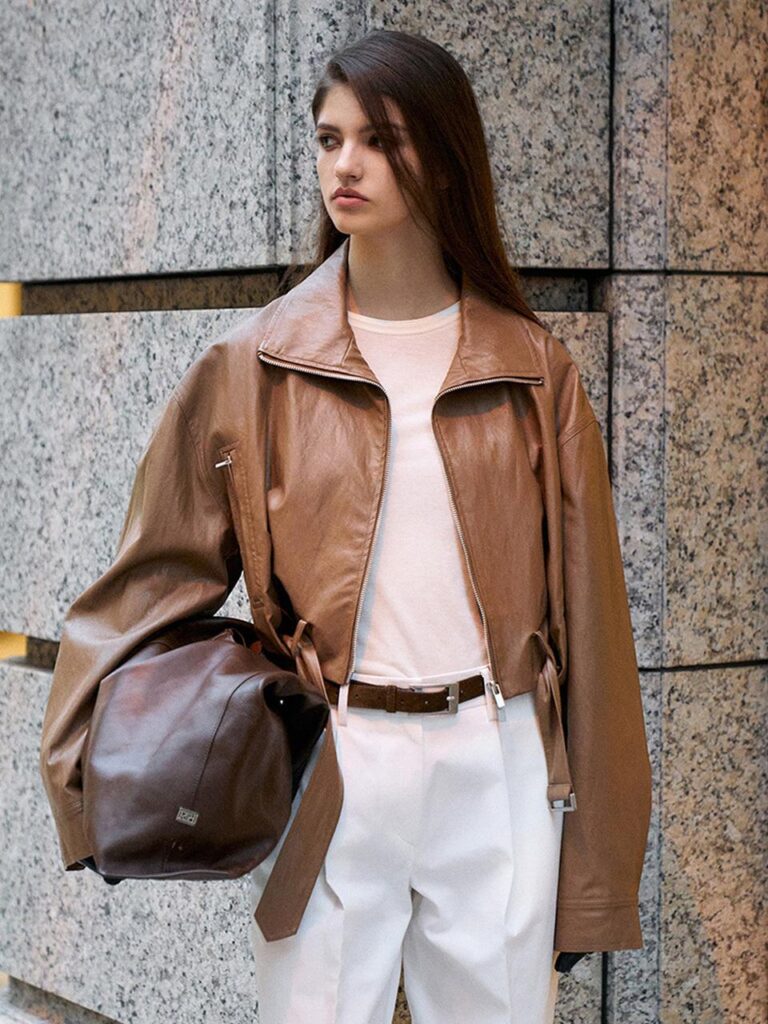 Bomber JacketsSmart Brown Leather Bomber Jackets to Top Off Your LookAlso worth a lookCropped JacketsThe question I get asked most about cropped jackets is whether they actually work on a shorter frame,…See the collections →
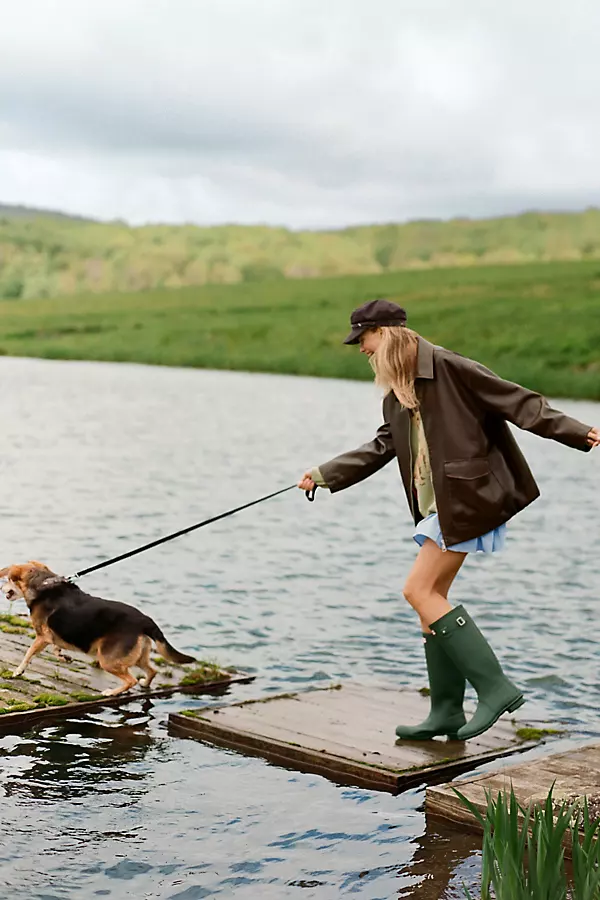
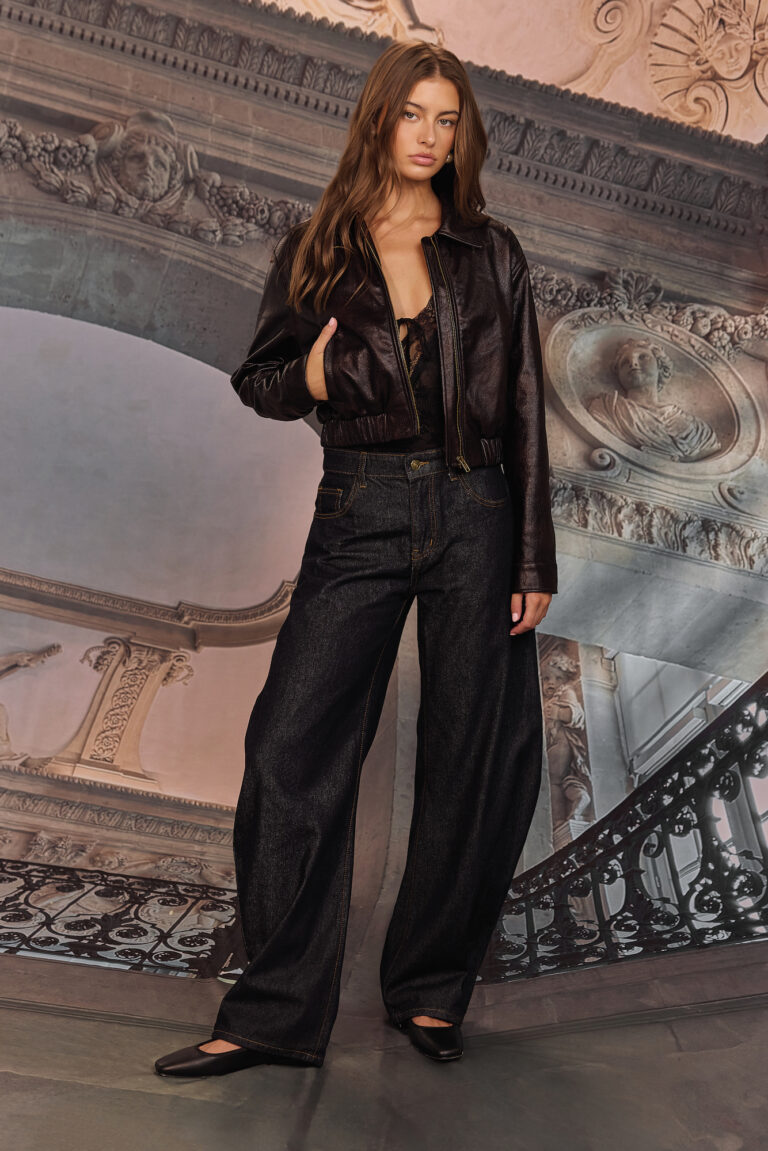 Denim JacketsOur Kind of Brown Leather Denim Jackets
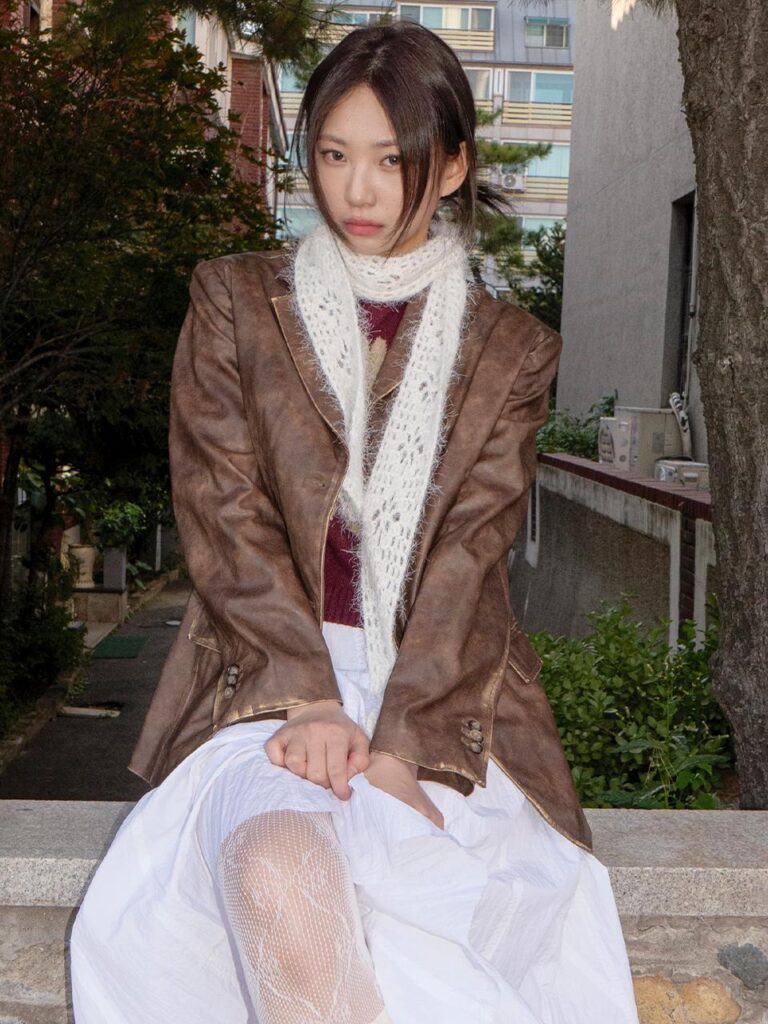
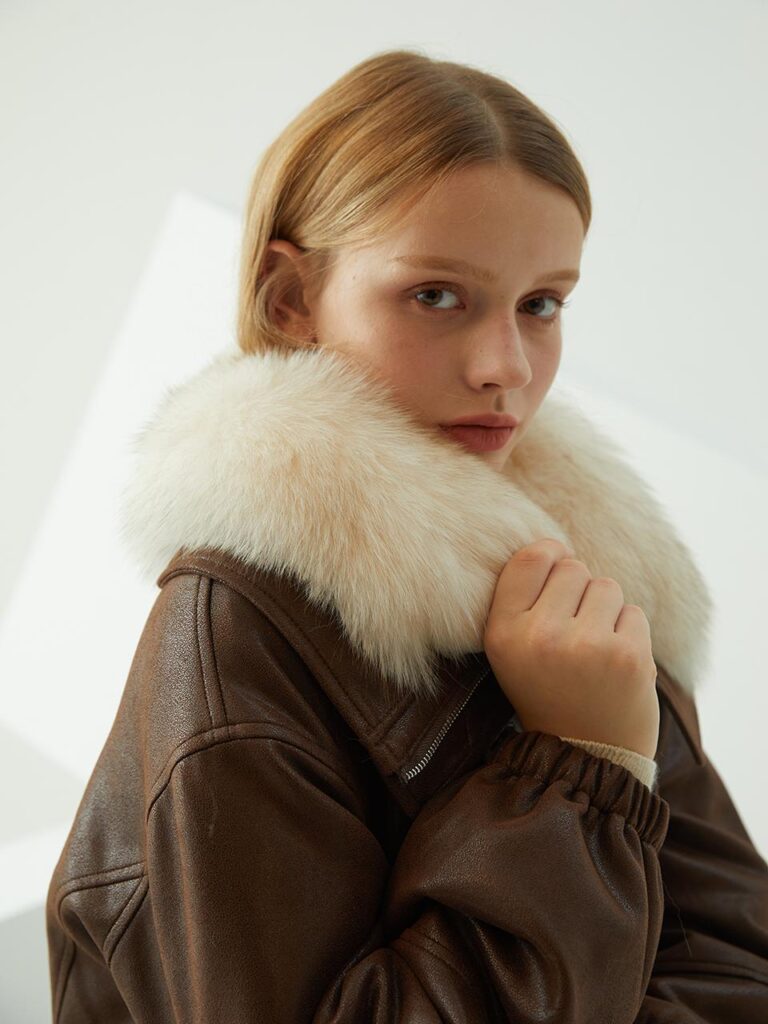 Brown Leather Jackets We’ve Been Saving
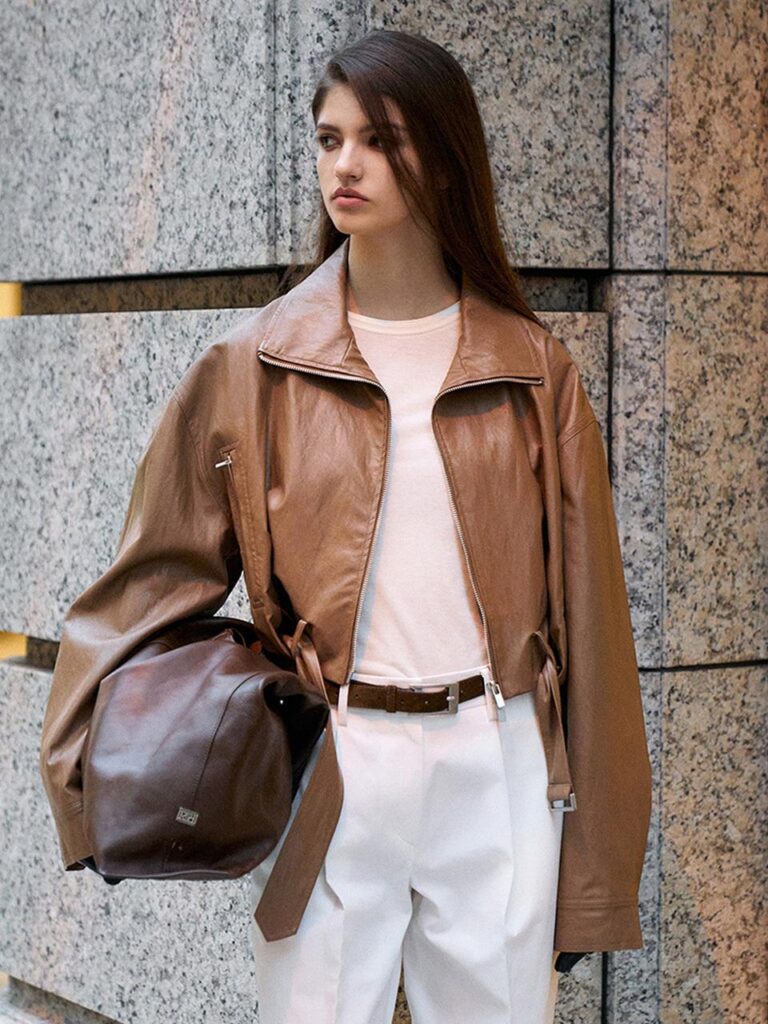
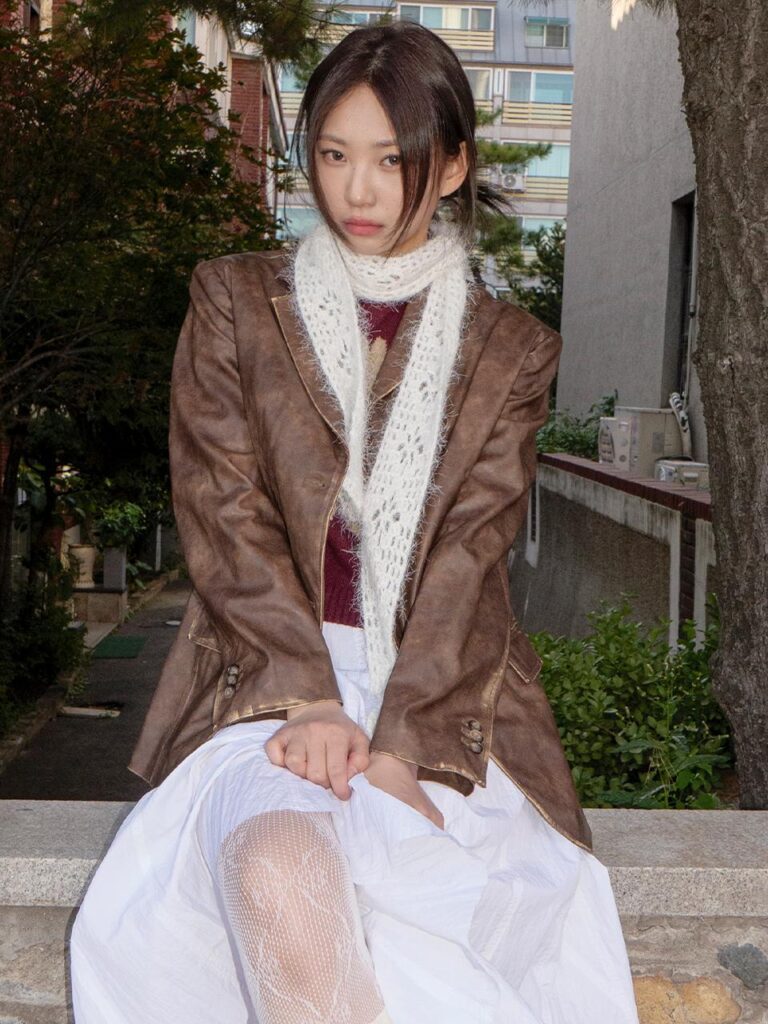 Denim JacketsThe Prettiest Brown Denim Leather Jackets Around Right Now
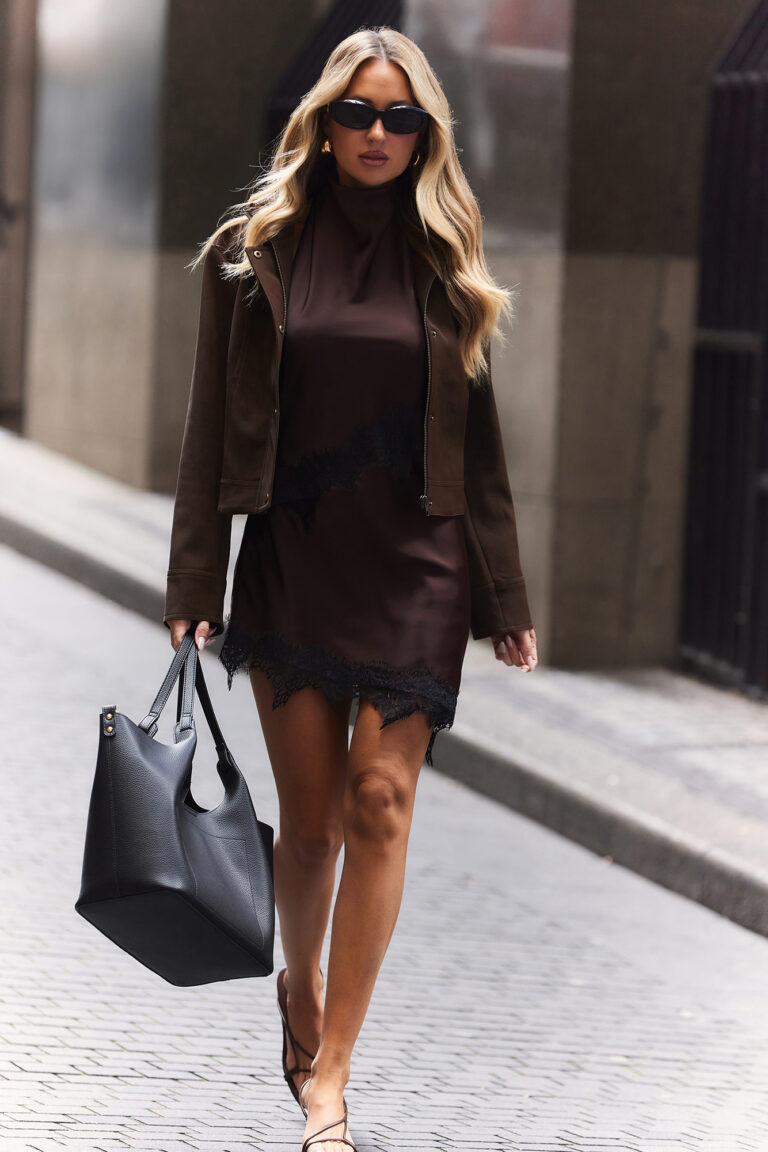
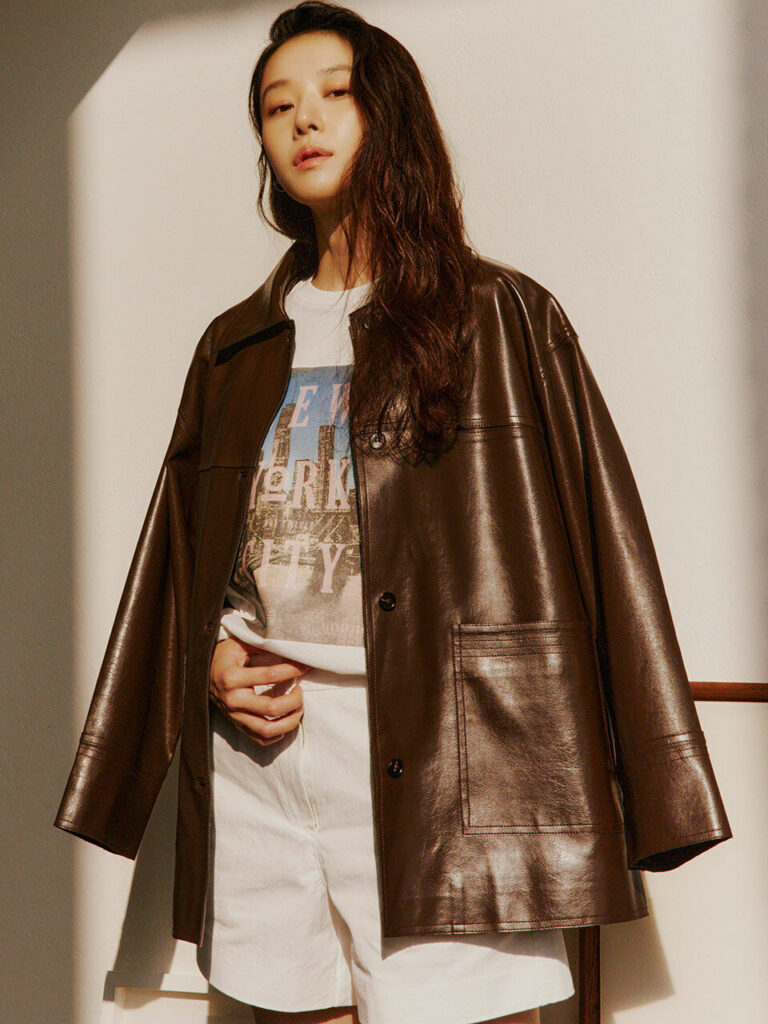 Cotton JacketsBrown Cotton Leather Jackets: Picks We Stand By
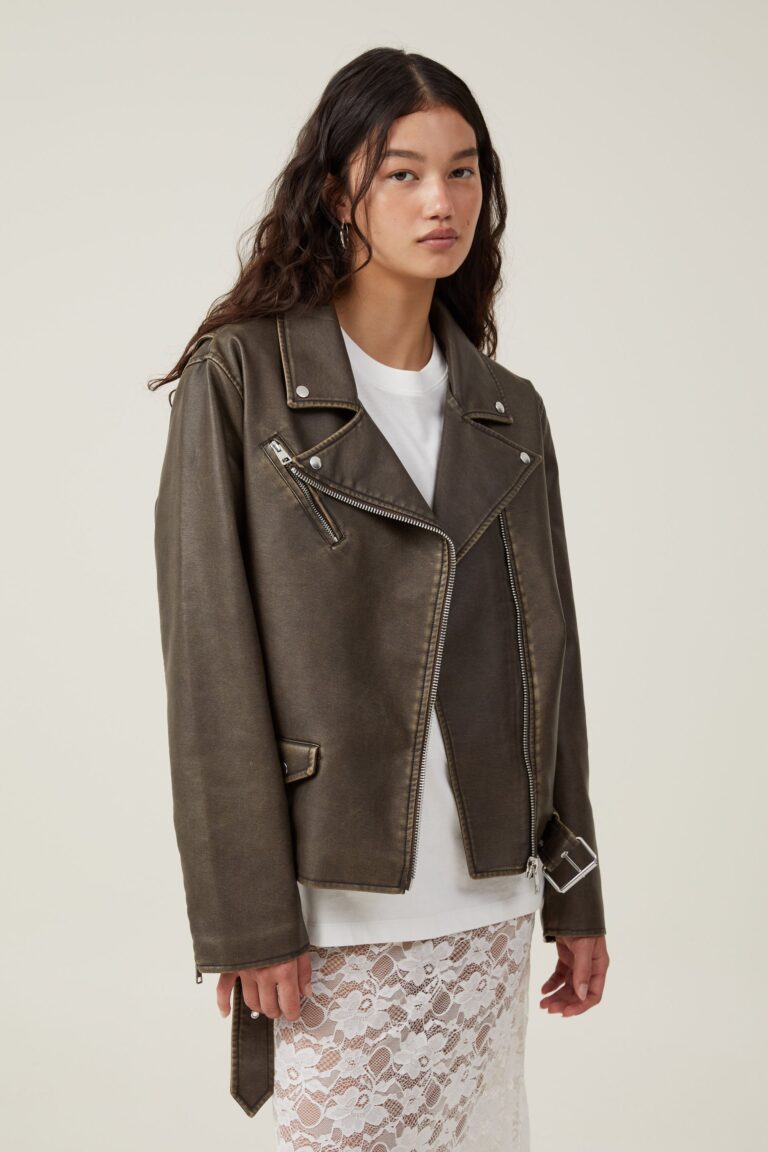
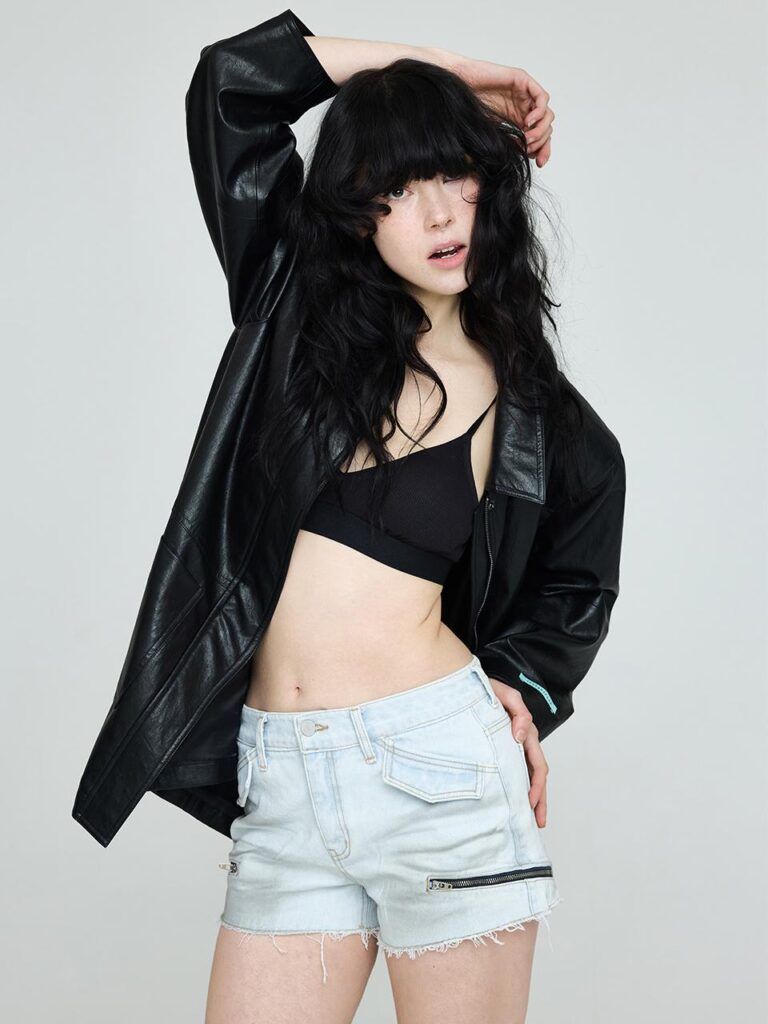 Our Pick of the Best Boxy Leather Jackets
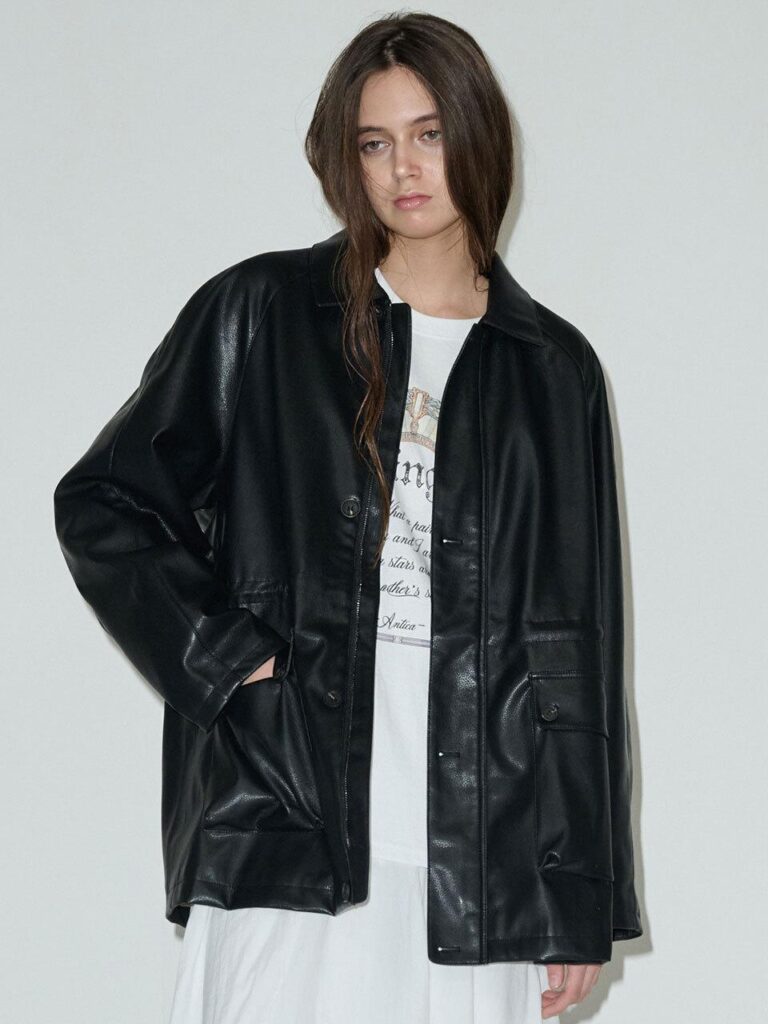
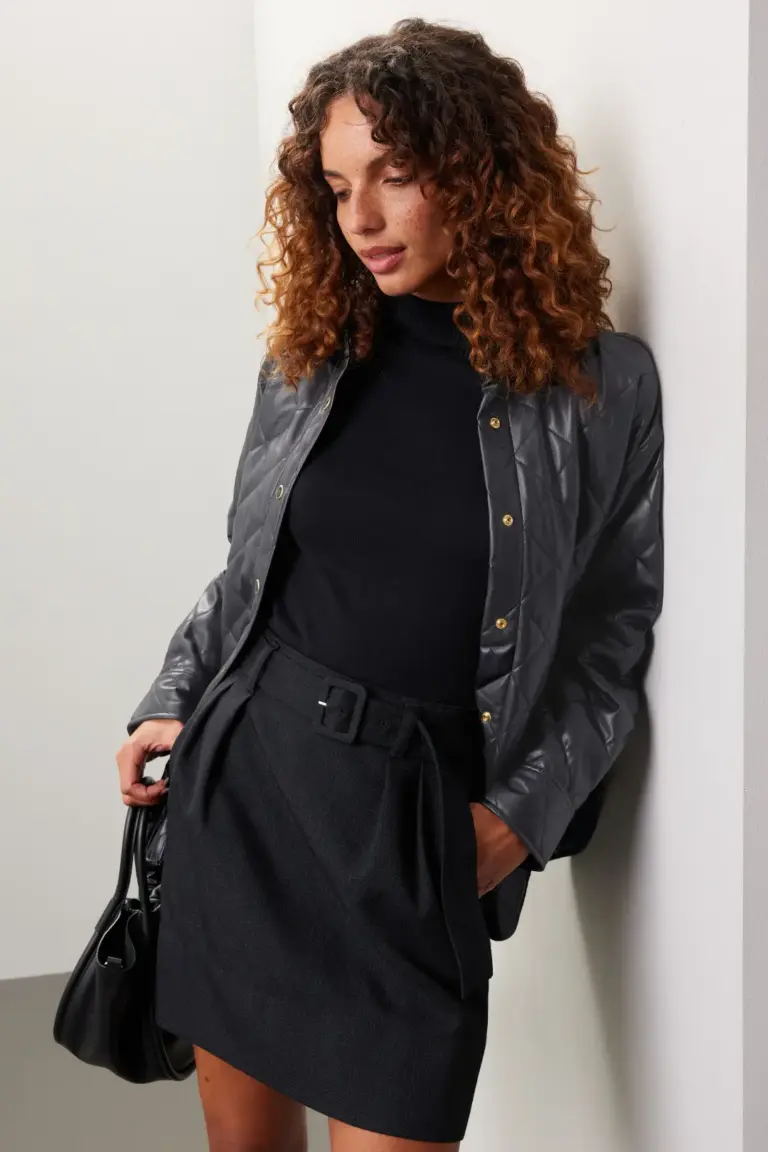 Blue JacketsShop Our Favorite Blue Quilted Leather Jackets
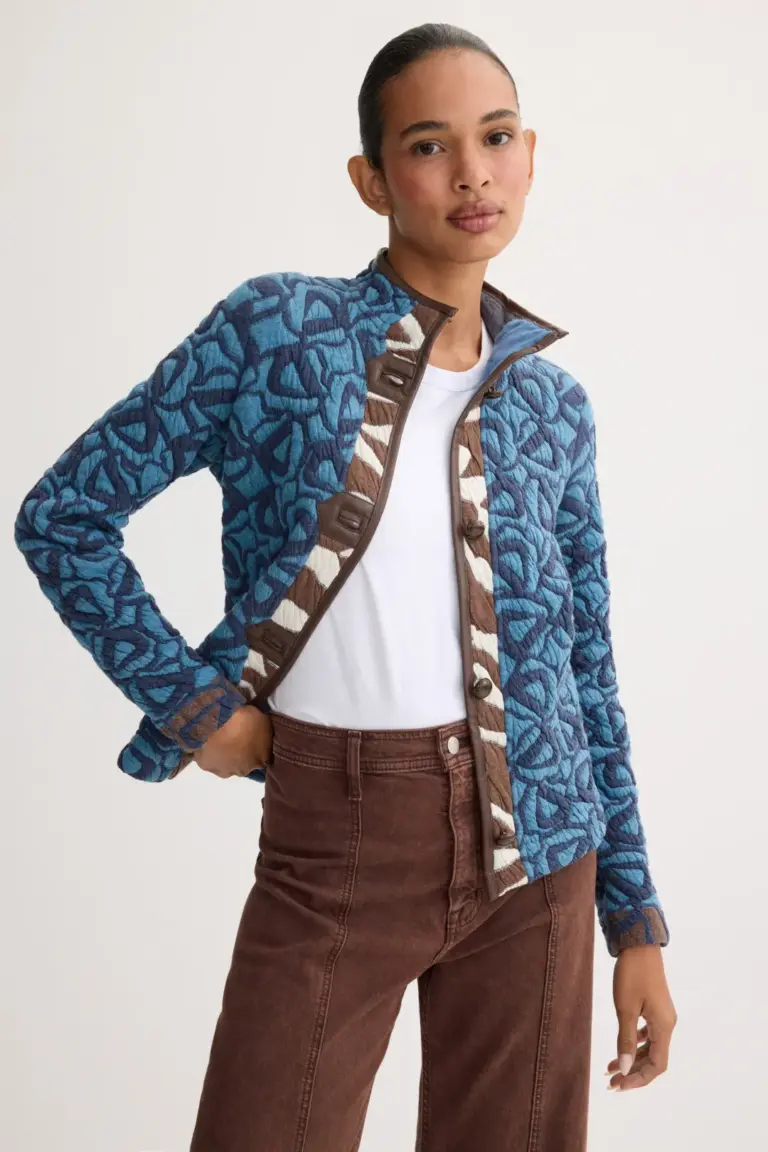
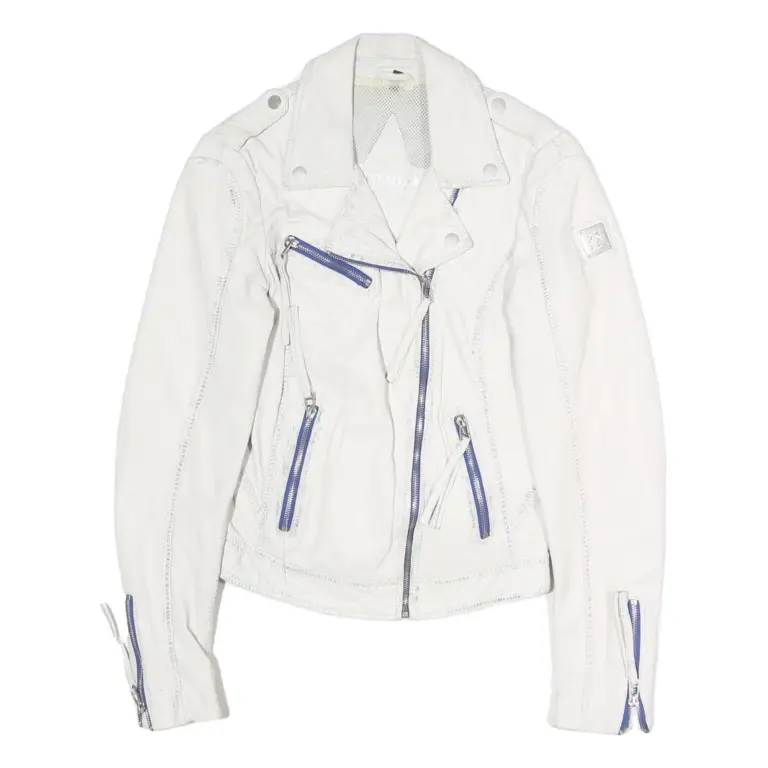 Blue JacketsBlue Leather Biker Jackets Worth Adding to Your Wardrobe
 Blue JacketsFinding the Best Blue Leather Cropped Jackets