When I was younger, I assumed fashion editors were born knowing how to dress. They floated effortlessly into office, perceived some indiscernible magic prophecy that told them exactly what would be stylish this season, and marched confidently into meetings while Junior barely noticed they were there. It took becoming a fashion editor myself to understand how ridiculous that mentality was.
Most editors are the opposite. We were disastrous dresses at one point. We just happened to pay attention long enough to learn the rules.
My third day at the office, I arrived wearing my standard uniform of utterly-basic-but-not-really-blended-in-officeshirt-and-jeans. My blazer was a hand-me-down from college (elbows gently groaning in complaint), my jeans bagged at the ankle, and my shoes were chosen entirely for their ability to handle miles of walking.
My boss eyed me up and down before sighing.
Not dramatically, like a television boss. Just plain, sighing. “I want you to meet me for coffee tomorrow morning,” she said. “Eight o’clock. Before the place gets too hectic.” We spent that morning cupping our hands around coffees at a tiny table in the corner of a coffee shop.
She didn’t say much—just stared at me while I rambled on about my first couple days at the job. But once we finished our lattes, she pushed the small cups away and pointed at me aggressively. “Do you know what’s wrong with your outfit?” She asked. “How you’re wearing it,” she replied, cutting in. “Your clothes aren’t wearing you.” She paused for a moment, watching me carefully. “You look drowning in clothes. Everything is just slightly off.” Was she serious?
I thought this outfit was fairly put together! She took a deep breath. “Listen,” she continued, suddenly serious. “I’m not saying you shouldn’t wear things like that. But when you do, know what you’re doing.
These clothes work for you, Jean. You’re not working for these clothes.” I didn’t get it at first. Did she really think jeans and a plain white shirt weren’t enough?
Of course they were! Turns out, I was wrong. Very wrong.
Nothing about my work outfits resembled what my coworkers were wearing. In that moment, I was clueless to the idea that there are some timeless style truths about dressing in general that every fashion editor knows. So let’s dive into them.
Consider this your official crash course in how to think like an editor. The first thing I learned as a fashion editor? Fit is king.
On set once, I watched a stylist gather up a celebrity who had simply shown up wearing a full designer outfit that wouldn’t’ve covered my coffee order. But the second she met the stylist, she was whisked backstage to change into…what looked like an expensive plain white tee and a pair of jeans. “Trust me,” she said patiently to her frustrated celebrity client. We all gasped when she came back out wearing her “new” outfit.
The designer tee and jeans looked high-end, but more importantly, they FIT. She looked taller, thinner, put together. It was then that something clicked for me.
Proper fit means clothing that actually fits your body. I wasn’t buying jeans that complimented my waist—I was buying jeans that ignored my natural rise, hips, and leg length. I went home that night and spent way too much time rummaging through my jean drawer.
Standing in front of my full-length mirror, I was horrified by how many of my favorite jeans actually made me look shorter and wider. Baggy jeans? Great for looking frumpy.
Jeans that weren’t high-waisted? Either they made my waist look huge or my butt look small. I wasn’t wearing my jeans, my jeans were wearing me.
Thinking about proportion became my new obsession. Another editor I knew had this magical ability to make any crazy runway outfit look incredible on her. She wasn’t cutting slits up the side of dresses or wearing shoes with heels made of sheets of metal.
Her outfits simply…worked. How? “One thirds, two thirds,” she said when I complimented her turquoise bardot top one day. “The eye always completes one half of a picture. If you divide your body into thirds instead of halves, you will always look chic.” How smart was she?!
I’d spent so long cutting myself in half with tucked-in blouses and mid-rise skinny jeans, it never occurred to me that my body was actually quite slender. Sticking to high-waisted bottoms with cropped tops or low-rise with long layers balanced my proportions out completely. I was standing in the lobby once when a designer walked into our office, a mountain of his new collection swirling behind him.
He caught me staring and smirked, pointing at a basic black jacket as we made eye contact. “What makes these special?” I asked. He cuffed his sleeve and gestured for me to feel his shoulder. “Feel that,” he commanded. I ran my hand along the jacket and chuckled awkwardly. “What?” “A shoulder like that makes every piece underneath look amazing.” And he was right.
That night, I went through every jacket and coat I owned. The ones that made me feel powerful had broad shoulders that hit right at my shoulder bones, creating a straight line down my body. The jackets that made me look sloppy always hovered over skinny shoulders, somehow making my whole body look disproportionate.
After that, I couldn’t stop examining every article of clothing I owned (or wanted to buy). Instead of being wooed by fun prints and accessories, I found myself thinking about fit and shape more than anything else. Did this jacket create a nice line from my shoulder to my hip?
Did this blouse frame my waist correctly? Did my skirt fall at the best part of my leg? Most importantly… Did I like how my outfit made me feel?
Every fashion editor knows this trick. One of my favorite editors once explained her closet philosophy to me: “If I don’t feel like a ten when I wear it, it’s not staying in my closet.” Meaning, if you don’t look and feel absolutely incredible in something, why wear it at all? At first I thought she was crazy.
Clothes that made me feel okay? I wore those everyday. But the more I embraced her mentality, the more my own wardrobe fell into line.
I donated baggy shirts that didn’t accent my figure, faded jeans that couldn’t even bleach enough to save, and fitted dresses that somehow did nothing to flatter my shape. Fashion editors spend their lives editing what other people will wear nine to five. Of course we know how to edit our own outfits!
Clothing doesn’t become more flattering as you move up. Trust me, I’ve tried on some pretty ludicrous things “for fun” in my day and cried in bathrooms in awkward angles. But through my years of baring my body to my coworkers, I’ve noticed certain truths when it comes to what flatters most body types.
Here’s what I’ve learned. Necklines that hit right at your collarbone are where it’s at. High-necks make you look taller but can be boob-intensive.
Scoop-necks might be great, but they also tend to make your torso look long. Oh, and never, ever underestimate a denim jacket. It fixes every outfit.
Most dresses should either land right above your knees, or be floor-length. Dresses that end mid-calf are risky and usually make your legs look sticky. There are exceptions, sure.
But as a general rule of thumb, I avoid anything that does not fit into these parameters. No matter your outfit, a great belt will make you look ten feet tall. Belting at your waist?
Instant hourglass. Belted over your hips? You’ll look longer and leaner instantly.
You Might Also Like
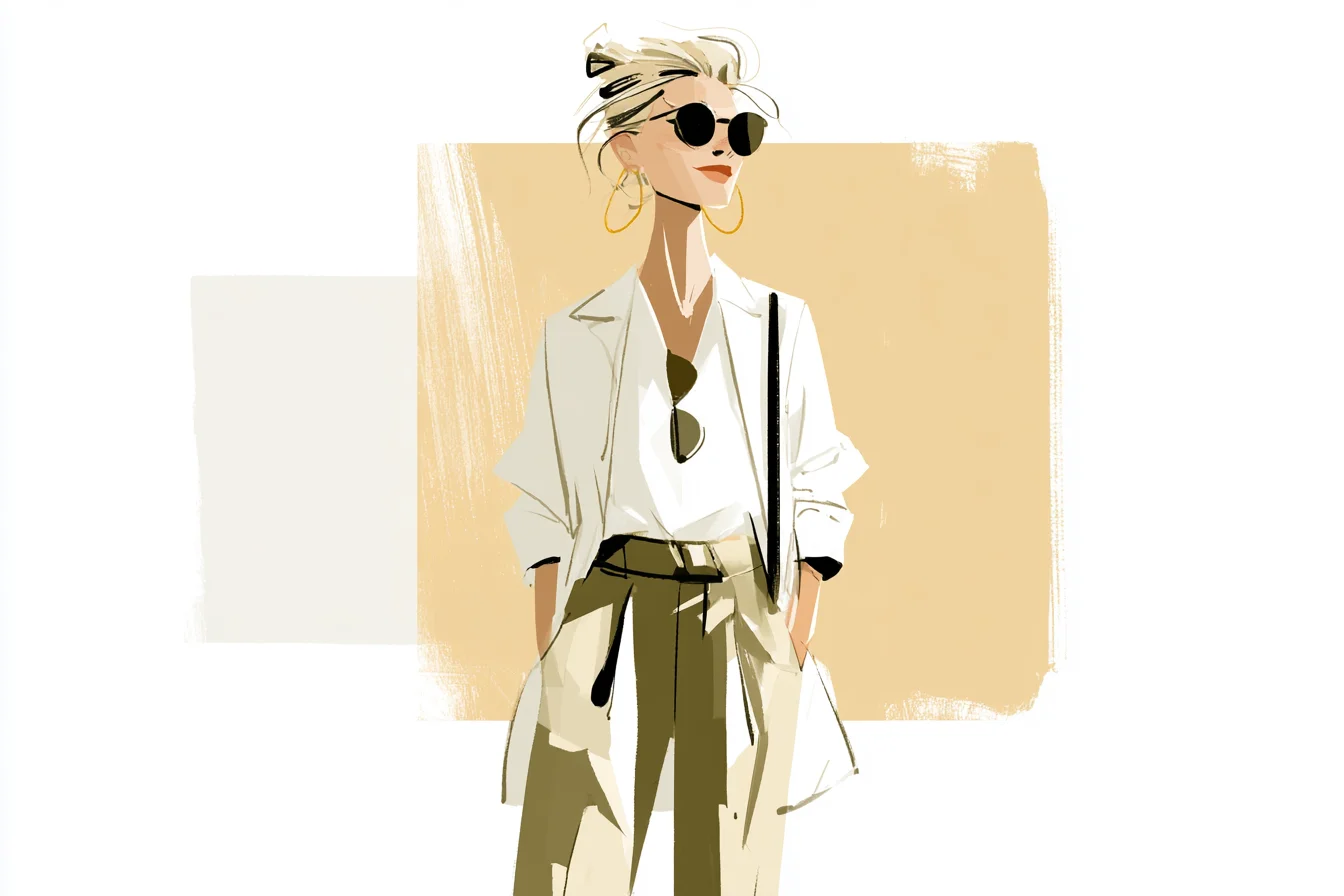
Crop tops only work if you can see your abs when you wear them. End of story. Almost anything looks great on you if you can rock a high-waisted pants.
Don’t be afraid to tuck things in. Own a blazer like it’s your brand. Seriously, every figure will look slimmed-down and expensive wearing a blazer that fits properly.
Nothing looks more frumpy than slightly-baggy jeans and an oversize tee. If you’re going with a soft shirt, go hard on the bottom. Vice versa.
Be strategic with prints. Find one you love and own it, but nothing looks worse than clashing prints. Try and stick to one per outfit.
Tailored separates are the easiest way to dress. You can’t really go wrong as long as they fit: A cute blouse, high-waisted pants, and a blazer screams “put-together” without trying too hard. But before we get into all of that, let me just say this: There is no “one fits all” when it comes to clothing.
We are all built differently, which means we will all have different ideas of what flatters our shape. I can tell you these tips work for me, but you might find something that completely contradicts my advice works for you. Here’s what else I’ve learned.
Raise your hand if you’ve ever heard someone mention they “speak” fashion. Um, yeah. Me too.
But it’s not because we live and breathe trends—far from it actually. We’ve seen thousands of collections, photoshoots, and runway shows that most people will only dream of seeing. So naturally, we pick up on things.
Like how clothing can and should make a statement. A metaphorical one, not like you’re dressing to voice your opinion or anything (ew). When I first started out, I would catch my coworkers eyeballing my outfits and immediately assume they hated what I was wearing.
It took me a while, but I finally mustered up the courage to ask one of my stylist mentors why she kept giving me “the look.” “What are you trying to communicate with that outfit?” she asked me, eyeing me up. “Oh, umm, trendy?” She scoffed. “Sweetie, every outfit you put together is sending a message. Learn to control it.” She was right, of course. Your outfit should say something about you.
If it’s telling a story you don’t want to broadcast to the world, maybe leave the house wearing something else? I’m ruthless in editing out things I don’t love anymore. Sometimes I drop entire closet FULLS.
One day I’ll write about how I systematically go about killing my closets, but until then, just know I miss NOTHING. When it comes to your wardrobe, if you don’t love it, get rid of it. If you aren’t sure, sleep on it.
Chances are, you won’t think of that shirt/handbag/pair of jeans a single time when it’s gone. When you find a brand or clothing style that works for you, own the shit out of that shit. My entire wardrobe rotates around certain trends and clothing staples I know look great on me.
Because I know what to look for, I’ve honed in on brands that ROCK those trends and allow me to almost put an outfit together by myself. If you know you love high-waisted jeans? Support brands that sell shirts that fit your oddly-proportioned torso well.
Trust me, it will make your life so much easier. Do you know why those cool girls in class in high school always wore the same style of outfit? They knew what worked for their body.
Sure, they may have eventually matured into their style…but they knew enough about what made them look good that they stuck to their guns. I spent way too much of my 20’s pretending to like things I didn’t because they were “trendy” and wanted to fit in. Newsflash.
Fashion edited you’re allowed to not care about what’s trendy. Spend your money on things that fit you well and make you feel good. Pattern on pattern?
Never. Shirt under shirt? Go for it.
As I mentioned above, fashion editors love rules. We just know how to break them properly. If you layer a soft shirt under a stiff button up, you create new lines for the eye to follow.
Same goes for throwing a jacket over a blouse, or dress over jeans. It’s unexpected, and we love it. Same thing goes for accessories.
Throw a fringe bag with a leather jacket, or wear ankle boots with a floral dress. Mixing materials will always give you an edge. Stay away from small prints when you’re buying shirts, and vice versa with your bottoms.
Larger clothes should be balanced out with smaller pieces and thinner fabrics. Nothing is more annoying than going into a store and feeling like you have to try on everything. When you know what looks and feels good on you, you can eliminate half the store before you even start shopping.
Believe it or not, the most stylish women I know aren’t trying the hardest in the mornings. Sure, they put thought into their outfits. But once they’ve identified the looks and pieces that work for them, putting an outfit together comes together without much effort.
This is where that whole “uniform” idea comes into play. Find the staples you love, and rotate around them. Own a few “uniforms” and memorize how to dress your body.
There’s a reason almost all stylish women own a white button up and dark wash jeans. When in doubt, they know those two items together will make them look and feel amazing. Find your go-tos and build off of those pieces!
Once I understood and accepted my body, putting together outfits became so much easier. I used to get so caught up on trying to make certain silhouettes work for me that I forgot the most flattering styles for my body were already staring me right back in the face (hellooooo high-waisted jeans and boyfriend tees). Embrace what you got, boo.
Gone are the days of throwing every accessory I owned into my outfit just because I could. One of my favorite fashion lessons is to throw together an outfit, THEN take away one thing before leaving the house. Nine times out of ten, your outfit will look better when you strip it back a bit.
My favorite clothing items are the ones that can be worn multiple ways. A plain white tee can be worn under anything.
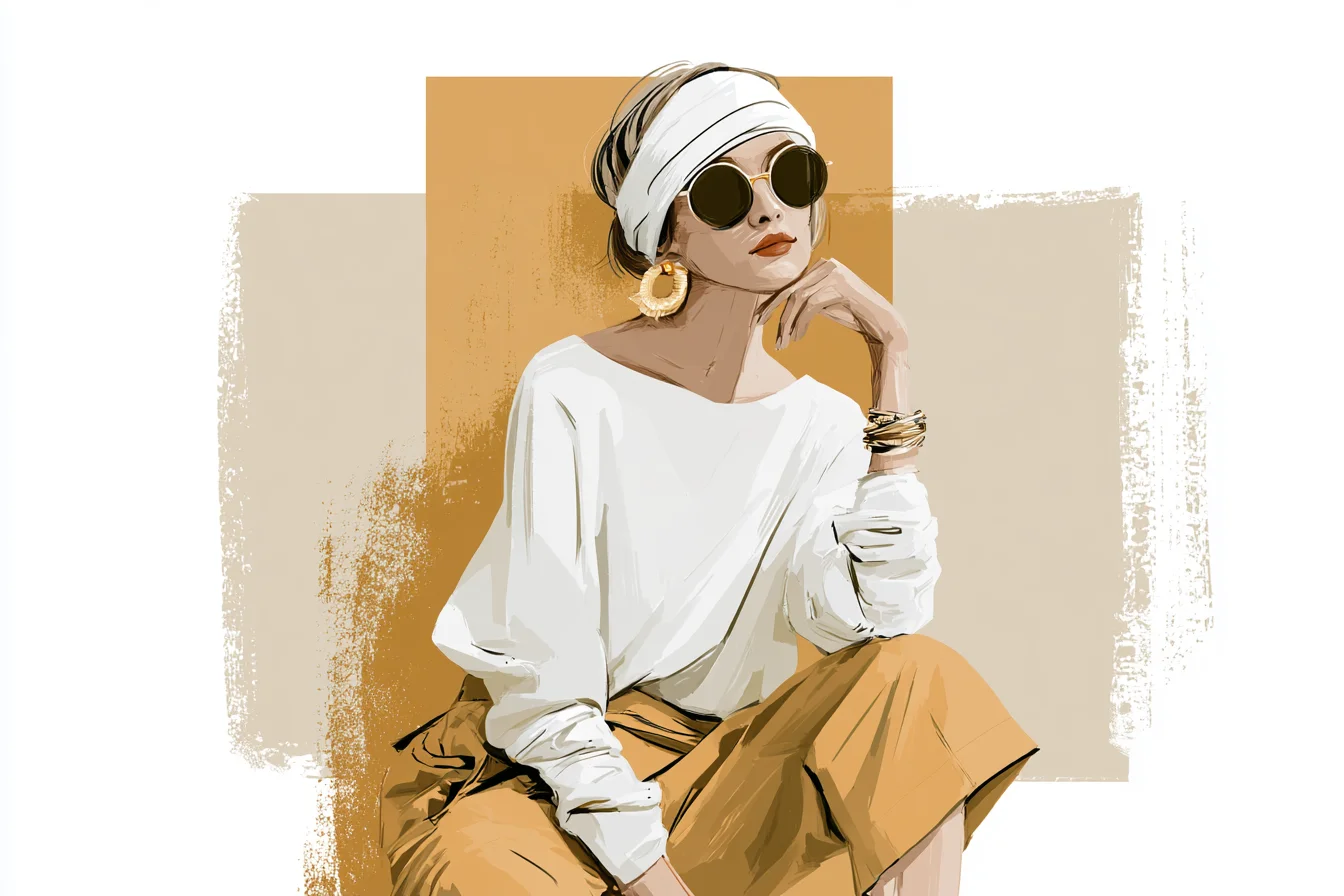
Crop it out and wear as a stand alone top?
Pair it with a blazer? Throw it under a jacket with jeans AND shorts? How you wear a basic can say just as much about your style as a crazy neon furry.cat.suit would.
Learning what looks good on your body can be life-changing. Don’t be afraid to try new things and step out of your comfort zone. You’ll find your style naturally evolves as you gain more confidence and awareness of your body.
It took me years of tossing around clothing on dressing room floors to understand this about the fashion industry. They WANT you to buy all of their clothes. All of them.
But if you know how to dress your shape, shopping will become less of a chore and more of a (carefully edited) bliss. Ok, but for real this time: Do you feel your clothes, or do your clothes feel you?