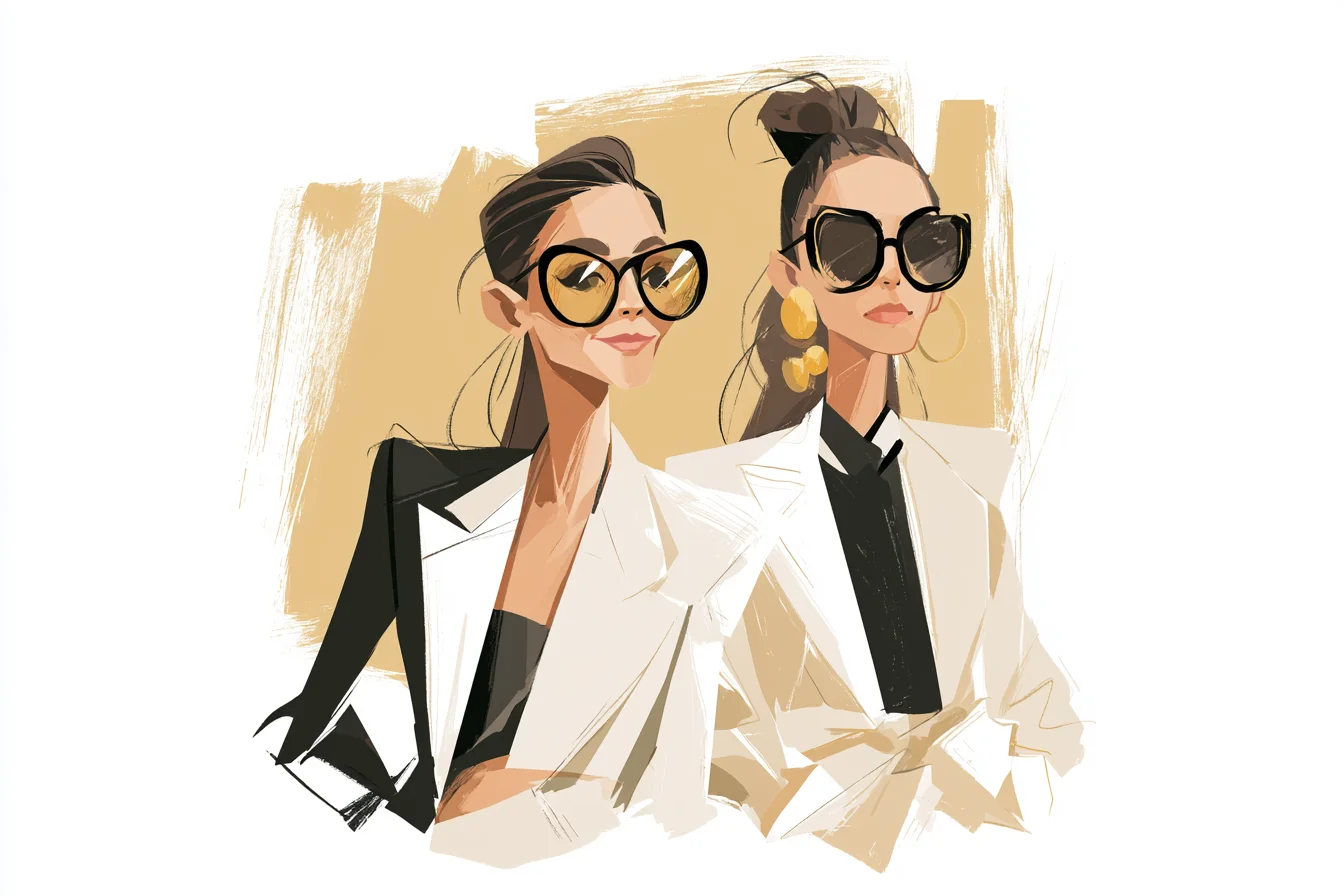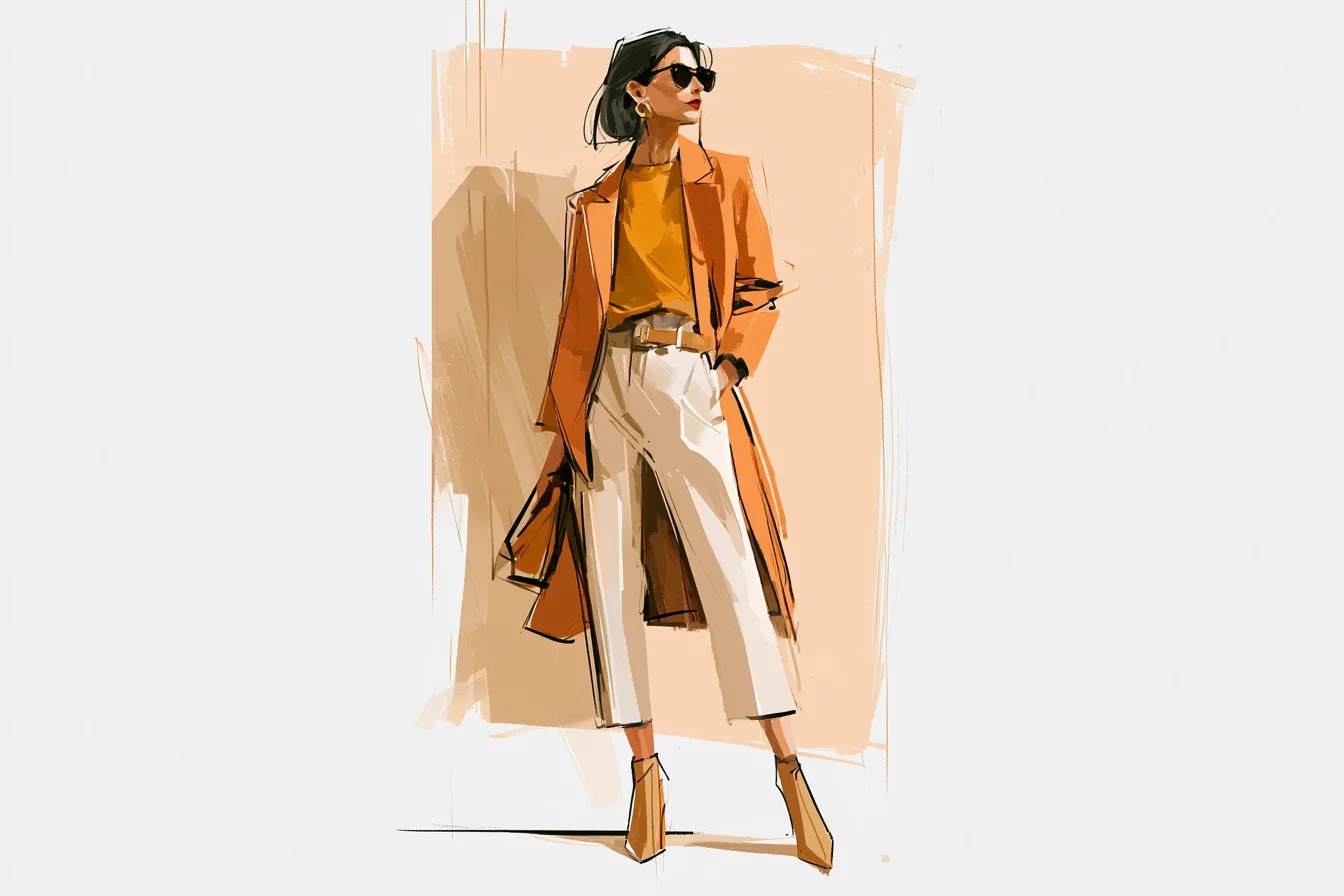
There’s something deeply flawed about the idea of “business casual.” Whenever my boss sends out a meeting invite with that word in the dress code, I want to reply, “Uhh, excuse me, Karen, but who made you the arbiter of casualness?” Because business casual is the snobby hipster of dress codes. “Normal” clothes are casual. Business isn’t casual. Business casual exists on some pretentious spectrum of Very Casual™ that nobody can ever decipher.
Each time I receive an invitation to work event specifying “business casual attire,” I stand dumbly in my closet for fifteen minutes wondering if there’s been some mistake. Earlier this year I was invited to join a panel at Columbia University to discuss sustainable fashion practices. Super excited, right?
The only problem was that the dress code was business casual. I tried on everything.
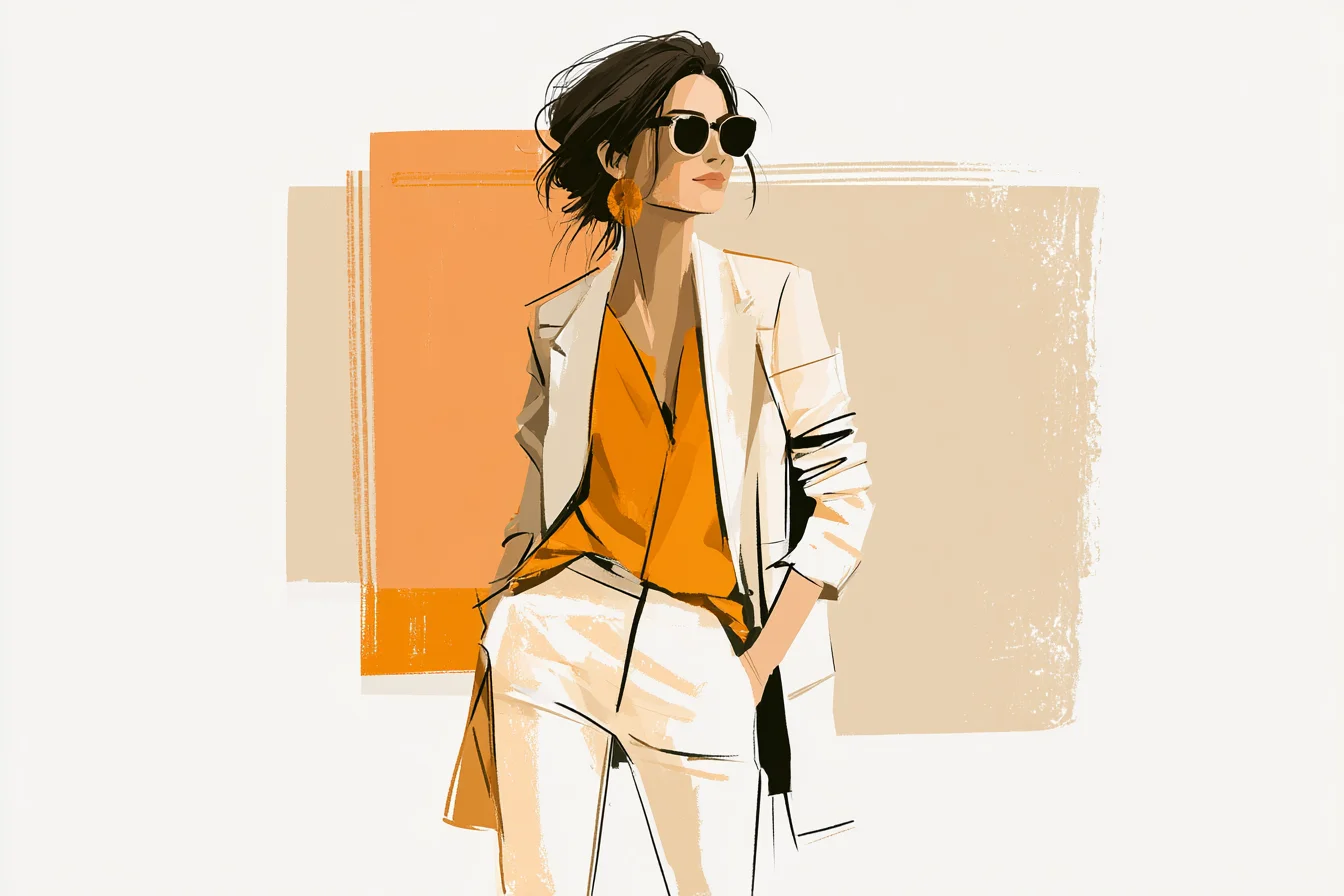
I texted my girlfriend Emma at least twenty selfies of me modeling outfits for her approval (she sent me fifteen selfies back of her dog in various costumes).
Emma’s response to one particularly dismal ensemble of brown blazer and khaki pants was simple: “Riley. No. You look like you’re about to try to sell me life insurance.” Okay, she was rude but she had a point.
Something shifted in my brain when Emma called me out on my awful outfit. Maybe I’ve been looking at business casual all wrong. Instead of trying to balance clothing too formal with clothing not formal enough (like some weirdsee your outfit teetering between Bon Appétit food editor and Hot Topic hire), what if we borrowed a framework from high school physics class and looked at business casual as a system of tension?
The outfit I ended up wearing that day, this pink and green pinstripe vest thrifted and worn as a shirt, belted with cigarette jeans and olive pointed mules I bought last winter, got me three separate compliments on my “amazing suit alternative.” Newsflash: it wasn’t a suit alternative at all, it was just a damn vest and pants. But somehow it was work-appropriate, didn’t scream “hippie barn burner,” and actually felt like me. That’s when I got really curious.
Did everyone else in the world struggle with this concept of business casual and I was just deeply, unknowingly hipster about it? I spent weeks hitting up everyone I knew with killer work wardrobes: What’s your secret? How do you do business casual?
My friend Petra, who works in brand strategy and always looks like a million bucks without trying too hard, shrugged and put on a faux leather mini skirt paired with a giant wool sweater. “There’s no secret,” she said. “Business casual is about creating tension in an outfit. One piece gives off serious business vibes. Another says casual as fuck.
Something in the middle ties everything together.” Mind = blown. Because isn’t that the opposite of what we’ve all been taught? Business casual = clothes that aren’t too stuffy or too relaxed!
Clothes that exist squarely in the middle. Clothes so boring they dare you to remember what color they are. What would happen if we stopped trying to find that mythical middle ground and intentionally paired bold business reads with loungy weekend clothes?
I decided to do some experiments of my own. Back to that vest. Vest = business.
Cigarette jeans = weekend. Pointed leather shoes = both! Ever since, I’ve been mixing it up: Vintage leather vest (business) I thrifted and wear as a top, midi skater skirt (middle? ), mom jeans (weekend); fringe leather necklace (business? ).
Button-up (business) with wide-leg linen pants that weirdly have a drawstring but I wear with low flats (weekend) and some bulky vintage chain jewelry (depends on how it’s styled, I guess? ). Hell yes I’ve received compliments whenever I wear these outfits. But more importantly, I’ve finally stopped dreading getting dressed in the morning.
Another person who does this really well is my coworker Elliott, who works in urban planning and has this theory about oversized oxford shirts. Like, way oversized. We’re talking shirts that should fit snugly but are actually billowing off his frame, worn with wool pants that look like they’ve been tailored but are actually just drawstring and his bomb-ass glasses or beautifully crafted watch.
Shirt = business. Comfort pants = casual. Accessories = tie it all together.
I started thinking about how I could make that work with pieces I actually enjoy wearing. I threw on a simple white button down (but oversized and with the sleeves rolled up – business?) with those linen pants with a drawstring I was talking about earlier (casual?) and one of the chunky vintage necklaces my mom gave me (bridgey?). Comfortable but professional.
And yet still… me. Of course, this mentality kind of forces you to break some “rules” of what we typically think business and casual attire is. It doesn’t mean you have to suit up to go to work, but you do have reject some of those pre-conceived notions of what “counts” as business wear and what falls into the casual pile.
Business Fabrics: Solid blazers Solid slacks or skirts Button ups Waist Definition Silky Fabrics Tailored Silhouettes Casual Fabrics Dark denim Loose or relaxed silhouettes Comfortable shoes Statement jewelry But clothing can be structured and still be casual! A vest can read business. A well-tailored dress can be business.
You Might Also Like
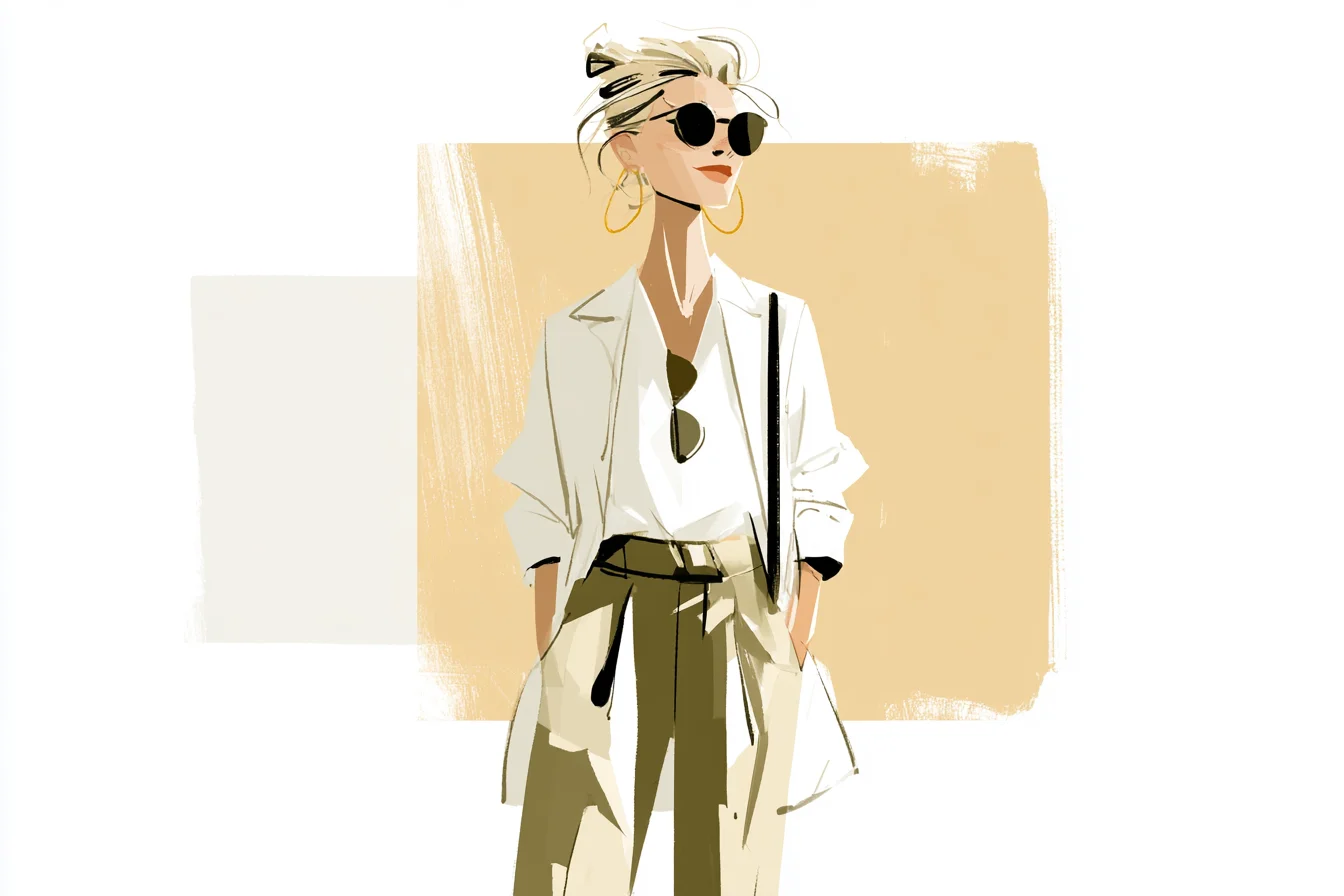
A simple button-down that fits you perfectly can be worn countless ways and still scream, “I work in an office.” Same goes for those “casual” pieces! We don’t have to default to jeans. Relaxed fit is your friend.
Comfortable shoes matter. And if it has some personality to it that you love – that wouldn’t be out of place in the corporate elevator – fucking wear it. Once I freed myself from the tyranny of trying to find “business casual” clothes and started looking at individual pieces as either more formal or more casual I started to notice something else: almost everyone I admired for their work style wore clothing that fit them exceptionally well.
Like, I don’t know these people personally to ask, but I’m assuming they don’t sleep in their dress clothes. My friend Talia, an editor who always looks incredible no matter where I see her, told me she sends nearly everything to the tailor. “I even have my casual clothes altered!” she said. “A fitted t-shirt looks more put together than an oversized blazer that doesn’t fit you.” She’s not wrong. I’ve recently started getting my jeans hemmed (I’m 5’2” so pretty much all denim needs adjustment) and pants tailored to fit me better at the sides.
My thrifted button-ups are getting taken in to fit my frame rather than squeezing into something cut for a narrow chest and broad shoulders. My blazers that I used to fear wearing because they didn’t technically fit “right” actually look great when I move because they fit my damn shoulders. Another secret to rocking business casual?
Finish your look with strong accessories. I’m not saying a bold necklace makes everything look professional, but rocking a great pair of shoes or some cool eyewear says to someone that you put thought into your outfit as a whole. Invest in the staples that fit your style: killer shoes, a leather bag, fun glasses, unique jewelry.
Hell, a fun belt if that’s your jam. Lately I’ve been playing around with some different silhouettes using this framework. A basic sweater and trousers could be really boring but add some badass silver earrings from my fav local artist and BAM!
Instant style statement. Or the shirt dress trick I talked about earlier (wear a dress unbuttoned over jeans and a simple tank top) but throw on a really good belt to pull the whole outfit together. Point is, there’s more freedom here than you might think.
Business casual is restrictive because we’ve put rules around what “counts” as business-y vs weekend-ready clothing. But once you flip that on its head and start thinking about individual garments as more formal or less formal you realize there are endless possibilities for mixing and matching. I’ve even been rocking vests under everything lately.
Because they’re the perfect way to add structure and business zest to an otherwise casual outfit. Pair a knit vest with a simple tee and wide leg khakis and loafers for a look that feels pulled together but incredibly comfortable. Throw a pinstripe vest over a vintage band tee and midi skirt for some serious contrast between a completely structured piece and one that’s slept in a bunch.
Oh and the beauty of this method? You don’t need to buy a single thing to nail business casual. Since you’re thinking about your weekend clothes as potential business attire vice versa, you end up wearing a lot of things you already own but in new ways.
I mostly wear my weekend clothes to work now I just style them differently. Love that vintage tee? Throw a blazer or vest on over it.
Cool jeans that you love but are too worn or distressed to ever wear to the office? Throw them on with a fitted top and fun shoes. Business casual has always defeated me because, let’s face it, nobody teaches us to think about clothing as a visual language.
But that’s what we do when we get dressed. We’re communicating with the world through textures, colors, silhouettes. Tell someone you work in an office AND you have taste by mastering the art of business casual dressing.
Last Friday I wore a loose grey cashmere sweater (obviously from Goodwill), slouchy black trousers, and a pair of huge leather loafers I found at Target. Added some architectural silver jewelry for kicks. Simple!
Super comfortable!
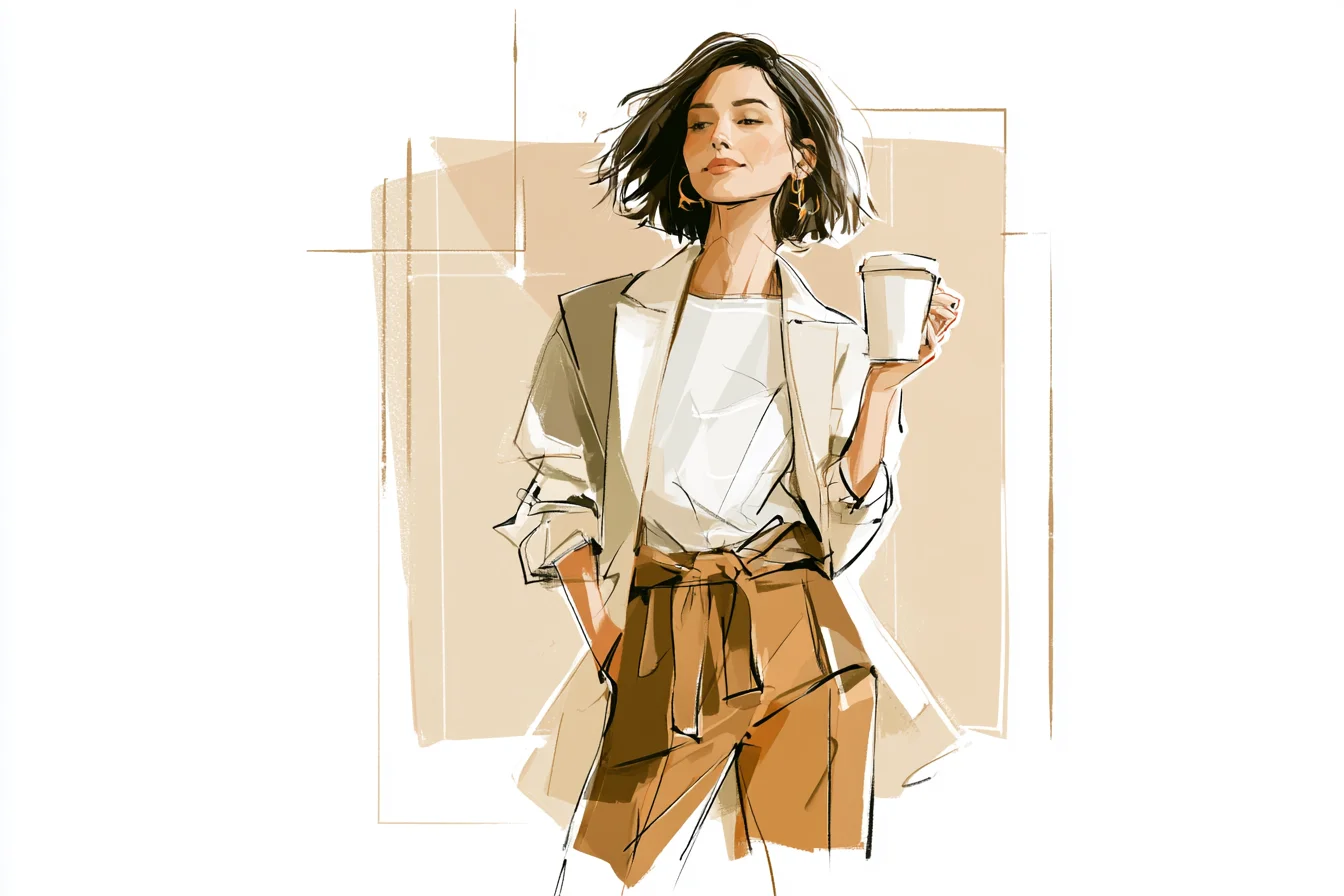
But the proportions of the sweater and loafers along with the statement jewelry say, “I put some thought into what I’m wearing today.” Positive comments from my boss AND my barista? Business casual GOLD.
The best part about conquering business casual? I actually look forward to getting dressed in the mornings now. Instead of staring hopelessly into my closet wondering why the fuck anyone thought “business casual” could ever be a useful descriptor for an article of clothing, I get to play with patterns and colors and styles and figure out how to make my unique style work for the workplace.
It’s a fun puzzle to solve. And who knows? Studies have actually shown that when we dress to be both appropriate for the workplace but with some flair, we’re seen as more competent by our peers.
Score one for personality! Because when you think about it, dressing boldly (but appropriately) tells people you know how to think outside the box with your wardrobe. Who’s going to assume you can do the same at your job?