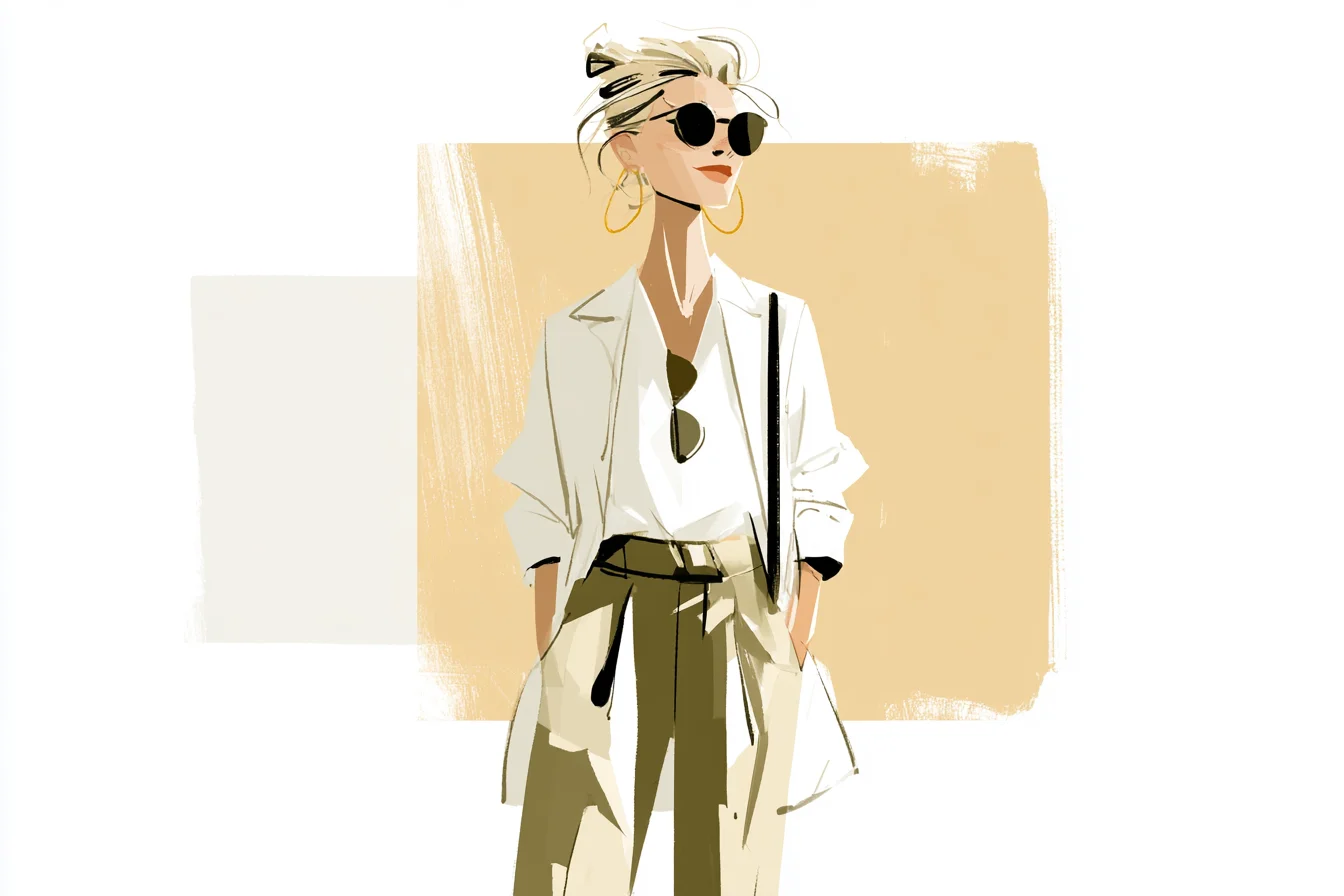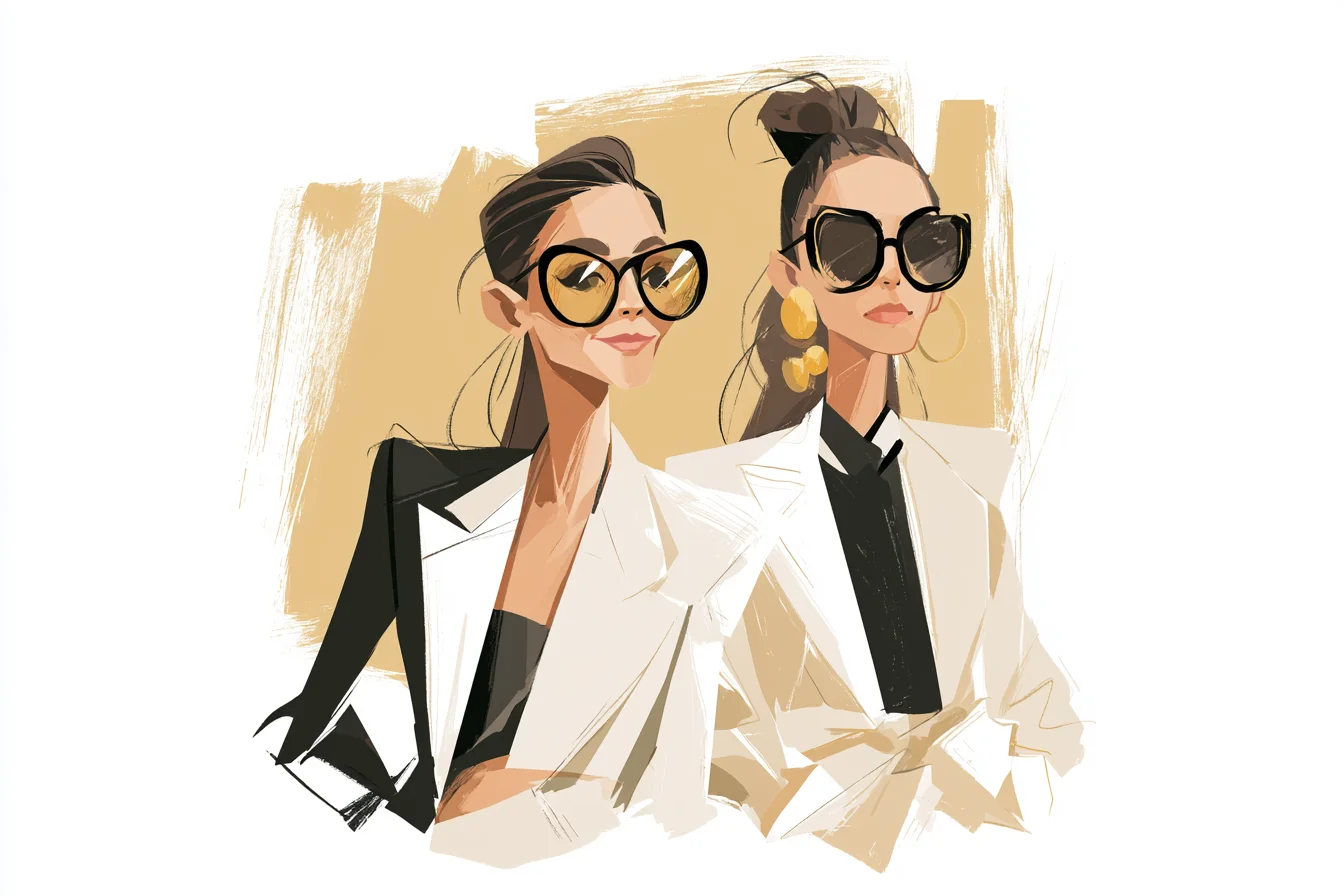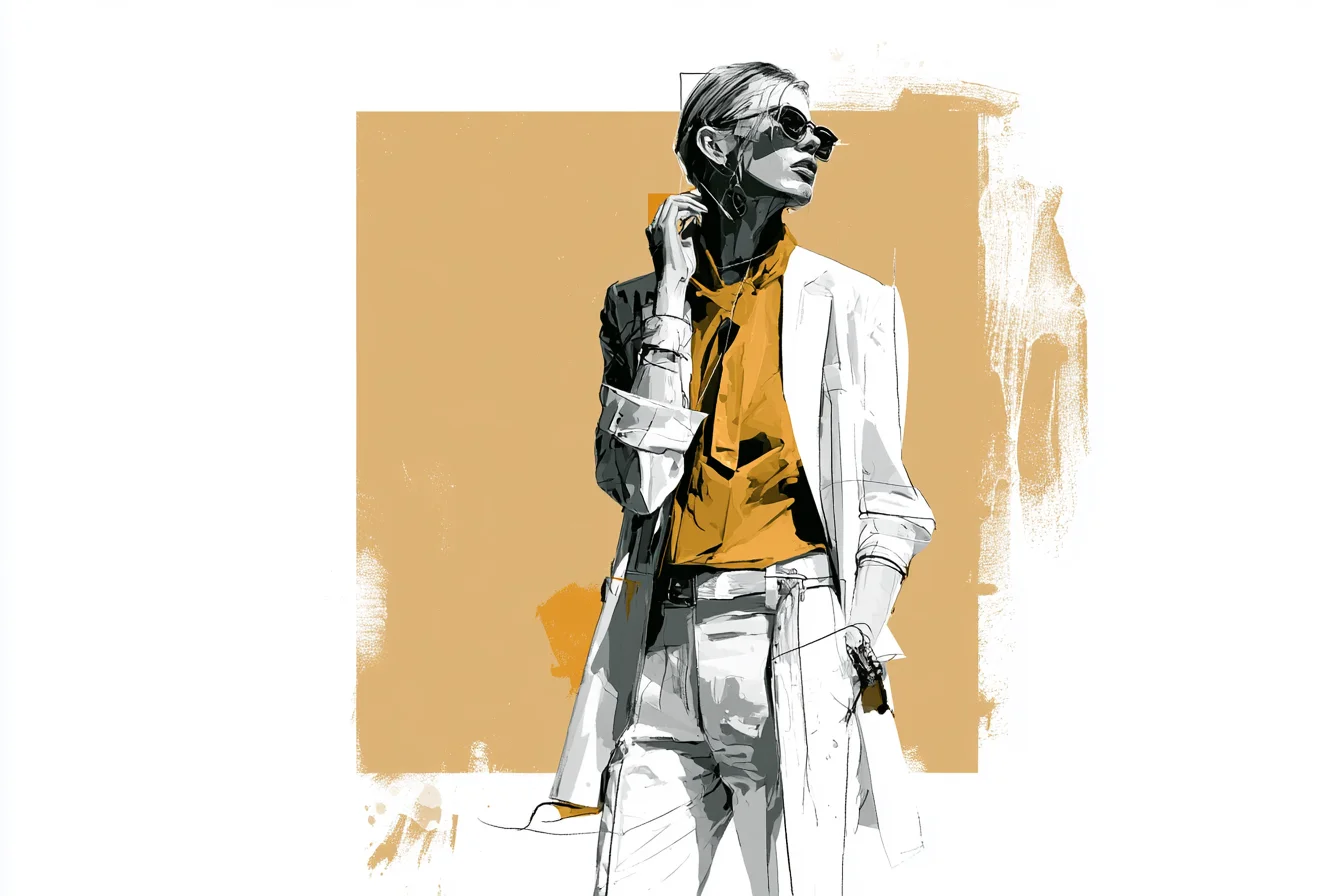
Last Tuesday morning I experienced what I’ve come to think of as a “fashion dissociative episode.” It was 7: 45 a.m. and I had a 9:00 meeting with an advertiser. My feet were planted in front of my closet, staring into its abyss of impossibility. How was I supposed to pick one outfit to wear when a prairie dress hung next to low-rise cargo pants.
An oversize blazer touched hangers with a baby tee made of tulle. Balletcore Mary Janes lined the shelf next to dad sneakers so bulbous they probably trigger my orthopedist’s blood pressure. “What the actual hell is going on in fashion right now?” I texted my friend Emma. She lives on the East Coast, so it was guaranteed she’d be up at this hour too, scrolling through Instagram and wondering the same thing about what to wear. “I can’t keep up with what looks current anymore.” “I have no idea either,” she replied back. “Wear whatever.
All trends are in and all trends are out.” She’s absolutely right. And I’m not alone in feeling this way.
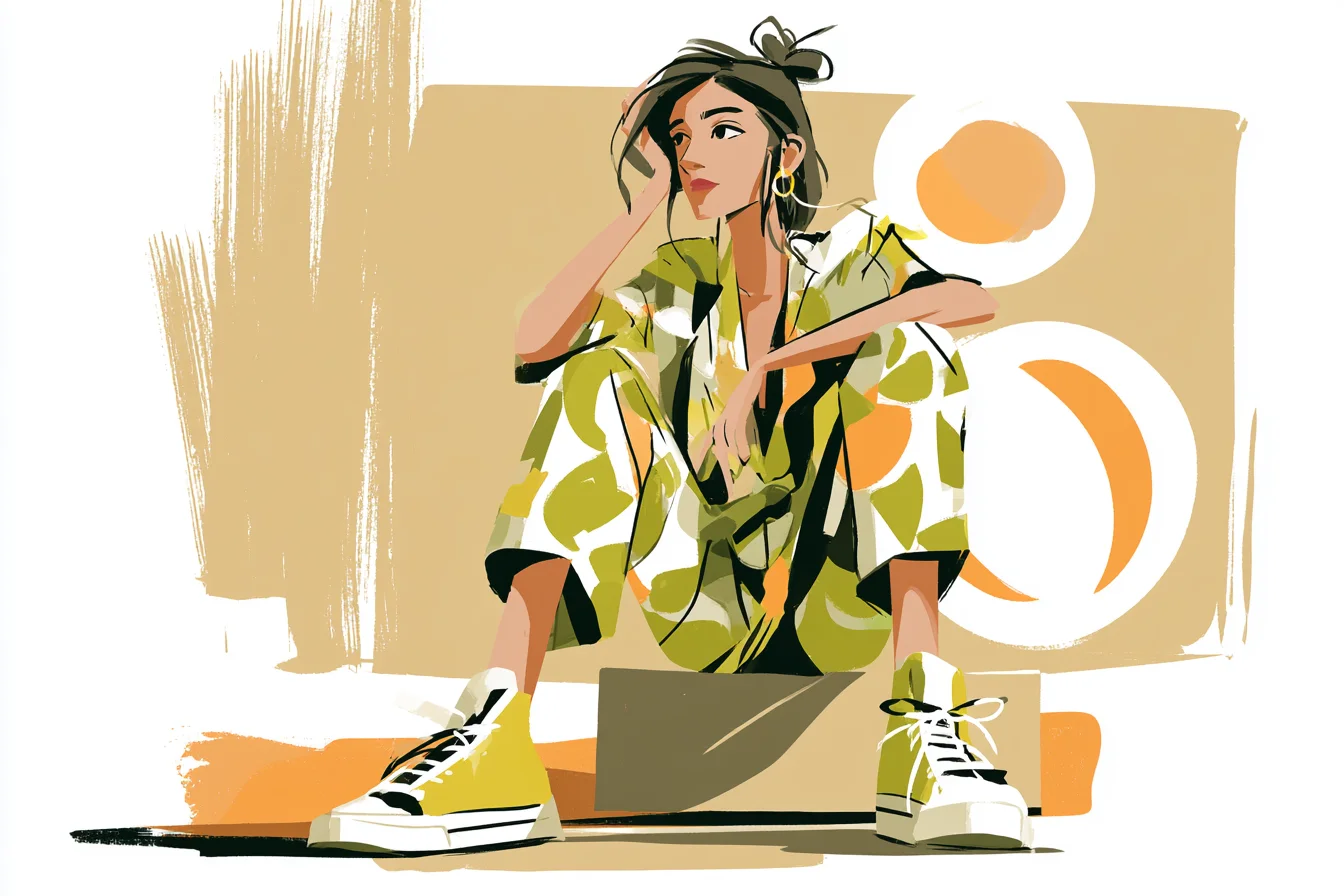
I’ve spoken with stylists, designers, buyers, and editors who can’t stop talking about how weird it is right now to get dressed because we’ve never had access to so many splintered trends all happening at once.
Clothing that falls under contradictory aesthetics are somehow all being perceived as “fashion.” Think about it: How is it possible that Y2K butterfly tops, ’90s-core, ’80s power shoulders, cottagecore baby dresses, futuristic hologram clothes, and crochet stole the collective fashion crown all in the same month? We aren’t talking subtle variations on an overarching silhouette. We’re talking completely different fashion ideologies living in parallel dimensions—all screaming loudest at you from the current moment.
Take Fashion Week last season for example, when I stood outside Spring Studios during New York Fashion Week and watched a literal circus of street style enthusiasts pass before my eyes. Within a 20-foot radius: three women wearing bodysuits and ballet skirts, two teens in throwback 1997 pile-ons, another person wearing all ravewear with platform boots, and finally, an influencer who looked like she squeezed herself inside her grandmother’s tablecloth and called it a dress. None of them stuck out as too “much.” In fact, none of them looked “out.” Because they all look(ed) incredible. “We are definitely in new territory,” Simone said to me over coffee when I ambush-y cornered her at the office water cooler to bounce my theory off of her.
Simone is our resident genius of all things fashion, so when she confirms that yes, fashion itself has changed, you know it’s real. “Back in previous decades, even when there were myriad trends happening at one time, there was usually one silhouette—some agreed upon ratio of tight-and-loose—that dominated and helped to identify the ‘moment.’ Now we’re in silhouette anarchy.” She waved her hand at the Style Compass USA office in general. Look around! It’s happening right this second: our merchandising editors rocking minimalist column dresses, my social media manager decked out in full-on Y2K chaos, our market editors taking cues from Japanese workwear-inspired silhouettes.
We all look like we’re dressing for the season—but we’re not dressing the same. Fashion folk will surely give this period in fashion history a cute name. But since I can’t wait around for that, I’m dubbing this current moment: The Post-Fashion Era.
By post-fashion I don’t mean that fashion is dead. Far from it. I mean that while the trend machine may still be churning out endless seasons and “must-have” shopping lists, no one is listening to it like we used to.
So how did we end up here? Allow me to theorize. First, media is no longer centralized.
Gone are the days when six major magazines and retailers got to decide each season what we “needed to buy.” There’s no symbiotic trend report telling us all what to wear. That power has been broken up into millions of small-culture-influencers feeding their own aesthetics tribes. I used to be able to attend five runway shows and feel confident I understood the industry’s direction for the upcoming season.
Now I can watch 50 shows and leave feeling more confused than when I started. Add an algorithm to the mix, and everyone’s bubble gets more inflated. Feed your Instagram with cottagecore and TikTok might feed you 100% cottagecore related content, while your roommate’s feed is inundated with cottagecore alternative: coastal grandmother.
And your coworker? Bloody algorithms. They’re swimming in balletcore and think it’s what everyone on Earth is talking about.
Anyone’s feed can look totally different from the next and everyone thinks they’re seeing the majority of what’s trending. “It feels like we don’t even speak the same fashion language anymore,” Emma lamented over brunch earlier this month. “I was literally in a meeting today where someone said skinny jeans were SO out, and then I stepped outside and see three effortlessly stylish women wearing skinny jeans with giant shoulder-pad blazers. Who’s winning?” No one, my friend. No one.
Last is seasonality. We used to have the start and end of every fashion season to keep us grounded in some semblance of fashion reality. Now F/W and S/S collections are being further accelerated and distilled into crazy quick drops, capsules, birthday collaborations.
Fast fashion brands are putting out new product weekly, not seasonally. There is no rhythm, and as a result everything feels like it’s happening all at once. “Remember when Netflix killed the idea of “what’s popular” when it came to TV and movies?” my boyfriend Ryan said to me the other day, watching me frantically try on four different outfits before we had plans to go out for dinner. “With music streaming, everything from every decade is instantly accessible to everyone all the time. So when you have all of these sounds fighting for your attention AND you have zero need to wait for that shelf at Target to restock…there’s no mainstream.
Everyone’s living in their own world of songs, and no one is sharing their playlists anymore.” Ryan works in music and considers himself to have absolutely no fashion knowledge (but God knows he has opinions about what I wear). But his words have been rattling around in my head for weeks. Then, of course, there was the pandemic.
Two years of being at home ruined whatever collective fashion consciousness we still had left. Come 2021, we all stumbled back into the real world unsure of how to dress ourselves. Sure, we knew plenty of “stuff” was still in, but what were we supposed to wear now?
Tie-dye? Vintage bandeau tanks? Hawaiian shirts?
Jeans?? During quarantine, we bought everything. So why not wear everything?
You Might Also Like
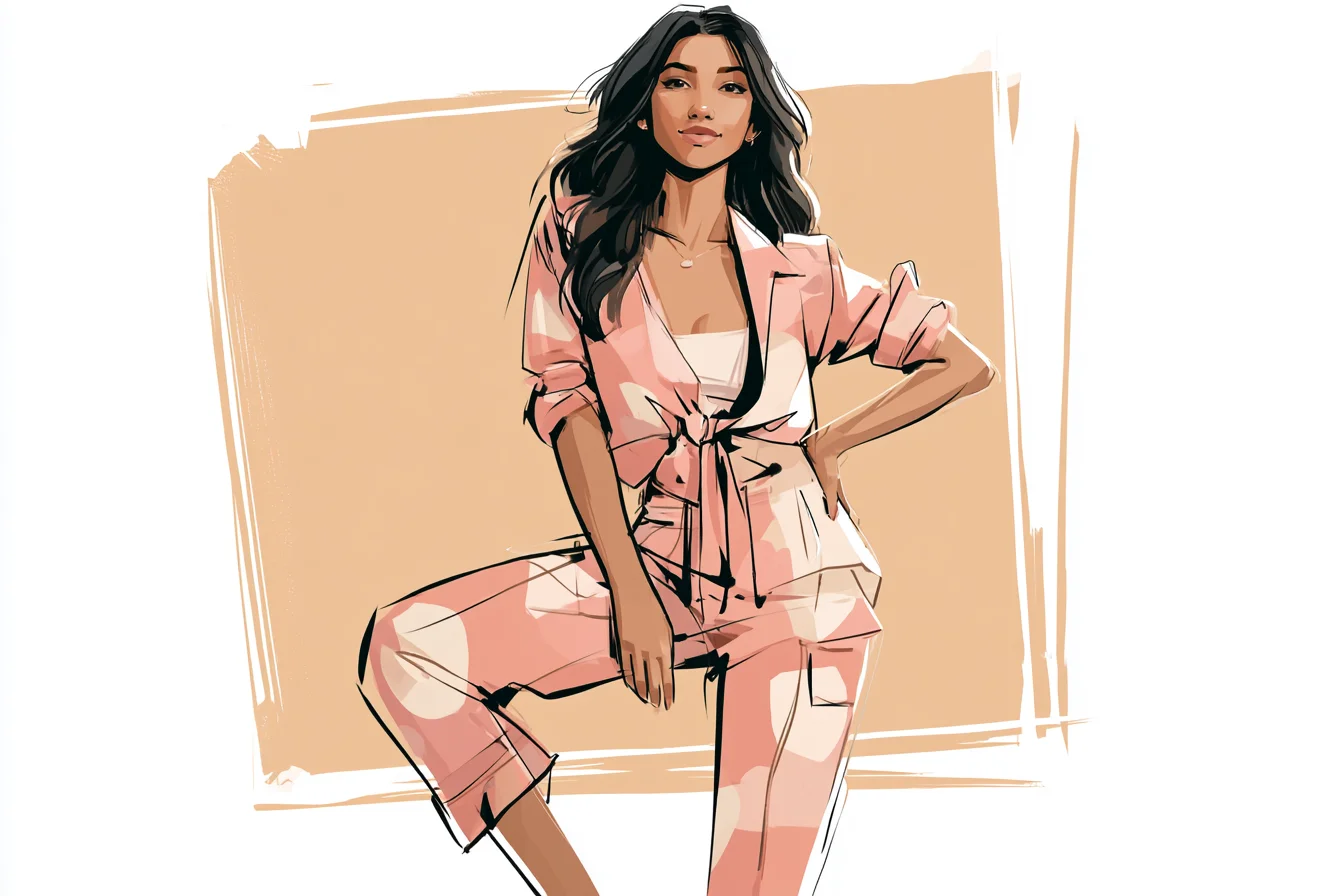
And while we’re on the subject of buying less: have you noticed how no one wants to keep up with trends the way we used to? Personally, I find myself leaning into a more developed sense of personal style, rather than blindly chasing shopping lists at the start of each season. Vintage shops and thrifting are more popular than ever, upcycling is having a moment, we’re all shopping our closets more often than browsing NewLook.com.
Point is, we’re not letting seasons dictate our wardrobe the way we used to and our trouser lengths are all over the place as a result. I sat down with Tyler, a 24-year-old design assistant who works at one of America’s largest fashion brands, to talk about what it’s like for the younger generation shopping in this wild world we’ve created. He is smart, likable, and most importantly: not ashamed to wear everything at once—which is exactly what he told me he does. “I feel like my generation doesn’t really buy into things being ‘in’ or ‘out,’” Tyler said, wearing what I can only describe as a sartorial scrapbook of decades past. “We don’t believe in that concept.
To me, that’s some trend-chasing millennial bullshit. I just wear whatever.” My entire worldview was questioned as he spoke. “I also think the way we consume fashion in general is totally different,” he continued. “My roommate majors in apparel design, and she could not care less about fashion. She hates shopping.
She only wears things that are ten years old, because to her, that’s what’s trendy.” My brain exploded. A quick convo with the brand strategists I consult with affirmed what I’ve been feeling. “We used to be able to identify consumer cohorts and predict apparel preferences based on demographics,” said Mia Kang, consumer insights director at luxury goods conglomerate LVMH, during a panel I moderated last week. “Now we’re seeing completely opposing aesthetics/styles adopted by the same groups. It doesn’t make any logical sense.” Think about how mad that makes shopping actually become.
Retailers can’t predict what shoppers want because we have no idea what we want! Designers can’t possibly keep up with rapidly evolving trends to feed those wants. Editors like myself can’t scour the globe for the hottest looks and drop truth bombs about what’s “in” and “out” for fear of getting called out on Instagram by an alien wearing Cottagecore Dave all up in our mentions.
Which brings me to my final theory: Remember when red carpets used to tell us what’s hot or not? Gone are the days when you could scan the TCL Theater and breathe a collective sigh of relief because, goodness, everyone looked fantastic and we clearly agreed on what “good” dressing looked like. Now our favorite celebrities show up looking like a Steet Style Fellows cosplay leaderboard.
Look at any major awards show from the past year and you’ll spot column dresses standing directly next to bumper pattern shirts. You’ll see high necks hanging out with deep plunging necklines. You’ll notice vintage embellished gowns flying down the runway right next to head-to-toe metallic bodiesuits that look like they’re from the future.
Scroll through the “best dressed” lists and you’ll praiseWomen proudly rocking Joan Crawford-worthy shoulders alongside Tomboy Spring 2023 ess-readymoments later.) Ok. So how the hell do you “get dressed” in the post-fashion era? Good question!
Me and my team of amateur psychiatrists have been working on it. And as we (don’t) try to wrap our brains around this new fashion truth, I’ve developed some ground rules to get me through each chaotic morning. Follow along as I offer tips on how to exist as a normie human wearing clothes right now—because trust me, it’s a lot.
Commit to your aesthetics. My first step is one I like to call aesthetic stocktaking. If you try to keep up with every outfit “micro-trend” coming at you from every direction, you will absolutely wear yourself out.
The key is picking a lane and running with it. That doesn’t mean boring, uniform dressing. But it does mean developing—and trusting—a sense of style you can use as a barometer when building your outfits.
Something to filter out the noise. Dress with less judgment. News flash: If you pair a delicate slip dress with jeans and wear sneakers on one foot and loafer on the other, no one is going to die.
Hell, I did it this very morning and couldn’t even decipher for myself which shoe looked more “current.” Let’s just embrace the weirdness for now and accept that there are no wrong answers. Or, at least, try. Listen to your instincts.
This should’ve been my original point. How does that dress make you feel? Why do you want to wear that hat?
Listen to your gut more than you listen to what the fashion magazines are telling you to buy. Trust me, I know how ironic that sounds right now.
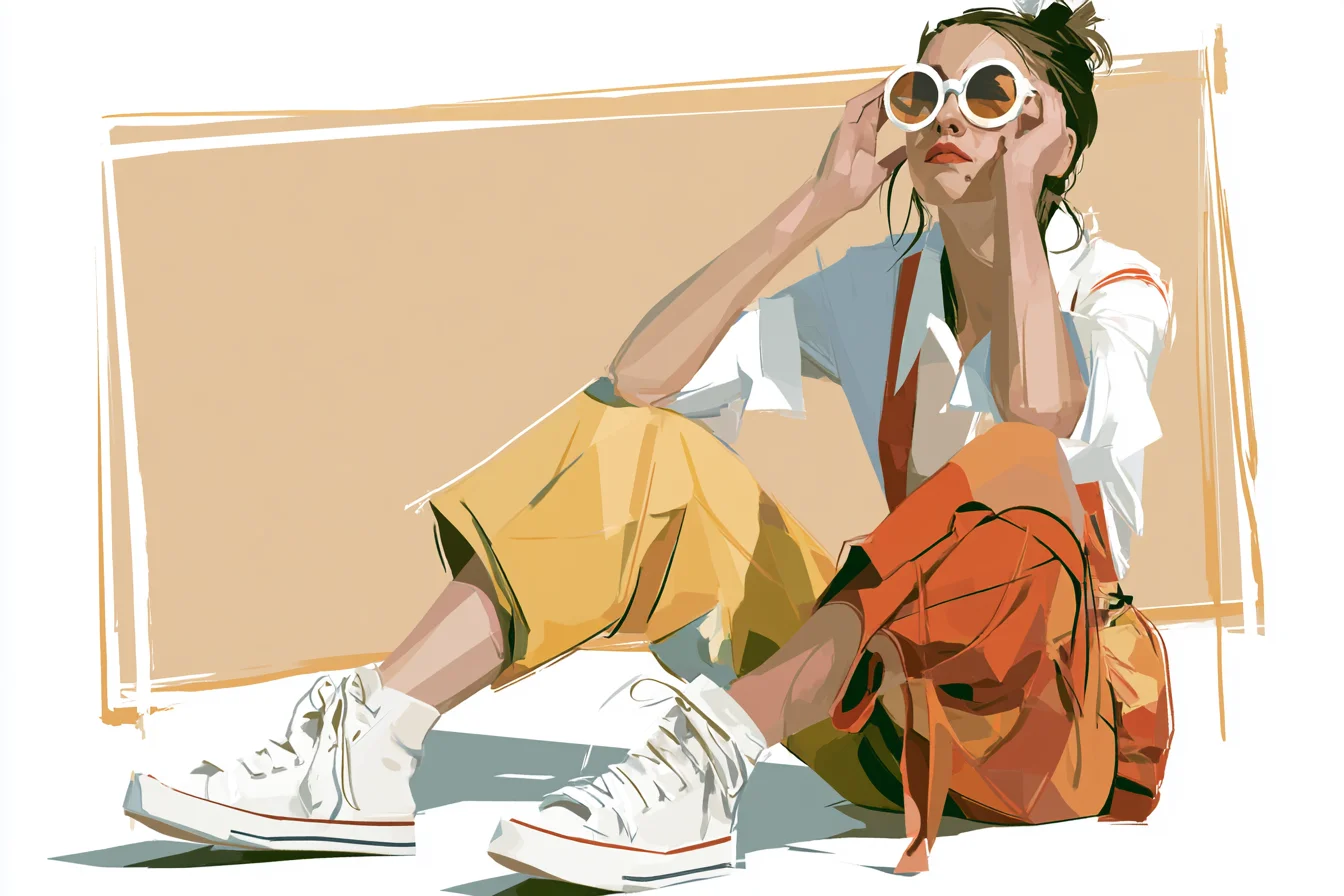
But hear me out: We’ve been trained our whole lives to look at other people for style cues.
Maybe it’s time we start looking inward. For the industry professionals reading this: We have work to do. If you’re a stylist, buyer, designer, editor, influencer or in any way have sway over the way we think about clothes…we need to change how we’re talking about trends.
The era of tweeting “WHERE TO SHOP HIGH WRIST” lists and “boogery sweater weather” boards is coming to an abrupt end. Instead of determining what’s “in style” and what’s not, we need to pivot to more contextual conversations around clothes, because clearly one size does not fit all anymore. We have to accept that there is no one fashion “moment” we’re all collectively living in right now.
But multiple. “I don’t think fashion has died, I think the idea of a unified fashion moment has died,” Simone said to me on our latest team meeting. “We need to stop talking about fashion and start talking about fashions.” Yep. She’s right again. TLDR; Getting dressed isn’t easy these days and it might never go back to “normal.” But as overwhelming as this may sound, there is freedom in realizing that no one is listening to you (or me) for fashion advice anymore.
The post-fashion era has granted us the ability to curate a real, authentic relationship with clothing. So go out there, wear whatever you want, and dress for yourself.