
“That’s just not true, the whole decade was mini skirts,” said a guy at a dinner party last month, with the specific confidence of someone who has watched exactly one episode of a show set in 1974 and now considers himself a primary source. I’d had one glass of wine and a mild professional grudge against sweeping generalizations, so I pushed back, and we spent a genuinely absurd amount of time arguing about hemlines while everyone else at the table talked about literally anything else. He wasn’t wrong, exactly. He also wasn’t right in the way he thought he was, which is the actual interesting part of this question and the part nobody settles in one sentence.
Here’s my honest position, arrived at after that dinner sent me down a rabbit hole of old catalog scans at midnight like a woman possessed: mini skirts were absolutely a thing in the 70s, they just weren’t the defining thing, and treating them as the decade’s signature look flattens what was actually a much messier, more interesting fight over hemline length that the mini did not win outright. It won some early rounds.
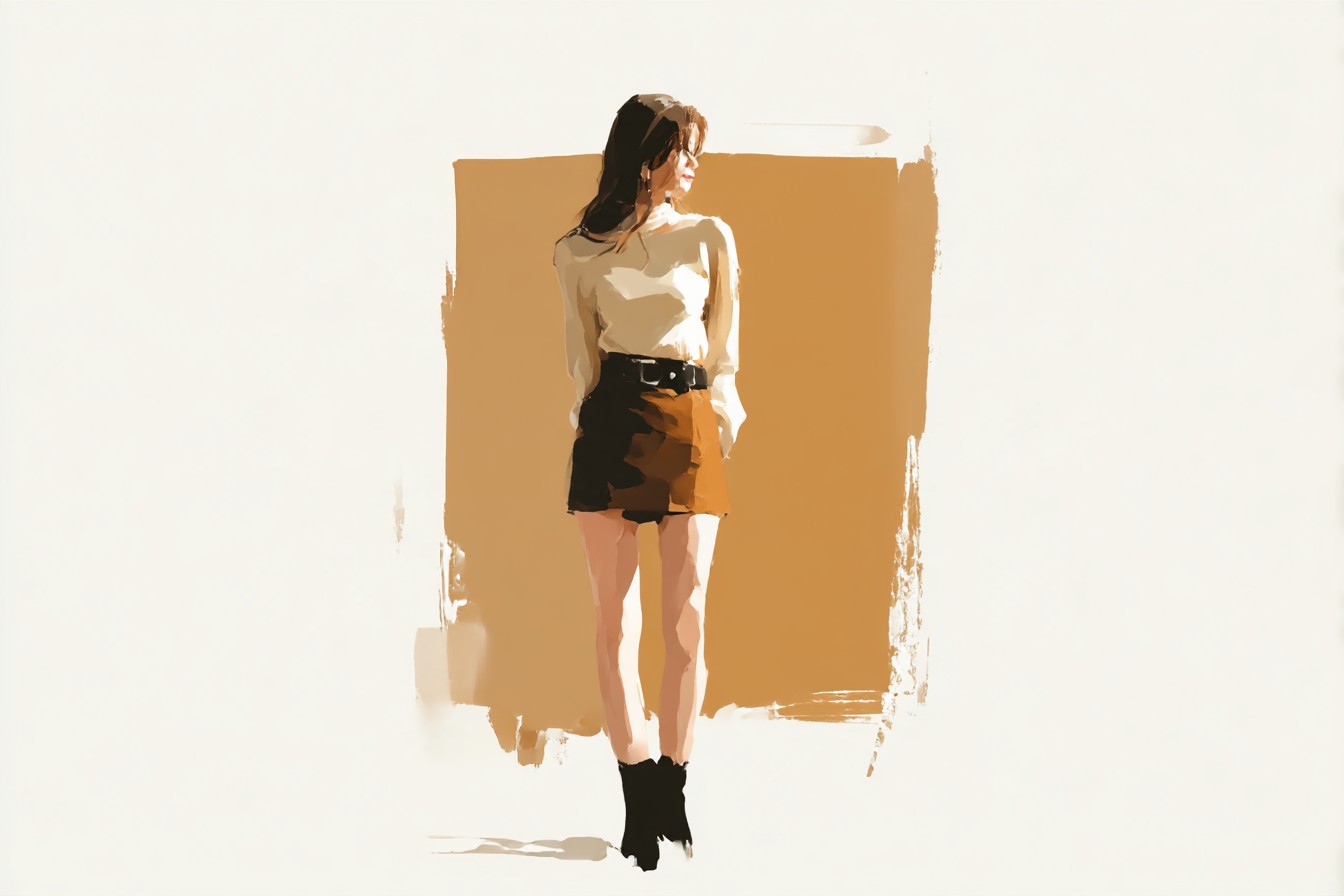
Then it got beaten up pretty badly by two other contenders, and most people skip that part because it’s less quotable than “the 70s were mini skirts.”
The Mini Was Late To Its Own Decade
The thing my dinner party opponent conveniently forgot is that the mini skirt’s real cultural peak was the mid to late 60s, not the 70s. By the time the 70s actually started, the mini had already had its moment, its backlash, and its first attempt at a comeback, all before disco even existed as a genre anyone had heard of. What happened in the early 70s was less “everyone kept wearing minis” and more “the fashion industry tried to figure out what came next,” and for a hot minute the answer was maxi skirts and midi lengths, which caused an actual documented panic among retailers because women, reasonably, didn’t want to be told overnight that the length they’d just bought into was suddenly wrong. That’s not a footnote, that’s the headline of early 70s hemline history, and it gets erased every time someone reduces the whole decade to one silhouette.
You Might Also Like

What actually happened next is the part I find genuinely more interesting than the mini itself: length became optional in a way it hadn’t really been before, which sounds obvious now but was a real shift then. You had mini, midi, and maxi coexisting in the same stores, sometimes the same catalog spread, and which one you wore said something about which subculture you were signaling toward, disco versus folk revival versus whatever the boho crowd was doing with their floor length skirts and platform boots. The mini absolutely stuck around through this, it didn’t vanish, but it was sharing shelf space with two other lengths that had just as much claim to defining the decade’s actual silhouette. I think the reason it gets remembered as THE 70s look is that it photographs well and it’s shorthand, one image does the work of explaining a decade to someone scrolling past, and shorthand always wins the popular memory game even when it loses the accuracy one.
Disco Did More Work Than Nostalgia Gives It Credit For
If you want to actually understand why mini skirts get credited with the whole decade, you have to look at what happened in the back half of it, because disco culture did more to cement the mini’s reputation than the first five years of the 70s combined. Studio 54 era dressing, the whole nightlife aesthetic that gets used as the visual reference for “the 70s” in basically every retrospective, leaned hard into short, body skimming silhouettes because they moved well under lights and worked on a dance floor in a way a maxi skirt physically could not. That’s a real, practical reason the mini got a second life late in the decade, it wasn’t nostalgia for the 60s version, it was a functional garment for a specific kind of night that happened to get photographed obsessively and then became the entire visual shorthand for an era that had actually spent most of its runtime doing something different during the day.

And that’s the split I think gets lost completely: daytime and evening 70s dressing were not the same conversation. During the day, especially by mid decade, midi skirts had genuinely serious market share, paired with boots, worn to actual jobs by actual women who were not interested in showing that much leg to get through a Tuesday. The mini’s nighttime disco association is so strong in retrospect that it’s swallowed the daytime record almost entirely, which I think is a little bit unfair to every woman who spent 1975 in a midi skirt and knee high boots and gets photoshopped out of the cultural memory because it doesn’t fit the disco ball narrative as cleanly.
I’ll admit my dinner party opponent had a point buried in there somewhere, even if I wasn’t going to concede it out loud over the tiramisu: the mini skirt is the length that survived the decade with the most cultural staying power, the one that kept resurfacing in the 80s and 90s and again now, so it makes sense it’s the one people remember as THE look. But popularity of memory and popularity of actual wardrobes during the actual years are two different measurements, and conflating them is exactly the kind of thing that turns a genuinely nuanced fashion history into a lazy one liner. The 70s were a decade where hemline length was up for genuine debate, where three different lengths coexisted and each one had its moment and its audience, and the mini was one strong contender in that fight rather than the uncontested winner everyone at that table seemed to think it was. Give the midi and the maxi their due. The mini did plenty of work in the 70s, it just didn’t do all of it, and I’ll keep arguing that at dinner parties for as long as people keep bringing it up wrong.


