Last spring, I was nursing an iced coffee in my local café near Marylebone. People-watching; as one does; when I overheard a conversation between two twentysomething women sitting at the next table. One of them was talking about a recent job interview she hadn’t got: “I felt so stupid in that bloody suit on,” she groaned. “Like I was still wearing my mum’s clothes.” Her friend sympathised: “Oh I know what you mean, I felt like a fraud at my old firm for ages.
Took me ages to learn how to dress like myself but still look smart.” Needless to say, this conversation has haunted me ever since. While I love the idea of feeling like myself at work, I still find mornings stressful rushing around getting ready, half-convinced that everyone else arrives at the office feeling bang-smart in their cute work clothes, while I stumble out of the tube covered in grit looking like I slept in my clothes. I’ve never been what you’d call “dexterous” with clothes.
My first office-job after university – in which I spent three days a week pounding it out in traffic to Mayfair – saw me turning up on day one wearing a cheap black suit from Next I’d bought on impulse the day before and heels with THREE-inch heels that made walking to the station hurt by lunchtime. I looked like I’d raided my boyfriend’s wardrobe and played “office worker” in dressing up clothes.
I felt like death.
Fast-forward seven years, way too many clothes-based embarrassments (hello split trousers during a client meeting), and one Magnificent Dressing Roulette moment later and I can finally tick “dress like a smart-ass badass you” off my bucket list.
Honestly, I’m kind of shocked it’s taken me this long to learn how to dress smart for work. It’s not that I’ve suddenly become lazier about clothes, in fact quite the opposite: I blame experience.
I’ve made every stupid mistake involving clothing and work you can think of so now it’s time I shared what I know. First off, no fabulous-working wardrobe started without the basics done right. And when I say “basics,” I mean staples that fit your body.
Not what you think looks right in the fluorescent lighting of a changing room whilst jumping from side to side in front of the mirror. It took years of wearing ill-fitting trousers too small for me because I was “too skinny to be an XL” to realise that clothes should actually FIT. Buy trousers that fit you properly, that aren’tsee-through, don’t pinch or hurt in any way, and actually allow you to breathe throughout the day.
Thank me later. Once I started doing this, I also realised my clo<PASSWORD>-based woes weren’t going away until I visited a proper tailor. Ask any of my friends, I am not remotely fashionable.
I was dragged along to one in Soho by my best friend Emma years ago who took precise measurements of my entire body and showed me how trousers should actually fit me. Tip: Get Yourself Tailored A pair of well fitting trousers you can sit down in comfortably (ground-breaking, I know) are the foundation of your working wardrobe. Look for a slim-leg or straight style with a bit of stretch that won’t bag at the knees by the end of the day.
I prefer mid-rise trousers personally as they seem to universally flatter most people and are comfortable to sit in all day. Spend more money here than you think you need to. I’ve had my Joules navy wool blend trousers for FOUR YEARS and at £120 are STILL going strong compared to the £30 ones I used to buy every few months that quickly lost their shape/developed fug in embarrassing places.
Remember that different brands will cut their clothes differently, so don’t worry about a specific size. I’m generally a size 10-14 depending on where I shop, it took me a long time to stop caring about what size my trousers were and just focus on fit. Look for a pair that sits smoothly across your hips and thighs without pulling, allow you to sit comfortably, and finishes at the most flattering place on your ankle/shoe.
Nice blouses and tops are equally important; yours shouldn’t gape at the buttons, pull across your bust/shoulders or puff down around your waist. Safety-pinning the top of every button-front blouse so it doesn’t expose a mile of thigh when you sit down is embarrassing enough, but then having to explain to your boss why there’s a beige stain ringed by safety pins under your blouse WHILE lecturing you about wet paint is worse. I used to attempt to make every blouse and shirt work, employing trouser shields, safety pins and black garments foundation to make things work.
Take it from me, if it doesn’t fit, don’t make it fit. I finally accepted that some styles will never look good on me and that’s OK. Instead, stock up on silk and high-quality polyester blouse and tops in SHELL and TUNIC styles that skim across your body rather than cling.
A crisp white blouse is a must. But go one step further: invest in tops you love in neutral colours as well as a couple of statement shades that suit your skin tone. I stick to ivory, navy, black, grey, dusty rose, forest green and the kind of blue my ex-colleague once told me made me look “alarmingly competent.” LMK if you want that blue top.
Silky fabrics can also look expensive under bright lights. Natural fabrics are ideal, but techy breathable fabrics are your friend here too. I learnt this the hard way when wearing a cheap synthetic top to an important presentation on one of the hottest days of summer.
Half-way through a crucial meeting, I could literally feel my blouse sweating. NOT the professional look I was going for. Ever since I discovered tailoring, my go-to jacket is a well-cut blazer.
Nothing screams “competent” like a classic blazer. They instantly take your outfit to “I spent hours putting together” levels but without looking like you’ve tried too hard. It took me AGES to find one I loved because I either liked the style but it was too flimsy, or it was well made but had details I knew would date within a year.
And then I bloody well paid the price. I finally took the plunge and spent £225 on a simple Reiss navy blazer during the winter sales (RRP £350, not totally insane). Honestly, it was worth every penny.
You Might Also Like
The fit was impeccable and felt like it was made for my body. Three years later and it still looks brand new and gets comments all the time. It’s definitely been worth the investment as the cost-per-wear is now cheaper than a lot of £50 blazers I’ve owned that now look worn-out/train-wreck.
Tip: Build Around Classic jacket If you’re starting from scratch, buy a SINGLE BREASTED blazer in navy, black or grey to start with. Fancy details will date super quickly so avoid jumpers, double breasted styles, florals etc. Opt for natural fabrics with maybe a touch of elastane for ease.
Ensure it’s long enough to flatter your proportions (most flatter at high hip) and either finishes perfectly at your wrist or can be taken in by a tailor. IMPORTANT: cheque how it looks when you move your arms. Trust me on this one, you don’t want toritch black blazer as me reaching for a glass.
Working dresses are LIFE CHANGING. Not only are they a complete outfit in one, most require far less faffing about than banging together separates. I got into a proper rut with these for a long time, spending way too much money on giant floaty prints that made me look like I was auditioning for the Officeset of Little House on the Prairie.
Simpleshift and wrap dresses in thicker fabrics are the most versatile, in my opinion. When it comes to colours and prints, again stick to the classics that will pick up any of your existing wardrobe staples. One caveat: make sure you LOVE your work dresses, and that you can ACTUALLY wear them to work.
They should be warm enough/cool enough to not need constant adjusting. For me, that means knee-length or below. You may find your go-to length is longer or shorter; find what works for you AND your body.
Finding a pair of shoes that you love and feel fantastic in is KEY. I used to willingly suffer through SEXY pain for years because I thought that’s what “serious businesswomen” did. Fun fact: they don’t.
Now my podiatrist owns a chalet in Switzerland thanks to me. Invest in good quality shoes that support your feet properly.Comfort doesn’t have to mean ‘grandma shoes.’ The whole comfortable vs smart shoe debate is ancient. Sturdy shoe brands like Clarks, Geox and Ecco have all realised there’s money in helping older ladies feel comfortable on their feet AND they make some seriously good-looking shoes with great support.
Brand Vionic even go as far to build INNERORTHOTICS into their shoe designs. Sweeeeeet. For the office, I tend to stick to closed toe shoes in leather or suede.
They just look smarter. A block heel or SMALL stacked heel (1-3 inches) is safer if you’re worried about maintaining your footing up and down office stairs. I have a pair of black leather pumps I keep at the office for meetings and presentations, comfortable flats for day-to-day stuff and ankle boots for winter.
All are between £90-150 and have lasted years. Compare that to the cheap-high street ones I used to buy that made my feet hurt and fell apart after a few wears. Tip: Your Feet Will Thank You Add really cute trainers to the mix if your workplace is more “smart-casual” than “full-on-boardroom.”I’ve purchased a lot of shoes at work in my time, so I WILL warn you that buying blind online is a risk.
These are all tried and tested favourites that I wear weekly, come in CONSTANT rotations and are some of the best investments I’ve made for my work wardrobe. Scarves, statement necklaces, hoops. OK LOTS of earrings.
You get the idea. Find ways to add personality to classic work outfits with accessories.
Because the secret to dressing professionally, yet like yourself, is simply putting a little more thought into the tiny details.
I have a small collection of accessories that allow me to personalise otherwise-simple outfits.
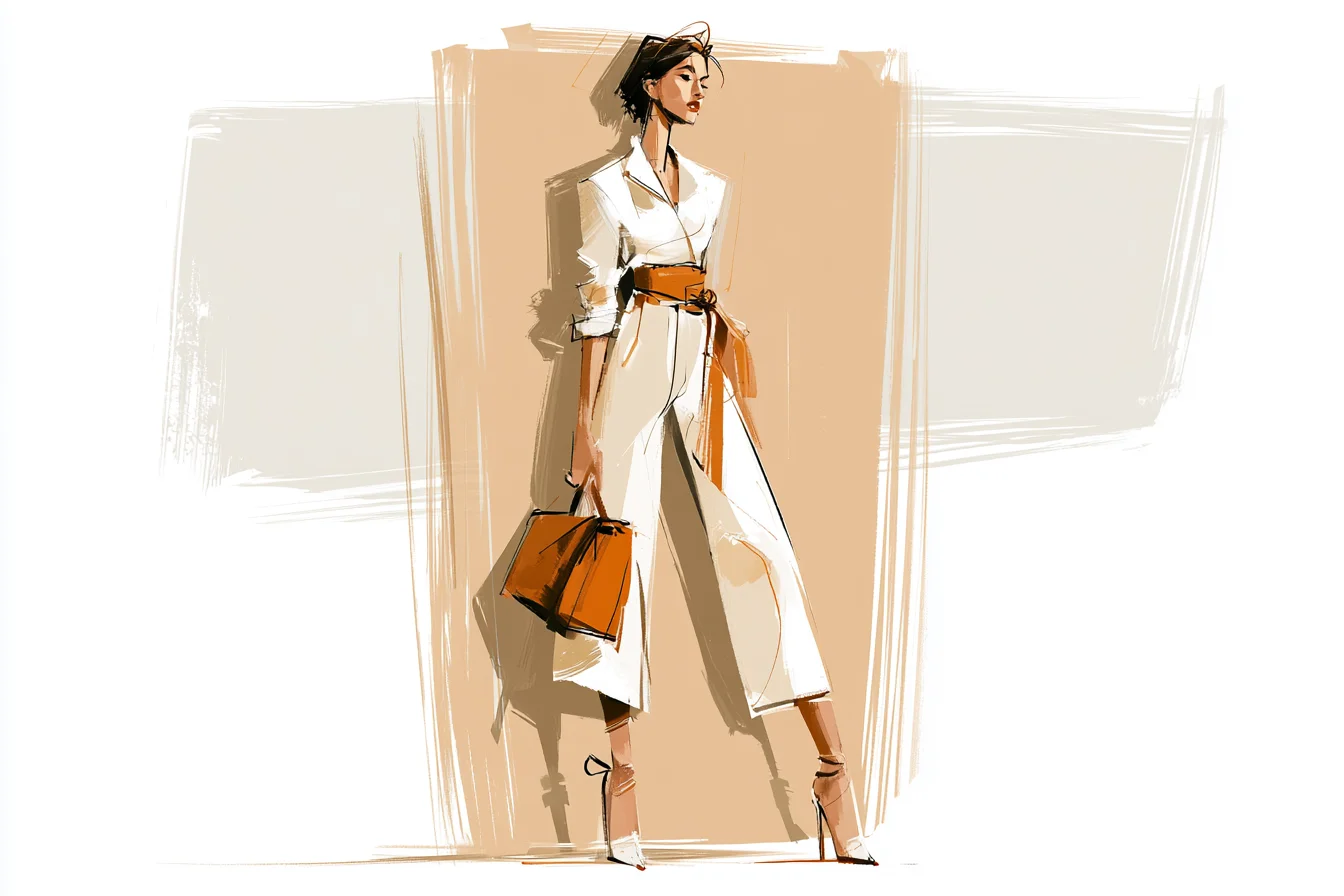
Gold hoops and watch for day-to-day wear,then sprinkled in with a few statement pieces for when I want to feel like a badass. (Those green glasses everyone keeps asking me about? Multiple people at work have asked if they are from ASOS.
They’re not, they’re mine.) Remember that how you dress for work is less about forcing yourself into someone else’s version of professionalism and more about how YOU want to present yourself. Once I finally accepted that I wasn’t going to wake up one day and LIKE the feeling of skinny jeans I stopped worrying about what I was wearing. I focus on high-quality staples that actually FIT me and my life rather than blindly coveting what everyone else has.
That said, there’s always the trusty black dress at the back of your closet. You know the one I mean. The one that FITS you, is usually wrinkle-free and makes you feel like total badass hell yeah you got this kind of boss?
We all have one. Just maybe double cheque it in natural light first. Trust me.